
Why What Works in Seoul Does Not Always Work in Tel Aviv
The Global K-Beauty Phenomenon Meets Local Realities
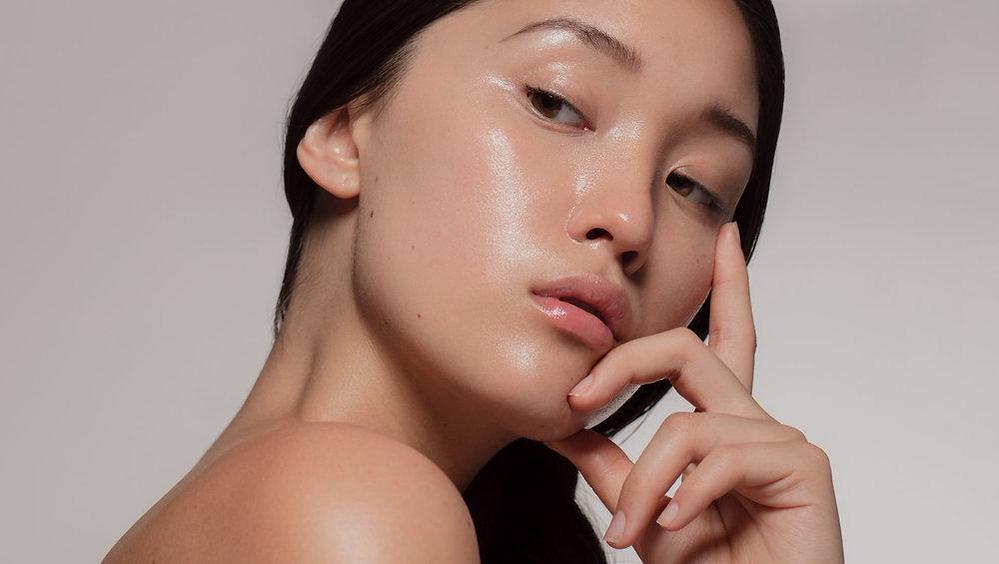
Korean beauty, or K-beauty, has taken the global skincare industry by storm, with South Korea's cosmetics exports reaching a record eleven point four billion dollars in 2025. This massive trend, driven by agile indie brands like Beauty of Joseon and Round Lab, emphasizes a gentle, multi-step routine designed to achieve a radiant, glass-skin complexion. However, prominent dermatologist Dr. Marina Landau recently highlighted in The Jerusalem Post that these globally celebrated routines, designed for the unique skin types and climate of Seoul, do not always deliver the same glowing results when transplanted to Mediterranean climates like Tel Aviv.
Understanding the Biology of East Asian versus Mediterranean Skin
To understand why K-beauty products perform differently across regions, we must look at skin genetics. East Asian skin naturally preserves its dermis structure and maintains collagen density longer, meaning deep wrinkles typically appear much later in life. In contrast, individuals of European and Mediterranean descent often experience a decline in collagen quality starting in their forties. Consequently, Mediterranean skin has an earlier physiological need for potent, active collagen-stimulating ingredients like retinoids, acids, and advanced peptides, rather than the ultra-gentle, highly diluted formulations favored in South Korea to prevent irritation on sensitive skin types.
The Invisible Sunscreen Dilemma in Sunny Climates
One of K-beauty's greatest achievements is the creation of incredibly lightweight, cosmetically elegant, and sheer sunscreens. However, these invisible formulations present a hidden challenge in intensely sunny environments like Israel. Many sheer Korean sunscreens omit iron oxides, which are typically found only in tinted sunscreens. For individuals prone to melasma or post-inflammatory hyperpigmentation, ultraviolet rays are not the only trigger; visible blue light also stimulates melanin production. Without iron oxides to block this visible light, relying solely on sheer K-beauty sunscreens can leave Mediterranean skin vulnerable to stubborn dark spots and uneven pigmentation.

The Social Media Hype and the Risk to Younger Skin
The global export of K-beauty via platforms like TikTok has decoupled these mindful, ritualistic routines from their original cultural context, turning them into viral shopping lists. Dr. Landau warns of a rising clinical trend where children as young as nine, ten, and eleven demand advanced anti-aging products containing retinol and peeling acids. Young, healthy skin has absolutely no biological need for these strong active ingredients. When used without medical supervision, these potent products can severely damage the delicate skin barrier, leading to chronic sensitivities, redness, and long-term irritation in young consumers.
Moving Toward Climate-Specific and Personalized Skincare
As the global beauty market matures, consumers are beginning to realize that a one-size-fits-all approach to skincare does not work. While South Korea remains the world's second-largest cosmetics exporter behind France, local dermatological advice is shifting away from blindly following global trends toward regional customization. Moving forward, watch for beauty brands to develop localized formulations that respect both regional climates and genetic skin differences. Balancing the lightweight, hydrating benefits of K-beauty with the targeted, potent actives required for Mediterranean skin will be the key to achieving healthy, protected skin worldwide.
Comments(0)
No comments yet. Be the first to share your thoughts!
Recommended Reads
 Taemin
K-Pop Icon Taemin Postpones North American Tour Over U.S. Visa Delays
K-pop fans across North America received disappointing news on September 29, 202...
 aespa
aespaReview: Aespa Stages a Cyberpunk Battle for Humanity in Miami Concert
On Saturday, September 26, 2026, the globally acclaimed K-pop girl group aespa b...
 BIGBANG
The Kings of K-Pop Return: BIGBANG Sparks Global Frenzy with 20th Anniversary Tour
On September 26, 2026, legendary South Korean group BIGBANG performed a historic...
 Kbeauty
K-Beauty Comes to Alabama: Industry Expert Sungmin Lee Brings Seoul's Hottest Trends to Auburn
On August 21, 2026, Auburn University's Korea Center–King Sejong Institute ...
 Kpop
KpopWhy K-Pop Conquered the World While C-Pop Remained Local
In September 2026, South Korean supergroup BTS concluded their massive ARIRANG N...
 Hanbok
Korea Takes Modernized Hanbok to Milan and Paris Fashion Weeks
Traditional Korean attire is making a historic leap onto the world's most p...