
Glass Skin Trend: K-Beauty Ingredients & US FDA Guide
What Is the Korean Glass Skin Skincare Trend?
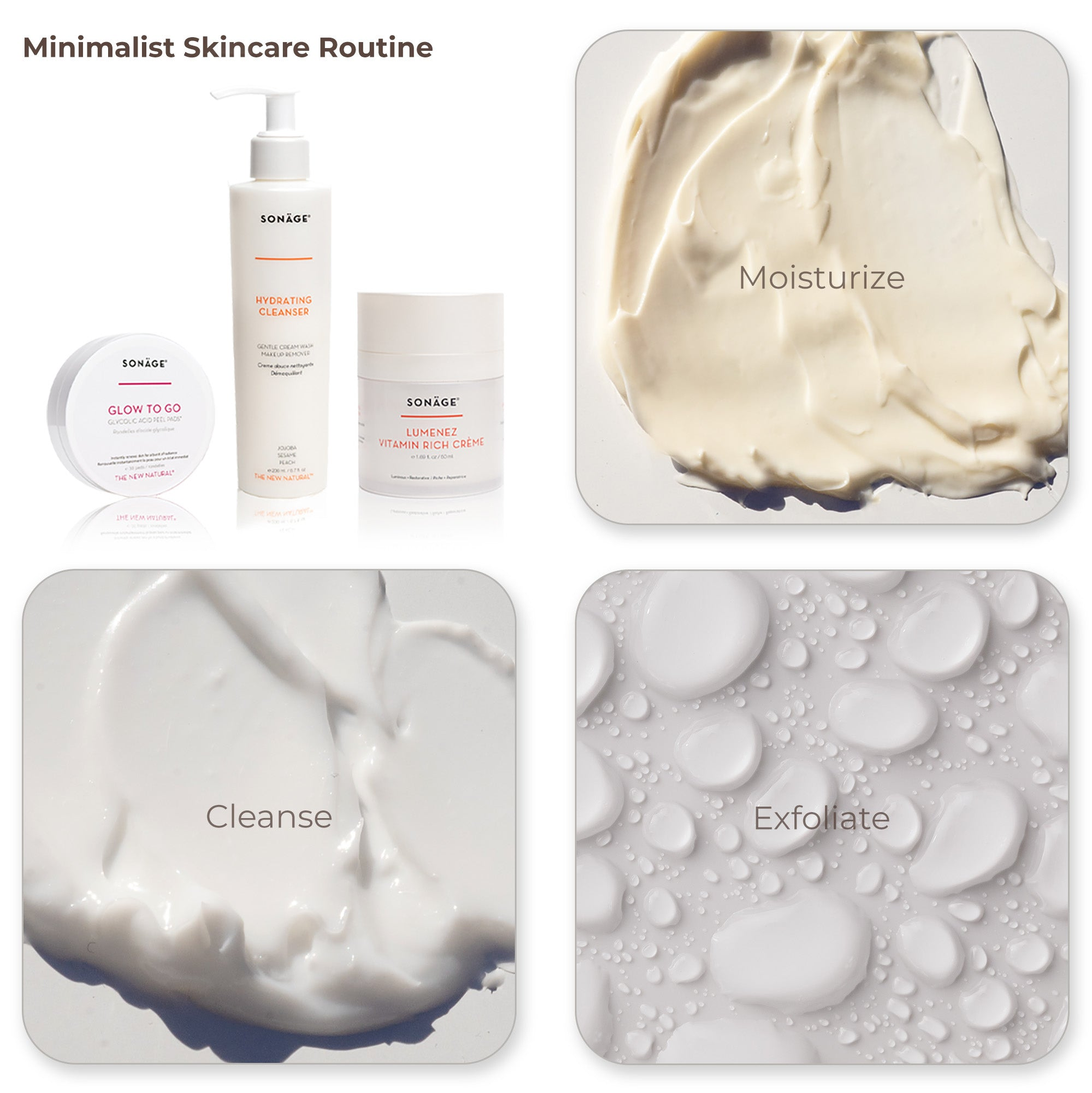
On November 20, 2026, WCVB Channel 5 Boston reporter Jessica Brown highlighted how South Korea's iconic glass skin aesthetic is captivating consumers across the United States. Originating in South Korea, glass skin refers to a skincare philosophy prioritizing deep hydration, skin barrier preservation, and sun protection over heavy cosmetics to achieve a luminous, translucent complexion. Cosmopolitan beauty editor Beth Gillette noted that American buyers are increasingly adopting K-beauty routines, incorporating hydrating sheet masks, toner pads, and under-eye patches into their daily regimens. As South Korea holds its position as the world's second-largest exporter of cosmetics behind France, American dermatologists and consumers alike are turning to Korean formulations to improve skin health.

Why Are Korean Sunscreens and Products Trending in the US?
A primary catalyst behind the American K-beauty surge is the refined texture and performance of South Korean sunscreen formulations. Cosmopolitan editor Beth Gillette and Dr. Farah Moustafa, Director of Laser and Cosmetics at Tufts Medical Center, both highlight the lightweight, comfortable feel of Korean sunscreens compared to traditional options. In South Korea, sun care focuses heavily on seamless daily wearability, prompting many beauty enthusiasts to purchase products directly from Seoul. However, US consumers must navigate key regulatory distinctions: while the US FDA regulates sunscreens as Over-the-Counter drugs requiring approved UV filters, Korean sunscreen formulas sold in the US market adapt their ingredient profiles to meet FDA compliance standards.
What Key Ingredients Power Korean Glass Skin Formulas?
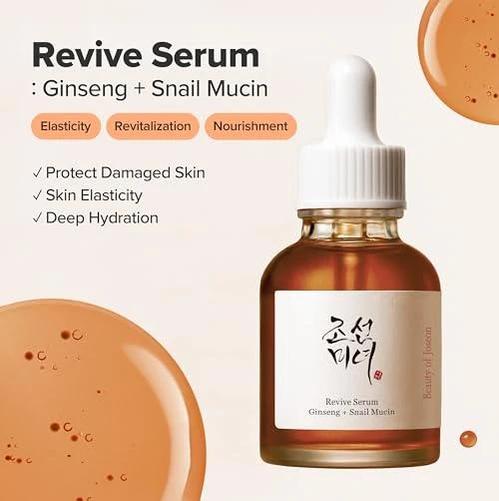
The WCVB report features several signature natural and clinical ingredients central to South Korean cosmetic formulas. Snail mucin remains a dominant staple for delivering intense hydration, with dermatologists noting its gentle tolerance across most skin types. Propolis, a resinous material collected by honeybees, is frequently formulated into lip treatments and facial serums for its anti-inflammatory and antimicrobial properties. Additionally, PDRN, or polydeoxyribonucleotide derived from salmon sperm DNA, has emerged as a viral ingredient promoted for cellular skin regeneration and collagen support. Together, these ingredients aim to nurture skin health from within rather than temporarily masking texture on the surface.
Regulatory Rules and Safety Cautions for K-Beauty Routines
While the glass skin approach emphasizes gentle nourishment, dermatologists advise shoppers to exercise caution when trying complex viral routines. In the United States, cosmetic products require detailed ingredient labeling but do not undergo pre-market FDA approval, making consumer awareness essential. Dermatologists warn against excessively layering strong active ingredients like AHAs, BHAs, retinoids, and high-potency vitamin C in multi-step routines popularized on social media. Over-layering aggressive actives can compromise the delicate skin barrier, leading to contact dermatitis or severe redness. Experts emphasize that genuine K-beauty principles center on gentle, barrier-restorative hydration and daily sun protection rather than harsh DIY chemical exfoliation.
What Should Consumers Know About Viral Ingredient Efficacy?
Although emerging components like topical PDRN generate substantial social media interest, industry experts emphasize maintaining evidence-based expectations. While clinical PDRN procedures are established in South Korean dermatology clinics, over-the-counter topical PDRN cosmetics currently lack large-scale, independent randomized controlled clinical trials confirming significant collagen synthesis. Cosmopolitan editor Beth Gillette recommends waiting for comprehensive peer-reviewed data before deeming topical salmon DNA a proven breakthrough. Consumers seeking to achieve glass skin safely should focus on fundamental hydration, consistent sunscreen application, and tailored routines designed to protect their unique skin barrier.
Sources: youtube.com · cnn.com · jivaka.kr · youtube.com
Comments(0)
No comments yet. Be the first to share your thoughts!
Recommended Reads
 Kbeauty
K-Beauty Black Friday 2026 Early Deals: Brands & Stores
On November 17, 2026, Allure published a curated shopping roundup by Christa Lee...
 Samchully
 Kalbi Social Club: Global K-Dining Locations & Menu
On November 19, 2026, South Korea's energy giant Samchully Group announced the e...
 Souvenirs
K-Culture Meets Holiday Magic at the 2026 Korea Tourism Souvenir Fair
South Korea's Ministry of Culture, Sports and Tourism alongside the Korea Touris...
 Kpop
The K-pop Takeover: How the East Bay Became a Hub for Korean Pop Culture
The San Francisco Bay Area is experiencing a major cultural shift as Oakland and...
 Kbeauty
Olive Young Expands in California with Five New Locations by 2027
South Korea's premier health and beauty retailer, CJ OLIVE YOUNG, has officially...
 KSeafood
Cuisine.K Brings Authentic Korean Seafood to Seattle Culinary Scene
From November 5 to 7, 2026, a multi-day K-Seafood Culinary Program took place at...