
Busan's Transformation: How South Korea's Port City Is Becoming Asia's Coastal Creative Hub
CNN Highlights Busan as Asia's Next Coastal Creative Hub
In late October 2026, CNN Travel published a feature report highlighting Busan's dramatic evolution from a heavy maritime logistics hub into an international cultural destination. South Korea's second-largest city is rapidly moving beyond its historic role as a brief side trip for tourists visiting Seoul. The news report emphasized how Busan is cultivating its own distinct, design-driven coastal identity. International travel experts and designers noted that the city offers a relaxed lifestyle paired with a surging local creative community. With high-speed KTX trains connecting Seoul to Busan in under three hours, global travelers are increasingly choosing this vibrant southern harbor for its unique fusion of coastal scenery and arts.
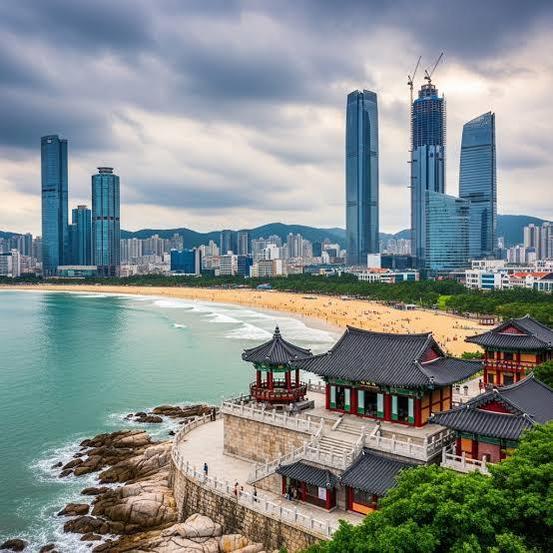
The LA vs. NYC Contrast and Coastal Lifestyle
To capture the dynamic between South Korea's two largest metropolitan areas, CNN compared the city pair to the United States: if Seoul represents New York, Busan fulfills the role of Los Angeles. Tourism commentators such as Rebecca Barry from Inside Travel Group noted that Busan provides a cooler, slower-paced, and less stressful atmosphere than the dense capital up north. Traditionally recognized for its bustling shipping lanes, seafood markets, and sandy beaches, Busan is reshaping its maritime identity. The city is fostering an appealing environment where vibrant local neighborhood networks, design studios, and coastal leisure coexist, giving international visitors a fresh alternative to Seoul.
Landmark Architecture and Urban Regeneration Projects
Busan's ongoing design transformation is anchored by extensive urban regeneration initiatives. The centerpiece is the new Busan Opera House, designed by the Norwegian architecture firm Snohetta, which is actively under construction along the redeveloped North Port waterfront. Emily Yan from Snohetta described the project as a catalyst for urban growth in the surrounding district. The revitalized port zone is connected directly to Busan Station via a modern elevated pedestrian walkway. Nearby, the Busan Lotte Tower project is rising near the iconic Jagalchi Market. These structural projects support Busan's 15-Minute City urban strategy, designed to place daily amenities, parks, and cultural venues within short reach for residents and visitors.
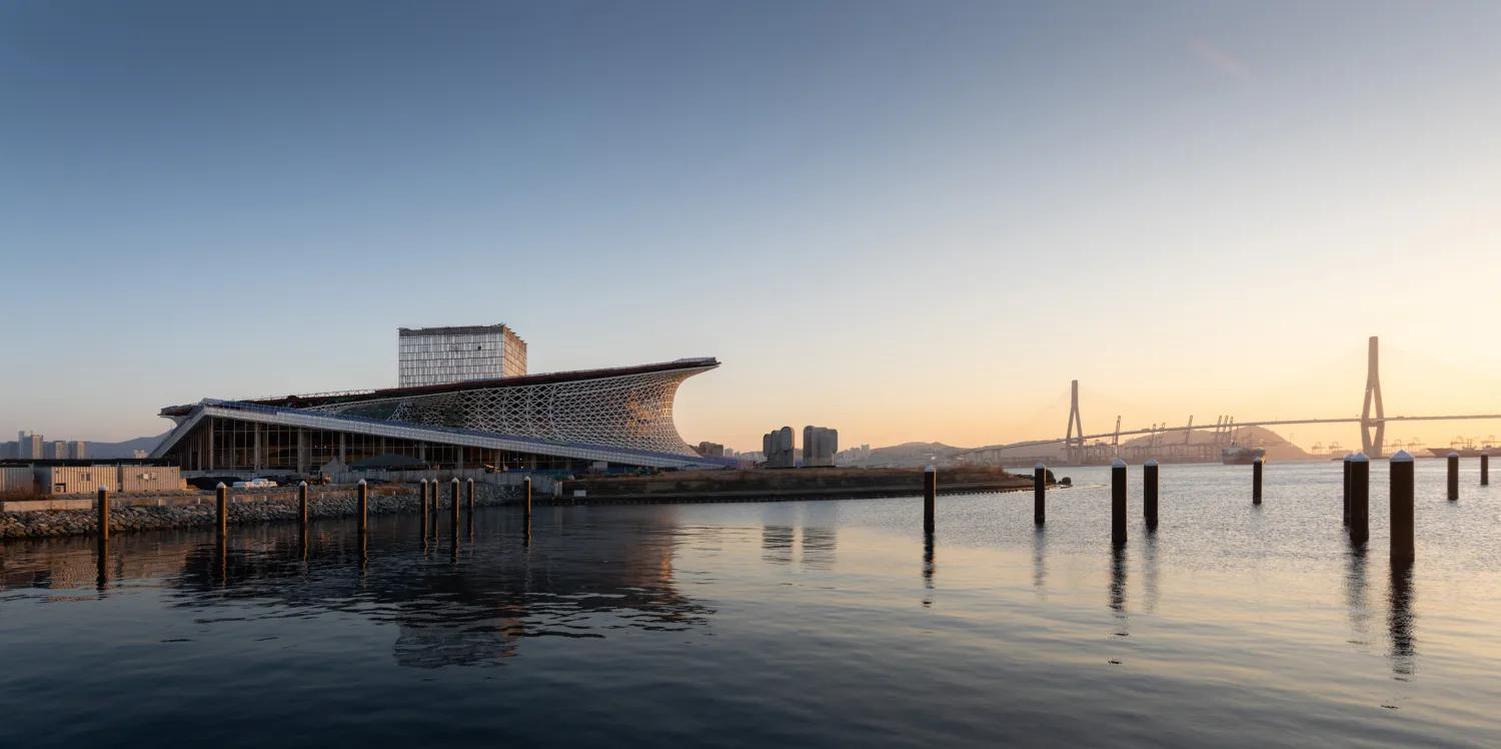
Surge in Global Tourism and Cultural Infrastructure
Data highlights Busan's expanding global reach. Between January and August 2026, the city recorded roughly 3.43 million foreign arrivals, representing a 45.9 percent year-over-year surge. Gimhae International Airport achieved a major milestone on October 22, 2026, passing ten million cumulative international passengers for the year. Global booking services reflect this momentum: Expedia named Busan one of its Destinations of the Year for 2027 after search queries jumped over 50 percent, while Airbnb recorded a 30 percent increase in lodging searches. This surge builds on established cultural pillars, including the world-renowned Busan International Film Festival, the Busan Cinema Center, and the Busan Museum of Modern Art.
What to Watch as Busan Shapes Its Creative Future
As Busan advances its ambition to become a world-leading creative capital, international observers will be watching the progress of its major infrastructure projects. While the Snohetta-designed Opera House is moving forward on the waterfront, urban planners continue to manage development timelines across the North Port zone. The broader question is whether Busan can permanently convert its tourism surge into long-term global creative influence alongside established coastal capitals. With continuous investments in pedestrian-friendly urban transit, green spaces, and cultural hosting, South Korea's premier port city is setting a notable example for urban transformation that travelers and designers will monitor closely.
Comments(0)
No comments yet. Be the first to share your thoughts!
Recommended Reads
 Kdrama
Amazon Prime Video Welcomes New K-Drama Hit Love in Disguise
Amazon Prime Video expanded its international streaming roster with the global p...
 Kbeauty
Inside the Cadaver-Derived Skin Booster Craze Aiming for the US Market
South Korea's renowned beauty industry, famous for pioneering advanced derm...
 Kfood
South Korea Launches Global Certification Plan to Standardize 1,000 Korean Restaurants
In October 2026, South Korea's Ministry of Agriculture, Food and Rural Affa...
 Kpop
Former North Korean State Singer Experiences First Live K-Pop Concert
Cho Mi-young, a former singer in a North Korean state arts troupe, recently reac...
 Hanbok
Fashion Week Asia: BAJUYO Merges Korean Heritage With Engineering-Inspired Design
The inaugural Fashion Week Asia 2026 brought vibrant Asian designs to Manila, Ph...
 Kdrama
Understanding Global Streaming Trends and the Rise of K-Drama Portals
In October 2026, a feature syndicated by Inter Press Service brought attention t...