
South Korea Launches Global Certification Plan to Standardize 1,000 Korean Restaurants
South Korea Unveils Plan to Certify 1,000 Overseas Korean Eateries
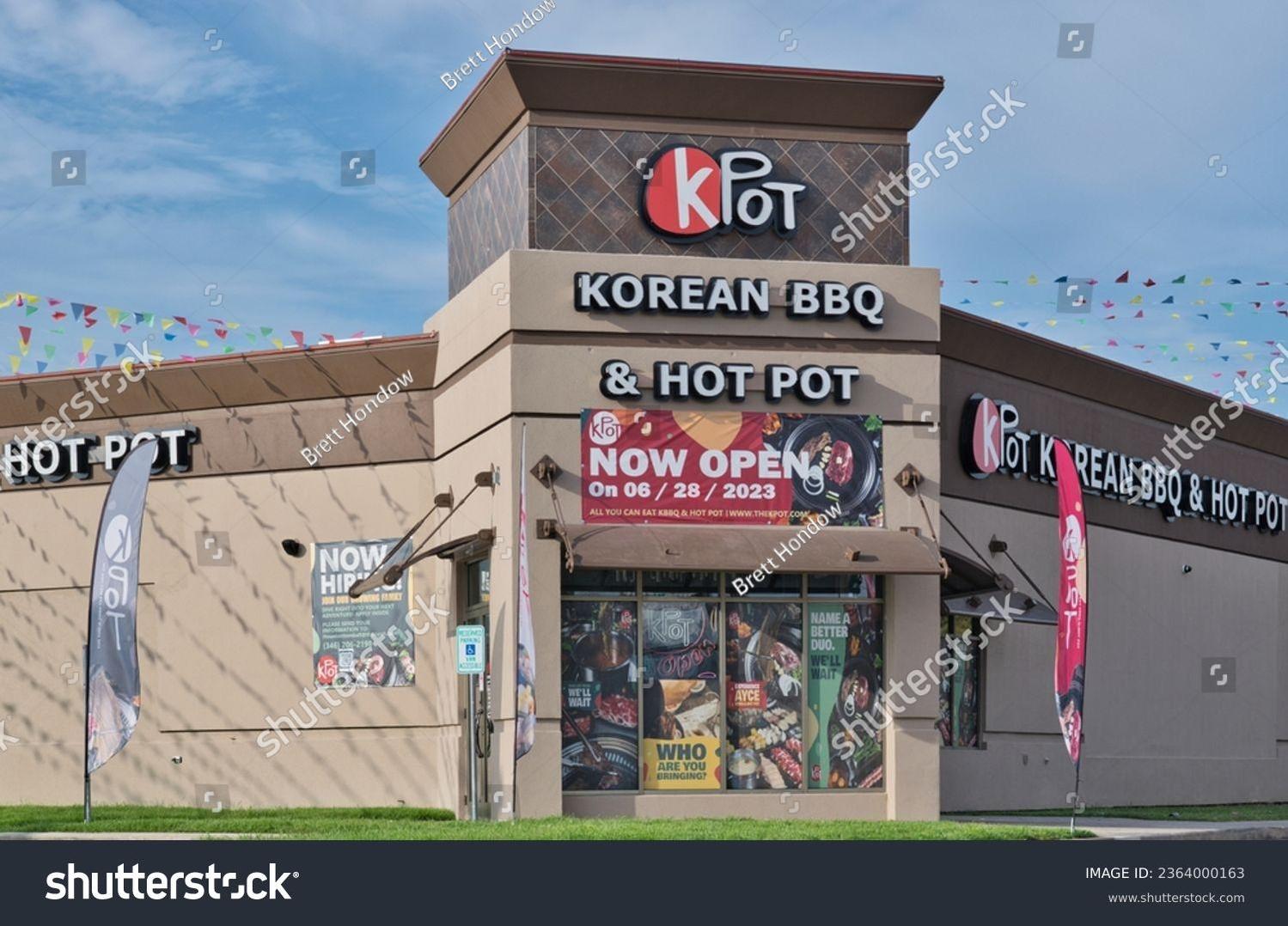
In October 2026, South Korea's Ministry of Agriculture, Food and Rural Affairs announced a major five-year initiative to certify 1,000 Korean restaurants worldwide. This program overhauls the government's previous recognition system to ensure consistent dining quality, hygiene, and authenticity across global markets. As international demand for Korean food expands from high-end dining into everyday street foods and casual meals, the official effort aims to establish clear standards for diners everywhere. By introducing a streamlined evaluation process, the ministry seeks to make authentic Korean dining experiences easily recognizable for international food enthusiasts while supporting venue operators around the world.
The Rise of Hansik and the Shift to Everyday Dining
Global interest in Hansik, the traditional Korean word for Korean cuisine, has grown significantly in recent years. Government surveys indicate that overseas consumer awareness of Hansik rose from 60 percent in 2023 to 65.7 percent in 2024, reaching 68.6 percent in 2025. This rise has been largely propelled by international interest in Korean pop culture and television dramas. While earlier certification efforts focused on fine-dining venues in major hubs like New York, Paris, and London, consumer preferences have expanded toward casual comfort dishes like tteokbokki, which are rice cakes in spicy sauce, and gimbap, which are seaweed rice rolls. Rapid market growth also brought non-authentic operators into the market, creating inconsistent quality.
Understanding the Two-Tier Certification System and New Rules
To accommodate diverse dining styles, the government established a two-tier rating system consisting of Recommended and Excellent designations. The Recommended tier targets 900 casual eateries selling items like Korean-style fried chicken, requiring them to meet baseline hygiene, service, and operational standards. Meanwhile, the Excellent tier is reserved for 100 top-tier establishments that fulfill higher service criteria and actively import domestic Korean ingredients, such as authentic rice, sesame oil, and traditional pastes. To lower entry barriers, the minimum required operating history for applicant venues was reduced from three years down to one year, with inspections delegated to local overseas branches of the Korea Agro-Fisheries & Food Trade Corp.

Digital Tools and Quality Control Infrastructure
Certifications are valid for three years but require annual hygiene and operational checks, allowing badges to be revoked if standards are not maintained. To support diners and operators, South Korea is rolling out several digital resources. A new Global Korean Restaurant Map will integrate with popular local navigation and reservation platforms to showcase photos, menus, ratings, and locations of certified venues. Additionally, a multilingual Digital Korean Cuisine Library is scheduled to launch in the second half of 2027, featuring recipe databases and cooking instructional videos. A mobile training academy will also provide short video modules covering ingredient handling, food safety, and cooking techniques.
Future Integration and Scaling Key Quality Initiatives
As the five-year initiative progresses, attention will focus on how local evaluation bodies scale inspections across multiple continents to meet the goal of 1,000 venues. Observers will monitor how smoothly third-party local mapping and reservation applications integrate official data from the Global Korean Restaurant Map into their consumer platforms. Furthermore, industry experts will watch whether certifying 100 Excellent tier venues leads to a measurable increase in exports of domestic Korean ingredients globally. Over time, these structural updates and training tools aim to maintain standard quality as Korean cuisine continues to cement its global presence.
Comments(0)
No comments yet. Be the first to share your thoughts!
Recommended Reads
 Kdrama
Amazon Prime Video Welcomes New K-Drama Hit Love in Disguise
Amazon Prime Video expanded its international streaming roster with the global p...
 Kbeauty
Inside the Cadaver-Derived Skin Booster Craze Aiming for the US Market
South Korea's renowned beauty industry, famous for pioneering advanced derm...
 Kpop
Former North Korean State Singer Experiences First Live K-Pop Concert
Cho Mi-young, a former singer in a North Korean state arts troupe, recently reac...
 Hanbok
Fashion Week Asia: BAJUYO Merges Korean Heritage With Engineering-Inspired Design
The inaugural Fashion Week Asia 2026 brought vibrant Asian designs to Manila, Ph...
 Kdrama
Understanding Global Streaming Trends and the Rise of K-Drama Portals
In October 2026, a feature syndicated by Inter Press Service brought attention t...
 Skincare
Beyond the Viral Trends: What Korean Locals Actually Use for Glass Skin
In October 2026, an InStyle shopping guide written by a native Korean beauty wri...