
Inside the Cadaver-Derived Skin Booster Craze Aiming for the US Market
A Striking New Trend in South Korean Skincare
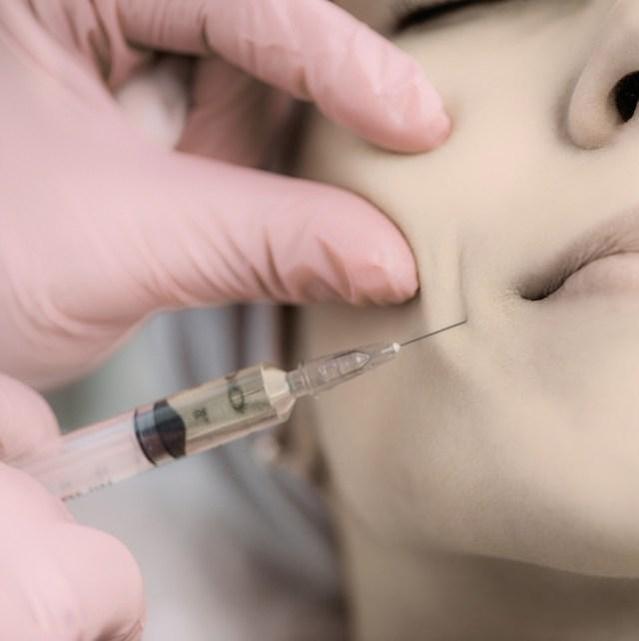
South Korea's renowned beauty industry, famous for pioneering advanced dermatological treatments like injectable skin boosters, has introduced a controversial new anti-aging product. The latest trend involves skin boosters formulated from decellularized human tissue harvested from deceased donors. The primary product behind this surge is Elravie Re2O, manufactured by South Korean tissue engineering biotech firm L&C Bio Co. Designed to smooth fine lines and restore skin elasticity, this unique injectable generated approximately $17 million in sales during the first half of 2026 alone. Now, the company plans to export this cadaver-derived cosmetic treatment back to the United States market, sparked by intense interest across East Asian medical aesthetics.
The Science Behind Human Tissue Boosters
In South Korea, skin boosters are popular micro-injections aimed at improving skin quality rather than simply adding volume like traditional dermal fillers. To create Elravie Re2O, donor human skin tissue undergoes a precise scientific method known as decellularization. This processing strips away all living cells and genetic material from the donor tissue. What remains is a highly purified extracellular matrix rich in naturally occurring collagen and elastin. The matrix is then dried, ground into micro-particles, and prepared as an injectable solution. When administered, this processed matrix helps smooth fine lines and supports the structural elasticity of aging skin.
Why American Donors Supply Korean Clinics
An intriguing aspect of this trade is the international supply chain linking American organ donors to South Korean aesthetic clinics. Roughly 90 percent of the human tissue used by South Korean biotech firms for these products originates from tissue banks in the United States, including supply hubs in Texas and Florida. The original donors are everyday Americans who checked the organ donation box at their local driver's license office or whose families authorized post-mortem donations. South Korea relies heavily on these U.S. imports because the country faces a persistent domestic shortage of tissue donors relative to its high demand for advanced tissue-engineered medical and cosmetic products.

Ethical Debates Around Altruism and Profit
The commercialization of donor skin has ignited ethical debates regarding non-profit donations versus commercial gain. Under United States federal law, paying donors or their families for human tissue is strictly illegal. However, tissue processors, brokers, and biotechnology companies can legally charge substantial handling and processing fees, generating millions of dollars along the supply chain. Ana Iltis, a professor at Wake Forest University and former president of the American Society for Bioethics and Humanities, pointed out that donors generally have no idea how much money changes hands. This contrast highlights growing concerns about altruistic tissue donations being converted into lucrative, high-end beauty treatments.
Regulatory Challenges and Western Consumer Acceptance
As the Korean market for skin-derived injectables expands toward a projected $75 million, L&C Bio has signed a $60 million distribution agreement over five years to bring these injectables to U.S. medical spas by 2027. However, its path forward faces regulatory and public hurdles. L&C Bio asserts that Elravie Re2O qualifies under tissue guidelines that bypass full pre-market FDA approval, but an FDA spokesperson noted that tissue exemption claims do not always meet legal criteria. Furthermore, early online reactions in Western countries show ethical discomfort with cadaver-derived skincare. Whether American consumers will embrace human tissue boosters in local clinics remains to be seen.
Comments(0)
No comments yet. Be the first to share your thoughts!
Recommended Reads
 Kdrama
Amazon Prime Video Welcomes New K-Drama Hit Love in Disguise
Amazon Prime Video expanded its international streaming roster with the global p...
 Kfood
South Korea Launches Global Certification Plan to Standardize 1,000 Korean Restaurants
In October 2026, South Korea's Ministry of Agriculture, Food and Rural Affa...
 Kpop
Former North Korean State Singer Experiences First Live K-Pop Concert
Cho Mi-young, a former singer in a North Korean state arts troupe, recently reac...
 Hanbok
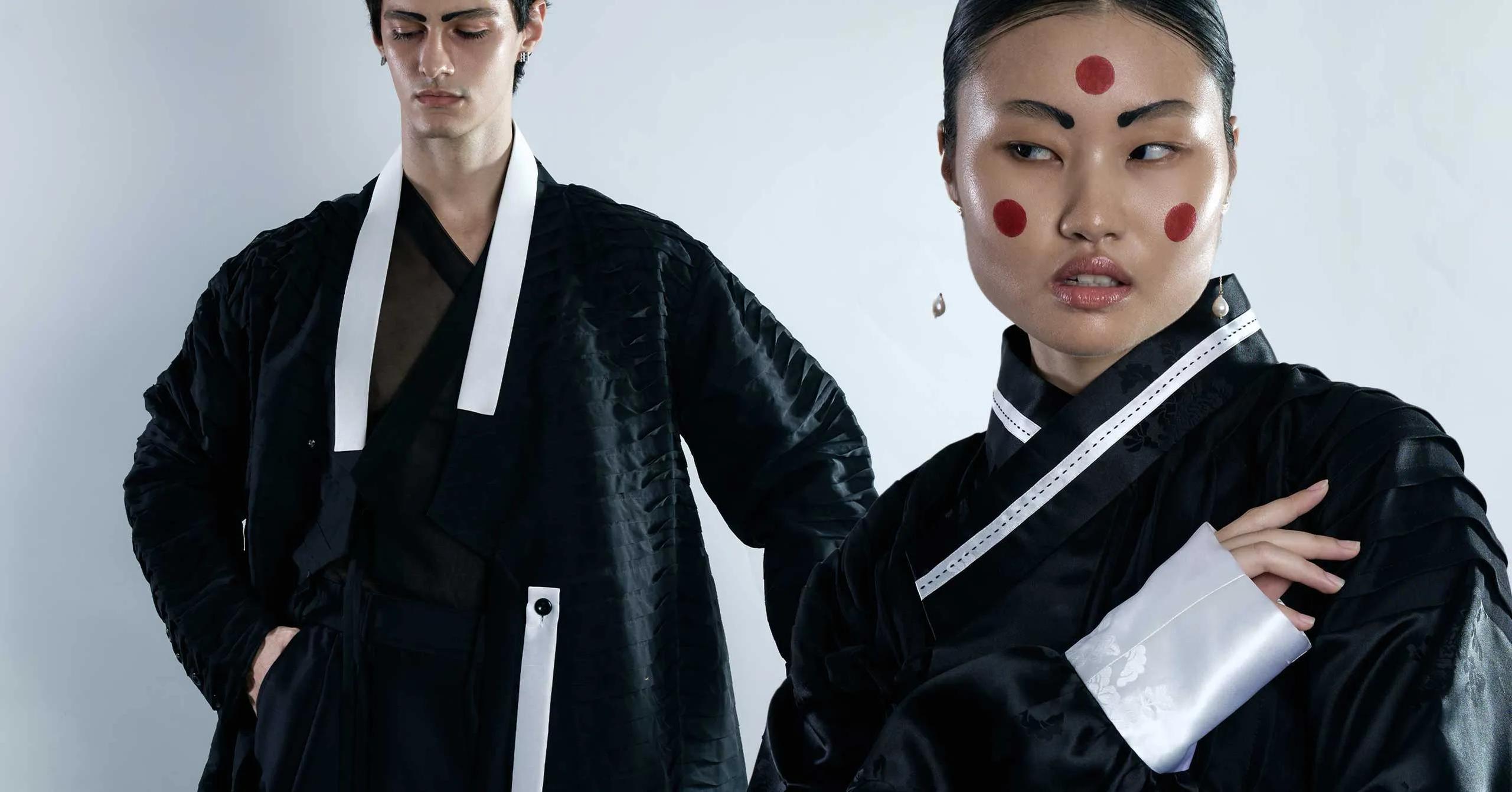
Fashion Week Asia: BAJUYO Merges Korean Heritage With Engineering-Inspired Design
The inaugural Fashion Week Asia 2026 brought vibrant Asian designs to Manila, Ph...
 Kdrama
Understanding Global Streaming Trends and the Rise of K-Drama Portals
In October 2026, a feature syndicated by Inter Press Service brought attention t...
 Skincare
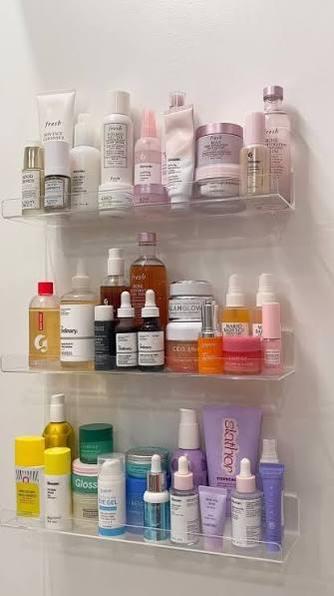
Beyond the Viral Trends: What Korean Locals Actually Use for Glass Skin
In October 2026, an InStyle shopping guide written by a native Korean beauty wri...