
메니에르병Jun 24, 2026, 06:43 PM• 90704 views
Understanding Meniere’s Disease: Symptoms, Causes, and How to Manage Vertigo
What is Meniere’s Disease?
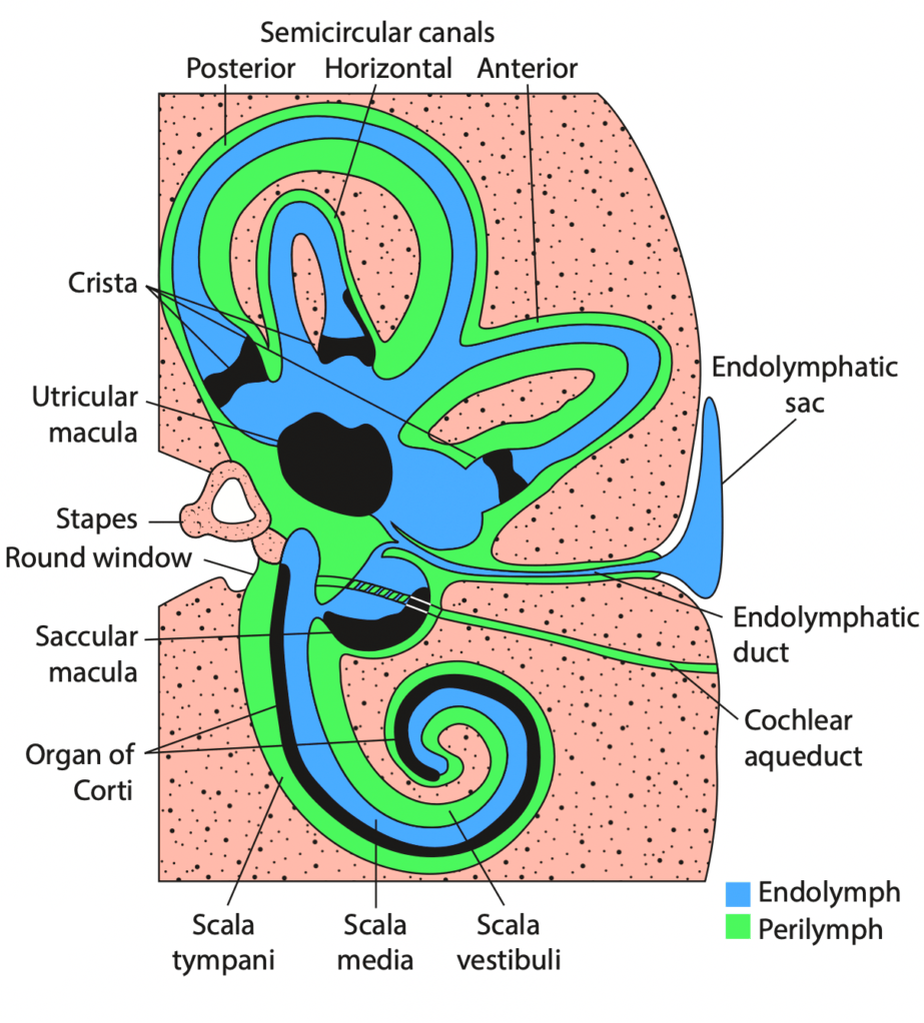
Meniere's disease is a chronic disorder of the inner ear that primarily impacts balance and hearing. Characterized by sudden, unpredictable episodes of severe vertigo, this condition can significantly disrupt daily life. It typically manifests in one ear and is medically understood to result from an abnormal accumulation of fluid, known as endolymph, within the labyrinth of the inner ear. When this fluid pressure increases, it disrupts the delicate signals sent to the brain, leading to the disorienting spinning sensations that many patients describe as the hallmark of their experience.
Recognizing the Common Symptoms
The symptoms of Meniere’s disease often occur in episodes that vary in duration and severity. Most patients report a combination of four primary signs: recurring vertigo, fluctuating hearing loss, tinnitus (a persistent ringing or buzzing sound), and a sensation of fullness or pressure within the ear. Some individuals may experience 'drop attacks,' where they feel as though they are suddenly pushed to the ground, which can be particularly dangerous. Because these symptoms can mimic other vestibular disorders, it is vital to keep a detailed log of when these episodes occur to help your medical provider make an accurate diagnosis.

Potential Causes and Triggers
While the exact cause of Meniere’s disease remains a topic of ongoing medical research, several theories exist. Factors such as viral infections, genetic predisposition, and autoimmune reactions are commonly cited as potential culprits. Furthermore, lifestyle choices and environmental stressors play a significant role in triggering acute episodes. High sodium intake, stress, caffeine, nicotine, and alcohol consumption are known to aggravate the fluid balance in the inner ear. Understanding your personal triggers is a fundamental step toward reclaiming a sense of control over your health and reducing the frequency of vertigo attacks.

Effective Management and Treatment Strategies
Although there is no permanent cure for Meniere’s disease, modern medicine offers various ways to manage the condition effectively. Treatment plans usually start with lifestyle modifications, such as adopting a low-salt diet and limiting stimulants to prevent fluid retention. During an acute attack, physicians may prescribe anti-nausea medications or vestibular suppressants to alleviate immediate discomfort. For those with chronic or severe cases, long-term options like inner ear injections, diuretic medications, or, in rare instances, surgical interventions may be recommended to stabilize hearing and minimize vertigo episodes. Always consult with an otolaryngologist or an ENT specialist to develop a personalized care plan.

#Meniere's Disease#Vertigo#Hearing Loss#Inner Ear Disorder#Tinnitus Treatment#Dizziness Relief#Vestibular Health
Comments(0)
No comments yet. Be the first to share your thoughts!
Recommended Reads
 Kbeauty
Sep 22, 2026, 10:03 PM
Target Beauty Studio: How K-Beauty is Conquering the American Mass Market
On September 10, 2026, retail giant Target officially launched Target Beauty Stu...
 Skincare
Sep 21, 2026, 10:03 PM
How K-Beauty is Powering Global Ingredient Literacy and Redefining Skincare
In a major move for the global beauty industry, Korean-American cosmetics brand ...
 JayPark
Sep 20, 2026, 10:06 PM
Edmonds-Born K-Pop Pioneer Jay Park Set for Major Seattle Homecoming Concert
Edmonds-born K-pop and hip-hop pioneer Jay Park is returning to his roots for a ...
 BTS
BTSSep 19, 2026, 10:04 PM
The Triumph and Autonomy of BTS: Inside Their Historic 2026 Comeback and Bold Grammy Boycott
After a scheduled hiatus that began in late 2022, the global supergroup BTS has ...
 Fitness Gaming
Sep 3, 2026, 03:35 AM
VXROOM: Transforming Daily Workouts into Engaging Web-Based Motion Games
VXROOM (vxroom.com) is an innovative web-based int...
 Survival Show
Sep 1, 2026, 09:07 AM
Game of Blood X: The Evolution of Korea’s Fiercest Survival Reality Franchise
Wavve's hit original series Game of Blood ...