
벤투Jul 6, 2026, 11:36 AM• 85306 views
The Tactical Legacy of Paulo Bento: From Lisbon to the World Cup Stage
Introduction to a Footballing Icon
Paulo Jorge Gomes Bento, widely known as Paulo Bento, is a distinguished Portuguese football manager and former professional player whose tactical intelligence and stubborn dedication to his philosophy have left a lasting mark on global football. Recognized for his disciplined approach, Bento has successfully transitioned from a relentless defensive midfielder into one of the most respected managers on the international stage. His career is characterized by structural organization, unwavering player loyalty, and a commitment to possession-based, proactive football that has challenged established dogmas in multiple continents.
Early Life and Professional Playing Career
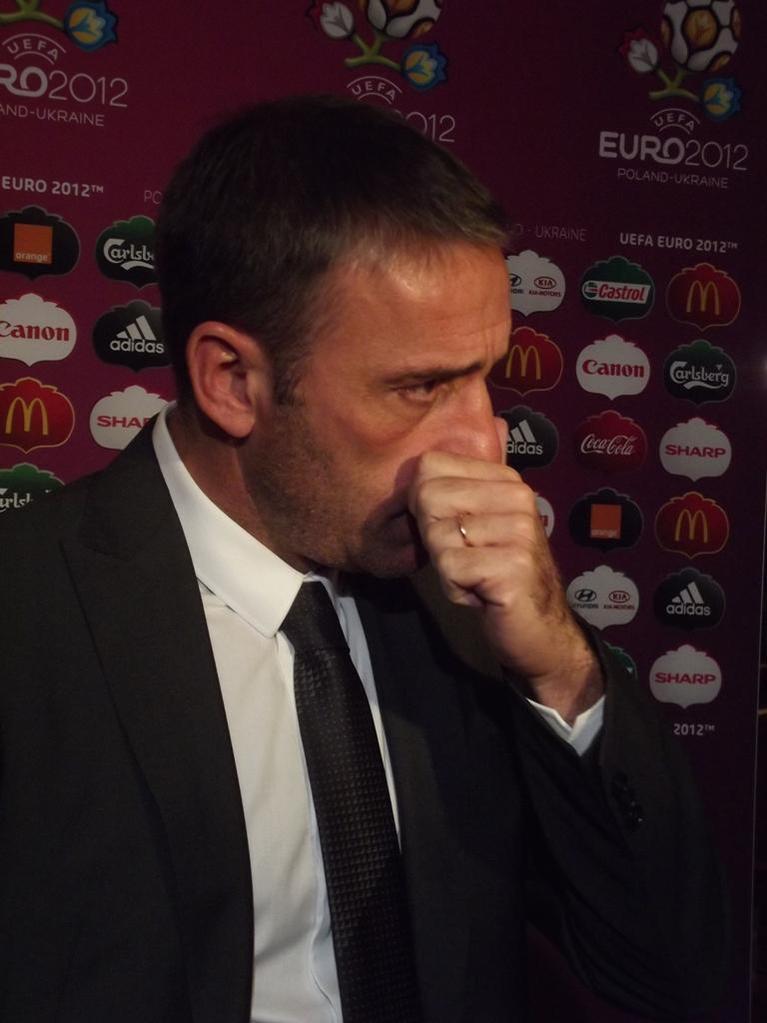
Born on June 20, 1969, in Lisbon, Portugal, Paulo Bento embarked on his professional football journey as a defensive midfielder. Over a career spanning nearly two decades, Bento played for several prominent Portuguese clubs, including Estrela da Amadora, Vitória de Guimarães, and Benfica. However, it was his tenure with Sporting CP in the early 2000s that solidified his reputation as a hard-working, tactically astute midfielder who excelled at reclaiming possession and orchestrating transitions from deep within his own half.
Representing the Portuguese National Team
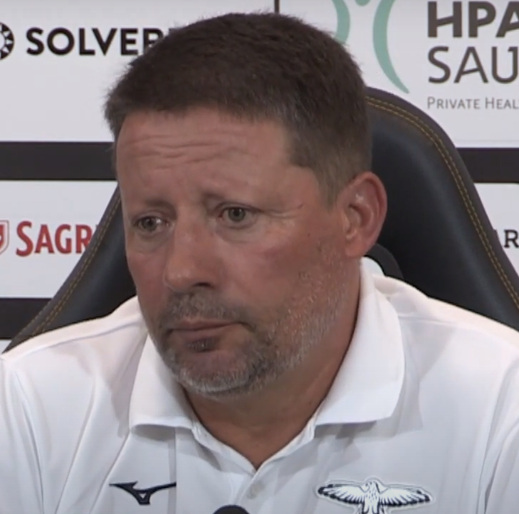
Bento's prowess on the domestic stage earned him 35 caps for the Portuguese national team. He was a vital part of the golden generation of Portuguese football, playing alongside legends like Luís Figo and Rui Costa. Bento represented his nation during major tournaments, including UEFA Euro 2000 and the 2002 FIFA World Cup. His international playing career provided him with invaluable exposure to high-pressure tournament environments, which would later form the bedrock of his international managerial strategies.
Transition to Coaching: The Sporting CP Era
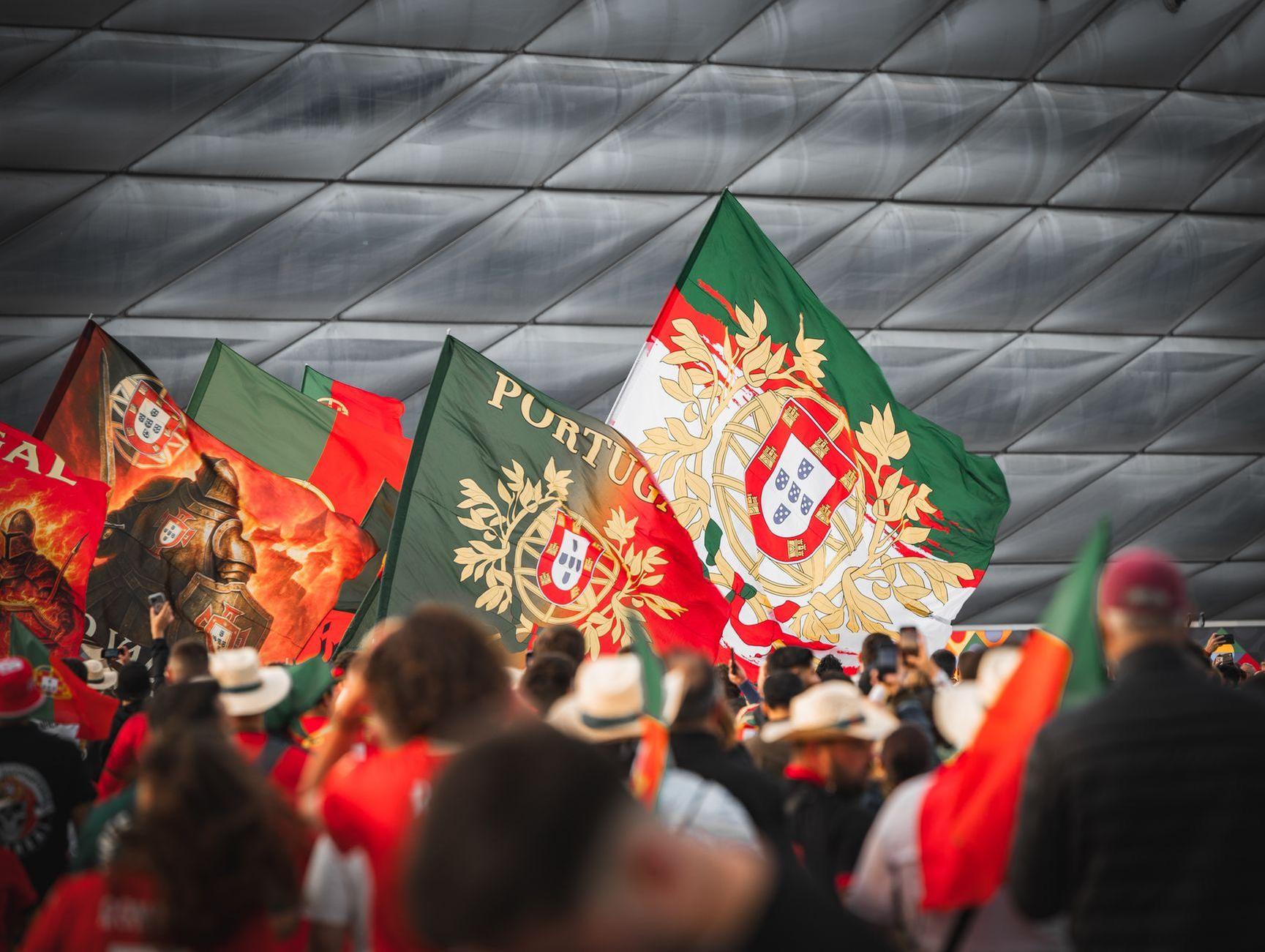
Following his retirement as a player, Bento immediately transitioned into coaching within Sporting CP's youth setup. In 2005, he was fast-tracked to the senior team's head coach position. Despite facing financial constraints and a young squad, Bento achieved remarkable success, guiding Sporting CP to four consecutive second-place finishes in the Primeira Liga and winning back-to-back Taça de Portugal and Taça da Liga titles. His ability to develop young academy talents during this era earned him the nickname 'Formula One' for his rapid, high-performance coaching style.
Managing the Portuguese National Team
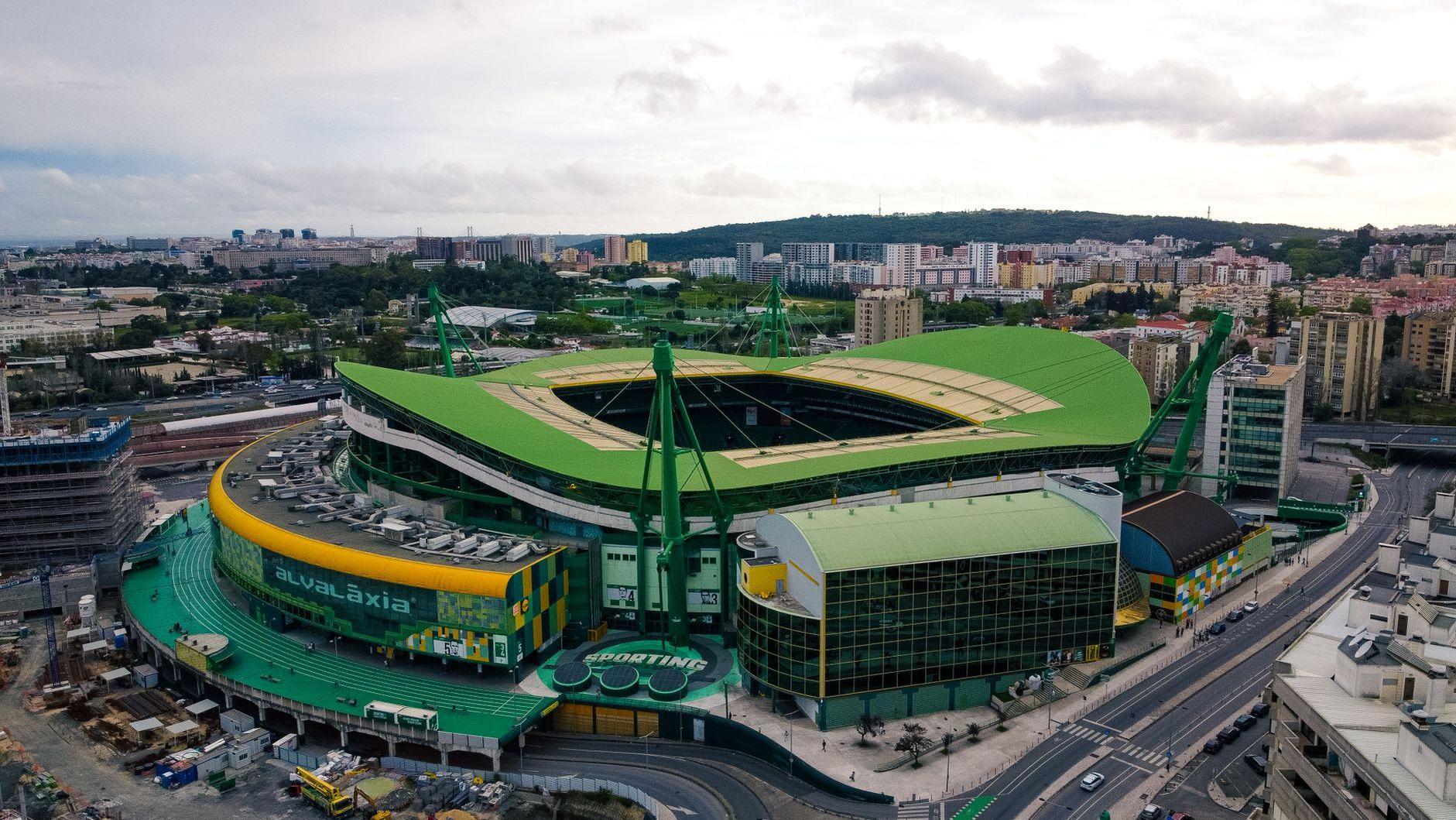
In September 2010, Bento was appointed as the head coach of the Portuguese national team, succeeding Carlos Queiroz. He inherited a squad in transition but quickly steadied the ship, steering Portugal to UEFA Euro 2012, where they reached the semi-finals before falling to Spain on penalties. Bento's system utilized Cristiano Ronaldo's explosive pace and lethal finishing to great effect. Although his tenure ended after a challenging group-stage exit at the 2014 World Cup and a rocky start to the Euro 2016 qualifiers, he proved his capability to manage elite-tier global talent.
The Global Journey: Cruzeiro, Olympiacos, and Chongqing
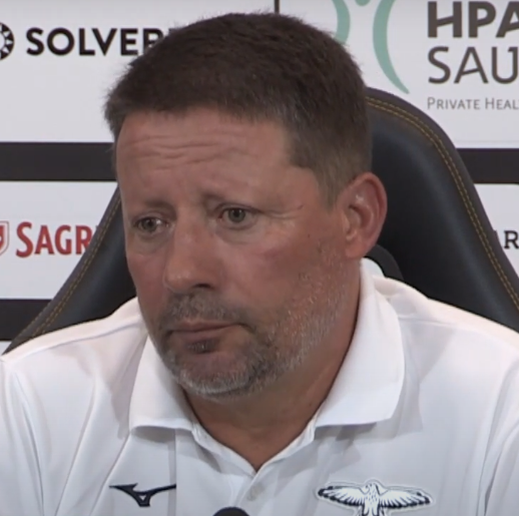
Seeking new challenges, Bento embarked on a nomadic managerial journey across different continents. In 2016, he had a brief stint in Brazil with Cruzeiro, followed by a successful period in Greece with Olympiacos, where he guided the team to a Super League title. In late 2017, he ventured to Asia to manage Chinese Super League side Chongqing Lifan. These diverse cultural and tactical experiences broadened his managerial horizons, preparing him to adapt his rigid footballing principles to varying styles of play and squad dynamics.
A New Chapter in South Korea
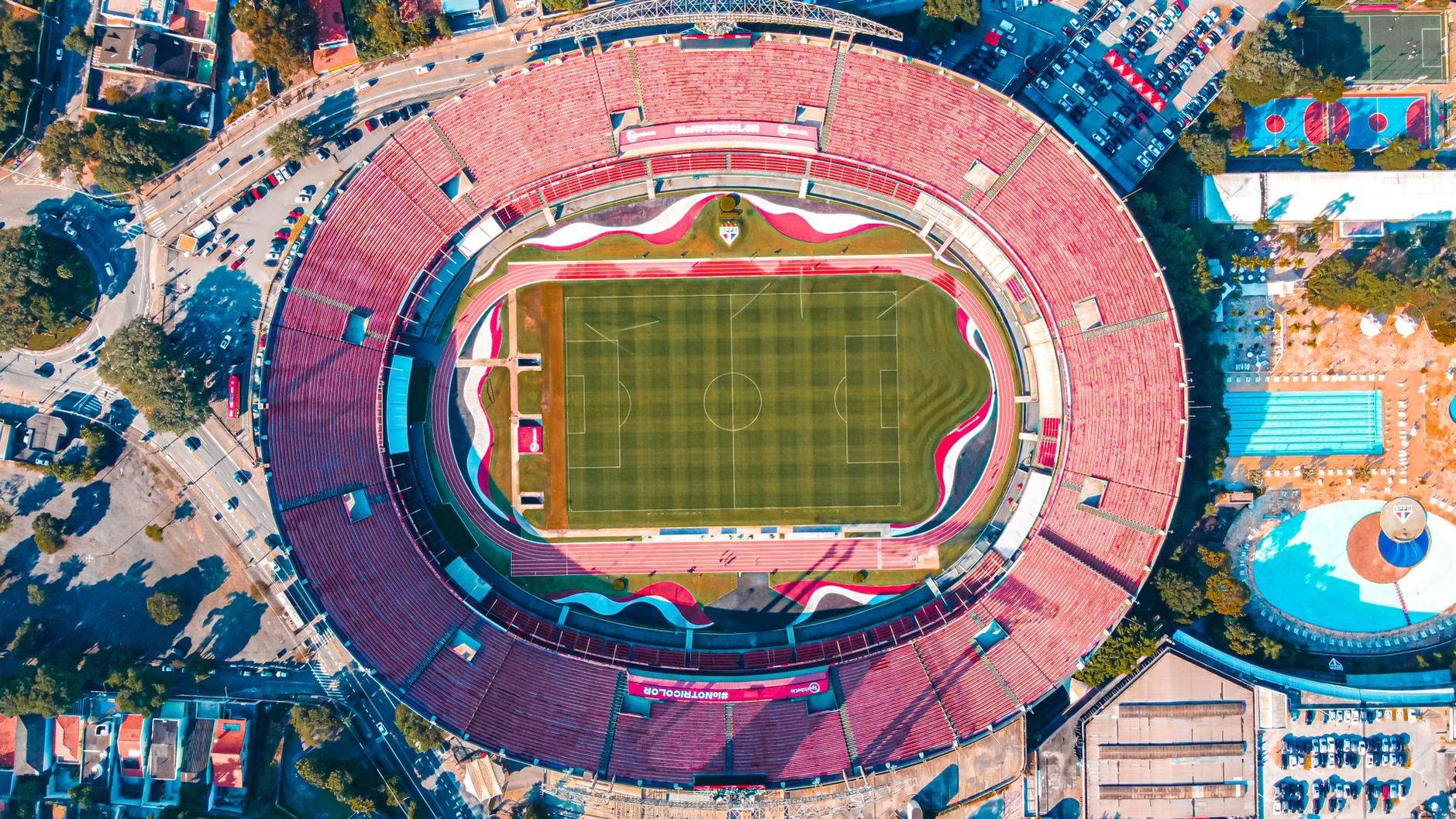
In August 2018, the Korea Football Association (KFA) announced the appointment of Paulo Bento as the head coach of the South Korean national football team. Tasked with rebuilding the squad after the 2018 World Cup and establishing a long-term footballing philosophy, Bento became the first manager in South Korean history to be promised a full four-year cycle leading up to the next World Cup. This unprecedented level of trust set the stage for a dramatic shift in how South Korean football was organized.
Defining 'Bento-ball': Possession and Build-up
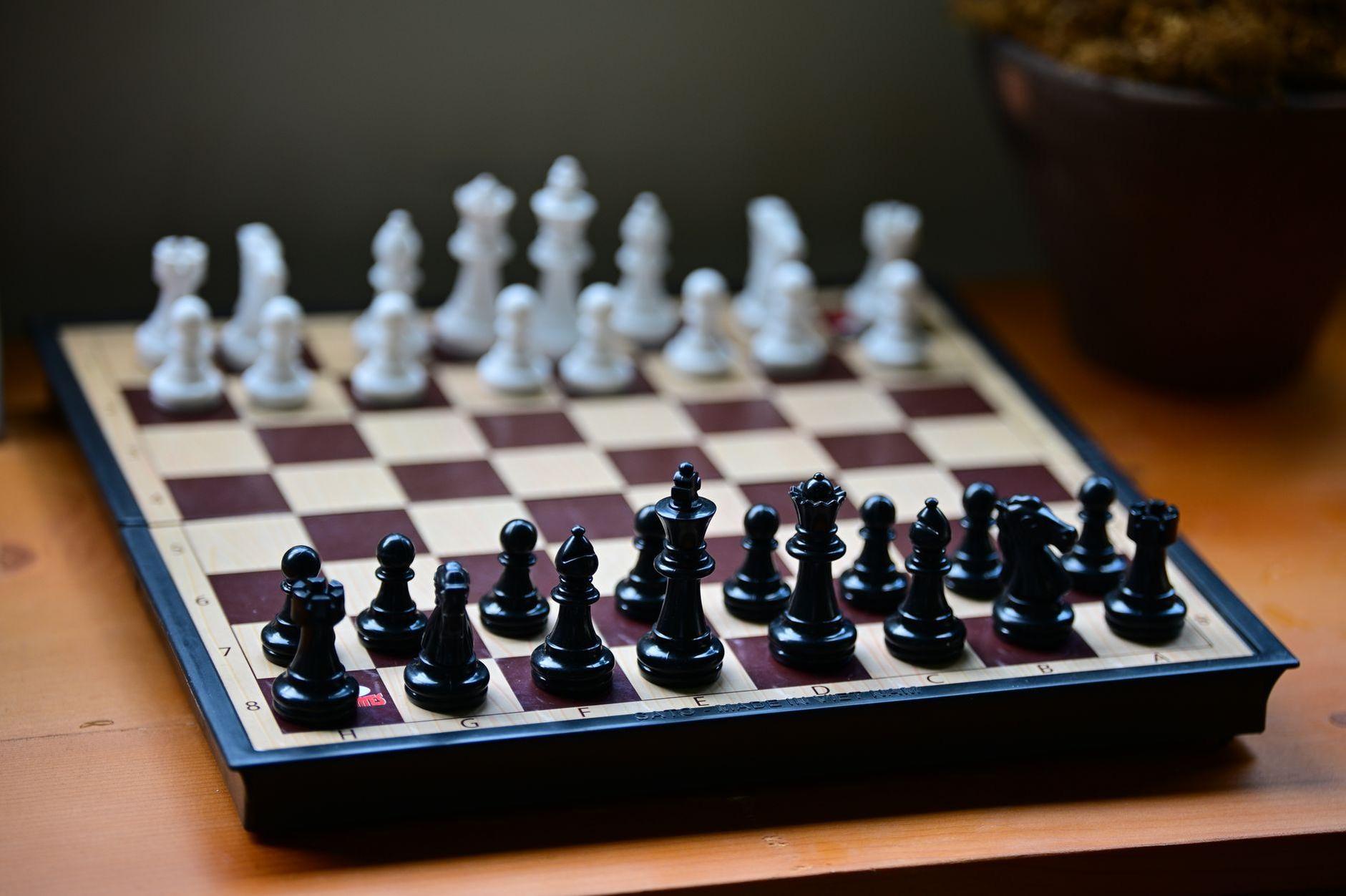
Bento introduced a highly structured, possession-based style of play to South Korea, colloquially dubbed 'Bento-ball' by fans and media. Unlike the traditional Korean style, which relied heavily on physical endurance, quick counter-attacks, and defensive low blocks, Bento demanded that his team build up play systematically from the goalkeeper and defensive line. This philosophy required high technical proficiency, rapid short passing, and intelligent spatial positioning to maintain dominance and control the tempo of the game.
Initial Skepticism and Public Criticism
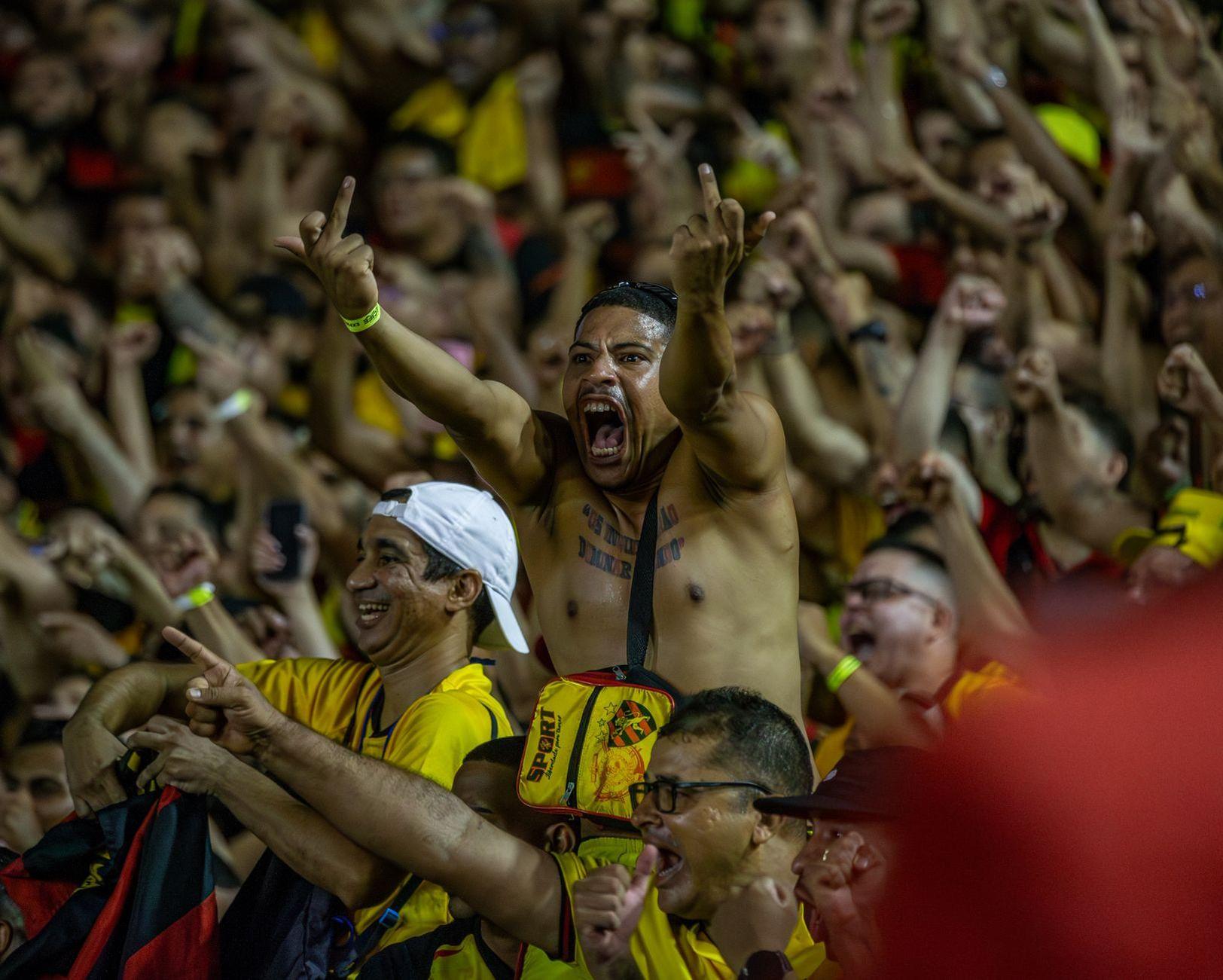
The implementation of 'Bento-ball' was not without significant friction. In the early stages of his tenure, Bento faced intense public and media skepticism. Critics argued that his insistence on playing out from the back was too risky against elite international opponents and that his squad selection was overly rigid and stubborn. Disappointing results, such as a quarter-final exit in the 2019 AFC Asian Cup and heavy friendly losses, fueled doubts about whether Bento's European tactics could successfully integrate with the traditional strengths of Korean football.
The Stubborn Commitment to Philosophy
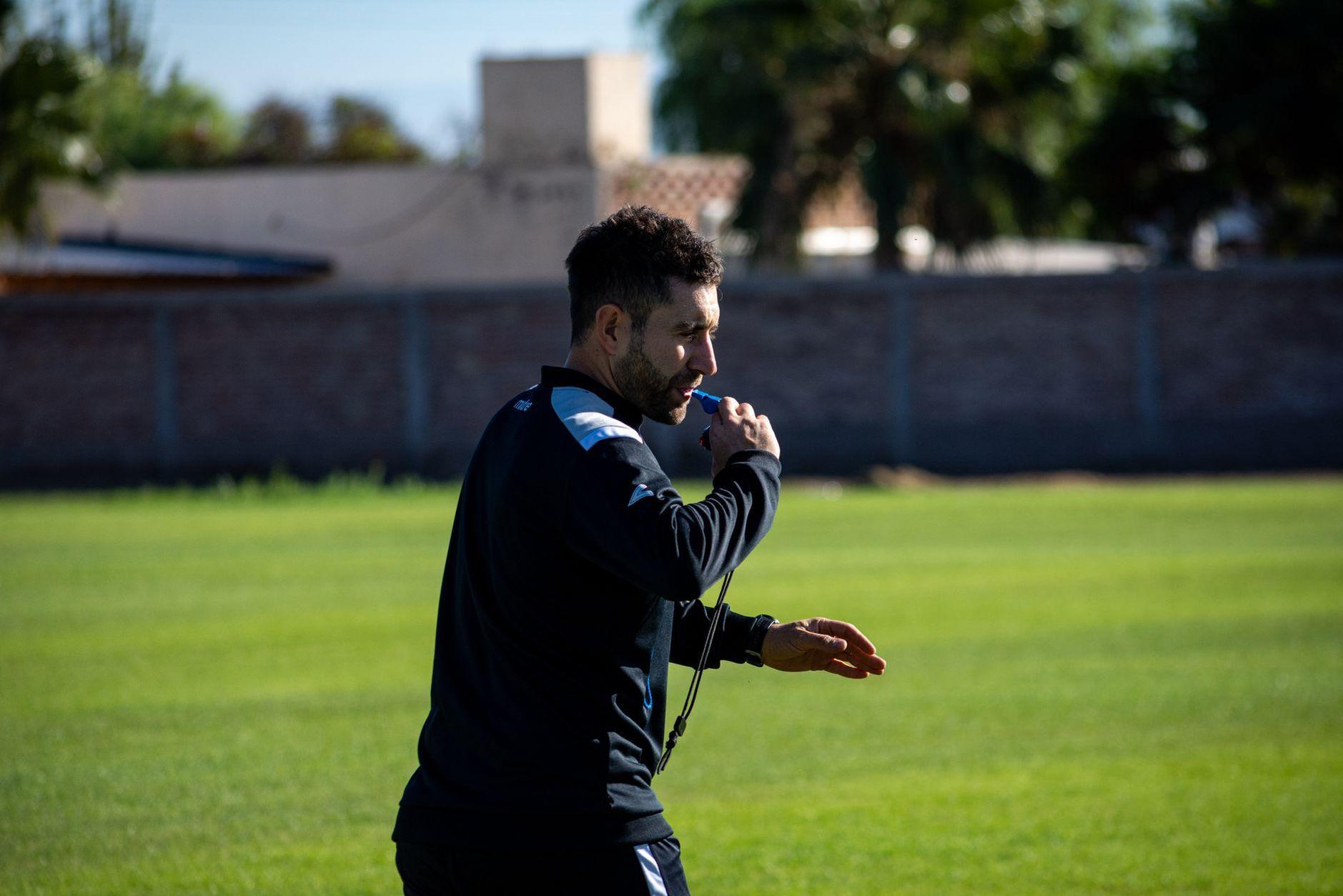
Despite mounting pressure, Bento refused to compromise his principles. He consistently defended his players and tactical approach in press conferences, projecting a stoic and unwavering demeanor. This stubbornness, which initially drew criticism, gradually became his greatest asset. By maintaining tactical consistency, Bento provided the players with a clear, predictable framework, fostering a deep sense of trust and unity within the dressing room that shielded the squad from external media storms.
Cruising Through the World Cup Qualifiers
Bento's consistency began to yield undeniable results during the AFC third round of World Cup qualification. South Korea delivered incredibly dominant performances, securing a spot in the 2022 FIFA World Cup with several matches to spare. Key victories, including a historic 2-0 win over Iran in Seoul, silenced many critics. The team demonstrated unprecedented defensive stability and midfield fluidity, proving that the squad had fully internalized Bento's tactical principles over the four-year cycle.

Strategic Midfield and Defensive Structuring
At the core of Bento's success was his meticulous structuring of the midfield. He utilized key players like Hwang In-beom as deep-lying playmakers, alongside the defensive resilience of Jung Woo-young. This pivot duo allowed South Korea to control the tempo of matches and efficiently distribute the ball to the flanks, where world-class winger Son Heung-min could exploit spaces. Defensively, Kim Min-jae's aggressive, forward-defending style complemented Bento's high defensive line, allowing the team to press high up the pitch.
The Qatar 2022 Campaign: Group H Showdown
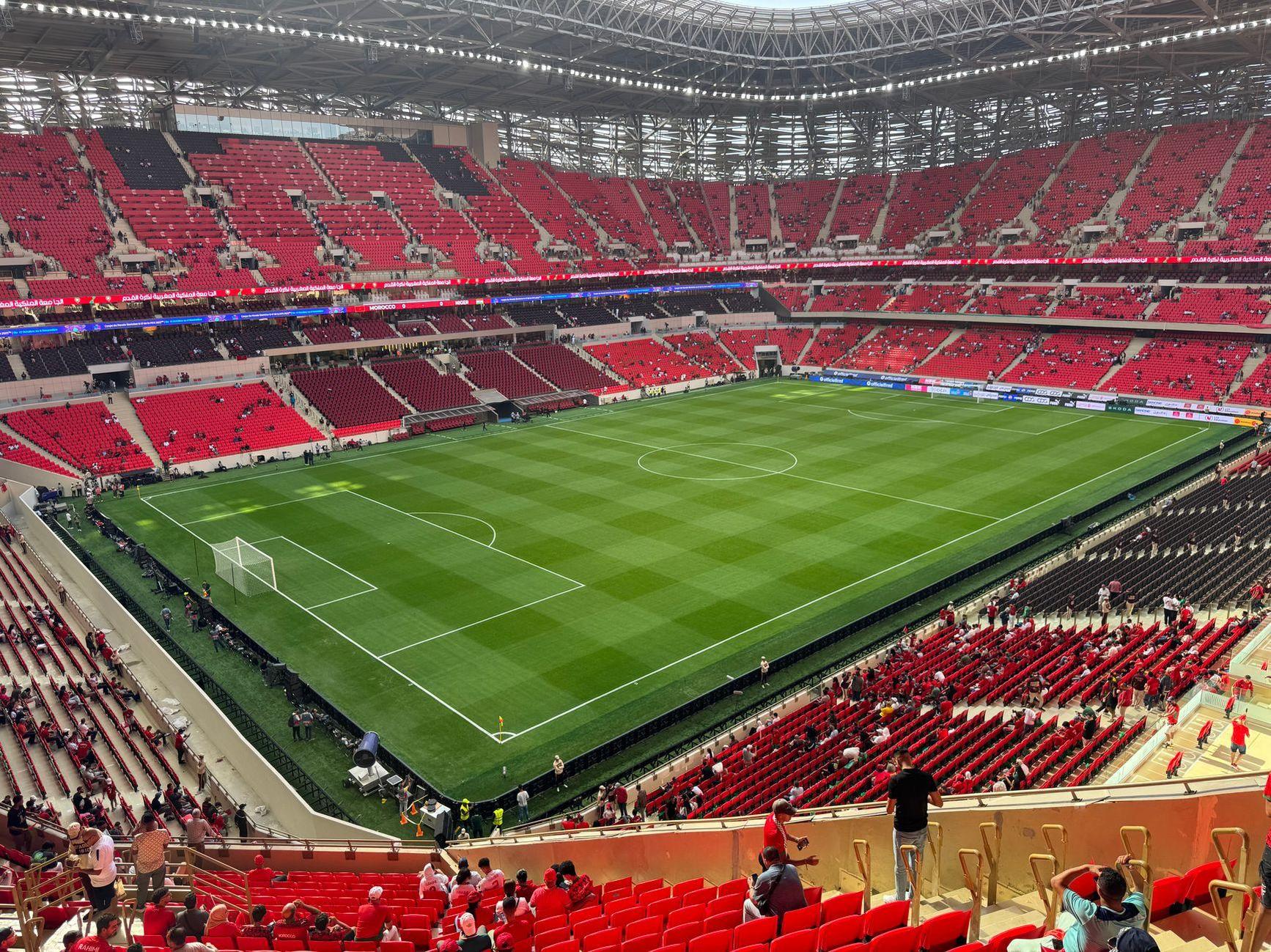
The 2022 FIFA World Cup in Qatar was the ultimate litmus test for Bento and his squad. Drawn into Group H alongside Uruguay, Ghana, and his home nation of Portugal, South Korea faced a daunting path to the knockout stages. In their opening match against a formidable Uruguay, Bento's squad surprised global observers by dominating possession and dictating play. The hard-fought 0-0 draw proved that Bento-ball could hold its own against South American football powerhouses.
Adversity and Emotional Drama Against Ghana
The second group-stage match against Ghana was a rollercoaster of emotions. Despite dominating possession and launching relentless attacks, South Korea fell behind 2-0. They fought back valiantly with a quick-fire brace of headers from Cho Gue-sung, only to eventually lose 3-2. After the final whistle, Bento was shown a red card for vehemently protesting the referee's decision to deny South Korea a final corner kick. This dramatic moment, while sideline-banishing him for the next match, demonstrated his fierce defense of his team.

The Miracle of Al Rayyan: Defeating Portugal
Banned from the touchline, Bento watched from the executive suites as South Korea faced his home country, Portugal, in a must-win final group match. Executing Bento's precise tactical plan under assistant coach Sergio Costa, the team played with exceptional discipline. In the dying minutes of the game, a brilliant solo run by Son Heung-min set up Hwang Hee-chan for a dramatic 91st-minute winner. The 2-1 victory, combined with results elsewhere, secured South Korea's historic qualification for the Round of 16.
Reaching the Round of 16 and Facing Brazil
South Korea's progression to the Round of 16 was a massive triumph, validating Bento's four years of hard work. Though their World Cup journey ended with a 4-1 defeat to top-ranked Brazil, the team played with courage, refusing to abandon their possession-based philosophy even against the world's most dangerous attacking side. The tournament showcased a matured South Korean squad capable of maintaining tactical composure against global giants.
A Heartfelt Farewell to South Korea
Following the conclusion of the World Cup campaign, Bento announced that he would not renew his contract with the KFA, choosing to step down as head coach. His departure was met with immense public warmth and appreciation, a stark contrast to the skepticism he faced early on. Fans and players alike praised his integrity, modernizing influence, and leadership. His departure marked the end of a golden era of stability and strategic progress for the national team.
Entering a New Era with the UAE National Team
In July 2023, Paulo Bento was appointed as the head coach of the United Arab Emirates (UAE) national football team. Recognizing his success in building structured, competitive programs in East Asia, the UAE football hierarchy tasked him with leading their qualification campaign for the 2026 FIFA World Cup. Bento immediately set about implementing his signature possession-oriented build-up play, aiming to elevate the UAE into a premier power in West Asian football.
Analytical Breakdown of Bento's Tactical Legacy
Bento's coaching philosophy has significantly influenced modern football tactics, particularly in Asia. By demonstrating that an Asian team could successfully employ European-style positional play against elite global competition, Bento shattered the myth that physical differences dictated a defensive style of play. His legacy lies in proving that rigorous, systematic training, tactical consistency, and intellectual preparation can bridge the gap between developing football nations and established football giants.

The Lasting Impact of Paulo Bento
Paulo Bento's career is a testament to the power of conviction. From his hard-nosed playing days in Portugal to his historic achievements on the global managerial stage, Bento has remained true to his vision of how football should be played and managed. He leaves behind not just trophies and memorable World Cup moments, but a blueprint for structural development, professional integrity, and tactical courage that will inspire coaches and players for generations to come.

#Paulo Bento#South Korea National Football Team#Football Manager#World Cup 2022#Portuguese Football#Sporting CP#Tactical Analysis#Bento-ball
Comments(0)
No comments yet. Be the first to share your thoughts!
Recommended Reads
 Kbeauty
Sep 22, 2026, 10:03 PM
Target Beauty Studio: How K-Beauty is Conquering the American Mass Market
On September 10, 2026, retail giant Target officially launched Target Beauty Stu...
 Skincare
Sep 21, 2026, 10:03 PM
How K-Beauty is Powering Global Ingredient Literacy and Redefining Skincare
In a major move for the global beauty industry, Korean-American cosmetics brand ...
 JayPark
Sep 20, 2026, 10:06 PM
Edmonds-Born K-Pop Pioneer Jay Park Set for Major Seattle Homecoming Concert
Edmonds-born K-pop and hip-hop pioneer Jay Park is returning to his roots for a ...
 BTS
BTSSep 19, 2026, 10:04 PM
The Triumph and Autonomy of BTS: Inside Their Historic 2026 Comeback and Bold Grammy Boycott
After a scheduled hiatus that began in late 2022, the global supergroup BTS has ...
 Fitness Gaming
Sep 3, 2026, 03:35 AM
VXROOM: Transforming Daily Workouts into Engaging Web-Based Motion Games
VXROOM (vxroom.com) is an innovative web-based int...
 Survival Show
Sep 1, 2026, 09:07 AM
Game of Blood X: The Evolution of Korea’s Fiercest Survival Reality Franchise
Wavve's hit original series Game of Blood ...