
신태일Jul 9, 2026, 03:41 PM• 81993 views
The Rise and Fall of Shin Tae-il: A Comprehensive Analysis of South Korea's Most Controversial Shock Streamer
Introduction to Shin Tae-il and Early Internet Subculture
Shin Tae-il, born in September 1993, is one of the most notorious and controversial figures in the history of South Korean internet broadcasting. Emerging during the transitional era of online streaming in the mid-2010s, he pioneered a highly disruptive and extreme subgenre of content known as 'shock value' or 'bizarre' broadcasting. Unlike mainstream content creators who focused on gaming, beauty, or daily vlogging, Shin capitalized on shocking, grotesque, and socially unacceptable behaviors to capture public attention. This strategy quickly propelled him to cyber-fame, establishing him as a central figure in South Korea's underground digital subculture.

The Rise on AfreecaTV
Before his global notoriety on YouTube, Shin Tae-il built his initial fanbase on AfreecaTV, South Korea's premier domestic live-streaming platform. During the platform's formative years, content guidelines were significantly more relaxed than they are today. Shin utilized this regulatory leniency to perform increasingly outrageous stunts, ranging from extreme food challenges to aggressive verbal confrontations with other streamers. His chaotic energy and complete lack of self-preservation appealed to a specific demographic of young, disillusioned viewers who found mainstream media too sanitized, fueling his rapid rise in viewership and financial success.

The Evolution of Shock Content and Bizarre Stunts
As competition among online broadcasters intensified, Shin Tae-il recognized that sustaining his viewership required escalation. He began executing stunts that pushed the boundaries of physical safety and social norms. These acts included consuming inedible or highly toxic substances, performing painful physical self-harm challenges, and engaging in dangerous outdoor activities. By positioning himself as a fearless jester willing to degrade his own body for entertainment, Shin cultivated a cult-like following that actively encouraged and monetized his self-destructive behavior.

The 'Angry Brothers' and Collaborative Chaos
Shin Tae-il did not operate in a vacuum; he was part of an informal network of like-minded streamers often referred to by fans as the 'Angry Brothers' (or 'Neugeumma Entertainment'). Alongside other controversial figures such as Kim Yoon-tae, Shin participated in collaborative broadcasts that amplified their individual shock factors. These collaborations featured highly synchronized verbal abuse, coordinated pranks, and mutual physical challenges. This group dynamic created a feedback loop of toxic behavior, where each member attempted to outdo the other to capture the lion's share of the collective audience's attention and donations.

Public Nuisance and Ethical Violations
As Shin's online fame grew, his stunts spilled over from the privacy of his studio into public spaces, causing significant societal distress. He conducted highly disruptive public pranks, harassed unsuspecting pedestrians, and intentionally violated local ordinances for comedic effect. These actions drew sharp criticism from the South Korean public, who viewed his behavior not as harmless entertainment, but as a severe public nuisance that compromised societal order and infringed upon the rights of private citizens.

The Economics of Attention and Digital Donations
The primary driving force behind Shin Tae-il's extreme behavior was the lucrative monetization model of Korean streaming platforms. Viewers could purchase virtual currency (such as AfreecaTV's 'Star Balloons') and gift them directly to streamers during live broadcasts. Shin optimized his stunts around these donations, often promising to perform specific, high-risk acts in exchange for designated monetary targets. This direct financial incentive structure turned his self-harm and public disruption into a highly profitable business model, proving that in the digital age, negative attention could be easily converted into substantial wealth.

The Fall from AfreecaTV: The First Permanent Ban
As public outrage mounted and regulatory scrutiny intensified, AfreecaTV was forced to take action to protect its brand image. After issuing multiple temporary suspensions and warnings, the platform permanently banned Shin Tae-il in the mid-2010s. The ban was triggered by a series of broadcasts that violated policies regarding obscenity, violence, and self-harm. This permanent suspension was a watershed moment, marking the first major structural blow to Shin's streaming empire and signaling that domestic platforms were beginning to take content moderation seriously.

The Transition to YouTube: Rebuilding the Brand
Exiled from his primary platform, Shin Tae-il migrated to YouTube, which at the time was rapidly expanding its footprint in the South Korean market. YouTube's international status and less localized moderation policies in Korea allowed Shin to rebuild his brand with relative ease. He adapted quickly, shifting from live streaming to highly edited, sensationalized video uploads. His existing fanbase followed him to the global platform, allowing him to quickly amass hundreds of thousands of subscribers and re-establish his dominance in the Korean shock-content ecosystem.

Escalation on YouTube and Global Policy Violations
On YouTube, Shin Tae-il found a global stage, but he brought his same extreme methodology. To stand out in YouTube's vast algorithm, his videos became even more sensational. He uploaded content featuring dangerous stunts, extreme physical distress, and severe verbal harassment directed at both online rivals and public figures. While this approach generated massive click-through rates and view counts, it also placed him directly in the crosshairs of YouTube’s global trust and safety teams, who were facing international pressure to clean up toxic content on their platform.
The Ultimate YouTube Ban: Deplatforming a Giant
In late 2017, YouTube executed a decisive strike against Shin Tae-il, permanently terminating his primary channel, which had accumulated close to a million subscribers. The termination was categorized as a direct response to his repeated violations of YouTube's policies regarding harassment, cyberbullying, and dangerous content. This deplatforming was a significant event in the Korean creator economy, demonstrating that even top-tier channels with massive audiences were not immune to global corporate policy enforcement.
The Whack-a-Mole Era: Channel Evasion Tactics
Refusing to accept his banishment, Shin Tae-il entered what internet cultural commentators call the 'Whack-a-Mole' phase. He began a systematic campaign of creating new YouTube channels under alternative names, borrowing identities of friends, or streaming via proxy accounts. Each time he launched a new channel, his dedicated fanbase would quickly flock to it, allowing him to regain tens of thousands of subscribers within days. However, YouTube's automated detection algorithms and manual review processes repeatedly caught up with him, resulting in the rapid termination of dozens of subsequent channels.

Migrating to Adult-Oriented and Unregulated Platforms
Realizing that major mainstream platforms were no longer viable long-term options, Shin Tae-il shifted his operations to alternative, less-regulated South Korean platforms such as Popkon TV and FullTV. These platforms primarily cater to adult audiences and maintain much looser content guidelines in exchange for a share of streamer revenues. On these networks, Shin was free to engage in highly crude, uncensored behavior without the immediate threat of banishment, though the overall audience reach and cultural prestige of these platforms were significantly lower than those of YouTube or AfreecaTV.

The Creation of Independent Streaming Sites
In an attempt to achieve absolute freedom from corporate censorship, Shin Tae-il explored the creation of his own independent, self-hosted streaming websites. By hosting his own live streams, he hoped to bypass the terms of service of third-party corporations entirely. While this allowed him to broadcast completely unfiltered content, it presented massive technical and financial challenges, including high server maintenance costs, lack of algorithmic discoverability, and difficulty in securing reliable payment gateways willing to process donations for controversial content.

Legal Repercussions and Law Enforcement Intervention
Shin Tae-il's extreme antics eventually crossed from ethical violations into outright criminal behavior. Over his career, he has faced numerous legal battles, including defamation lawsuits, fines for public indecency, and investigations into cyberbullying. South Korean law enforcement and regulatory bodies, such as the Korea Communications Standards Commission (KCSC), became increasingly involved in monitoring his broadcasts, leading to fines and legal restrictions that severely hampered his ability to operate freely and further tarnished his public reputation.

The Psychology of Extreme Attention-Seeking
Psychologists and media analysts in South Korea have frequently pointed to Shin Tae-il as a prime case study of extreme online attention-seeking behavior. Scholars argue that the combination of immediate financial reward and the psychological high of viral fame creates an addictive loop. For individuals like Shin, who found their identity entirely bound to their online persona, any drop in viewership was met with a desperate urge to perform even more dangerous and shocking acts, showcasing the deep psychological toll of the modern attention economy.
Impact on South Korean Internet Regulations
Shin Tae-il's behavior was a major catalyst for the tightening of internet broadcasting regulations in South Korea. His actions sparked national debates regarding the responsibility of hosting platforms and the need for government oversight. In response to public pressure generated by his and similar streamers' antics, South Korean lawmakers introduced several amendments aimed at holding platforms legally accountable for failing to prevent harmful content, forever changing the regulatory landscape for domestic creators.
The Shifting Landscape of Viewer Ethics
Shin Tae-il's rise and fall also reflected a major shift in the ethical standards of South Korean internet consumers. In the mid-2010s, a significant segment of the youth audience tolerated or celebrated extreme behavior as 'edgy' or 'rebellious' entertainment. However, over the years, public sentiment shifted. Modern Korean internet users have become far more active in self-policing online communities, organizing boycotts, and filing mass reports against toxic content creators, reflecting a collective demand for healthier digital environments.

Media Representation and Public Condemnation
South Korean mainstream media played a dual role in Shin Tae-il's career. While news outlets frequently broadcasted investigative reports criticizing his actions, this coverage also functioned as a form of free advertising, introducing his name to millions of citizens who had never heard of him. Major investigative journalism programs detailed his stunts, presenting him as a prime example of 'moral hazard' in the digital age and cementing his reputation as a public villain in the minds of the older generation.

The Present: Waning Influence and Cyber-Isolation
In recent years, Shin Tae-il's cultural footprint has contracted significantly. The continuous, coordinated efforts of major platforms to ban him, coupled with his aging target audience and changing cultural trends, have left him largely marginalized. While he still commands a small, highly insular group of core supporters on fringe platforms, he is no longer capable of reaching the mainstream audiences he once commanded. His career now stands as a quiet testament to the effectiveness of systematic corporate and social deplatforming.
Conclusion: The Legacy of a Shock Content Pioneer
Shin Tae-il represents both the pioneer of extreme shock content in South Korea and its ultimate cautionary tale. His career illustrated the tremendous financial potential of the unregulated internet attention economy while simultaneously highlighting its high psychological, social, and legal costs. As platforms continue to refine their trust and safety frameworks and audiences demand greater corporate responsibility, Shin Tae-il's legacy remains a stark reminder of a chaotic, wild-west era of online streaming that South Korean society is actively striving to leave behind.

#Shin Tae-il#Korean Internet Culture#Shock Value Content#AfreecaTV#YouTube Regulations#Streamer Controversies#Digital Ethics#Online Attention Economy
Comments(0)
No comments yet. Be the first to share your thoughts!
Recommended Reads
 Kbeauty
Sep 22, 2026, 10:03 PM
Target Beauty Studio: How K-Beauty is Conquering the American Mass Market
On September 10, 2026, retail giant Target officially launched Target Beauty Stu...
 Skincare
Sep 21, 2026, 10:03 PM
How K-Beauty is Powering Global Ingredient Literacy and Redefining Skincare
In a major move for the global beauty industry, Korean-American cosmetics brand ...
 JayPark
Sep 20, 2026, 10:06 PM
Edmonds-Born K-Pop Pioneer Jay Park Set for Major Seattle Homecoming Concert
Edmonds-born K-pop and hip-hop pioneer Jay Park is returning to his roots for a ...
 BTS
BTSSep 19, 2026, 10:04 PM
The Triumph and Autonomy of BTS: Inside Their Historic 2026 Comeback and Bold Grammy Boycott
After a scheduled hiatus that began in late 2022, the global supergroup BTS has ...
 Fitness Gaming
Sep 3, 2026, 03:35 AM
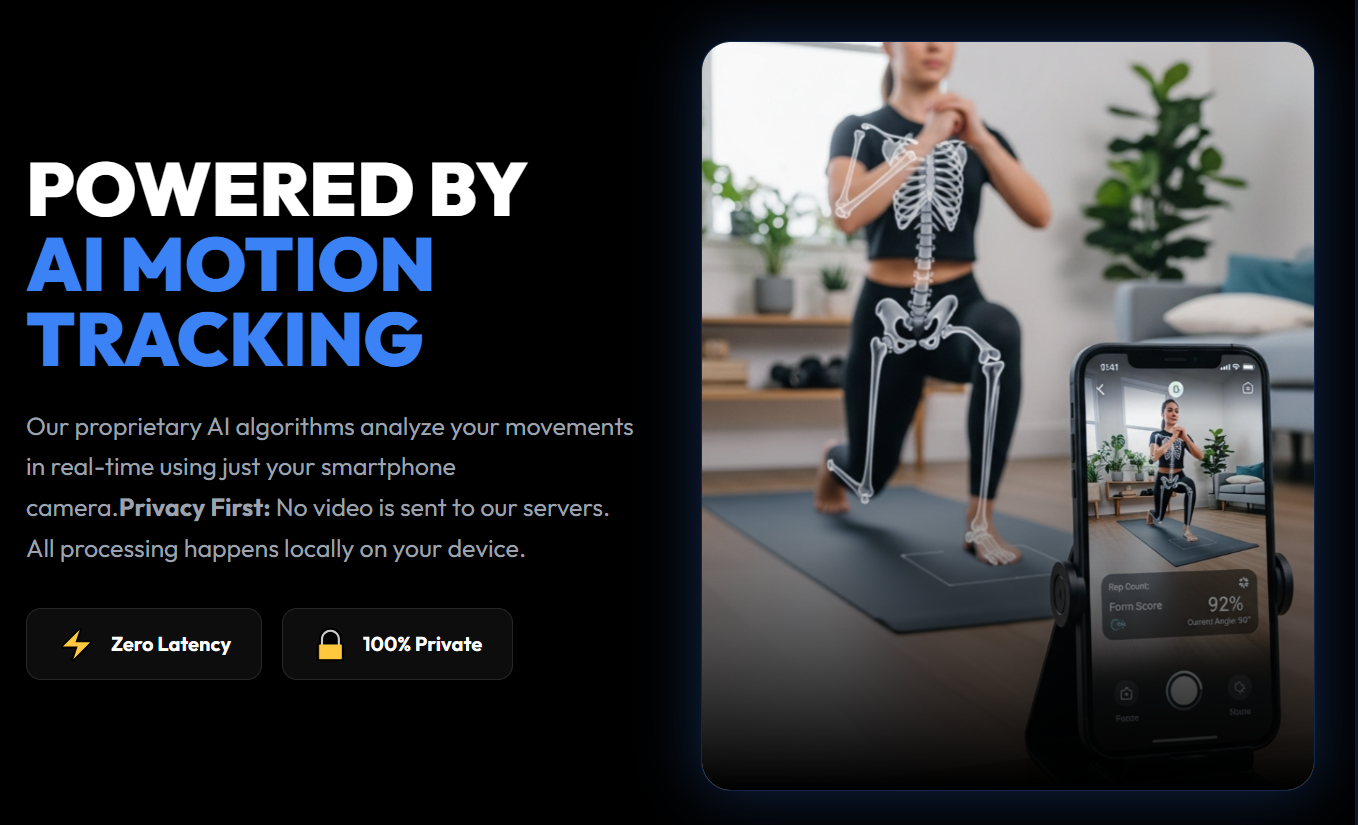
VXROOM: Transforming Daily Workouts into Engaging Web-Based Motion Games
VXROOM (vxroom.com) is an innovative web-based int...
 Survival Show
Sep 1, 2026, 09:07 AM
Game of Blood X: The Evolution of Korea’s Fiercest Survival Reality Franchise
Wavve's hit original series Game of Blood ...