
담배 고양이Jul 6, 2026, 06:33 AM• 85870 views
The Resonance of the Cigarette Cat: Analyzing the Viral Phenomenon of Weary Feline Memes
Introduction to the Cigarette Cat Phenomenon
In the vast and rapidly evolving landscape of digital culture, few archetypes have captured the contemporary zeitgeist quite like the 'Cigarette Cat' (often referred to as '담배 고양이' in Korean online spaces). This viral phenomenon typically features an illustration or digital edit of an otherwise adorable cat, rendered in a state of deep exhaustion, holding or smoking a cigarette. Far from being a simple provocation, this character has evolved into a highly relatable mascot for internet users worldwide, representing a unique blend of cute aesthetics and heavy, adult exhaustion. It encapsulates the collective fatigue of a generation navigating the high pressures of modern society, serving as a silent confidant to millions of weary netizens.
Historical Roots of Anthropomorphic Animal Memes
While the specific imagery of the Cigarette Cat feels distinctly modern, the practice of using anthropomorphic animals to mirror human vices and struggles has deep historical roots. From classical fables to early 20th-century political cartoons, artists have long utilized animals to bypass human defenses and deliver sharp social commentary. In the digital era, this tradition mutated into memes like Pepe the Frog, Doge, and Sad Cat. The Cigarette Cat represents a refined continuation of this lineage, focusing specifically on the domestic cat—an animal prized for its independence and mystery—now broken down by the mundane, soul-crushing realities of capitalist labor and routine.
The Paradoxical Contrast of Innocence and Vice
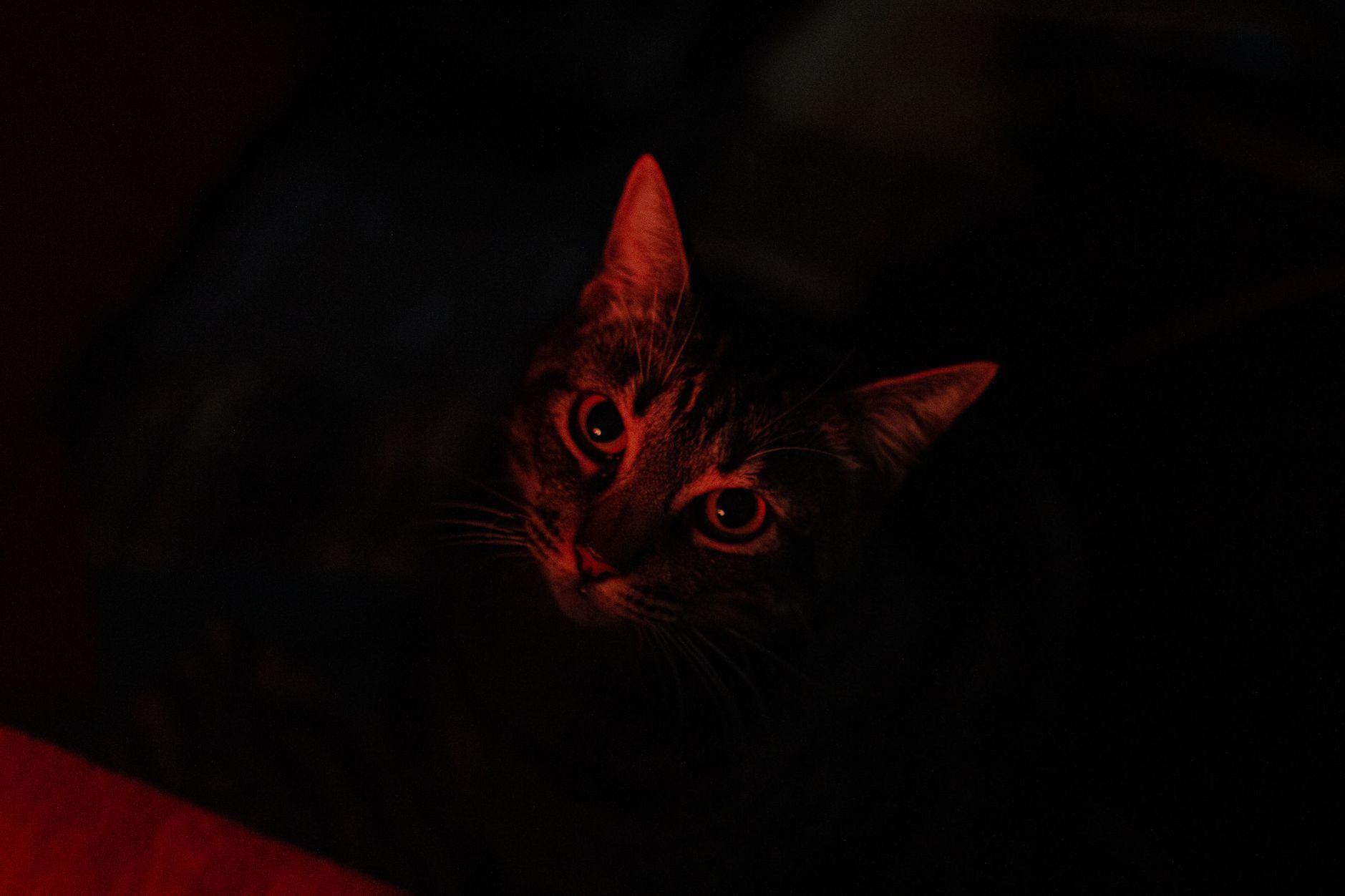
At the heart of the Cigarette Cat's widespread appeal is the profound visual and conceptual paradox it presents. Cats are universally perceived as symbols of innocence, comfort, agility, and unbothered leisure. Conversely, smoking is a gritty, self-destructive human habit deeply tied to stress management, adulthood, and systemic fatigue. By imposing this adult vice onto an innocent feline container, the meme creates a jarring contrast that is simultaneously heartbreaking, hilarious, and deeply comforting. It visualizes the internal state of many young adults who feel like fragile, innocent creatures on the inside, yet are forced to adopt harsh, cynical coping mechanisms to survive the outer world.
Reflection of Modern Work Culture and Burnout
The rapid ascent of the Cigarette Cat in South Korea and globally cannot be decoupled from the realities of modern hyper-competitive work environments. In societies characterized by long working hours, academic pressure, and high living costs, burnout has become a collective baseline experience rather than an individual anomaly. The image of the cat holding a cigarette, staring blankly into the distance, perfectly embodies the state of post-overtime exhaustion. It is the visual equivalent of the heavy sigh breathed at a convenience store patio after a grueling shift, making it an instant icon for office workers, gig workers, and students alike.

Artistic Origins and Independent Illustrators
Though many perceive the Cigarette Cat as a decentralized meme, much of its momentum stems from independent digital artists sharing their work on platforms like X (formerly Twitter), Instagram, and Pixiv. These creators, often working in lo-fi or hand-drawn digital styles, began posting illustrations of weary animals to express their own creative burnout. The raw, sketchy lines and unpolished textures of these drawings contribute heavily to their authenticity. Unlike polished corporate mascots, these rough-around-the-edges feline illustrations feel personal, intimate, and directly connected to the human hand that drew them, establishing a sense of shared vulnerability.
Visual Aesthetics and Color Palettes
The aesthetic language of the Cigarette Cat meme is highly distinct. It rarely uses bright, cheerful primary colors; instead, creators opt for muted, desaturated palettes, smoky grays, deep blues, muddy greens, and warm but dim artificial light. The visual environment is often reminiscent of a poorly lit studio apartment, a rainy bus stop, or a desolate alleyway. This deliberate choice of colors and settings instantly communicates moodiness, solitude, and introspection, allowing the viewer to feel the damp, heavy atmosphere surrounding the character without needing any text or dialogue.

Viral Dissemination Across Social Platforms
The viral spread of the Cigarette Cat exemplifies the mechanics of modern internet culture. Initially shared within tight-knit artistic communities, the images quickly migrated to mainstream online discussion forums and social media. On platforms like X, users began adopting the illustrations as profile pictures (PFPs) to signal their current mental state or work-induced fatigue without having to write long status updates. On TikTok and YouTube, creators started animating these still images, setting them to lo-fi beats or melancholic indie music, which transformed the static illustrations into fully realized atmospheric videos.
The Role of Localized Internet Slang
In the Korean context, the Cigarette Cat is frequently paired with specific localized humor and slang. Text overlays accompanying these images often include phrases expressing extreme resignation, such as 'Ah, life...' ('아, 인생...'), 'Another day, another struggle' ('오늘도 버틴다'), or 'I want to go home even when I am at home' ('집에 있는데도 집에 가고 싶다'). This pairing of localized, self-deprecating humor with the universally understood posture of the weary cat created a highly potent cultural compound. It allowed Korean netizens to articulate complex, culturally specific grievances regarding academic pressure and corporate hierarchies in an approachable, lighthearted format.

Comparison with Other Cynical Animal Memes
To fully understand the Cigarette Cat, it is useful to compare it with other prominent cynical animal memes. Unlike Pepe the Frog, which was heavily co-opted for political and highly chaotic internet trolling, the Cigarette Cat remains distinctly introspective and non-confrontational. While 'Sad Cat' memes evoke direct pity and vulnerability, the Cigarette Cat carries an edge of survivalism and quiet defiance. It does not beg for help; rather, it simply acknowledges the absurdity of its situation with a sigh. This makes it a closer relative to the 'Doomer Dog' archetype, but with a softer, more universally endearing aesthetic appeal.
Psychological Resonance of Cynical Humor
Psychologists and cultural theorists point out that humor centered around vice and exhaustion serves as an essential psychological safety valve. When individuals face systemic stressors that they cannot easily change—such as economic inflation, job insecurity, or societal expectations—direct anger can lead to feelings of helplessness. By laughing at a cartoon cat sharing their struggle, individuals find a sense of externalized validation. The meme acts as a mirror that says, 'Yes, this situation is exhausting, and it is completely normal to feel this tired.' This shared humor reduces isolation, transforming individual despair into a collective, communal nod of agreement.

Merchandise and Commercialization
The transition of the Cigarette Cat from a purely digital meme to physical merchandise was swift and highly successful. Independent creators and licensing agencies quickly realized the commercial potential of these weary characters. Keychains, phone cases, stickers, hoodies, and desk toys featuring various iterations of the smoking or sighing cat have flooded online marketplaces. Interestingly, consumers do not buy these items merely as novelty toys; they display them on their office desks, laptops, and backpacks as badges of honor—silent signals to their colleagues that they, too, are navigating the daily grind.
Intellectual Property and Copyright Challenges
The rapid commercialization of the Cigarette Cat meme has exposed several legal and ethical complexities regarding intellectual property in the internet age. Because the meme evolved organically through countless modifications, edits, and re-drawings, identifying the original creators of specific iconic designs can be highly challenging. Unauthorized vendors frequently scrape viral designs from social media to produce cheap merchandise, leaving the original independent artists with little to no financial compensation. This has led to a growing awareness and advocacy within the online art community, urging fans to buy exclusively from official stores and verified creators.

Adaptations in Indie Gaming and Webtoons
Beyond physical merchandise, the Cigarette Cat archetype has heavily influenced narrative media, particularly webtoons and indie video games. Creators of slice-of-life webcomics frequently introduce characters modeled after this archetype to serve as foils to overly cheerful protagonists. In the indie gaming sphere, characters resembling the weary, smoking feline often appear as NPCs (non-player characters) running late-night shops or offering philosophical, cynical advice to players. These adaptations capitalize on the pre-existing emotional connection players have with the meme, instantly establishing a sense of familiarity and atmospheric depth.

Global Appeal and Transnational Reach
Although the Cigarette Cat meme found an incredibly fertile breeding ground in the highly competitive environments of East Asia, its appeal has transcended geographic and cultural boundaries. Thanks to the globalized nature of platforms like TikTok, Reddit, and Instagram, the image easily traveled to North America, Europe, and South America. The feeling of being overworked, facing uncertain economic futures, and seeking comfort in self-deprecating humor is a universal experience for Gen Z and Millennials globally. The cat's silent, weary face serves as a universal translator, bypassing language barriers entirely.

The Metaphor of the 'Smoke Break'
To fully dissect the symbolism of the Cigarette Cat, one must look at the cultural ritual of the 'smoke break' itself. In many high-pressure corporate environments, the smoke break is one of the very few socially acceptable excuses to step away from one's desk, stop working, and do nothing for ten minutes. It is a brief, contested window of absolute freedom and quiet reflection. By depicting a cat engaging in this ritual, the meme highlights this yearning for a temporary pause. It is not necessarily about the act of smoking itself, but about the desperate need for a break—a momentary escape from the demands of constant productivity.

Evolution of Community-Driven Narratives
What began as disconnected illustrations has, in many online circles, evolved into complex, community-driven lore. Fans frequently write short fictional narratives, create fan art crossover scenes, and compose musical themes for these characters. In these collaborative stories, the Cigarette Cat is often given a background: a dedicated but perpetually tired employee working an ambiguous corporate job, living with a chaotic but loving family of other animal characters. This collective storytelling elevates the meme from a simple, disposable joke to an ongoing, collaborative modern folk tale that keeps the community deeply engaged.

Public Reception and Moral Debates
While the vast majority of netizens view the Cigarette Cat through a lens of harmless dark humor, the character has occasionally sparked minor debates regarding public health and youth influence. Some critics argue that associating cute animal characters with smoking could romanticize or trivialize tobacco use, especially among younger audiences who are highly impressionable. However, supporters of the meme counter that the imagery is overwhelmingly cynical rather than glamorous. The cat is never depicted as cool, wealthy, or superior; instead, it is shown as weary, worn-out, and fragile, which acts as a realistic—and if anything, unappealing—depiction of stress.

Demographic Appeal and Audience Profile
Analytical tracking of social media engagement shows that the primary audience for the Cigarette Cat consists of individuals aged between 18 and 35. This demographic, comprising older Gen Z and younger Millennials, is currently experiencing the most intense life transitions—entering the workforce, facing housing crises, and adjusting to the responsibilities of independent adulthood. Within this group, artists, IT professionals, design students, and healthcare workers show particularly high engagement rates, suggesting that the meme acts as a highly specialized comfort tool for fields known for demanding irregular hours and intense mental strain.

The Longevity of Melancholic Digital Art
Many internet memes are highly ephemeral, disappearing from public consciousness within weeks. However, the Cigarette Cat has demonstrated remarkable staying power, remaining relevant for years. This longevity is rooted in the fact that it is not tied to a temporary news event or a fleeting pop-culture reference. Instead, it is anchored to a fundamental, ongoing human condition: the experience of being tired. As long as people face burnout and seek soft, adorable mediums to express their heavy emotions, the archetype of the tired, smoking cat will continue to find a welcoming home on the feeds of the internet.

Conclusion and Cultural Legacy
Ultimately, the Cigarette Cat is far more than a passing online joke or an aesthetic drawing; it is a poignant cultural artifact of the early 21st century. It beautifully reflects the emotional reality of a generation that uses cuteness as a shield and dark humor as a sword to navigate an increasingly complex world. By giving form, fur, and a tiny glowing cigarette to our collective exhaustion, the creators of this phenomenon have provided a unique form of modern comfort. It stands as an enduring monument to resilience—reminding us all that even when we are tired, weary, and longing for home, we are absolutely not alone in our struggle.
#Cigarette Cat#Internet Memes#Korean Internet Culture#Modern Burnout#Cute Nihilism#Digital Art Trends#Office Worker Memes#Coping Mechanisms
Comments(0)
No comments yet. Be the first to share your thoughts!
Recommended Reads
 Kbeauty
Sep 22, 2026, 10:03 PM
Target Beauty Studio: How K-Beauty is Conquering the American Mass Market
On September 10, 2026, retail giant Target officially launched Target Beauty Stu...
 Skincare
Sep 21, 2026, 10:03 PM
How K-Beauty is Powering Global Ingredient Literacy and Redefining Skincare
In a major move for the global beauty industry, Korean-American cosmetics brand ...
 JayPark
Sep 20, 2026, 10:06 PM
Edmonds-Born K-Pop Pioneer Jay Park Set for Major Seattle Homecoming Concert
Edmonds-born K-pop and hip-hop pioneer Jay Park is returning to his roots for a ...
 BTS
BTSSep 19, 2026, 10:04 PM
The Triumph and Autonomy of BTS: Inside Their Historic 2026 Comeback and Bold Grammy Boycott
After a scheduled hiatus that began in late 2022, the global supergroup BTS has ...
 Fitness Gaming
Sep 3, 2026, 03:35 AM
VXROOM: Transforming Daily Workouts into Engaging Web-Based Motion Games
VXROOM (vxroom.com) is an innovative web-based int...
 Survival Show
Sep 1, 2026, 09:07 AM
Game of Blood X: The Evolution of Korea’s Fiercest Survival Reality Franchise
Wavve's hit original series Game of Blood ...