
이재명Jun 24, 2026, 08:58 PM• 90452 views
The Political Odyssey of Lee Jae-myung: Populism, Pragmatism, and the Struggle for South Korea's Presidency
Introduction: A Polarizing Figure in Modern Korean Politics
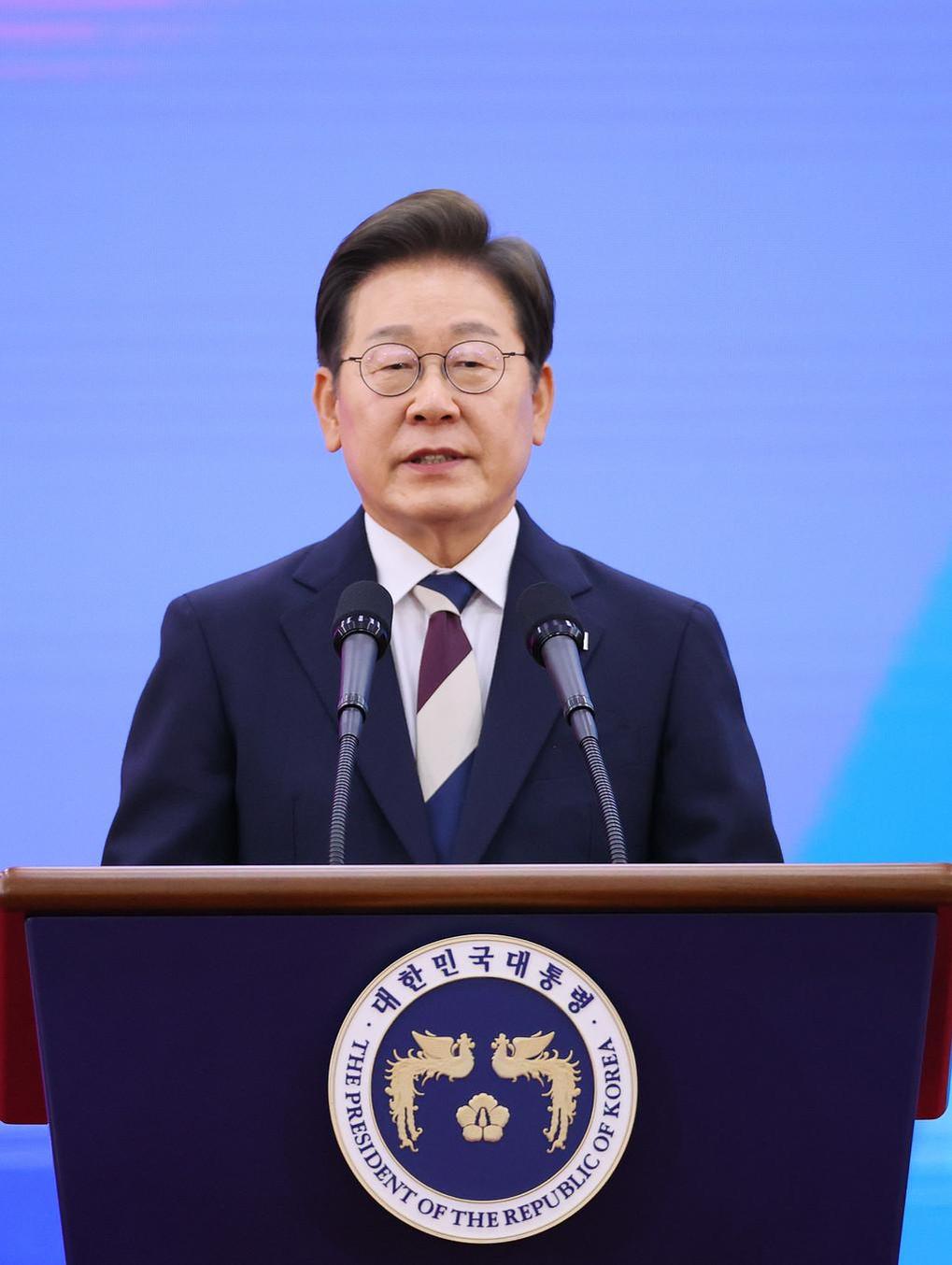
Lee Jae-myung stands as one of the most prominent, influential, and polarizing figures in contemporary South Korean politics. As the leader of the main opposition Democratic Party of Korea (DPK) and a former presidential candidate who narrowly missed the presidency in 2022, Lee has redefined the country's political landscape. Known for his self-made success story, aggressive administrative style, and championing of progressive economic policies like universal basic income, he has built a fiercely loyal support base. At the same time, he remains a target of intense criticism and relentless legal scrutiny from conservative opponents, making him a central figure in South Korea's deeply divided political arena.
Early Life: Triumph Over Childhood Poverty
Born in 1964 in the remote mountainous region of Andong, North Gyeongsang Province, Lee Jae-myung's early life was defined by extreme poverty. He was the fifth of seven children in a family struggling to make ends meet. Seeking better opportunities, his family relocated to the industrial city of Seongnam when he was in elementary school. Due to financial hardships, Lee was unable to attend middle school or high school in a traditional classroom setting. Instead, he entered the workforce at a young age, enduring grueling conditions that would permanently shape his political outlook and empathy for the working class.

The Factory Years: Industrial Accidents and Disability
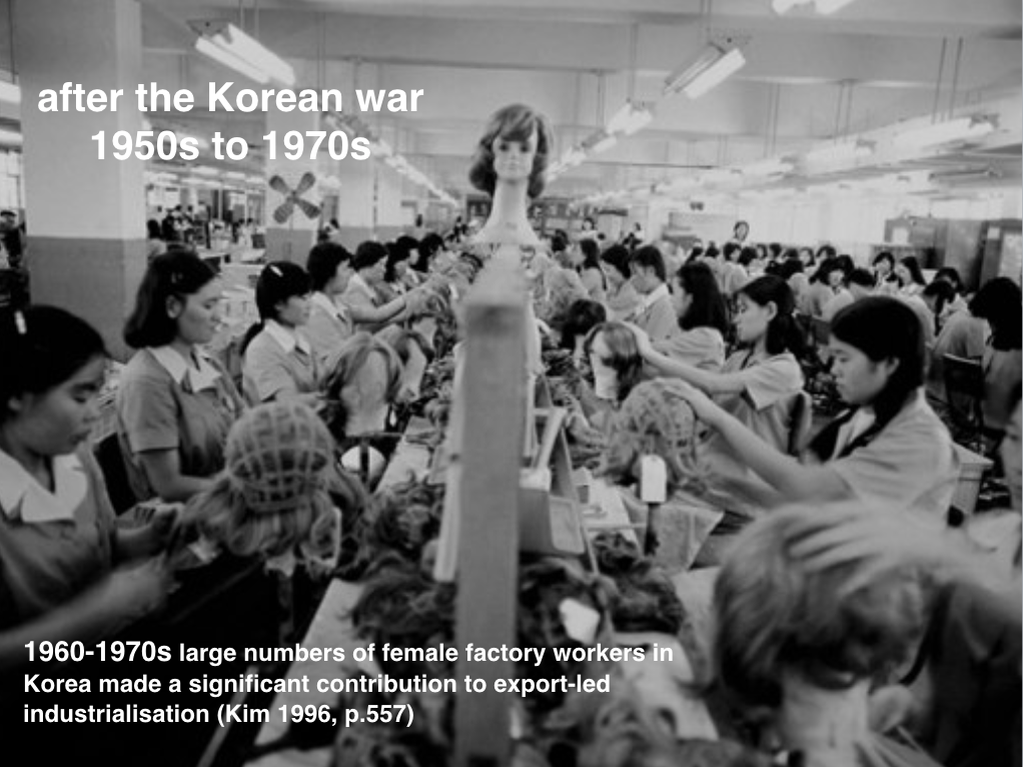
During his adolescent years in Seongnam, Lee worked as a child laborer in various factories, including a glove-manufacturing plant and a press shop. The unregulated industrial environments of the 1970s took a severe physical toll on him. Lee suffered multiple workplace injuries, the most serious of which was a press machine accident that crushed his left arm, leaving him with a permanent physical disability. This injury exempted him from South Korea's mandatory military service, a detail that political rivals would later scrutinize, but which ultimately highlighted the hazardous conditions faced by young workers during Korea's rapid economic development.
Academic Determination and the Bar Examination
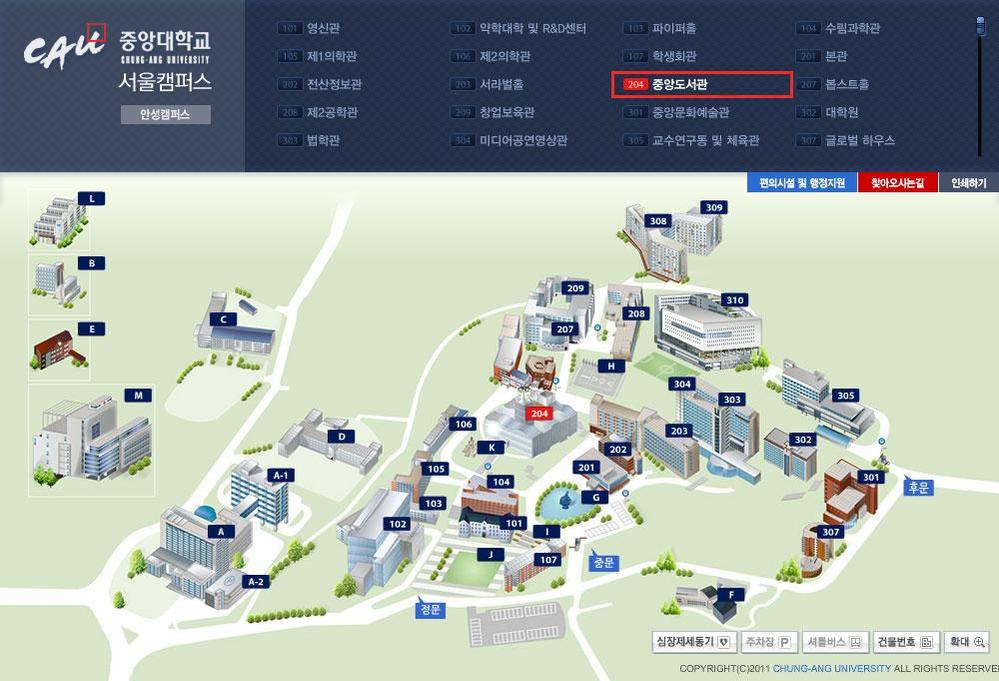
Despite the long hours of manual labor and physical injuries, Lee was determined to escape his circumstances through education. He studied for and passed the high school equivalency exams independently. Demonstrating exceptional academic aptitude, he earned a scholarship to study law at the prestigious Chung-Ang University in Seoul. This opportunity allowed him to focus entirely on his studies, culminating in his passing of the notoriously difficult South Korean bar examination in 1986. His transition from a disabled factory worker to a licensed attorney remains one of the most celebrated aspects of his political narrative.
Human Rights Lawyering and Civic Activism
Upon becoming a lawyer, Lee chose not to pursue a lucrative career as a prosecutor or corporate attorney. Instead, influenced by the democratization movement of the late 1980s, he established a law office in Seongnam focusing on labor rights and civil liberties. He defended exploited factory workers and civic activists, gaining a reputation as an advocate for the marginalized. His legal practice naturally transitioned into civic activism, where he led local campaigns to improve public healthcare and expose local government corruption, establishing his roots in public service.
Entering Electoral Politics: The Seongnam Mayoral Bid
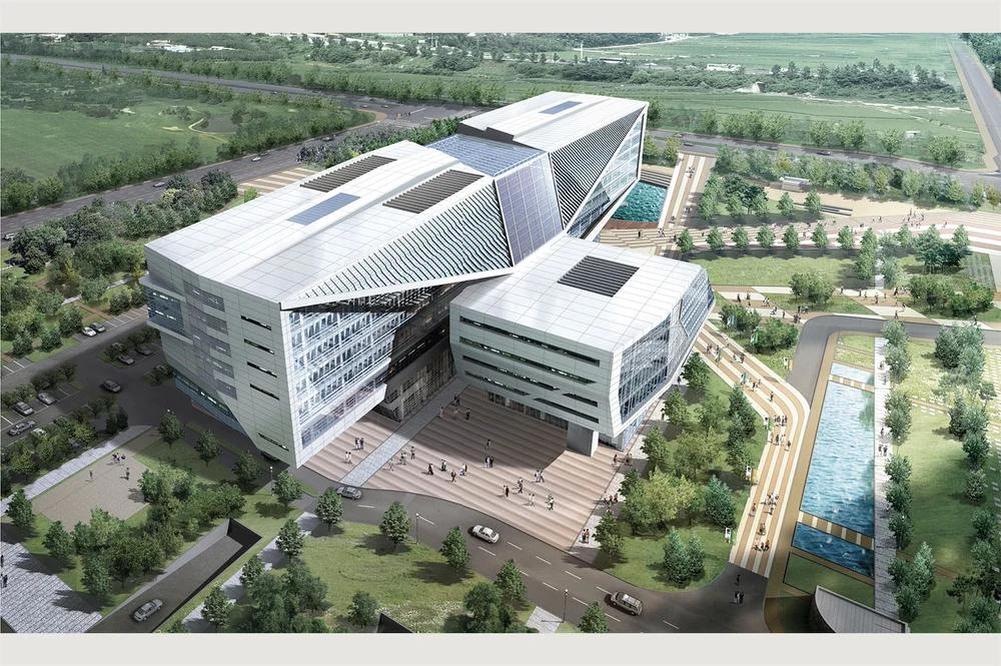
Lee's transition from civic activist to politician began in the mid-2000s. After an unsuccessful bid for the mayoralty of Seongnam in 2006 and a legislative race in 2008, he secured the Democratic Party's nomination and won the Seongnam mayoral election in 2010. Inheriting a city buried in massive debt due to the ambitious projects of his predecessor, Lee declared a moratorium on the city's debt payments. His bold financial restructuring and aggressive debt repayment strategy brought him into the national spotlight as an effective fiscal manager.
Welfare Policies and the 'Seongnam Model'
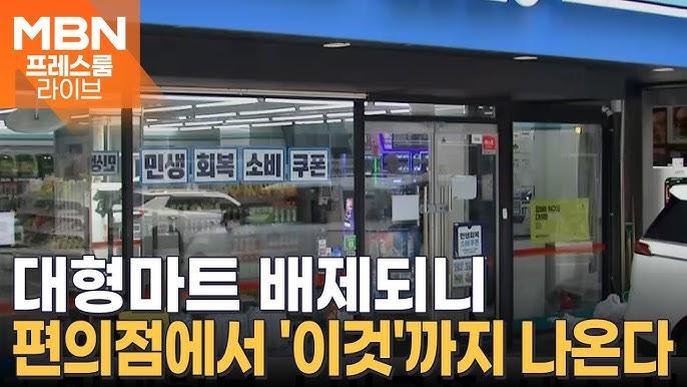
As Mayor of Seongnam, Lee gained widespread popularity by implementing a series of innovative and controversial welfare programs, collectively known as the 'Seongnam Model.' These included the 'Youth Dividend,' which provided quarterly financial vouchers to 24-year-old residents to stimulate local businesses, free post-natal care packages, and subsidized school uniforms. While critics condemned these initiatives as populist welfare schemes that strained public budgets, supporters lauded them as practical solutions to economic inequality, bolstering Lee's reputation as a progressive reformer.
The 2016 Impeachment Protests and National Ascent
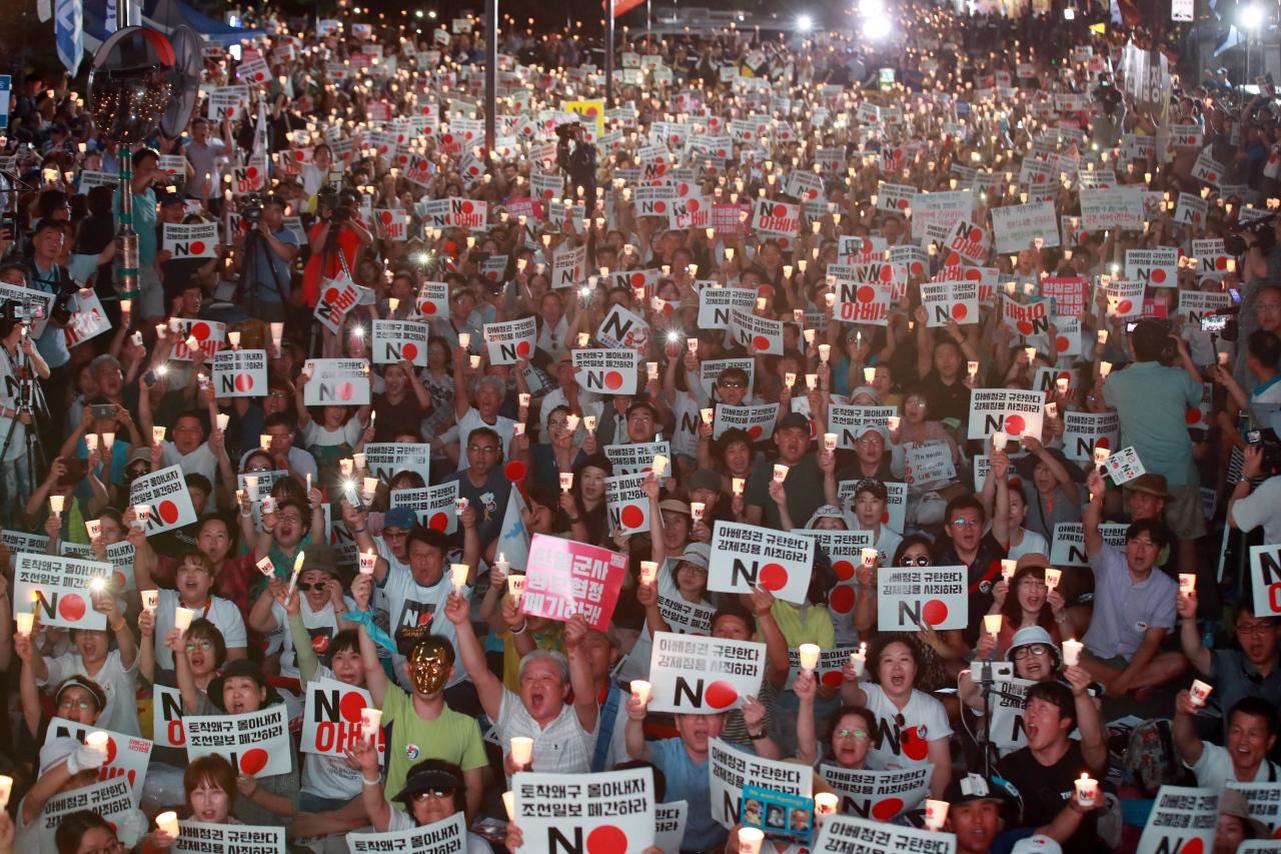
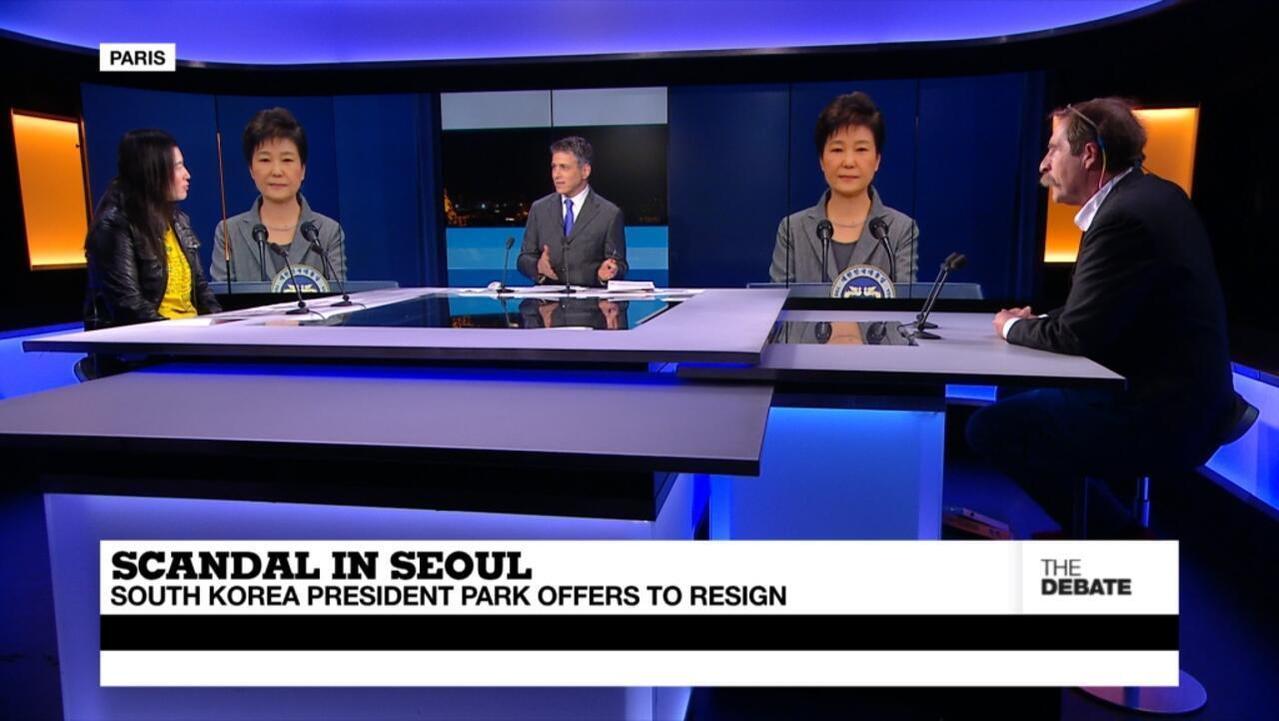
Lee's political career reached a nationwide inflection point during the political crisis of late 2016, which led to the impeachment of President Park Geun-hye. While established national political figures hesitated, Lee was among the first to openly and aggressively call for Park's resignation and prosecution during massive candlelight vigils. His blunt, unfiltered, and populist rhetoric resonated with an angry public, catapulting his approval ratings and positioning him as a viable contender for the presidency during the 2017 Democratic Party primary, where he finished a strong third behind Moon Jae-in.
Governing Gyeonggi Province: Scaling Up the Agenda
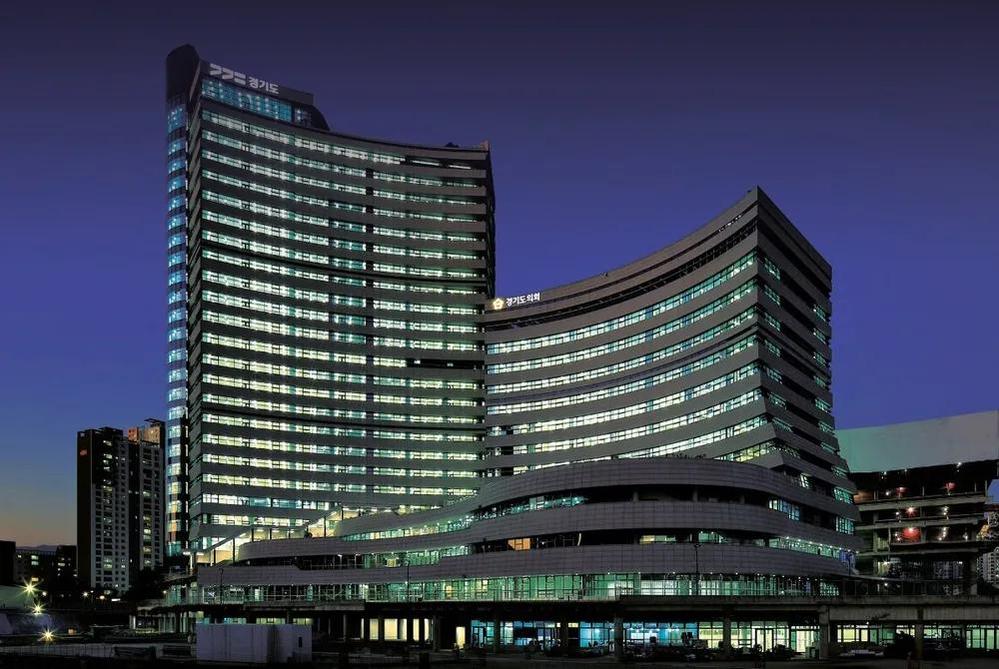
In 2018, Lee took another major step forward by winning the gubernatorial election for Gyeonggi Province, the most populous province surrounding Seoul. Governing a territory of over 13 million people, Lee scaled up his welfare and administrative experiments. He implemented province-wide local currency systems, cracked down on illegal commercial facilities occupying public valleys, and consistently demonstrated a hands-on, highly visible approach to governance that appealed to voters tired of traditional bureaucratic inertia.
Decisive Leadership During the COVID-19 Pandemic
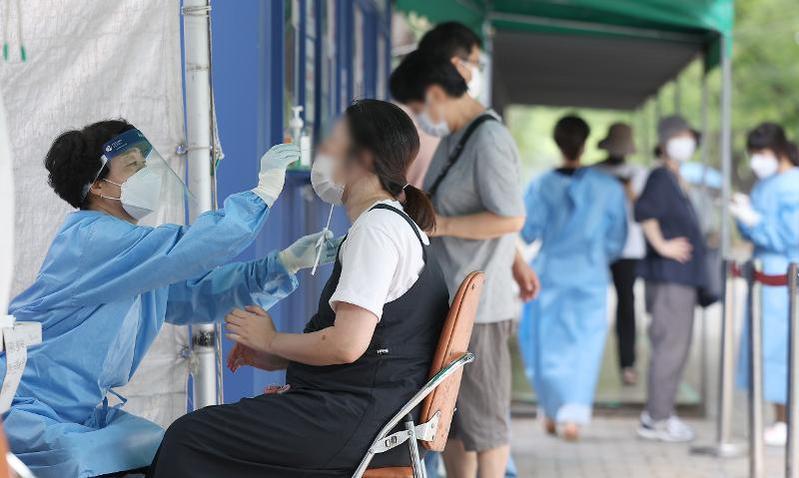
The onset of the COVID-19 pandemic in early 2020 provided a platform for Lee to showcase his crisis management style. When a major outbreak was linked to the secretive Shincheonji Church of Jesus, Lee personally led a raid on the group's headquarters to seize membership lists for contact tracing. He also pioneered the distribution of universal disaster relief income to all Gyeonggi residents, bypassing national debates over selective welfare. These decisive, sometimes aggressive actions received high public approval ratings, cementing his status as the frontrunner for the next presidential election.
Advocacy for Universal Basic Income
Universal Basic Income (UBI) became the signature policy of Lee's political brand. He argued that in the era of artificial intelligence and automation, traditional labor-based income distribution would fail, making state-provided basic income essential to sustain consumer spending and economic stability. Lee proposed a gradual rollout of UBI funded by land holding taxes and carbon taxes. While mainstream economists and conservative opponents criticized the plan as financially unsustainable, it ignited a major nationwide debate on the future of the social safety net.

The 2022 Presidential Bid: A High-Stakes Campaign
In 2021, Lee won the presidential primary of the ruling Democratic Party, setting the stage for a fierce battle against conservative challenger Yoon Suk-yeol of the People Power Party. The 2022 presidential campaign was widely described by media as one of the most polarizing and bitter in South Korea's modern history. Both candidates faced intense personal scrutiny, mudslinging, and negative campaigning. Lee focused his message on his administrative competence and economic revival, using the slogan 'Lee Jae-myung gets things done' to appeal to pragmatic voters.
A Razor-Thin Defeat: The 2022 Election Results
The presidential election held on March 9, 2022, resulted in the closest margin of victory in South Korean history. Yoon Suk-yeol won the presidency with 48.56% of the vote, defeating Lee Jae-myung, who secured 47.83%—a difference of just 0.73 percentage points. Despite the heartbreaking defeat, Lee delivered a gracious concession speech, urging his supporters to help the incoming president unite the country. His strong showing confirmed his position as the undisputed leader of the progressive camp and a political force that could not be ignored.
Assuming Leadership of the Democratic Party
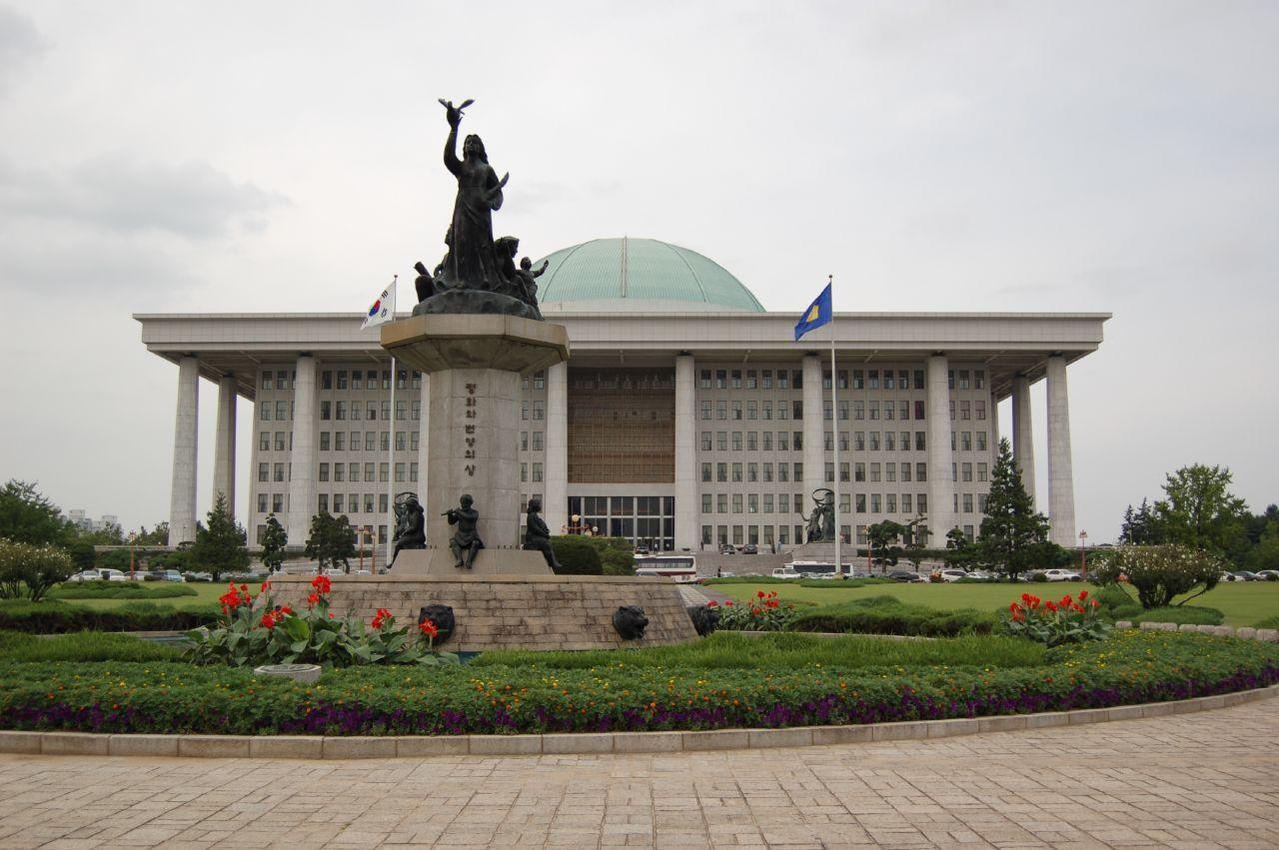
Rather than retreating into political obscurity after his defeat, Lee made a rapid comeback. In June 2022, he won a parliamentary seat in a by-election representing the Gyeyang-gu district in Incheon. Months later, in August 2022, he was elected chairperson of the Democratic Party of Korea with a landslide majority of party members. This dual role as lawmaker and party chief solidified his control over the parliamentary majority, setting up a continuous and direct confrontation with the administration of President Yoon Suk-yeol.
The Daejang-dong Scandal and Legal Battles
Lee's political career has been continuously dogged by serious legal troubles, most notably the Daejang-dong land development scandal. The allegations date back to his tenure as Mayor of Seongnam, when a private asset management company reportedly reaped astronomical profits from a municipal housing development project. Prosecutors accused Lee of breach of duty and corruption, alleging that he structured the deal to benefit private partners at the expense of the city. Lee has consistently denied all allegations, calling them politically motivated attempts by the conservative administration to destroy him.
Hunger Strike and Parliamentary Battles
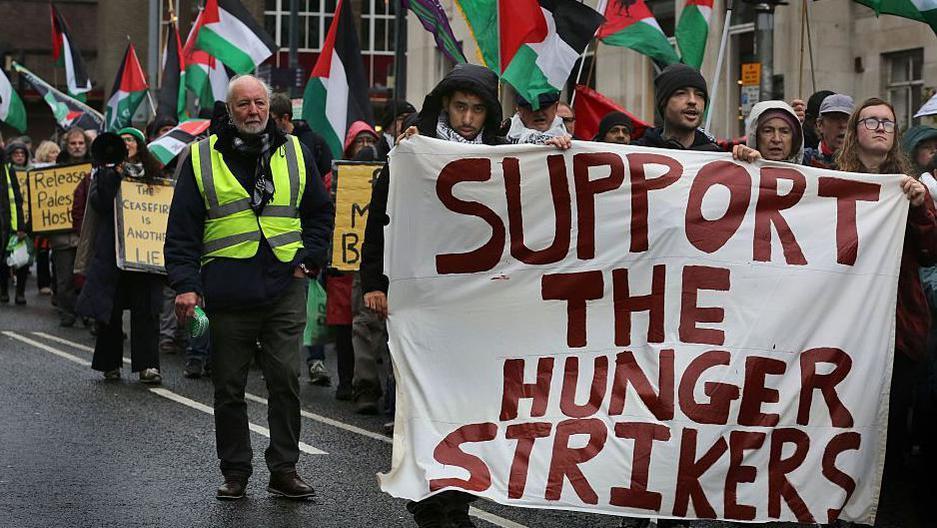
In September 2023, amid mounting prosectorial investigations and a polarization of public opinion, Lee embarked on a high-profile 24-day hunger strike. He protested against what he termed the 'undemocratic' policies of the Yoon administration and the 'politicized' judicial persecution targeting him. During his hospital stay due to deteriorating health, the National Assembly narrowly voted to strip him of his legislative immunity, allowing a court to hold a warrant hearing. Ultimately, the court rejected the arrest warrant, representing a major political and legal victory for Lee.
The 2024 Assassination Attempt
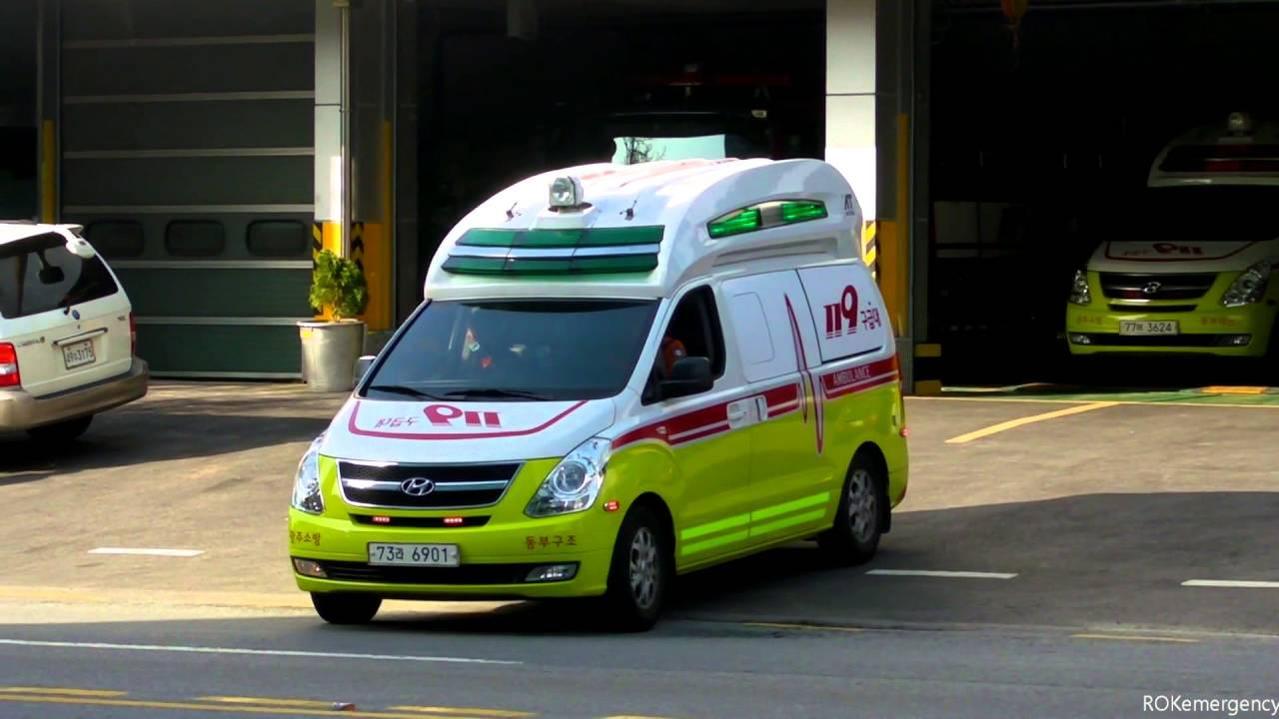
In January 2024, South Korea was shocked when Lee Jae-myung was stabbed in the neck during a public appearance in Busan. The attacker, posing as a supporter, approached Lee for an autograph before lunging at him with a knife. Lee suffered a laceration to his jugular vein and was rushed to the hospital for emergency surgery. The assassination attempt was widely condemned across the entire political spectrum, highlighting the dangerous levels of political extremism and toxicity that had entered the nation's political discourse.
The 2024 Legislative Elections: A Sweeping Victory
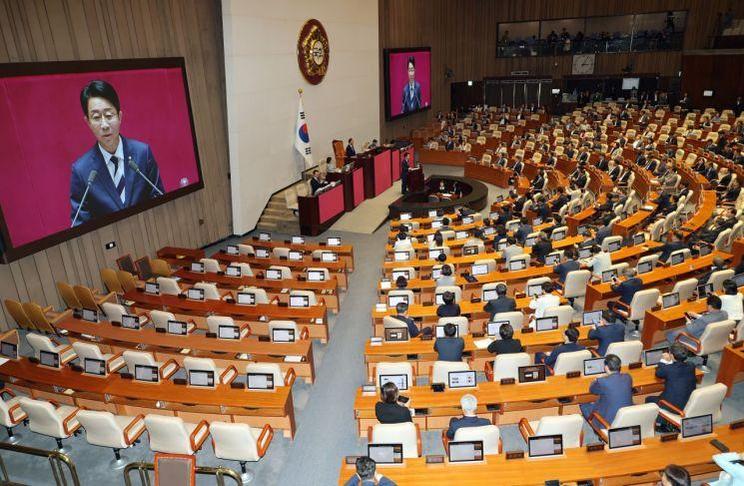
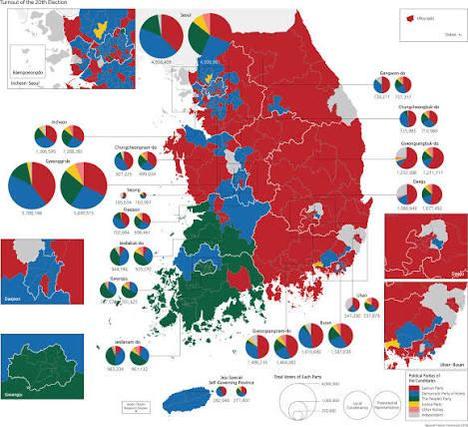
Lee returned to the political front lines just in time for the crucial April 2024 legislative elections. Under his leadership, the Democratic Party and its allies achieved a historic landslide victory, securing an overwhelming majority of seats in the National Assembly. This victory was widely interpreted as a stern public referendum against President Yoon Suk-yeol's administration. The election results not only reconfirmed the public's dissatisfaction with the government but also secured Lee's position as the leading progressive contender for the 2027 presidential election.
Public Perception: Champion of the Poor vs. Populist Threat
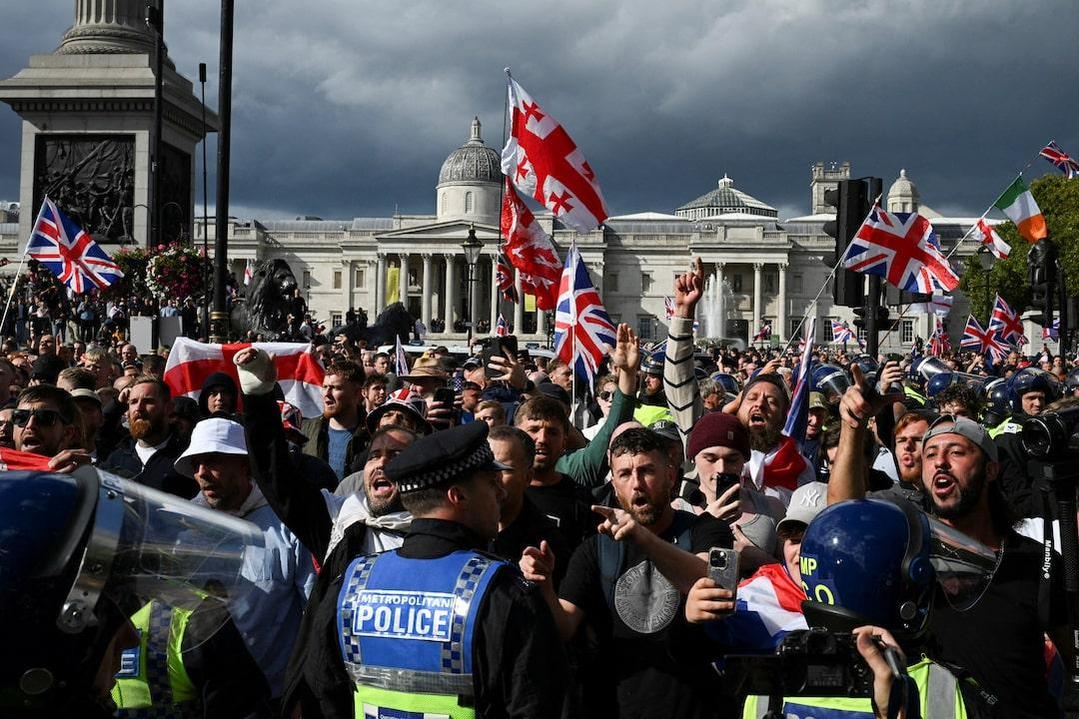
Public opinion on Lee Jae-myung remains deeply fractured. To his passionate supporters, he is 'Cider Lee'—a refreshing, bold leader who breaks through bureaucratic red tape to deliver tangible benefits to ordinary citizens, championing economic justice. To his detractors, however, he is viewed as an opportunistic populist whose fiscal policies threaten national solvency, and whose ongoing judicial trials make him morally and legally unfit for high office. This dichotomy makes him one of the most intensely debated leaders in modern history.
Future Outlook: The Road to 2027
The political future of Lee Jae-myung is inextricably linked to the fate of his ongoing judicial battles. If he is convicted and receives a sentence that invalidates his election eligibility, his presidential ambitions could be permanently derailed. However, if he manages to navigate these legal hurdles, his firm grip on the Democratic Party and his resilient public support make him the formidable favorite for the next presidential race in 2027. His journey from a poverty-stricken child worker to the cusp of state power remains a compelling testament to the dynamic and volatile nature of South Korean democracy.
#Lee Jae-myung#South Korean Politics#Democratic Party of Korea#Basic Income#Seongnam Mayor#Gyeonggi Province Governor#South Korean Presidential Election
Comments(0)
No comments yet. Be the first to share your thoughts!
Recommended Reads
 Kbeauty
Sep 22, 2026, 10:03 PM
Target Beauty Studio: How K-Beauty is Conquering the American Mass Market
On September 10, 2026, retail giant Target officially launched Target Beauty Stu...
 Skincare
Sep 21, 2026, 10:03 PM
How K-Beauty is Powering Global Ingredient Literacy and Redefining Skincare
In a major move for the global beauty industry, Korean-American cosmetics brand ...
 JayPark
Sep 20, 2026, 10:06 PM
Edmonds-Born K-Pop Pioneer Jay Park Set for Major Seattle Homecoming Concert
Edmonds-born K-pop and hip-hop pioneer Jay Park is returning to his roots for a ...
 BTS
BTSSep 19, 2026, 10:04 PM
The Triumph and Autonomy of BTS: Inside Their Historic 2026 Comeback and Bold Grammy Boycott
After a scheduled hiatus that began in late 2022, the global supergroup BTS has ...
 Fitness Gaming
Sep 3, 2026, 03:35 AM
VXROOM: Transforming Daily Workouts into Engaging Web-Based Motion Games
VXROOM (vxroom.com) is an innovative web-based int...
 Survival Show
Sep 1, 2026, 09:07 AM
Game of Blood X: The Evolution of Korea’s Fiercest Survival Reality Franchise
Wavve's hit original series Game of Blood ...