
장윤기Jul 5, 2026, 12:06 AM• 87175 views
The Life and Legacy of Chang Yoon-ki: Shaping the Modern South Korean Judicial System
Introduction to a Legal Pioneer
Chang Yoon-ki stands as one of the most prominent jurists and legal administrators in modern South Korean history. Over a career spanning several decades, he transitioned seamlessly from a meticulous trial judge to a high-ranking judicial administrator, and eventually to a champion of public legal welfare. His contributions have left an indelible mark on how laws are interpreted, how courts are administered, and how underprivileged citizens access justice in South Korea. This comprehensive report explores his life, landmark career milestones, and his lasting influence on the nation's legal landscape.
Early Life and Academic Foundations
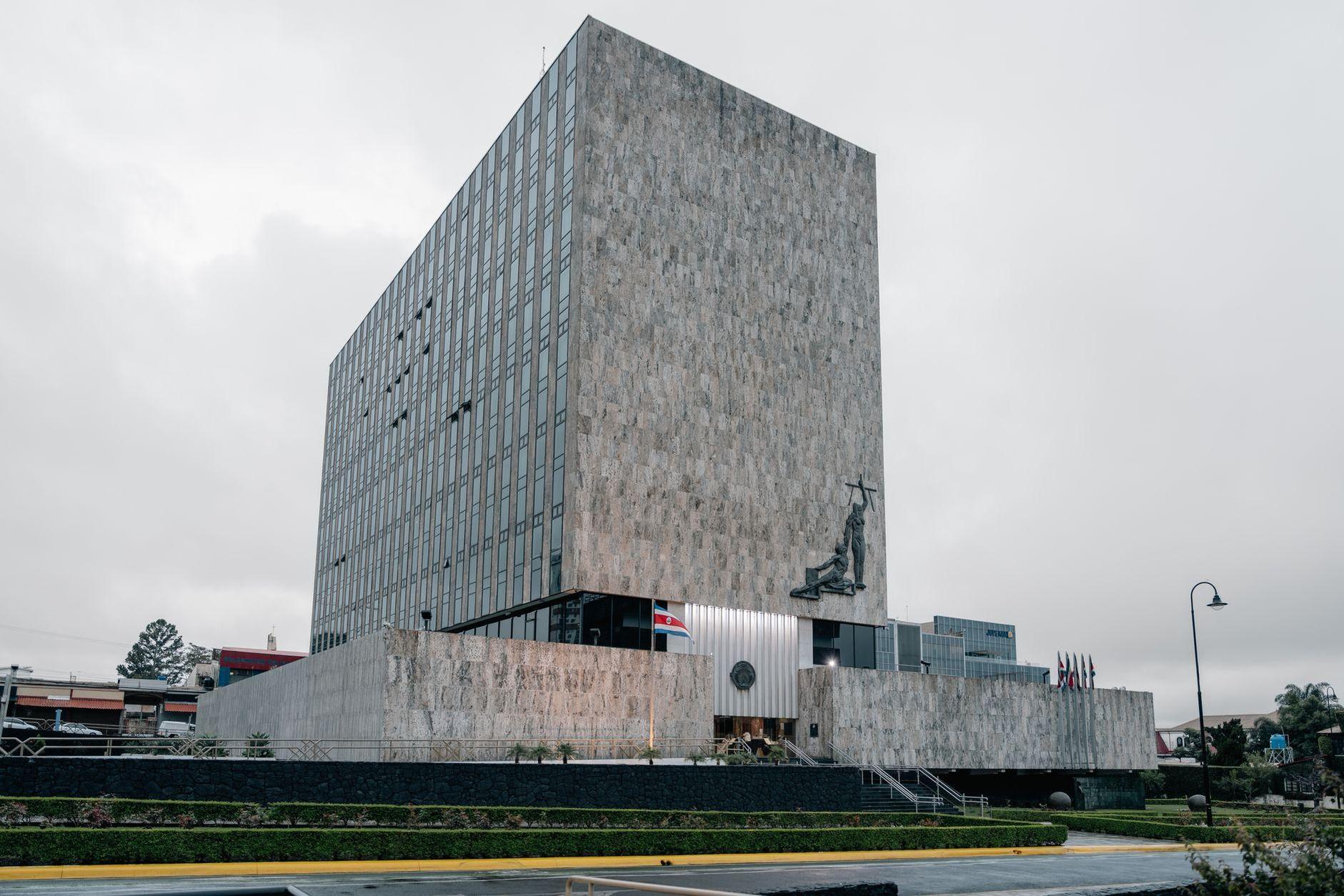
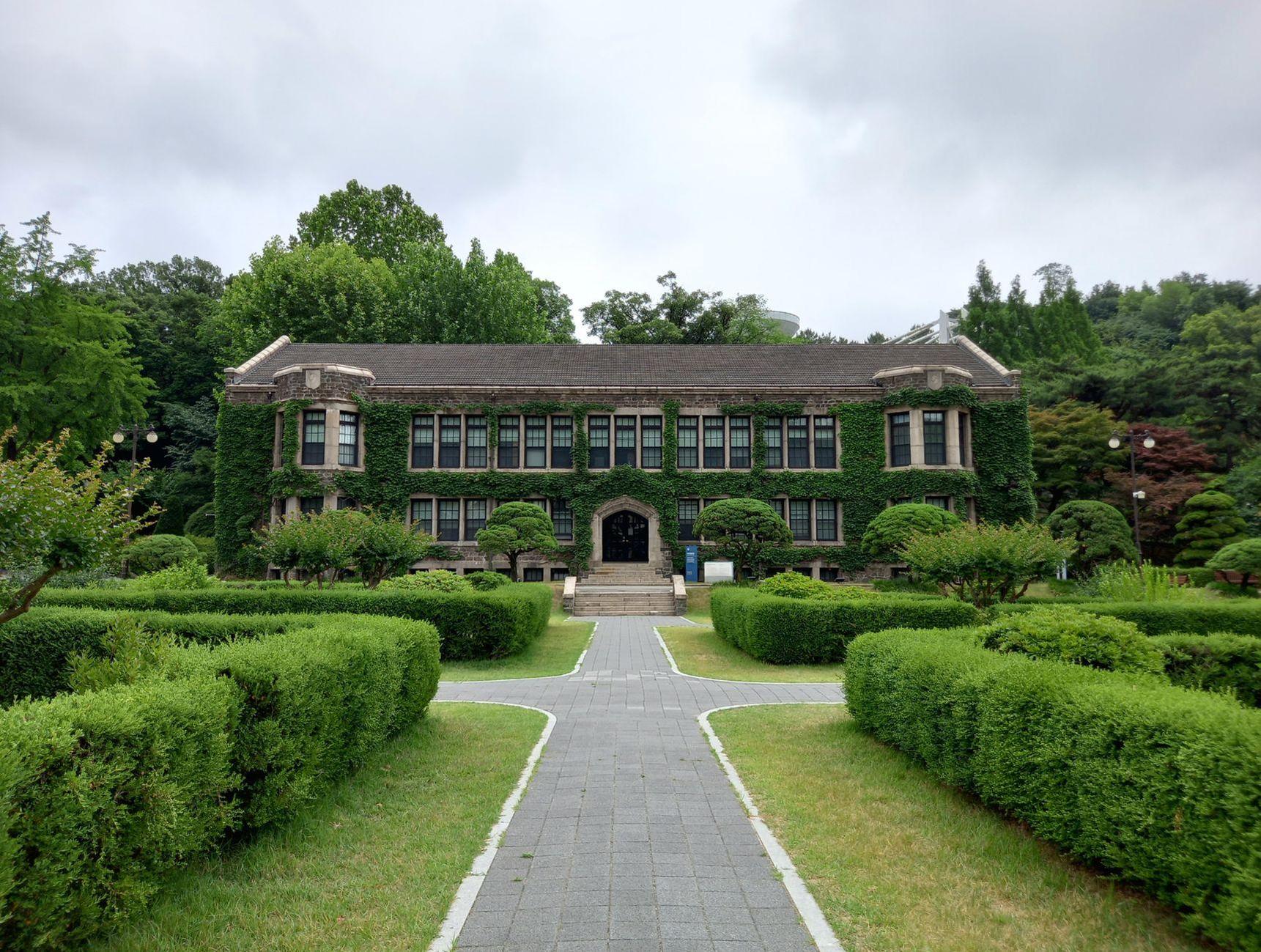
Born in 1953 in Gyeongsangbuk-do, Chang Yoon-ki grew up during a period of rapid national reconstruction and political transition in South Korea. He attended the prestigious Gyeongbuk High School, an institution known for producing many of the nation's post-war leaders in politics, law, and business. Recognizing his affinity for logical analysis and social order, he pursued his higher education at Seoul National University's College of Law, the premier training ground for the country's legal elite. His academic years laid a rigorous intellectual foundation that would define his analytical approach on the bench.
Entering the Legal Profession
After completing his academic degrees, Chang Yoon-ki successfully passed the highly competitive 21st Judicial Examination in 1979. This exam was notorious for its extremely low pass rate, selecting only the finest minds to enter the state judicial apparatus. He subsequently entered the Judicial Research and Training Institute, graduating in the 11th class. His exemplary performance during this rigorous training period marked him as a prime candidate for a judgeship, setting the stage for a distinguished career in the public sector.
Early Judicial Career and Initial Appointments
Chang's judicial career began with his formal appointment as a judge in the early 1980s. Serving initially in regional district courts, he quickly earned a reputation among his peers for his exhaustive reviews of trial briefs and his calm, respectful demeanor toward all litigants. During this formative era, South Korea was undergoing significant socio-political transformations, and the judiciary was increasingly called upon to define individual rights and civil liberties under changing constitutional frameworks. Chang's early rulings reflected a careful, balanced adherence to the written law while recognizing the evolution of civil society.

Rise Through the Judicial Ranks
As the years progressed, Chang's capability in managing complex cases led to a series of promotions. He served as a senior judge in key metropolitan courts, including the Seoul District Court and various regional branches. In these roles, he presided over high-profile corporate litigation, intellectual property disputes, and sensitive criminal trials. His rise through the ranks was characterized by an unwavering commitment to judicial independence, shielding his courtroom from external political or economic pressures that were prevalent during the nation's rapid economic expansion.

The Core of His Judicial Philosophy
At the heart of Chang Yoon-ki’s tenure on the bench was a deeply rooted belief in procedural justice. He frequently remarked that a fair trial is not merely defined by a legally sound verdict, but by ensuring that every party leaves the courtroom feeling they were genuinely heard. He advocated for clear communication between judges and litigants, discouraging the use of overly dense, archaic legal jargon. This user-friendly approach to justice helped demystify the court system for ordinary citizens, earning him praise from legal defense circles and civil rights advocates alike.

Landmark Decisions and Precedents
Throughout his years as a senior and appellate judge, Chang presided over several landmark cases that set lasting precedents in Korean civil and administrative law. Notably, he issued rulings that reinforced the liability of large corporations in consumer safety disputes and clarified the boundaries of executive power in municipal administrations. His decisions were characterized by meticulous logical structures, minimizing the room for ambiguous interpretation and providing clear guidelines for lower courts and practicing attorneys across the country.
Leadership at the Daegu High Court
One of the pinnacles of Chang's judicial career came with his appointment to leadership roles in his home region, most notably serving as the Chief Judge of the Daegu High Court and Daegu District Court. Returning to the region of his youth, he brought a modernized administrative perspective to the local courts. He focused on reducing trial delays, which had long been a source of public frustration, and established programs to mentor younger judges on judicial ethics and effective courtroom management. His administrative efficiency during this period drew positive attention from the Supreme Court administration.

Advocating for Judicial Transparency
Throughout the late 1990s and early 2000s, Chang was a vocal proponent of judicial transparency. He recognized that for the public to trust court decisions, the processes behind those decisions must be clear. He supported the pilot programs for recording trials, open-court hearings, and the gradual introduction of electronic filing systems. By championing these tech-driven and structural changes, he helped pave the way for a more open court system that aligned with international democratic standards.

Appointment to National Court Administration
Recognizing his organizational brilliance, the Supreme Court of Korea tapped Chang for key national administrative roles. He served within the National Court Administration (NCA), the central body responsible for managing the personnel, budget, and logistical operations of all courts in South Korea. In this capacity, Chang worked behind the scenes to draft policies aimed at court specialization, advocating for the expansion of specialized family and patent courts to handle increasingly technical modern disputes.
Transition to the Korea Legal Aid Corporation
In 2011, Chang Yoon-ki embarked on a highly significant new chapter of his career when he was appointed as the President of the Korea Legal Aid Corporation (KLAC). Founded to provide free or low-cost legal representation to individuals who cannot afford private counsel, KLAC was a critical safety net. For Chang, this appointment was a natural extension of his judicial philosophy, transitioning from the neutral role of a judge to the proactive role of a public advocate ensuring equal protection under the law.
Expanding Legal Aid for the Underprivileged
Under Chang’s leadership, the Korea Legal Aid Corporation underwent a dramatic expansion of its services. He recognized that many marginalized populations, such as migrant workers, multicultural families, elderly citizens living alone, and low-income farmers, were often completely unaware of their legal rights. He initiated mobile legal aid clinics that traveled to remote rural villages and industrial zones, bringing professional legal counseling directly to the doorsteps of those who needed it most.

Technological Modernization of Public Legal Aid
To keep pace with the digital era, Chang spearheaded the development of advanced online legal counseling portals during his tenure at KLAC. Prior to these initiatives, citizens had to visit a physical office to secure legal aid, often taking unpaid leave from work. The new digital platforms allowed users to upload documents, ask legal questions, and receive preliminary assessments from licensed attorneys remotely. This drastically reduced the barrier to entry for working-class citizens seeking timely legal advice.

Overcoming Administrative and Budgetary Challenges
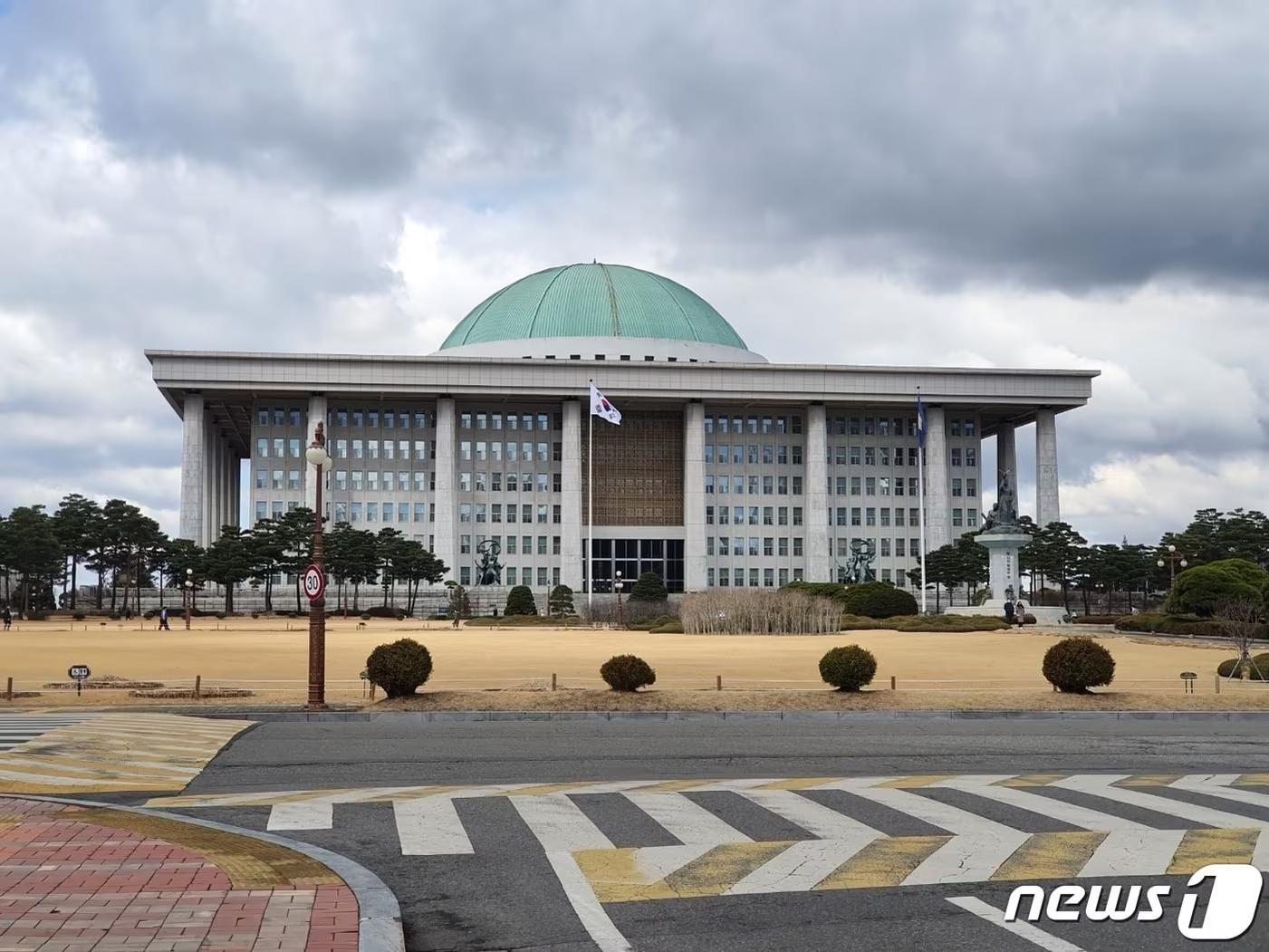
Leading a major public corporation was not without its hurdles. Chang frequently had to navigate tough budget negotiations with the Ministry of Justice and the National Assembly to secure funding for additional public defenders and legal staff. Despite these financial constraints, he optimized internal workflows and established partnerships with local law schools, utilizing pro bono contributions from law students to expand the corporation's reach without compromising on the quality of legal service provided.
Transition to Private Practice and Continued Counsel
Upon completing his formal public service tenures, Chang Yoon-ki brought his immense store of knowledge and strategic vision into private practice. Joining top-tier legal groups and establishing advisory relationships with major firms, he specialized in civil mediation, corporate governance, and complex appellate litigation. In the private sector, he maintained his stellar reputation for absolute ethical integrity, refusing to take on cases that conflicted with the public values he had championed throughout his career.

Contributions to Academic and Professional Dialogues
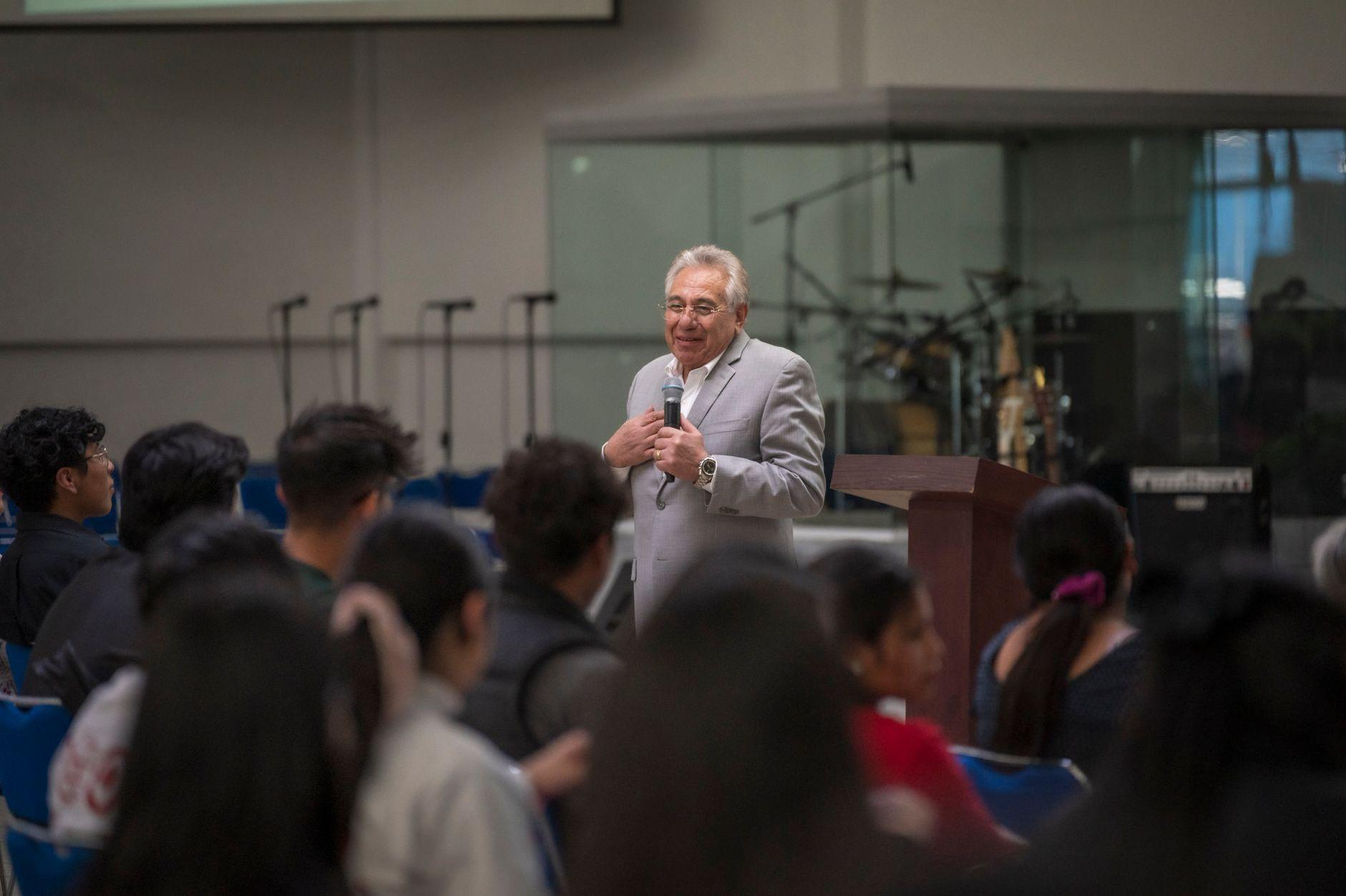
Throughout his legal journey, Chang was also a prolific writer and speaker. He contributed numerous academic papers to South Korean legal journals, analyzing tricky areas of civil procedure and suggesting administrative improvements for the courts. He was a frequent guest lecturer at prestigious law schools across South Korea, where he inspired future prosecutors, judges, and lawyers to look beyond the letter of the law and remember the human lives affected by their daily decisions.
Honors and Public Recognition
In recognition of his long and distinguished service to the nation, Chang Yoon-ki has received numerous honors from the South Korean government, regional bar associations, and civic organizations. These accolades celebrate his role in maintaining judicial independence, his administrative innovations, and his deep contribution to expanding the civil rights of marginalized communities. These awards cemented his reputation as a 'judge's judge' and an exemplary public servant.

Influence on Civil and Human Rights Law
Chang's work at the crossroads of judicial administration and legal aid helped shift the focus of South Korean jurisprudence toward proactive social protection. By asserting that the state has an active duty to provide competent legal representation to all citizens regardless of economic class, his tenure at KLAC helped set a high standard for social welfare policies. His arguments have been quoted in subsequent constitutional debates surrounding the scope of the right to a fair trial.

Civic Engagement and Advisory Roles
Even in semi-retirement, Chang remains active in civic life. He frequently serves on advisory panels for non-governmental organizations, environmental protection committees, and local dispute arbitration boards. His deep pool of experience makes him a sought-after voice for resolving complex social disputes outside the traditional courtroom setting, reinforcing his lifelong belief that law should serve as a tool for healing communities rather than dividing them.

Conclusion and Lasting Legacy
Chang Yoon-ki's life and career serve as a shining model of how legal mastery can be channeled into profound public benefit. From his early days of rigorous academic study to his years delivering fair verdicts on the bench, and finally to his transformative leadership at the Korea Legal Aid Corporation, he has demonstrated that the true strength of a legal system lies in its accessibility and compassion. His legacy continues to inspire young legal minds in South Korea, reminding them that justice is not a privileged luxury, but a fundamental right belonging to all.

#Chang Yoon-ki#South Korean Judiciary#Legal Reform#Korea Legal Aid Corporation#Judicial Administration#Korean Legal History#Daegu High Court#Legal Aid Services
Comments(0)
No comments yet. Be the first to share your thoughts!
Recommended Reads
 Kbeauty
Sep 22, 2026, 10:03 PM
Target Beauty Studio: How K-Beauty is Conquering the American Mass Market
On September 10, 2026, retail giant Target officially launched Target Beauty Stu...
 Skincare
Sep 21, 2026, 10:03 PM
How K-Beauty is Powering Global Ingredient Literacy and Redefining Skincare
In a major move for the global beauty industry, Korean-American cosmetics brand ...
 JayPark
Sep 20, 2026, 10:06 PM
Edmonds-Born K-Pop Pioneer Jay Park Set for Major Seattle Homecoming Concert
Edmonds-born K-pop and hip-hop pioneer Jay Park is returning to his roots for a ...
 BTS
BTSSep 19, 2026, 10:04 PM
The Triumph and Autonomy of BTS: Inside Their Historic 2026 Comeback and Bold Grammy Boycott
After a scheduled hiatus that began in late 2022, the global supergroup BTS has ...
 Fitness Gaming
Sep 3, 2026, 03:35 AM
VXROOM: Transforming Daily Workouts into Engaging Web-Based Motion Games
VXROOM (vxroom.com) is an innovative web-based int...
 Survival Show
Sep 1, 2026, 09:07 AM
Game of Blood X: The Evolution of Korea’s Fiercest Survival Reality Franchise
Wavve's hit original series Game of Blood ...