
The Evolution and Global Rise of K-pop: From Local Subculture to Worldwide Phenomenon
The Spark That Created Modern K-Pop
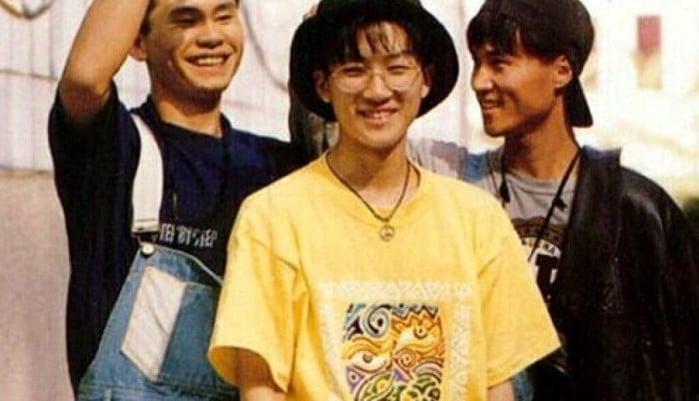
The story of modern K-pop began on April 11, 1992, when the group Seo Taiji and Boys performed their track Nan Arayo on South Korean television. This groundbreaking performance blended Western hip-hop, rap, and electronic dance music with native Korean lyrics. The trio fundamentally altered the South Korean music market by shifting focus toward youth subcultures and prompting censorship reforms across broadcast media. Before this debut, South Korean popular music was dominated by traditional ballads and trot. The massive appeal of Seo Taiji and Boys established a brand-new framework for Korean youth culture, creating the foundation upon which today's multi-billion dollar international entertainment industry relies.
The Corporate Engine and the Trainee System
Following the initial wave of modern Korean pop, entertainment management companies established structured idol production systems to turn talent into polished global stars. Three pioneering agencies led this movement: SM Entertainment, founded by Lee Soo-man; YG Entertainment, established by former Seo Taiji and Boys member Yang Hyun-suk; and JYP Entertainment, created by Park Jin-young. These companies hold auditions worldwide to recruit young candidates. Once accepted, prospective idols spend years as trainees under rigorous instruction in singing, synchronized dancing, foreign languages, and public etiquette before earned debuts. This disciplined approach ensures high production values and versatile performers capable of connecting with international audiences across cultural boundaries.
Disruption and New Agency Frameworks
As the industry matured, new management models emerged to challenge the dominant agency trio. Originally founded in 2005 as Big Hit Entertainment by Bang Si-hyuk, the company transformed into HYBE Corporation and altered traditional management strategies. Rather than relying solely on conventional broadcast channels, HYBE prioritized direct fan interaction through specialized social platforms like Weverse. Additionally, the corporate entity expanded into cross-media intellectual properties, including games and digital webtoons featuring its artist roster. This strategic shift demonstrated how music companies could build comprehensive media ecosystems around their talent, establishing new benchmarks for audience engagement and revenue generation across global digital markets.

The Korean Wave and Global Breakout Hits
The international spread of South Korean culture is known as Hallyu, or the Korean Wave, covering music, television dramas, films, and beauty products. K-pop entered mainstream global consciousness in summer 2012 when PSY's viral hit Gangnam Style became the first YouTube video to hit one billion views. Building on this momentum, acts like BTS achieved unprecedented record success, becoming the first Korean group to top the Billboard Hot 100 chart and present at the United Nations. Simultaneously, Blackpink popularized the empowered girl crush concept, becoming the highest-charting female Korean act on Western charts and headlining major international music festivals.
Navigating Future Trends and Industry Debates
Looking ahead, the K-pop ecosystem continues to evolve while sparking dynamic industry discussions. Music analysts frequently debate generational boundaries, as fan communities and media outlets attempt to define transitioning era markers. Meanwhile, companies are exploring how virtual idols and artificial intelligence music generation might coexist with traditional human trainee programs. Observers also closely monitor market expansion in North America and Europe, debating whether growth has reached a saturation point or will continue through localized global idol groups trained in Korean systems. As the industry experiments with virtual spaces and global localized talent, K-pop maintains its role as a pivotal force in contemporary pop culture.

Comments(0)
No comments yet. Be the first to share your thoughts!
Recommended Reads
 Kdrama
Disney Highlights High Substance in Upcoming K-Drama The Remarried Empress
During the 31st Busan International Film Festival in October 2026, Jon Wax, Exec...
 Skincare
ELLE Highlights Top K-Beauty Savings During October Prime Day
Major fashion and beauty publication ELLE published a dedicated shopping guide t...
 Hansik
South Korea Celebrates Its First Official Korean Food Day with HANSIK FESTA in Seoul
South Korea officially celebrated its inaugural national Korean Food Day with a ...
 Kakao
KakaoKakao Entertainment Teams Up with Atlantic Music Group to Scale K-Pop Worldwide
South Korean media powerhouse Kakao Entertainment announced a strategic partners...
 Artbox
Korean Lifestyle Giant Artbox Makes Waves with Immersive U.S. Debut in Los Angeles
South Korea's iconic lifestyle and design-retail brand, Artbox, has officia...
 DeadEndJob
Dead-End Job: Squid Game Meets Supernatural Horror in New Netflix K-Drama
The highly anticipated South Korean thriller "Dead-End Job" made a spl...