
홍명보Jun 25, 2026, 03:25 PM• 90682 views
The Eternal Libero: The Definitive Legacy of Hong Myung-bo in Korean Football
Introduction to an Icon
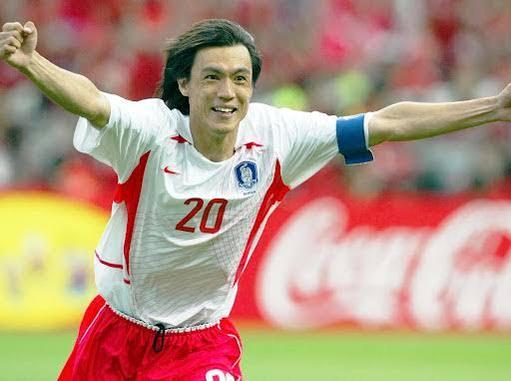
Hong Myung-bo stands as one of the most prominent and influential figures in the history of Asian football. Widely revered as the 'Eternal Libero,' he redefined the defensive position in South Korea through his exceptional vision, calm composure under pressure, and unparalleled leadership. As both a legendary player who anchored the national team during its golden era and a tactician who navigated the highs and lows of modern football management, Hong's influence stretches across several decades, making his name synonymous with South Korean soccer's rise on the global stage.
Early Life and Youth Development
Born on February 12, 1969, in Seoul, South Korea, Hong Myung-bo developed a passion for football at an early age. He honed his skills playing for local schools before enrolling at Korea University, a institution famous for nurturing top-tier athletic talent. During his collegiate years, Hong's unique reading of the game and precise passing range quickly caught the attention of scouts. Unlike traditional defenders of his era who relied solely on physical aggression, Hong showcased an elegant style of play that combined tactical intelligence with superb technical abilities.
Professional Debut with POSCO Atoms
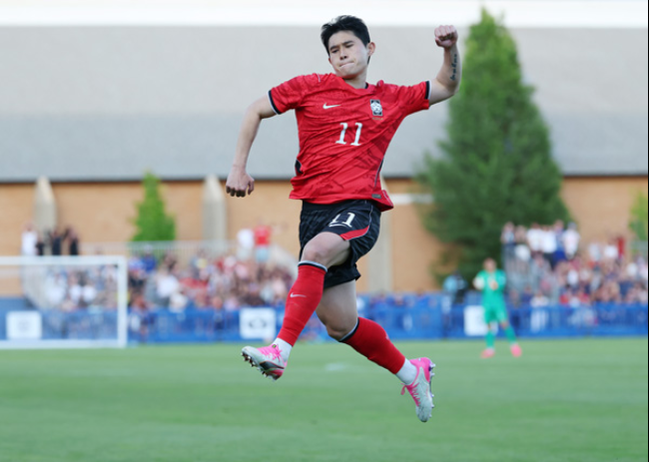
Hong Myung-bo made his highly anticipated professional debut in 1992 with the POSCO Atoms, now known as the Pohang Steelers. He made an immediate and profound impact on the domestic league, showcasing his versatility as a sweeper who could seamlessly transition into midfield. His stellar debut season culminated in him winning the K League Rookie of the Year award, a rare feat for a defensive-minded player. Hong's performances helped elevate the Pohang-based club, establishing them as a dominant force in South Korea's professional football landscape.
First World Cup Experience: Italy 1990
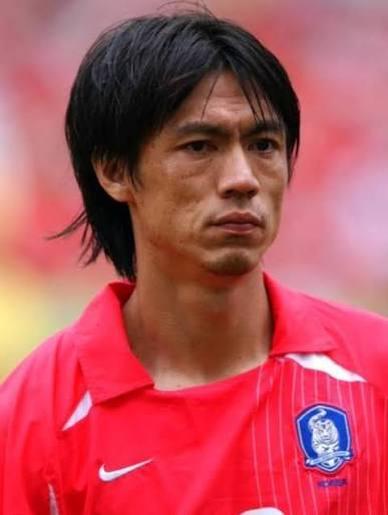
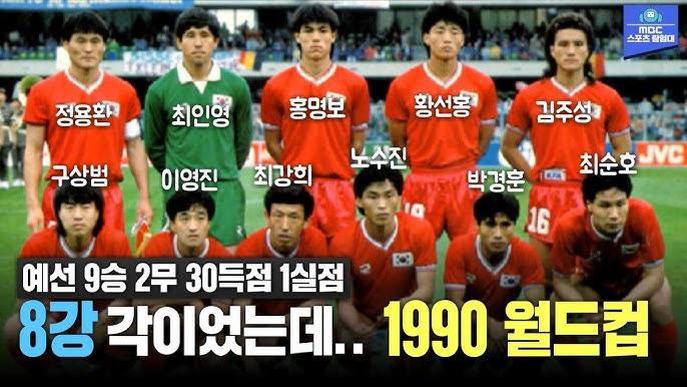
At just 21 years of age, Hong Myung-bo was selected for the South Korean national team squad for the 1990 FIFA World Cup in Italy. Although the team suffered three consecutive losses in the group stage, the tournament served as an invaluable learning experience for the young defender. Facing elite international strikers allowed Hong to benchmark his skills against the world's best, motivating him to refine his game and transition into a core leader for the national team's defensive backline.
The 1994 World Cup and International Recognition
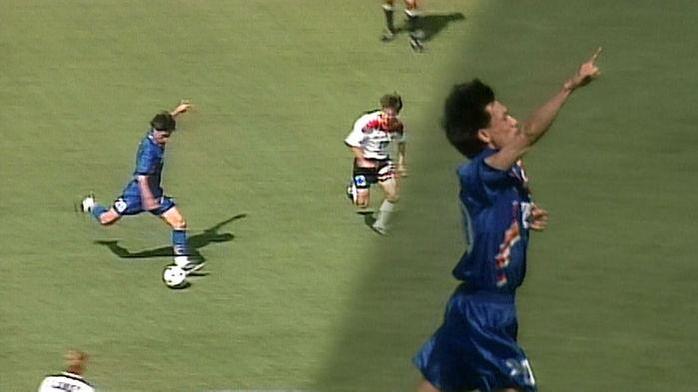
The 1994 FIFA World Cup in the United States cemented Hong Myung-bo's reputation as a world-class talent. During the group stage, South Korea staged thrilling comebacks, fueled in large part by Hong's offensive contributions from the defense. He scored a sensational long-range goal against Spain and provided a crucial assist against Germany. Despite South Korea's narrow failure to advance to the knockout stage, Hong's dynamic performances as an attacking sweeper earned him widespread international acclaim and interest from foreign clubs.
Venturing Abroad to the J-League
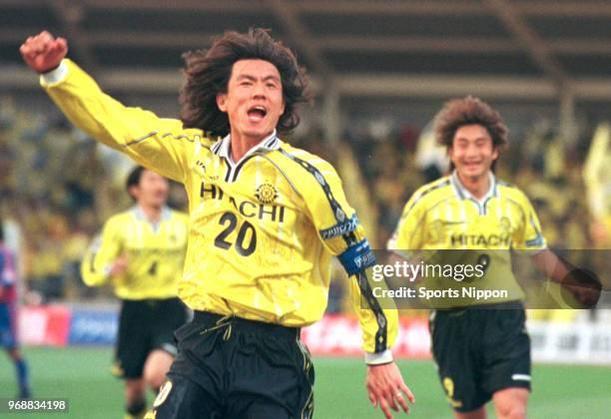
In 1997, Hong Myung-bo made a significant career move by signing with Bellmare Hiratsuka in Japan's J-League. He later joined Kashiwa Reysol in 1999, where he became the first Korean player to captain a Japanese club. His presence in the J-League helped bridge sports diplomacy between South Korea and Japan ahead of their co-hosting of the 2002 World Cup. Hong's exceptional defensive organizing skills led Kashiwa Reysol to win the J-League Cup in 1999, securing his legendary status in Japanese club football.
The Challenge of the 1998 World Cup
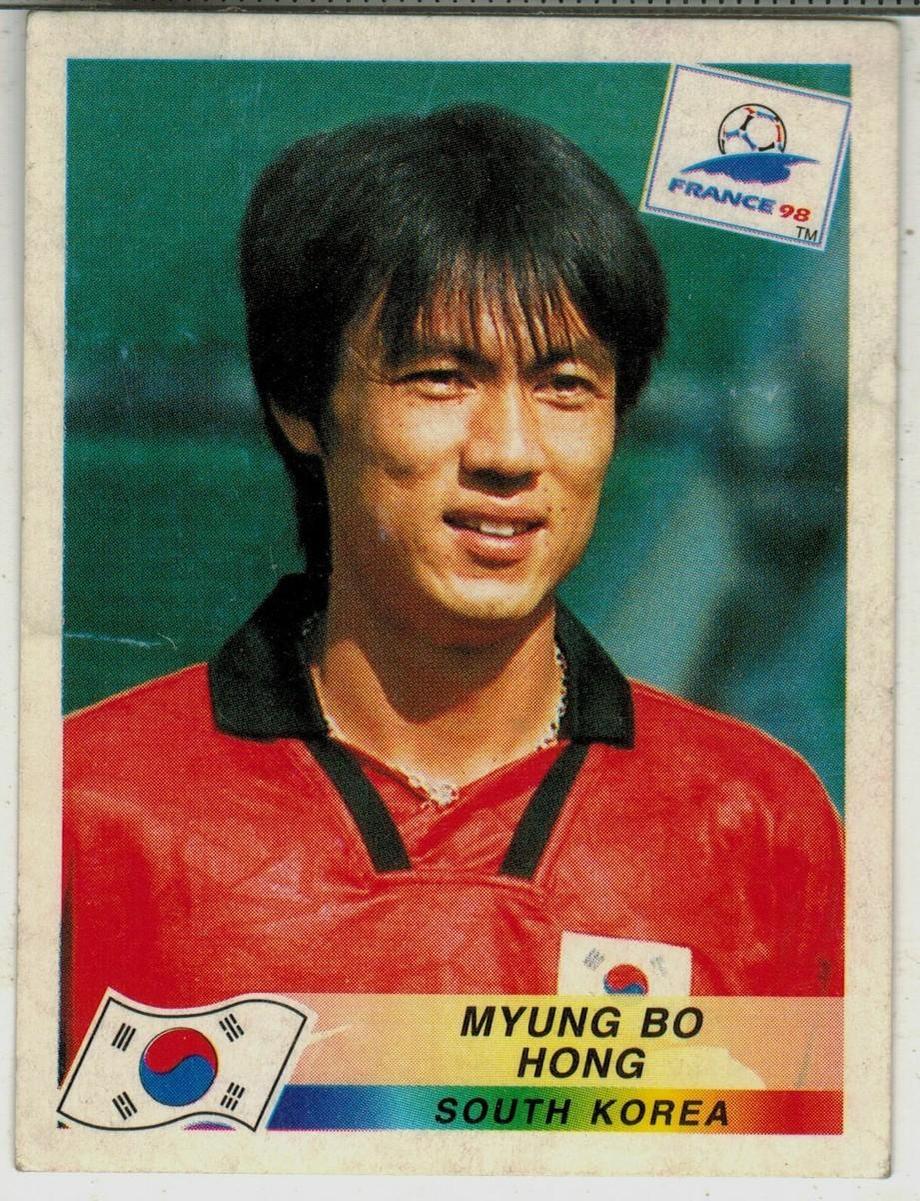
The 1998 FIFA World Cup in France was a turbulent chapter for South Korean football, but Hong Myung-bo remained a steady anchor. Despite a heavy 5-0 defeat to the Netherlands and the subsequent mid-tournament dismissal of head coach Cha Bum-kun, Hong demonstrated immense professionalism. He marshaled the defense to earn a hard-fought 1-1 draw against Belgium in the final group match, showing the resilience and fighting spirit that would define his captaincy in the years to come.
The Historic 2002 FIFA World Cup Campaign
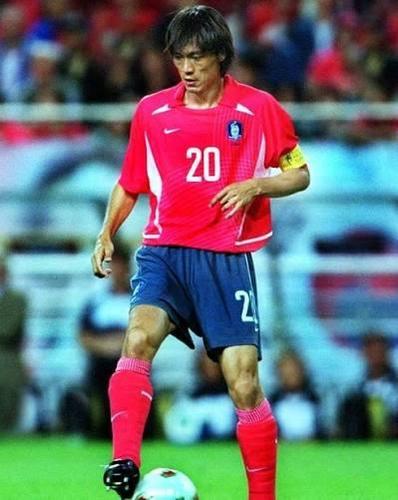
The pinnacle of Hong Myung-bo's playing career arrived during the 2002 FIFA World Cup, co-hosted by South Korea and Japan. Appointed as the captain of the Taeguk Warriors under Dutch manager Guus Hiddink, Hong was the absolute focal point of the team's historic 3-4-3 formation. His tactical discipline, calm distribution of the ball, and vocal leadership guided South Korea through miraculous victories over football giants like Portugal, Italy, and Spain.
The Penalty Shootout against Spain
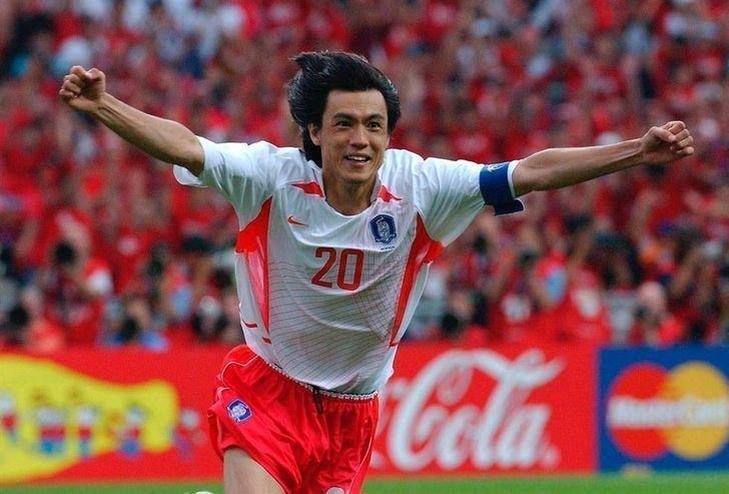
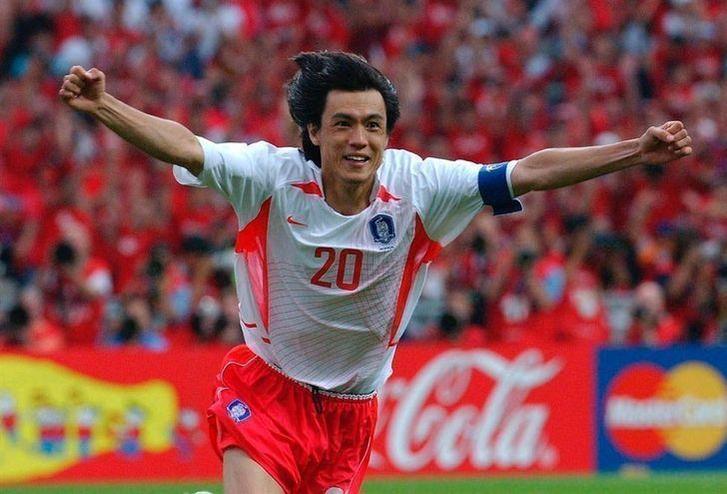
One of the most iconic moments in South Korean sports history occurred during the quarter-finals of the 2002 World Cup against Spain. After a grueling scoreless match and extra time, the game went to a penalty shootout. Stepping up as South Korea's fifth penalty taker, Hong Myung-bo calmly slotted the ball past Spanish goalkeeper Iker Casillas to secure a place in the semi-finals. His subsequent radiant, wide-armed smile became an enduring symbol of national joy and pride.
Winning the FIFA Bronze Ball
South Korea's historic fourth-place finish at the 2002 World Cup was capped off by a massive personal milestone for Hong Myung-bo. He was awarded the FIFA Bronze Ball, designated for the tournament's third-best player, finishing behind Germany's Oliver Kahn and Brazil's Ronaldo. This marked the first time an Asian player had ever been awarded one of the top three individual player accolades at a FIFA World Cup, proving Hong's elite standing globally.
The MLS Era and Retirement
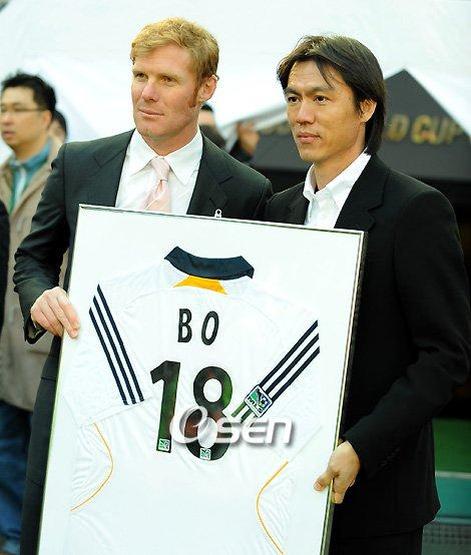
In 2003, Hong Myung-bo embarked on a new journey by joining the Los Angeles Galaxy in Major League Soccer (MLS), becoming one of the first high-profile Asian players to join the North American league. His transition to the United States was highly celebrated, drawing massive crowds of Korean-Americans to the stadiums. Hong played for two seasons with the LA Galaxy, showcasing his veteran experience and helping expand soccer's popularity in the U.S. before officially announcing his retirement as a player in 2004.
Transition into Coaching
Following his retirement, Hong Myung-bo did not stay away from the pitch for long. He transitioned into coaching, joining the South Korean national team's coaching staff as an assistant under Dick Advocaat for the 2006 FIFA World Cup in Germany. He continued his apprenticeship under Pim Verbeek, absorbing tactical philosophies and coaching methodologies from top-tier European managers. This period of learning laid a solid foundation for his future role as a head coach.
Youth National Team Success
Hong Myung-bo's first major breakthrough as a head coach came when he was appointed to lead the South Korea Under-20 national team. He successfully guided the squad to the quarter-finals of the 2009 FIFA U-20 World Cup in Egypt, earning praise for his modern tactical setups and ability to connect with young players. This success proved that Hong possessed the leadership qualities necessary to thrive as a head coach on the international stage.
The 2012 London Olympics Bronze Medal
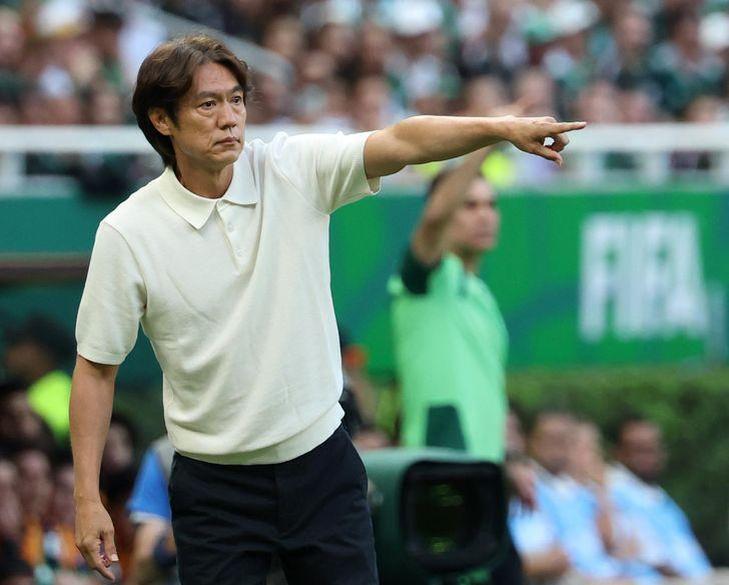
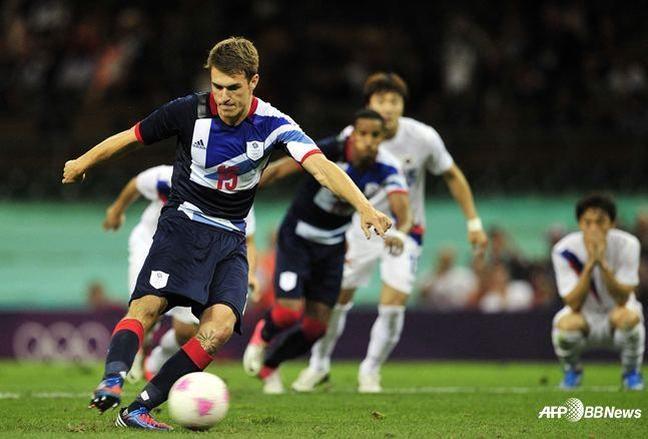
Hong Myung-bo's crowning achievement as a manager came at the 2012 London Olympics, where he led the South Korea Under-23 national team. Under his precise tactical guidance, the team advanced through difficult matches, culminating in a historic 2-0 victory over rivals Japan in the bronze medal match. This achievement marked South Korea's first-ever Olympic football medal, and Hong was lauded nationwide for his brilliant leadership and tactical mastery.
The Challenging 2014 World Cup Campaign
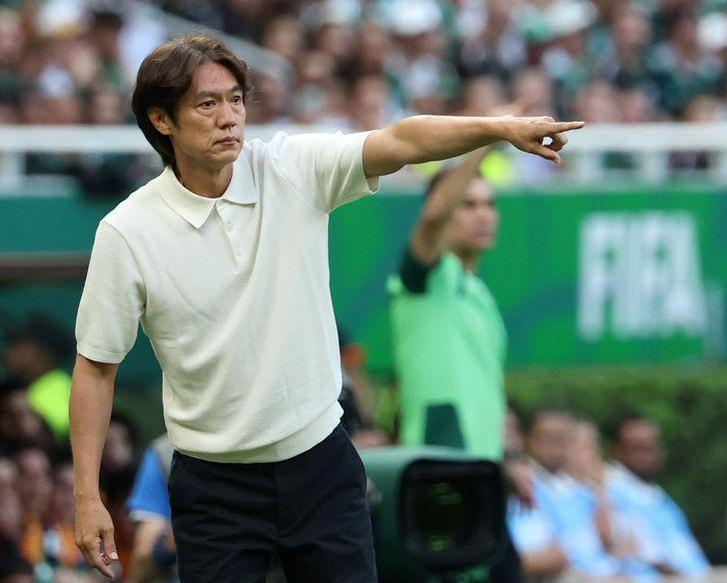
In June 2013, Hong Myung-bo was appointed as the head coach of the senior South Korean national team, tasked with leading them through the 2014 FIFA World Cup in Brazil. However, with limited preparation time and intense public pressure, the tournament ended in disappointment. South Korea was eliminated in the group stage after failing to secure a single win. Facing severe public backlash and criticism regarding his squad selection, Hong made the difficult decision to resign shortly after the tournament.
Venturing to Club Management and KFA Leadership
Following his resignation, Hong spent time away from the intense media spotlight. In late 2015, he signed on to manage Hangzhou Greentown in the Chinese Super League, gaining club-level managerial experience. Afterward, he returned to South Korea to serve as the Executive Director of the Korea Football Association (KFA). In this administrative role, Hong worked diligently to reform youth development structures and improve the national team's operational system, demonstrating his commitment to Korean football off the pitch.
Return to the K League: Ulsan Hyundai
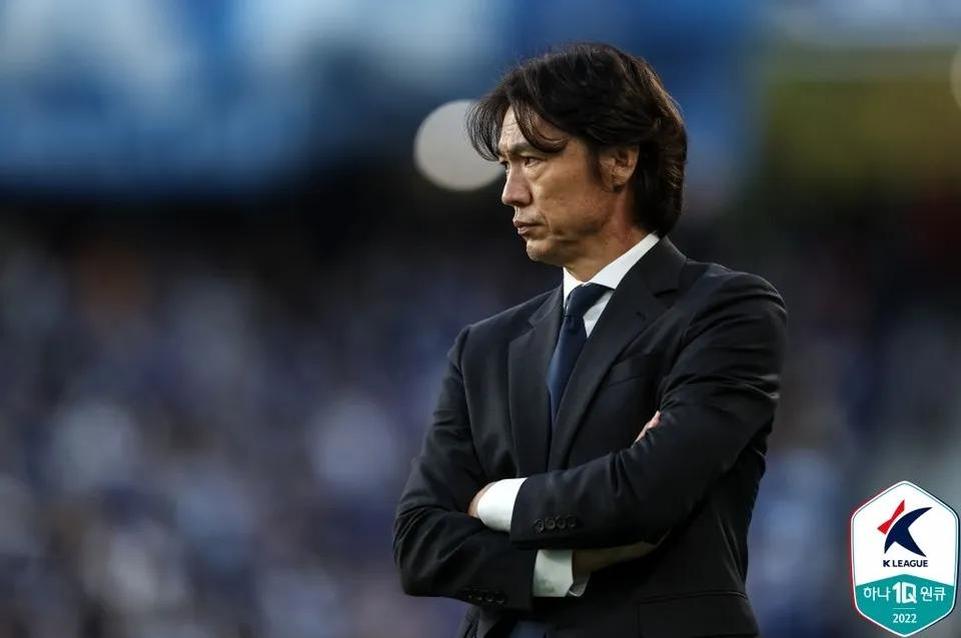
In December 2020, Hong Myung-bo made a highly anticipated return to active coaching by accepting the head coach position at K League giants Ulsan Hyundai (now Ulsan HD FC). Tasked with breaking the domestic dominance of rivals Jeonbuk Hyundai Motors, Hong implemented a structured, disciplined style of football that prioritized solid defensive shapes and rapid counter-attacks, revitalizing the squad and bringing immediate excitement to the club's passionate fanbase.
K League Championship Glory
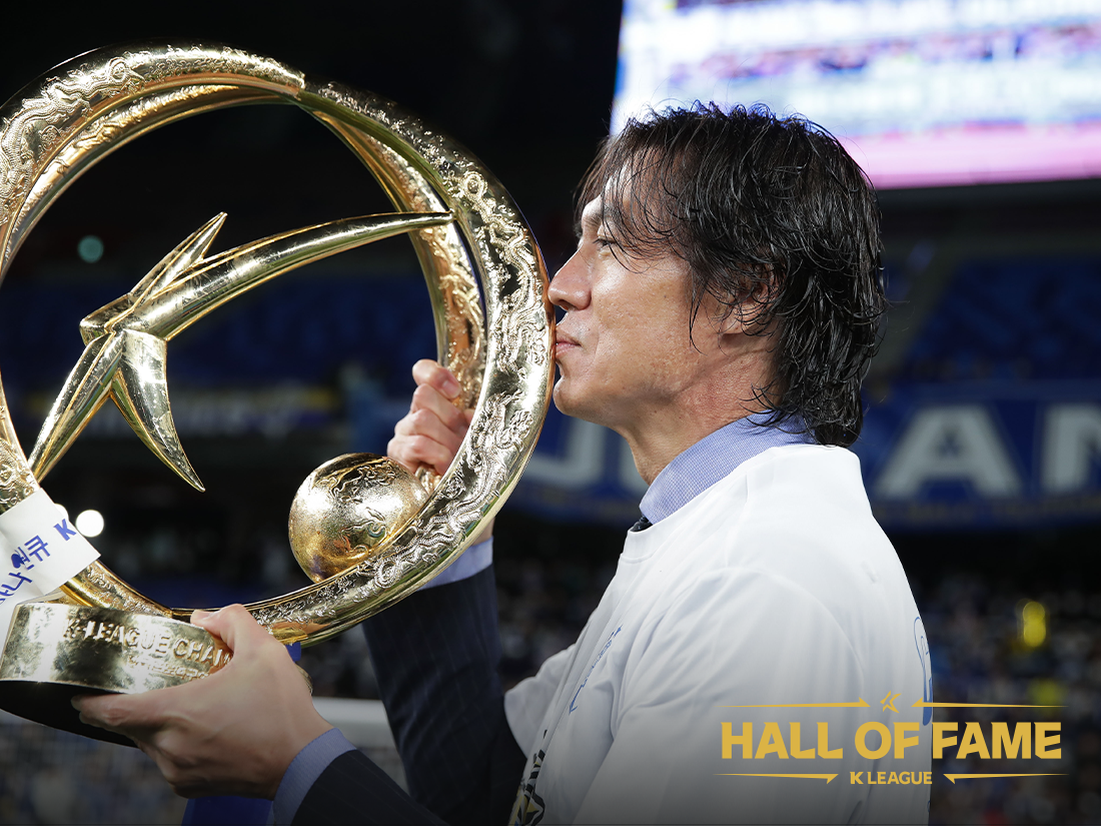
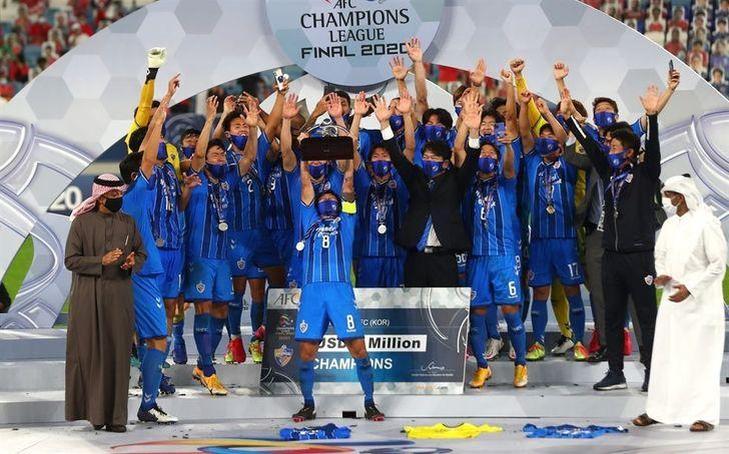
Hong Myung-bo's tactical acumen bore fruit in 2022 when he led Ulsan Hyundai to their first K League 1 championship title in 17 years. Under his leadership, Ulsan exhibited a perfect blend of defensive resilience and creative attacking plays. Hong proved his elite capabilities as a club manager by winning back-to-back league titles, securing another championship in 2023, and solidifying Ulsan's status as the new powerhouse of Korean domestic football.
Controversial Return to the National Team (2024)
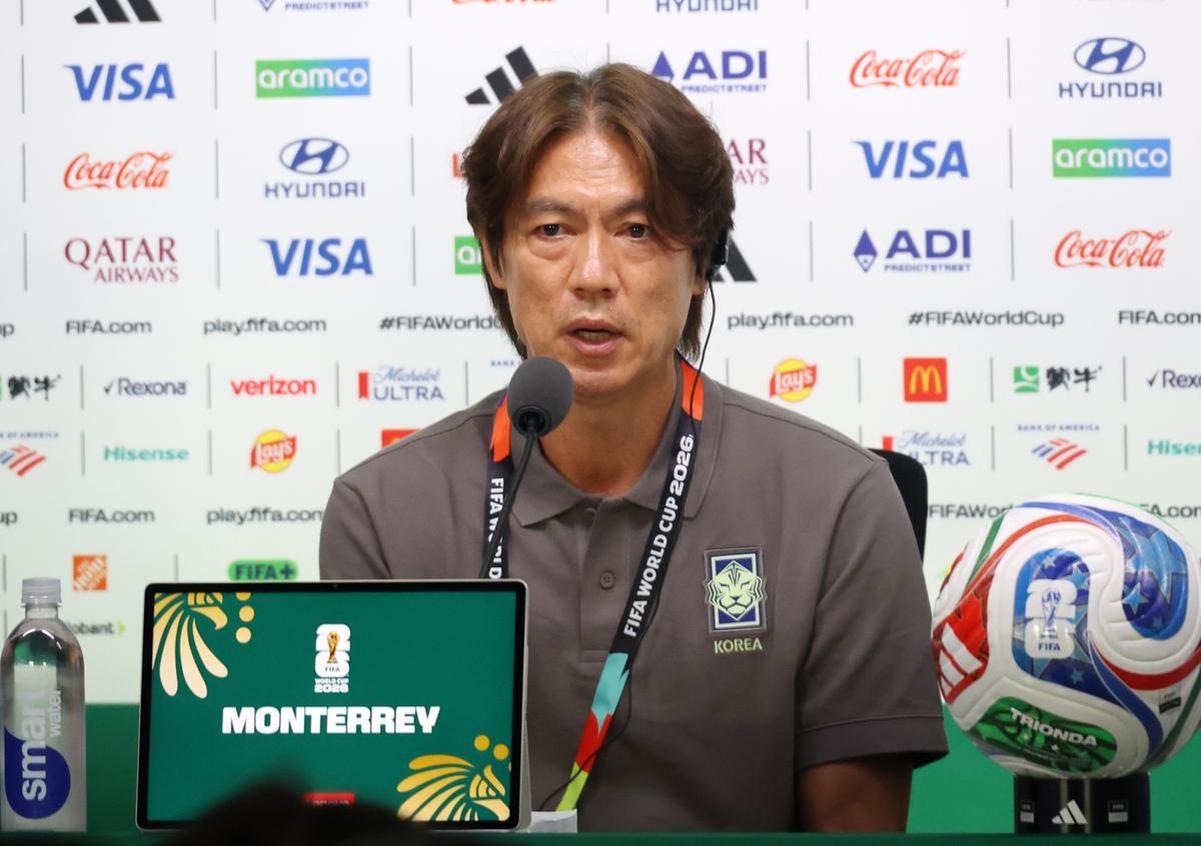
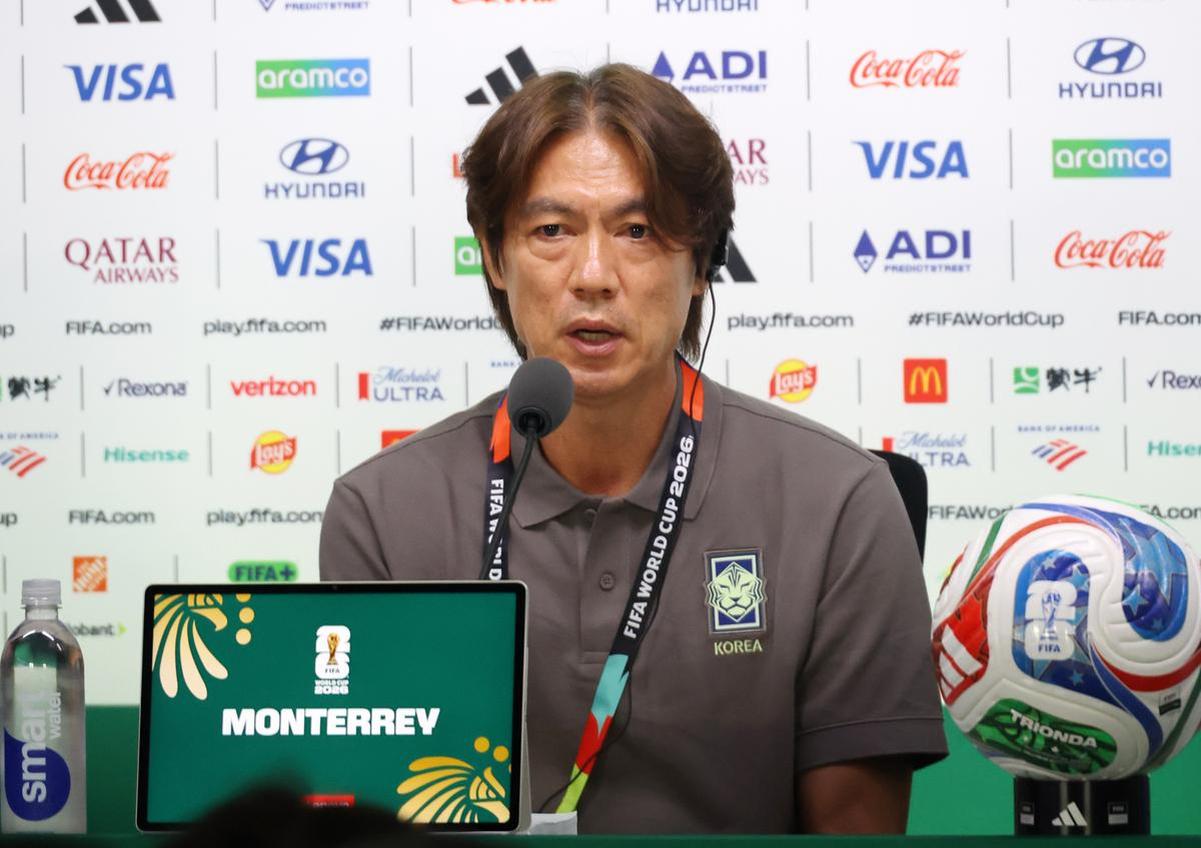
In mid-2024, Hong Myung-bo was appointed as the head coach of the South Korean national team for a second time. This decision by the KFA sparked substantial public debate, especially from Ulsan fans who felt disappointed by his mid-season departure from the club. Despite the surrounding controversies regarding the selection process, Hong took on the immense responsibility of guiding the national team through the AFC third-round qualifiers for the 2026 FIFA World Cup, aiming to silence critics through on-pitch results.
The Eternal Legacy of the Libero
Through decades of triumph, adversity, and continuous evolution, Hong Myung-bo remains a fundamental cornerstone of South Korean football. Whether organizing the defense on the pitch, leading youth prospects to historic Olympic medals, or steering elite clubs to league championships, his impact is profound. His journey reflects the growth of Korean soccer itself, and his enduring legacy as the 'Eternal Libero' will continue to inspire future generations of footballers across Asia and the world.
#Hong Myung-bo#South Korea Football#KFA#World Cup 2002#Ulsan HD FC#K League#Korean Soccer Legend#Olympic Football
Comments(0)
No comments yet. Be the first to share your thoughts!
Recommended Reads
 Kbeauty
Sep 22, 2026, 10:03 PM
Target Beauty Studio: How K-Beauty is Conquering the American Mass Market
On September 10, 2026, retail giant Target officially launched Target Beauty Stu...
 Skincare
Sep 21, 2026, 10:03 PM
How K-Beauty is Powering Global Ingredient Literacy and Redefining Skincare
In a major move for the global beauty industry, Korean-American cosmetics brand ...
 JayPark
Sep 20, 2026, 10:06 PM
Edmonds-Born K-Pop Pioneer Jay Park Set for Major Seattle Homecoming Concert
Edmonds-born K-pop and hip-hop pioneer Jay Park is returning to his roots for a ...
 BTS
BTSSep 19, 2026, 10:04 PM
The Triumph and Autonomy of BTS: Inside Their Historic 2026 Comeback and Bold Grammy Boycott
After a scheduled hiatus that began in late 2022, the global supergroup BTS has ...
 Fitness Gaming
Sep 3, 2026, 03:35 AM
VXROOM: Transforming Daily Workouts into Engaging Web-Based Motion Games
VXROOM (vxroom.com) is an innovative web-based int...
 Survival Show
Sep 1, 2026, 09:07 AM
Game of Blood X: The Evolution of Korea’s Fiercest Survival Reality Franchise
Wavve's hit original series Game of Blood ...