
이병태Jul 6, 2026, 04:39 PM• 85212 views
Professor Lee Byung-tae: The Intellectual Crusader of South Korean Classical Liberalism
Introduction to a Leading Public Intellectual
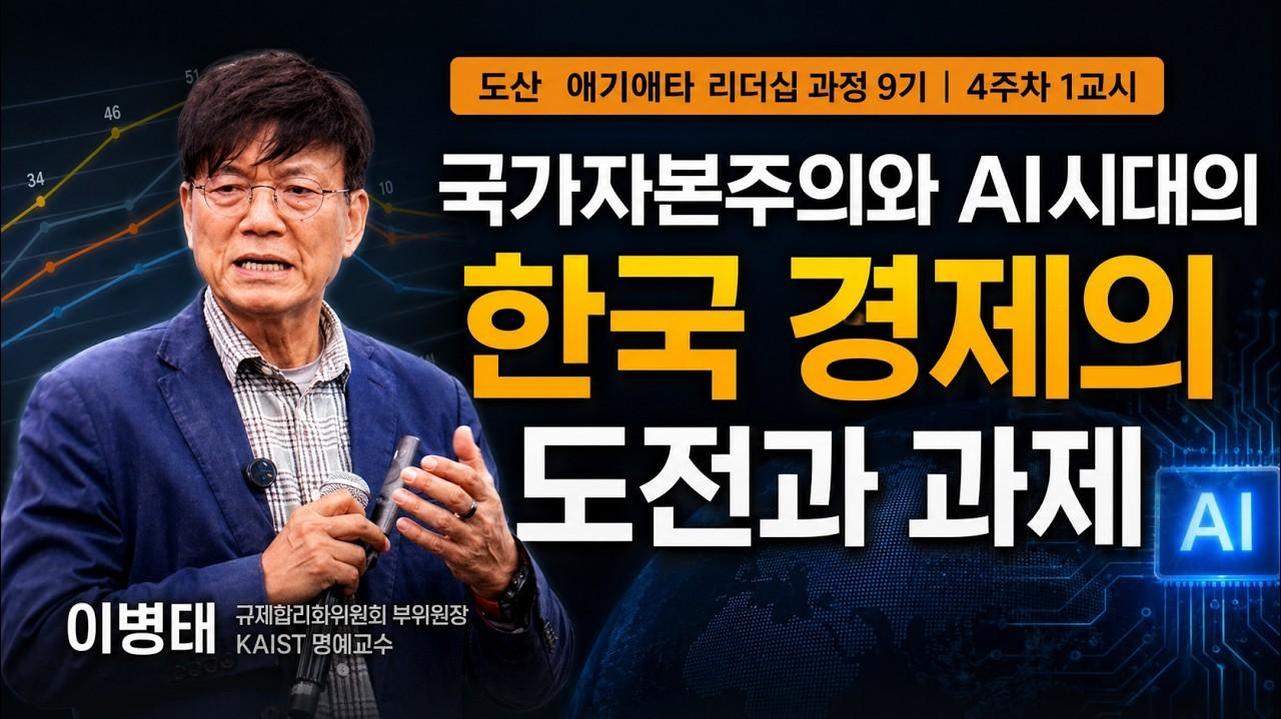
Professor Lee Byung-tae is one of South Korea's most prominent, vocal, and polarizing public intellectuals, widely recognized for his steadfast defense of classical liberalism and free-market capitalism. As a longtime professor at the KAIST (Korea Advanced Institute of Science and Technology) College of Business, Lee has bridged the gap between rigorous academic analysis and active public discourse. Over the years, his influence has transcended the lecture hall, making him a household name through television debates, newspaper columns, and digital media platforms where he challenges mainstream economic assumptions and state-led economic policies.
Academic Background and Foundation
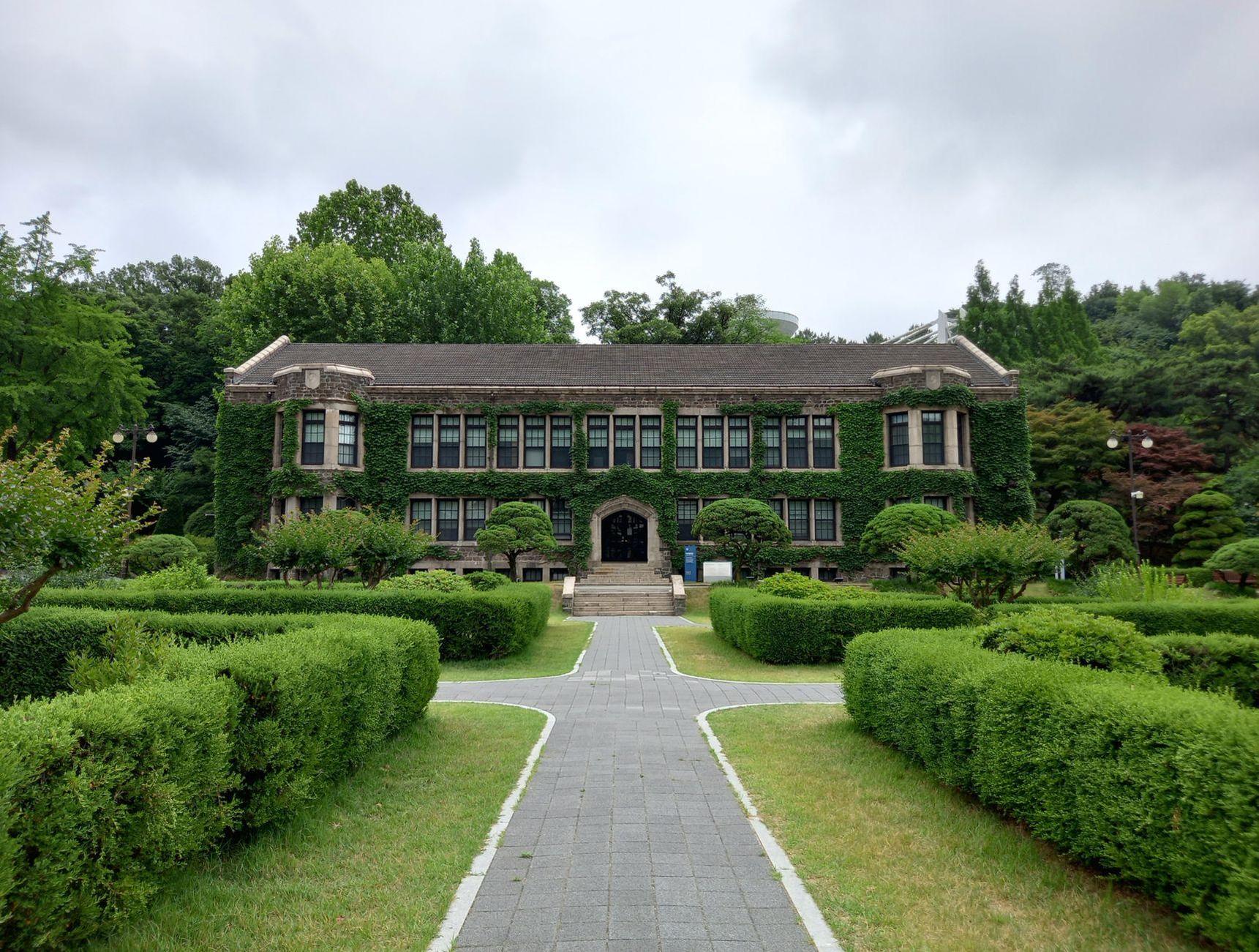
Before becoming a central figure in South Korea's economic debates, Lee Byung-tae built a highly distinguished academic pedigree. He received his bachelor's degree in Industrial Engineering from Seoul National University, South Korea's most prestigious institution, followed by a master's degree in Management Science from KAIST. He completed his doctoral studies in Management Information Systems (MIS) at the University of Texas at Austin. This multidisciplinary background combining engineering, quantitative management, and information technology provided him with a unique analytical framework to evaluate both business strategies and macroeconomic policies.
Research and Academic Contributions at KAIST
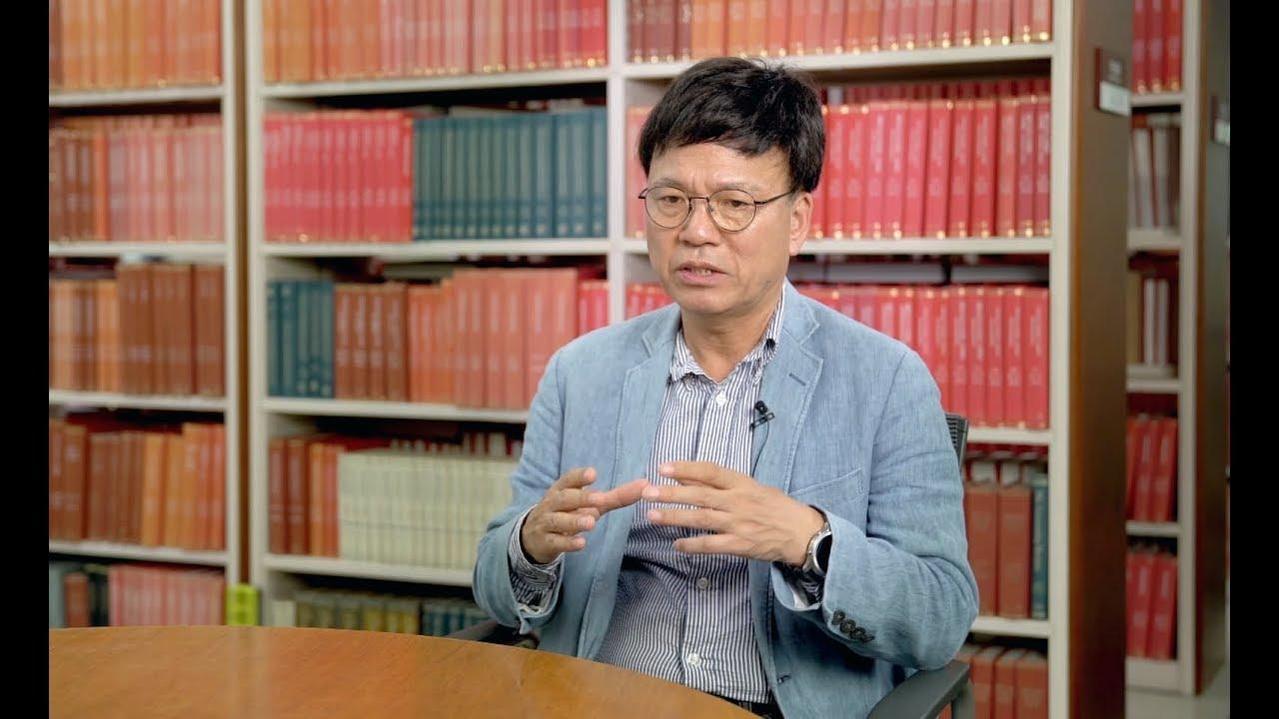
As a faculty member at the KAIST College of Business, Lee Byung-tae concentrated his research on Management Information Systems, the economics of information systems, and the strategic value of information technology. He has published numerous peer-reviewed papers in prestigious international journals, exploring how digital transformation, e-commerce, and technological innovations redefine business operations and national competitiveness. His academic work emphasized the vital role of technological disruption in driving economic growth, laying the groundwork for his later public critiques of restrictive corporate regulations.
Transition from Academia to the Public Sphere
While many academics confine their activities to publishing research, Lee Byung-tae actively chose to step into the public square. His transition was fueled by a growing concern over the economic direction of South Korea, particularly what he perceived as a rising tide of populist economic policies that threatened the nation's long-term prosperity. Armed with economic data and a sharp rhetorical style, Lee began sharing his views on social media, quickly attracting a massive following and catching the attention of mainstream media outlets looking for robust conservative and libertarian viewpoints.

Core Philosophy: Classical Liberalism and Free Markets
At the heart of Lee Byung-tae’s public commentary is a deep commitment to classical liberalism, influenced by economists like Friedrich Hayek and Milton Friedman. He argues that individual liberty, private property rights, and free-market competition are the most reliable engines of human progress and poverty reduction. Lee consistently opposes government intervention in the market, asserting that state-directed initiatives often lead to unintended negative consequences, inefficiencies, and a stifling of entrepreneurial spirit.

Vocal Critique of 'Income-Led Growth'
During the administration of President Moon Jae-in, Lee Byung-tae became one of the most prominent critics of the government’s signature 'Income-Led Growth' policy. The policy sought to stimulate the economy by drastically raising the minimum wage and shifting income distribution toward workers. Lee fiercely argued that artificially inflating labor costs without corresponding productivity gains would devastate small business owners, reduce employment opportunities for marginalized workers, and ultimately slow down economic growth—warnings that resonated strongly with the business community.
Advocacy for Labor Market Reform
Lee Byung-tae has long advocated for comprehensive labor market reform in South Korea, a country known for its highly rigid labor laws and powerful labor unions. He argues that the extreme job protections enjoyed by regular employees at large conglomerates (Chaebols) create a highly dualistic labor market, leaving temporary and contract workers with little security. By introducing greater flexibility into hiring and firing processes, Lee believes South Korean companies can remain competitive globally while creating a more dynamic job market for younger generations.
Views on Corporate Regulation and the Chaebol
Unlike many South Korean academics who demand stricter regulation and breaking up of family-owned conglomerates (Chaebols), Lee Byung-tae offers a more nuanced, often supportive view of these business groups. He emphasizes that the Chaebols are the backbone of Korea's export-driven economy and that excessive, politically motivated regulations hamstring their ability to compete with global tech giants. He argues for deregulation, allowing businesses to operate freely while utilizing market competition rather than state mandates to police corporate behavior.
The Digital Economy, Innovation, and Deregulation
Combining his background in MIS with economic policy, Lee has been a leading voice calling for the deregulation of the digital economy. He has criticized South Korea's bureaucratic hurdles that prevent the launch of disruptive business models, such as ride-hailing services, telemedicine, and fintech innovations. Lee warns that if South Korea maintains its protective and risk-averse regulatory environment, it will fall behind in the fourth industrial revolution, yielding its tech leadership to nations with more permissive regulatory frameworks.
The Impact of Media and High-Profile Debates
Lee Byung-tae’s public profile surged due to his exceptional performance in high-profile television debates. Known for his rapid-fire delivery, exhaustive command of statistical data, and refusal to back down under pressure, he challenged politicians and progressive academics alike. His appearances on national television networks like JTBC, KBS, and SBS solidified his reputation as an intellectual force capable of dismantling populist arguments with cold, hard economic facts.

A Digital Pioneer: Byung-tae TV and FNTv
Recognizing the power of alternative media, Lee Byung-tae founded his own YouTube channel, widely known as 'Byung-tae TV' (and associated with FNTv - Free & Network Television). Through this platform, he produces long-form lectures, interviews, and real-time commentary on breaking economic and political news. By bypassing traditional media gatekeepers, Lee has built a highly engaged, loyal community of viewers who seek analytical perspectives that run counter to mainstream political narratives in South Korea.
Provocative Stances on Korea-Japan Relations
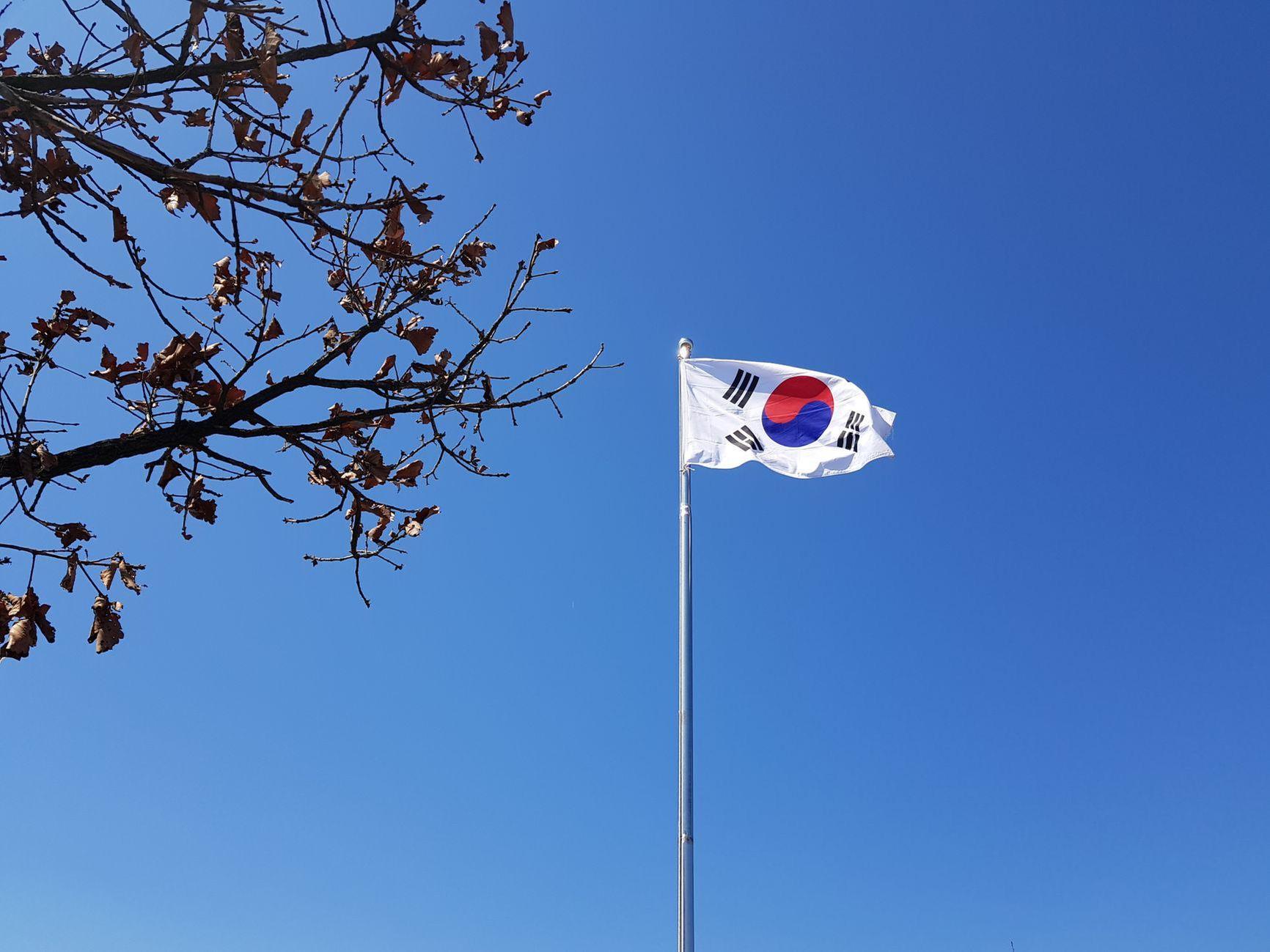
One of the most controversial aspects of Lee Byung-tae’s public persona is his stance on South Korea-Japan relations. During periods of heightened diplomatic and economic tension between Seoul and Tokyo, Lee advocated for a pragmatic, future-oriented foreign policy. He argued that emotional anti-Japan nationalism hurts South Korea's own economic and national security interests, urging the public and the government to focus on trilateral cooperation with Japan and the United States rather than historical grievances.
The Critique of Emotional Nationalism
Expanding on his foreign policy views, Lee has written extensively against what he terms 'tribal' or 'emotional' nationalism in South Korea. He believes that a modern, developed nation should be guided by rational self-interest, global standards, and constitutional patriotism rather than ethnic resentment. This critique has earned him both high praise from internationalists and severe backlash from nationalist groups who view his perspective as historical revisionism or a betrayal of national sentiments.
Education Reform and the Marketization of Universities
As a veteran professor, Lee Byung-tae frequently targets South Korea’s highly competitive yet rigid educational system. He advocates for the deregulation of universities, suggesting that institutions should have greater autonomy in admissions, tuition pricing, and curriculum design. Lee argues that the government's heavy-handed standardization of college entrance exams and tuition caps limits the global competitiveness of Korean universities and fails to prepare students for the demands of the modern, flexible labor market.
Analyzing Global Economic Headwinds
Lee Byung-tae's commentary is not limited to domestic issues; he regularly provides deep-dive analyses of global macroeconomic trends. From US Federal Reserve interest rate hikes and global inflation patterns to the economic fallout of the US-China trade war, Lee explains how these international events directly impact South Korea's highly open, export-dependent economy. He uses his platform to warn policy makers that domestic interventions are particularly dangerous when global economic conditions are volatile.

Collaborations with Classical Liberal Think Tanks
To institutionalize his efforts to promote economic freedom, Lee has collaborated with and led several market-oriented think tanks and research institutes in South Korea. He has been affiliated with organizations like the Center for Free Enterprise and has played pivotal roles in establishing independent platforms aimed at educating the youth on the principles of market economics. These efforts focus on producing accessible educational materials, hosting seminars, and training the next generation of pro-market advocates.
Reception by the Conservative and Libertarian Movements
Within the South Korean conservative and libertarian movements, Lee Byung-tae is highly revered as an intellectual leader who provides the theoretical ammunition needed to challenge progressive policies. Many admire him for his courage to state uncomfortable truths in a society heavily influenced by egalitarian sentiments. He is often invited as a keynote speaker at major economic forums and business associations, where his ideas are embraced by corporate leaders and market-friendly politicians.

Criticism and Backlash from Progressive Circles
Conversely, Lee’s uncompromising free-market rhetoric has made him a frequent target of criticism from progressive political parties, labor unions, and social justice organizations. Critics argue that his economic views are overly cold-hearted, favoring corporate profits over worker welfare and social safety nets. Some accuse him of ignoring the growing wealth inequality in South Korea and presenting a idealized version of capitalism that fails to account for market failures and systemic barriers faced by marginalized groups.

Shifting the Overton Window on Economic Policy
Regardless of whether one agrees with his views, there is a consensus that Lee Byung-tae has successfully shifted the Overton window—the range of ideas tolerated in public discourse—regarding economic policy in South Korea. By articulating clear, unapologetic arguments for deregulation, tax cuts, and labor reform, he has forced politicians on both sides of the aisle to address these ideas. His work has ensured that the classical liberal perspective remains a powerful, unavoidable element of national policymaking debates.
Legacy and Continuing Influence
Today, Professor Lee Byung-tae continues to write, lecture, and broadcast, cementing his legacy as one of the most influential defenders of liberty and economic freedom in modern South Korea. As the country faces demographic challenges, a slowing growth rate, and intense geopolitical pressures, Lee's insistence on structural reforms and market dynamics remains highly relevant. His courage to stand against popular trends and offer rigorous, data-driven alternatives guarantees that his voice will continue to shape South Korea’s economic trajectory for years to come.

#Lee Byung-tae#KAIST Professor#Korean Economist#Classical Liberalism#Free Market Capitalism#Korean Economic Policy#Public Intellectual
Comments(0)
No comments yet. Be the first to share your thoughts!
Recommended Reads
 Kbeauty
Sep 22, 2026, 10:03 PM
Target Beauty Studio: How K-Beauty is Conquering the American Mass Market
On September 10, 2026, retail giant Target officially launched Target Beauty Stu...
 Skincare
Sep 21, 2026, 10:03 PM
How K-Beauty is Powering Global Ingredient Literacy and Redefining Skincare
In a major move for the global beauty industry, Korean-American cosmetics brand ...
 JayPark
Sep 20, 2026, 10:06 PM
Edmonds-Born K-Pop Pioneer Jay Park Set for Major Seattle Homecoming Concert
Edmonds-born K-pop and hip-hop pioneer Jay Park is returning to his roots for a ...
 BTS
BTSSep 19, 2026, 10:04 PM
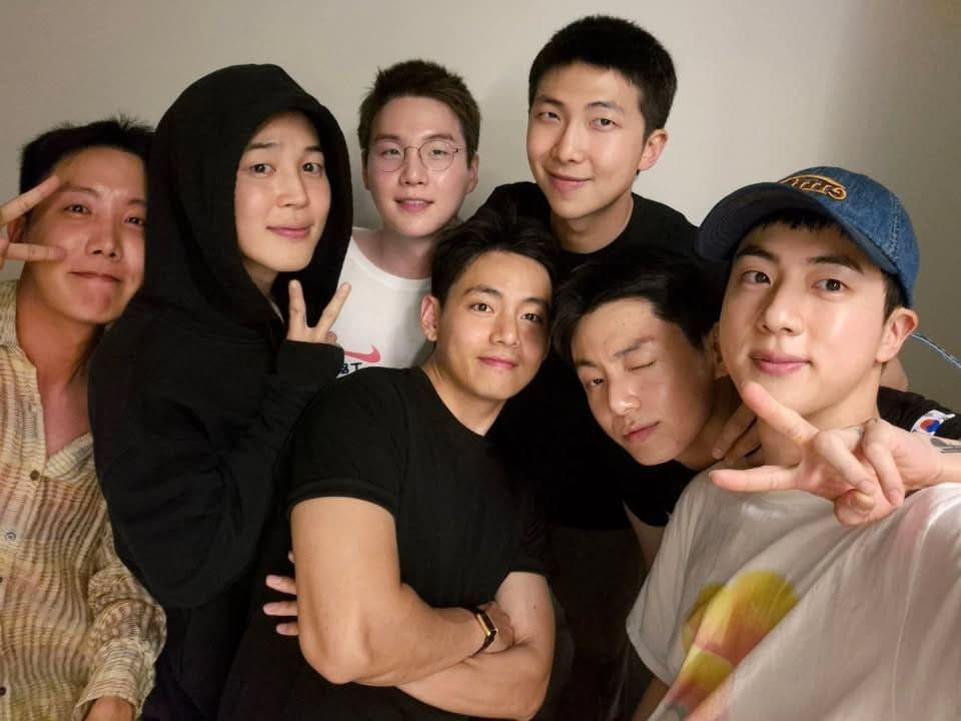
The Triumph and Autonomy of BTS: Inside Their Historic 2026 Comeback and Bold Grammy Boycott
After a scheduled hiatus that began in late 2022, the global supergroup BTS has ...
 Fitness Gaming
Sep 3, 2026, 03:35 AM
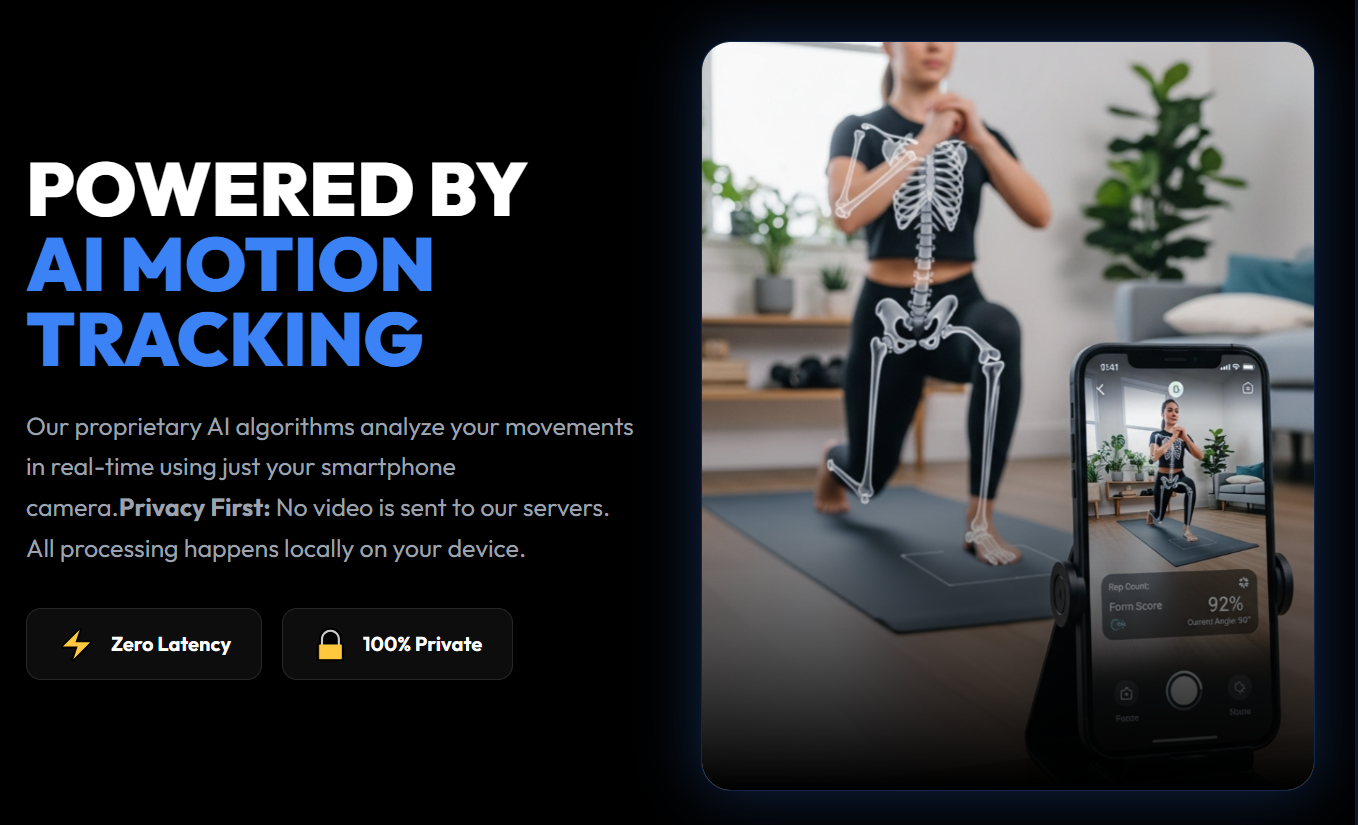
VXROOM: Transforming Daily Workouts into Engaging Web-Based Motion Games
VXROOM (vxroom.com) is an innovative web-based int...
 Survival Show
Sep 1, 2026, 09:07 AM
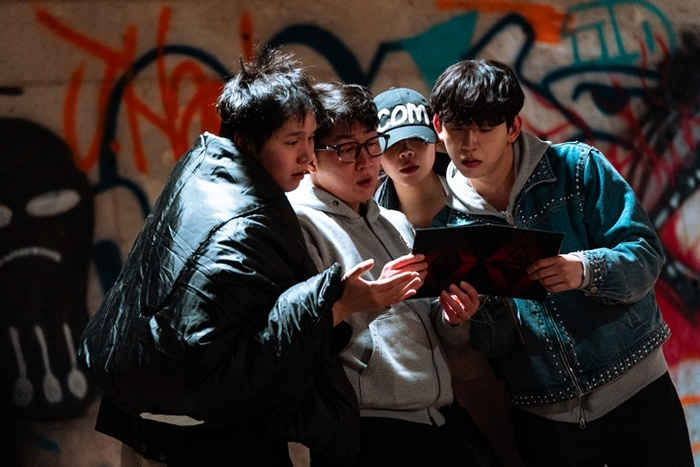
Game of Blood X: The Evolution of Korea’s Fiercest Survival Reality Franchise
Wavve's hit original series Game of Blood ...