
하시모토 아이Jul 2, 2026, 06:49 PM• 89593 views
The Artistic Journey of Ai Hashimoto: A Retrospective on Her Cinematic and Cultural Impact
Introduction to a Cinematic Icon
Ai Hashimoto has established herself as one of the most compelling and versatile Japanese actresses of her generation. Emerging in the late 2000s, she quickly transcended the boundaries of traditional teen stardom to become a respected figure in both mainstream and independent cinema. Renowned for her intense screen presence, expressive eyes, and ability to portray complex, often enigmatic characters, Hashimoto has carved out a unique niche in the competitive landscape of Japanese entertainment.

Early Life and Roots in Kumamoto
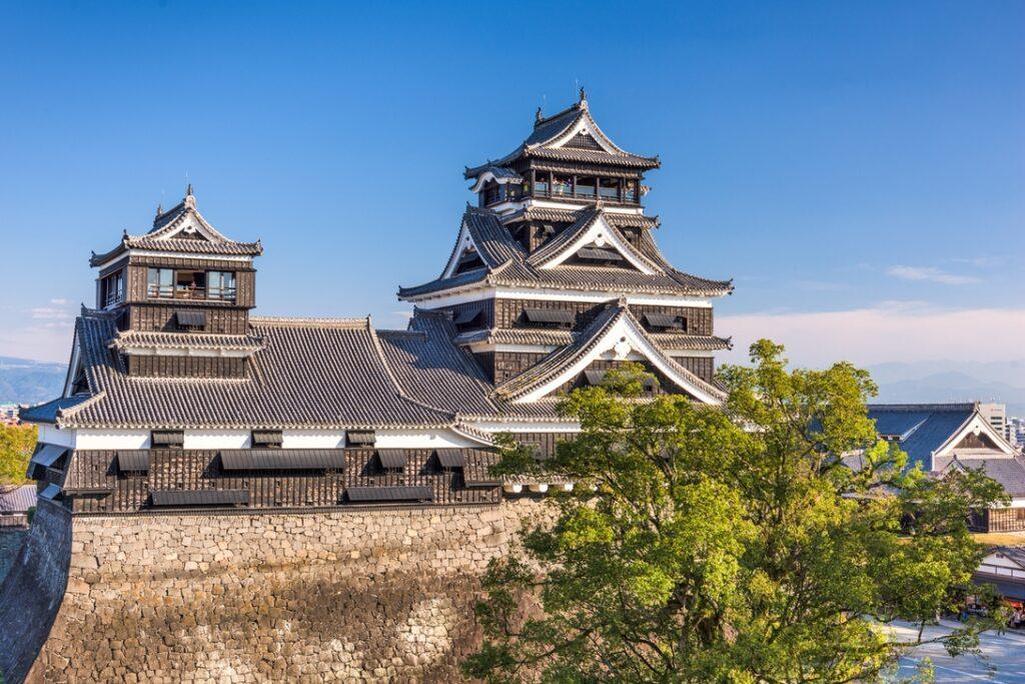
Born on January 12, 1996, in Kumamoto Prefecture, Japan, Ai Hashimoto spent her early childhood away from the bustling entertainment hubs of Tokyo. Growing up in Kumamoto provided her with a grounded upbringing, which she often credits for her calm and introspective demeanor. Her natural charisma and unique look caught the attention of talent scouts early on, paving the way for her entry into the competitive entertainment industry while she was still in her early teens.
The Modeling Debut and Seventeen Magazine
Hashimoto's first major breakthrough in the entertainment industry came not as an actress, but as a model. In 2009, at the age of thirteen, she won the prestigious Miss Seventeen pageant hosted by the popular Japanese fashion magazine Seventeen. Alongside future stars, she worked as an exclusive model for the publication, instantly capturing the hearts of young readers with her distinctively cool, mysterious aesthetic which contrasted with the typical bubbly idol image of the era.

Breakthrough in Tetsuya Nakashima's 'Confessions'
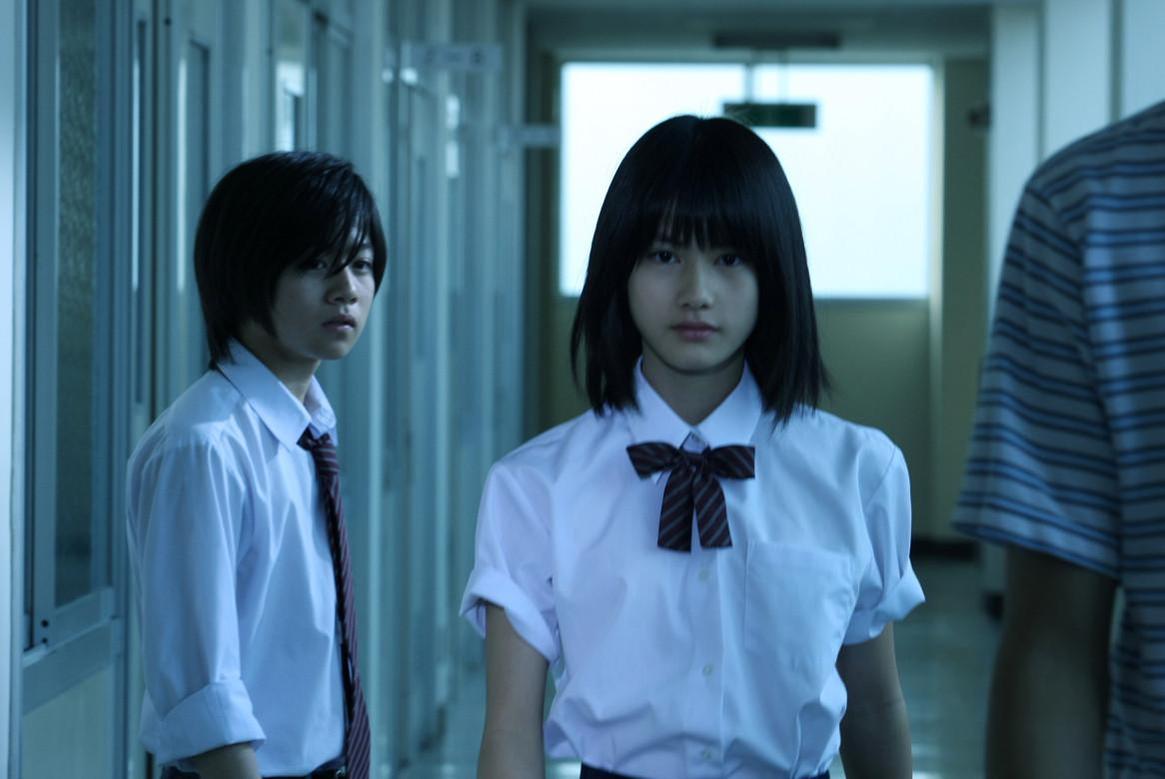
Hashimoto made a massive leap into acting with her role in the critically acclaimed 2010 psychological thriller 'Confessions' (Kokuhaku), directed by Tetsuya Nakashima. Playing the role of Mizuki Kitahara, a sympathetic yet troubled classmate of the main antagonists, she delivered a haunting performance that belied her young age. The film was a massive commercial and critical success, representing Japan at the 83rd Academy Awards and thrusting Hashimoto into the national spotlight.
The Dark Resonance of Mizuki Kitahara
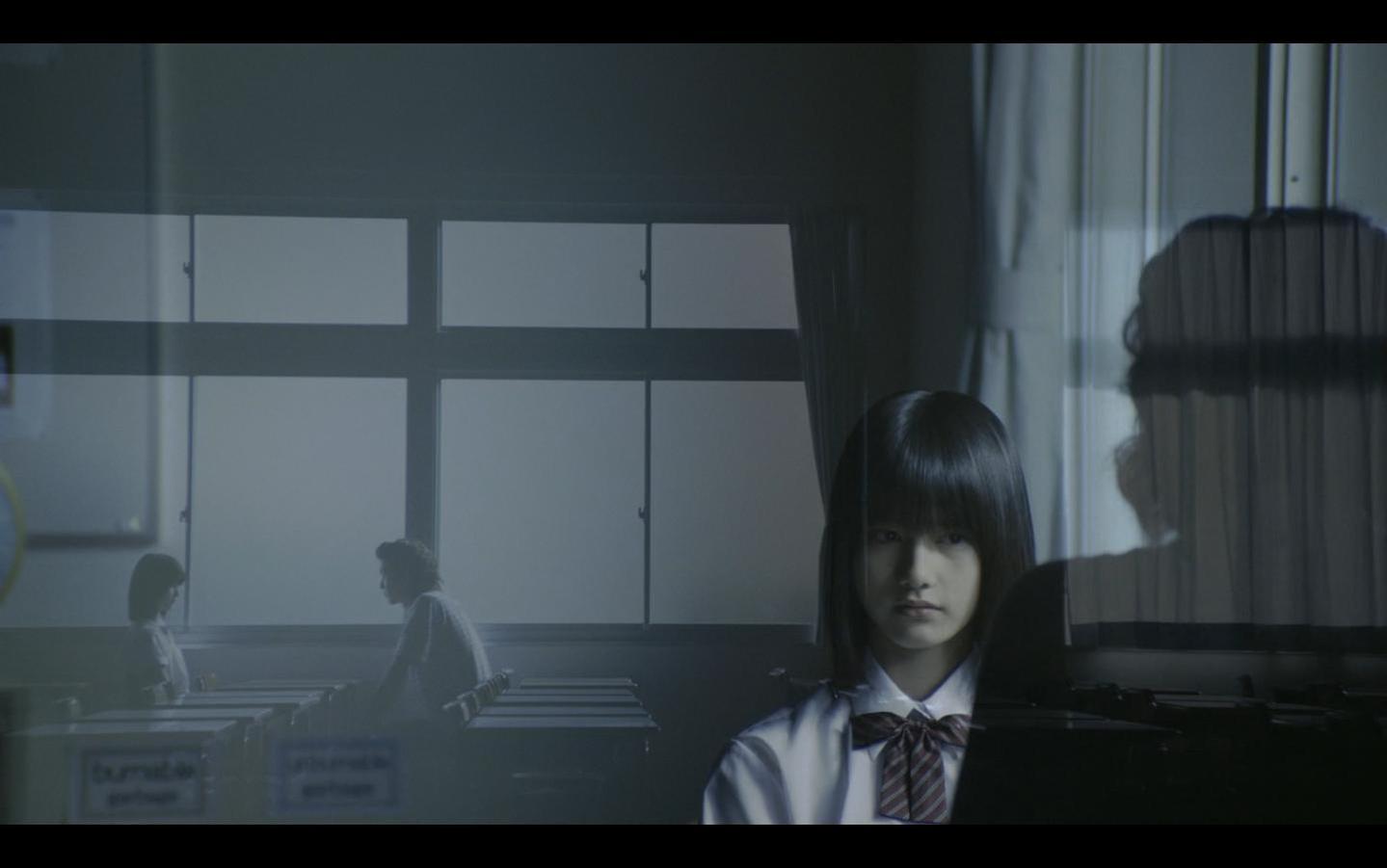
Her portrayal of Mizuki in 'Confessions' remains one of the most iconic aspects of the film. Hashimoto successfully captured the delicate vulnerability and underlying darkness of a teenager caught in a web of tragedy and psychological warfare. This complex role established her reputation as an actress capable of handling heavy, dramatic material, diverging from the lighter, more stereotypical roles usually offered to actresses of her age group.
Achieving Critical Acclaim with 'The Kirishima Thing'
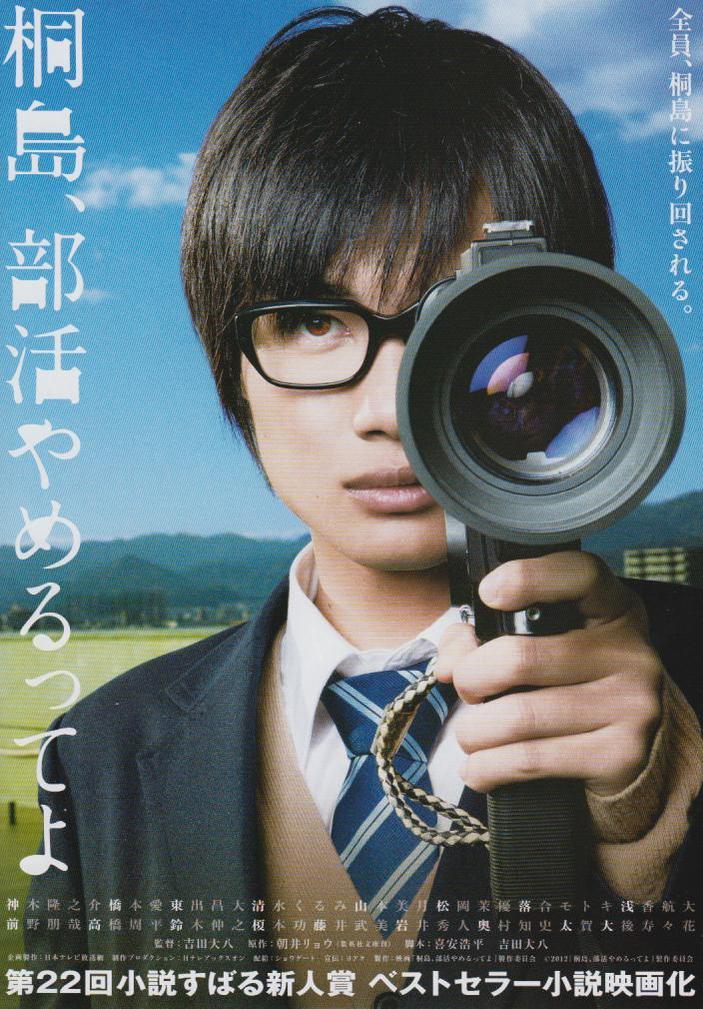
In 2012, Hashimoto starred in another landmark film, 'The Kirishima Thing' (Kirishima, Bukatsu Yamerutteyo), directed by Daihachi Yoshida. Playing Kasumi, a high school badminton player navigating the rigid social hierarchies of school life, her performance was praised for its realism and subtle emotional resonance. The film swept the Japan Academy Film Prizes, winning Picture of the Year, and solidified Hashimoto's status as a darling of Japanese cinema.
Dominating the Horror Genre
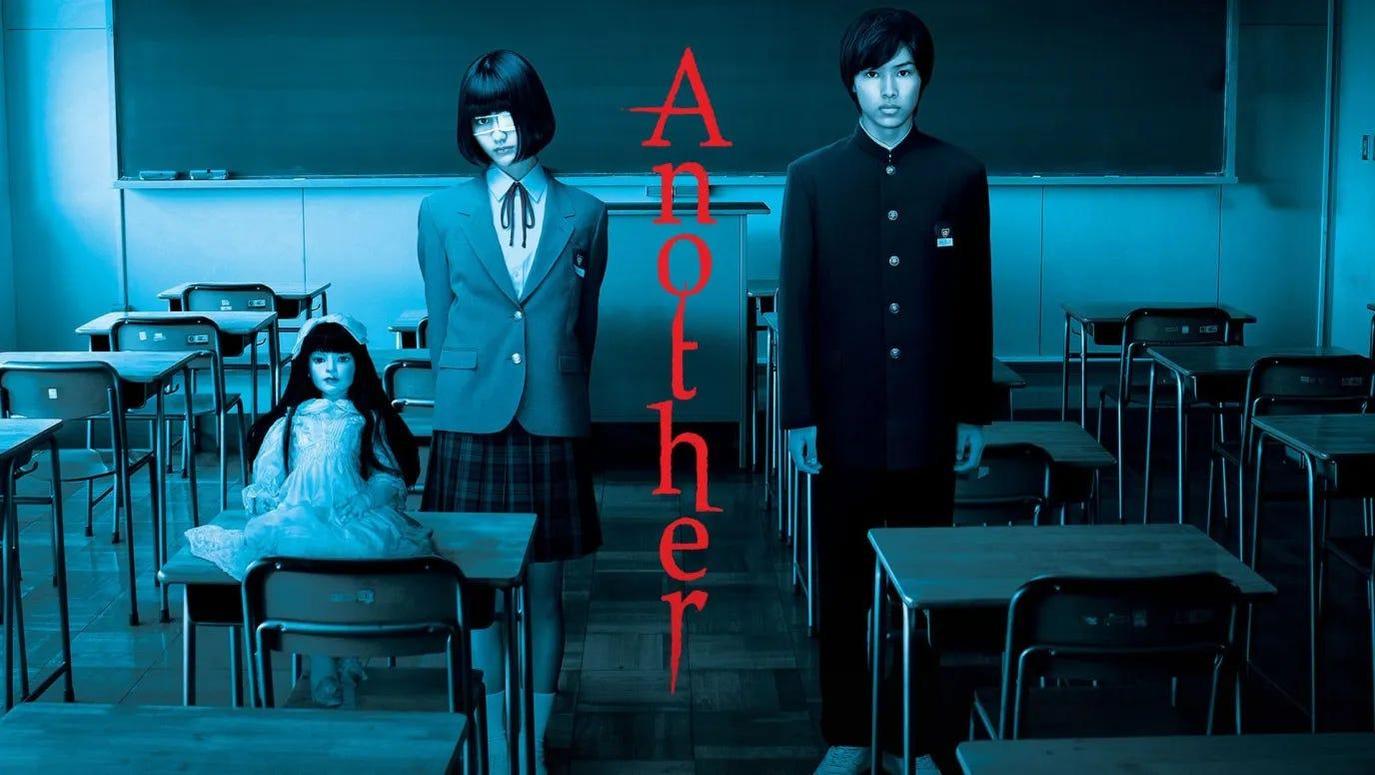
During the early 2010s, Hashimoto became a prominent face in Japanese horror, a genre known for launching the careers of top-tier talents. She starred in the live-action adaptation of the popular horror novel and anime 'Another' (2012), playing the mysterious female lead Mei Misaki. That same year, she took on the iconic role of Sadako Yamamura in 'Sadako 3D', bringing a fresh, chilling modern interpretation to one of horror cinema's most famous ghosts.
The National Phenomenon of 'Amachan'
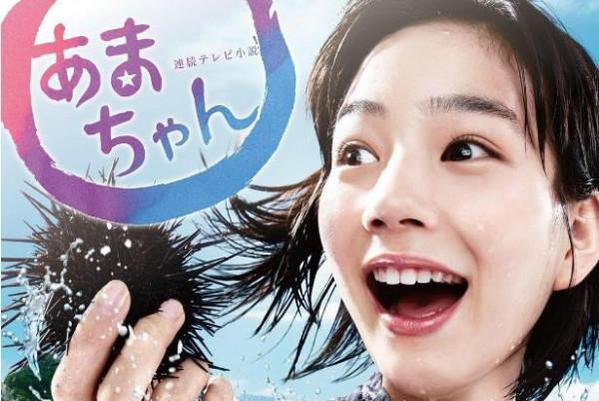
In 2013, Hashimoto's career reached new heights of mainstream popularity when she starred in the NHK morning drama (Asadora) 'Amachan'. Written by the acclaimed Kankuro Kudo, the series became a massive cultural phenomenon in Japan. Hashimoto played Yui Adachi, a cool and ambitious local girl who dreams of becoming a Tokyo idol alongside the cheerful main character played by Rena Nounen (Non). Their on-screen chemistry and sisterly bond captivated millions of viewers daily.
Cultural Impact and the 'Amachan' Craze
The success of 'Amachan' went beyond television ratings, sparking social trends and revitalizing interest in Tohoku's local culture. Hashimoto's character, Yui Adachi, represented the struggles, frustrations, and resilience of youth in regional Japan, especially in the wake of the 2011 earthquake. The phrase 'Jejeje' and the idol songs from the show dominated public discourse, cementing Hashimoto's place in early 2010s Japanese pop culture history.
Culinary Healing in 'Little Forest'
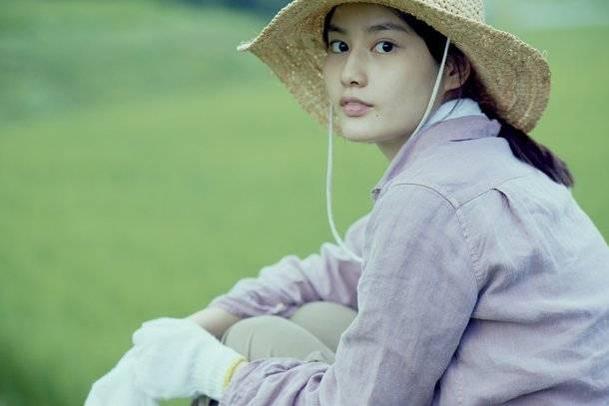
In 2014 and 2015, Hashimoto starred in the highly acclaimed four-part film series 'Little Forest' ('Summer/Autumn' and 'Winter/Spring'), adapted from Daisuke Igarashi's manga. She played Ichiko, a young woman who leaves Tokyo to return to her rural hometown of Komori, living a self-sufficient life close to nature. The films focus heavily on traditional food preparation, farming, and the changing seasons, showing a quieter, highly meditative side of Hashimoto's acting spectrum.

A Masterclass in Silent Performance
'Little Forest' required Hashimoto to perform extensive physical labor on screen, from harvesting rice to chopping wood, all while delivering voiceover narrations about food and memory. Her performance was hailed as a masterful display of understated acting. The film's emphasis on slow living and connection to the earth resonated deeply with audiences worldwide, becoming a cult classic of the healing cinema genre and spawning several international remakes.

Venturing into Voice Acting
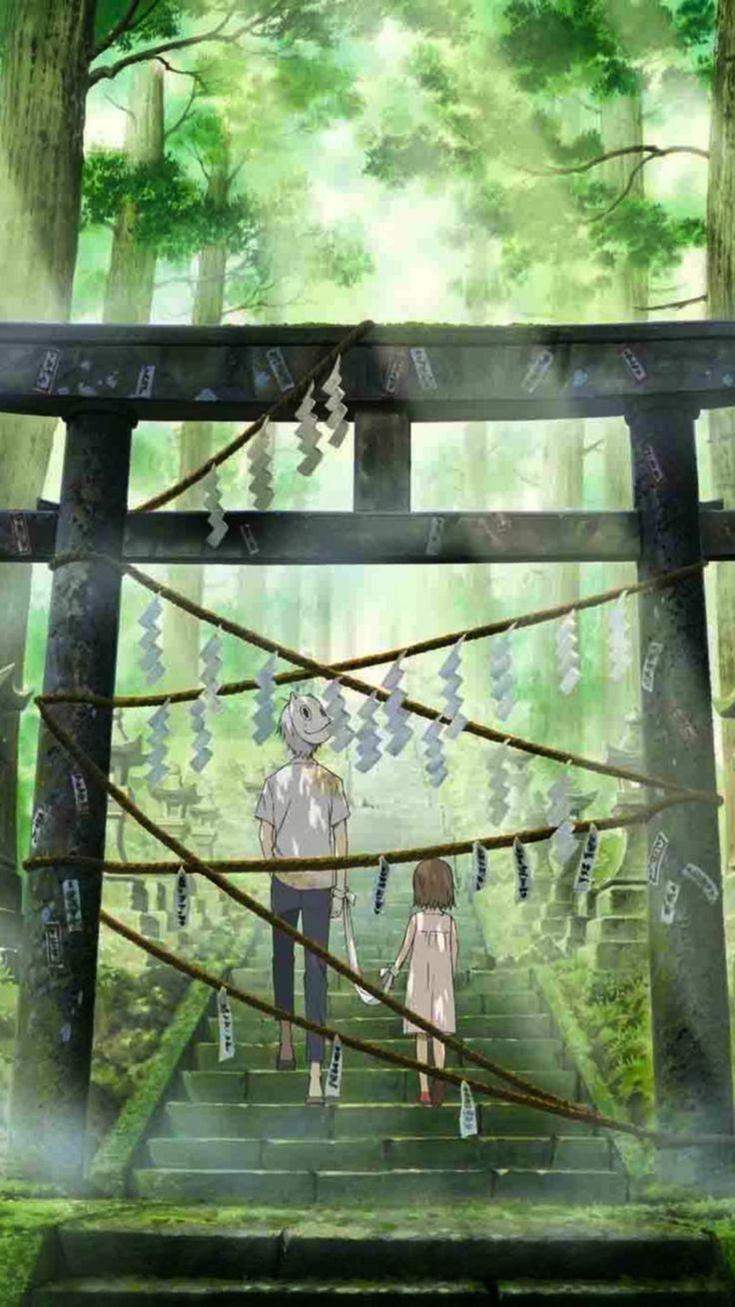
In addition to her live-action roles, Hashimoto has lent her distinctive, expressive voice to several notable anime productions. Her most famous voice-acting role came in the highly emotional anime film 'Hotarubi no Mori e' (To the Forest of Firefly Lights) in 2011, where she voiced the female protagonist, Hotaru Takegawa. Her gentle yet poignant vocal performance perfectly matched the bittersweet, romantic tone of the story, proving her versatility across different mediums.
International Film Festival Recognition
As her filmography expanded, Hashimoto became a regular figure at prestigious international film festivals. Her films have been screened at events such as the Berlin International Film Festival, the Busan International Film Festival, and the Tokyo International Film Festival. Her frequent appearances on international red carpets have helped introduce her talent to global audiences, establishing her as an influential representative of contemporary Japanese cinema.
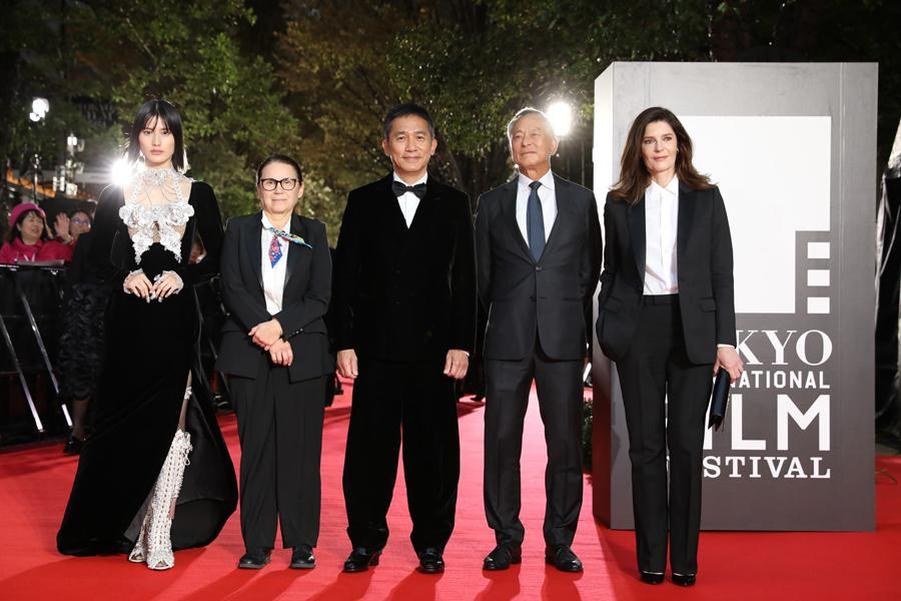
Her Unique and Discerning Project Selection
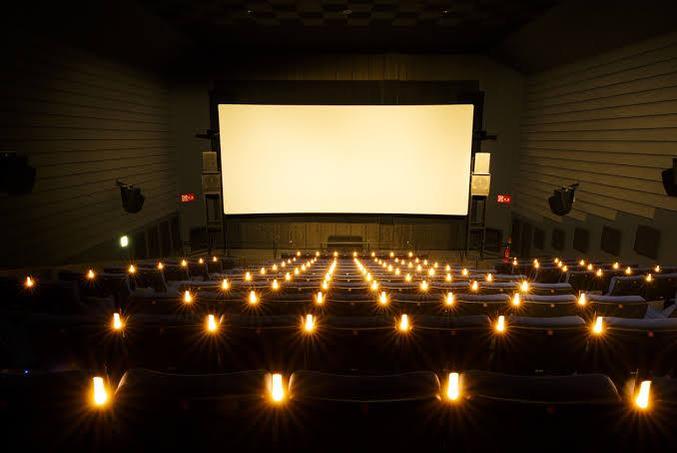
Unlike many mainstream actors who follow a highly commercial path, Hashimoto has consistently shown a preference for artistic, independent, and challenging projects. She has collaborated with various indie directors, tackling roles that deal with complex social issues, psychological struggles, and unconventional narratives. This discerning taste has earned her a reputation as an actor's actor, prioritizing artistic integrity over mere commercial appeal.
The Dark, Alternative Fashion Icon
Beyond her acting career, Ai Hashimoto is highly regarded as a fashion icon. Known for her love of dark colors, gothic-lolita elements, and avant-garde designs, her personal style stands out in a sea of conventional celebrity fashion. She frequently collaborates with high-fashion brands, appears in avant-garde fashion editorials, and uses fashion as a powerful medium of self-expression, blending retro Japanese elegance with modern subcultural trends.

Venturing into Music and Artistic Expression
Hashimoto's artistic pursuits are not limited to acting and modeling; she has also explored music as a medium of creative expression. She has performed vocals for various projects, including soundtracks and collaborative music releases. Her singing, much like her acting, is characterized by a raw, emotive quality that prioritizes atmosphere and feeling over polished perfection, showing another dimension of her multi-faceted artistry.

A Voice for Her Generation in Media
In interviews and public appearances, Hashimoto is known for being articulate, introspective, and highly philosophical about her craft. Rather than offering scripted, PR-friendly answers, she often discusses her thoughts on acting, human psychology, and societal issues with refreshing honesty. This intellectual depth has endeared her to a mature audience and has made her a compelling voice for her generation in the Japanese media landscape.

Recent Projects and Mature Transitions
As she transitioned into her late twenties, Hashimoto continued to challenge herself with mature roles in television and film. She has starred in critically acclaimed dramas like 'Our Sister's Soulmate' (Anego) and historical projects such as NHK's Taiga drama 'Reach Beyond the Blue' (Seiten wo Keeke). In these works, she transitioned seamlessly from playing youth-centric characters to portraying complex adult women navigating historical shifts, family dynamics, and societal expectations.
Industry Reputation and Legacy
Over her decade-long career, Hashimoto has earned the reputation of being a highly reliable and transformative performer. Directors praise her focus, professionalism, and her innate ability to elevate the projects she is involved in. She has inspired a younger generation of Japanese actresses to pursue unconventional roles and maintain artistic control over their careers, cementing her legacy as an influential figure in modern Japanese cinema.
Future Outlook and Creative Horizon
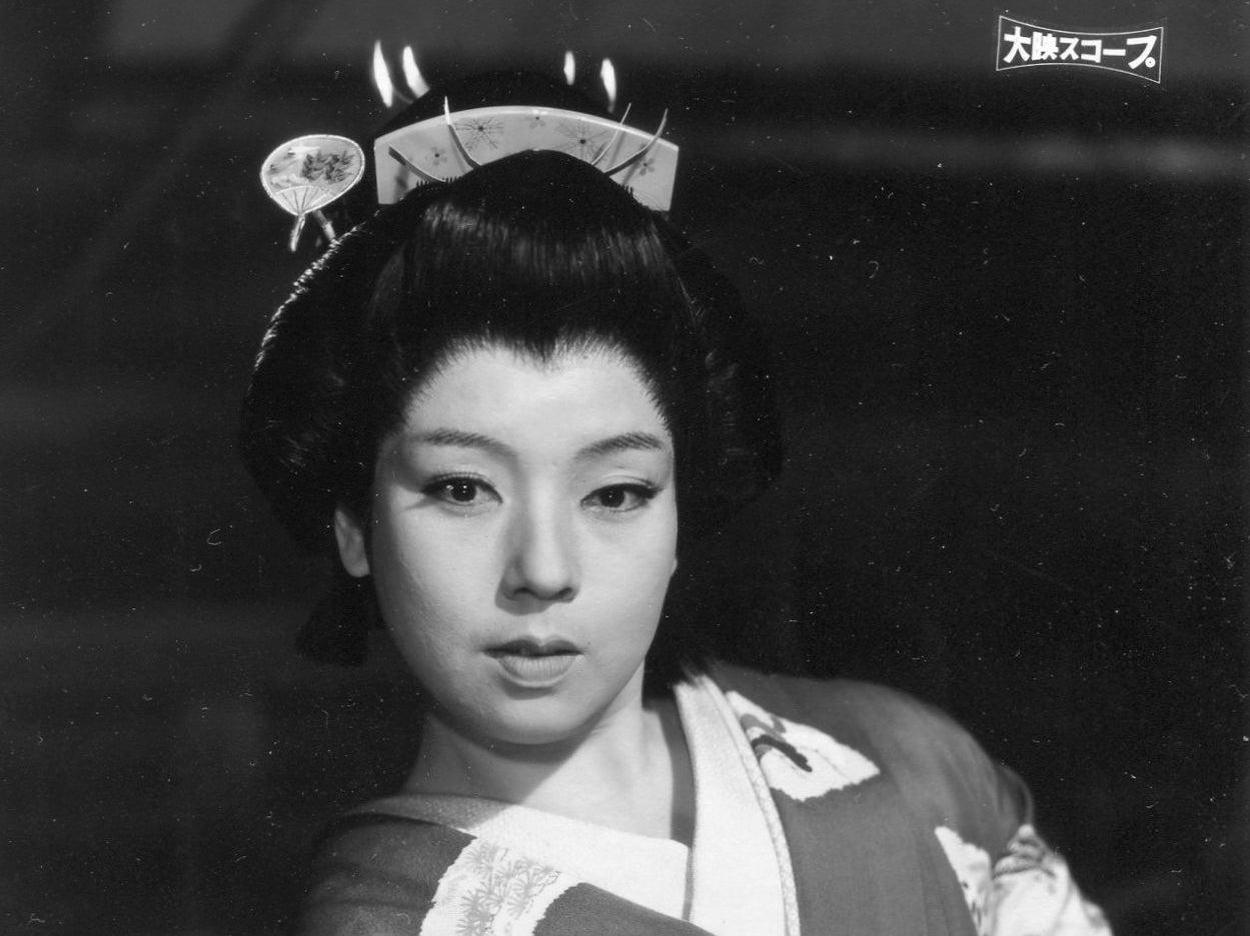
As Ai Hashimoto moves forward, her future in the entertainment industry looks incredibly bright. With a solid foundation of critically acclaimed works behind her, she continues to seek out collaborative projects with visionary directors and creators. Whether acting in high-profile films, modeling avant-garde fashion, or exploring new creative avenues, Hashimoto remains a captivating and constantly evolving force, ensuring her presence in the global cultural landscape for years to come.
#Ai Hashimoto#Japanese Cinema#Japanese Actress#Confessions Movie#Amachan#Little Forest#Japanese Pop Culture#Asian Cinema
Comments(0)
No comments yet. Be the first to share your thoughts!
Recommended Reads
 Kbeauty
Sep 22, 2026, 10:03 PM
Target Beauty Studio: How K-Beauty is Conquering the American Mass Market
On September 10, 2026, retail giant Target officially launched Target Beauty Stu...
 Skincare
Sep 21, 2026, 10:03 PM
How K-Beauty is Powering Global Ingredient Literacy and Redefining Skincare
In a major move for the global beauty industry, Korean-American cosmetics brand ...
 JayPark
Sep 20, 2026, 10:06 PM
Edmonds-Born K-Pop Pioneer Jay Park Set for Major Seattle Homecoming Concert
Edmonds-born K-pop and hip-hop pioneer Jay Park is returning to his roots for a ...
 BTS
BTSSep 19, 2026, 10:04 PM
The Triumph and Autonomy of BTS: Inside Their Historic 2026 Comeback and Bold Grammy Boycott
After a scheduled hiatus that began in late 2022, the global supergroup BTS has ...
 Fitness Gaming
Sep 3, 2026, 03:35 AM
VXROOM: Transforming Daily Workouts into Engaging Web-Based Motion Games
VXROOM (vxroom.com) is an innovative web-based int...
 Survival Show
Sep 1, 2026, 09:07 AM
Game of Blood X: The Evolution of Korea’s Fiercest Survival Reality Franchise
Wavve's hit original series Game of Blood ...