
육은영Jul 2, 2026, 02:57 PM• 89487 views
Yook Eun-young: Redefining Female Identity and Memory in Korean Contemporary Photography
Introduction to Yook Eun-young's Artistic Vision
Yook Eun-young (also romanized as Yuk Eun-young) stands as a highly influential and pioneering figure within the landscape of contemporary South Korean photography. Emerging during a period of significant social, political, and artistic transition in South Korea, her work has consistently challenged the traditional boundaries of the photographic medium. Rather than merely documenting external realities, Yook has utilized the camera as a deeply introspective tool to explore the complex intersections of female identity, familial memory, and the unspoken psychological landscapes of modern Korean women. Her distinct visual language, characterized by intimate framing, evocative lighting, and conceptual depth, has earned her critical acclaim both domestically and internationally.
Early Life and Academic Foundations
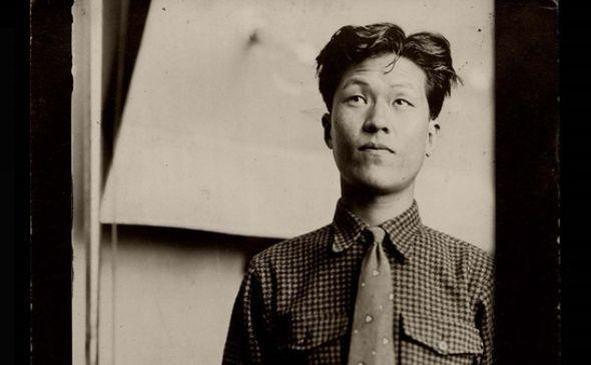
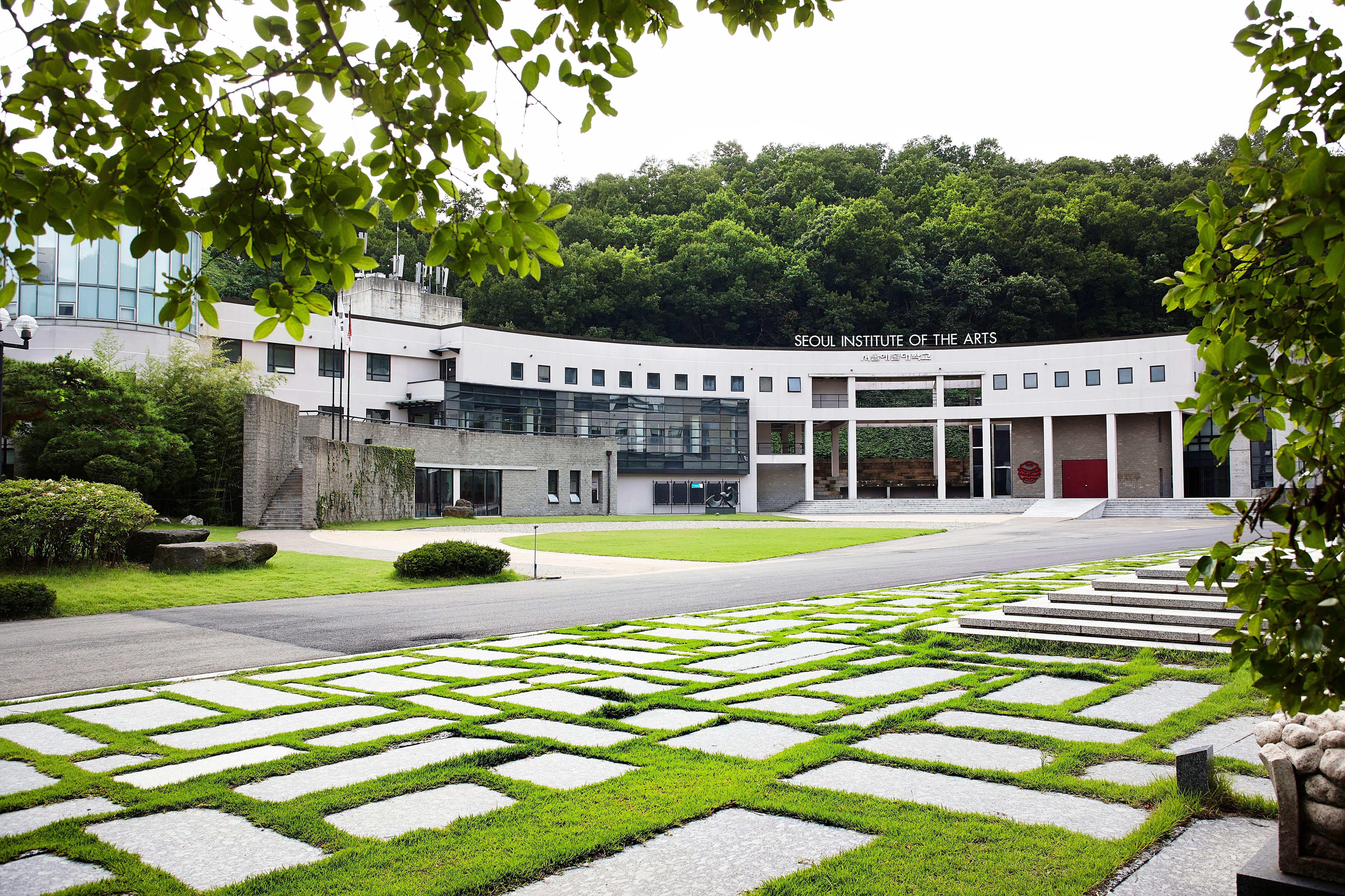
Born in South Korea, Yook Eun-young pursued her formal education during an era when fine art photography was beginning to assert its independence from traditional journalism and commercial media. She completed her studies in photography at prestigious Korean institutions, where she mastered both the technical rigor of the medium and the evolving philosophical discourse surrounding visual arts. This academic grounding provided her with the tools to critique the dominant male-oriented narratives in Korean photography and to forge a distinct space for female subjectivity and autobiographical exploration.
The Artistic Landscape of the 1980s and 1990s
Yook Eun-young's early career coincided with the dynamic cultural shifts of South Korea in the late 1980s and 1990s. This period saw the democratization of the nation, rapid economic modernization, and the rise of the Minjung (People's) art movement alongside early waves of Korean feminism. While many photographers focused on political protests or rural landscapes, Yook turned her lens inward, realizing that the personal is political. She recognized that the rapid changes in Korean society were profoundly affecting the domestic sphere and the psychological well-being of women, areas that were largely neglected by mainstream male photographers.
Exploring Female Identity and the Female Gaze
At the core of Yook's artistic practice is a persistent investigation into female identity. In a society historically dominated by Neo-Confucian patriarchies and rapid capitalist modernization, women's identities were often reduced to domestic roles or sexualized objects. Yook's photography subverts these constructs by employing the female gaze—a perspective that is empathetic, nuanced, and deeply respectful of her subjects' agency. Her portraits do not exploit or objectify; instead, they invite viewers to engage with the complex emotional realities, quiet vulnerabilities, and inner strength of the women depicted.
Maternal Lineage and Familial Bonds
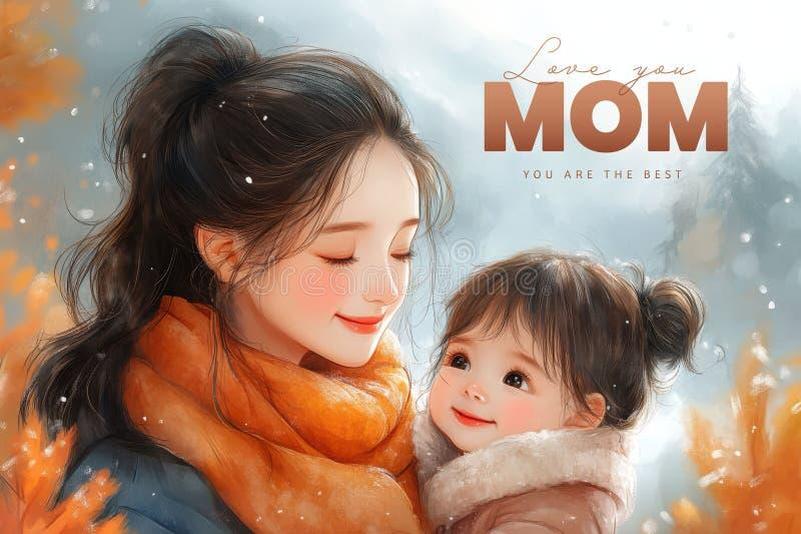
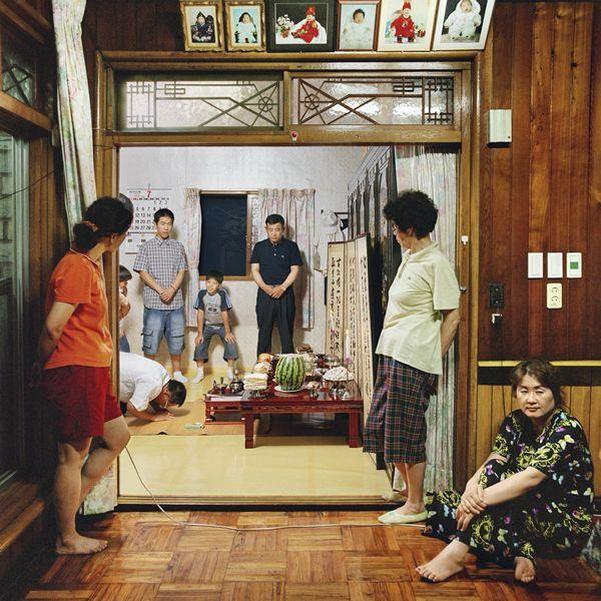
One of Yook's most celebrated thematic explorations is maternal lineage. She has frequently captured the intergenerational relationships between grandmothers, mothers, and daughters in South Korea. By documenting these familial bonds, Yook highlights the transmission of memory, trauma, and resilience across generations of women. Her photographs serve as a visual archive of domestic history, capturing the delicate and sometimes fraught emotional threads that bind female family members together through periods of historical upheaval and societal change.
The Semiotics of Domestic Spaces
In Yook Eun-young's work, the domestic space is never merely a background; it is a vital protagonist. She meticulously frames kitchens, living rooms, and private vanity tables to reveal how these physical environments shape and reflect female subjectivity. By focusing on the mundane objects of domestic life—such as mirrors, sewing kits, kitchen utensils, and worn-out furniture—Yook uncovers the hidden labor, isolation, and quiet resistance of women who have spent their lives navigating the confines of the home.

Concept of Time, Memory, and Ephemerality
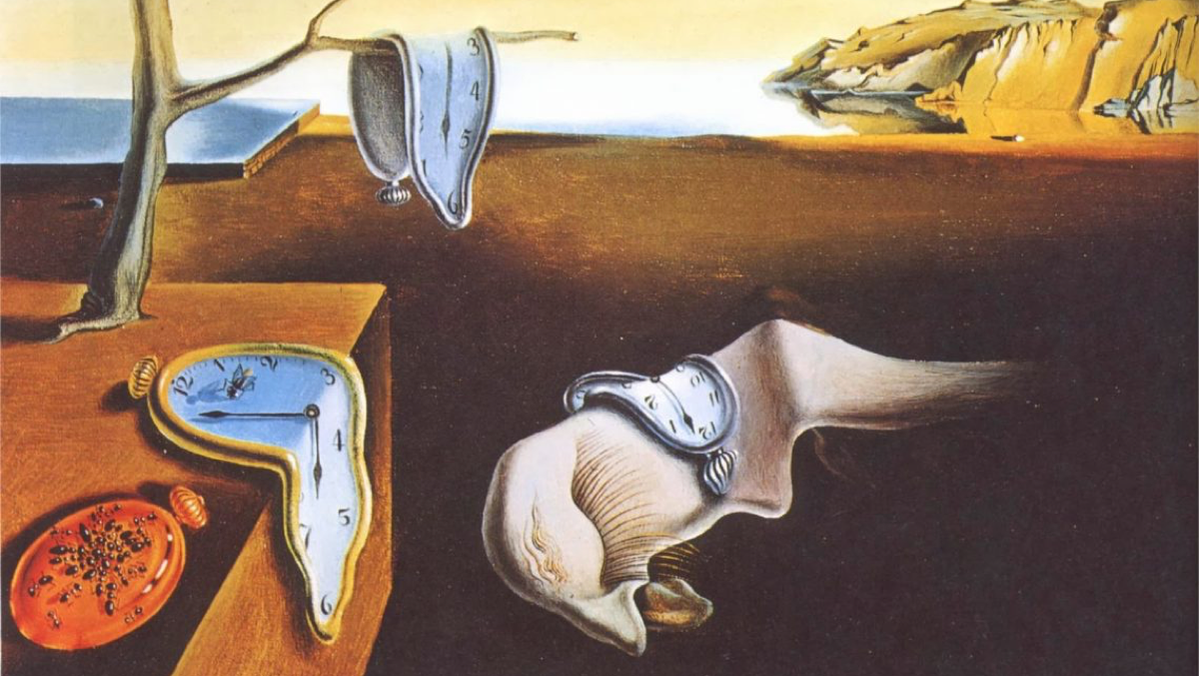
Time and memory are central pillars of Yook's photographic philosophy. Her images often evoke a sense of nostalgia and the bittersweet passage of time. Through the deliberate use of soft focus, double exposures, and subtle lighting contrasts, she captures the ephemeral nature of human existence. Her photographs act as physical traces of moments that have passed, encouraging viewers to contemplate their own personal histories and the fragile nature of memory in a rapidly changing world.
Signature Photographic Techniques and Aesthetics
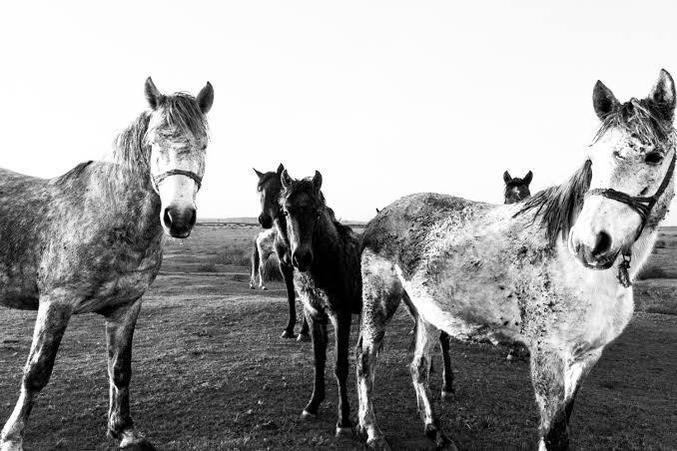
Yook Eun-young's aesthetic style is instantly recognizable for its delicate sensitivity and technical precision. She is known for her masterful control of natural light, often utilizing side-lighting to create soft shadows that define form without harshness. Her choice of tones—whether working in rich, velvety black and white or muted, painterly color palettes—adds a layer of timelessness to her subjects. The compositions are carefully balanced, often employing a shallow depth of field to isolate her subjects and draw the viewer's attention directly into their emotional core.
Critique of Neo-Confucian Patriarchy
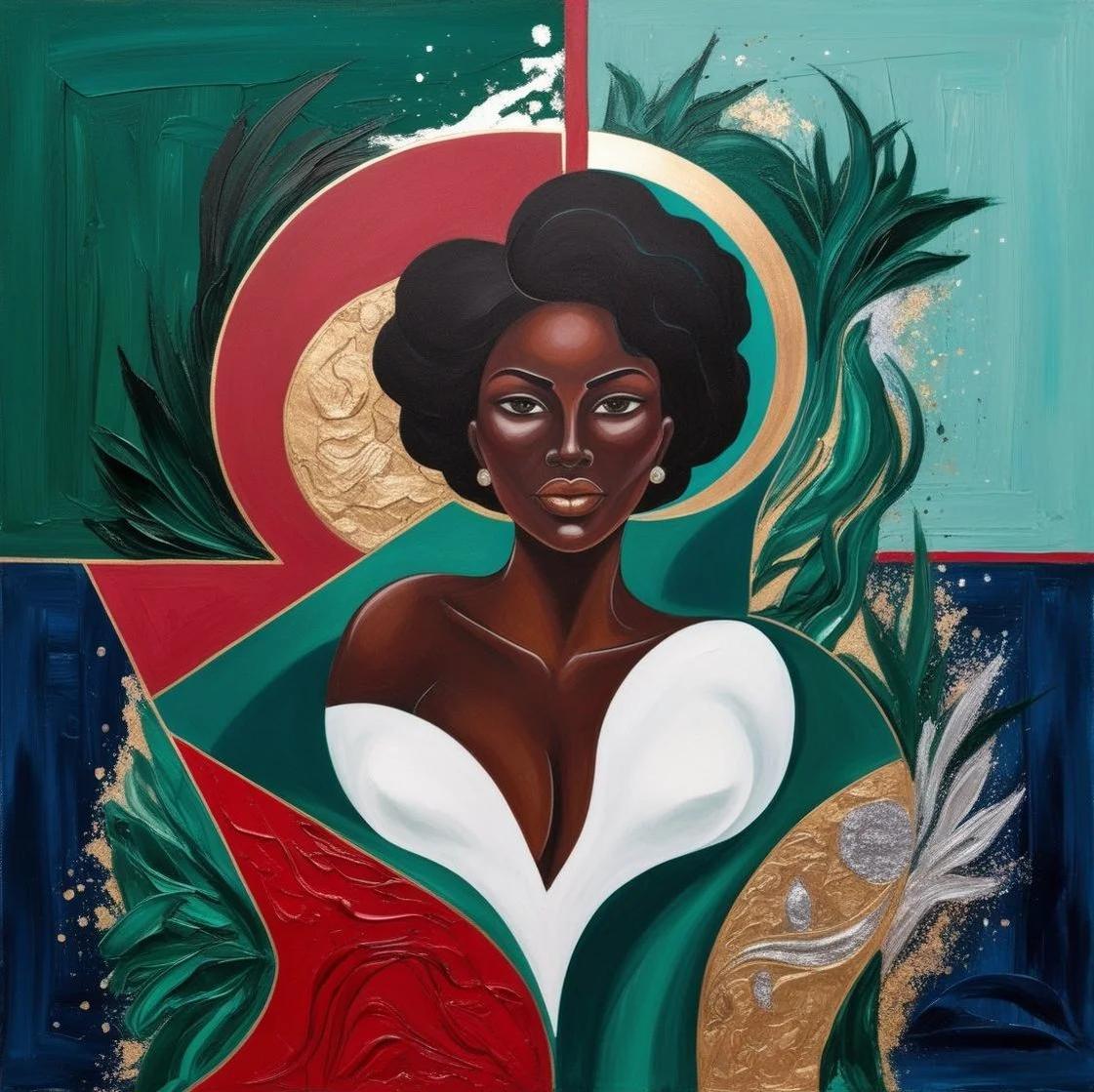
South Korea's rapid modernization occurred alongside deeply rooted Neo-Confucian social values, which historically placed women in subordinate positions within the family and society. Yook's photography serves as a quiet but potent critique of these patriarchal constraints. By bringing the marginalized experiences of women to the forefront of fine art, she challenges the official, male-dominated narratives of national progress. Her work insists that the private struggles of women are integral to understanding the true history and identity of modern Korea.
Major Solo Exhibitions and Milestones
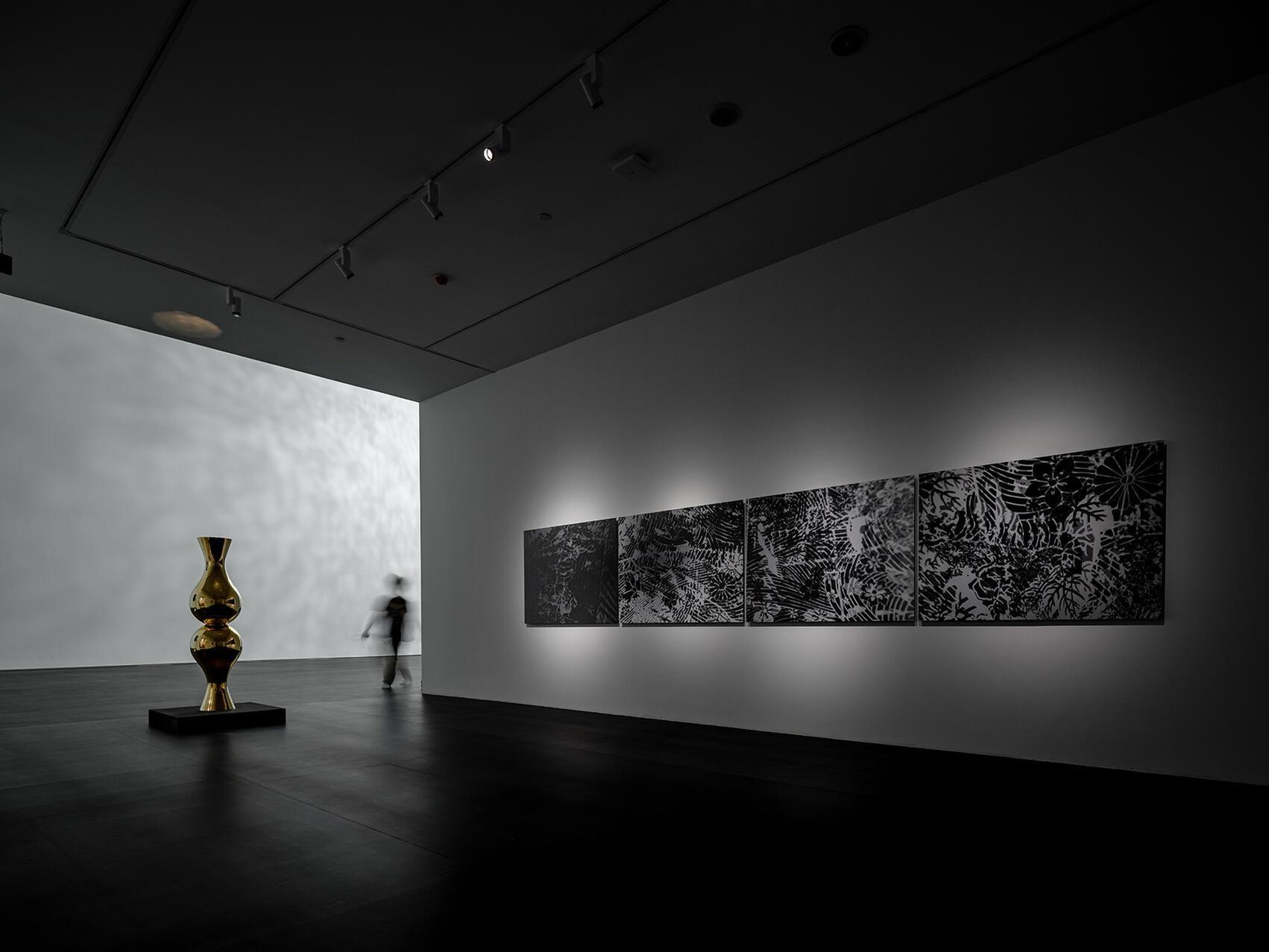
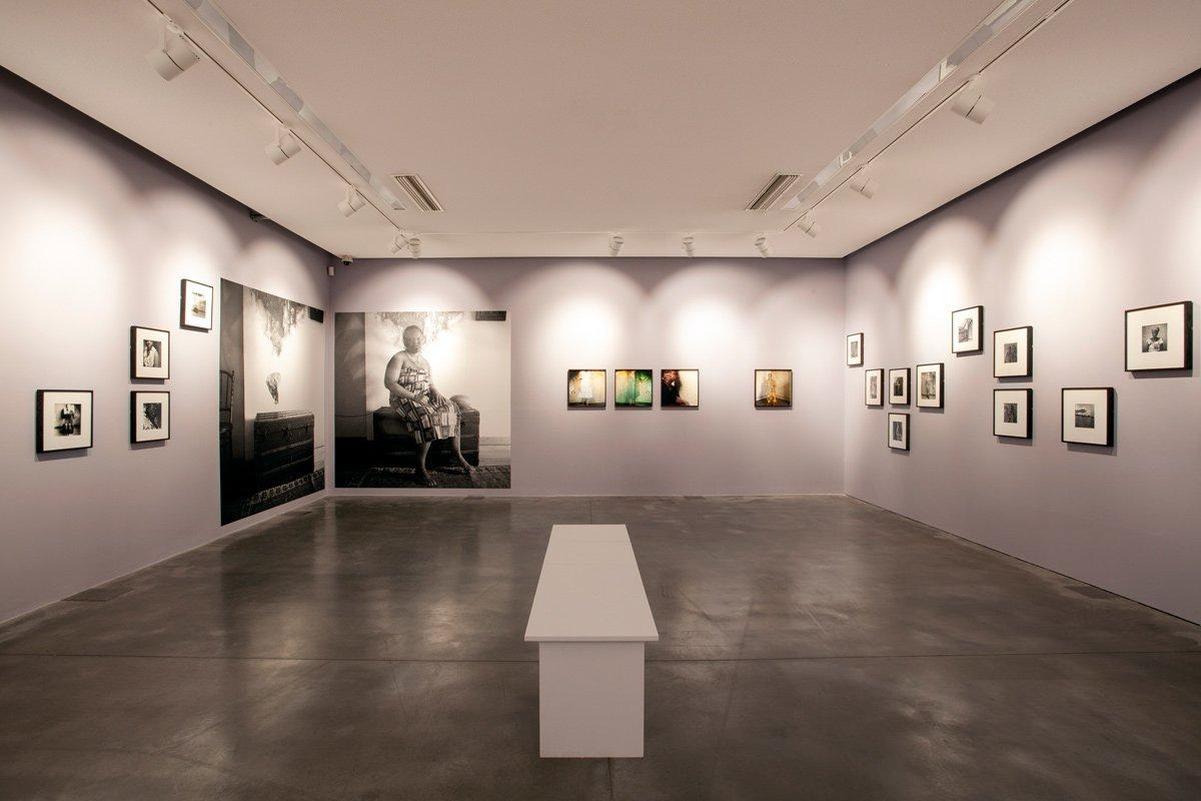
Throughout her career, Yook Eun-young has held numerous solo exhibitions that have marked major milestones in the Korean photography scene. These exhibitions have acted as critical mid-career retrospectives and thematic showcases, drawing widespread attention from art critics, scholars, and the general public. Each exhibition has demonstrated her evolving conceptual framework, transitioning from intimate portraiture to broader installations that incorporate text, historical archival materials, and multi-media elements.
Participation in Group Shows and Collaborations
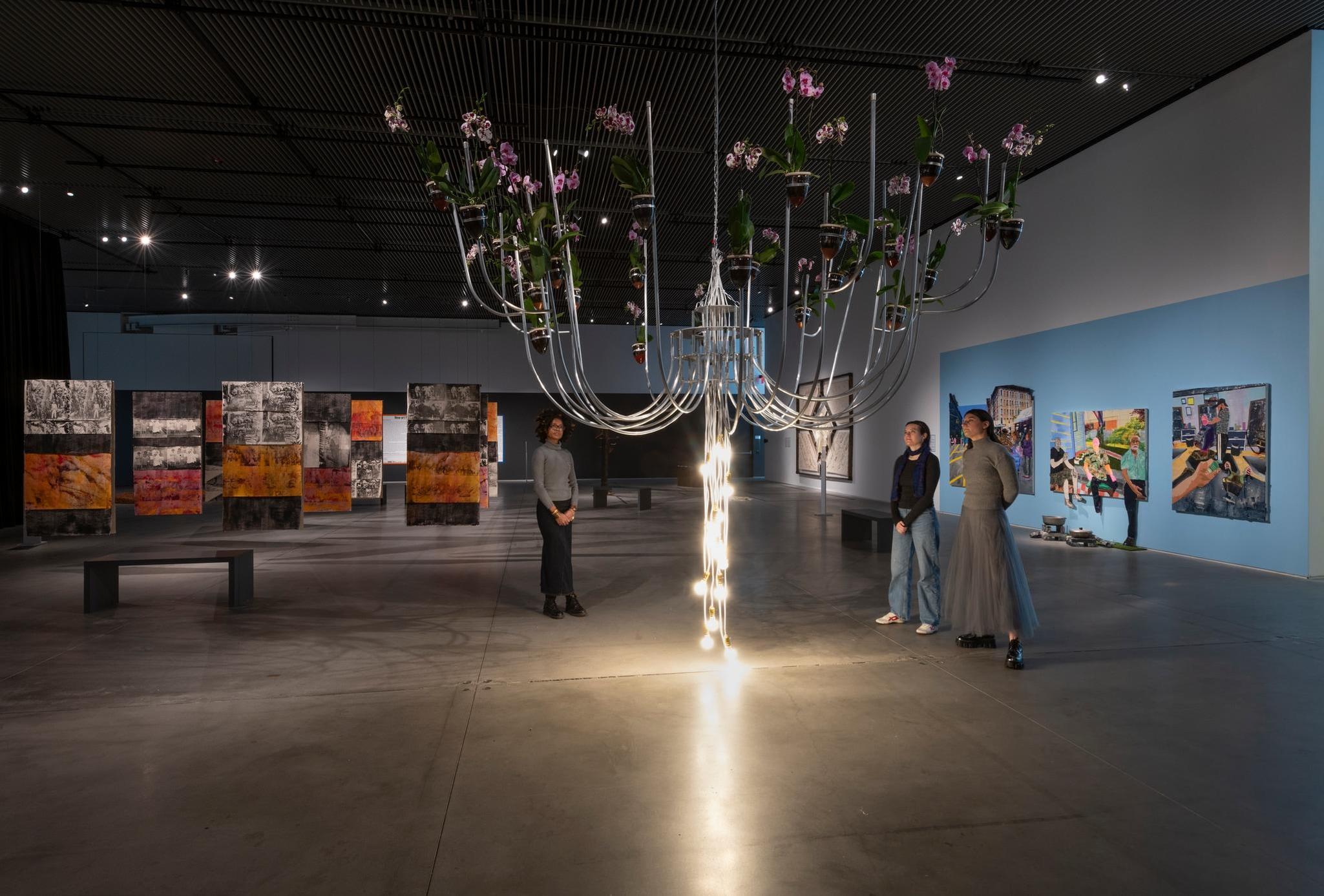
In addition to her solo endeavors, Yook has been an active participant in influential group exhibitions both in Korea and abroad. Collaborating with other feminist artists, contemporary photographers, and multimedia creators, she has helped foster a collaborative spirit within the Korean art community. These group shows have often centered on themes of gender equality, historical reconciliation, and the definition of 'Korean-ness' in a globalized world, positioning her work within a broader international art dialogue.
Critical Reception and Academic Discourse
Yook Eun-young's work has been the subject of extensive academic analysis and critical writing in South Korea. Art historians and feminist theorists have praised her ability to translate complex psychological states into visual form. Critics often highlight her work as a prime example of 'gaze subversion,' noting how she reclaims the camera from its historical role as an instrument of surveillance and objectification. Her photographs are frequently cited in academic papers discussing the history of Korean feminist art and the evolution of contemporary photographic practices.
The Evolution from Documentary to Conceptual Art
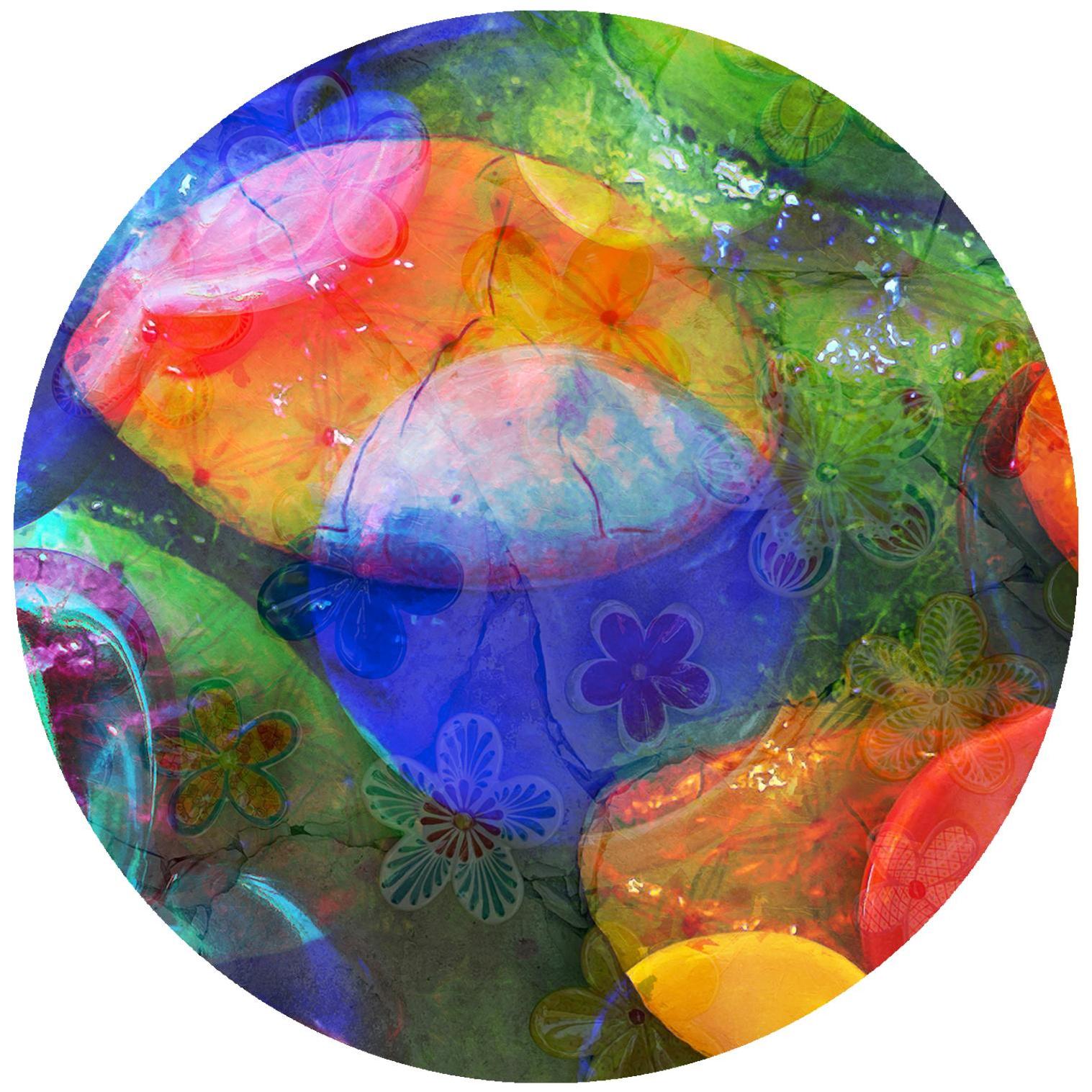
Over the decades, Yook's practice has undergone a fascinating evolution from direct, documentary-style portraiture to highly conceptual fine art. While her early works focused on capturing the immediate realities of her subjects, her later series have incorporated more abstract, metaphorical elements. This shift reflects her growing interest in the limitations of photography itself—questioning how much truth a single image can hold and exploring how staging, editing, and context can alter the viewer's perception of reality.
International Recognition and Global Reach
While deeply rooted in the specific socio-cultural context of South Korea, Yook Eun-young's themes of family, memory, and identity possess a universal resonance that has captured international audiences. Her work has been exhibited in major cities worldwide, including Paris, Tokyo, and New York. International curators have praised her ability to bridge East Asian cultural sensibilities with global feminist discourses, making her a vital representative of Korean contemporary photography on the global stage.
Comparative Context: Yook Eun-young and Her Contemporaries
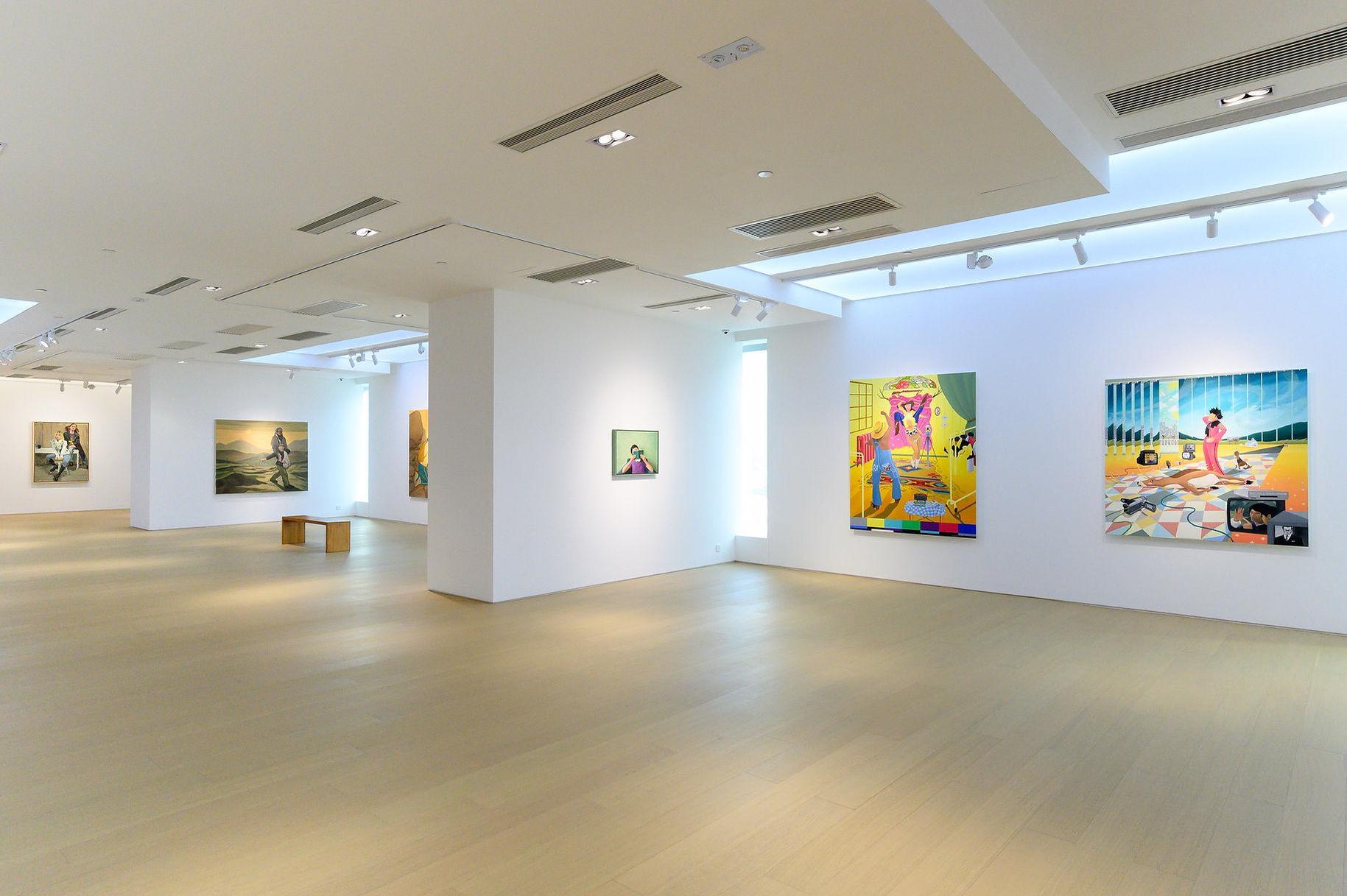
To fully appreciate Yook's impact, it is helpful to view her work alongside her contemporaries, such as Park Young-sook and Koo Bohn-chang. While Park Young-sook took a more overtly political and activist approach to feminist photography, and Koo Bohn-chang focused on subjective, poetic abstraction of objects, Yook carved out a unique middle ground. She combined the intimate, psychological depth of personal portraiture with a quiet, conceptual critique of societal structures, offering a highly nuanced and deeply poetic form of visual activism.
The Materiality of the Photographic Print
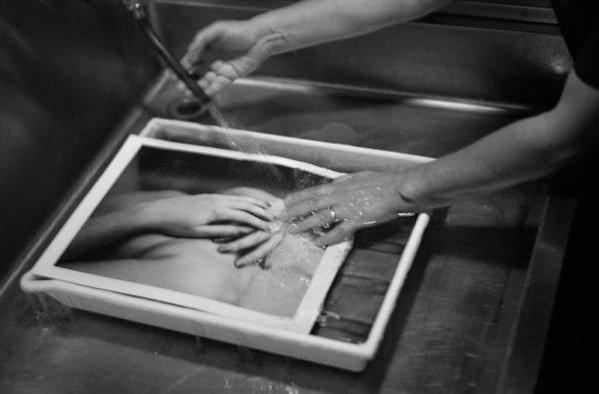
For Yook Eun-young, the physical print is an essential component of the artwork's meaning. In an increasingly digital age, she remains deeply committed to the materiality of her prints. She carefully selects paper types, textures, and printing techniques to enhance the emotional resonance of each image. Whether utilizing warm-toned gelatin silver prints or fine art inkjet prints on matte paper, the physical texture of her work invites viewers to slow down and engage in a tactile, intimate viewing experience.
Academic Contributions and Mentorship
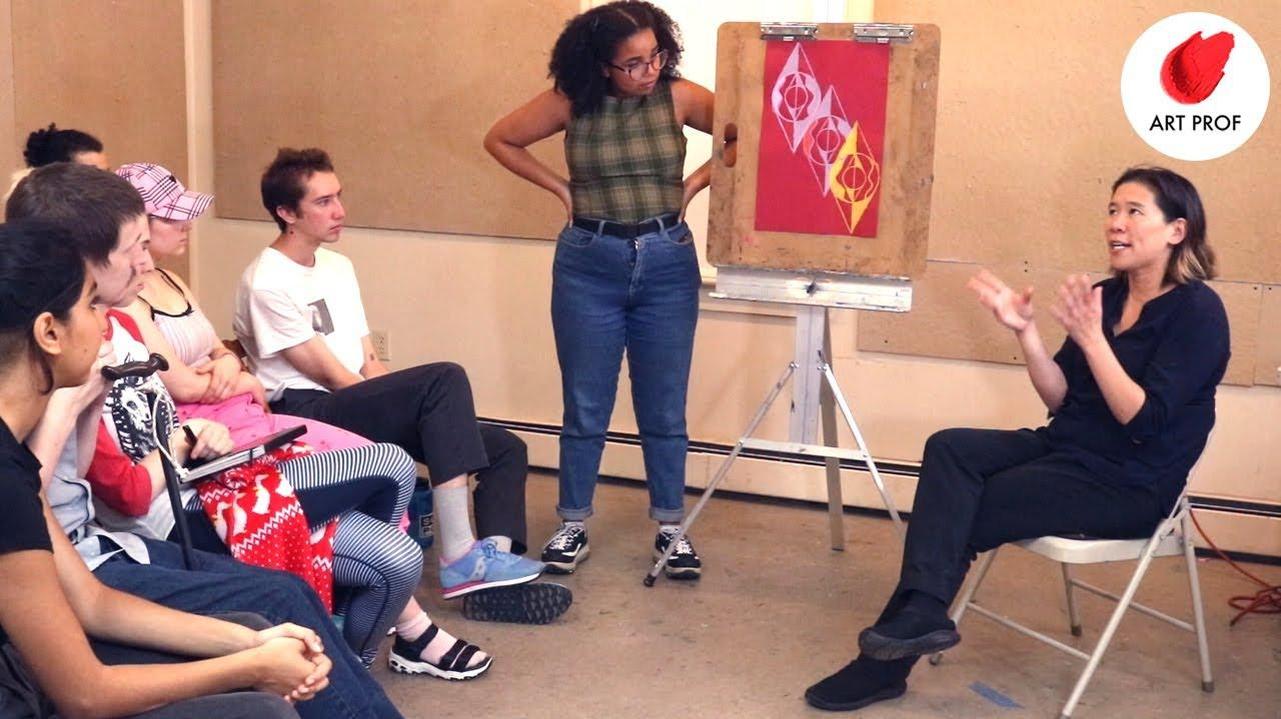
Beyond her active studio practice, Yook Eun-young has made substantial contributions to the academic development of photography in South Korea. Through her roles as an educator, lecturer, and mentor, she has inspired and shaped subsequent generations of Korean photographers. She has consistently encouraged her students—particularly young women—to explore their personal narratives, challenge conventional aesthetic norms, and utilize photography as a medium for self-discovery and social critique.
Institutional Collections and Public Access
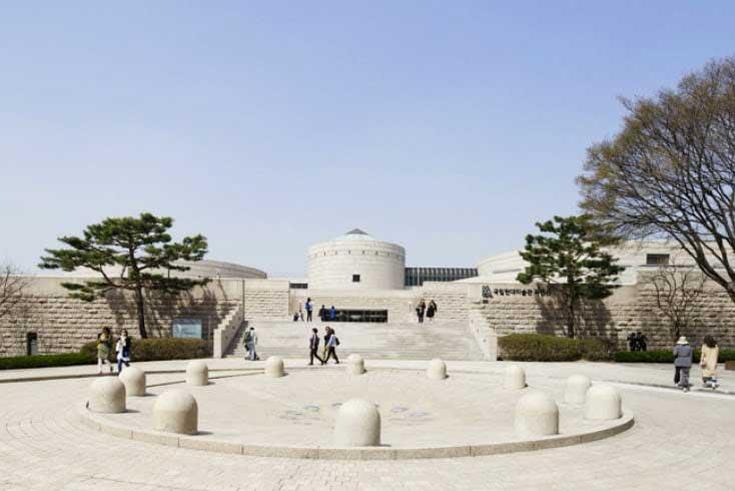
The enduring cultural significance of Yook Eun-young's work is reflected in its inclusion in major public and private art collections across South Korea and internationally. Prestigious institutions, such as the National Museum of Modern and Contemporary Art (MMCA) and the Seoul Museum of Art (SeMA), hold her prints in their permanent collections. These acquisitions ensure that her visual legacy remains preserved and accessible to the public, offering future generations a vital window into the historical and emotional journey of Korean women.
Overcoming Barriers in a Male-Dominated Industry
Yook's path to success was not without its obstacles. During her early years, the South Korean photography industry was heavily dominated by male curators, critics, and artists who often dismissed domestic or female-centric themes as trivial or overly sentimental. Overcoming these systemic biases required immense perseverance and artistic integrity. By consistently producing work of outstanding conceptual depth and technical quality, Yook forced the art establishment to recognize the profound artistic and social value of her unique perspective.
Enduring Legacy and the Future of Her Art
Today, Yook Eun-young's legacy is firmly cemented as a cornerstone of contemporary Korean photography and feminist art. Her ability to elevate personal memory and domestic experiences into powerful, universal statements has permanently altered the visual landscape of South Korea. As contemporary art continues to grapple with questions of identity, history, and social justice, Yook's pioneering work remains as relevant and inspiring as ever, serving as a vital bridge between past struggles and future artistic expressions.
#Yook Eun-young#Korean Contemporary Art#Feminist Photography#Korean Photographers#Visual Arts Korea#Modern Korean History#Maternal Lineage Art
Comments(0)
No comments yet. Be the first to share your thoughts!
Recommended Reads
 Kbeauty
Sep 22, 2026, 10:03 PM
Target Beauty Studio: How K-Beauty is Conquering the American Mass Market
On September 10, 2026, retail giant Target officially launched Target Beauty Stu...
 Skincare
Sep 21, 2026, 10:03 PM
How K-Beauty is Powering Global Ingredient Literacy and Redefining Skincare
In a major move for the global beauty industry, Korean-American cosmetics brand ...
 JayPark
Sep 20, 2026, 10:06 PM
Edmonds-Born K-Pop Pioneer Jay Park Set for Major Seattle Homecoming Concert
Edmonds-born K-pop and hip-hop pioneer Jay Park is returning to his roots for a ...
 BTS
BTSSep 19, 2026, 10:04 PM
The Triumph and Autonomy of BTS: Inside Their Historic 2026 Comeback and Bold Grammy Boycott
After a scheduled hiatus that began in late 2022, the global supergroup BTS has ...
 Fitness Gaming
Sep 3, 2026, 03:35 AM
VXROOM: Transforming Daily Workouts into Engaging Web-Based Motion Games
VXROOM (vxroom.com) is an innovative web-based int...
 Survival Show
Sep 1, 2026, 09:07 AM
Game of Blood X: The Evolution of Korea’s Fiercest Survival Reality Franchise
Wavve's hit original series Game of Blood ...