
배재고Jul 1, 2026, 08:32 PM• 90053 views
A Legacy of Modern Education: The History and Cultural Significance of Pai Chai High School
Introduction to a Historic Institution
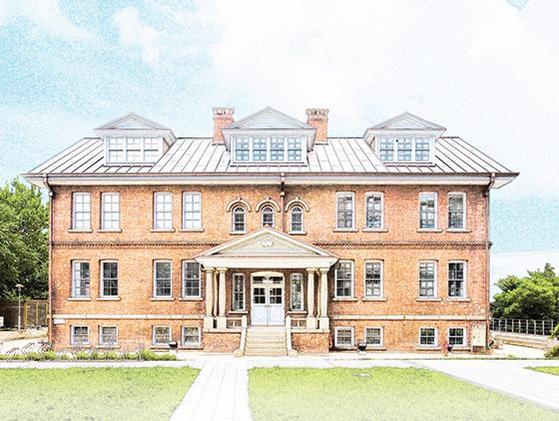
Pai Chai High School, located in Gangdong-gu, Seoul, stands as a monument to modern education in South Korea. Established in the late nineteenth century, it holds the distinction of being the first modern high school in the country. Throughout its long history, the school has transitioned from a pioneering missionary institute to an elite autonomous private high school. Today, Pai Chai continues to cultivate prominent leaders across political, cultural, academic, and athletic spheres, maintaining its prestigious reputation within the highly competitive Korean education landscape.
The Vision of Henry Appenzeller
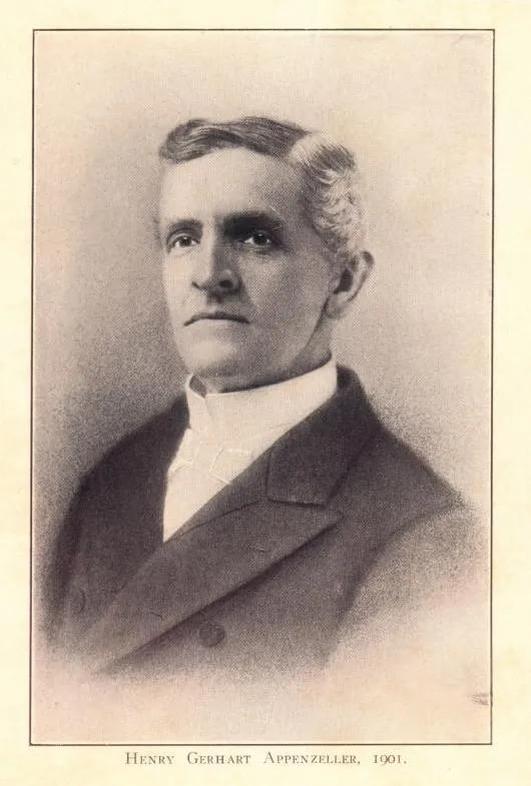
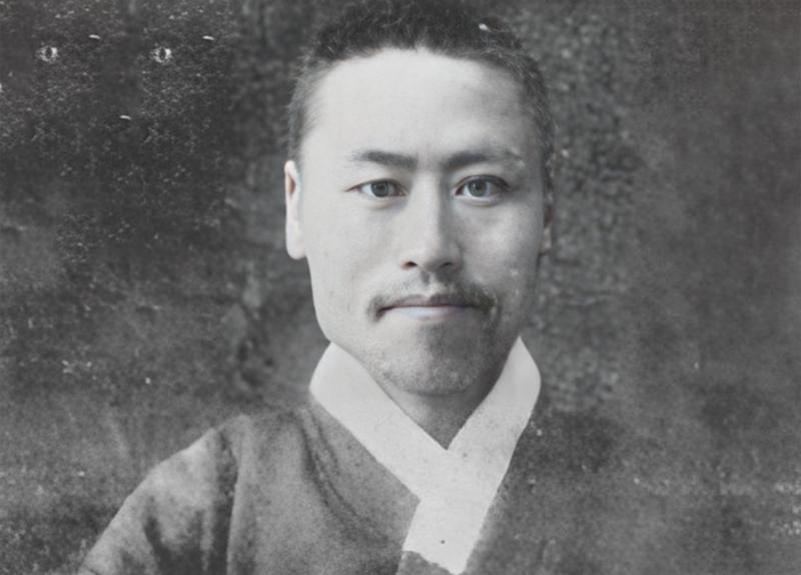
The foundation of Pai Chai High School is inextricably linked to the arrival of Western missionaries in Korea during the Joseon Dynasty. In 1885, Henry Appenzeller, an American Methodist missionary, established the school with a revolutionary vision. Rather than focusing solely on theological indoctrination, Appenzeller sought to introduce Western science, mathematics, geography, and English to Korean youth. His mission was to foster enlightened citizens who could lead the nation through a rapidly changing geopolitical environment, laying the groundwork for Korea's modern educational framework.
The Royal Endorsement and the Name Pai Chai
The school's historical weight is further highlighted by its connection to the Joseon royal court. Impressed by the missionary's progressive efforts to educate local youths, King Gojong officially recognized the institution in 1886. The King personally bestowed the name 'Pai Chai Hakdang,' which translates to 'Hall for Nurturing Talented Giants.' This royal charter gave the school immense legitimacy, making it a highly desirable destination for ambitious young Koreans who sought to understand the outside world beyond traditional Confucian boundaries.
The School Motto: A Commitment to Service
At the core of Pai Chai High School's identity is its Christian-inspired school motto: 'Desire to serve others, not to be served.' Derived from the biblical text of Matthew 20:28, this guiding principle was instilled by Henry Appenzeller to counter the traditional class-based hierarchy of the Joseon Dynasty. Students were taught that true leadership originates from humility, empathy, and active contribution to society. This motto remains a cornerstone of the school's character education, encouraging generations of students to pursue careers dedicated to public service and community welfare.
Pioneering Modern Curriculum and Sports
Pai Chai Hakdang was a pioneer in introducing physical education, music, and vocational training to the Korean youth, alongside academic subjects. Before the school's establishment, traditional Korean education was predominantly literary and sedentary. Pai Chai shattered this mold by organizing Korea’s first modern athletic events and establishing formal music programs. The introduction of Western sports like soccer, baseball, and rugby not only fostered physical health but also cultivated a robust, cooperative team spirit among the student body, which became a defining trait of the school.
A Sanctuary for National Independence
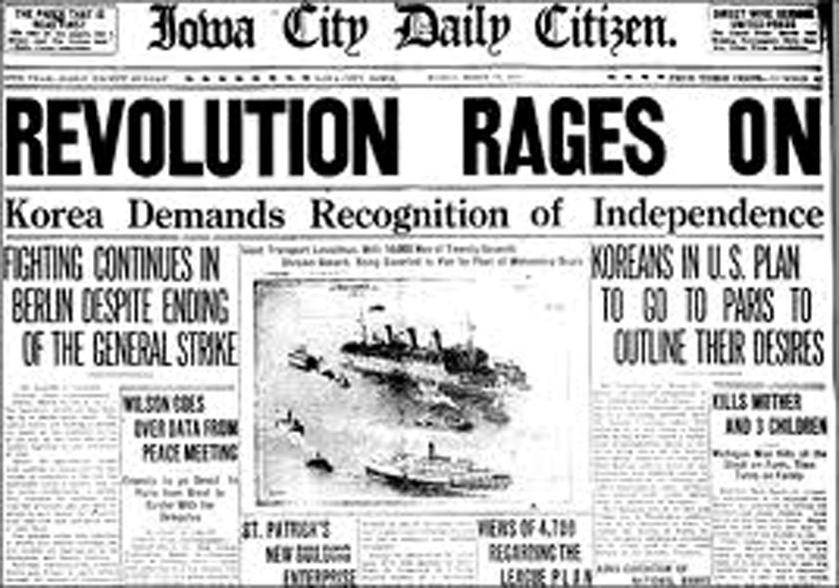
During the dark era of Japanese colonial rule (1910–1945), Pai Chai High School emerged as a vital sanctuary for the Korean independence movement. Both students and faculty members actively resisted Japanese assimilation policies. The school was a hotbed for clandestine nationalist organizations and played an instrumental role in organizing participation in the nationwide March 1st Movement of 1919. This patriotic resistance cemented Pai Chai's legacy not just as an educational institution, but as a critical protector of Korean national identity and independence.
The Legacy of Syngman Rhee
Among the school's most prominent early graduates was Syngman Rhee, who later became the first president of the Republic of Korea. Rhee entered Pai Chai Hakdang in 1895, where he learned English, Western political philosophy, and journalism. His time at the school was formative, shaping his political consciousness and initiating his journey into international diplomacy and nationalist politics. While his presidency remains a subject of modern historical debate, his connection to Pai Chai highlights the school's historical role in nurturing the country's early political architects.
Kim Sowol and the Literary Legacy
Pai Chai High School also left an indelible mark on Korean literature, most notably through the legendary poet Kim Sowol. Renowned for his melancholic, beautiful, and traditionally rhythmic poetry—such as his masterpiece 'Azaleas'—Sowol refined his literary talents while studying at Pai Chai in the early 1920s. Under the tutelage of prominent teachers, he explored contemporary poetic forms while staying true to traditional Korean emotions. The school honors his literary genius to this day, inspiring students who pursue the arts and humanities.
Ju Si-gyeong and the Preservation of Hangul
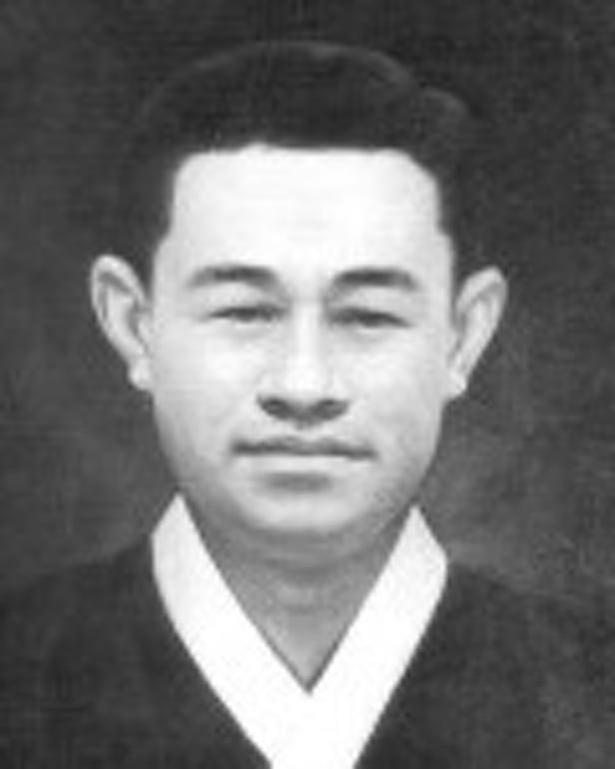
Another monumental figure in Pai Chai's history is Ju Si-gyeong, the pioneer of modern Korean linguistics. Ju studied at Pai Chai Hakdang, where his passion for the preservation and systematization of the Korean alphabet, Hangul, was nurtured. During an era when the Korean language faced suppression and neglect, Ju worked tirelessly to standardize grammar and spelling. His pioneering linguistic research laid the groundwork for the modern written Korean language, making his legacy at Pai Chai a matter of profound academic pride for the school community.
The 1984 Relocation to Godeok-dong
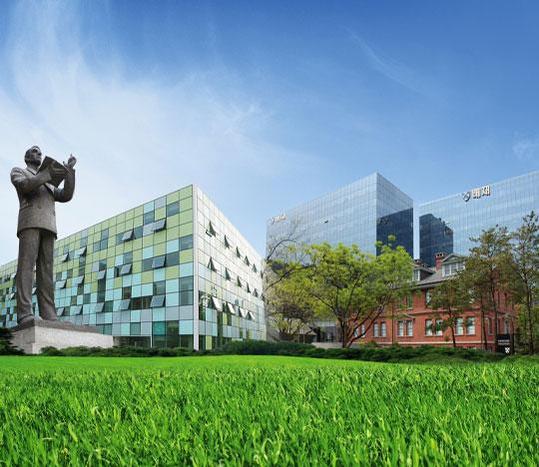
For nearly a century, Pai Chai operated in Jeong-dong, central Seoul, surrounded by foreign legations and historic landmarks. However, to accommodate a rapidly growing student population and modernize its educational facilities, the school made a monumental move in 1984. Relocating to Godeok-dong in Gangdong-gu, eastern Seoul, Pai Chai built a sprawling, state-of-the-art campus. This geographic shift allowed the school to construct modern classrooms, expansive athletic fields, and advanced laboratories, preparing the institution for the educational demands of the late 20th century.
Transition to an Autonomous Private High School
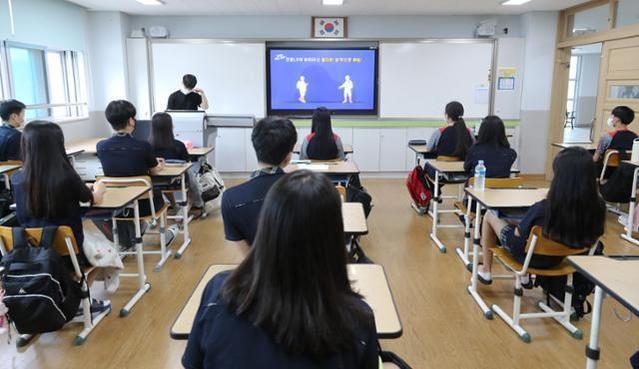
In 2010, Pai Chai High School underwent another major institutional transformation by being designated as an Autonomous Private High School (known as 'Jasa-go' in South Korea). This classification granted the school significant independence in designing its curriculum, admissions process, and tuition fees. Free from the standardized curriculum mandated for public high schools, Pai Chai implemented advanced elective courses, personalized college prep programs, and diverse international exchange opportunities, elevating its academic prestige in modern South Korea.
Academic Rigor and College Admissions Excellence
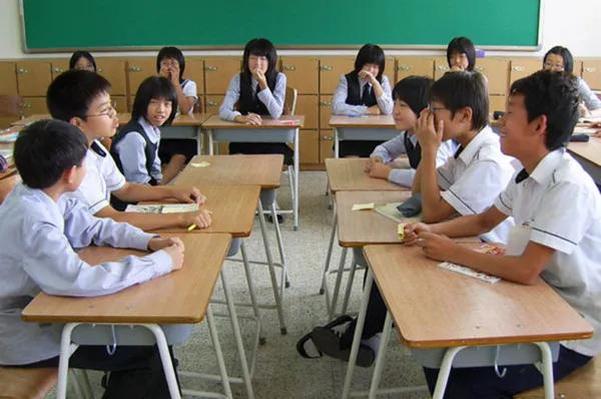
Operating as an autonomous private school, Pai Chai High School has cultivated a reputation for stellar academic performance. Its structured curriculum, mock exam preparation, and intensive faculty mentoring consistently lead to impressive college placement rates. Every year, a substantial number of graduates gain admission to South Korea's highly competitive 'SKY' universities (Seoul National University, Korea University, and Yonsei University), as well as prestigious medical programs and overseas universities, reinforcing its status as a premier preparatory academy.

The Historical Soccer Program
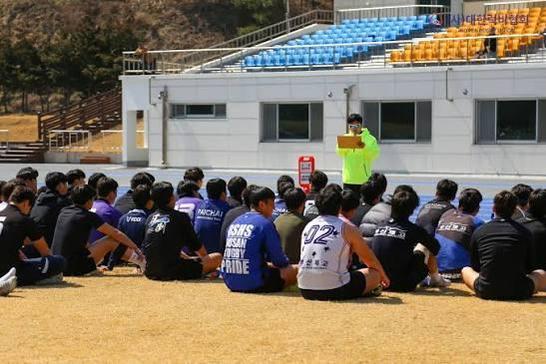
Beyond academic accomplishments, Pai Chai High School boasts one of the most celebrated athletic programs in South Korea, particularly in soccer. Established in the early 20th century, the Pai Chai soccer team is a historic force in youth sports, having produced numerous national team players and coaches over the decades. The soccer program is famous for its strict discipline, tactical intelligence, and rich history, making varsity soccer matches major events that draw passionate support from current students and alumni alike.
The Legendary Rugby Tradition
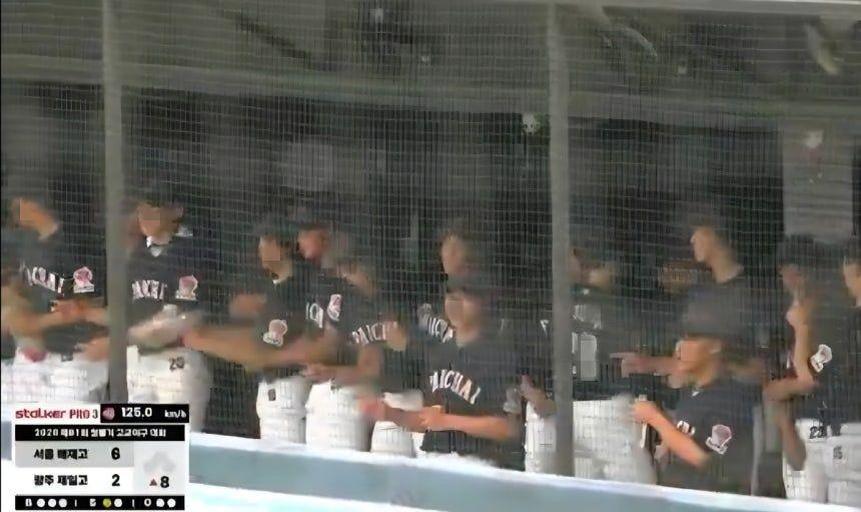
In addition to soccer, Pai Chai is widely known for its formidable rugby union team. Rugby at Pai Chai is more than just a sport; it is a rite of passage that instills resilience, physical courage, and absolute teamwork. The school has consistently dominated national high school rugby tournaments, and its graduates frequently join professional clubs and the national rugby team. The values of the sport—mutual respect, grit, and endurance—perfectly mirror the school's historical ethos of overcoming adversity.
The Storied Rivalry with Yangjung High School
One of the most vibrant aspects of Pai Chai's culture is its long-standing athletic rivalry with Yangjung High School, another historic private institution in Seoul. Often referred to as the 'Pai-Yang Match' (or Yang-Pai Match depending on who you ask), this annual sports derby features fierce competitions in rugby and soccer. Similar to famous university rivalries, the event is marked by massive, coordinated student cheer campaigns, color-coded flags, and alumni gatherings, creating an electric atmosphere that unites generations of graduates.

Preserving Heritage: The Appenzeller Memorial Hall
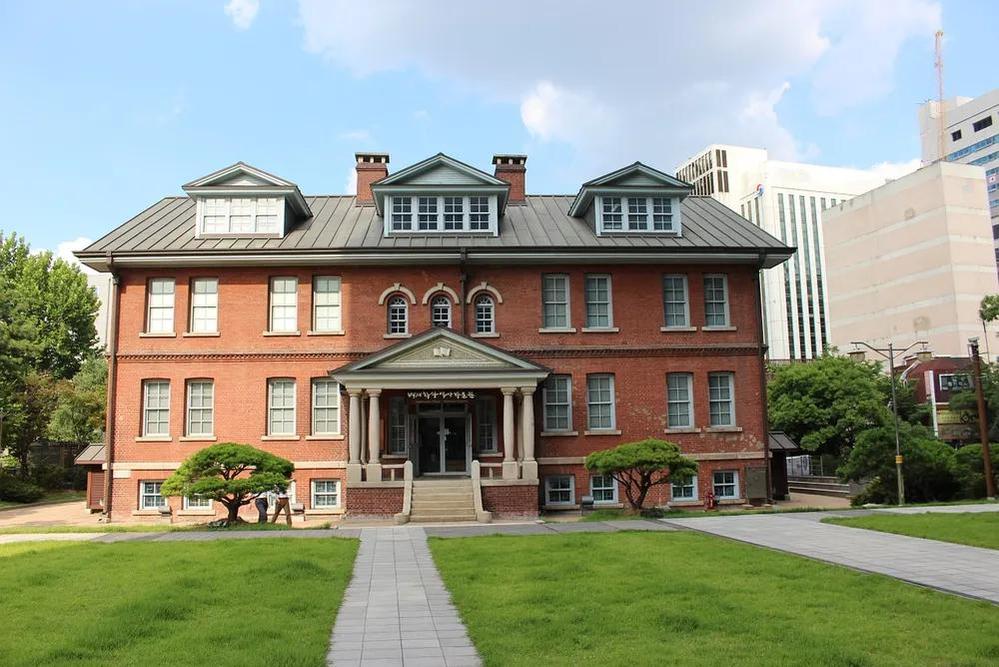
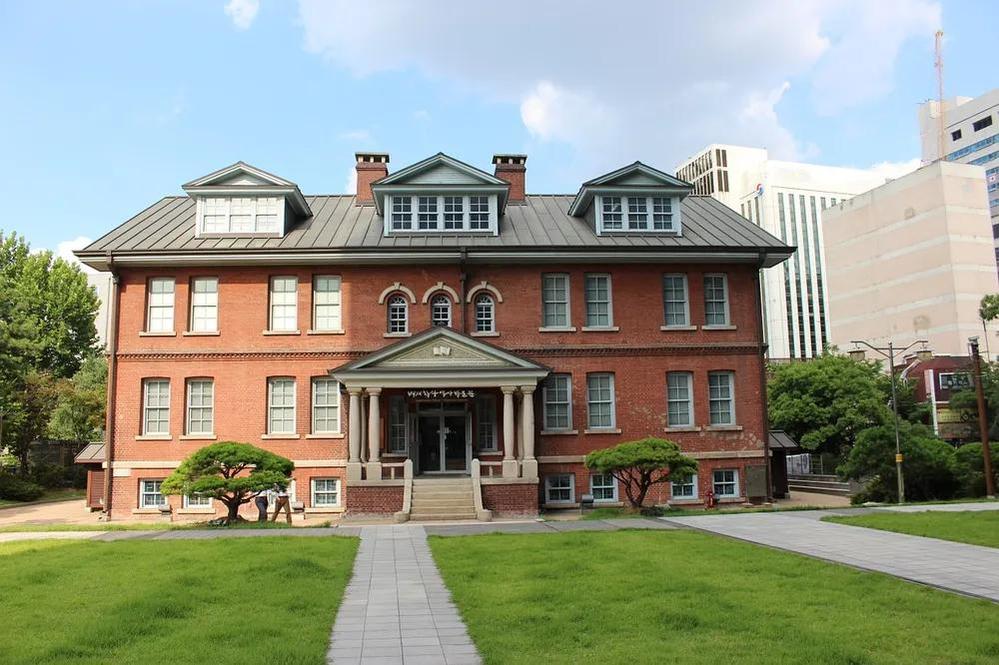
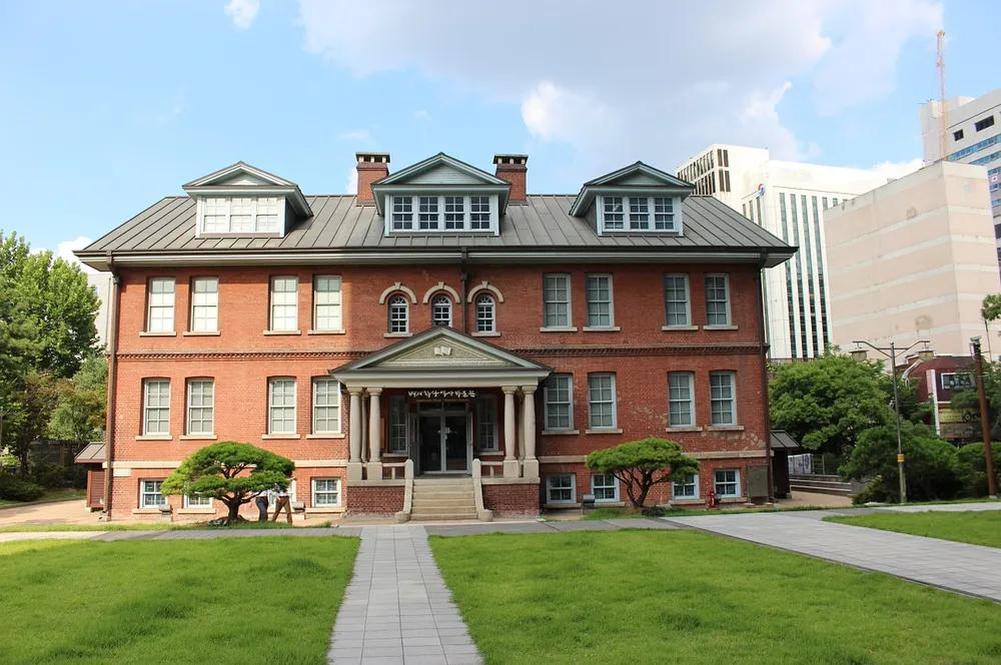
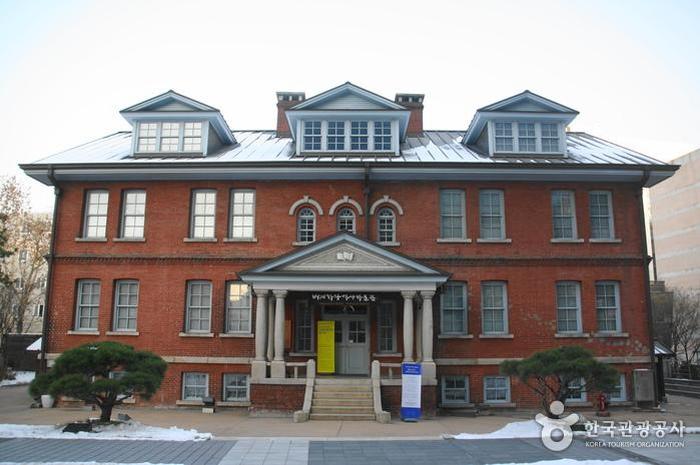
While the main campus moved to Godeok-dong, Pai Chai's historical roots remain beautifully preserved at the original Jeong-dong site in central Seoul. The historic Pai Chai Hakdang East Building, now serving as the Appenzeller Noble Memorial Museum, is designated as a Seoul Metropolitan Registered Cultural Property. The building showcases historical school uniforms, old textbooks, photographs of early student life, and personal items belonging to Henry Appenzeller, offering a fascinating glimpse into the dawn of Western education in Korea.
The Power of the Alumni Network
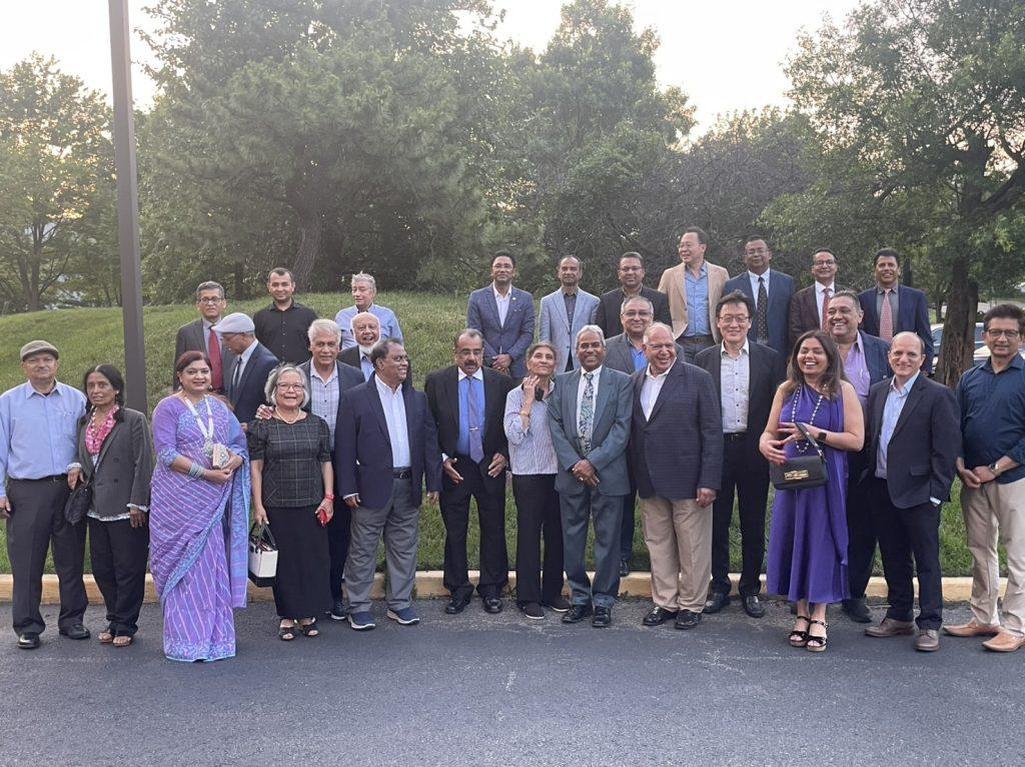
The strength of Pai Chai High School is heavily bolstered by its vast and highly influential alumni association, known as the Pai Chai Appenzeller Society. With over a century of graduates, the network spans across politics, business conglomerates, medicine, arts, and academia. Alumni actively support the school through generous scholarship funds, mentoring programs for current students, and modernizing campus facilities. This lifelong connection among graduates ensures that the 'Pai Chai Spirit' remains strong long after students walk through the gates at graduation.
Extracurricular and Global Leadership Initiatives
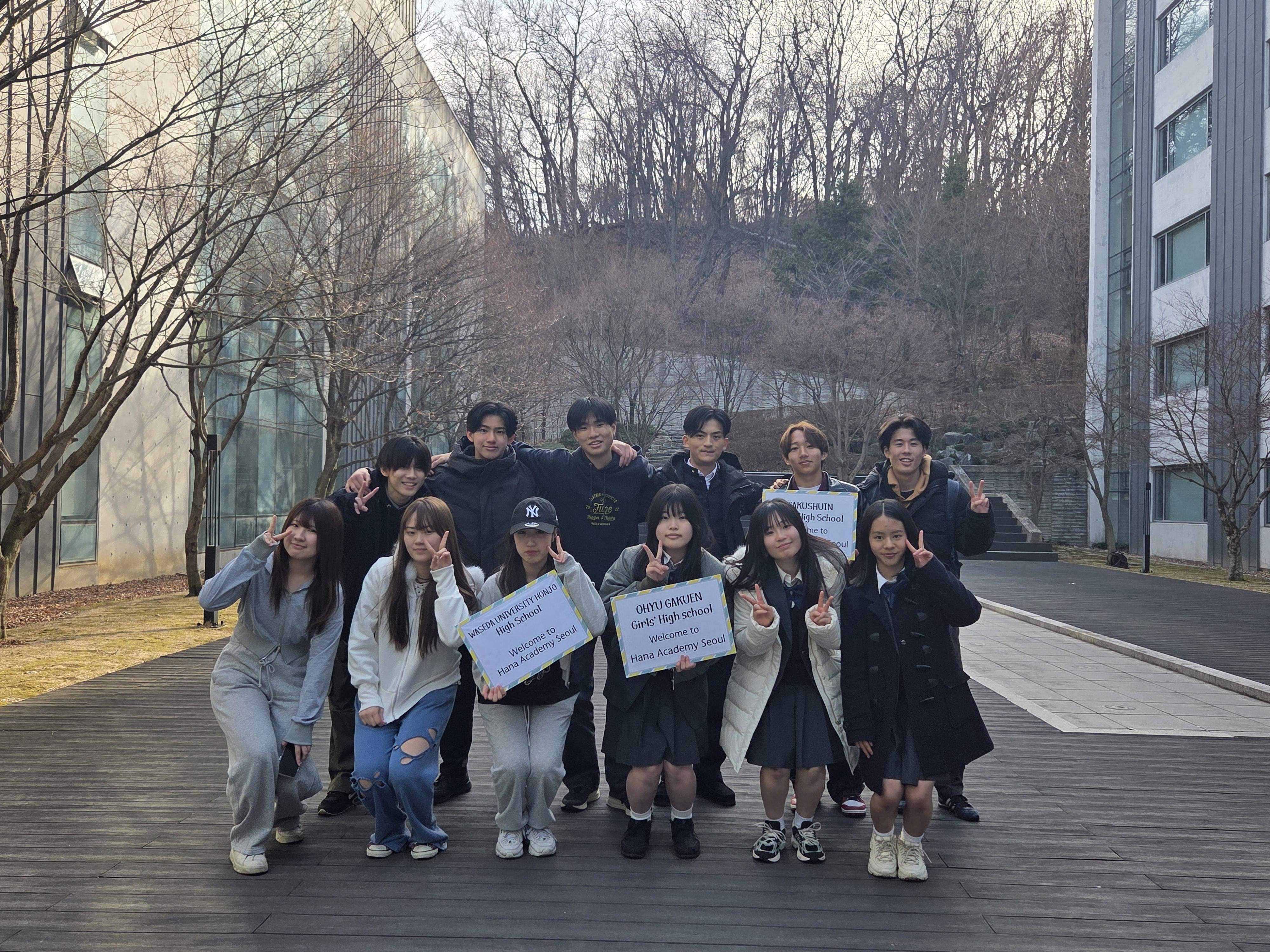
Recognizing that education extends beyond the classroom, Pai Chai High School sponsors over fifty student clubs, ranging from debate societies and robotics teams to classical orchestras and community service leagues. The school also actively pursues international exchange partnerships with sister schools in the United States, Japan, and Europe. These programs expose students to foreign cultures, improve language proficiency, and build cross-cultural leadership skills, aligning with the school's mission to prepare global citizens.
Navigating Educational Reforms and Controversies
In recent years, Pai Chai High School, along with other autonomous private high schools, has navigated significant policy shifts from the South Korean Ministry of Education. The government previously attempted to phase out the autonomous school system to promote educational equality, leading to complex legal challenges. Pai Chai's community rallied to protect its status, successfully arguing in court that its unique educational model and history of excellence provide vital diversity in Korea's educational ecosystem, securing its future as an elite institution.
The Future of Pai Chai High School
As Pai Chai High School approaches its 140th anniversary, it continues to look toward the future without losing sight of its rich heritage. The school is currently integrating artificial intelligence, data science, and green technologies into its curriculum, ensuring that its students remain competitive in the Fourth Industrial Revolution. By combining modern digital capabilities with the time-tested Christian philosophy of service, Pai Chai remains dedicated to its founding mission: cultivating compassionate, intelligent, and visionary giants who will shape the future of Korea and the world.
#Pai Chai High School#Korean Education History#Henry Appenzeller#Autonomous Private High Schools#Seoul Historic Schools#Korean Sports Rivalries
Comments(0)
No comments yet. Be the first to share your thoughts!
Recommended Reads
 Kbeauty
Sep 22, 2026, 10:03 PM
Target Beauty Studio: How K-Beauty is Conquering the American Mass Market
On September 10, 2026, retail giant Target officially launched Target Beauty Stu...
 Skincare
Sep 21, 2026, 10:03 PM
How K-Beauty is Powering Global Ingredient Literacy and Redefining Skincare
In a major move for the global beauty industry, Korean-American cosmetics brand ...
 JayPark
Sep 20, 2026, 10:06 PM
Edmonds-Born K-Pop Pioneer Jay Park Set for Major Seattle Homecoming Concert
Edmonds-born K-pop and hip-hop pioneer Jay Park is returning to his roots for a ...
 BTS
BTSSep 19, 2026, 10:04 PM
The Triumph and Autonomy of BTS: Inside Their Historic 2026 Comeback and Bold Grammy Boycott
After a scheduled hiatus that began in late 2022, the global supergroup BTS has ...
 Fitness Gaming
Sep 3, 2026, 03:35 AM
VXROOM: Transforming Daily Workouts into Engaging Web-Based Motion Games
VXROOM (vxroom.com) is an innovative web-based int...
 Survival Show
Sep 1, 2026, 09:07 AM
Game of Blood X: The Evolution of Korea’s Fiercest Survival Reality Franchise
Wavve's hit original series Game of Blood ...