검열Jul 1, 2026, 02:05 AM• 90999 views
The Mechanics of Control: A Comprehensive Analysis of Censorship in the Modern Era
Introduction to Censorship and Information Control
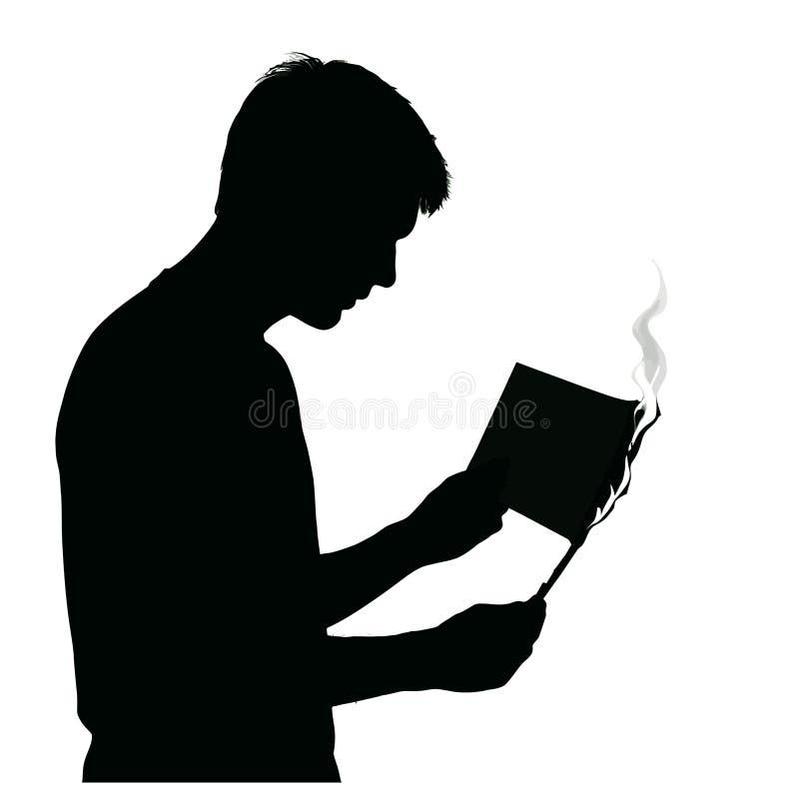
Censorship is the suppression of speech, public communication, or other information, which may be considered objectionable, harmful, sensitive, or inconvenient as determined by governments, media outlets, authorities, or other groups. Throughout human history, the tension between free expression and institutional control has shaped societies. Whether motivated by the preservation of political stability, the protection of religious dogma, or the maintenance of public morality, censorship acts as a powerful tool to govern what individuals can see, hear, and think. In the modern era, the dynamics of this control have evolved from physical book burnings to sophisticated digital algorithms, reflecting the changing landscape of human communication.
Ancient Origins and the Office of the Censor
The term censorship originates from the Roman Republic, where the office of the 'Censor' was established in 443 BCE. Roman censors were responsible for maintaining the census, supervising public morality, and overseeing government finances. Over time, their role expanded to regulating public behavior and suppressing ideas deemed contrary to Roman virtue. Beyond Rome, ancient civilizations across Greece and China also practiced rigorous intellectual control. In ancient Athens, Socrates was famously executed for 'corrupting the youth' with unorthodox ideas, demonstrating that even in early democracies, the state reserved the right to eliminate perceived intellectual threats.
The Gutenberg Revolution and the Rise of Systematic Control
The invention of the movable-type printing press by Johannes Gutenberg in the mid-15th century democratized knowledge, but it also triggered an unprecedented wave of systematic censorship. Before the press, copying books was laborious, making suppression relatively easy. Once ideas could be mass-produced, religious and political authorities panicked. In response, the Catholic Church established the 'Index Librorum Prohibitorum' (List of Prohibited Books) in 1559, which sought to prevent laypeople from reading heretical materials. This marked the transition of censorship from an occasional, localized act to a highly bureaucratized, institutionalized system of preventative control.

Political Censorship and the Preservation of State Power
Political censorship is perhaps the most prevalent form of information control, utilized by governments to suppress dissent, marginalize political opponents, and retain power. In authoritarian regimes, this involves complete state control over national media, television, and print publications, ensuring that only favorable narratives are disseminated. In contrast, democratic states may engage in political censorship under the guise of national security, restricting access to classification-heavy government documents or utilizing legal threats to prevent journalists from publishing sensitive exposés. Regardless of the regime type, the primary objective remains the stabilization of the ruling class's authority.
Military and Wartime Censorship
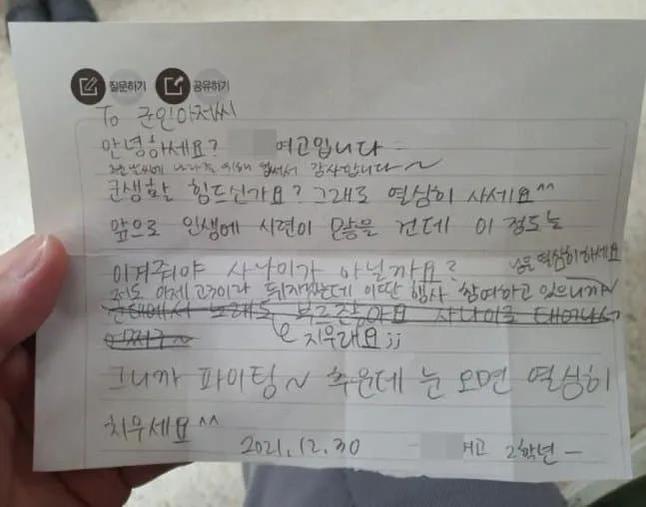
During times of conflict, national security concerns often take precedence over civil liberties, leading to strict military and wartime censorship. Governments impose tight controls on journalists reporting from battlefields to prevent the leaking of strategic troop movements, military capabilities, and casualty figures to the enemy. This was heavily practiced during World War I and World War II, where postal correspondence was routinely opened and redacted by military censors. While justified as a life-saving necessity, wartime censorship is also frequently used to manage domestic public morale, hiding the brutal realities of war to sustain public support for the war effort.
Religious Censorship and Heresy
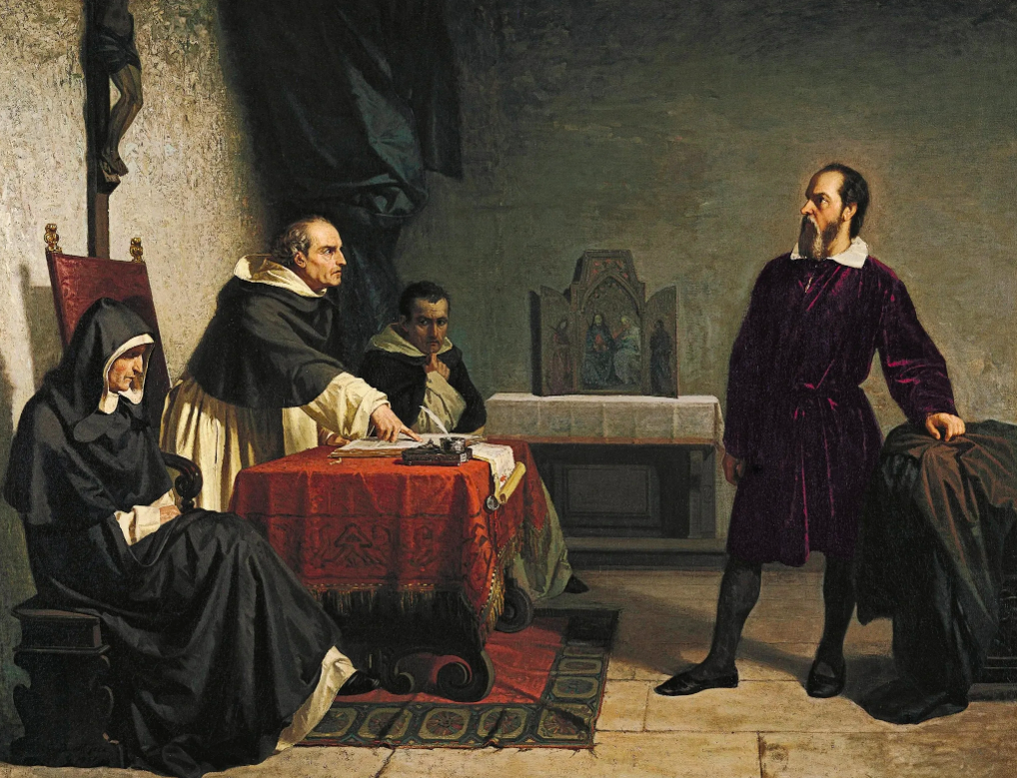
For centuries, religious organizations have exercised immense power to censor ideas that challenge orthodoxy. Religious censorship targets blasphemy, heresy, and sacrilege, aiming to protect sacred dogmas and maintain the spiritual authority of the clergy. Historically, this led to the trial of Galileo Galilei for defending heliocentrism, which contradicted the literal interpretations of scripture at the time. In contemporary times, religious censorship persists in societies governed by theocracy or strong religious laws, where criticizing religious figures, holy books, or doctrines can result in severe legal penalties, public ostracization, or even capital punishment.
Moral and Cultural Censorship
Moral censorship involves the suppression of materials that a society or governing body deems obscene, sexually explicit, vulgar, or morally corrupting. This form of censorship often focuses heavily on art, literature, theater, and modern media. Throughout the 19th and 20th centuries, legal standards like the Comstock Laws in the United States banned the mailing of 'obscene' materials, which included educational literature about birth control. Moral standards are highly subjective and shift over time, meaning that what was once banned as obscene, such as James Joyce's 'Ulysses', is now celebrated as literary masterpieces in contemporary academia.

Corporate and Commercial Censorship
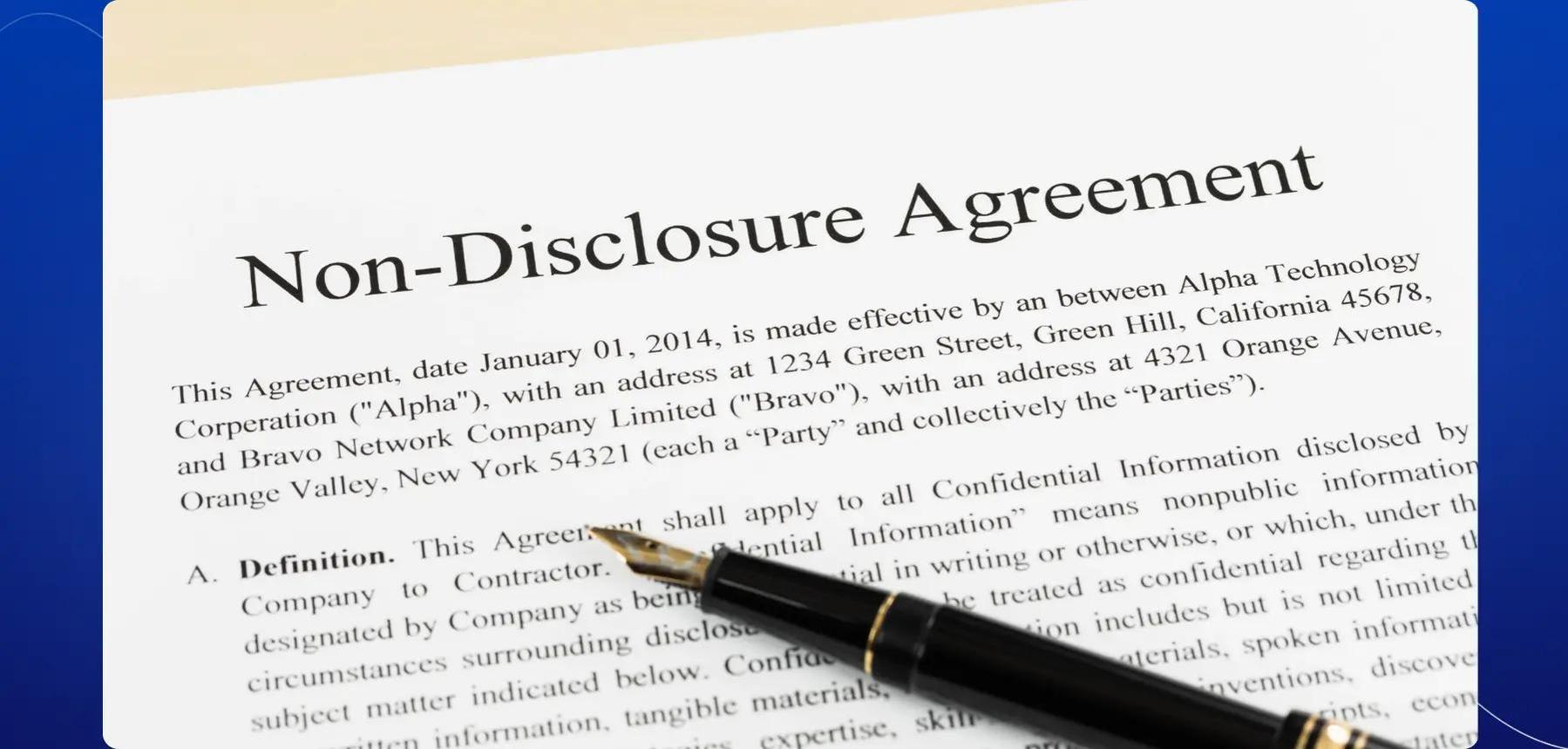
In modern capitalist societies, censorship is not solely executed by the state; it is increasingly performed by large corporations. Corporate censorship occurs when businesses suppress information to protect their financial interests, brand image, or relationships with advertisers. Media conglomerates may refuse to run investigative stories that cast their parent companies or major advertisers in a negative light. Furthermore, corporate contracts and non-disclosure agreements (NDAs) are routinely used to legally silence employees, whistleblowers, and victims of corporate malfeasance, creating a quiet but pervasive form of privatized information control.
The Rise of Digital Censorship in the Internet Age
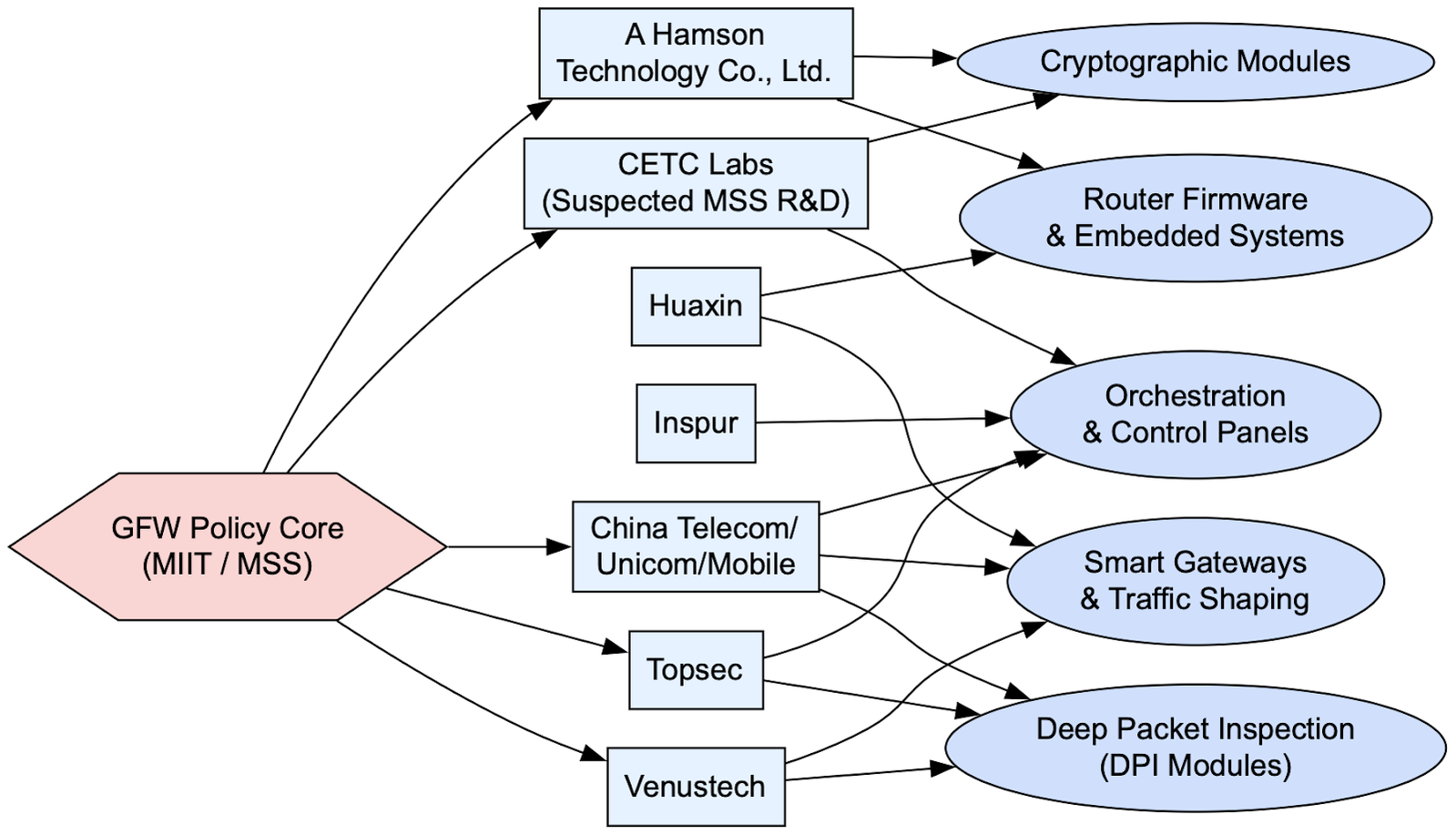
The advent of the internet was initially hailed as the ultimate antidote to censorship, promising a borderless world of free-flowing information. However, states and private entities quickly adapted, giving rise to highly sophisticated digital censorship. Today, internet censorship involves blocking access to specific websites, monitoring online activities, and filtering search engine results. Governments use deep packet inspection to analyze data traffic in real-time, allowing them to block access to overseas news outlets, human rights websites, and secure communication platforms, thereby converting the open web into a fragmented system of national intranets.
The Great Firewall of China: A Case Study
The most prominent and technologically advanced system of state-level digital censorship is the Golden Shield Project, colloquially known as the Great Firewall of China. Initiated in the late 1990s, this apparatus blocks foreign websites such as Google, Facebook, YouTube, and Wikipedia. Beyond simple blocking, the Great Firewall utilizes automated keyword filtering, human content moderators, and artificial intelligence to monitor social media platforms like WeChat and Weibo. Any content discussing politically sensitive topics, such as the Tiananmen Square protests or government corruption, is instantly scrubbed, demonstrating how a state can successfully isolate its population from the global internet.
Social Media Platforms and the Deplatforming Debate
In Western democracies, the debate over censorship has shifted to social media giants like Meta, Google, and X (formerly Twitter). Because these platforms are private entities, they are not bound by the First Amendment in the United States, allowing them to establish their own Terms of Service. This has led to intense controversies regarding 'deplatforming'—the permanent suspension of individuals, including political leaders, for violating rules against hate speech, misinformation, or harassment. Critics argue that these companies have become the modern public square and that algorithmic moderation acts as a form of privatized censorship that disproportionately targets specific political ideologies.

Surveillance and Censorship in Democratic Societies
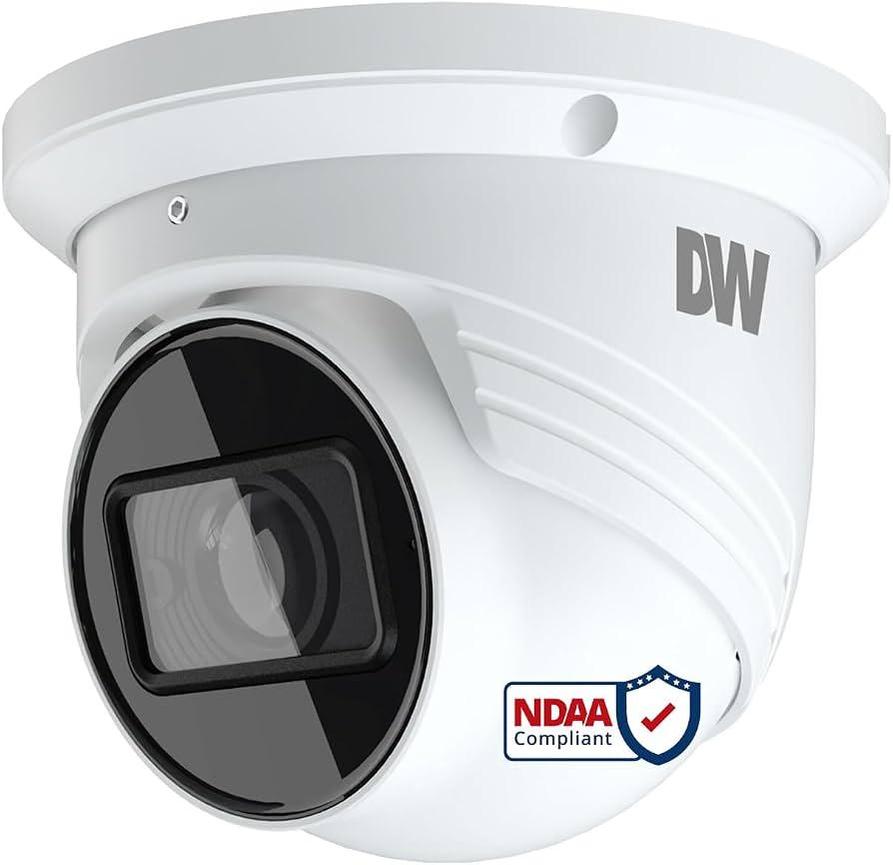
While democratic nations champion free speech, they are not immune to practicing subtle and systemic censorship. The revelations by whistleblowers like Edward Snowden exposed vast global surveillance networks operated by democratic governments. Mass surveillance creates a psychological deterrent to free expression, known as the 'chilling effect'. When citizens know they are being monitored, they voluntarily self-censor their online searches, communication, and political advocacy to avoid falling under suspicion. Thus, pervasive surveillance acts as an invisible form of pre-emptive censorship that undermines democratic participation.
Academic Censorship and the Battle for Education
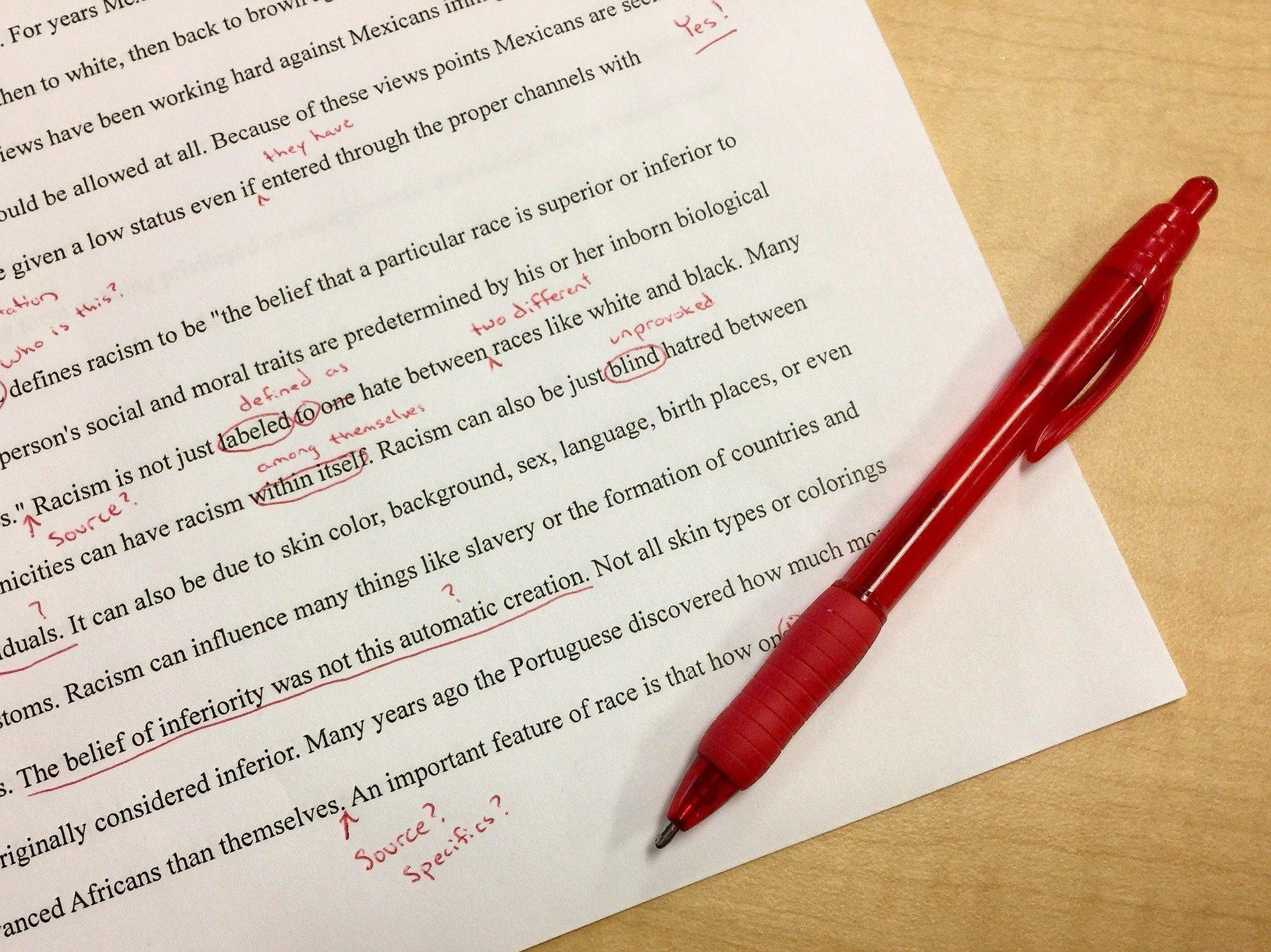
Education and academia have become major battlegrounds for ideological censorship. Around the world, governments and local school boards seek to control curriculum content, history textbooks, and library archives. In some regions, historical events are actively rewritten or omitted—such as ignoring colonial atrocities or state-sponsored violence—to foster nationalism. In higher education, disputes over 'cancel culture', safe spaces, and the firing of controversial professors highlight a growing concern that academic freedom is being compromised from both the political left and right, threatening the university’s role as an incubator of free inquiry.
Artistic and Cinematic Censorship
Throughout the history of cinema, artistic expression has been closely monitored by censors. In Hollywood, the Motion Picture Production Code (popularly known as the Hays Code) strictly regulated the moral content of films from 1934 to 1968, banning depictions of crime, sympathy for lawbreakers, and sexual intimacy. Today, cinematic censorship continues through rating systems and international distribution requirements. To access lucrative foreign markets like China, Hollywood studios frequently self-censor scripts, recast roles, or edit out scenes featuring LGBTQ+ themes, political sensitivities, or depictions of national flags, prioritizing commercial revenue over artistic integrity.

The Chilling Effect of Self-Censorship
Self-censorship is perhaps the most insidious form of information control because it requires no direct external enforcement. It occurs when individuals voluntarily withhold their opinions, beliefs, or creative expressions out of fear of social ostracization, professional ruin, or legal reprisal. In environments characterized by hyper-polarization, cancel culture, or state intimidation, citizens choose conformity over authenticity. This collective silence distorts public discourse, as minority opinions or critical questions remain unvoiced, creating a false consensus that reinforces dominant and unchallenged social narratives.

Bypassing Control: The Role of Cryptography and VPNs
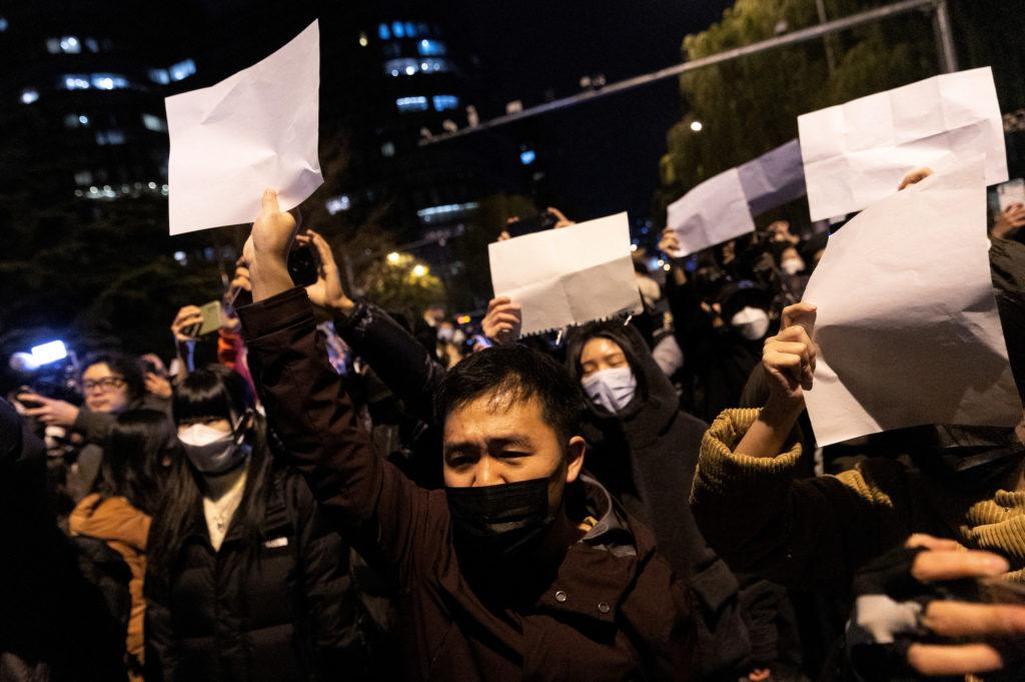
As methods of state censorship have grown more complex, so too have the tools designed to circumvent them. The development of cryptography, Virtual Private Networks (VPNs), and decentralized networks like Tor has allowed citizens to bypass digital blockades. VPNs mask a user’s IP address and encrypt their internet traffic, making it appear as though they are browsing from a different country. In authoritarian regimes during times of protest, these circumvention tools become essential lifelines, enabling activists to coordinate demonstrations, share real-time footage of human rights abuses, and access unfiltered global news.
Artificial Intelligence and Algorithmic Suppression
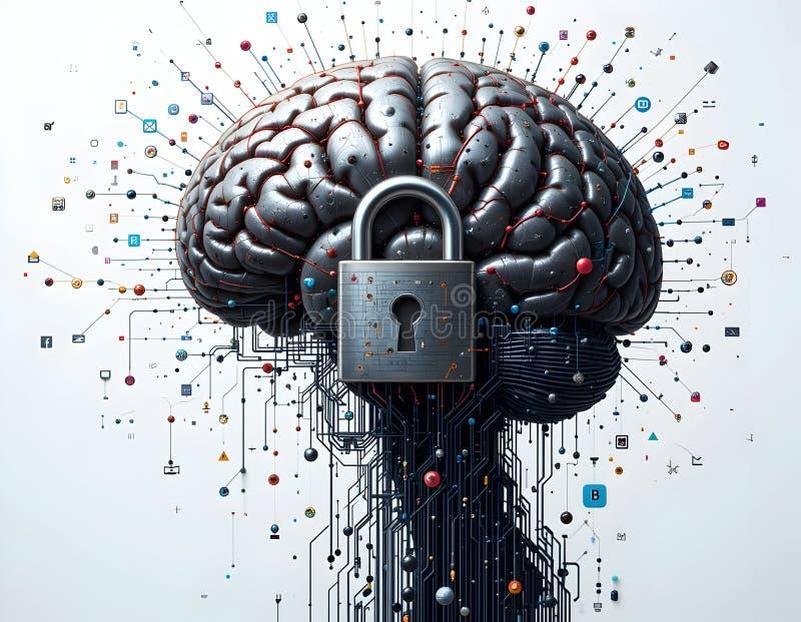
The integration of Artificial Intelligence (AI) has automated and scaled censorship to unprecedented levels. Rather than relying on human moderators to manually review content, algorithms are now trained to detect specific keywords, political sentiments, and image patterns. This automated approach often leads to 'shadowbanning'—a practice where a user's content is systematically deprioritized by algorithms without their knowledge, severely limiting their audience reach. AI-driven censorship is criticized for its lack of transparency and its inability to understand nuance, satire, or cultural context, resulting in the silencing of legitimate political speech.
International Human Rights Law and Free Expression
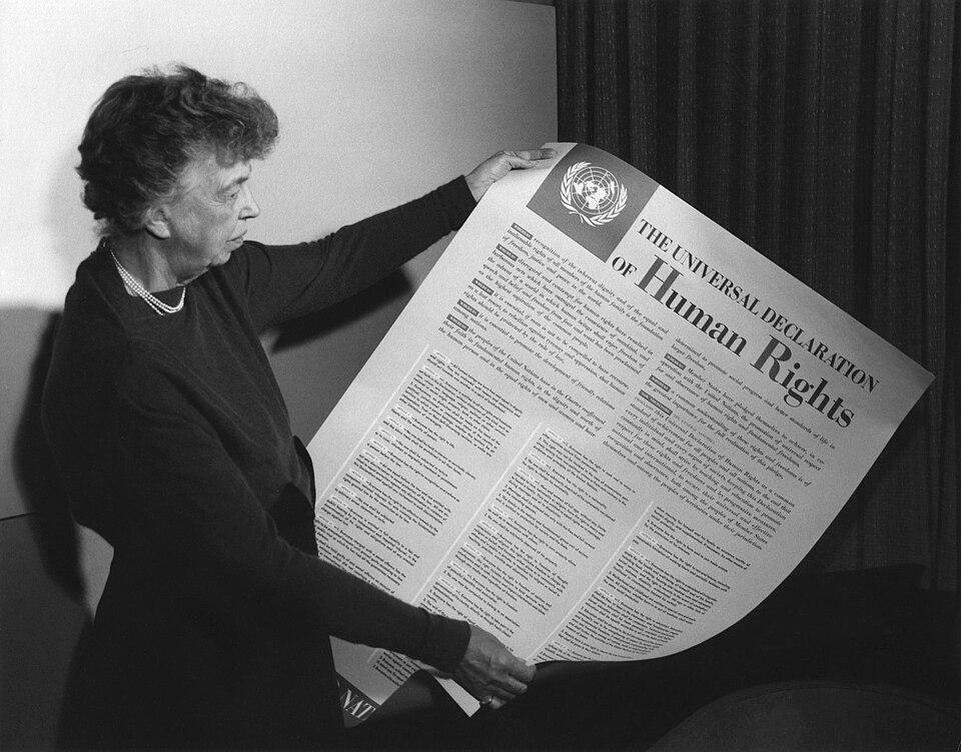
Under international law, the right to free expression is protected as a fundamental human right. Article 19 of the Universal Declaration of Human Rights (UDHR) asserts that everyone has the right to hold opinions without interference and to seek, receive, and impart information through any media regardless of frontiers. However, international law also permits certain restrictions, provided they are prescribed by law and necessary to protect the rights or reputations of others, national security, or public order. The ongoing challenge lies in defining where legitimate restriction ends and abusive state censorship begins.
The Paradox of Tolerance and Hate Speech Regulation
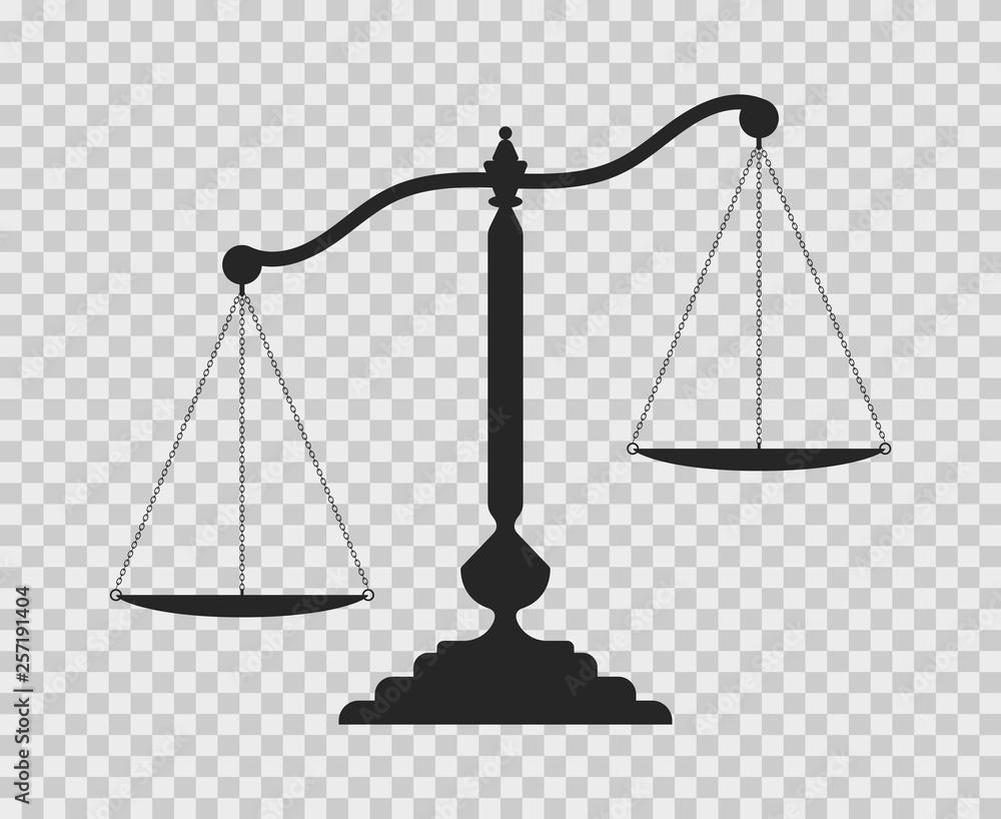
Philosopher Karl Popper formulated the 'paradox of tolerance', which posits that if a society is tolerant without limit, its ability to be tolerant is eventually seized or destroyed by the intolerant. This paradox lies at the heart of modern debates surrounding hate speech regulation. While the United States maintains a highly permissive legal standard under the First Amendment, many European democracies criminalize hate speech, Holocaust denial, and incitement to violence. Balancing the protection of marginalized groups from harassment with the preservation of robust free speech remains one of the most difficult ethical dilemmas of modern governance.
Conclusion and the Future of Free Expression
The battle over censorship is far from over; it has merely migrated to new frontiers. As technology continues to integrate deeper into daily life, the entities that control communication channels—be they state governments or silicon valley tech corporations—will hold immense power over human consciousness. The future of free expression will depend on the development of decentralized technologies, robust legal frameworks that hold platforms accountable, and a global public that remains vigilant against the slow encroachment of information control. Protecting the open exchange of ideas is vital, for a society that censors its citizens ultimately compromises its own capacity for progress, truth, and innovation.
#Censorship#Free Speech#Information Control#Media Freedom#Digital Rights#Human Rights#Political Suppression
Comments(0)
No comments yet. Be the first to share your thoughts!
Recommended Reads
 Kbeauty
Sep 22, 2026, 10:03 PM
Target Beauty Studio: How K-Beauty is Conquering the American Mass Market
On September 10, 2026, retail giant Target officially launched Target Beauty Stu...
 Skincare
Sep 21, 2026, 10:03 PM
How K-Beauty is Powering Global Ingredient Literacy and Redefining Skincare
In a major move for the global beauty industry, Korean-American cosmetics brand ...
 JayPark
Sep 20, 2026, 10:06 PM
Edmonds-Born K-Pop Pioneer Jay Park Set for Major Seattle Homecoming Concert
Edmonds-born K-pop and hip-hop pioneer Jay Park is returning to his roots for a ...
 BTS
BTSSep 19, 2026, 10:04 PM
The Triumph and Autonomy of BTS: Inside Their Historic 2026 Comeback and Bold Grammy Boycott
After a scheduled hiatus that began in late 2022, the global supergroup BTS has ...
 Fitness Gaming
Sep 3, 2026, 03:35 AM
VXROOM: Transforming Daily Workouts into Engaging Web-Based Motion Games
VXROOM (vxroom.com) is an innovative web-based int...
 Survival Show
Sep 1, 2026, 09:07 AM
Game of Blood X: The Evolution of Korea’s Fiercest Survival Reality Franchise
Wavve's hit original series Game of Blood ...