
새벽 사무소Jun 30, 2026, 07:56 PM• 90963 views
The Dawn Labor Offices of South Korea: An In-Depth Socioeconomic Analysis of Saebyeok Samuso
Introduction to the Dawn Labor Office
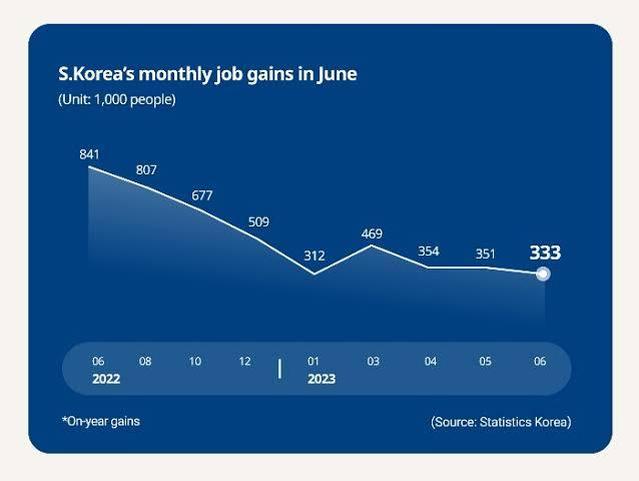
The term Saebyeok Samuso, literally translating to 'Dawn Office,' refers to the informal and semi-formal day labor recruitment hubs that operate during the early hours of the morning in South Korea. These establishments and their surrounding open-air markets serve as a critical junction where construction site foremen, dispatchers, and manual laborers converge to negotiate daily employment. Functioning as a barometer of the nation's grassroots economy, these offices facilitate the immediate deployment of physical labor to various urban development projects, embodying both the raw dynamism and the systemic vulnerabilities of the Korean working class.
Historical Roots and Post-War Reconstruction
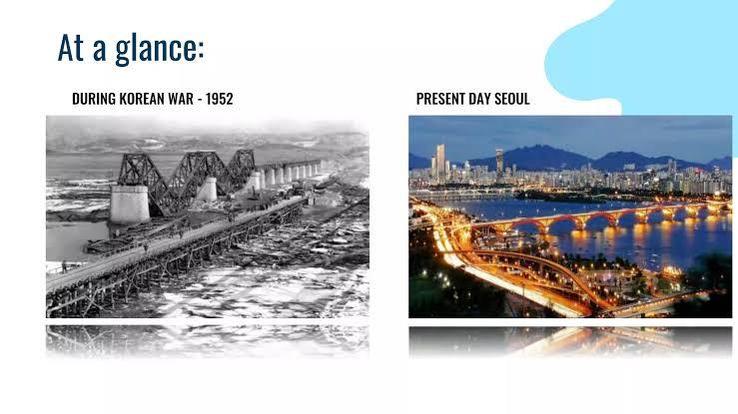
The origins of the Saebyeok Samuso can be traced back to the rapid urbanization and industrialization periods of South Korea following the Korean War. During the mid-to-late 20th century, millions of rural migrants flooded into major metropolitan areas like Seoul, seeking economic opportunities. Lacking specialized technical skills or established networks, many of these migrants turned to daily manual labor. Private brokerage offices rapidly emerged to organize this chaotic influx of human capital, establishing a rudimentary system that laid the physical foundations of modern Korean infrastructure, from highways to high-rise residential complexes.
Spatial Geography of the Dawn Markets
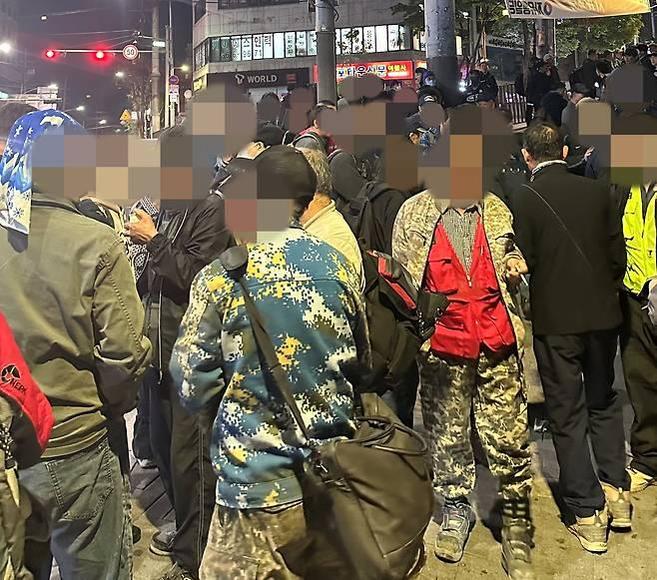
Geographically, Saebyeok Samusos are concentrated around specific urban nodes characterized by convenient public transit access and proximity to developing zones. Famous locations, such as the plaza outside Namguro Station or the streets of Sinryong-dong, transform into sprawling outdoor labor markets between 4:00 AM and 6:00 AM. These physical gathering points are strategically surrounded by commercial networks of cheap eateries, convenience stores, and specialized safety gear shops, creating a micro-ecosystem that caters exclusively to the immediate needs of the daily workforce.
The Daily Routine and Temporal Structure
The operational cycle of a Saebyeok Samuso is strictly bound by time. Laborers typically arrive long before the first subway trains run, often as early as 3:30 AM, to secure their names on dispatch sheets. Inside the offices, dispatchers match workers with incoming requests from construction site supervisors based on experience, age, and physical condition. By 5:30 AM, workers are ushered into fleets of small vans and transported to work sites across the metropolitan region, leaving the once-crowded streets completely empty by sunrise.
Sociodemographic Profile of Day Laborers
The demographic makeup of the Saebyeok Samuso workforce has undergone significant shifts over the decades. Once dominated by young, internal rural-to-urban migrants, the domestic sector of this workforce is now rapidly aging. Today, a substantial portion of South Korean day laborers consists of middle-aged and elderly men in their fifties, sixties, and even seventies who have been squeezed out of the formal primary labor market but lack sufficient pension coverage or retirement savings to survive without daily wages.
The Influx of Migrant and Ethnic Korean Labor
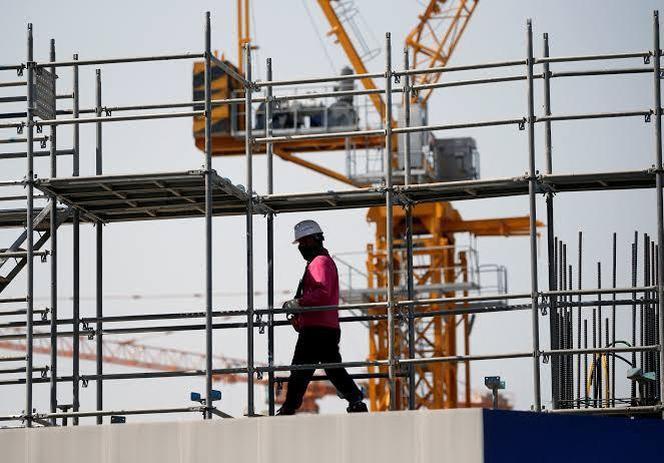
To offset domestic labor shortages and rising labor costs, Saebyeok Samusos have increasingly relied on international labor. This shift is particularly visible through the influx of Joseon-jok (ethnic Koreans from northeastern China) and migrant workers from Southeast and Central Asian nations. This demographic transition has transformed the dawn markets into highly multicultural spaces, though it has also introduced complex social dynamics, wage competition, and varying degrees of regulatory friction within the local labor market.
The Economic Legacy of the 1997 IMF Crisis
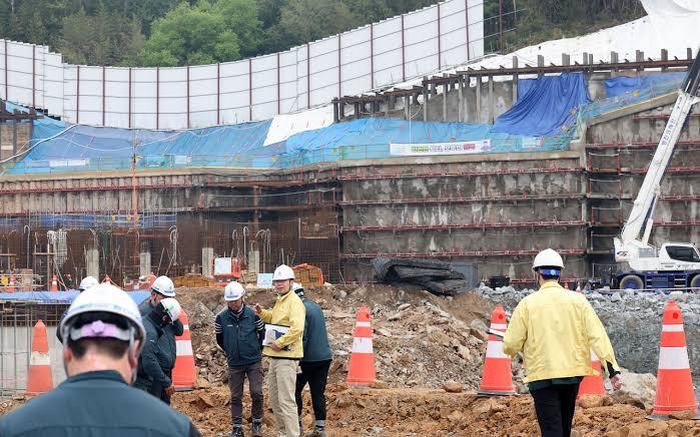
The structural prominence of the Saebyeok Samuso was deeply reinforced by the 1997 Asian Financial Crisis, commonly referred to in South Korea as the 'IMF Crisis.' The massive corporate restructurings, bankruptcies, and sudden layoffs of that era dismantled the country's traditional lifetime employment model. Thousands of white-collar and skilled blue-collar workers found themselves suddenly unemployed, forcing many to turn to the low-barrier entry of the dawn labor markets as an emergency safety net to support their families.

Operational Mechanics of Private Dispatch Agencies
Private dispatch agencies, which run the physical Saebyeok Samusos, operate as intermediate brokers in a highly competitive environment. Licensed under the Employment Security Act, these agencies make a profit by deducting a brokerage fee—typically around 10 percent—from the worker's daily wage. While they perform a crucial market-matching function, the quality of these offices varies wildly, with some acting as supportive community anchors and others engaging in exploitative practices, such as withholding wages or charging unauthorized fees.
Labor Precarity and the Lack of Social Safety Nets
Day laborers dispatched through Saebyeok Samusos experience extreme job precarity. Because they are hired on a day-to-day basis, they are generally excluded from standard employment benefits, such as paid sick leave, annual vacations, health insurance, and corporate pension schemes. Furthermore, their income is highly unstable, fluctuating violently based on seasonal weather patterns, broader economic slowdowns, or sudden cancellations of real estate development projects.
Occupational Safety and Health Hazards
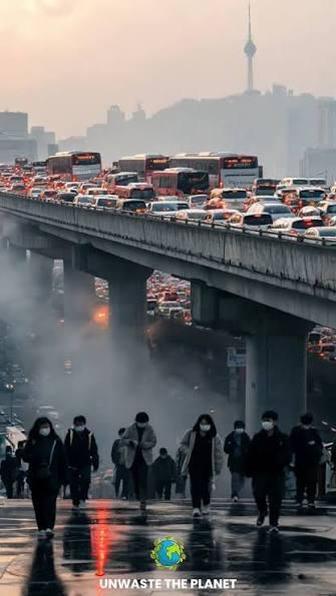
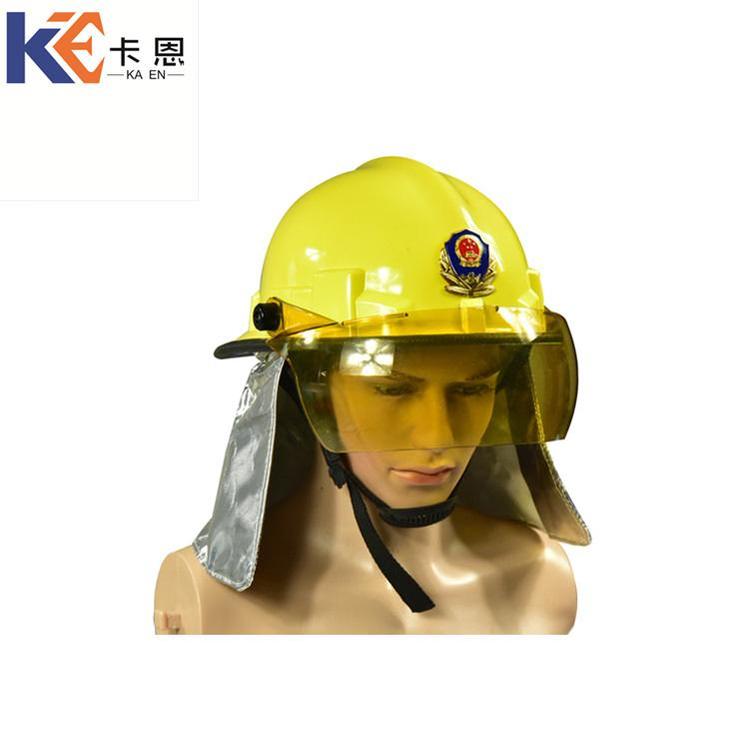
The physical nature of construction day labor exposes workers to exceptionally high rates of workplace injuries and chronic health conditions. Day laborers are frequently assigned to the most hazardous, physically demanding, and dirty tasks at a job site, often referred to as the '3D' (Dirty, Difficult, and Dangerous) jobs. Because they are temporary workers, they rarely receive the comprehensive safety training or protective equipment provided to permanent employees, making them disproportionately vulnerable to falls, machinery accidents, and respiratory illnesses.
The Psychological Burden and Social Stigma
Beyond the physical toll, day laborers face considerable social stigma and psychological strain. In a society that highly values formal academic credentials and stable white-collar careers, manual day labor is often looked down upon. This societal marginalization can lead to feelings of isolation, low self-esteem, and chronic anxiety about the future among workers. Many hide their occupation from extended family members and neighbors to avoid facing prejudice.

Digital Transformation: From Streets to Apps
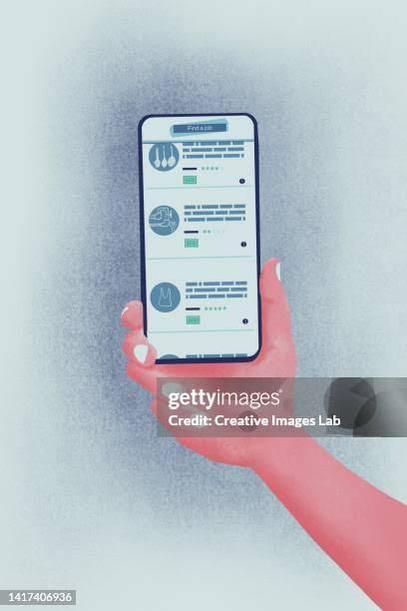
In the contemporary era, the traditional physical Saebyeok Samuso is undergoing a major digital transformation. Mobile applications and digital matchmaking platforms have emerged to connect workers directly with construction sites. These apps allow workers to apply for jobs from home, check wage rates in advance, and receive payments digitally. This shift is slowly reducing the need to wait on freezing street corners at dawn, though it also threatens to exclude older workers who struggle with digital literacy.
Government Support and Public Sector Alternatives
To address the vulnerabilities of the private system, municipal and national government bodies in South Korea have introduced public-sector alternatives and support programs. The government has established public employment centers that offer free job placement services without commission fees. Additionally, during the winter, local councils set up temporary heated shelters, supply hot beverages, and offer basic medical checkups at prominent outdoor dawn market locations.

Gender Dynamics in the Dawn Markets
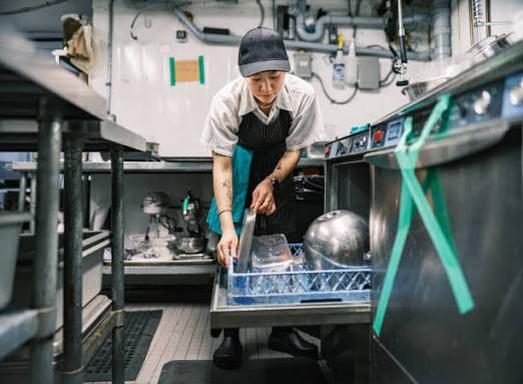
While the construction-focused outdoor Saebyeok Samusos are overwhelmingly male-dominated, a parallel dawn labor market exists for female workers. These specialized agencies focus primarily on domestic cleaning, restaurant kitchen assistance, and hotel housekeeping. Women gather in indoor offices at dawn to be assigned to homes and commercial businesses. Much like their male counterparts in construction, these female day laborers face high levels of employment instability and physical wear-and-tear.
The Disruption of the COVID-19 Pandemic
The COVID-19 pandemic brought unprecedented disruptions to the dawn labor markets. Construction sites frequently halted operations due to infection outbreaks, and strict social distancing measures made physical gathering on street corners a public health risk. Furthermore, the economic downturn hit hospitality and small businesses hard, drastically cutting the demand for day labor and leaving many workers without a source of income during the height of the global crisis.
Legal Protections and Regulatory Reforms
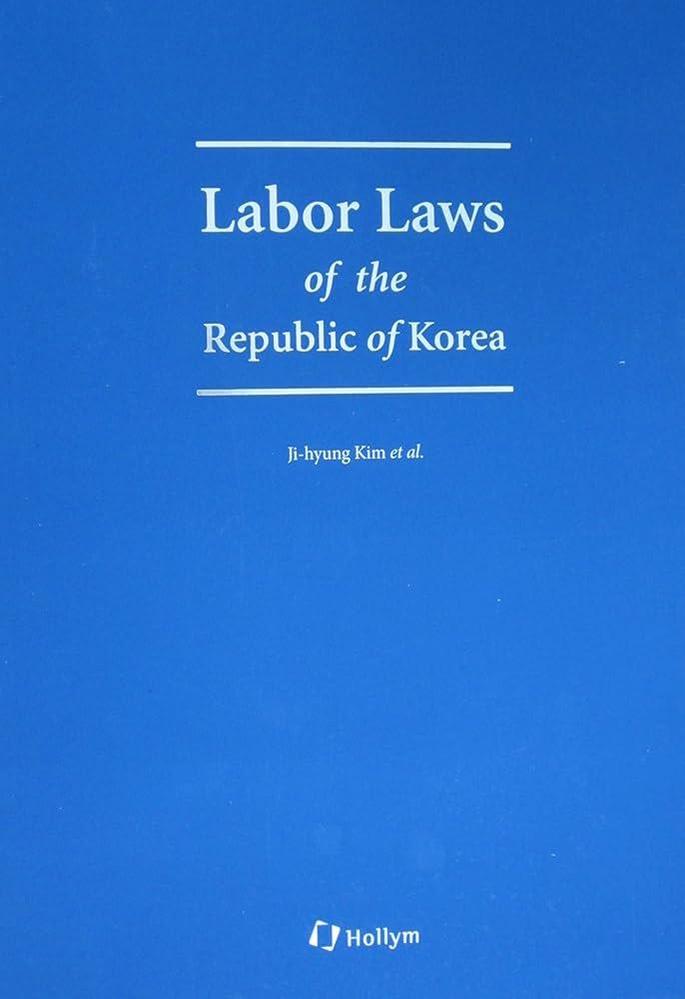
In response to growing advocacy for laborers, South Korea has introduced several legislative changes to protect daily workers. These include the gradual expansion of the Construction Workers Mutual Aid Association, which manages retirement allowance programs funded by construction developers. There are also stricter enforcement measures against wage theft and illegal broker fees, though experts argue that continuous monitoring is needed to ensure these policies are actually applied on real-world sites.
Cultural Representations in Korean Art and Media
The poignant struggles and quiet resilience of Saebyeok Samuso workers have made them a prominent subject in South Korean literature, cinema, and television. Independent documentaries, socially conscious dramas, and realist novels often use the dawn labor market as a setting to critique structural inequality and explore the human cost of rapid economic development. These narratives humanize the statistics, showing the personal dreams, family dynamics, and daily struggles of the people behind the manual labor.

Comparative Global Perspectives on Day Labor
The phenomenon of the Saebyeok Samuso is not unique to South Korea; it shares strong parallels with informal day labor markets worldwide. For instance, it mirrors the day labor gathering spots outside home improvement stores in the United States, which are largely populated by migrant workers, as well as the 'Yoseba' day labor districts in Japan, such as Kamagasaki. Comparing these systems highlights how global capitalist economies rely on flexible, contingent workforces to handle seasonal and high-risk manual labor.

Future Outlook in an Aging and Automated Society
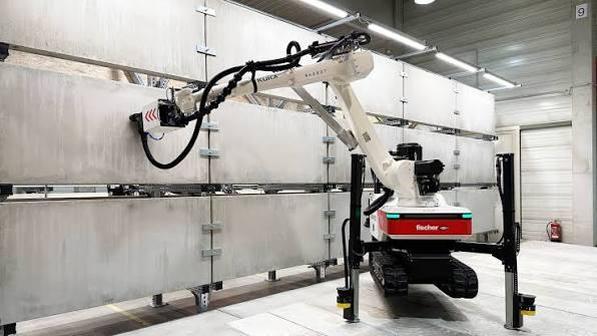
Looking ahead, the future of the Saebyeok Samuso is shaped by two powerful trends: rapid population aging and advancements in automation. As the physical demands of construction clash with an aging workforce, and as prefabricated building techniques and robotic automation become more common, the demand for traditional manual daily labor may shrink. Preparing for this shift requires proactive retraining programs and stronger social safety nets to prevent a rise in poverty among older manual laborers.
Conclusion: Recognizing the Foundation of Modern Cities
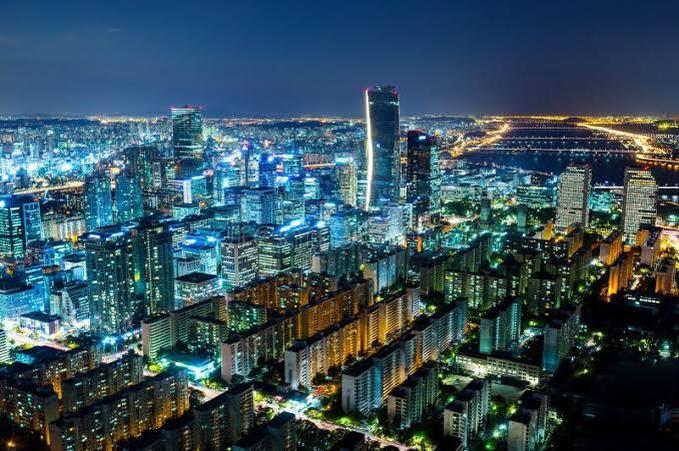
In conclusion, the Saebyeok Samuso is far more than a simple employment dispatch office; it is a vital, living institution that has fueled South Korea's rapid rise into a global economic powerhouse. The gleaming skyscrapers, expansive subway networks, and modern apartment complexes of Korea's major cities were built on the sweat and dedication of these early-morning workers. Recognizing their essential role requires a commitment to improving their safety, securing their livelihoods, and ensuring they are treated with the dignity and respect they deserve.
#South Korea Labor Market#Day Labor#Saebyeok Samuso#Urban Sociology#Migrant Workers#Economic Inequality#Precarity#Asian Financial Crisis
Comments(0)
No comments yet. Be the first to share your thoughts!
Recommended Reads
 Kbeauty
Sep 22, 2026, 10:03 PM
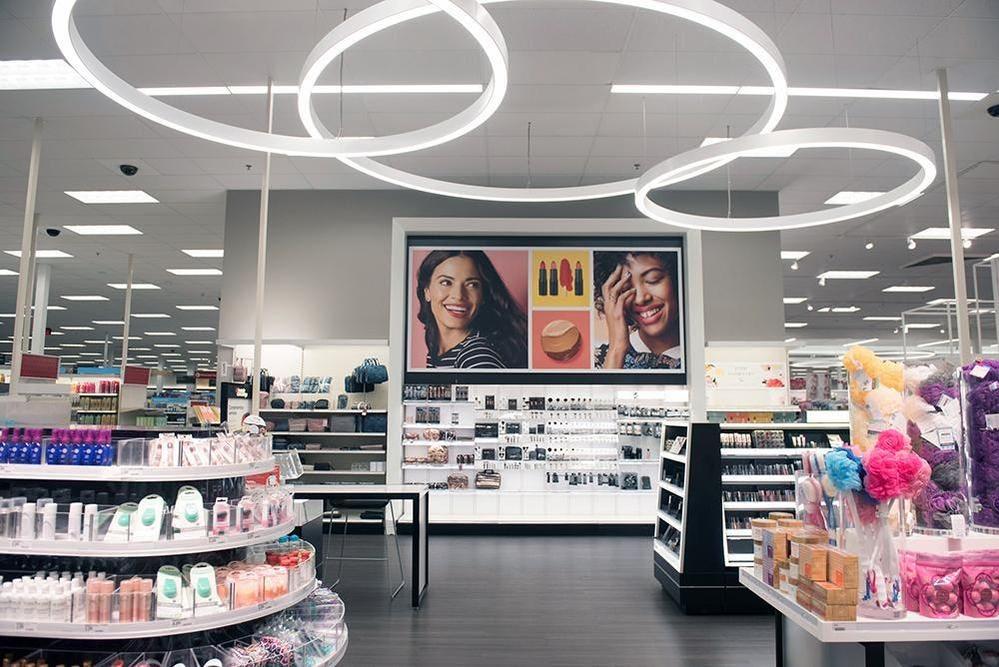
Target Beauty Studio: How K-Beauty is Conquering the American Mass Market
On September 10, 2026, retail giant Target officially launched Target Beauty Stu...
 Skincare
Sep 21, 2026, 10:03 PM
How K-Beauty is Powering Global Ingredient Literacy and Redefining Skincare
In a major move for the global beauty industry, Korean-American cosmetics brand ...
 JayPark
Sep 20, 2026, 10:06 PM
Edmonds-Born K-Pop Pioneer Jay Park Set for Major Seattle Homecoming Concert
Edmonds-born K-pop and hip-hop pioneer Jay Park is returning to his roots for a ...
 BTS
BTSSep 19, 2026, 10:04 PM
The Triumph and Autonomy of BTS: Inside Their Historic 2026 Comeback and Bold Grammy Boycott
After a scheduled hiatus that began in late 2022, the global supergroup BTS has ...
 Fitness Gaming
Sep 3, 2026, 03:35 AM
VXROOM: Transforming Daily Workouts into Engaging Web-Based Motion Games
VXROOM (vxroom.com) is an innovative web-based int...
 Survival Show
Sep 1, 2026, 09:07 AM
Game of Blood X: The Evolution of Korea’s Fiercest Survival Reality Franchise
Wavve's hit original series Game of Blood ...