
비엘사Jun 30, 2026, 01:30 AM• 90799 views
The Architectural Genius of Football: Marcelo Bielsa and the Philosophy of Bielsismo
Introduction to a Footballing Icon
Marcelo Bielsa, affectionately and respectfully known as "El Loco" (The Madman), is one of the most influential and enigmatic figures in modern football history. Rather than measuring his career solely by the number of trophies won, football purists and tacticians value Bielsa for his revolutionary ideas, uncompromising work ethic, and profound impact on the global game. His highly demanding, attack-minded philosophy has not only transformed historic clubs but has also shaped the modern tactical landscape, inspiring a generation of world-class managers who view him as a mentor and a visionary.

Early Life and Playing Career
Born in Rosario, Argentina, in 1955, Bielsa belonged to a family of prominent politicians and lawyers. However, his passion lied squarely in football. He began his journey as a defender for Newell's Old Boys, but his playing career was relatively short-lived and modest. Realizing he lacked the physical and technical attributes to reach the pinnacle of the sport as a player, Bielsa retired at the young age of 25. This early retirement, however, paved the way for a legendary coaching career as he redirected his immense intellect and obsessive work ethic toward tactical analysis and player development.
The Newell's Old Boys Breakthrough
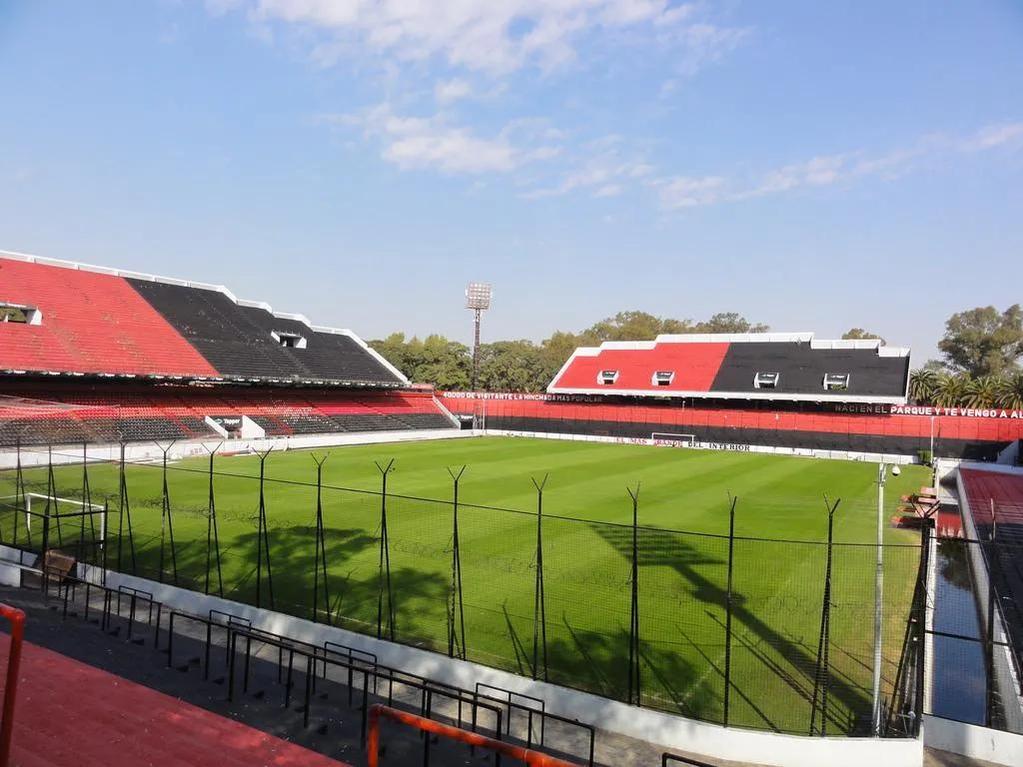
Bielsa’s managerial breakthrough came at his beloved Newell's Old Boys in the late 1980s and early 1990s. Starting with the youth academy, he scoured the country for talent, famously dividing Argentina into grids to ensure no player went unnoticed. When he took over the first team, his revolutionary methods immediately bore fruit. He led the club to multiple Primera División titles and reached the final of the Copa Libertadores in 1992. His success cemented his status as a club legend, to the extent that Newell's later named their home stadium after him.

Tactical Philosophy: The Genesis of Bielsismo
At the core of Bielsa's philosophy, often referred to as "Bielsismo," is an unwavering commitment to offensive football, high pressing, and rapid transitions. Bielsa believes that football should be played with high intensity, requiring players to constantly run, create space, and dominate the opponent through collective movement. He rejects defensive containment, preferring to win the ball back as quickly as possible deep in the opponent's half. This demanding style requires peak physical conditioning, absolute discipline, and an intelligent understanding of spatial dynamics.
The Famous 3-3-1-3 Formation
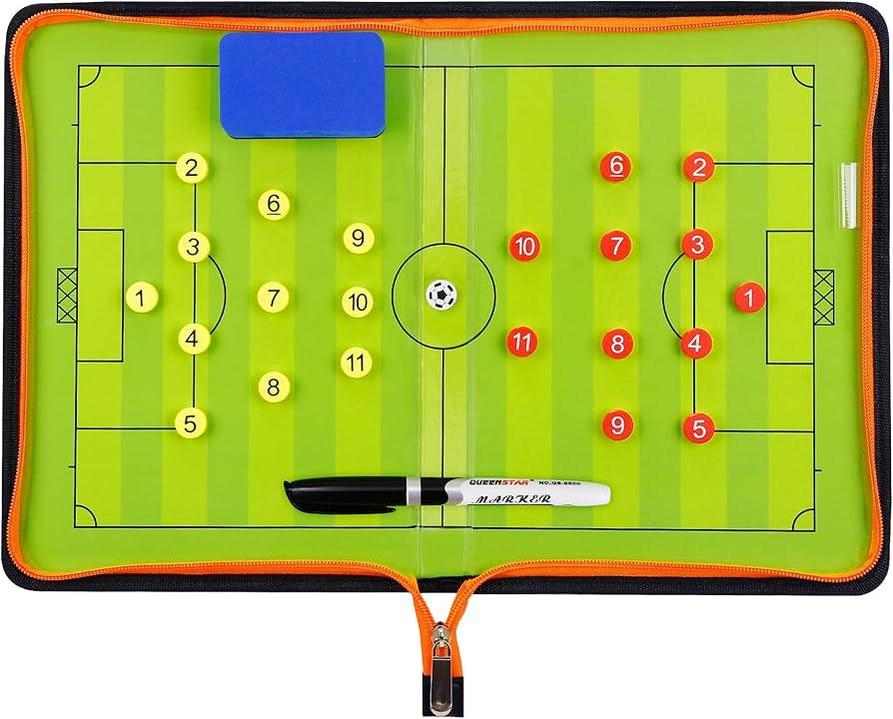
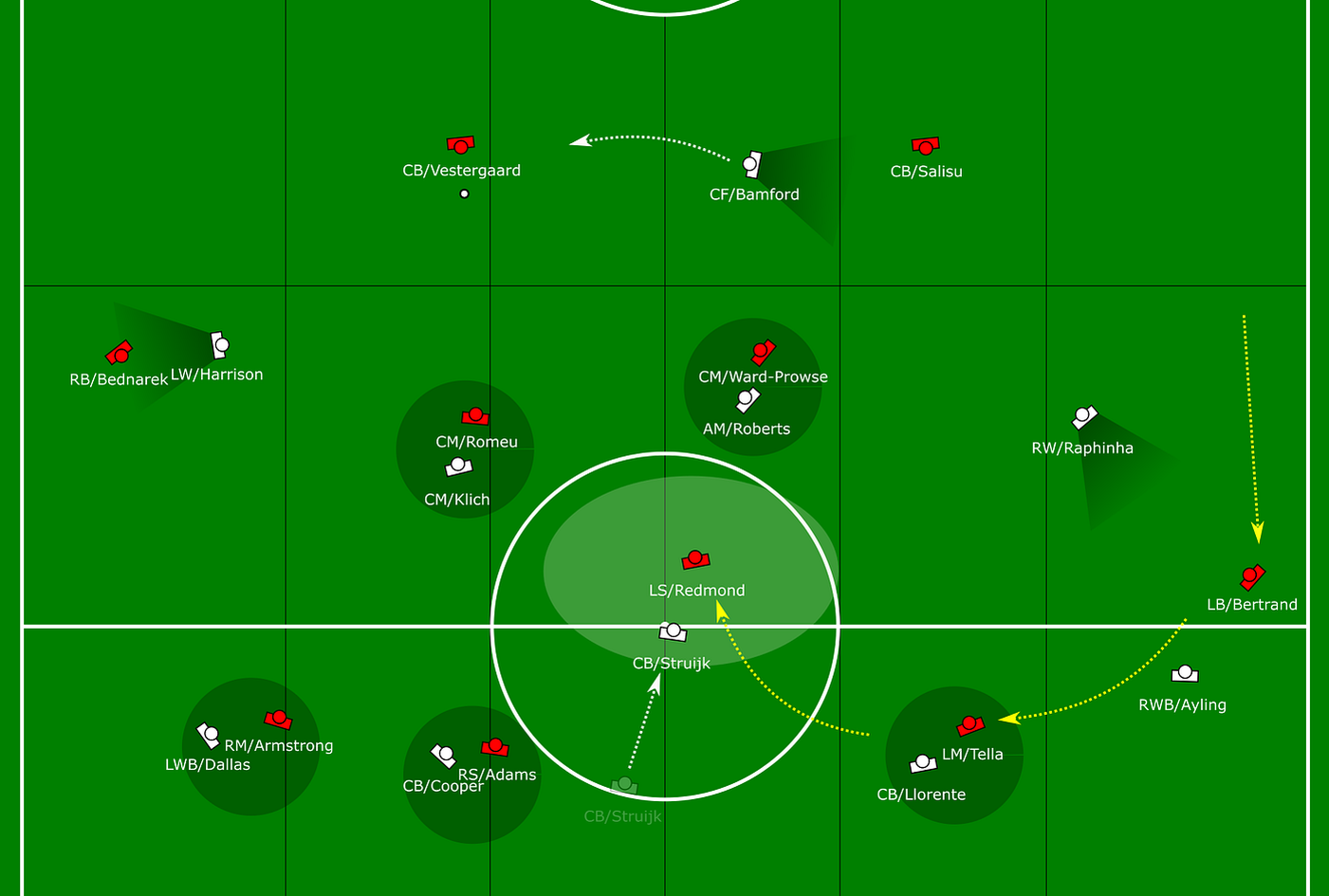
While modern managers frequently adapt their systems, Bielsa is historically famous for his dedication to the 3-3-1-3 formation. This structure utilizes three central defenders, a defensive midfielder, two wing-backs, an attacking playmaker (the enganche), and three forwards. The system is designed to create numerical superiorities all over the pitch, allowing for quick, vertical passing combinations. By overloading wide areas and constantly rotating player positions, Bielsa's teams make it exceptionally difficult for opponents to mark them effectively.
Obsessive Analysis and Preparation
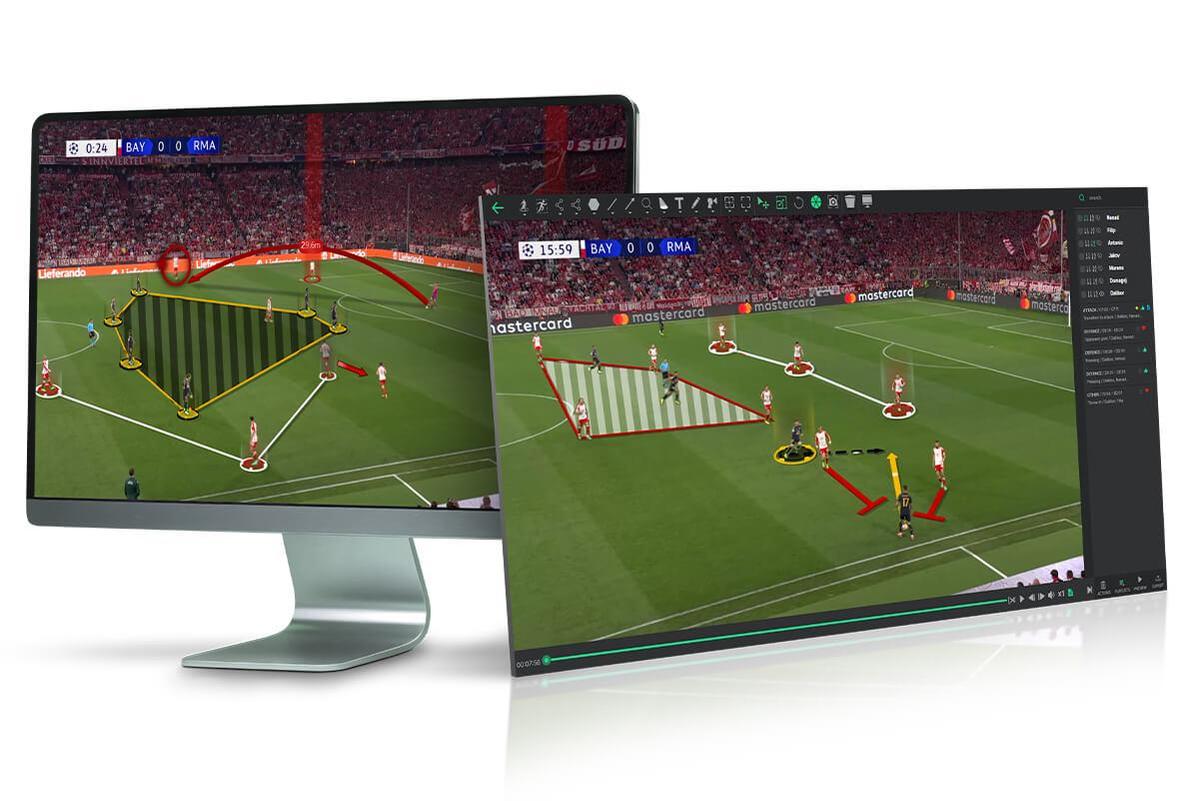
Bielsa's nickname, "El Loco," stems from his obsessive, borderline fanatical preparation for matches. He is known to watch hundreds of hours of video footage to analyze opponents down to the smallest detail. Before facing a team, Bielsa and his staff catalog every conceivable scenario, set-piece routine, and individual player habit. This extreme attention to detail is designed to remove chance from the game, giving his players a comprehensive blueprint of how to navigate any challenge they might face on the pitch.
Leading the Argentine National Team (1998–2004)
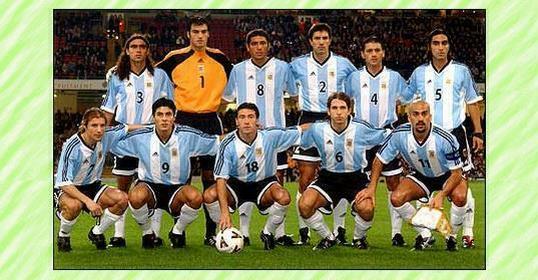
Bielsa took charge of the Argentine national team in 1998, presiding over a highly dominant qualification campaign for the 2002 FIFA World Cup. Argentina entered the tournament as heavy favorites, playing some of the most thrilling football in the world. However, the tournament ended in heartbreak as Argentina suffered a shock group-stage exit. Despite the devastating setback, Bielsa remained in charge, showing immense resilience to lead the nation to a Copa América final and a historic Olympic Gold Medal in Athens in 2004, which was Argentina's first Olympic gold in any sport in 52 years.
Revolutionizing Chilean Football (2007–2011)
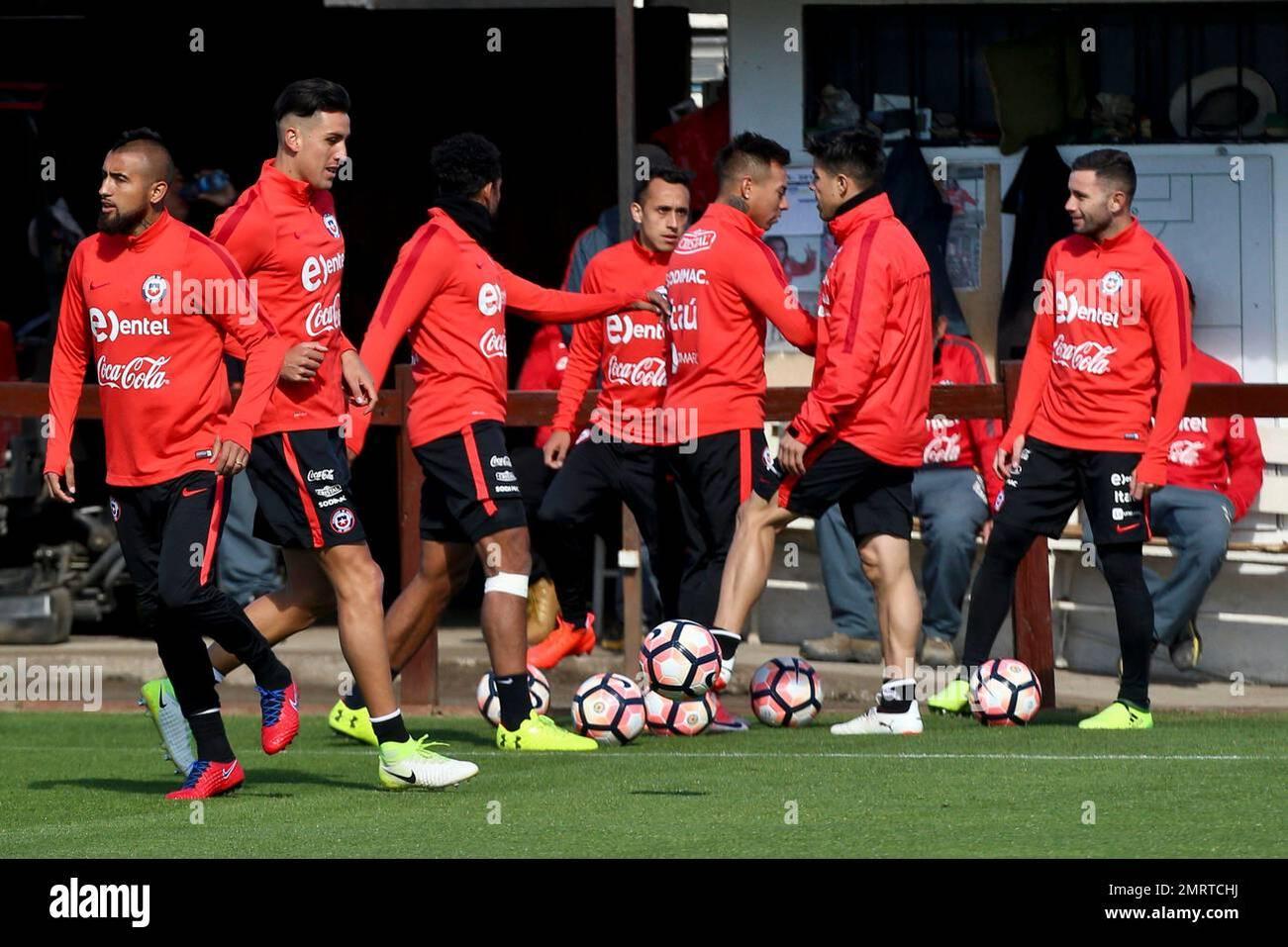
In 2007, Bielsa was appointed as the head coach of the Chile national team, a move that would fundamentally alter the country's footballing destiny. He instilled a fearless, aggressive mentality in a young squad that included future stars like Alexis Sánchez and Arturo Vidal. Bielsa's high-pressing style captured the imagination of the nation and led Chile to a successful 2010 World Cup campaign. More importantly, he laid the structural and tactical foundations for Chile's subsequent golden generation, which went on to win back-to-back Copa América titles in 2015 and 2016.
European Breakthrough with Athletic Bilbao
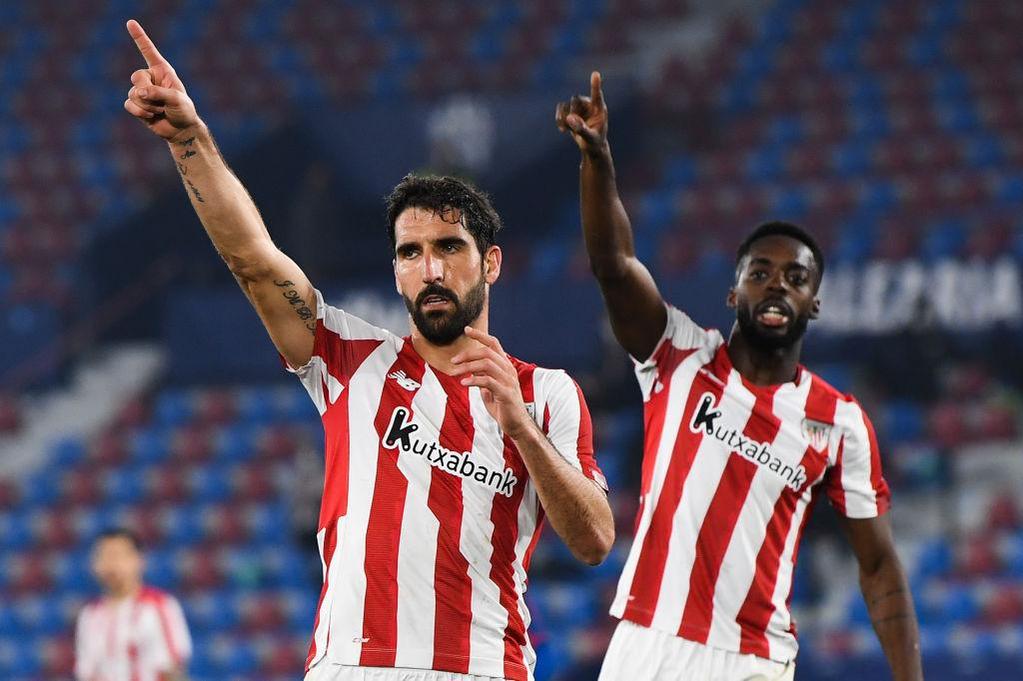
Bielsa arrived in European club football with his appointment at Athletic Bilbao in 2011. Relying strictly on the club's policy of utilizing Basque players, Bielsa crafted a stunningly dynamic team. The 2011-2012 season became legendary as Bilbao reached both the UEFA Europa League final and the Copa del Rey final. Their historic performances, particularly a masterclass victory over Manchester United at Old Trafford, earned Bielsa widespread acclaim across Europe for his ability to out-tactician the continent's wealthiest clubs.
The Marseille Experience and Cult Status
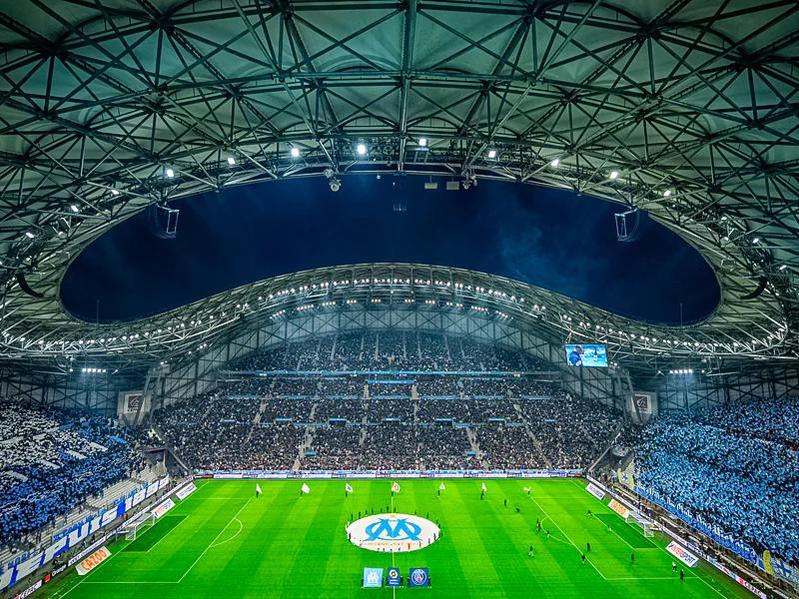
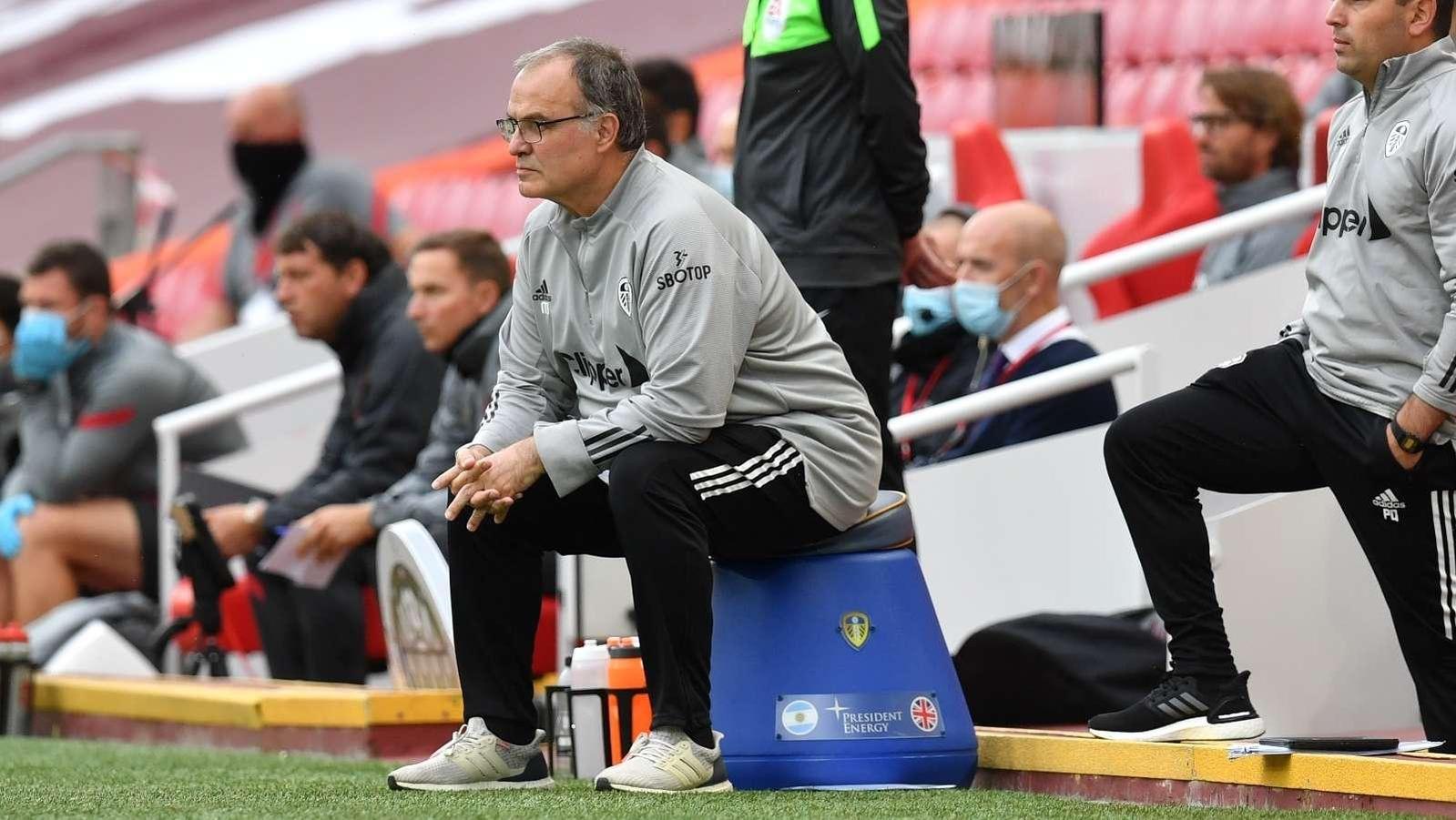
In 2014, Bielsa joined French giants Olympique de Marseille. His impact was instantaneous, with his trademark high-octane football propelling Marseille to the top of Ligue 1 by winter. Although the team ultimately finished fourth due to physical fatigue, Bielsa became an absolute cult hero among the Marseille faithful, who appreciated his passion and dedication. During his time in France, Bielsa famously sat on a cooler box on the touchline—a quirky habit that became an iconic image associated with his eccentric persona.
Unpredictability: Lazio and Lille Stints
Bielsa's uncompromising principles have occasionally led to dramatic clashes with club hierarchies. In 2016, he was appointed manager of Italian club Lazio but resigned just two days later, citing the club's failure to sign the players they had promised. Later, a brief and turbulent spell at French club Lille OSC in 2017 showcased the risks of his highly demanding methods when applied to a young, inexperienced squad without proper club alignment, leading to an early suspension and termination of his contract.
The Leeds United Renaissance (2018–2022)
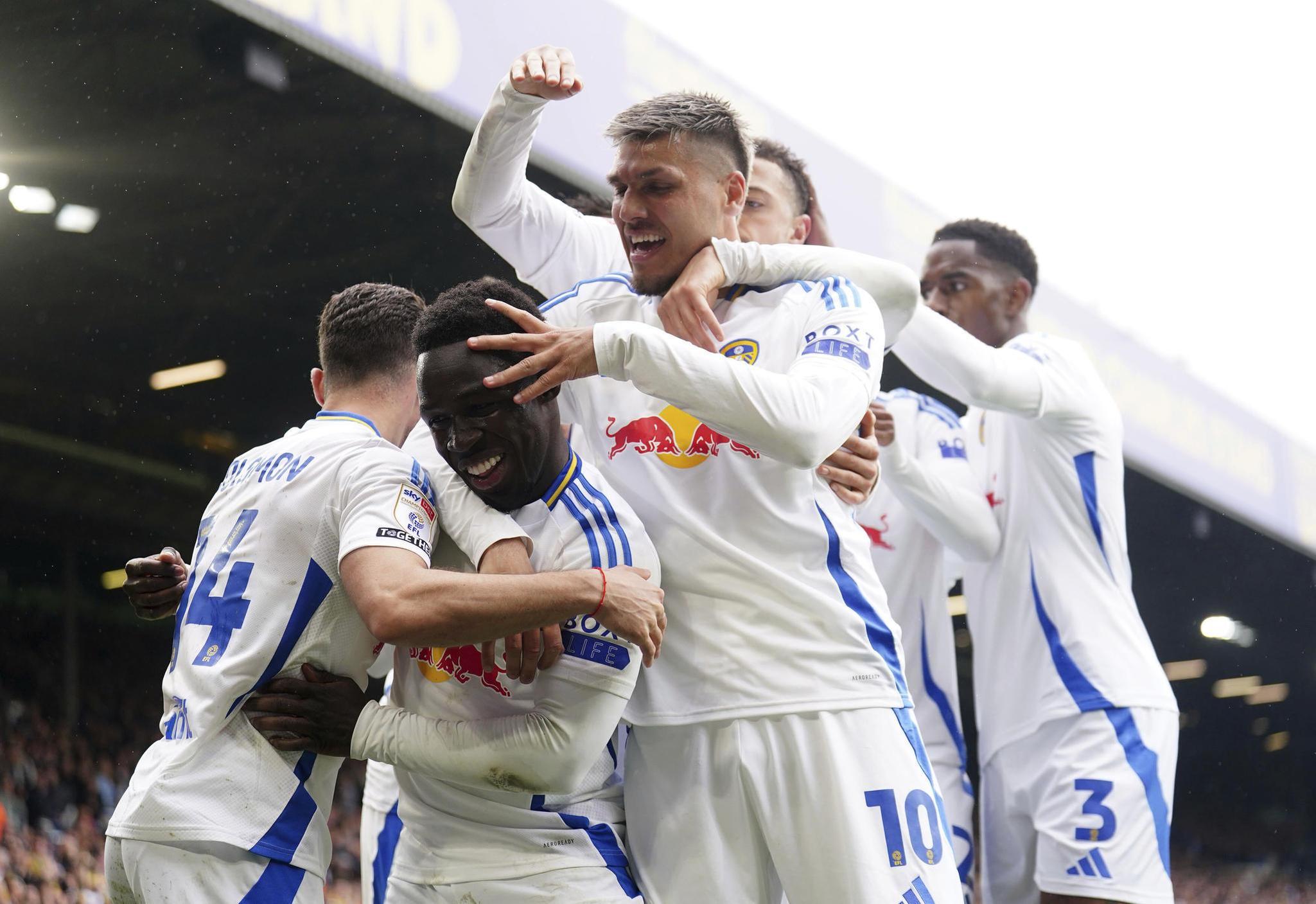
In 2018, Bielsa took the reigns at Leeds United, a historic English club that had been languishing in the second-tier Championship for 14 years. His arrival was met with a mix of excitement and skepticism, as critics doubted whether his demanding style could succeed in the grueling 46-game English Championship season. Bielsa immediately revolutionized the club, changing the players' diets, training schedules, and tactical understanding. He turned a mid-table squad into title contenders almost overnight, playing mesmerizing, fast-paced football.
The "Spygate" Controversy
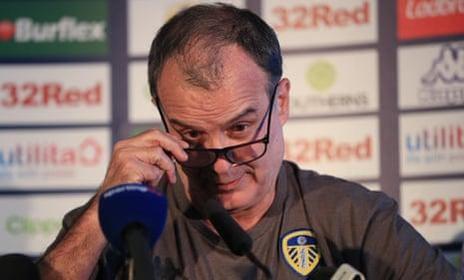
During his first season at Leeds, Bielsa found himself at the center of a major media storm known as "Spygate," after a member of his staff was caught observing a rival team's training session. Rather than deflecting blame, Bielsa held an extraordinary, impromptu 70-minute press conference. He presented a massive, highly detailed PowerPoint presentation showing the media how he meticulously analyzed every opponent, proving that the training session observation offered no unfair advantage because he already knew everything about them. This display of obsessive preparation stunned the footballing world.
Promotion to the Premier League
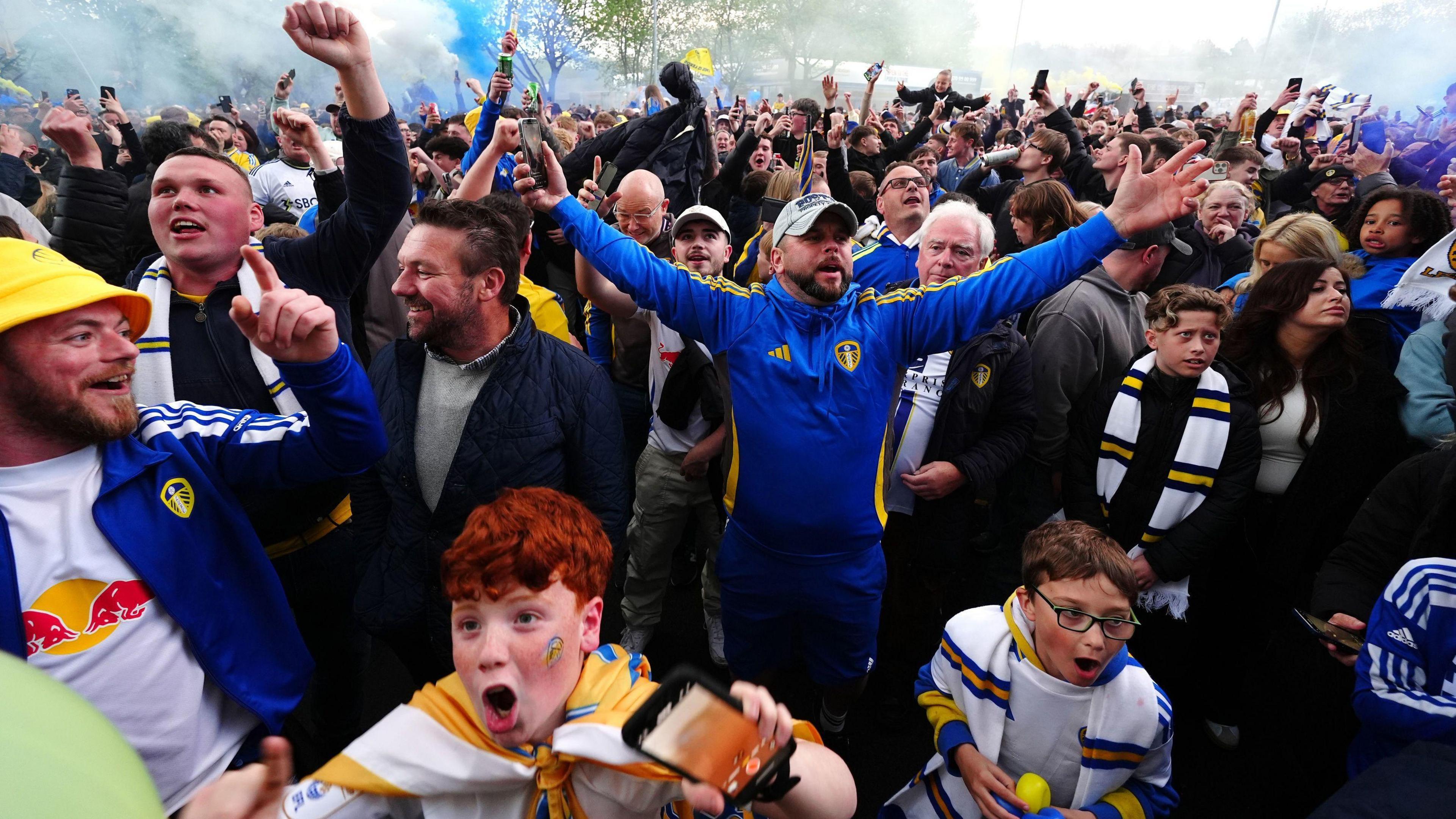
After narrowly missing out on promotion in his first year, Bielsa guided Leeds United to the Championship title in the 2019-2020 season, securing a historic return to the Premier League after a 16-year absence. The promotion triggered mass celebrations in the city of Leeds, where Bielsa had become a messianic figure. Fans adored his humility, his habit of walking to work from his modest flat, and his decision to pay a hefty club fine out of his own pocket. He had successfully revived a sleeping giant of English football.
Conquering the Premier League
In Leeds United's first season back in the English top flight, Bielsa refused to compromise his ultra-attacking style. Leeds went toe-to-toe with the league's elite, producing high-scoring thrillers against Manchester City, Liverpool, and Chelsea. His newly promoted team finished an incredible ninth in the Premier League, earning praise from pundits and rival managers alike for their breathless, entertaining style. Bielsa proved that his high-pressing, man-marking system could compete at the very highest level of club football.

The Emotional Farewell to Leeds
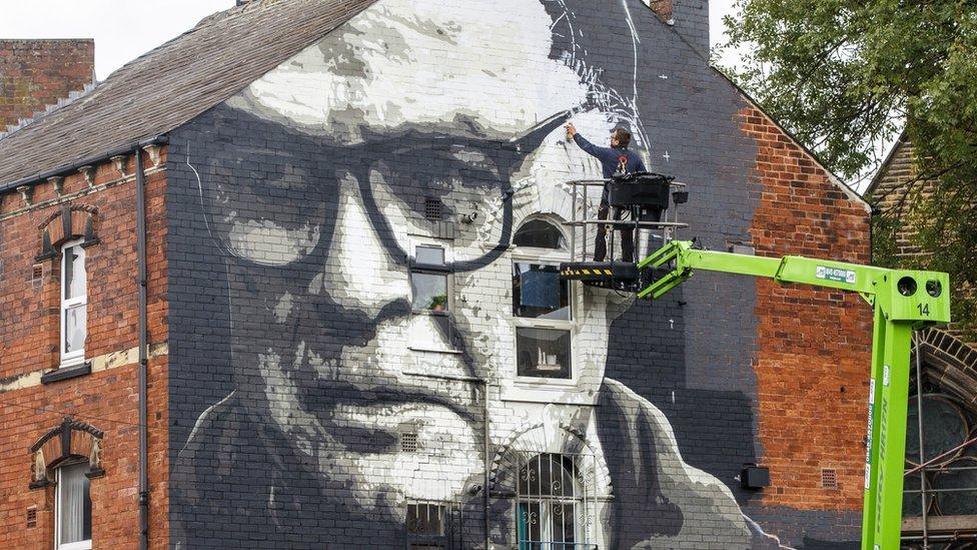
Bielsa's tenure at Leeds came to an end in February 2022 following a difficult run of results compounded by a severe injury crisis to key players. Despite his departure, the bond between Bielsa and the Leeds supporters remained unbroken. Fans took out full-page newspaper advertisements in Argentina to thank him, and murals of his face still decorate the city. His departure was marked by deep emotion, highlighting that his impact went far beyond tactical layouts; he had connected with the soul of the community.
Taking the Reins of Uruguay (2023–Present)
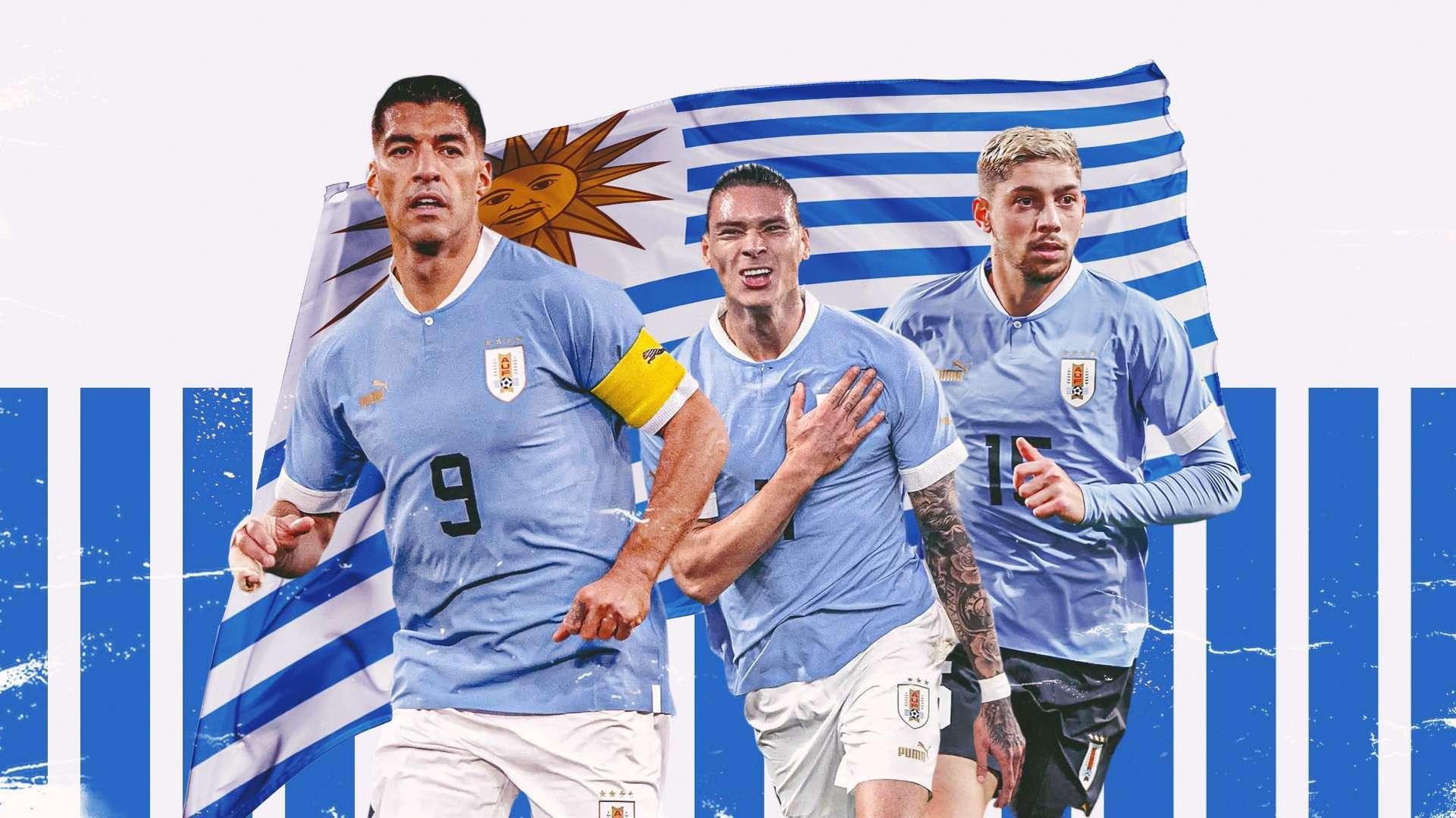
In May 2023, Bielsa returned to international football, being appointed as the head coach of the Uruguay national team. Charged with transitioning a historic squad away from aging legends toward a younger, dynamic generation, Bielsa quickly made his mark. His young Uruguay side, featuring stars like Federico Valverde and Darwin Núñez, adapted rapidly to his high-intensity pressing style. Early in his tenure, Bielsa secured historic qualification victories against South American giants Brazil and Argentina, proving his methods remain elite.
The Disciples of Bielsa
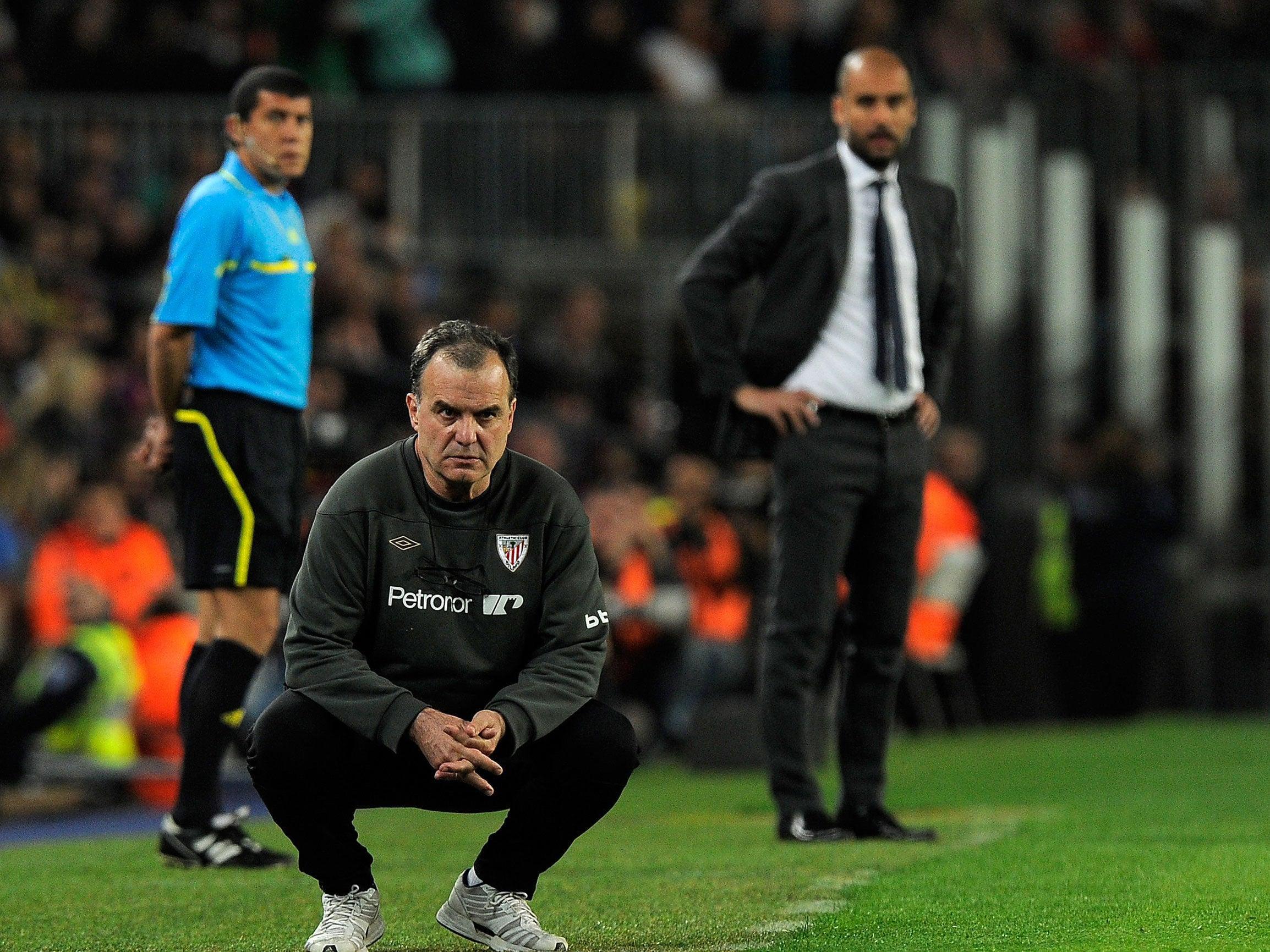
Bielsa's legacy is heavily amplified by the extraordinary success of his disciples. World-class managers like Pep Guardiola, Mauricio Pochettino, Diego Simeone, and Gerardo Martino have all cited Bielsa as a major influence on their coaching philosophies. Guardiola famously traveled to Argentina to seek Bielsa's advice before starting his managerial career, calling him "the best coach in the world." Bielsa's emphasis on building out from the back, fluid positional play, and intense counter-pressing serves as the foundation for modern elite football.
Critiques of Bielsismo: The Burnout Debate
Despite his brilliance, Bielsa’s methods are not without criticism. The most common critique of his system is the physical and mental toll it takes on players over time, often referred to as "Bielsa burnout." Because his teams run harder and press more intensely than almost any other side, they have occasionally suffered drop-offs in performance during the final months of long club seasons. Critics argue that his refusal to compromise or adopt a more conservative defensive style during tough periods can sometimes lead to heavy defeats.
The Enduring Legacy of an Icon
Ultimately, Marcelo Bielsa’s legacy cannot be measured in silverware alone. He is a romantic in a highly commercialized sport, a purist who views football as an art form and a means of bringing joy to working-class communities. His obsessive preparation, tactical innovations, and mentorship of legendary coaches have left an indelible mark on football history. Whether pacing on his touchline cooler or drawing up intricate training drills, "El Loco" remains one of the most respected, studied, and beloved figures the beautiful game has ever seen.
#Marcelo Bielsa#Tactical Analysis#Leeds United#Football Managers#Bielsismo#Soccer Strategy#Tactical Innovation#Argentine Football
Comments(0)
No comments yet. Be the first to share your thoughts!
Recommended Reads
 Kbeauty
Sep 22, 2026, 10:03 PM
Target Beauty Studio: How K-Beauty is Conquering the American Mass Market
On September 10, 2026, retail giant Target officially launched Target Beauty Stu...
 Skincare
Sep 21, 2026, 10:03 PM
How K-Beauty is Powering Global Ingredient Literacy and Redefining Skincare
In a major move for the global beauty industry, Korean-American cosmetics brand ...
 JayPark
Sep 20, 2026, 10:06 PM
Edmonds-Born K-Pop Pioneer Jay Park Set for Major Seattle Homecoming Concert
Edmonds-born K-pop and hip-hop pioneer Jay Park is returning to his roots for a ...
 BTS
BTSSep 19, 2026, 10:04 PM
The Triumph and Autonomy of BTS: Inside Their Historic 2026 Comeback and Bold Grammy Boycott
After a scheduled hiatus that began in late 2022, the global supergroup BTS has ...
 Fitness Gaming
Sep 3, 2026, 03:35 AM
VXROOM: Transforming Daily Workouts into Engaging Web-Based Motion Games
VXROOM (vxroom.com) is an innovative web-based int...
 Survival Show
Sep 1, 2026, 09:07 AM
Game of Blood X: The Evolution of Korea’s Fiercest Survival Reality Franchise
Wavve's hit original series Game of Blood ...