
박항서Jun 29, 2026, 09:18 AM• 90495 views
Park Hang-seo: The Football Maestro Who United Nations and Redefined Asian Football
Introduction to a Footballing Icon
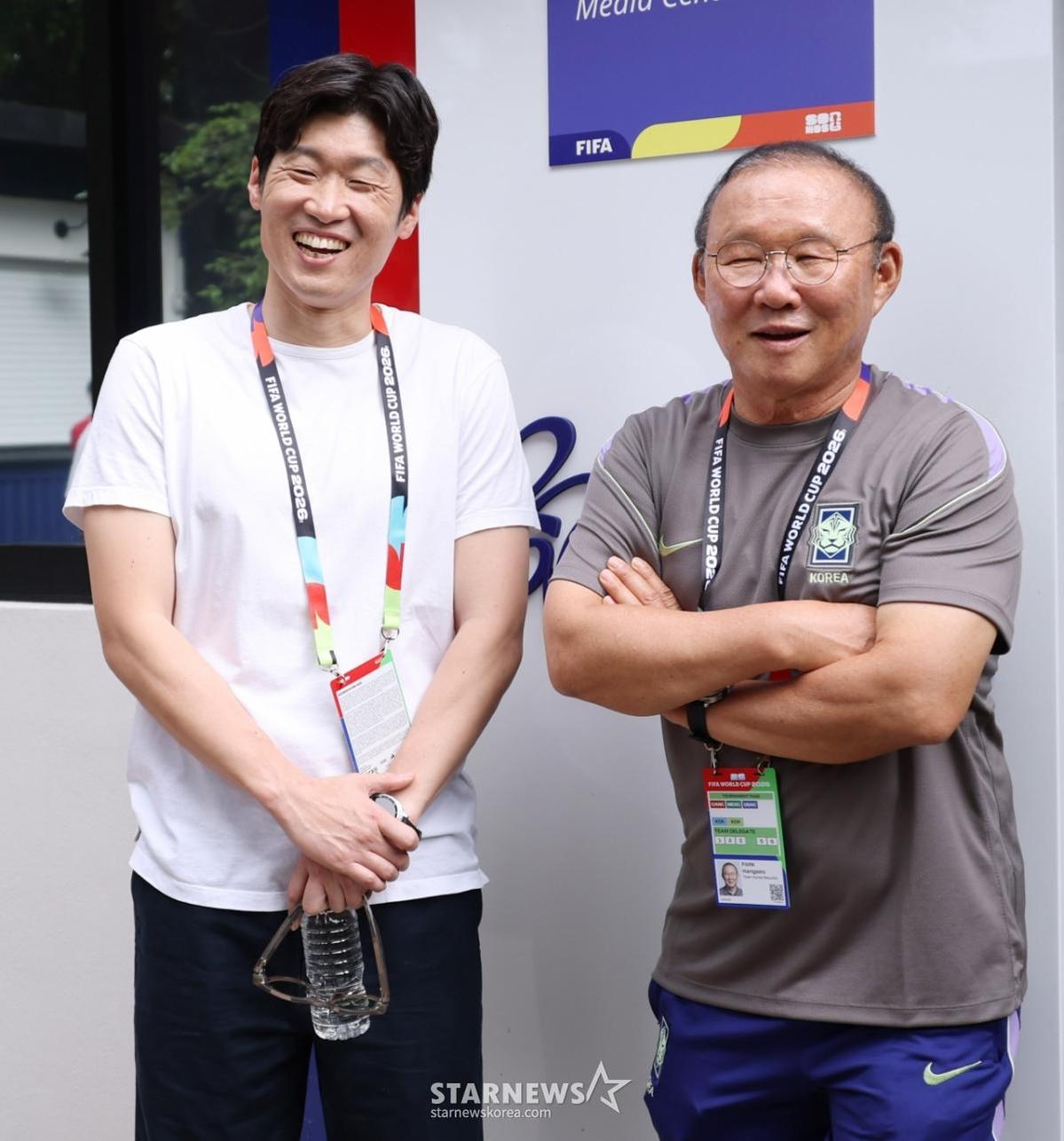
Park Hang-seo is a legendary South Korean football manager and former player whose extraordinary tenure as the head coach of the Vietnam national football team transformed him into a cultural phenomenon. Known affectionately as the 'Wizard' or 'Uncle Park' in Vietnam, his tactical brilliance, warm leadership, and historic achievements reshaped the landscape of Southeast Asian football. Before his historic stint in Vietnam, Park was already a highly respected figure in his native South Korea, having served as an instrumental assistant coach during the country's historic run to the semi-finals in the 2002 FIFA World Cup. His journey is a testament to resilience, showing how a veteran coach found his ultimate calling and global fame later in his career.
Early Life and Playing Career
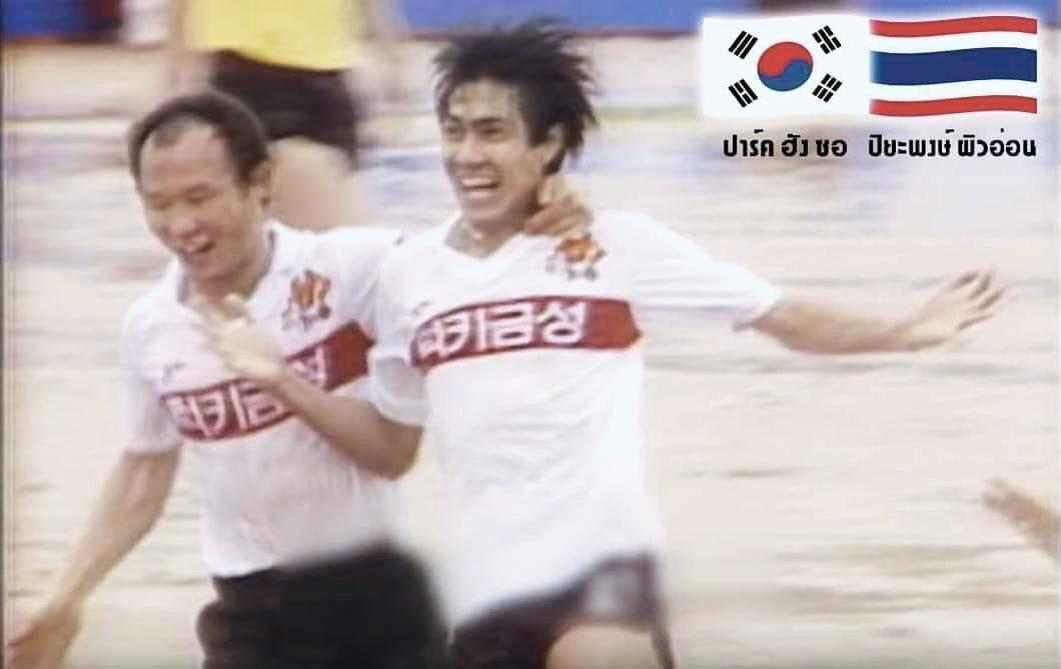
Born on January 4, 1957, in Sancheong County, South Gyeongsang Province, South Korea, Park Hang-seo began his football journey during his school years. He played as a midfielder, known for his relentless work rate, tactical discipline, and tenacity rather than flashy skills. Park played collegiate football for Hanyang University before transitioning to the semi-professional and professional ranks. He spent the peak of his playing career with Lucky-Goldstar Hwangso (now FC Seoul) from 1984 to 1988, where he made over 90 appearances, scored crucial goals, and helped the team secure the K League title in 1985. His experience on the pitch as a gritty midfielder deeply influenced his later philosophy on team discipline and collective work ethic.
Transition into Coaching
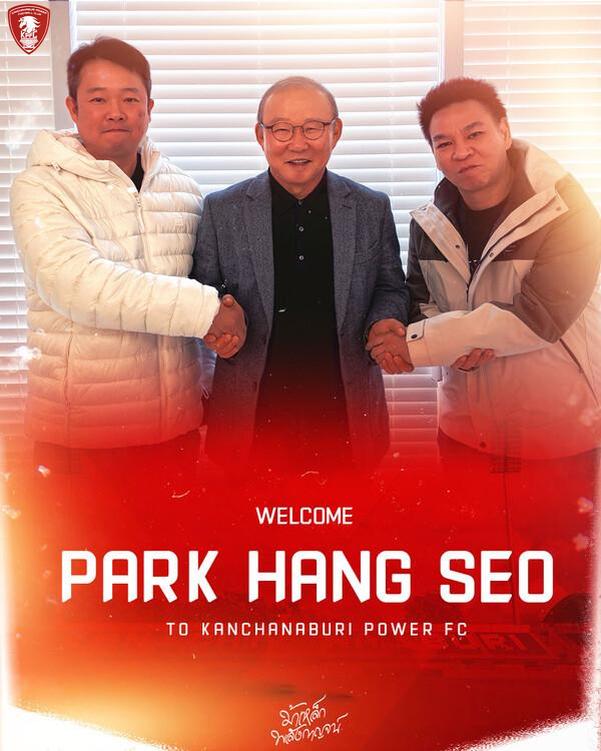
Following his retirement as a player in 1988, Park Hang-seo immediately transitioned into coaching, eager to apply his understanding of tactical discipline from the sidelines. He started as a trainer and assistant coach at Lucky-Goldstar Hwangso, learning the operational and psychological dynamics of managing a professional squad. Over the next decade, Park honed his craft by taking on assistant coaching positions at various K League clubs, including Suwon Samsung Bluewings. These early coaching years were formative, exposing him to different management styles, training methodologies, and the high-pressure environment of South Korean professional football, laying a solid foundation for his future endeavors.
The Golden Era of 2002
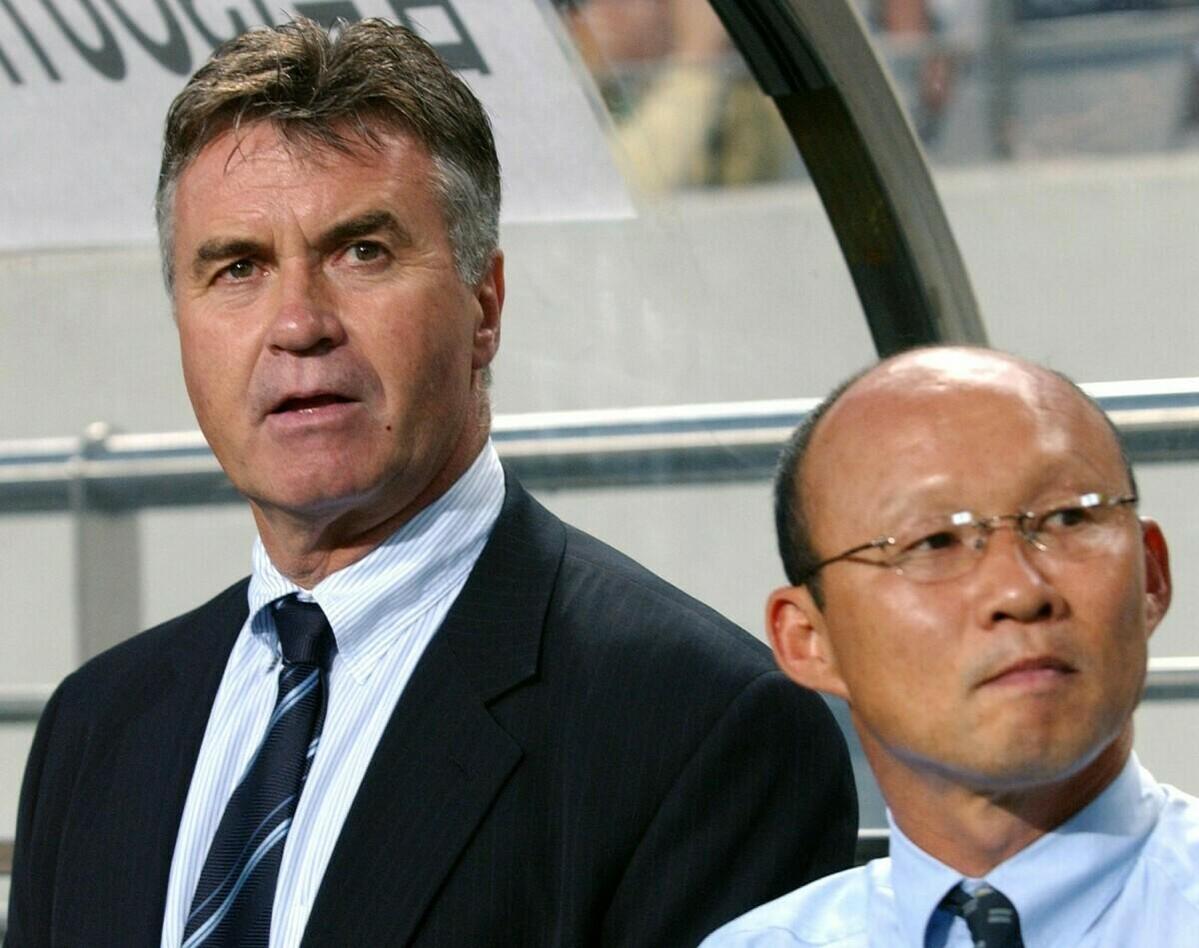
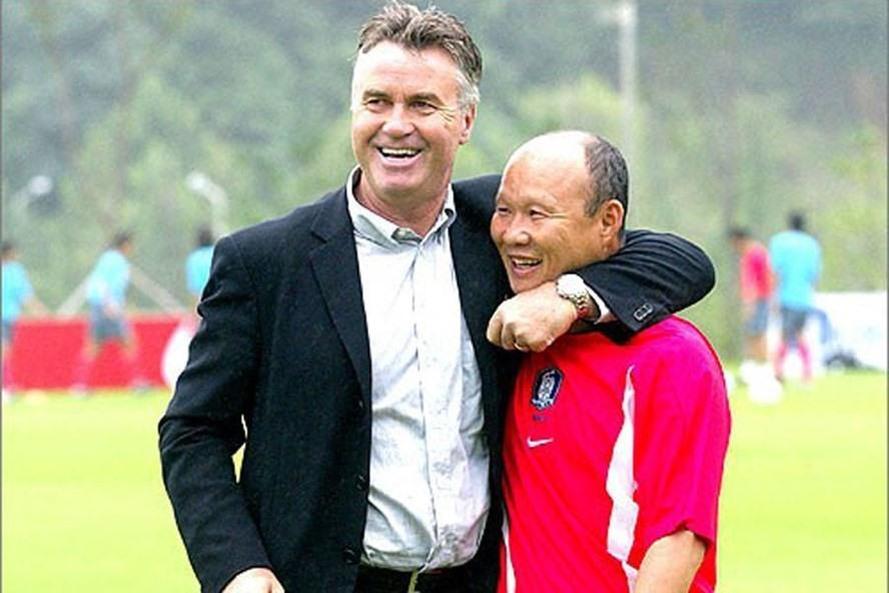
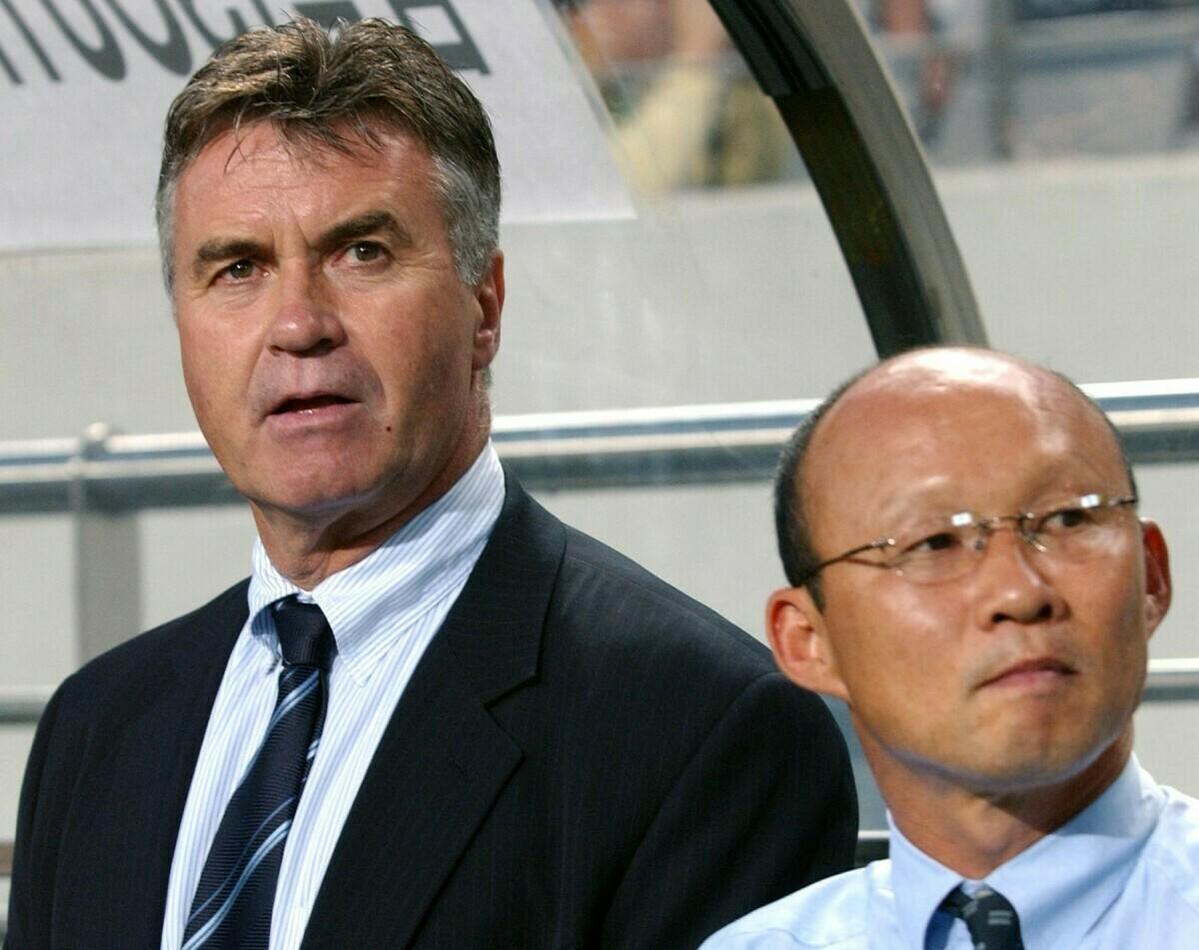
The most defining moment of Park's early coaching career came in 2000 when he was appointed as the assistant coach for the South Korean national team under the legendary Dutch manager Guus Hiddink. As Hiddink's right-hand man, Park played a vital role in bridge-building between the foreign coaching staff and the domestic players. His deep understanding of Korean football culture combined with Hiddink's revolutionary physical and tactical regimens culminated in South Korea's miraculous fourth-place finish at the 2002 FIFA World Cup. This historic achievement united the nation and thrust Park into the national spotlight, cementing his reputation as a top-tier tactical mind and player manager.
Lessons from a Master tactician
Working closely with Guus Hiddink profoundly shaped Park Hang-seo's managerial philosophy. He observed firsthand how Hiddink prioritized physical conditioning, psychological resilience, and strict meritocracy over senior status or reputation. Park learned the importance of scientific training, tactical flexibility, and, most importantly, how to build a family-like bond within the squad while maintaining professional boundaries. These core principles—stamina, mental strength, and tactical adaptability—became the hallmarks of Park’s subsequent teams, eventually serving as the blueprint for his unprecedented success on the international stage.
Post-2002 Challenges and setbacks
Despite the high of 2002, Park's immediate post-World Cup career was marked by significant challenges. He was appointed head coach of the South Korean Under-23 national team for the 2002 Asian Games in Busan. While he led the team to a bronze medal, the highly demanding Korean public and football association viewed the result as a disappointment, leading to his dismissal. This setback was a harsh reminder of the volatile nature of football management, forcing Park to rebuild his career away from the national spotlight and return to the daily grind of domestic club football.
Navigating the K League Circuit
Park Hang-seo spent the next decade managing several K League clubs, demonstrating his capability to build competitive teams with limited resources. He took charge of Gyeongnam FC in 2005, guiding the newly formed club to an impressive fourth-place finish in 2007. He later managed Chunnam Dragons, Sangju Sangmu (the military sports unit), and Changwon City. While he did not win major league titles during this period, he earned a reputation as a pragmatic manager who could maximize player potential, instill discipline, and organize highly resilient defensive units—skills that would soon prove invaluable.
The Call from Vietnam
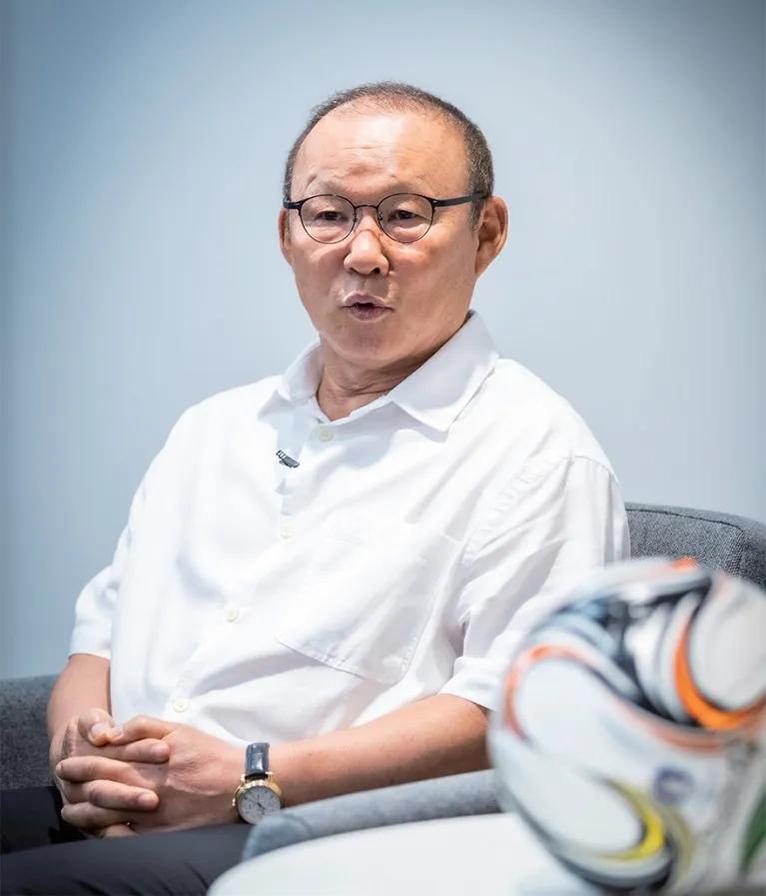
In late 2017, Park Hang-seo made the bold decision to move abroad, accepting an offer to become the head coach of both the senior and Under-23 national football teams of Vietnam. At the time, Vietnamese football was experiencing a slump, plagued by a lack of international success, low player confidence, and skepticism from local media. Park's appointment was initially met with moderate enthusiasm, as many questioned whether an older coach whose career had plateaued in Korea's lower divisions could revitalize a struggling Southeast Asian football program. However, Park was determined to prove his critics wrong.
The Miracle of Changzhou
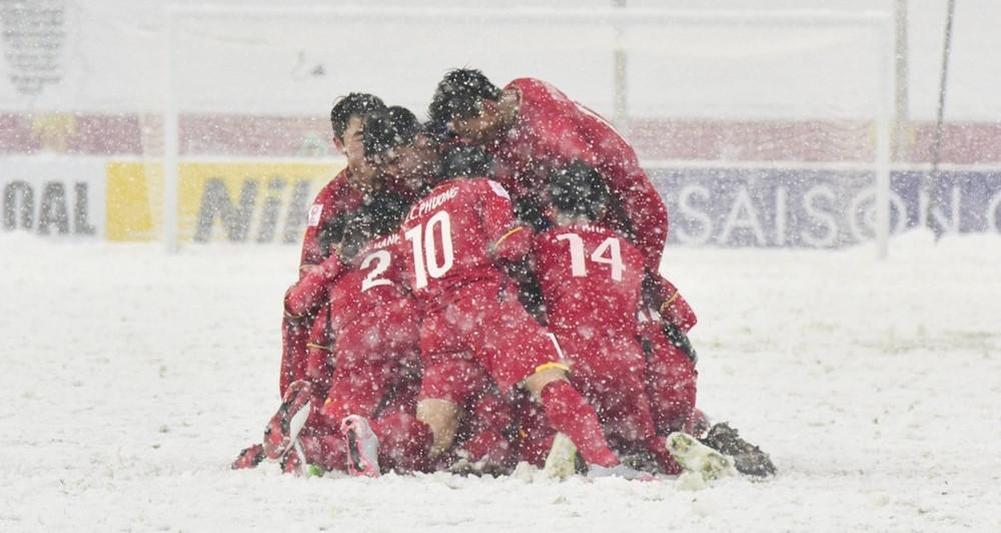
Park Hang-seo's legendary status in Vietnam began to take shape in January 2018 during the AFC U-23 Championship in Changzhou, China. Against all odds, Park led the unfancied Vietnamese U-23 squad through a sensational tournament, defeating heavyweights like Australia, Iraq, and Qatar to reach the final. Although they narrowly lost to Uzbekistan in a dramatic, snow-covered final, the team's heroic performance captured the hearts of millions. This run, dubbed the 'Miracle of Changzhou,' triggered unprecedented national celebrations in Vietnam and established Park as an instant national hero.
Sustained Success at the 2018 Asian Games
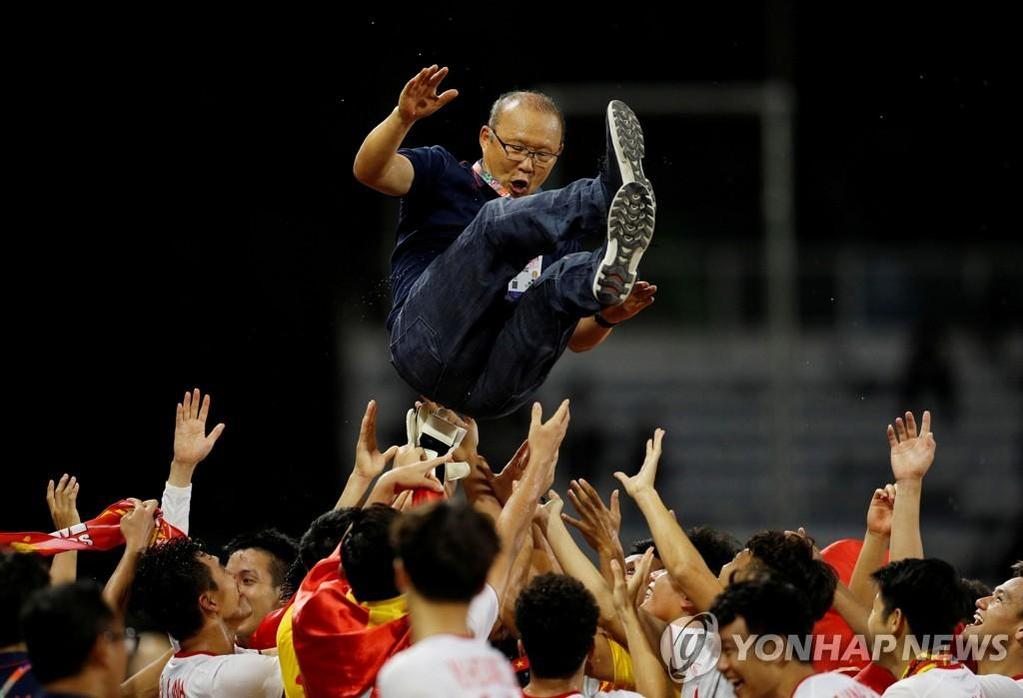
Skeptics who dismissed the Changzhou run as a fluke were quickly silenced during the 2018 Asian Games in Jakarta. Under Park's guidance, the Vietnamese Olympic team advanced to the semi-finals for the first time in their history, defeating formidable opponents along the way. Although they missed out on a medal, finishing fourth, the consistency and composure shown by the players proved that Vietnamese football had made a massive leap forward under Park’s leadership. The team's organized defense and lethal counter-attacks became widely recognized across the continent.
Conquering Southeast Asia: The 2018 Suzuki Cup
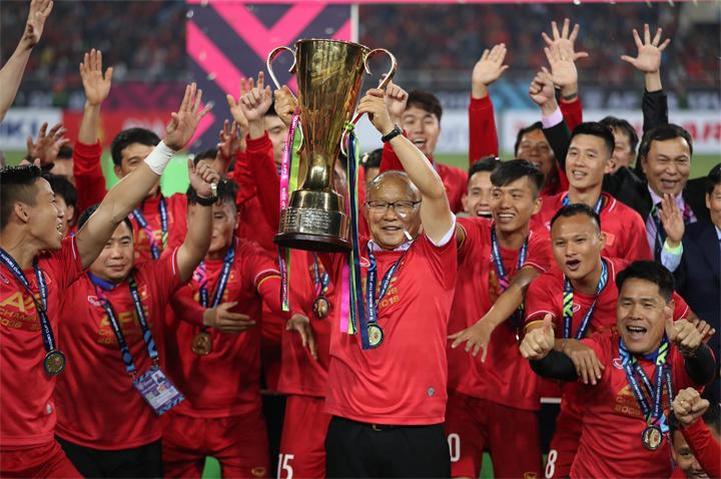
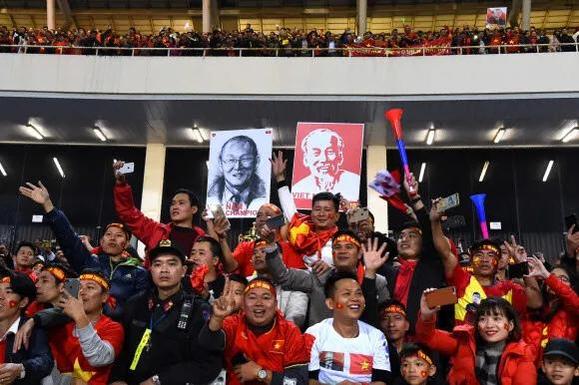
The pinnacle of Park Hang-seo’s early tenure came in December 2018, when he guided the senior Vietnam national team to victory in the AFF Championship (Suzuki Cup). Vietnam defeated Malaysia in a thrilling two-legged final to lift the trophy for the first time in ten years. The tournament showcased Park's tactical masterclass, as Vietnam remained undefeated throughout the competition, conceding very few goals. The triumph sent the entire country into a frenzy of celebration, with fans pouring into the streets waving national flags, chanting Park's name, and solidifying his status as a legendary figure.
Shattering Boundaries on the Continental Stage
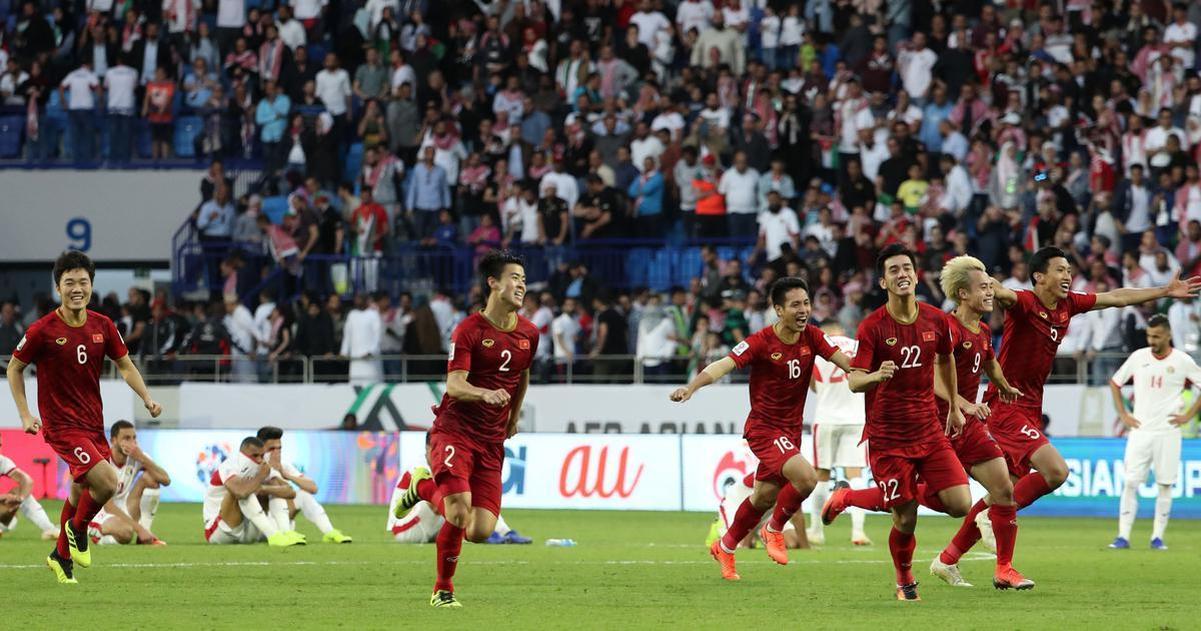
In 2019, Park continued to push the boundaries of Vietnamese football. At the AFC Asian Cup in the United Arab Emirates, Vietnam defied expectations by advancing to the quarter-finals, matches where they stood toe-to-toe with continental powerhouses like Japan and Jordan. This impressive performance proved that Vietnam was no longer just a regional force in Southeast Asia, but a highly competitive squad capable of challenging the elite nations of Asian football, bringing immense pride to their passionate fan base.
Breaking the SEA Games Hoodoo
For decades, gold at the Southeast Asian (SEA) Games had eluded Vietnam's men's football team, representing a major psychological barrier. Park Hang-seo broke this curse at the 2019 SEA Games in the Philippines, guiding the U-22 team to a dominant gold medal finish. He repeated this spectacular feat in 2021 on home soil in Hanoi, securing back-to-back gold medals. These victories cemented Vietnam's absolute dominance in Southeast Asian regional football and fulfilled a long-held dream for generations of Vietnamese football enthusiasts.
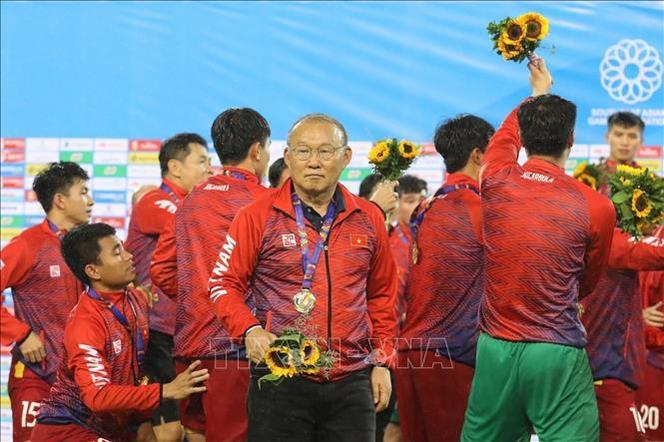
Historic World Cup Qualifying Campaign
Under Park's guidance, Vietnam achieved another historic milestone by qualifying for the final round of the Asian Qualifiers for the 2022 FIFA World Cup for the first time in their history. Competing in a group against Asia's elite teams, including Japan, Saudi Arabia, and Australia, Vietnam demonstrated great resilience. They secured a historic 3-1 victory over rivals China on Lunar New Year's Day and a commendable draw against Japan away from home, earning widespread respect across the international football community.
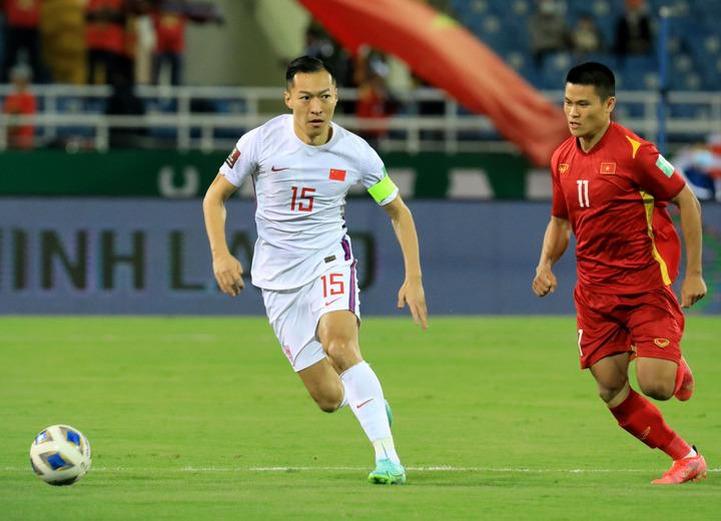
Tactical Mastery and the Three-Back System
Park Hang-seo's success was built on a solid tactical foundation. Recognizing the physical limitations of Vietnamese players compared to larger opponents, he implemented a highly disciplined, compact 3-4-3 system that quickly transitioned into a 5-4-1 formation during defensive phases. This tactical approach minimized space for opponents, utilized rapid counter-attacks, and maximized the speed and agility of his players. Park’s meticulous preparation, video analysis, and ability to make game-changing substitutions earned him high praise from tactical analysts worldwide.
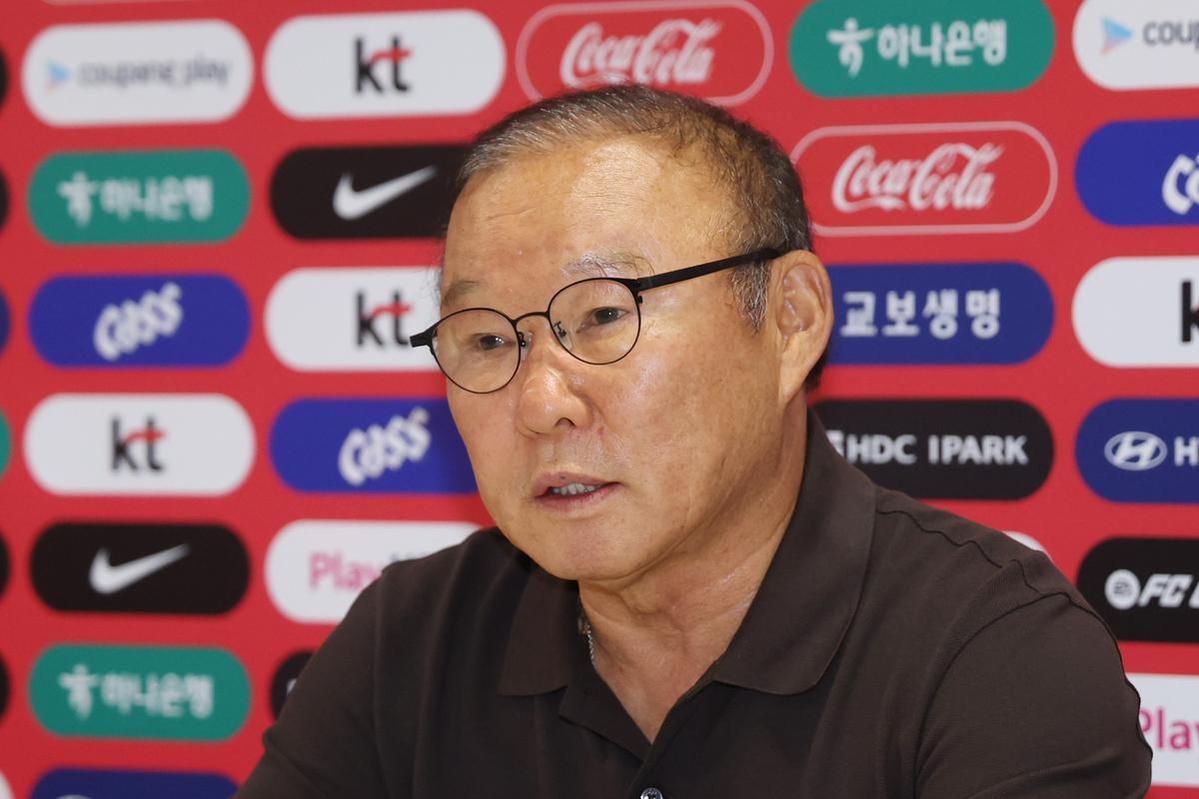
'Daddy Leadership' and Psychological Management
Beyond his tactical acumen, Park was renowned for his unique leadership style, often described as 'Daddy Leadership.' He treated his players like his own children, prioritizing their physical health, nutrition, and mental well-being. From giving up his business class seat to injured players to personally massaging a player's feet, his warm, empathetic approach created an incredibly strong family-like bond within the squad. This deep emotional connection motivated the players to fight relentlessly for their coach and country on the pitch.
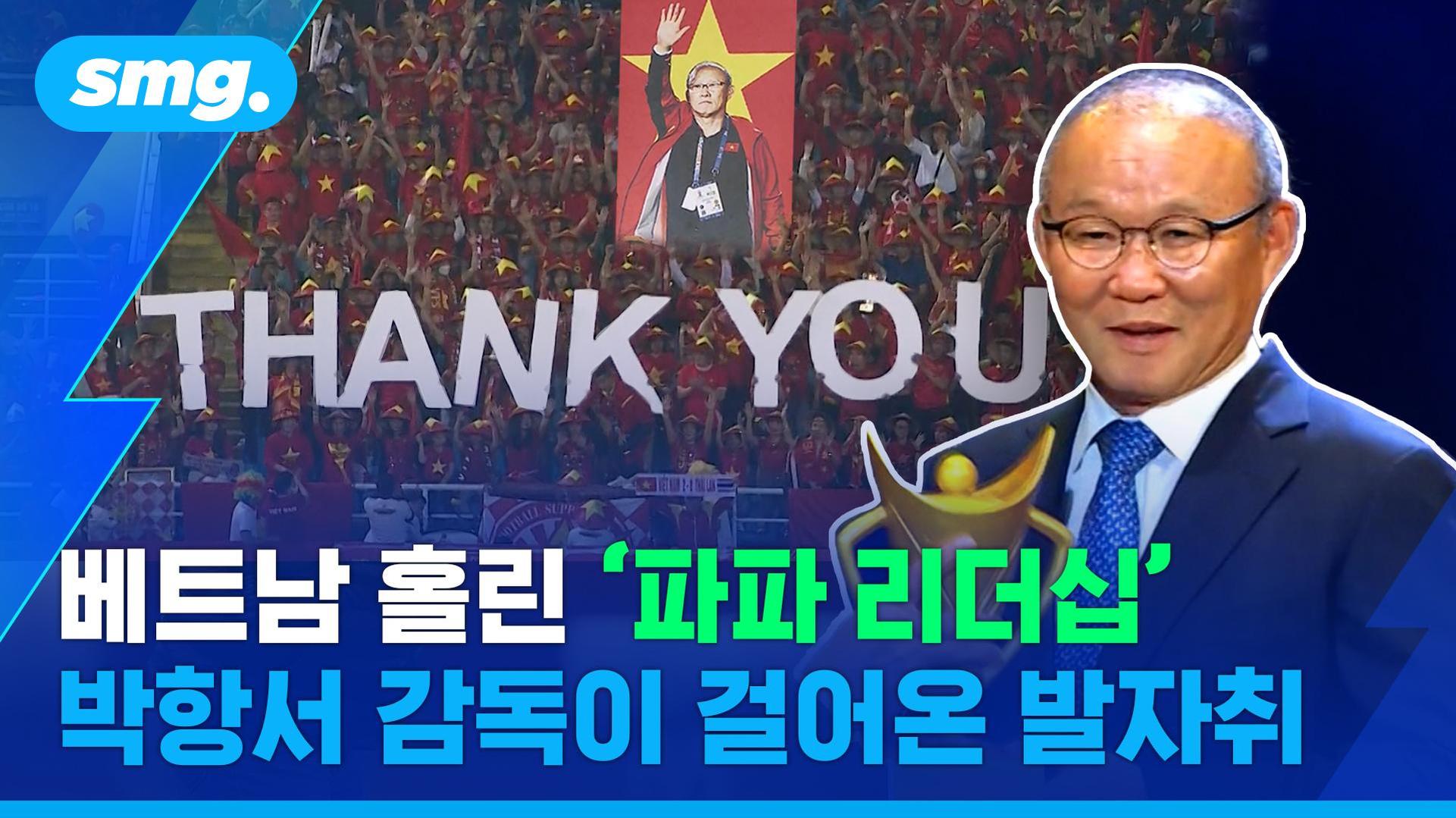
Diplomatic and Economic Catalyst
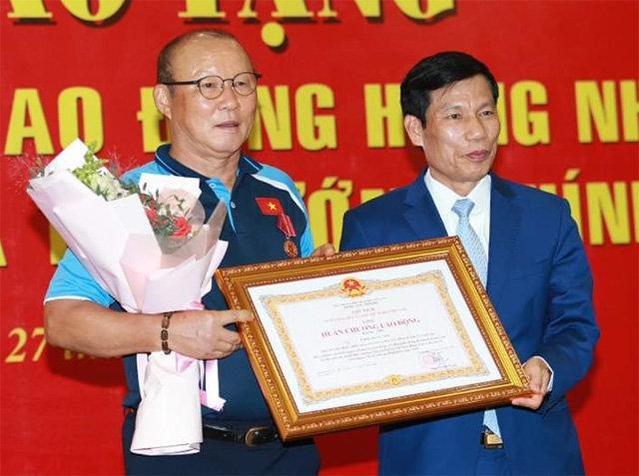
Park Hang-seo's impact extended far beyond the football pitch, acting as a powerful catalyst for diplomatic and economic relations between South Korea and Vietnam. He became an unofficial ambassador, fostering immense goodwill and bringing the two nations closer together. His success boosted the popularity of Korean brands, tourism, and cultural exchange in Vietnam, while also turning Vietnam into a favorite destination for South Koreans. Government officials from both nations frequently recognized Park's invaluable contributions to bilateral relations.
An Emotional Farewell
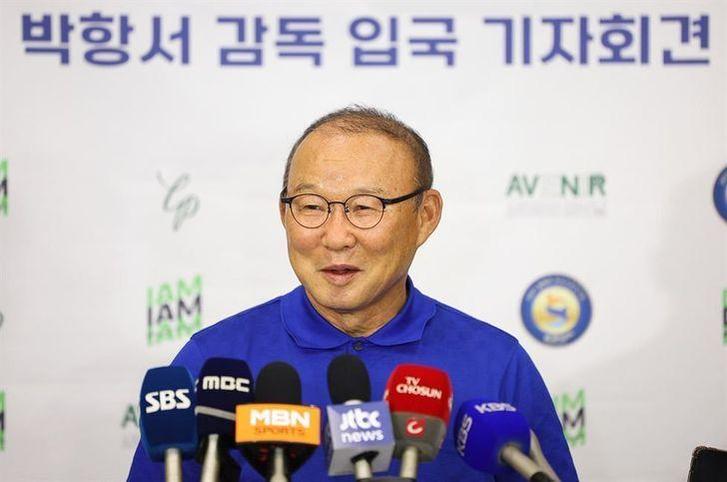
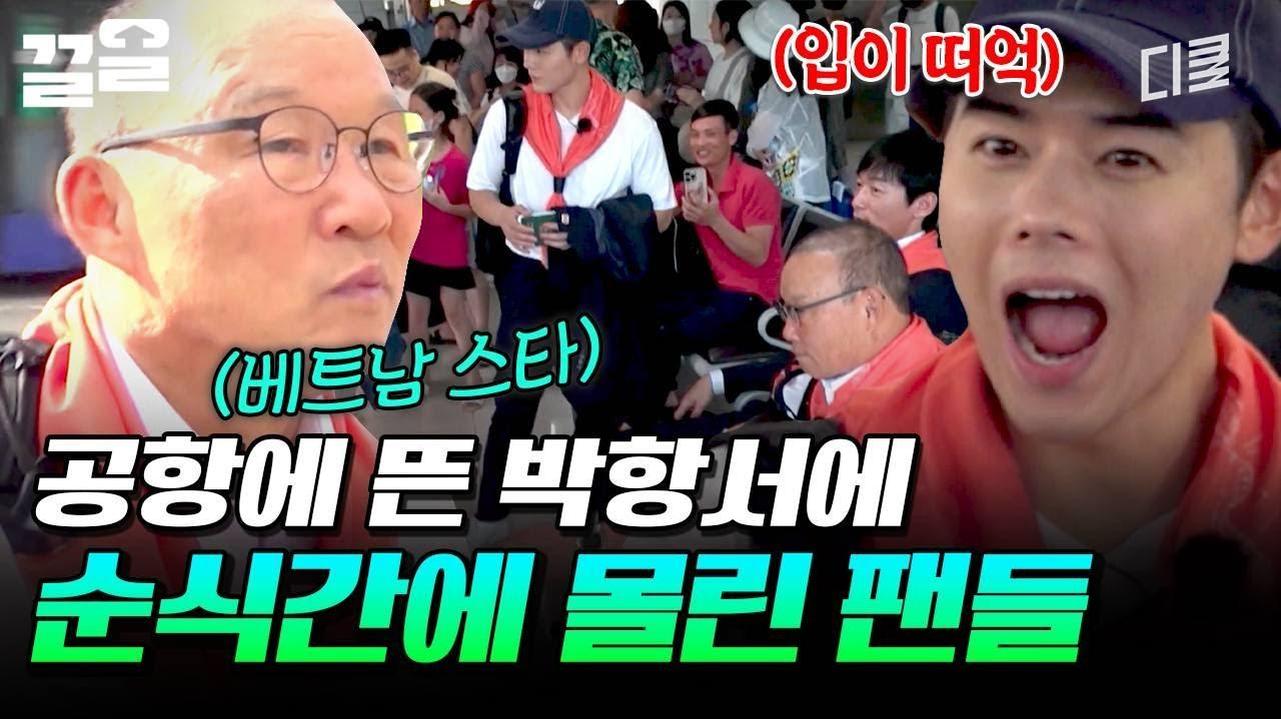
In late 2022, Park Hang-seo announced that he would step down as the head coach of the Vietnam national team after the conclusion of the 2022 AFF Championship. His final tournament ended with a runner-up finish, capping off an extraordinary five-year journey. His departure was deeply emotional, marked by heartfelt tributes from millions of fans, players, and government officials across Vietnam. Park expressed his deep gratitude to the country, stating that Vietnam would always remain his second home and that the love he received was far beyond what he deserved.
Life After the Vietnamese National Team
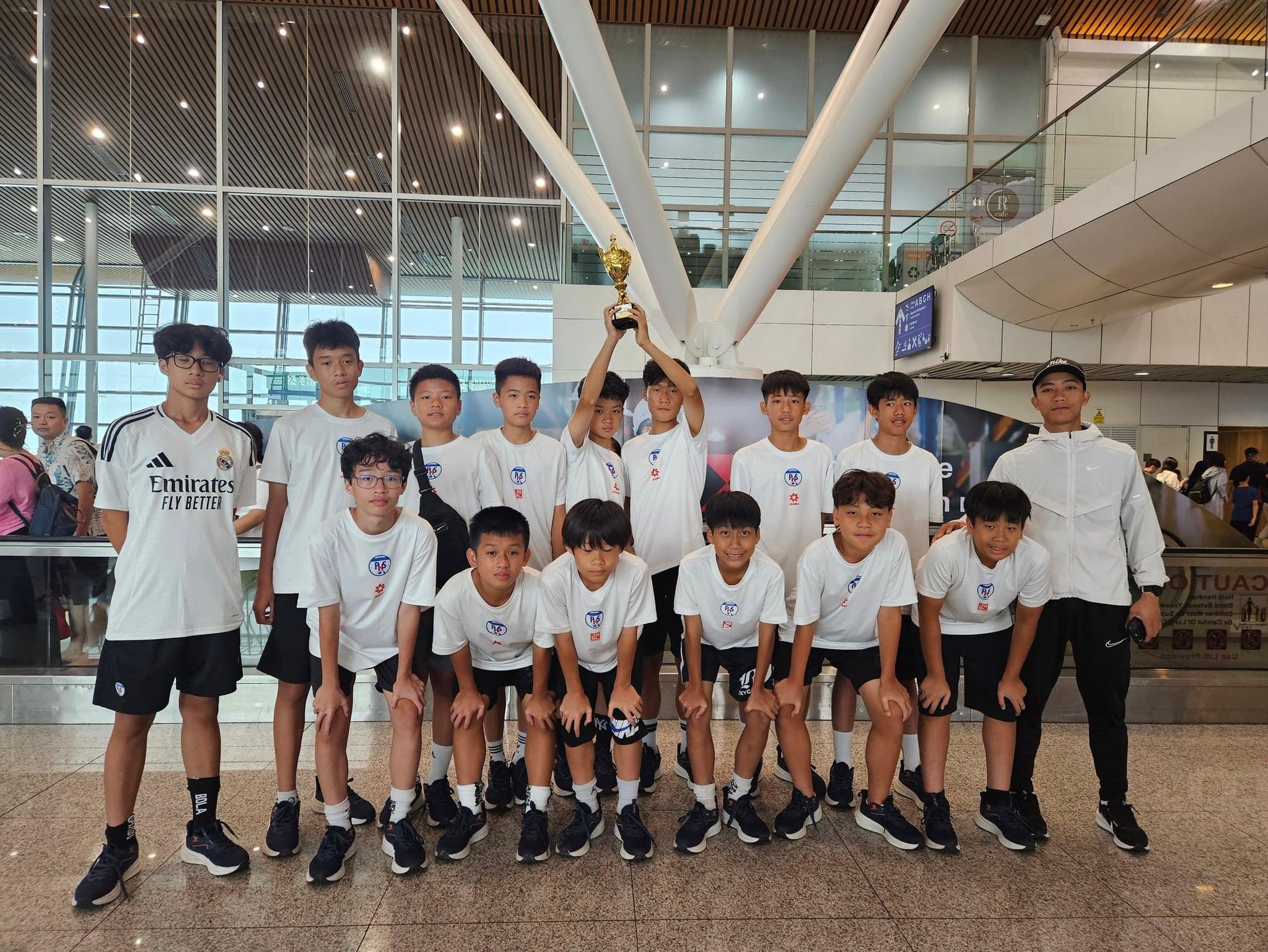
Following his departure from the national team, Park Hang-seo has remained active in the football community. He launched youth football academies in Vietnam to discover and nurture the next generation of talent, showing his continued commitment to the development of Vietnamese sports. He also takes on advisory roles, participates in charitable initiatives, and remains a sought-after figure for public speaking, advertisements, and diplomatic events, maintaining his strong connection to the people of both South Korea and Vietnam.
The Enduring Legacy of Park Hang-seo
Park Hang-seo’s legacy is defined by his ability to inspire hope, break barriers, and unite people through the power of sport. He elevated Vietnamese football to unprecedented heights, instilling a winning mentality and self-belief in a generation of athletes. His story is a powerful reminder that leadership, empathy, and tactical clarity can overcome physical and structural limitations. Park Hang-seo will forever be remembered as a pioneer who bridged cultures, rewrote football history, and secured an immortal place in the hearts of sports fans across Asia.
#Park Hang-seo#Vietnam National Football Team#South Korean Football Coach#Guus Hiddink#Southeast Asian Football#AFF Championship#Korean Wave#Football Diplomacy
Comments(0)
No comments yet. Be the first to share your thoughts!
Recommended Reads
 Kbeauty
Sep 22, 2026, 10:03 PM
Target Beauty Studio: How K-Beauty is Conquering the American Mass Market
On September 10, 2026, retail giant Target officially launched Target Beauty Stu...
 Skincare
Sep 21, 2026, 10:03 PM
How K-Beauty is Powering Global Ingredient Literacy and Redefining Skincare
In a major move for the global beauty industry, Korean-American cosmetics brand ...
 JayPark
Sep 20, 2026, 10:06 PM
Edmonds-Born K-Pop Pioneer Jay Park Set for Major Seattle Homecoming Concert
Edmonds-born K-pop and hip-hop pioneer Jay Park is returning to his roots for a ...
 BTS
BTSSep 19, 2026, 10:04 PM
The Triumph and Autonomy of BTS: Inside Their Historic 2026 Comeback and Bold Grammy Boycott
After a scheduled hiatus that began in late 2022, the global supergroup BTS has ...
 Fitness Gaming
Sep 3, 2026, 03:35 AM
VXROOM: Transforming Daily Workouts into Engaging Web-Based Motion Games
VXROOM (vxroom.com) is an innovative web-based int...
 Survival Show
Sep 1, 2026, 09:07 AM
Game of Blood X: The Evolution of Korea’s Fiercest Survival Reality Franchise
Wavve's hit original series Game of Blood ...