
바그너Jun 29, 2026, 02:53 AM• 90883 views
The Legacy of Richard Wagner: Music, Myth, and Controversy
Introduction to Richard Wagner
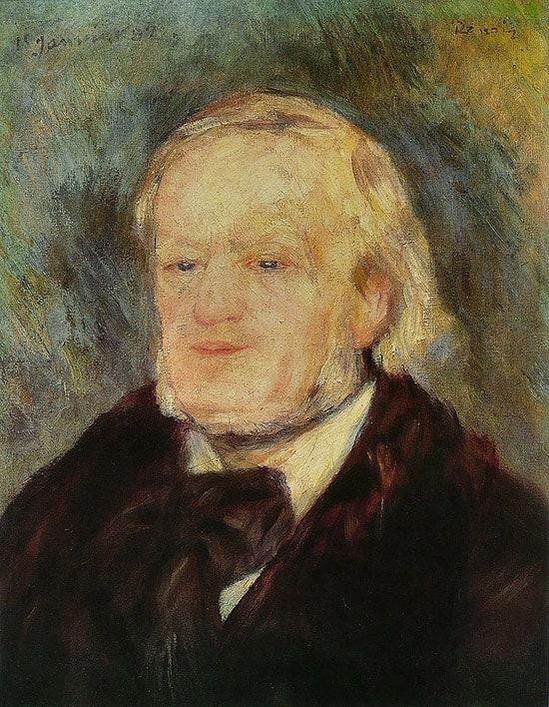
Richard Wagner stands as one of the most influential, revolutionary, and deeply controversial figures in the history of Western classical music. Born in 1813 in Leipzig, Germany, he transformed opera into a unified total work of art, fundamentally altering the course of composition, orchestration, and dramatic theory. His complex compositions, marked by extreme chromaticism and shifting tonal centers, laid the groundwork for modern 20th-century music. However, his artistic brilliance is forever coupled with his controversial political views, virulent antisemitism, and subsequent adoption as a cultural symbol by the Nazi regime. Understanding Wagner requires a careful examination of both his monumental musical achievements and the dark shadow of his ideological legacy.
Early Life and Influences
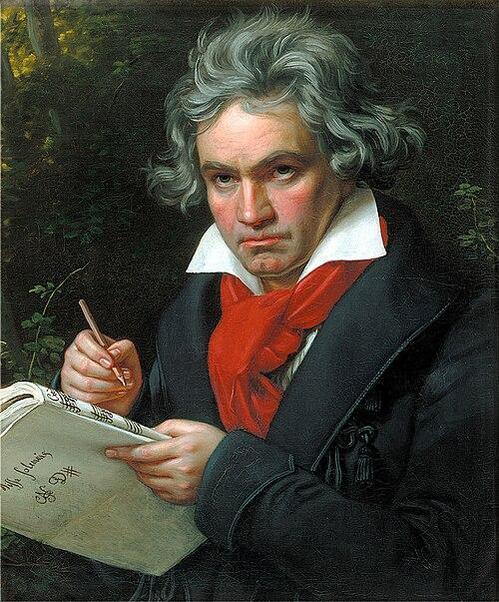
Wagner's early years were marked by instability and a passion for literature and theatre. Growing up in a theatrical family, he was deeply inspired by the plays of William Shakespeare and Johann Wolfgang von Goethe, as well as the symphonic power of Ludwig van Beethoven. His early attempts at composition were largely self-taught, reflecting a frantic energy to master musical structure. After enrolling at Leipzig University, he began composing his first symphonies and operas, which, though heavily derivative of Carl Maria von Weber, demonstrated his innate dramatic sensibilities and a relentless ambition to redefine the theatrical experience.
The Dresden Years and Early Success
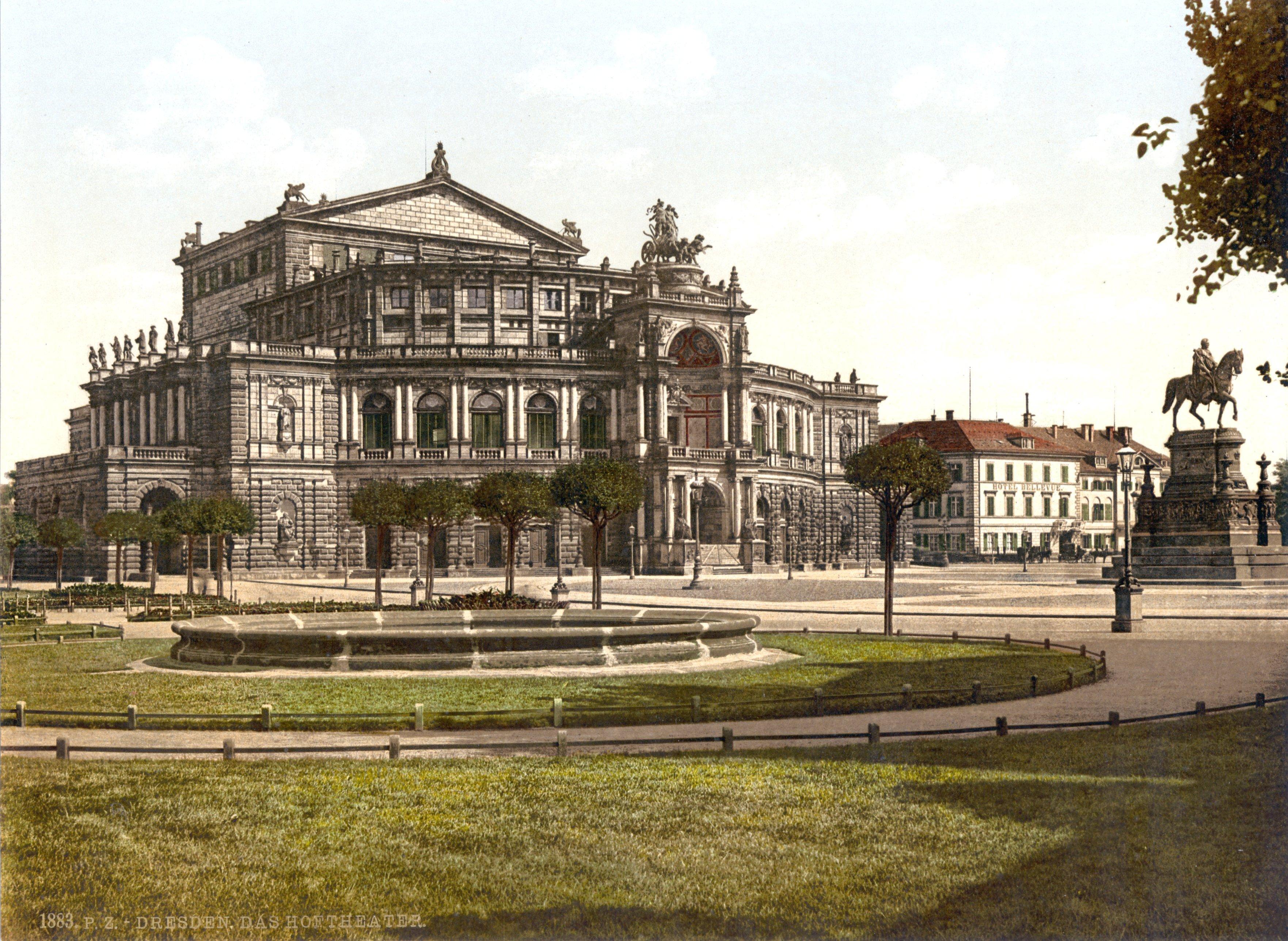
The early 1840s brought Wagner his first taste of critical success with the production of his grand opera Rienzi and the romantic opera The Flying Dutchman in Dresden. These works began to showcase his departure from standard Italian and French operatic conventions, leaning heavily into German romantic mythology and continuous dramatic flow. Appointed as the Royal Saxon Court Conductor in Dresden, he secured a prestigious position that allowed him to conduct major works and hone his orchestral techniques. Despite this professional security, Wagner grew increasingly frustrated with the conservative artistic institutions of his time, fueling his desire for systemic revolution.
Revolutionary Activities and Exile
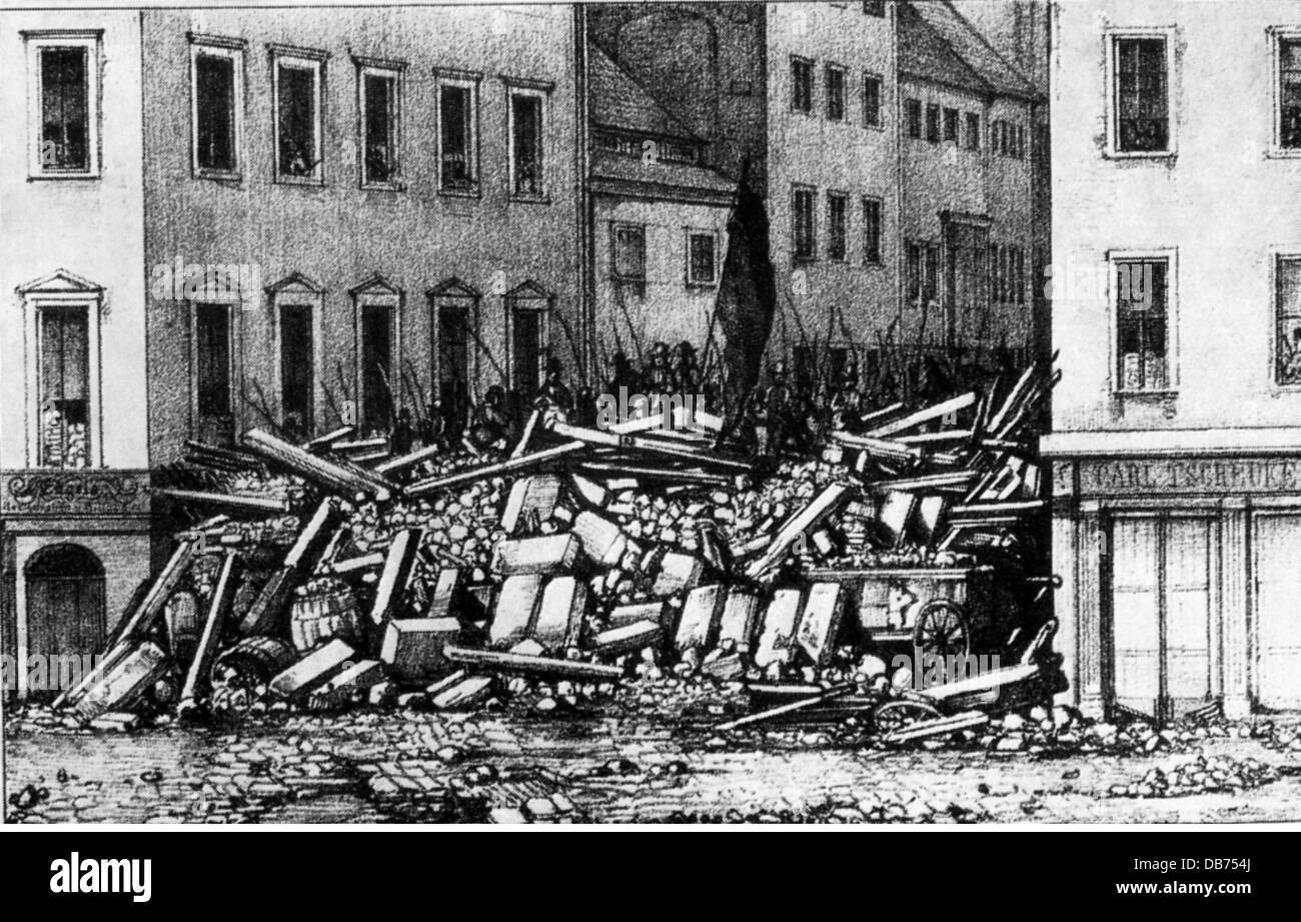
Wagner's political radicalism culminated in his active participation in the failed Dresden uprising of May 1849. Associated with anarchists like Mikhail Bakunin, Wagner helped distribute revolutionary pamphlets and allegedly stood watch on the barricades. When the rebellion was crushed by Prussian troops, warrants were issued for his arrest, forcing him to flee Germany. He spent the next twelve years in exile, primarily in Switzerland. This period of forced isolation proved to be highly creative, as he turned away from active conducting to write extensive theoretical essays that would define his future masterpieces.
The Concept of Gesamtkunstwerk
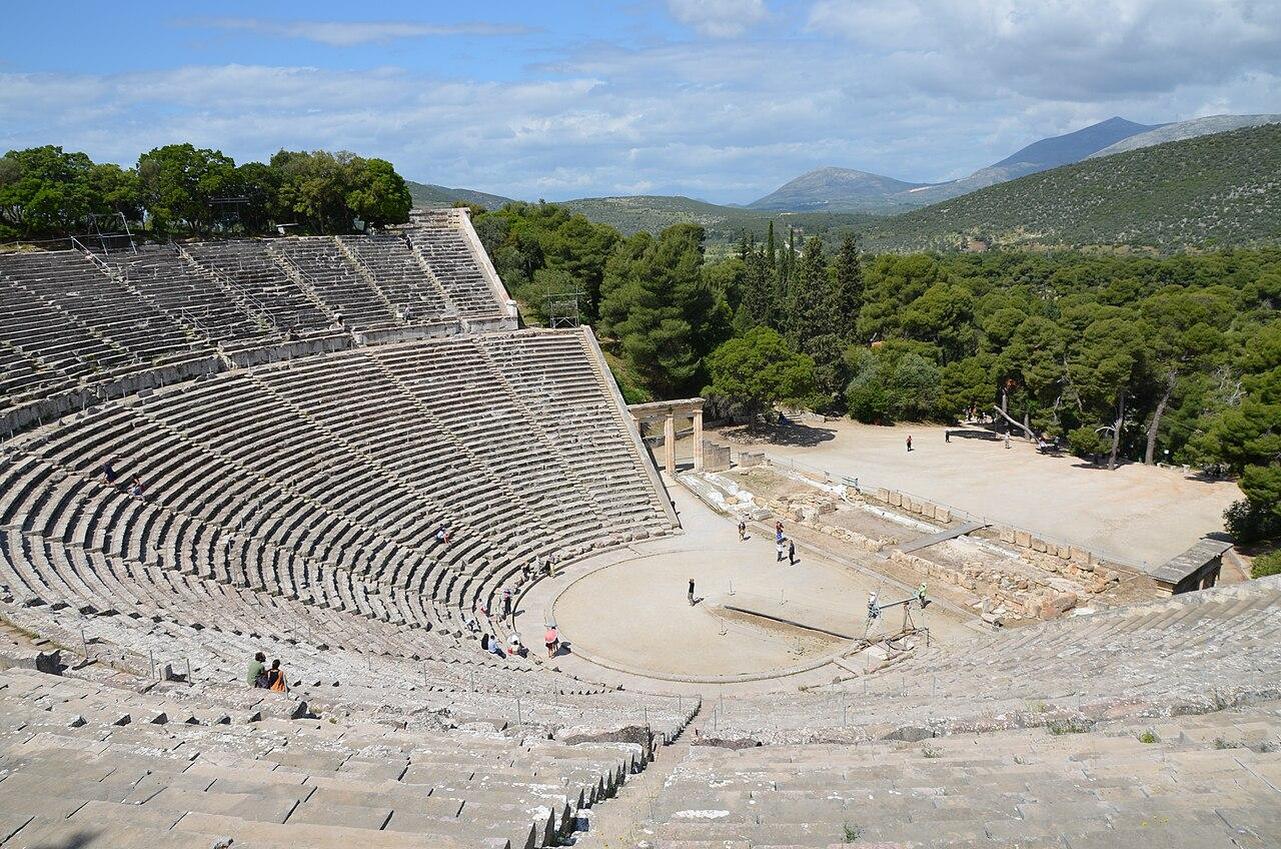
During his exile in Zurich, Wagner formulated his most famous theoretical concept: the Gesamtkunstwerk, or 'total work of art.' He argued that ancient Greek drama had been fractured over the centuries, separating poetry, music, dance, and visual art into isolated disciplines. Wagner sought to reunify these elements into a single cohesive dramatic medium where no single art form took precedence over another. In his vision, the orchestra would provide the emotional subtext, the poetry would deliver the narrative, and the stage design would establish the physical reality, creating a deeply immersive sensory experience.
The Reform of Opera into Music Drama
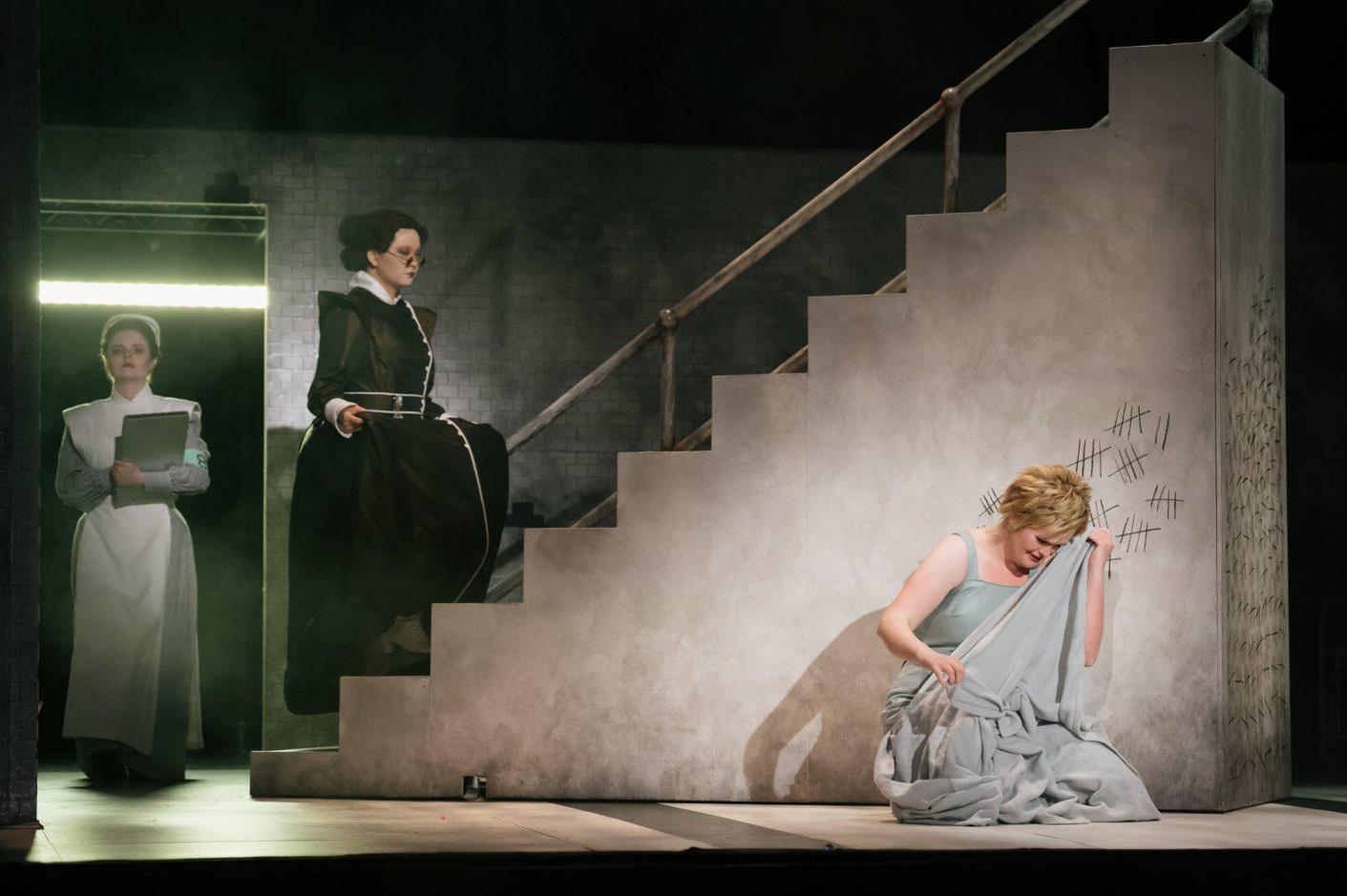
To achieve his artistic vision, Wagner rejected the traditional term 'opera' in favor of 'music drama.' He abolished the conventional division of opera into separate, self-contained numbers like arias, duets, and recitatives, which he believed interrupted the dramatic flow for the sake of vocal showmanship. Instead, he introduced 'endless melody' (unendliche Melodie), where the music flowed continuously from the beginning of an act to its end. This seamless integration of music and text allowed for unprecedented psychological realism, as the music evolved alongside the internal states of the characters.
The Invention of the Leitmotif
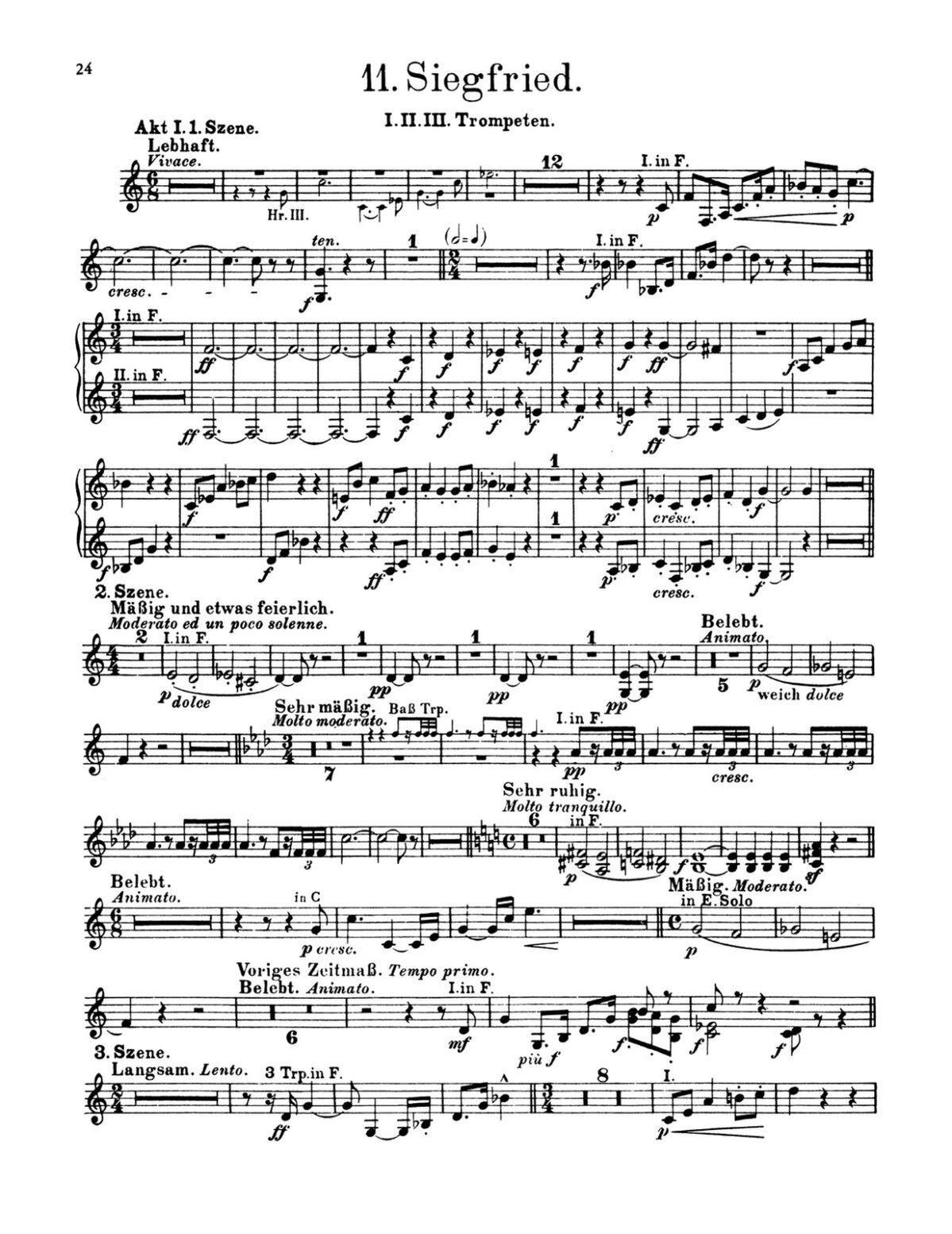
A cornerstone of Wagner's musical reform was his sophisticated use of the leitmotif—a short, recurring musical phrase associated with a particular person, place, object, or abstract idea. While previous composers had used recurring themes, Wagner elevated the technique to an incredibly complex structural level. These motifs do not merely announce a character's presence; they undergo continuous variation, transformation, and combination to reflect changing psychological states, hidden motives, and dramatic subtext, essentially acting as an unspoken narrator within the orchestral texture.
The Patronage of King Ludwig II
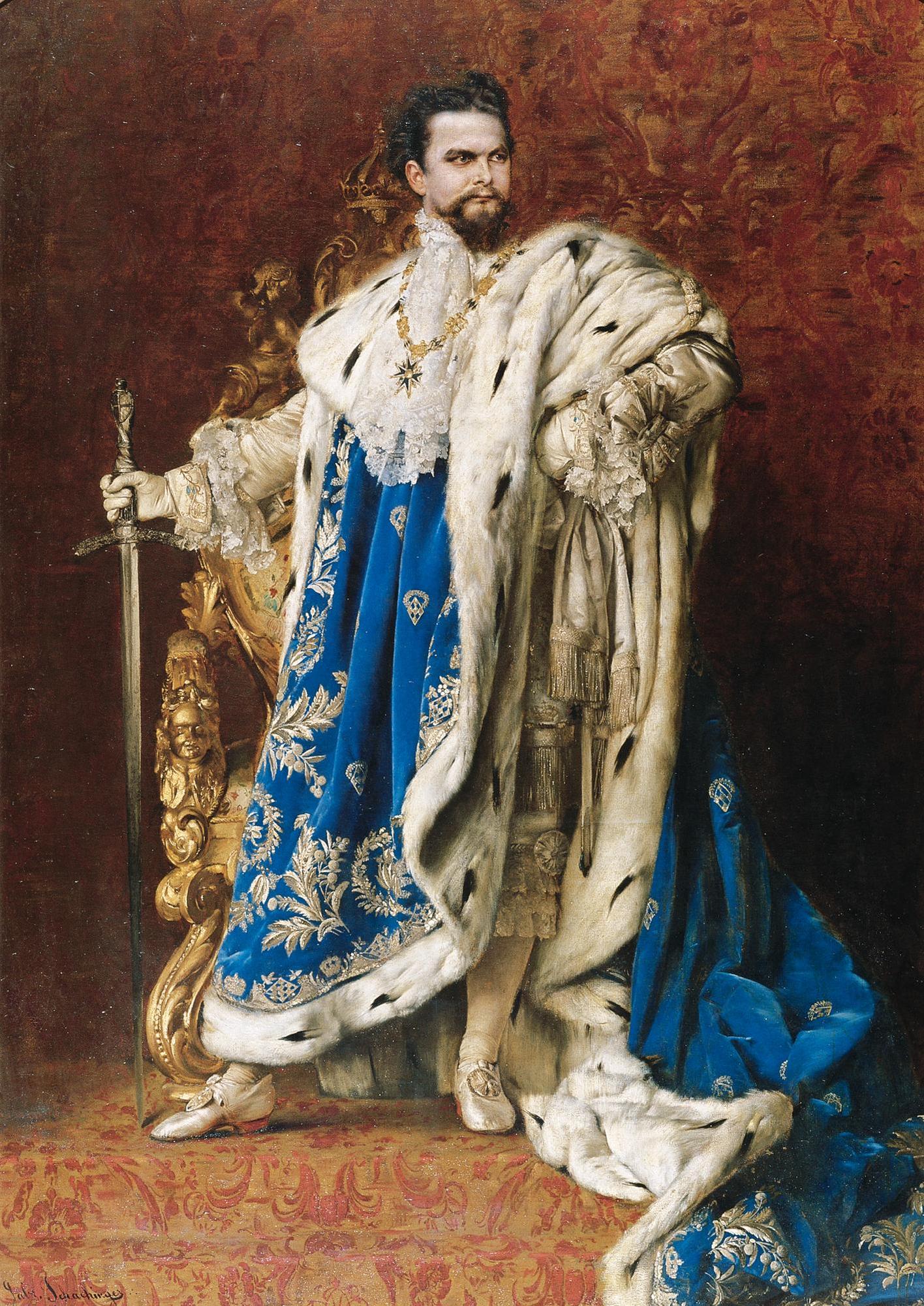
By 1864, Wagner was deeply in debt and facing artistic obscurity in exile. His fortunes changed overnight with the accession of the eighteen-year-old King Ludwig II to the Bavarian throne. An ardent admirer of Wagner's writings and early operas, Ludwig rescued the composer from financial ruin, paid off his debts, and provided him with a generous stipend. This extraordinary patronage, though highly controversial in Bavaria due to Wagner's spendthrift habits and political interference, allowed the composer to complete his most ambitious projects and focus entirely on creating his ultimate masterwork.
The Conception of the Ring Cycle
Der Ring des Nibelungen (The Ring of the Nibelung) represents the pinnacle of Wagner's artistic ambition. Conceived over a span of twenty-six years, this monumental tetralogy consists of four massive music dramas: Das Rheingold, Die Walküre, Siegfried, and Götterdämmerung. Drawing heavily from Norse mythology, the Icelandic Eddas, and the medieval Nibelungenlied, the cycle tells an epic story of gods, heroes, giants, and dragons battling for a magic ring that grants world dominion, serving as a profound critique of greed, power, and industrial civilization.
The Bayreuth Festspielhaus
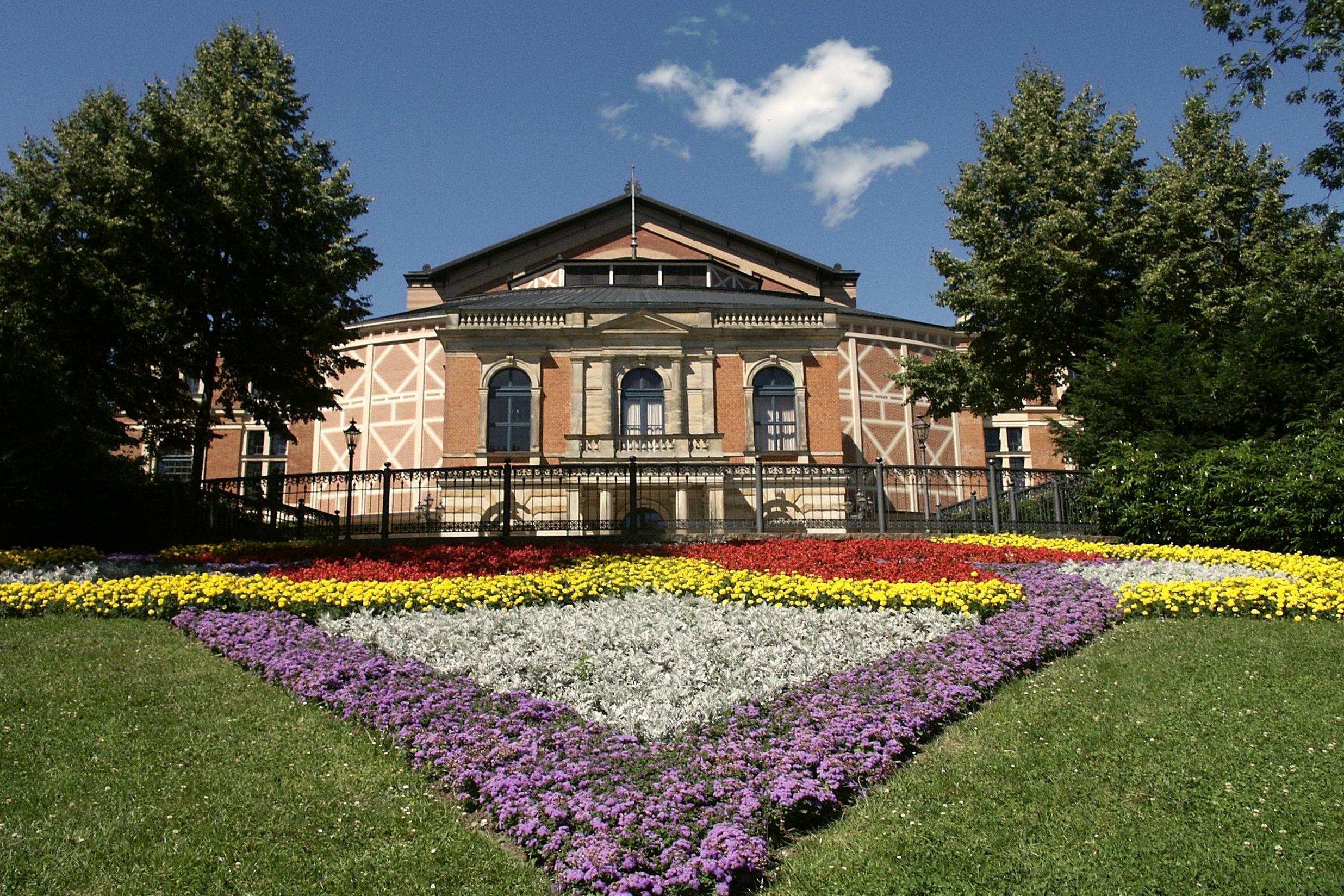
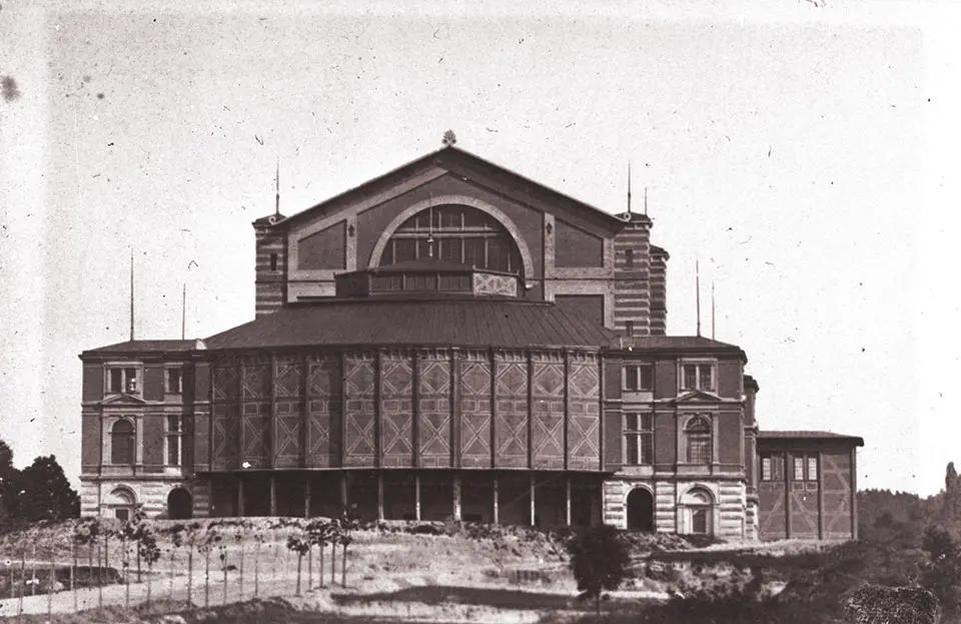
Wagner realized that his epic Ring Cycle could not be properly performed in conventional theaters, which lacked the acoustic and spatial requirements for his massive orchestration. With the financial backing of King Ludwig II and patron societies, Wagner designed and built his own dedicated theater, the Bayreuth Festspielhaus, in Bavaria. The theater featured revolutionary architectural innovations, including an amphitheater-style seating arrangement that guaranteed equal sightlines for all, and a completely hidden, sunken orchestra pit that blended the sound of the instruments with the singers' voices before reaching the audience.
Tristan und Isolde and Musical Modernism
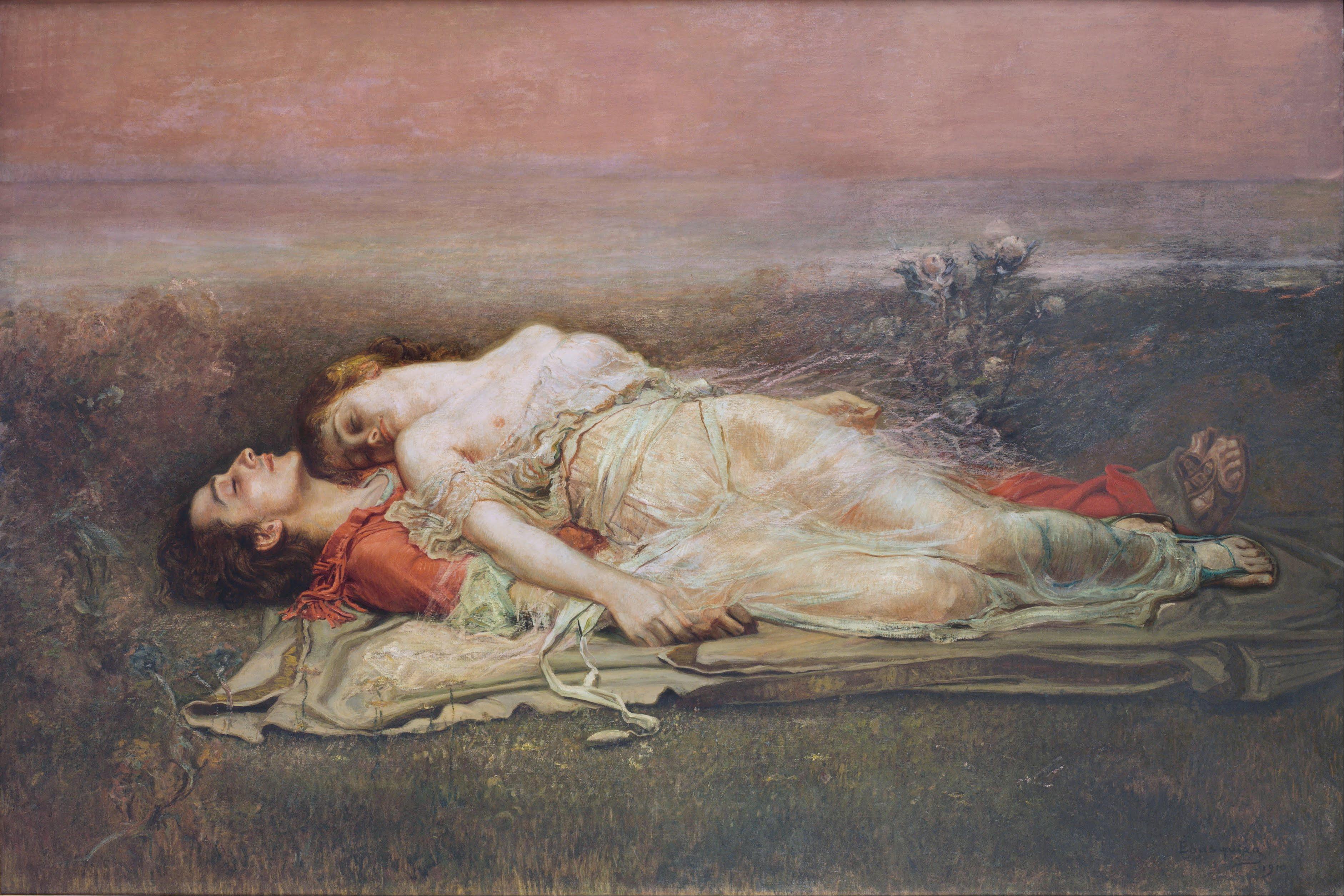
First performed in Munich in 1865, Tristan und Isolde is widely regarded as a turning point in Western music history. Written during a period of intense personal infatuation with Mathilde Wesendonck, the opera explores themes of forbidden, transcendent love and death. The opening chord of the opera—the famous 'Tristan chord'—resolved not to a traditional consonance, but to another dissonance. This deliberate delay of harmonic resolution created a sense of endless longing and broke the boundaries of traditional key signatures, directly paving the way for the atonality of modern 20th-century classical music.
Die Meistersinger von Nürnberg
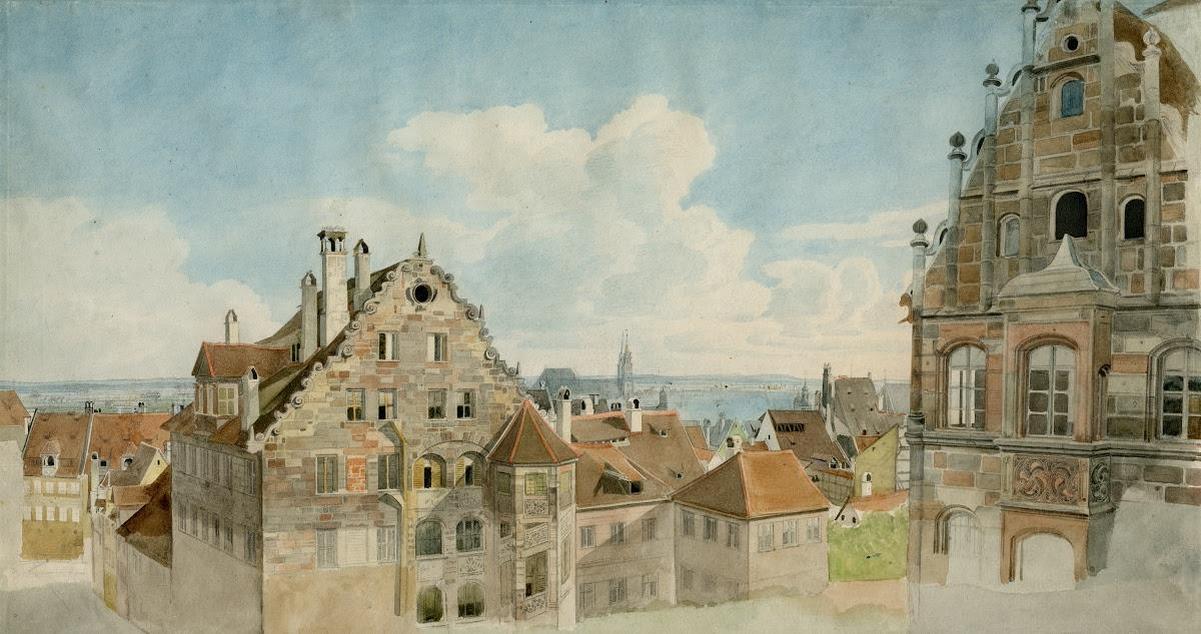
Contrasting with the tragic intensity of Tristan, Die Meistersinger von Nürnberg is Wagner's only mature comedy. Set in 16th-century Nuremberg, the opera centers on the historic figure of Hans Sachs, a shoemaker and master singer. The plot revolves around a singing contest and explores the tension between artistic tradition, represented by the conservative guild rules, and individual innovation, represented by the young knight Walther. It is celebrated for its rich counterpoint, vibrant humor, and its defense of the evolutionary nature of art and national cultural pride.
Parsifal and Spiritual Synthesis
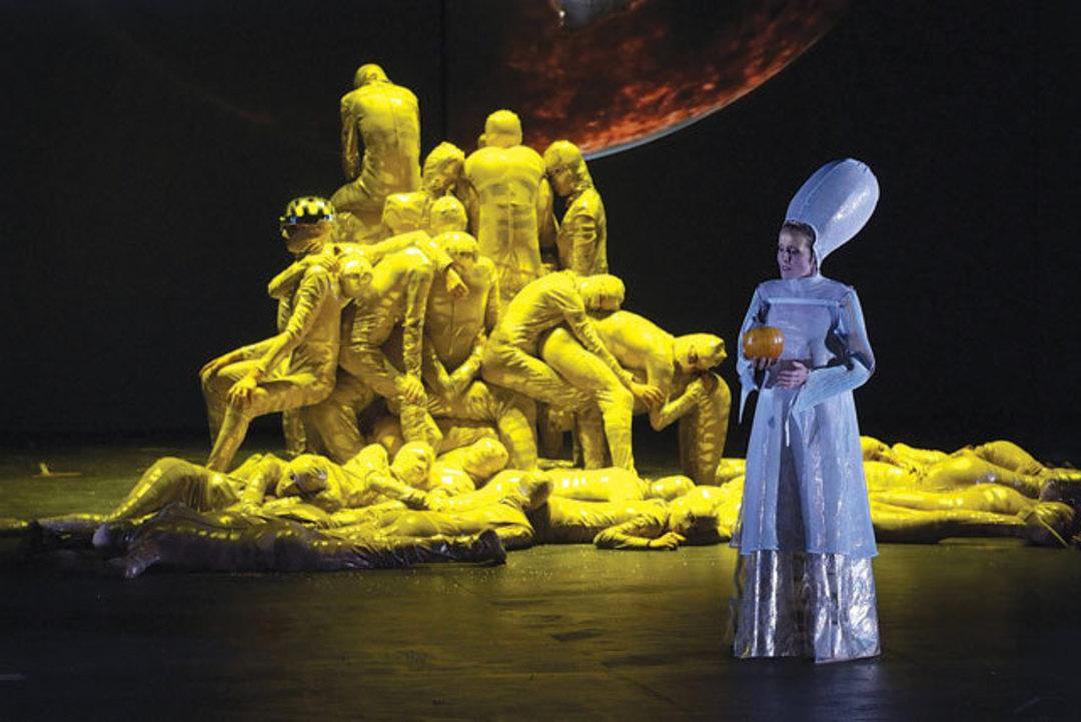
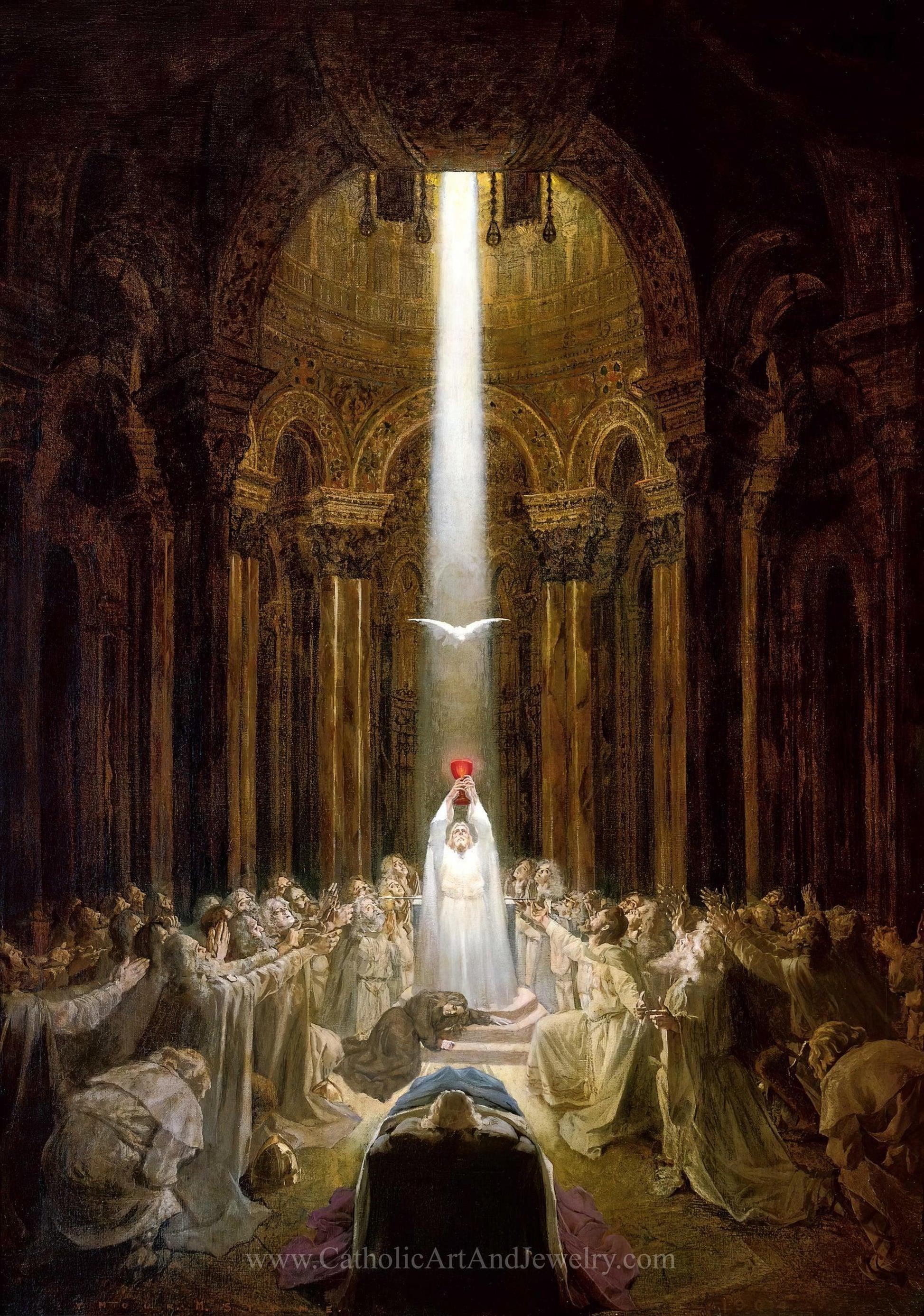
Wagner's final masterpiece, Parsifal, completed in 1882, was specifically composed for the unique acoustics of the Bayreuth Festspielhaus, where it was designated as a 'Bühnenweihfestspiel' (Sacred Stage Festival Play). Based on Wolfram von Eschenbach's medieval epic of the Holy Grail, the opera is a deeply spiritual work exploring themes of compassion, suffering, temptation, and redemption. Combining Christian mysticism with Buddhist philosophical concepts of empathy, Parsifal represents Wagner's ultimate musical testament, utilizing lush, ethereal orchestrations to create a solemn, ritualistic theatrical experience.
The Influence of Schopenhauer
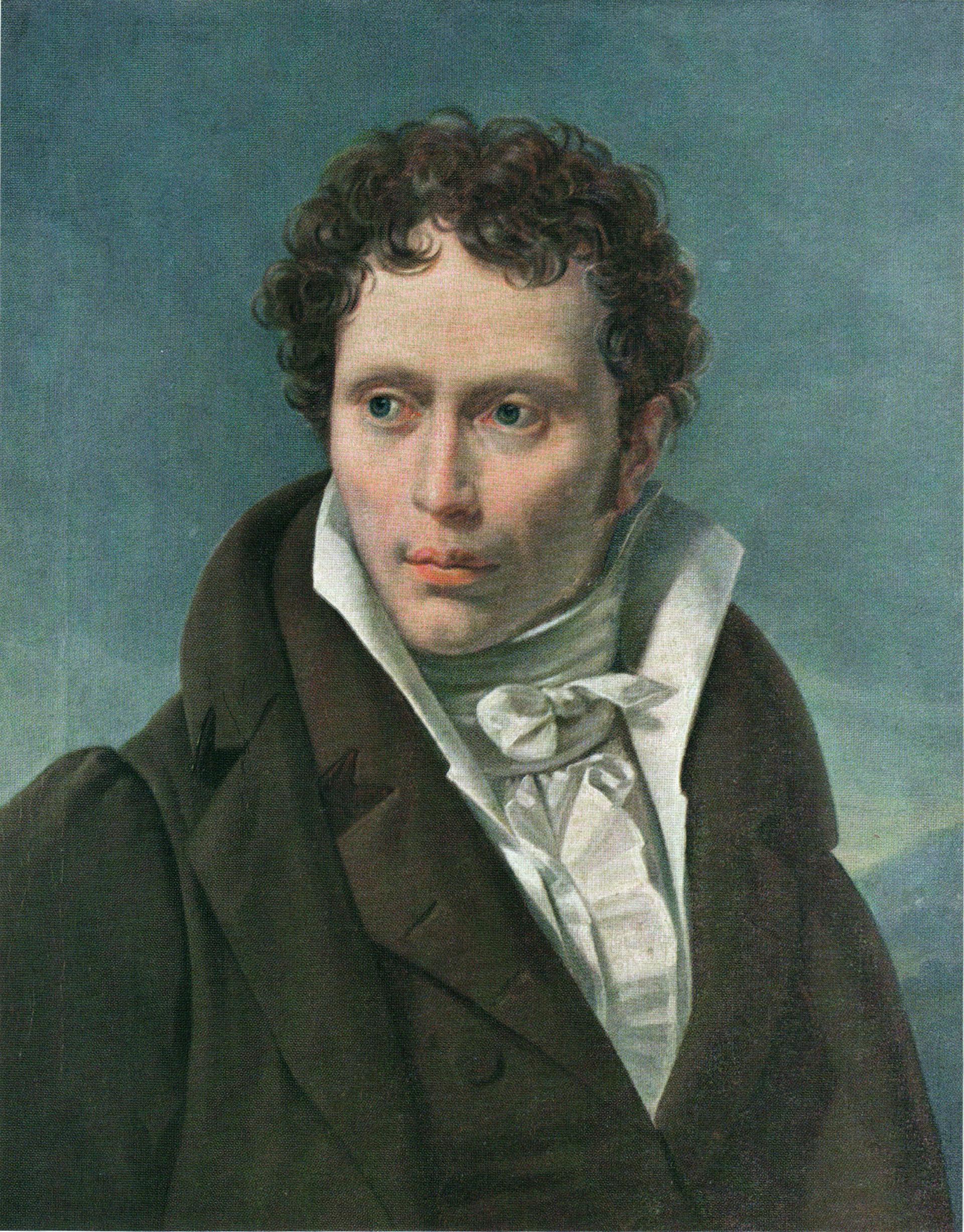
Wagner's mature artistic philosophy was profoundly reshaped by his discovery of Arthur Schopenhauer's philosophical work, The World as Will and Representation, in 1854. Schopenhauer's pessimistic view that human existence is driven by an endless, insatiable 'Will' that causes suffering resonated deeply with Wagner. Schopenhauer's belief that music was the highest form of art, directly expressing the true essence of the Will, validated Wagner's musical theories. This philosophical shift is directly reflected in his later works, where characters find peace only through the renunciation of worldly desires.
Turbulent Personal Life and Cosima Liszt
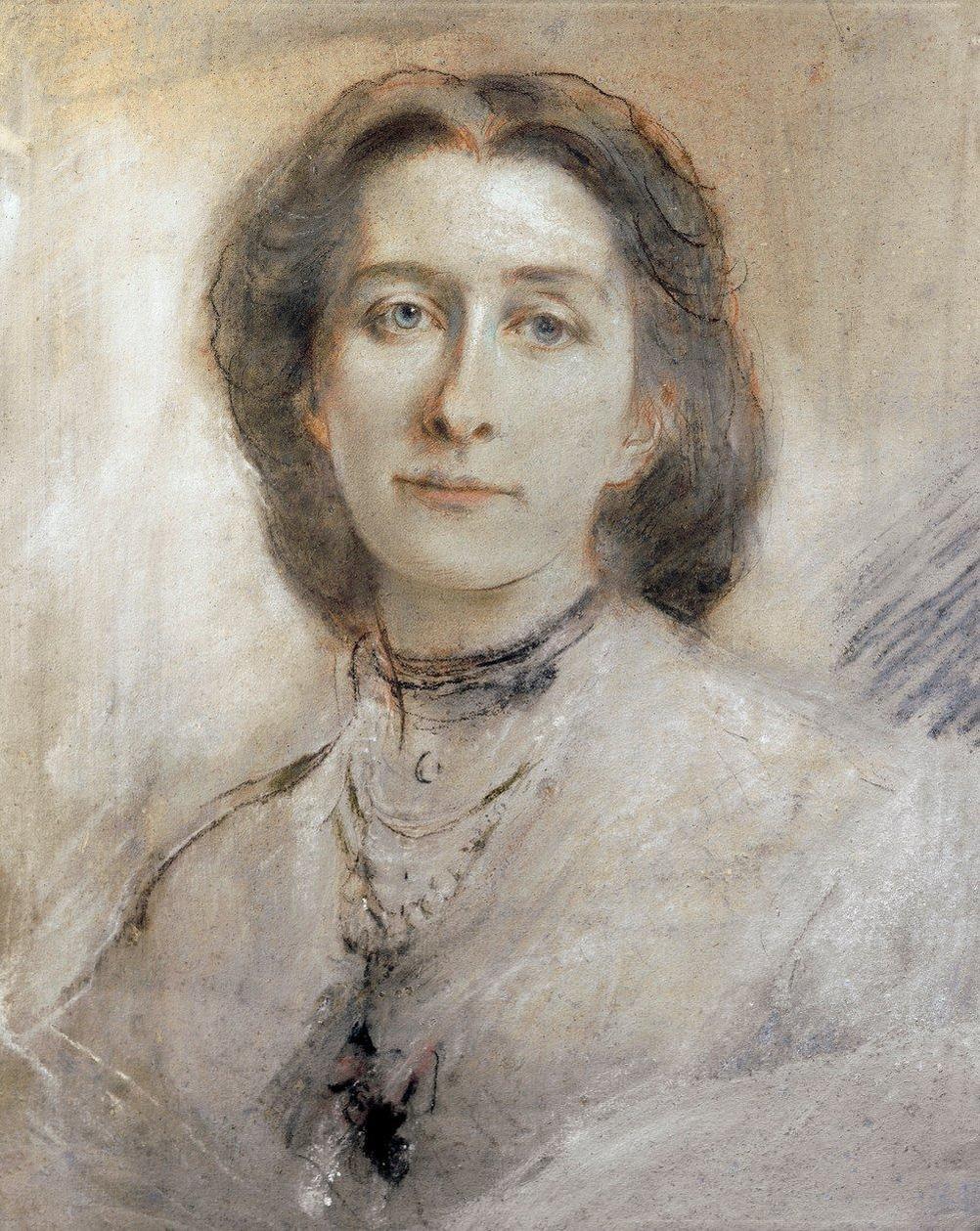
Wagner's personal life was as dramatic and turbulent as his operas. After a stormy, unhappy marriage to actress Minna Planer, Wagner engaged in numerous scandalous affairs. His most significant relationship was with Cosima Liszt, daughter of his close friend Franz Liszt and then-wife of the prominent conductor Hans von Bülow. After a highly publicized affair that resulted in three children, Cosima and Wagner married in 1870. Cosima became his fiercest defender, amassing vast influence over his legacy, managing his diaries, and securing the survival of the Bayreuth Festival after his death.
The Dark Side of Wagner: Antisemitism
Despite his artistic brilliance, Wagner's historical legacy is severely tarnished by his virulent antisemitism. In 1850, under a pseudonym, he published the notorious essay 'Das Judenthum in der Musik' (Jewishness in Music), in which he viciously attacked Jewish composers like Felix Mendelssohn and Giacomo Meyerbeer, claiming they were incapable of true artistic expression. He viewed Jewish influence as a corrupting force on German culture. These xenophobic and nationalistic writings remained a persistent theme in his essays throughout his life, forever associating his name with racial intolerance.
Co-optation by the Third Reich
Decades after his death in 1883, Wagner's music and nationalistic ideology were enthusiastically co-opted by Adolf Hitler and the Nazi regime. Hitler was an obsessive admirer of Wagner's music, viewing his heroic myths as the spiritual foundation of National Socialism. During World War II, the Bayreuth Festival became a state-sponsored tool for Nazi propaganda, and Wagner's music was played at political rallies and even inside concentration camps. This close association has made Wagner's music a subject of intense political and ethical debate, leading to an informal ban on public performances of his works in Israel.
Post-War Reconstruction of Bayreuth
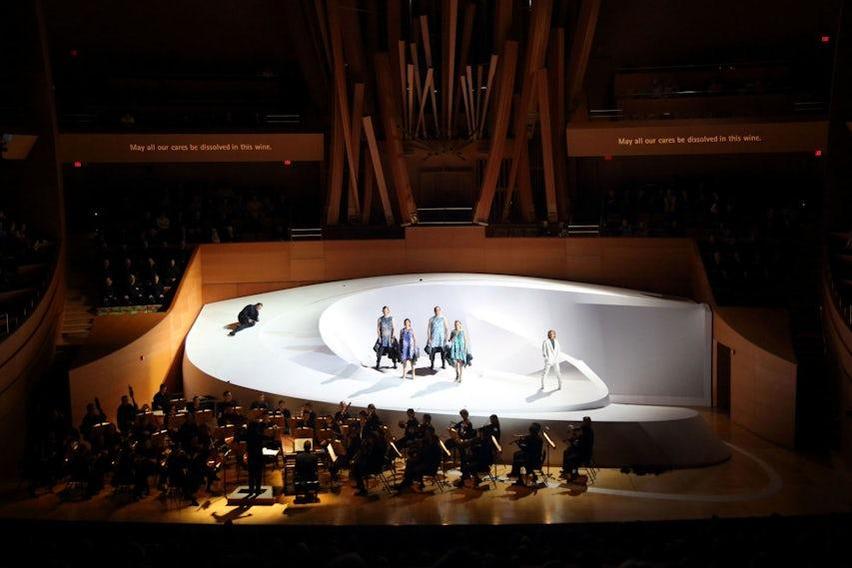
Following the devastation of World War II, the Bayreuth Festival was forced to undergo a radical process of rehabilitation. Spearheaded by Wagner's grandsons, Wieland and Wolfgang Wagner, the festival reopened in 1951 with a revolutionary new staging style known as 'New Bayreuth.' Wieland stripped the stages of their traditional, nationalistic, and realistic Norse iconography, replacing them with minimalist, abstract designs influenced by modern psychology and lighting techniques. This shift successfully salvaged Wagner's dramas from their fascist associations, refocusing the audience's attention on the universal human themes of the music.
Wagner's Global Musical Impact
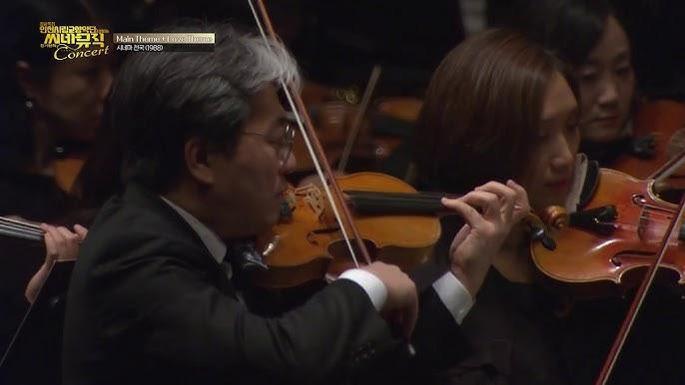
The musical innovations pioneered by Wagner permanently changed the course of Western music. His mastery of massive orchestration expanded the sonic capabilities of the modern brass and woodwind sections, inspiring composers like Gustav Mahler, Richard Strauss, and Arnold Schoenberg. Furthermore, his concept of the leitmotif laid the direct foundation for modern cinematic film scoring. Legendary film composers, most notably John Williams in his iconic scores for Star Wars and Indiana Jones, utilize Wagner's leitmotif technique to musically represent characters, objects, and narrative themes on screen.
Conclusion and Enduring Legacy
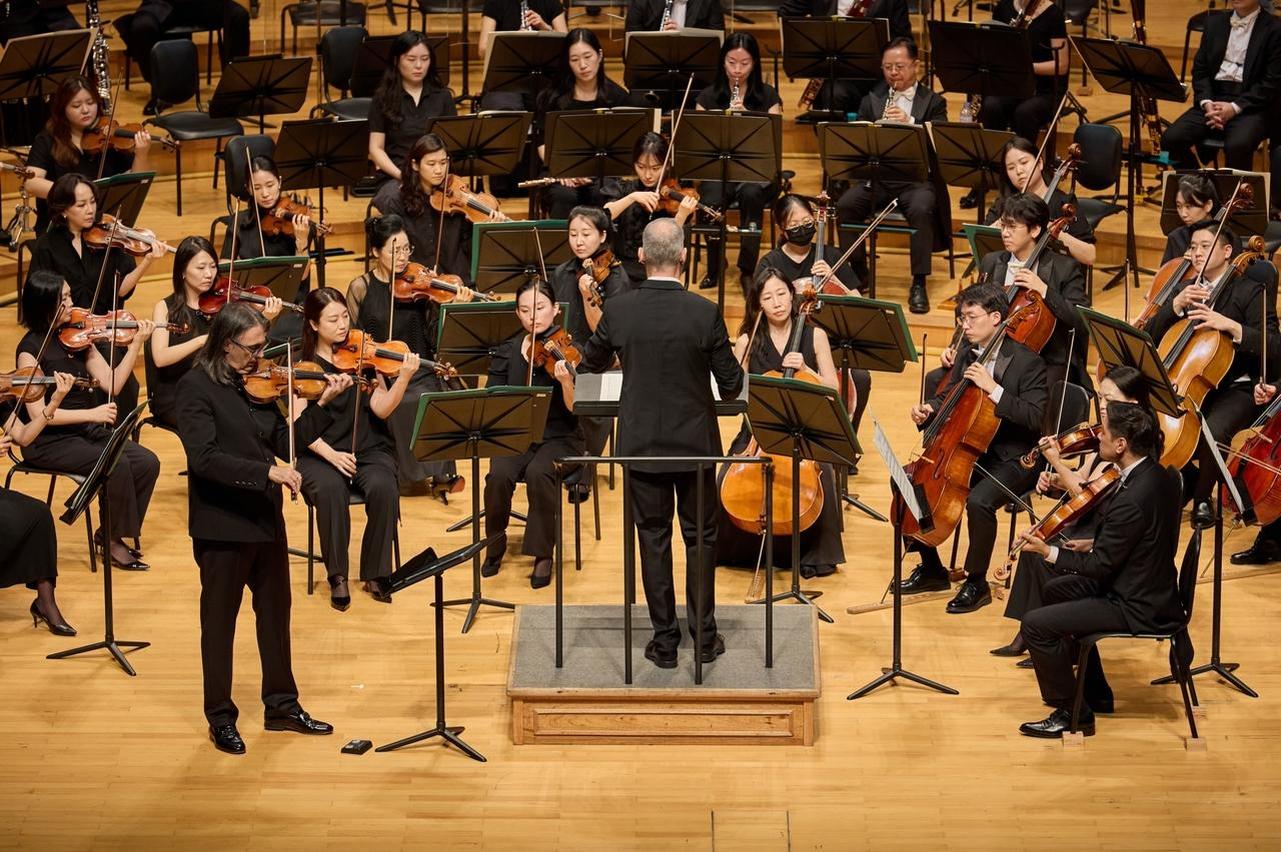
Richard Wagner remains an enigmatic, polarizing colossus in the cultural history of the world. He was a visionary who successfully integrated multiple artistic disciplines to elevate music drama into a profound sensory ritual, leaving an indelible mark on art, philosophy, and psychology. Yet, the toxic elements of his personal ideology continue to provoke passionate debates among musicologists, performers, and audiences. Ultimately, Wagner's legacy forces us to confront the complex, often painful relationship between a creator's moral failings and the transcendent beauty of their artistic creations.
#Richard Wagner#Classical Music#Opera Reform#Gesamtkunstwerk#Bayreuth Festival#Leitmotif#Music History#German Romanticism
Comments(0)
No comments yet. Be the first to share your thoughts!
Recommended Reads
 Kbeauty
Sep 22, 2026, 10:03 PM
Target Beauty Studio: How K-Beauty is Conquering the American Mass Market
On September 10, 2026, retail giant Target officially launched Target Beauty Stu...
 Skincare
Sep 21, 2026, 10:03 PM
How K-Beauty is Powering Global Ingredient Literacy and Redefining Skincare
In a major move for the global beauty industry, Korean-American cosmetics brand ...
 JayPark
Sep 20, 2026, 10:06 PM
Edmonds-Born K-Pop Pioneer Jay Park Set for Major Seattle Homecoming Concert
Edmonds-born K-pop and hip-hop pioneer Jay Park is returning to his roots for a ...
 BTS
BTSSep 19, 2026, 10:04 PM
The Triumph and Autonomy of BTS: Inside Their Historic 2026 Comeback and Bold Grammy Boycott
After a scheduled hiatus that began in late 2022, the global supergroup BTS has ...
 Fitness Gaming
Sep 3, 2026, 03:35 AM
VXROOM: Transforming Daily Workouts into Engaging Web-Based Motion Games
VXROOM (vxroom.com) is an innovative web-based int...
 Survival Show
Sep 1, 2026, 09:07 AM
Game of Blood X: The Evolution of Korea’s Fiercest Survival Reality Franchise
Wavve's hit original series Game of Blood ...