
안정환Jun 28, 2026, 10:36 PM• 90712 views
Ahn Jung-hwan: The Illustrious Journey of South Korea's Golden Boy from Football Legend to Broadcasting Icon
Introduction to a National Icon
Ahn Jung-hwan remains one of the most culturally significant and celebrated figures in modern South Korean sports and entertainment history. Initially capturing the world's attention as a remarkably talented and charismatic professional football player, he cemented his status as a national hero during the historic 2002 FIFA World Cup. Following his retirement from professional athletics, Ahn successfully transitioned into a premier broadcasting personality, redefining the concept of the 'sportainer' (sports star turned entertainer) in South Korean media. His journey represents a unique blend of athletic triumph, dramatic adversity, and versatile public appeal.
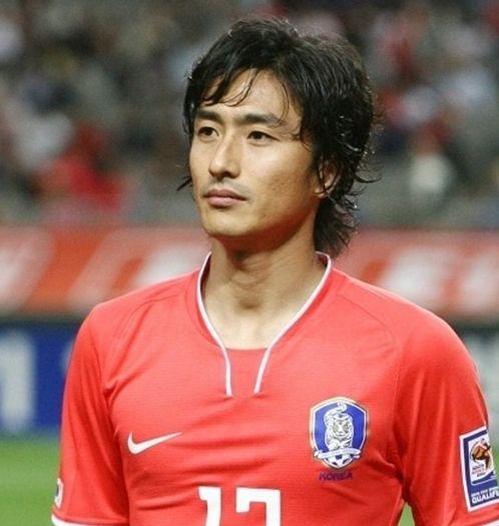
Early Life and Overcoming Adversity
Born on January 27, 1976, in Paju, Gyeonggi Province, Ahn Jung-hwan's early childhood was marked by severe financial hardship and personal struggle. Raised primarily by his grandmother in impoverished conditions, he faced numerous obstacles that threatened to derail his future. He initially took up football in elementary school not out of passion, but because the school team offered free snacks and milk to its players. Despite these humble and challenging beginnings, his raw athletic talent and relentless work ethic quickly distinguished him from his peers, setting him on a path toward national stardom.
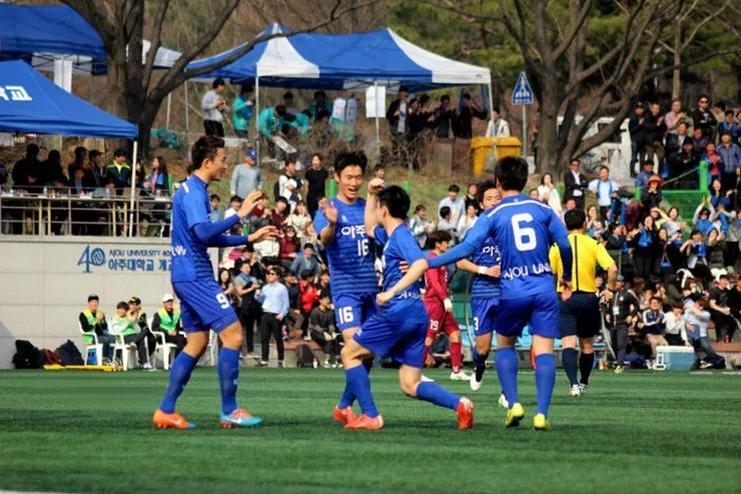
The Rise Through Collegiate Football
Ahn's development accelerated during his time at Ajou University, where he established himself as one of the most promising collegiate players in South Korea. Known for his exceptional dribbling skills, vision, and clinical finishing, he led his university team to multiple national titles. His performances at the collegiate level caught the attention of professional scouts and national team coaches alike, proving that his elegant playing style could dominate highly competitive environments. His collegiate success laid a solid foundation for his transition to the professional ranks.
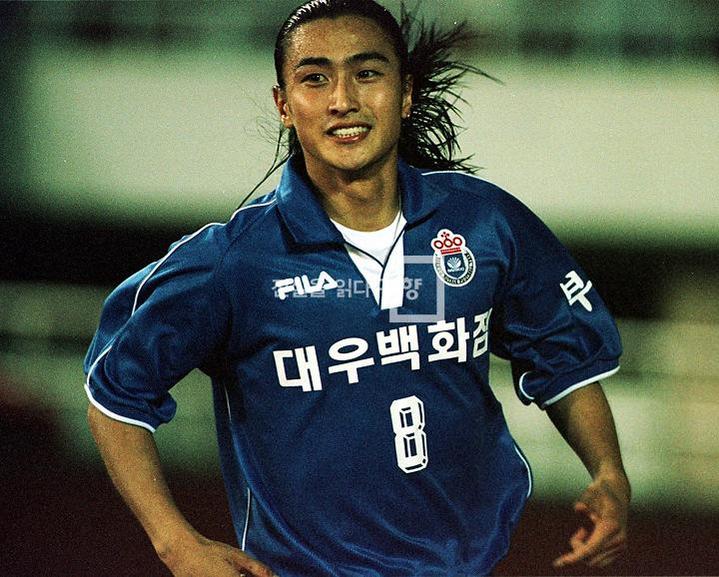
Professional Debut and K League Stardom
In 1998, Ahn Jung-hwan signed with the Busan Daewoo Royals, embarking on his highly anticipated professional career in the K League. He made an immediate impact, captivating fans and media with his outstanding play and trendsetting style, which earned him the nickname 'The Lord of the Ring' for his signature goal celebration of kissing his wedding ring. In 1999, he achieved a historic milestone by being named the K League Most Valuable Player (MVP), a rare feat for a player whose team did not win the league championship, underscoring his individual brilliance and immense popularity.
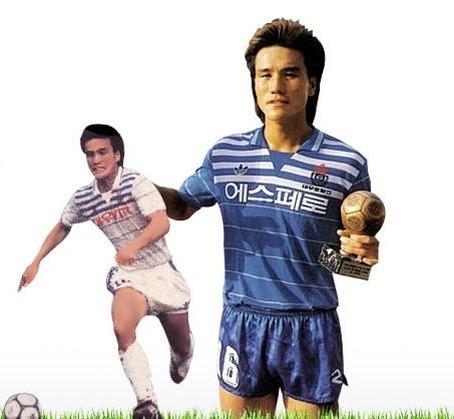
Venturing to Europe: The AC Perugia Era
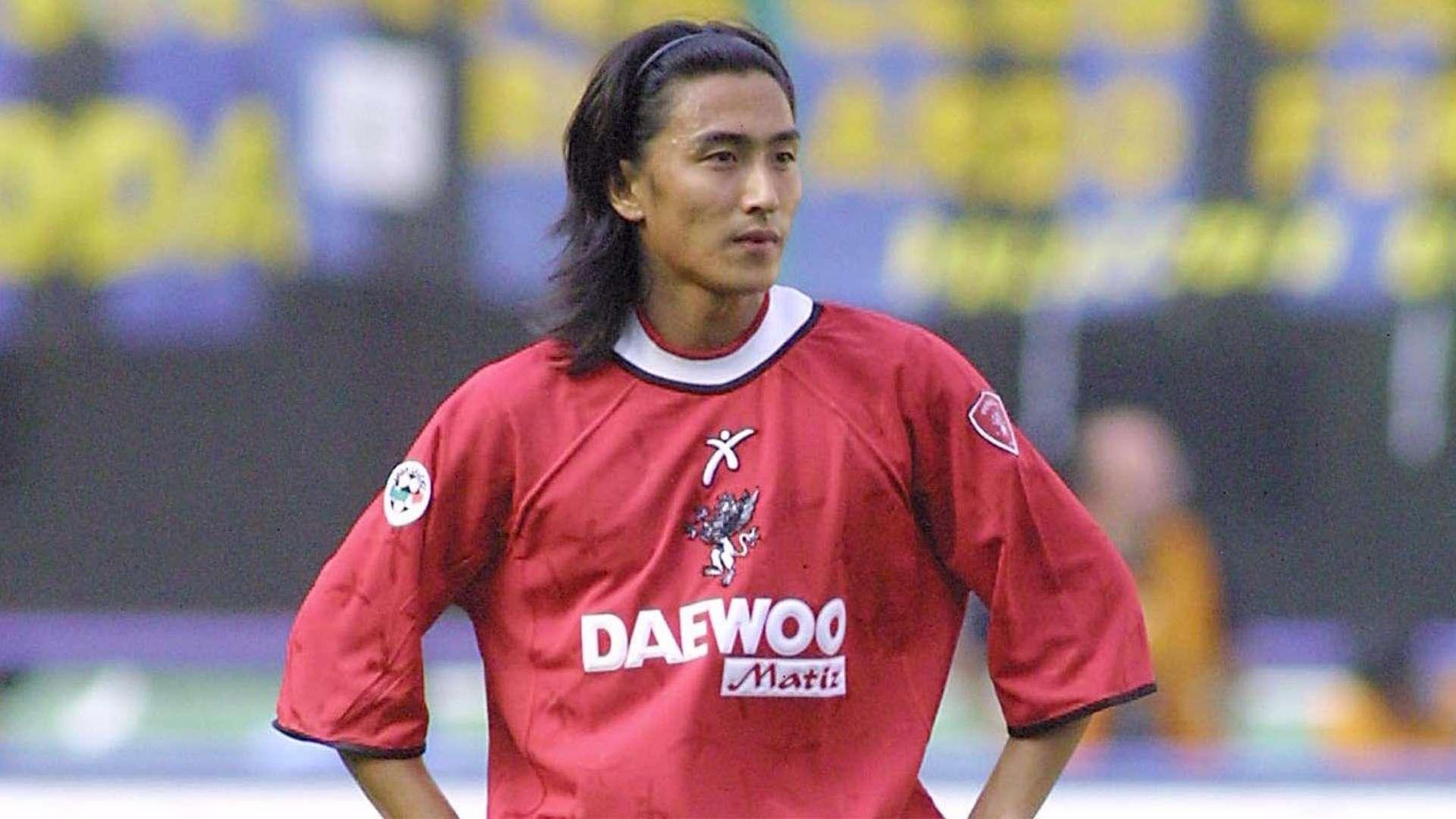
In the summer of 2000, Ahn took a monumental step in his career by joining AC Perugia in Italy's prestigious Serie A, becoming one of the first South Korean players to play in the top tier of Italian football. This move was a significant milestone for Korean football, demonstrating the growing international recognition of the nation's talent. Although he initially struggled to secure consistent playing time in a highly defensive and physical league, Ahn gradually adapted, showcasing his technical refinement and scoring several crucial goals that proved his capability on Europe's grandest stage.
The Catalyst of the 2002 World Cup Campaign
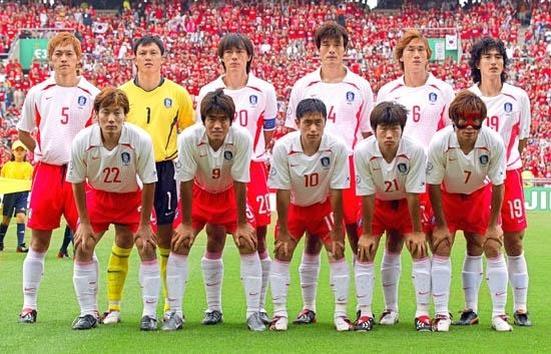
The year 2002 was a defining epoch for South Korean football, as the country co-hosted the FIFA World Cup alongside Japan. Under the guidance of Dutch manager Guus Hiddink, the national team underwent rigorous preparation, with Ahn Jung-hwan serving as a vital component of the attacking lineup. Hiddink demanded high physical intensity and tactical discipline, prompting Ahn to elevate his work rate and defensive contributions. This preparation transformed Ahn into a complete forward, ready to spearhead the Red Devils' historic tournament run.
The Golden Goal Against Italy
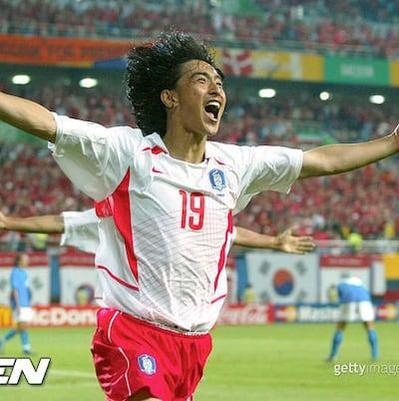
On June 18, 2002, Ahn Jung-hwan etched his name forever into football history during the Round of 16 match against powerhouse Italy. After missing an early penalty, Ahn redeemed himself in the most dramatic fashion possible. In the 117th minute of extra time, he leaped above Italian defender Paolo Maldini to head home the 'golden goal,' securing a historic 2-1 victory for South Korea. The goal sent shockwaves through the global football community, propelling South Korea to the quarterfinals and triggering unprecedented nationwide celebrations.
The Perugia Backlash and Controversy
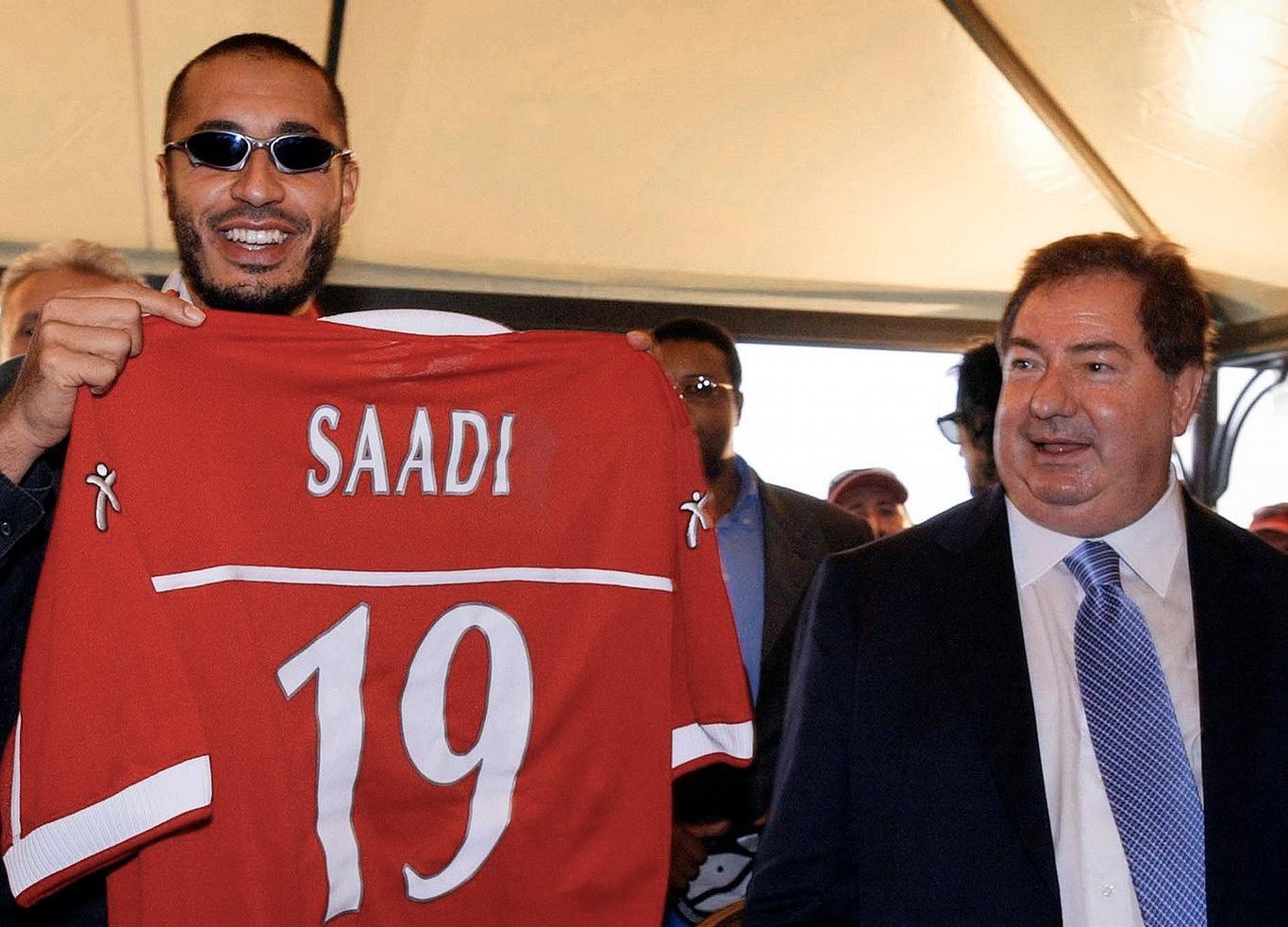
While the golden goal made Ahn a national hero in South Korea, it sparked immediate and intense backlash in Italy. The outspoken owner of AC Perugia, Luciano Gaucci, publicly condemned Ahn's actions and declared that he would never pay the salary of someone who 'ruined Italian football.' Despite later attempts by the club to walk back the comments and secure his services, the relationship had soured beyond repair. This controversial episode prematurely ended Ahn's career in Serie A, highlighting the intense nationalist passions that football can ignite.
Rebuilding in the J.League
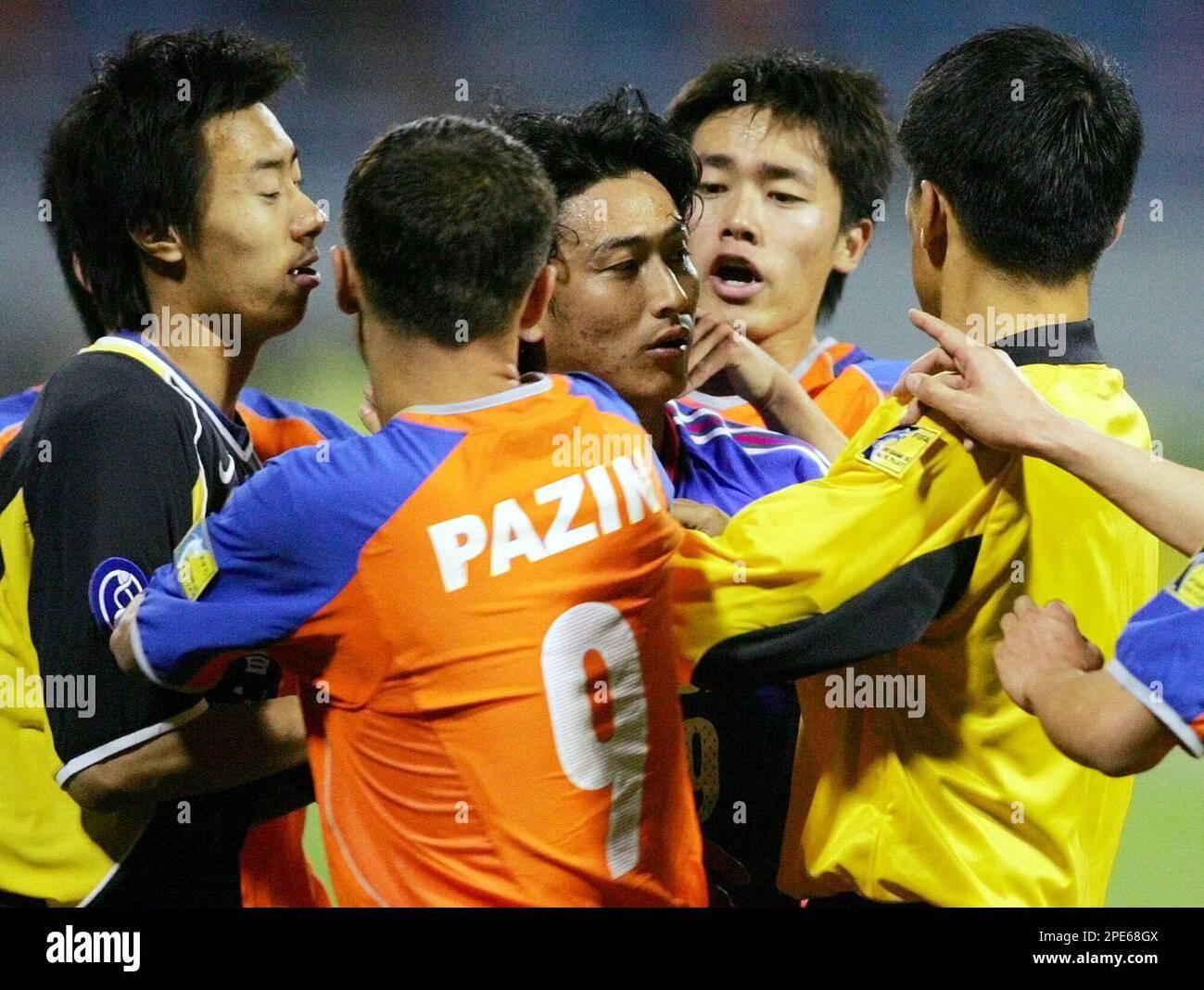
Following the disruption of his European career, Ahn found a welcoming environment in Japan's J.League. He joined Shimizu S-Pulse in late 2002, where he quickly regained his goal-scoring form and rebuild his confidence. In 2004, he transferred to Yokohama F. Marinos, where he played a pivotal role in securing the J.League championship title. His successful stint in Japan demonstrated his resilience, adaptability, and undeniable class, proving that he could perform consistently under pressure and lead a top-tier club to domestic glory.
A Return to Europe: France and Germany
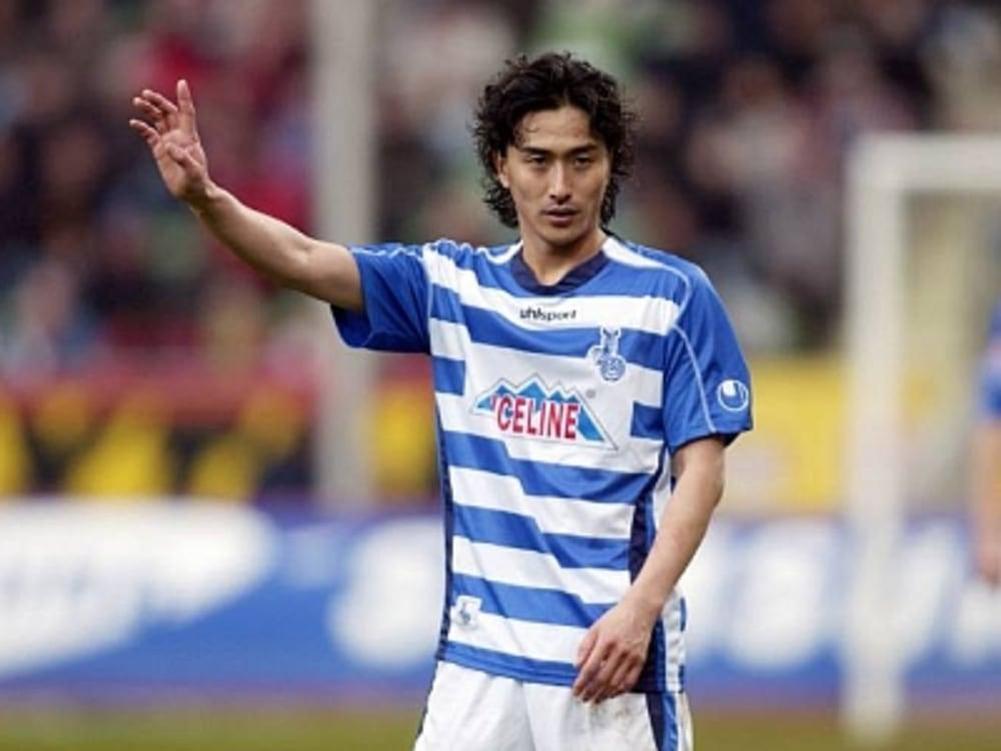
Striving to prove himself once again in Europe, Ahn secured a transfer to the French Ligue 1 side FC Metz in 2005. Although his time in France showcased glimpses of his technical brilliance, team struggles and tactical adjustments limited his overall impact. In early 2006, he transferred to the German Bundesliga side MSV Duisburg in an effort to secure playing time ahead of the 2006 World Cup. While his second European stint was relatively brief, it demonstrated his unwavering desire to compete at the highest continental level.
Homecoming and the Final K League Chapters
In 2007, Ahn Jung-hwan made a highly anticipated return to South Korea, signing with the Suwon Samsung Bluewings. This homecoming was met with massive fan enthusiasm, though injuries and shifting tactical roles meant he faced challenges in replicating his peak form. He later rejoined his former club, Busan IPark, in 2008. His return to Busan was deeply sentimental, allowing him to mentor younger players and reconnect with the fanbase that had supported his early career, adding a mature and reflective chapter to his domestic legacy.
The Chinese Super League and Retirement
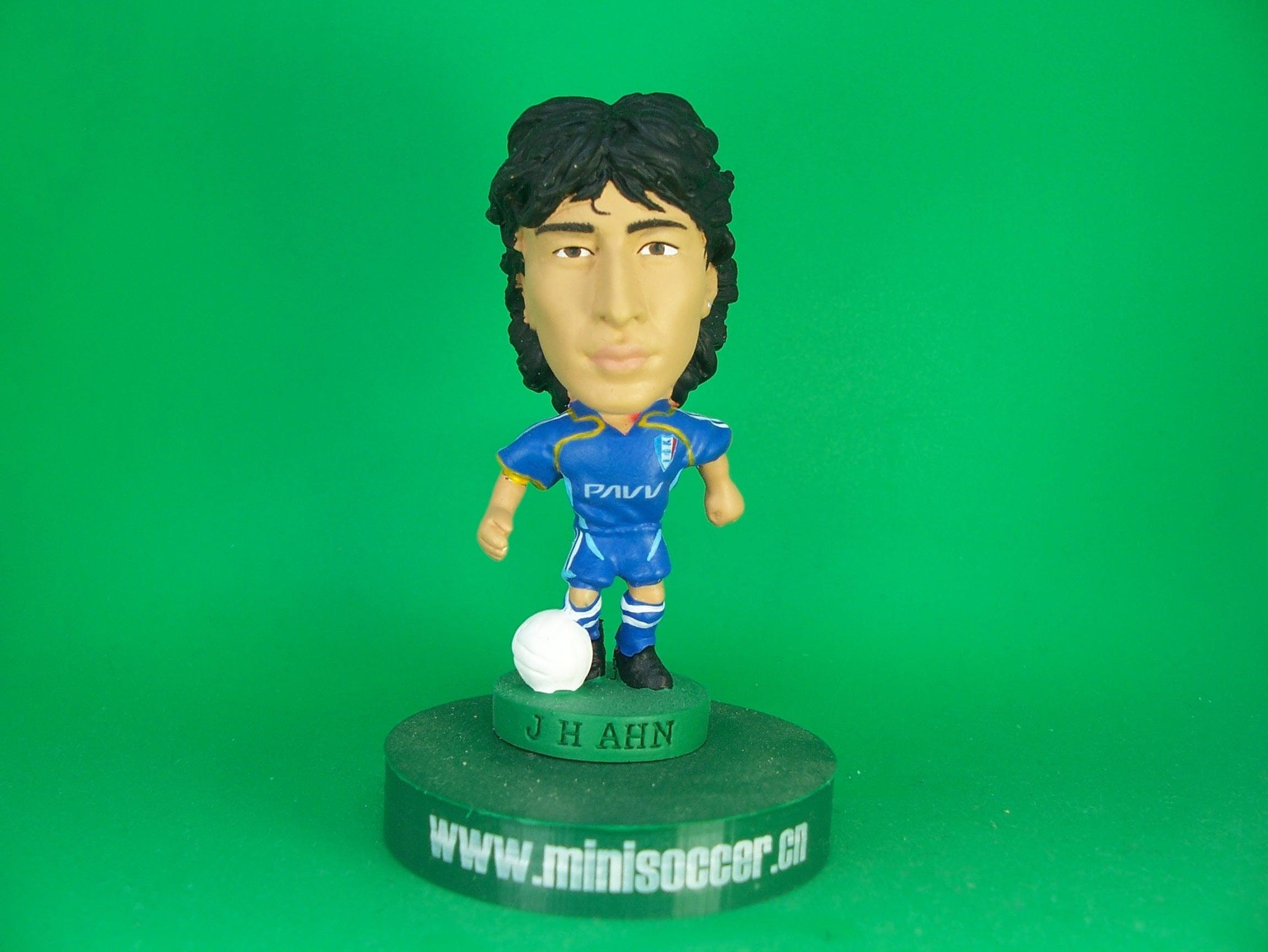
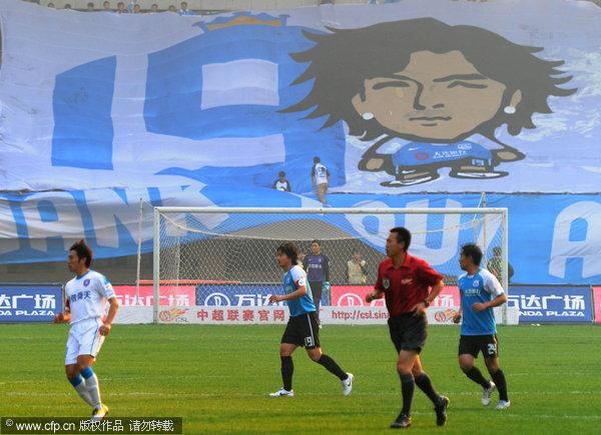
Ahn played the final years of his illustrious professional career in China, signing with Dalian Shide in 2009. Despite being in his mid-thirties, his exceptional technical skills, intelligence, and leadership made him a fan favorite and a key player for the club. He captained the team and consistently delivered veteran performances that earned him widespread respect across the Chinese Super League. In January 2012, Ahn officially announced his retirement from professional football, bringing an emotional end to a remarkable 14-year playing career.
Playing Style and Technical Mastery
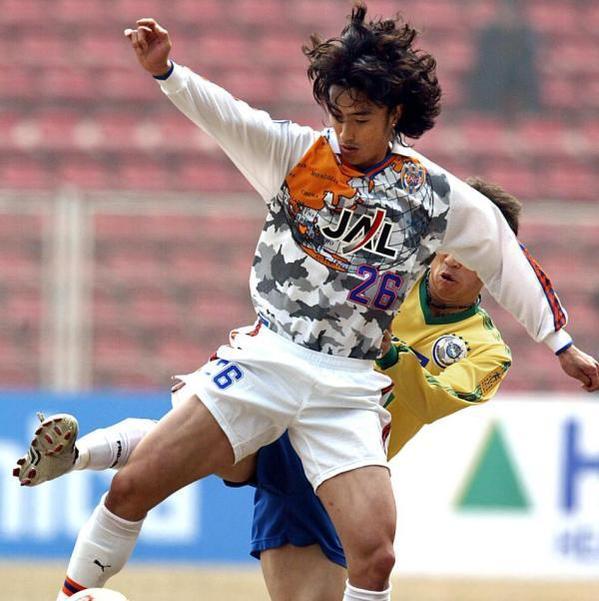
Ahn Jung-hwan was widely regarded as one of the most technically gifted South Korean players of his generation. Operating primarily as a second striker, attacking midfielder, or center-forward, he possessed exceptional ball control, seamless turning ability, and a lethal shot from distance. His signature move—a deceptive Cruyff turn followed by a rapid change of pace—consistently left defenders off balance. Unlike many of his contemporaries who relied solely on physical endurance, Ahn brought a rare sense of artistry, elegance, and creativity to the pitch.
Legacy in the National Team Jersey
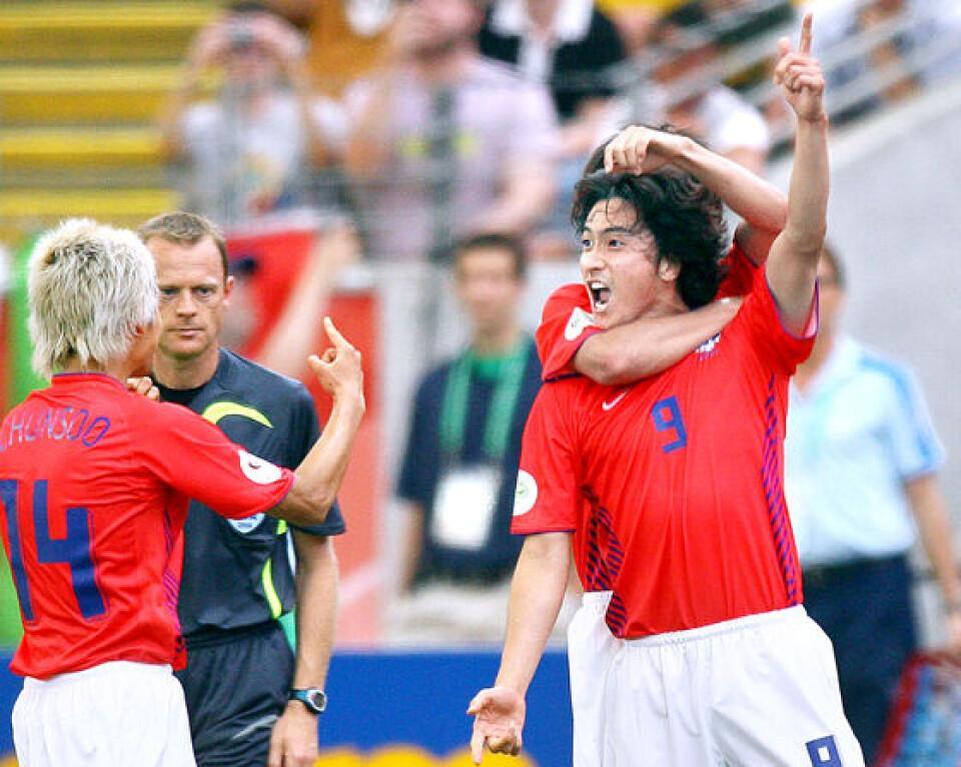
Ahn's contributions to the South Korean national team extend far beyond the single golden goal in 2002. Over his international career, he earned 71 caps and scored 17 goals, representing South Korea in three consecutive FIFA World Cups (2002, 2006, and 2010). His crucial equalizing goal against Togo in the 2006 World Cup secured South Korea's first-ever World Cup victory on foreign soil. Ahn's ability to perform at his absolute best during high-stakes international tournaments solidified his reputation as one of South Korea's greatest big-game players.
Reinventing Himself in the Entertainment Industry
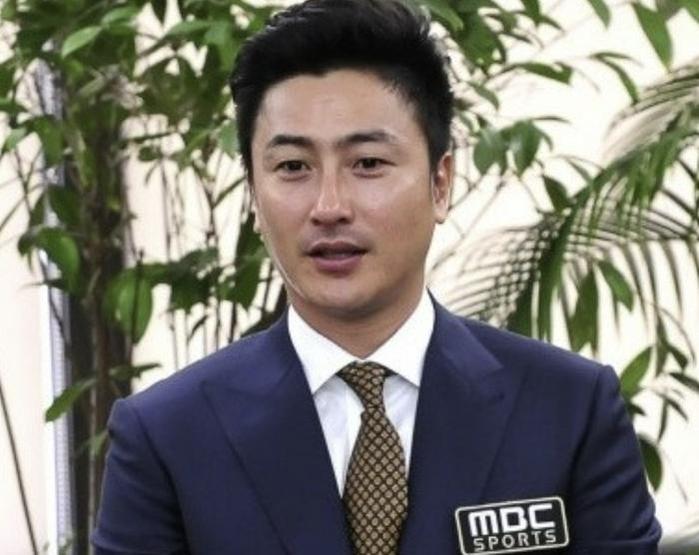
Retirement can be a challenging period of transition for professional athletes, but Ahn Jung-hwan navigated it with unprecedented success. He began his second career in broadcasting, initially serving as a highly insightful and charismatic football commentator for major networks. His candid, analytical, and witty commentary style resonated deeply with audiences, earning him acclaim for making complex tactical concepts accessible to casual viewers. This successful transition into broadcasting served as his gateway into the broader world of South Korean variety television.
The Breakthrough of 'Dad! Where Are We Going?'
Ahn's mainstream breakthrough as a top-tier variety show star occurred when he joined the cast of the massive hit reality show 'Dad! Where Are We Going?' (Aappa! Eodiga?). Appearing alongside his young son, Ahn Ri-hwan, he revealed a remarkably human, vulnerable, and down-to-earth side of himself that contrasted sharply with his elite athlete persona. Audiences were captivated by his growth as a father, his humorous struggles with domestic tasks, and his deep, affectionate bond with his family, cementing his transition into a beloved television personality.

Dominating the Sports Variety Genre
Ahn's unique background made him the perfect anchor for a new wave of sports-themed variety programming. He played leading roles in highly successful shows such as 'Please Take Care of My Refrigerator' and, most notably, JTBC's hit program 'Let's Play Soccer' (Mungchyeoya Chanda). In 'Let's Play Soccer,' Ahn served as the head coach of an amateur football team composed of legendary Korean athletes from other sports. His stern yet caring coaching style, combined with comedic banter, created a highly entertaining dynamic that drew stellar ratings.

The Rise of the 'Sportainer' Phenomenon
Ahn Jung-hwan's post-retirement success has had a profound impact on the South Korean entertainment landscape, pioneering the modern 'sportainer' movement. Alongside other retired stars like Seo Jang-hoon and Kang Ho-dong, Ahn demonstrated that elite athletes possess the charisma, discipline, and story-telling capability to carry major television networks. His success paved the way for dozens of former athletes to find secondary careers in entertainment, bridging the gap between professional sports and popular culture in an unprecedented way.

Personal Life and Charitable Endeavors
Off-screen, Ahn Jung-hwan's personal life has remained a subject of positive public interest. He married former Miss Korea Lee Hye-won in 2001, and their enduring partnership and family life have been widely praised as exemplary in the entertainment industry. Beyond his media commitments, Ahn has quietly engaged in various philanthropic endeavors, donating significant portions of his broadcasting earnings to support youth sports development, child welfare programs, and families facing financial difficulties, reflecting his commitment to giving back to society.

Conclusion and Lasting Legacy
Ahn Jung-hwan's legacy is defined by his unique ability to reinvent himself and succeed at the highest levels of multiple industries. To sports fans, he will forever remain the hero of 2002, the elegant forward whose golden goal defined a golden generation. To television viewers, he is a familiar, witty, and trustworthy guide who brings warmth and laughter to their living rooms. His journey from an impoverished childhood to a legendary sports figure and beloved media icon stands as an enduring testament to talent, resilience, and personal evolution.
#Ahn Jung hwan#South Korea Football#2002 World Cup#K League#Perugia#Korean Variety Shows#Golden Goal#Sportainer
Comments(0)
No comments yet. Be the first to share your thoughts!
Recommended Reads
 Kbeauty
Sep 22, 2026, 10:03 PM
Target Beauty Studio: How K-Beauty is Conquering the American Mass Market
On September 10, 2026, retail giant Target officially launched Target Beauty Stu...
 Skincare
Sep 21, 2026, 10:03 PM
How K-Beauty is Powering Global Ingredient Literacy and Redefining Skincare
In a major move for the global beauty industry, Korean-American cosmetics brand ...
 JayPark
Sep 20, 2026, 10:06 PM
Edmonds-Born K-Pop Pioneer Jay Park Set for Major Seattle Homecoming Concert
Edmonds-born K-pop and hip-hop pioneer Jay Park is returning to his roots for a ...
 BTS
BTSSep 19, 2026, 10:04 PM
The Triumph and Autonomy of BTS: Inside Their Historic 2026 Comeback and Bold Grammy Boycott
After a scheduled hiatus that began in late 2022, the global supergroup BTS has ...
 Fitness Gaming
Sep 3, 2026, 03:35 AM
VXROOM: Transforming Daily Workouts into Engaging Web-Based Motion Games
VXROOM (vxroom.com) is an innovative web-based int...
 Survival Show
Sep 1, 2026, 09:07 AM
Game of Blood X: The Evolution of Korea’s Fiercest Survival Reality Franchise
Wavve's hit original series Game of Blood ...