
이이무라Jun 28, 2026, 08:29 PM• 90567 views
The Pioneer of Avant-Garde Cinema: The Life, Art, and Legacy of Takahiko Iimura
Introduction to a Media Pioneer
Takahiko Iimura stands as one of the most influential pioneers of Japanese avant-garde cinema and global media art. Over a career spanning more than six decades, Iimura challenged the conventional boundaries of moving images, moving seamlessly between experimental filmmaking, conceptual video installation, and digital performance. His work serves as a vital bridge connecting the post-war Japanese avant-garde scene with the Western international art movements of the late twentieth century.
Formative Years in Post-War Tokyo
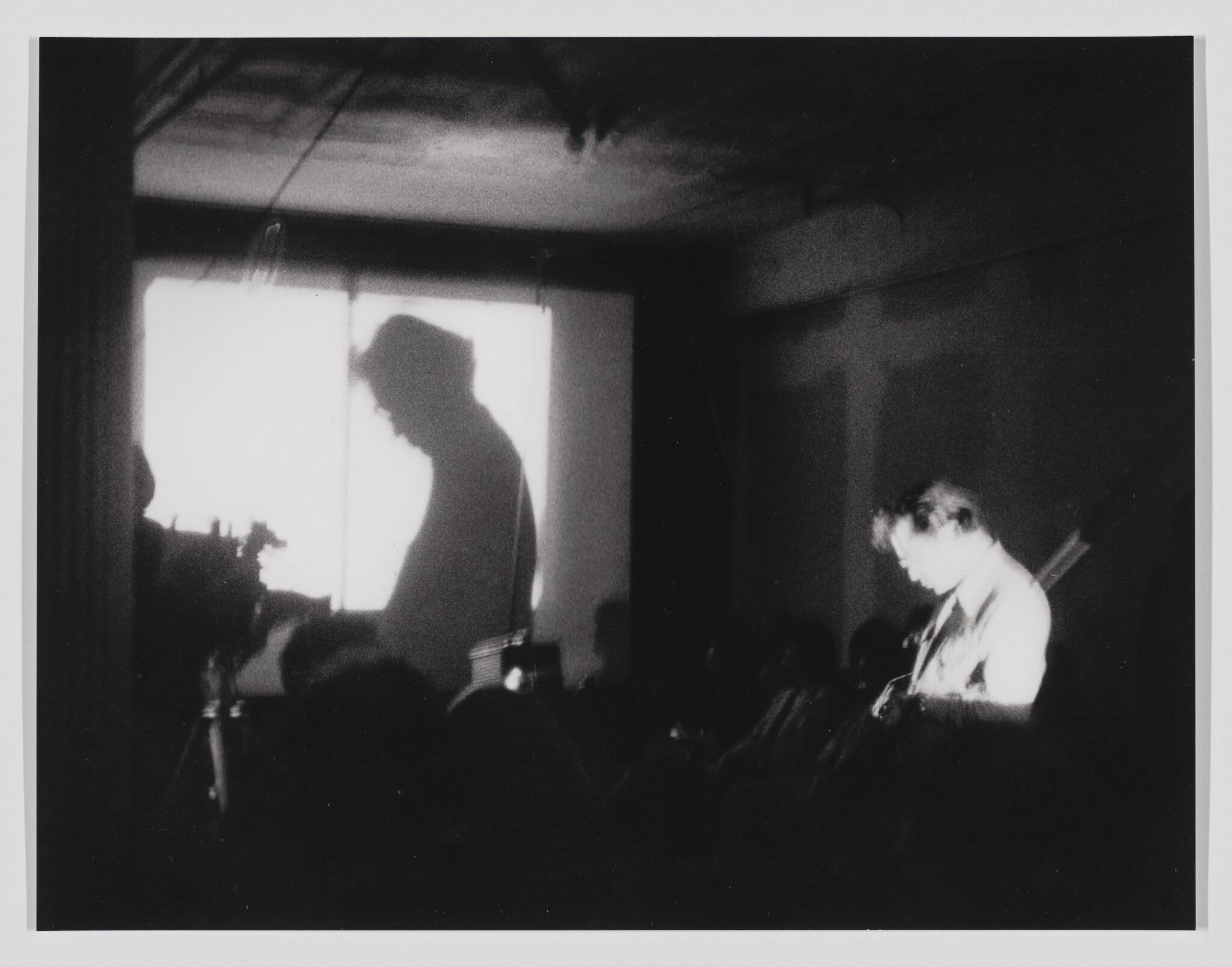
Born in Tokyo in 1937, Iimura grew up during a period of massive social and cultural reconstruction in post-World War II Japan. This era of intense transformation deeply influenced his artistic sensibility. Graduating from Keio University with a degree in law, he chose to bypass a conventional legal career, drawn instead to the subversive and energetic underground art scenes thriving in Tokyo during the late 1950s and early 1960s.
The Sogetsu Art Center Catalyst
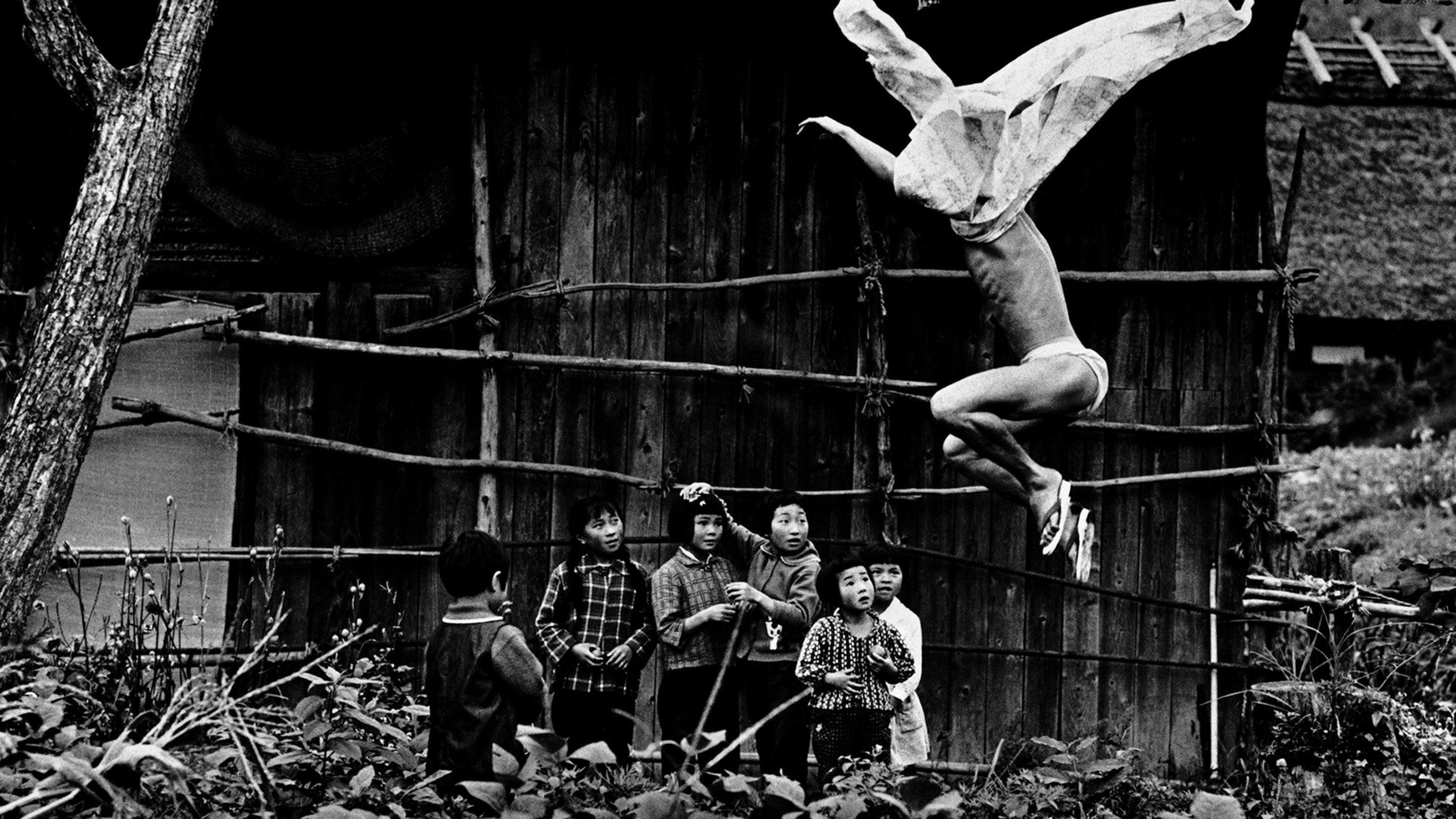
The Sogetsu Art Center in Tokyo was the primary catalyst for Iimura’s entry into experimental cinema. As a hub for international cross-disciplinary arts, Sogetsu hosted events featuring performance, jazz, modern dance, and underground film. It was within this vibrant, collaborative environment that Iimura began screening his earliest celluloide experiments, finding an eager audience of painters, musicians, and poets who shared his desire to break traditional artistic molds.
Early Cinematic Breakthroughs
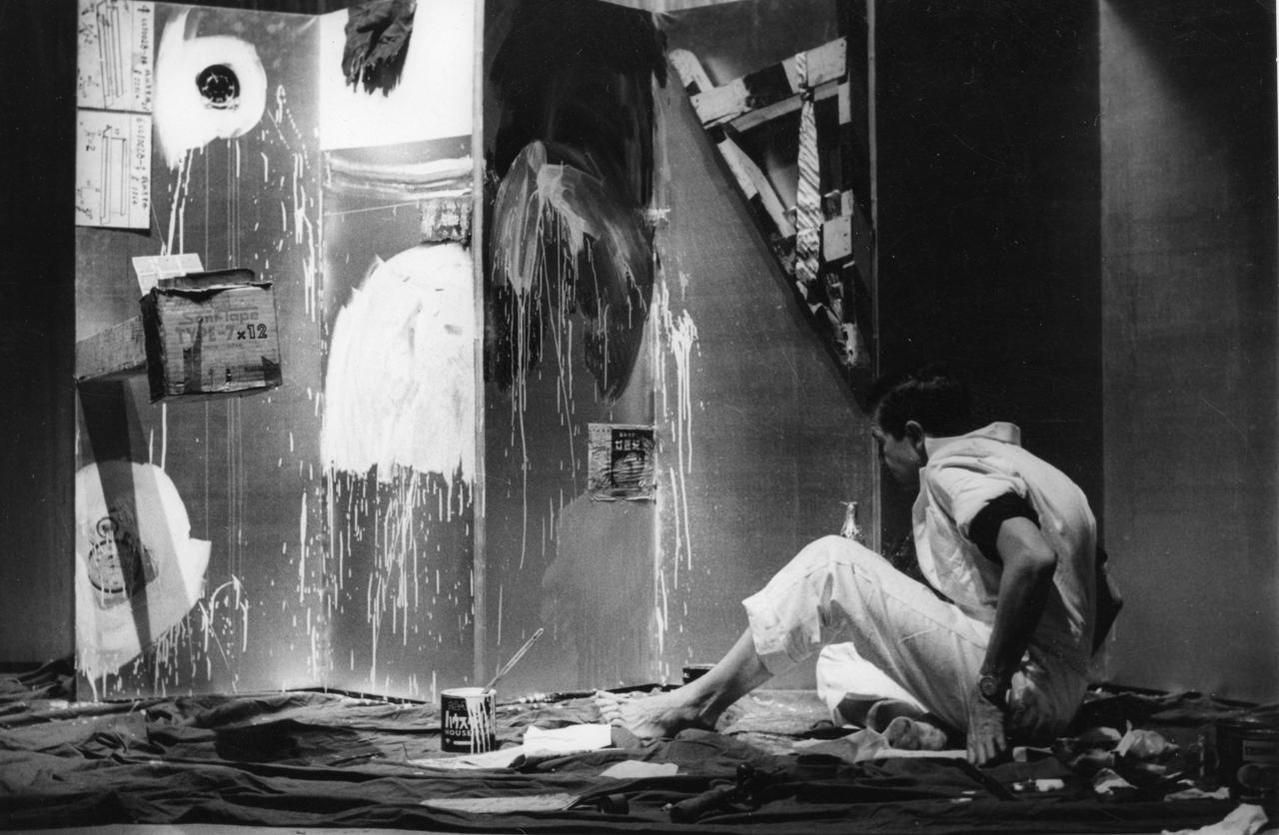
Iimura's early films, such as 'Onan' (1960) and 'Ai (Love)' (1962), shocked and fascinated contemporary audiences. 'Ai (Love)' featured extreme close-ups of human bodies in motion, filmed in high-contrast black and white, set to an eerie electronic soundtrack by Yasunao Tone. These early works rejected narrative coherence in favor of visceral, poetic, and phenomenological explorations of human sexuality, perception, and the physical medium of film itself.
Collaborations with the Avant-Garde
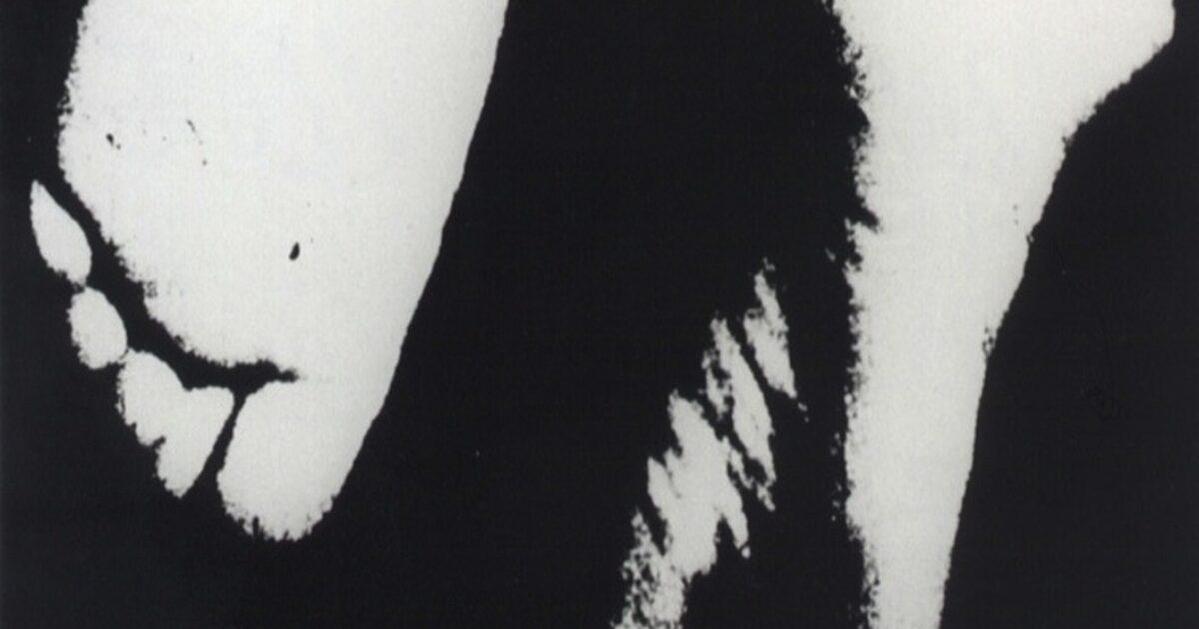
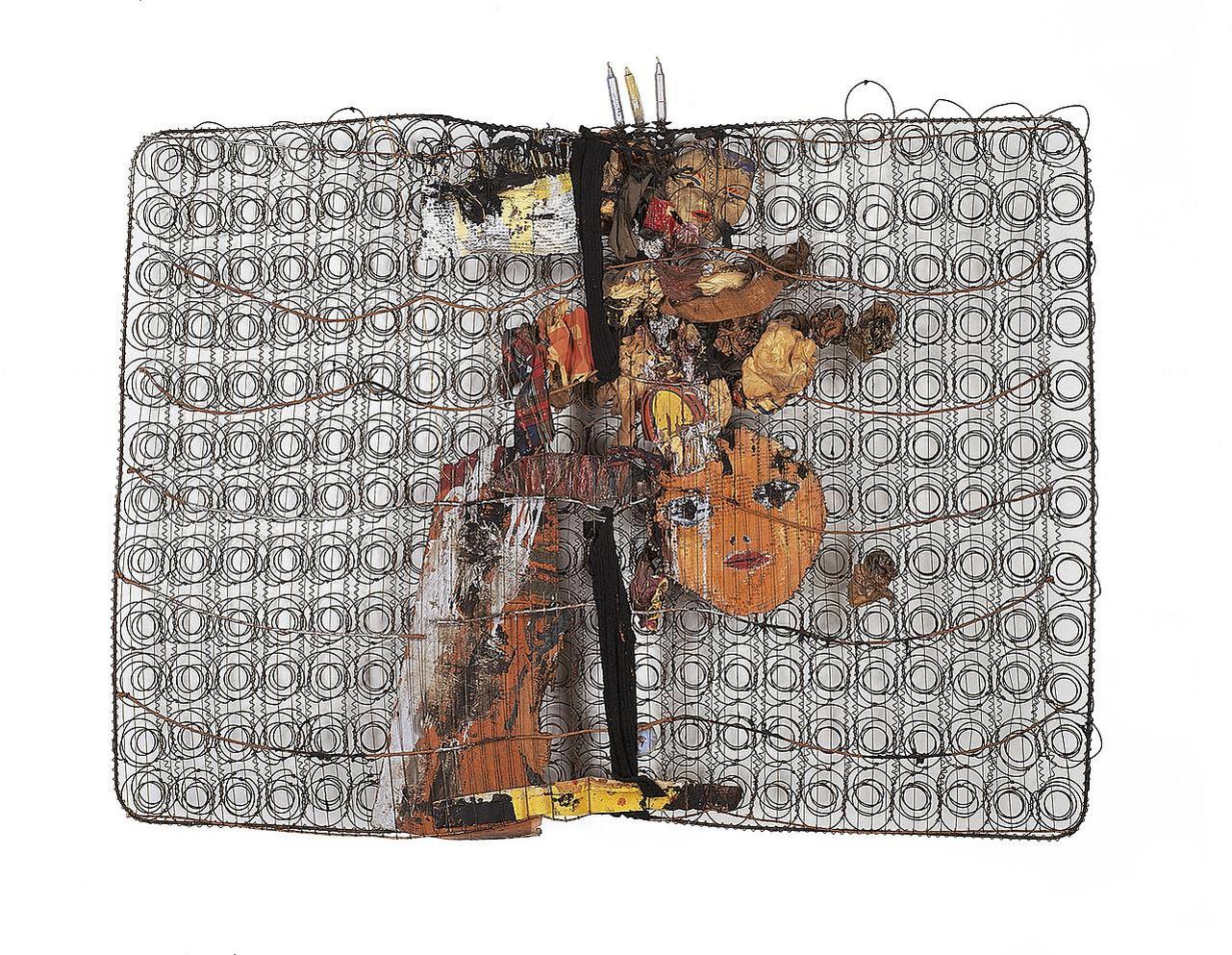
A defining aspect of Iimura’s early career was his collaborative spirit. He worked closely with iconic figures of the Japanese neo-dada and conceptual art scenes, including Yoko Ono, Genpei Akasegawa, and the experimental music group Group Ongaku. These collaborations emphasized performance, event-based art, and the dismantling of the traditional boundaries separating the artist, the artwork, and the viewing public.
The Transition to Video Art
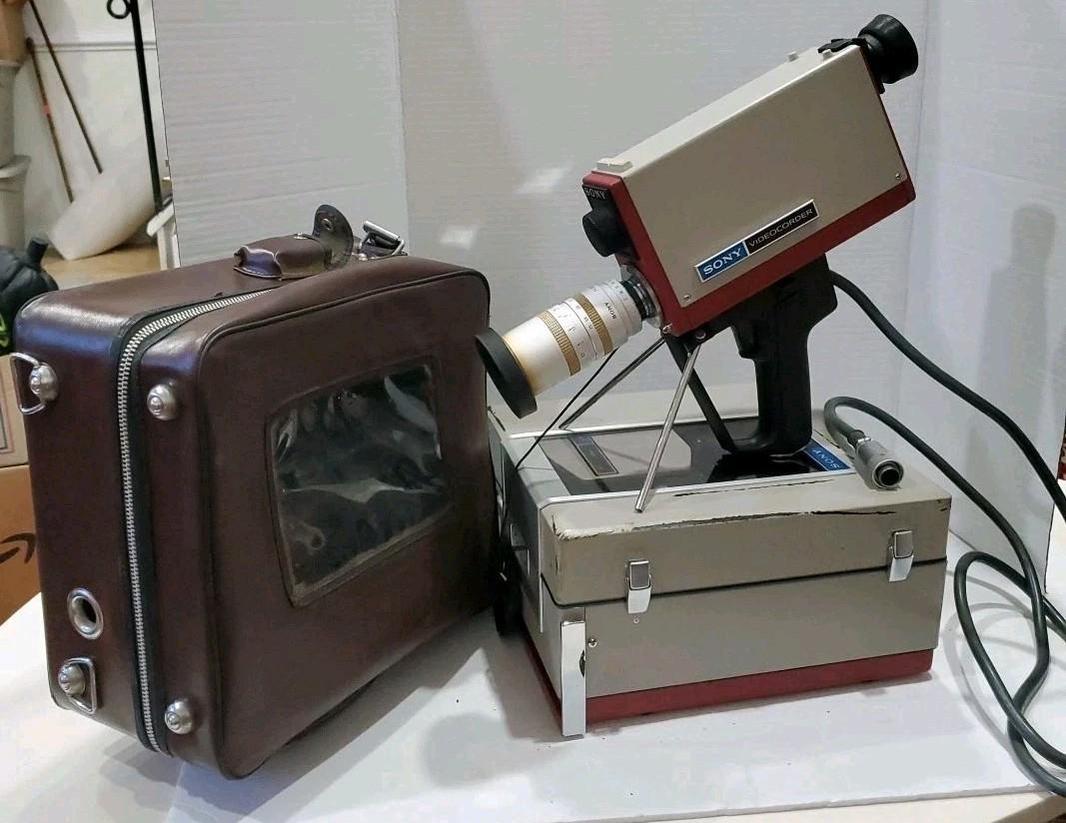
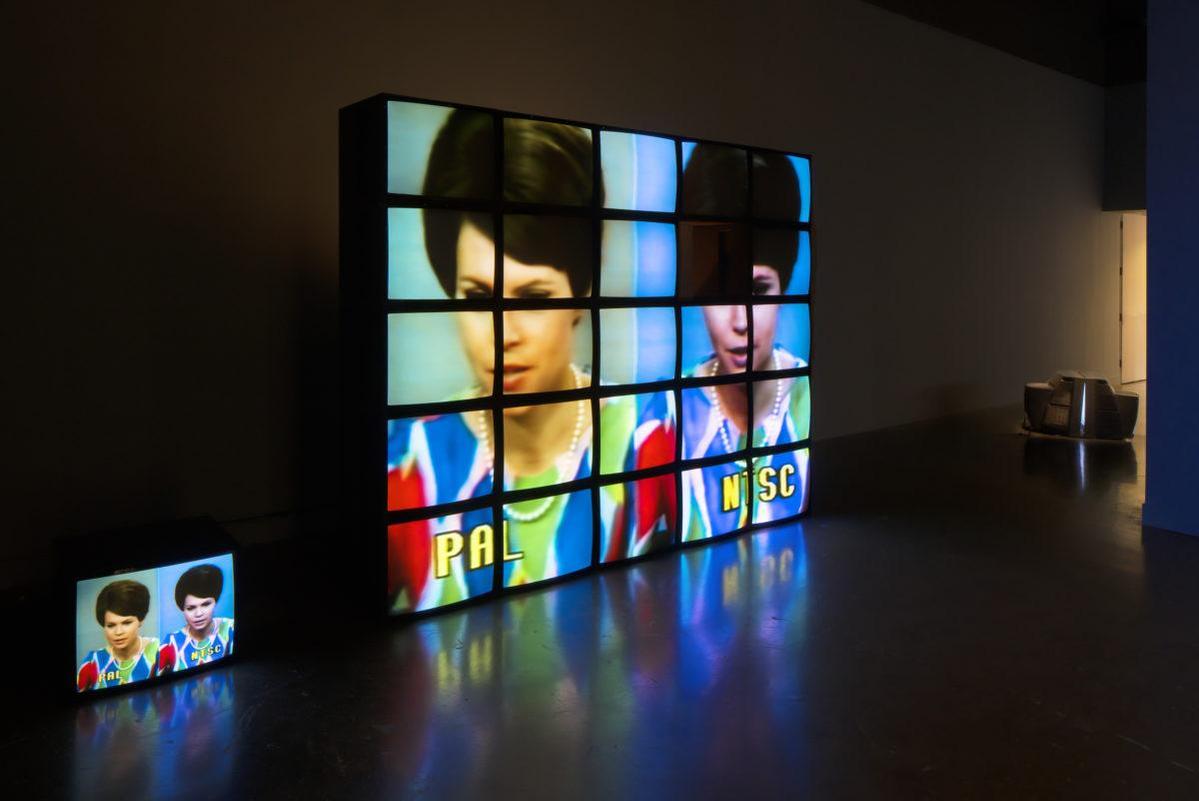
As portable video technology emerged in the late 1960s and early 1970s, particularly with the introduction of the Sony Portapak, Iimura was among the first to recognize its revolutionary potential. Unlike film, which required a chemical development process, video offered immediate feedback. This instantaneity allowed Iimura to shift his focus from pre-recorded cinematic structures to real-time closed-circuit installations that questioned the viewer's immediate perception of reality.
New York and the Global Avant-Garde
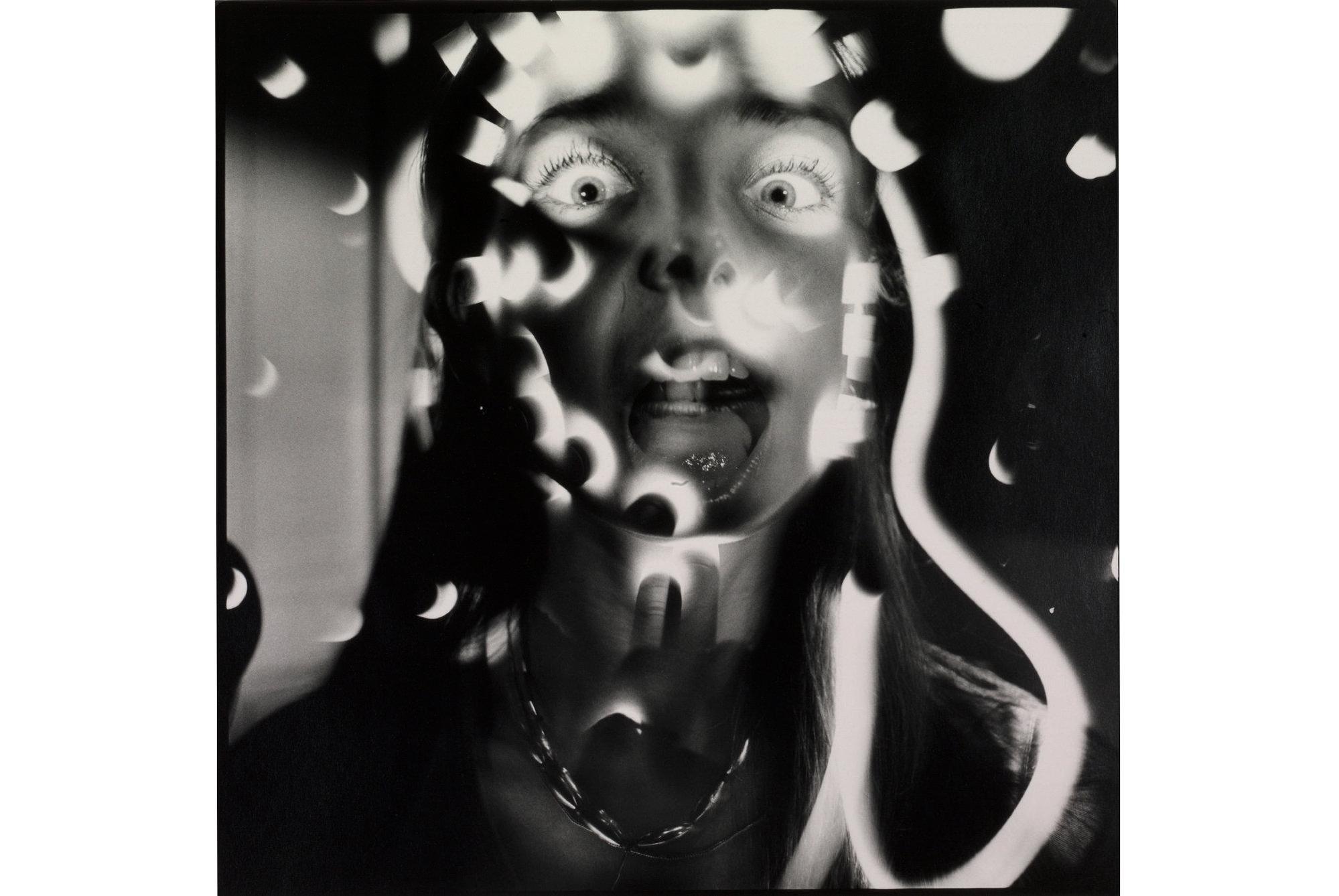
Seeking broader horizons, Iimura moved to New York in 1966 under a fellowship. This move proved to be a pivotal milestone in his career. In New York, he integrated into the thriving local avant-garde community, interacting with major figures of the Fluxus movement, structural filmmakers, and conceptual artists. This international dialogue enriched his practice, aligning his work with global conversations on minimalism, performance, and semiotics.
Philosophical Inquiry into Time and Space
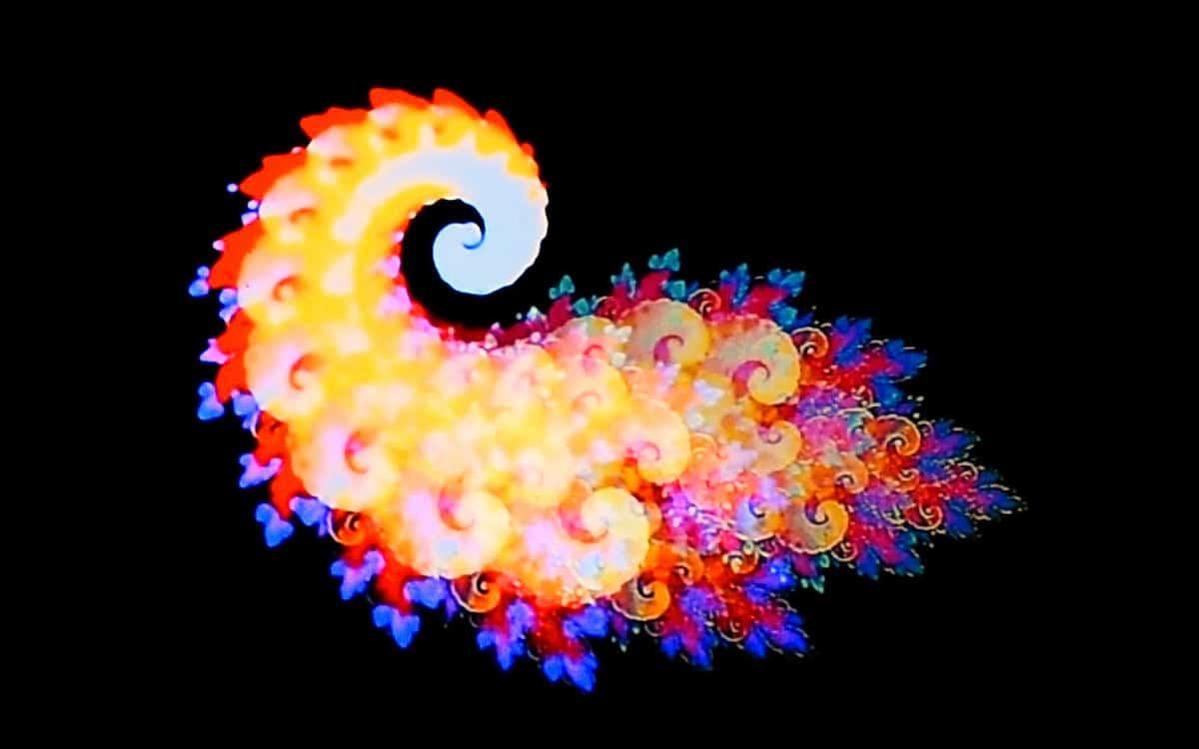
Iimura's video works are characterized by a profound philosophical investigation into the nature of time and space. Rather than using video to tell stories, he used the medium to analyze itself. He frequently manipulated video playback speeds, utilized delays, and combined live feeds with pre-recorded tapes to disrupt the spectator's conventional understanding of 'now' and 'then,' 'here' and 'there.'
The Observer and the Observed
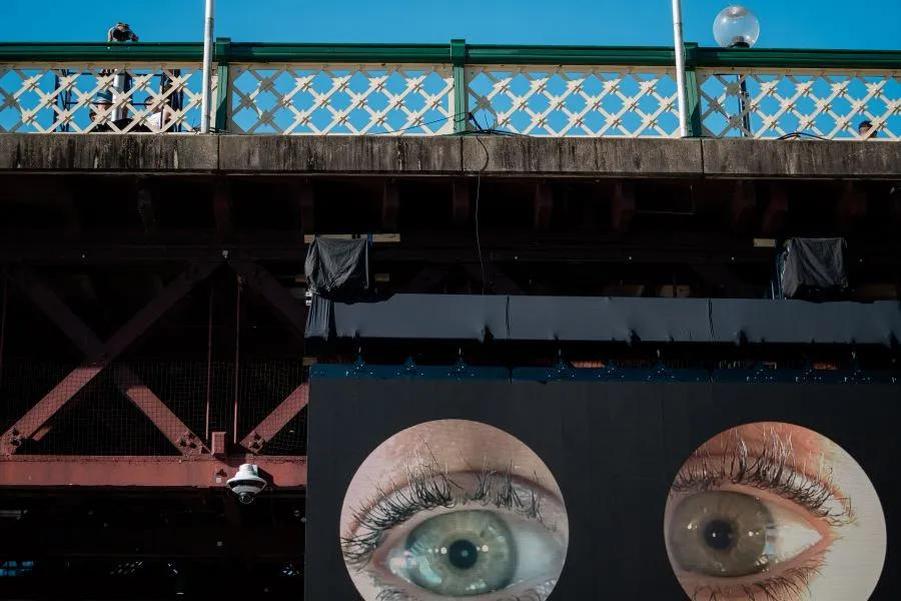
One of Iimura’s most celebrated conceptual video series is 'Observer/Observed' (1975). In this seminal work, he utilized cameras and monitors to create self-reflexive feedback loops. By pointing a video camera at a monitor displaying the camera's live feed, while placing text cards such as 'I AM LOOKING AT YOU' on the screen, Iimura created a complex linguistic and visual puzzle that explored the shifting roles of the subject and the object in media representation.
Integrating the Concept of 'Ma'
Central to understanding Iimura’s aesthetic is the traditional Japanese concept of 'Ma,' which translates to negative space, pause, or interval. Iimura ingeniously adapted this classical philosophical concept to modern media. In his videos and performances, 'Ma' became a tool to explore the blank spaces between film frames, the silence between sounds, and the physical distances between screens, transforming emptiness into an active artistic element.

The Digital Shift and Multimedia
In the 1990s, Iimura enthusiastically embraced the digital revolution. He recognized that computer technology allowed for an unprecedented level of user interaction and conceptual layering. He began translating his earlier film works into interactive CD-ROMs, creating multimedia installations, and experimenting with early internet art, demonstrating an extraordinary ability to adapt his conceptual inquiries to the rapidly changing technological landscape.
The Artist as a Theorist
Beyond his practical work, Iimura was an accomplished writer and media theorist. He published numerous books, articles, and essays in both Japanese and English. His writings provided critical historical context for the development of Japanese experimental film and offered sophisticated philosophical frameworks for understanding the ontological differences between film, video, and digital media.
International Exhibitions and Recognition
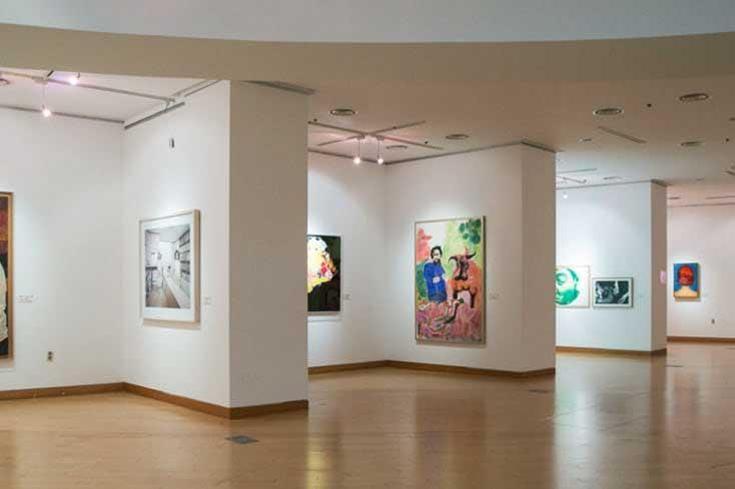
Throughout his career, Iimura’s works were exhibited at prestigious institutions worldwide. Major museums, including the Museum of Modern Art (MoMA) in New York, the Centre Pompidou in Paris, and the Tokyo Metropolitan Museum of Photography, hosted retrospectives of his work. These exhibitions cemented his status as a key international figure in the history of moving-image art.
Pedagogical Legacy and Teaching
Iimura was also a dedicated educator who shared his unique insights with younger generations of artists and filmmakers. He taught at various prestigious institutions in Japan and internationally, including the Tokyo University of Art and Design and as a visiting professor in the United States and Europe. Through his teaching, he nurtured a critical mindset in his students, encouraging them to question the media they consume and produce.
Critical Reception and Aesthetic Rigor
Art critics often praise Iimura for his uncompromising aesthetic rigor and intellectual clarity. Unlike commercial media, which seeks to immerse the audience in illusion, Iimura’s art is intentionally alienating and analytical. He forces viewers to become aware of the physical screen, the passage of actual time, and the mechanisms of projection, turning the act of watching into an intellectual exercise.
Comparative Art History
In the context of global media art, Iimura is frequently compared to Western contemporaries like Nam June Paik, Bruce Nauman, and Bill Viola. While Paik utilized a chaotic, pop-art-infused aesthetic and Viola focused on spiritual and painterly themes, Iimura maintained a highly disciplined, minimalist, and linguistic approach, deeply rooted in both Western semiotics and Eastern Zen philosophy.
Archiving and Preserving Media Art
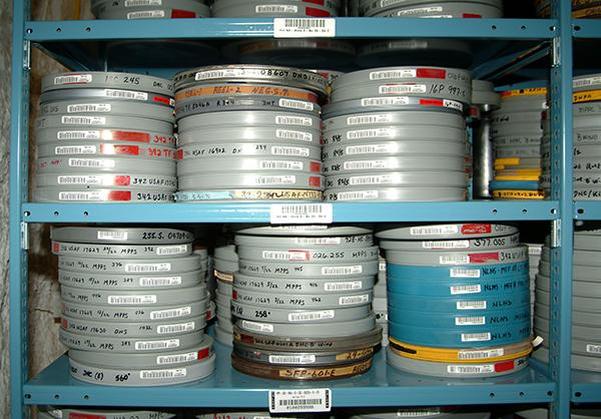
As magnetic tape and older film stocks naturally decay over time, the preservation of Iimura’s vast body of work became a critical task. In his later years, Iimura collaborated with specialized preservationists, archives, and academic institutions to digitize and catalog his analog tapes and films. This painstaking process ensures that his historic experiments remain accessible to future generations of researchers and art enthusiasts.
Late Career and Continuous Innovation
Even well into his seventies and eighties, Iimura refused to slow down, continuing to produce new works and perform live. He staged live film projection performances, during which he physically manipulated the light beams and screens in front of an audience, proving that his artistic curiosity remained as vibrant and radical as it had been during his early days in the 1960s underground scene.
The Passing of a Legend
Takahiko Iimura passed away in Tokyo in 2022, marking the end of an era for the international avant-garde. His death was met with widespread tributes from artists, curators, and critics around the world, who celebrated his tireless dedication to exploring the poetic, philosophical, and conceptual limits of the moving image.
Conclusion and Lasting Influence
Ultimately, Takahiko Iimura’s artistic journey transformed our understanding of what a moving image can be. By dismantling traditional cinematic narratives and turning the camera's gaze inward, he opened up entirely new conceptual territories. Today, his influence persists in the works of contemporary video artists, digital designers, and experimental filmmakers who continue to question the nature of time, space, and human perception in our increasingly screen-mediated world.
#Takahiko Iimura#Avant-Garde Cinema#Japanese Video Art#Experimental Film#Fluxus Movement#Conceptual Art#Media Art History
Comments(0)
No comments yet. Be the first to share your thoughts!
Recommended Reads
 Kbeauty
Sep 22, 2026, 10:03 PM
Target Beauty Studio: How K-Beauty is Conquering the American Mass Market
On September 10, 2026, retail giant Target officially launched Target Beauty Stu...
 Skincare
Sep 21, 2026, 10:03 PM
How K-Beauty is Powering Global Ingredient Literacy and Redefining Skincare
In a major move for the global beauty industry, Korean-American cosmetics brand ...
 JayPark
Sep 20, 2026, 10:06 PM
Edmonds-Born K-Pop Pioneer Jay Park Set for Major Seattle Homecoming Concert
Edmonds-born K-pop and hip-hop pioneer Jay Park is returning to his roots for a ...
 BTS
BTSSep 19, 2026, 10:04 PM
The Triumph and Autonomy of BTS: Inside Their Historic 2026 Comeback and Bold Grammy Boycott
After a scheduled hiatus that began in late 2022, the global supergroup BTS has ...
 Fitness Gaming
Sep 3, 2026, 03:35 AM
VXROOM: Transforming Daily Workouts into Engaging Web-Based Motion Games
VXROOM (vxroom.com) is an innovative web-based int...
 Survival Show
Sep 1, 2026, 09:07 AM
Game of Blood X: The Evolution of Korea’s Fiercest Survival Reality Franchise
Wavve's hit original series Game of Blood ...