
정몽규Jun 28, 2026, 06:21 PM• 90682 views
Chung Mong-gyu: A Comprehensive Analysis of His Corporate Leadership at HDC and Sports Governance at the KFA
Introduction to Chung Mong-gyu
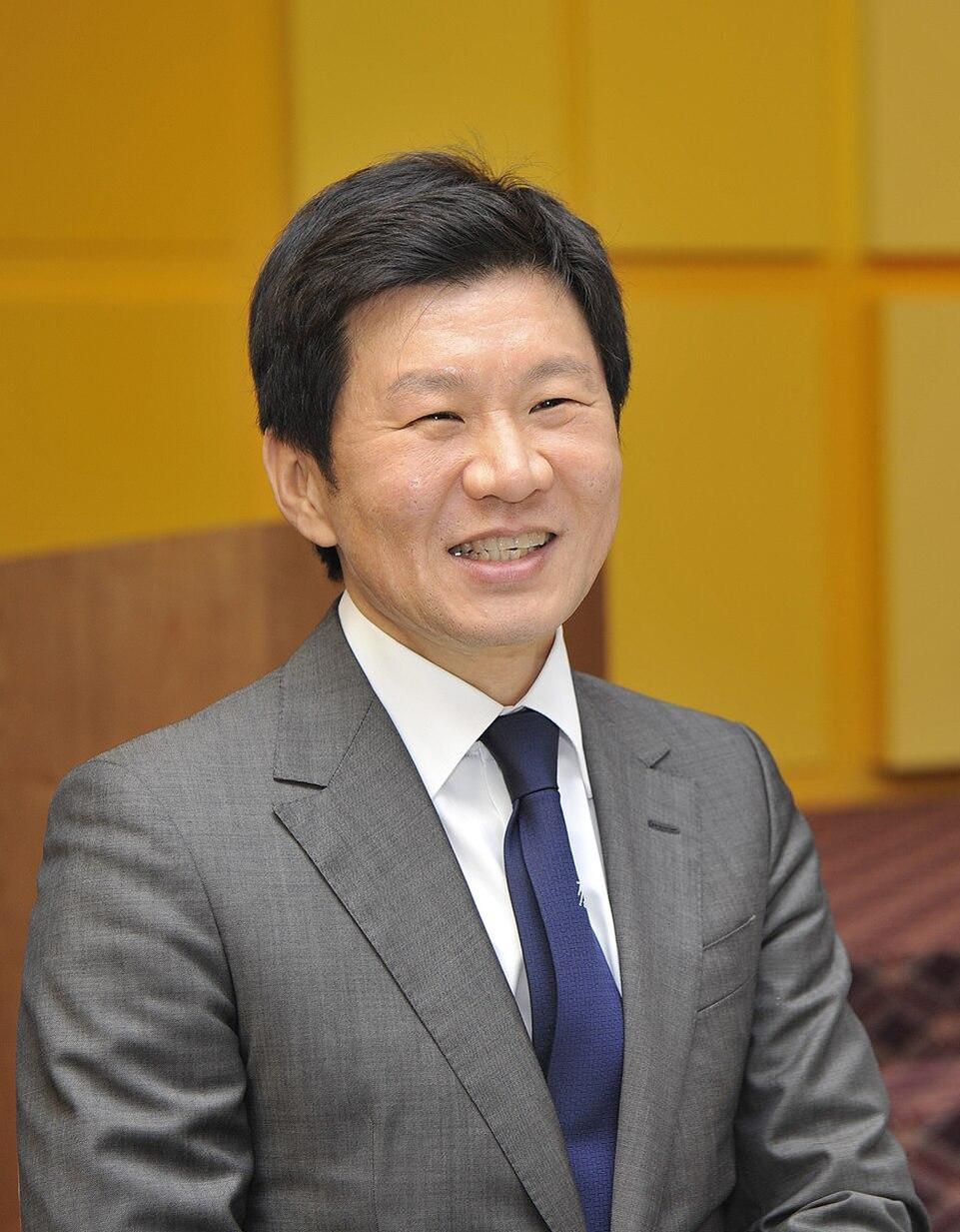
Chung Mong-gyu is one of South Korea's most prominent and debated figures, straddling the worlds of high-stakes corporate business and national sports administration. As the Chairman of HDC Group, a major South Korean conglomerate best known for its construction division HDC Hyundai Development Company, and the long-serving President of the Korea Football Association (KFA), Chung wields significant influence over both the nation's physical landscape and its most beloved sport. Over the past several decades, his career has been marked by ambitious corporate expansions, structural reforms in sports, and severe public controversies that have put his leadership under intense scrutiny.
The Hyundai Lineage and Early Life
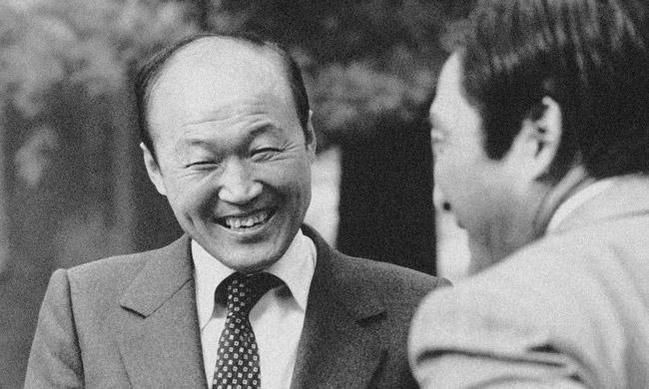
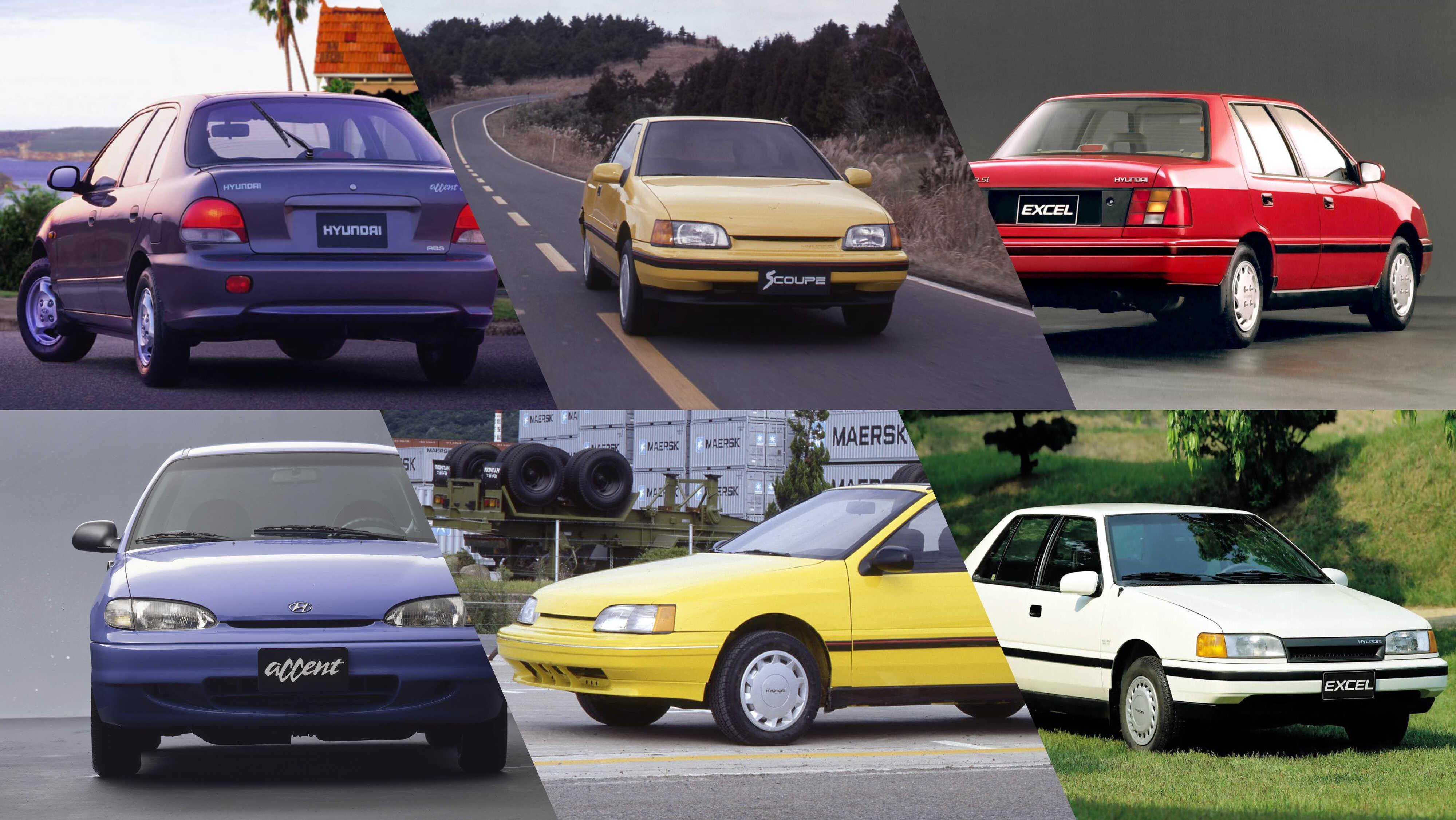
Born in 1962, Chung Mong-gyu is a member of the influential Hyundai family, the clan behind one of South Korea's largest and most historic chaebols. He is the eldest son of Chung Se-yung, the younger brother of Hyundai founder Chung Ju-yung. His father, famously nicknamed 'Pony Chung' for his pivotal role in launching South Korea's first mass-produced domestic car, the Hyundai Pony, served as a foundational pillar for Hyundai Motor Company. Growing up in this elite corporate dynasty, Chung Mong-gyu was groomed from an early age to inherit major business responsibilities, inheriting both the immense privileges and the heavy expectations associated with the Hyundai name.
Academic Foundation and Military Service
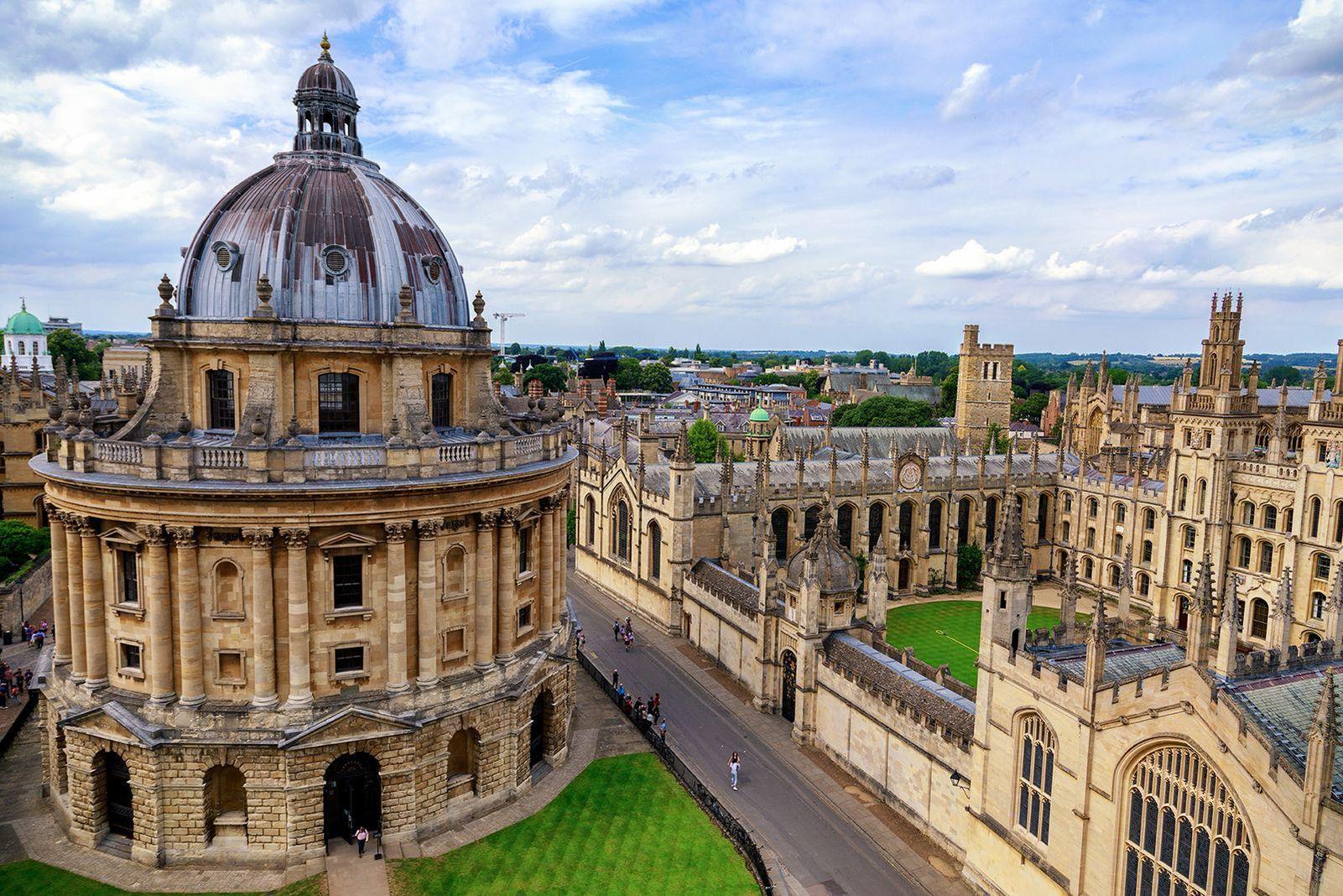
Before embarking on his executive career, Chung pursued a rigorous academic path designed to prepare him for global business management. He attended the prestigious Korea University, where he earned a bachelor's degree in Business Administration. To further broaden his international perspective, he moved to the United Kingdom to study at the University of Oxford, completing a master's degree in Philosophy, Politics, and Economics (PPE). This elite education provided him with a strong analytical foundation and global networking opportunities. Additionally, he completed his mandatory military service in South Korea, serving as an officer, which is a standard expectation for young leaders in the country's business elite.
Early Career at Hyundai Motor Company
Chung Mong-gyu began his professional career in 1988 at Hyundai Motor Company, working under the tutelage of his father. He quickly climbed the corporate ladder, serving in various management and executive roles. In 1996, he was named Chairman of Hyundai Motor Company at the young age of 34. During his tenure, he focused on expanding the automaker's global footprint, improving technological self-reliance, and continuing his father's vision of turning the domestic manufacturer into a global automotive powerhouse. However, his tenure at the helm of the automotive division was destined to be short-lived due to a dramatic restructuring within the larger Hyundai family dynasty.
The Shift to Hyundai Development Company (HDC)
In 1999, a historic power struggle and restructuring within the Hyundai Group led to a separation of its various business units. Control of Hyundai Motor Company was transferred to Chung Mong-koo, the eldest son of founder Chung Ju-yung. In exchange, Chung Se-yung and Chung Mong-gyu handed over their shares in the automotive giant and took control of Hyundai Development Company (HDC), a construction-focused entity. This transition was a turning point for Chung Mong-gyu. Stripped of the automotive crown, he was tasked with proving his own management capabilities by transforming a domestic construction firm into a diversified and modern conglomerate.
HDC Group Leadership and Business Diversification
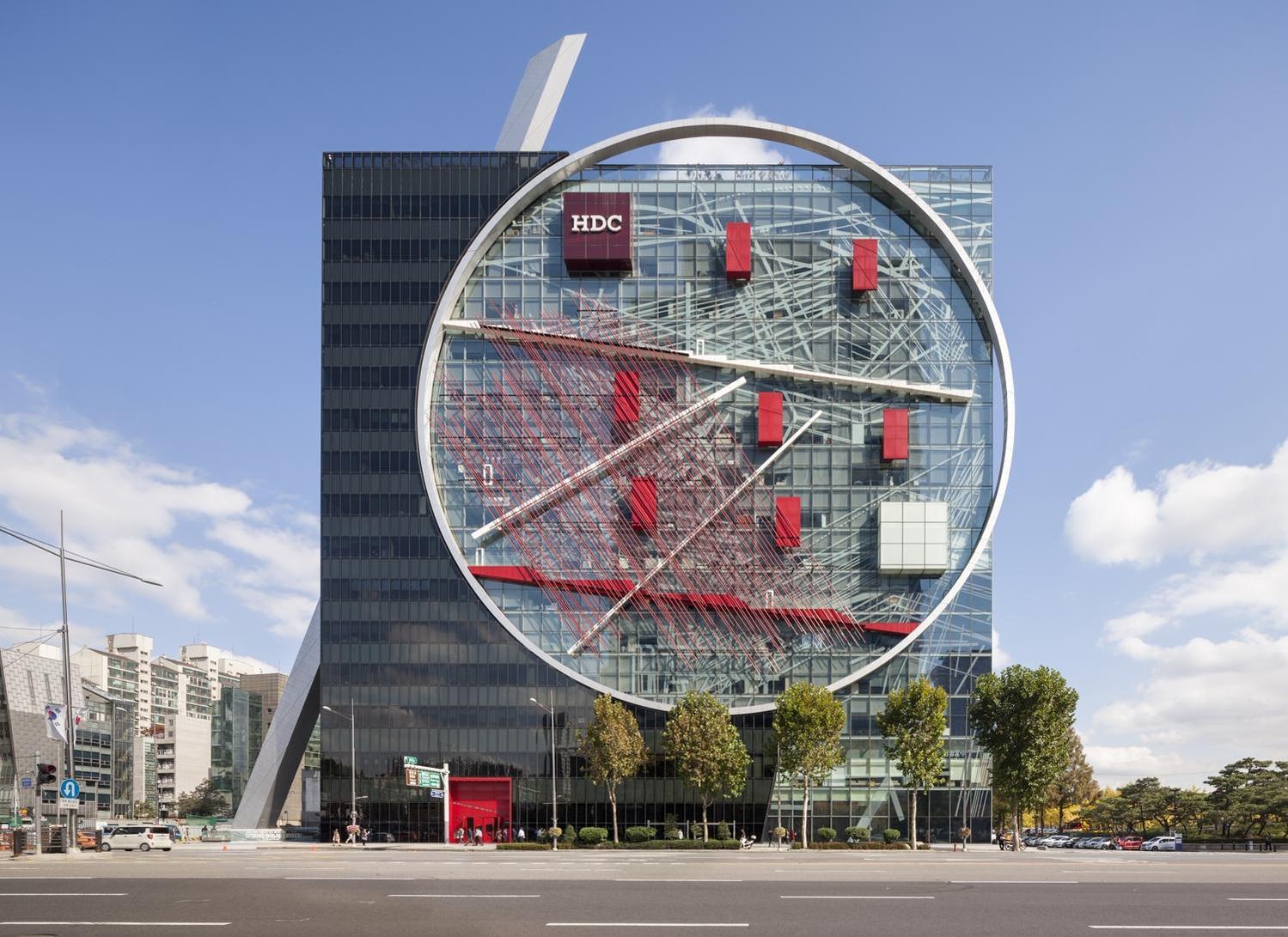
Under Chung Mong-gyu's leadership, HDC Group moved beyond traditional housing construction to become a comprehensive real estate developer and diversified holding company. He initiated several major infrastructure, logistics, and retail ventures. The group launched HDC Shilla Duty Free through a joint venture, entered the petrochemical market by acquiring EP Korea (now HDC Polymer), and expanded into the leisure industry with high-end resorts. In 2018, the conglomerate officially transitioned into a holding company structure, with HDC Holdings overseeing its various subsidiaries, consolidating Chung's control and modernizing corporate governance.
The IPark Brand and Urban Development Milestones
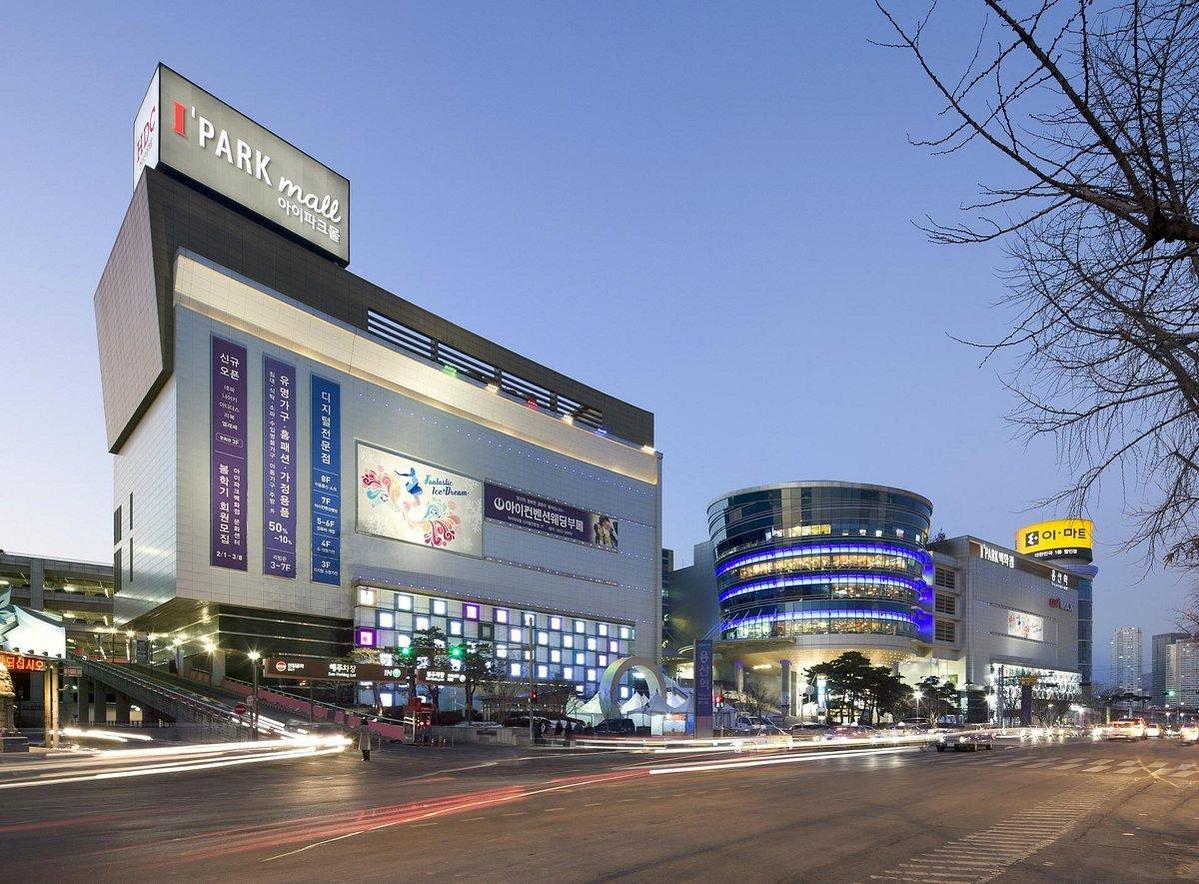
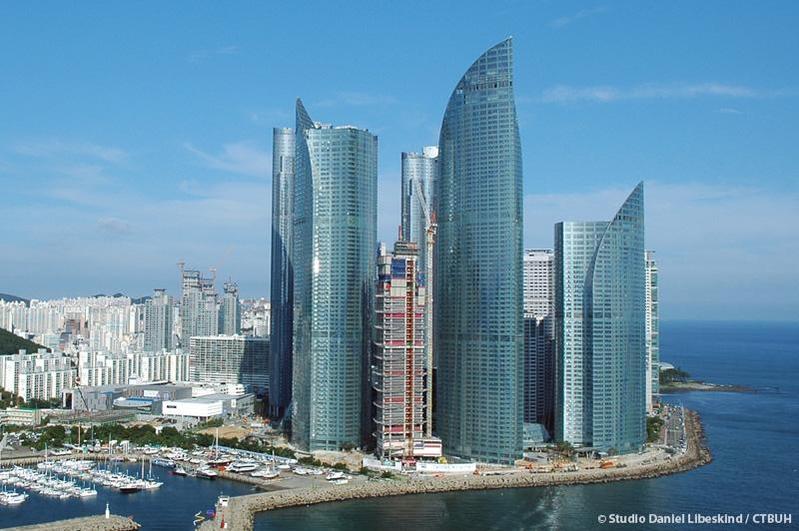
A key achievement of Chung's corporate career was the establishment and elevation of 'IPark' as one of South Korea's premier luxury apartment brands. Under his guidance, HDC moved away from simple apartment block construction toward holistic urban planning. Landmark projects like the Haeundae IPark in Busan, a striking marine skyscraper complex designed by world-renowned architect Daniel Libeskind, redefined regional skylines and established HDC as a pioneer in high-end residential design. These projects elevated the brand's prestige, placing HDC at the forefront of the nation's highly competitive construction industry.
Entry into Sports Administration: K-League and Busan IPark
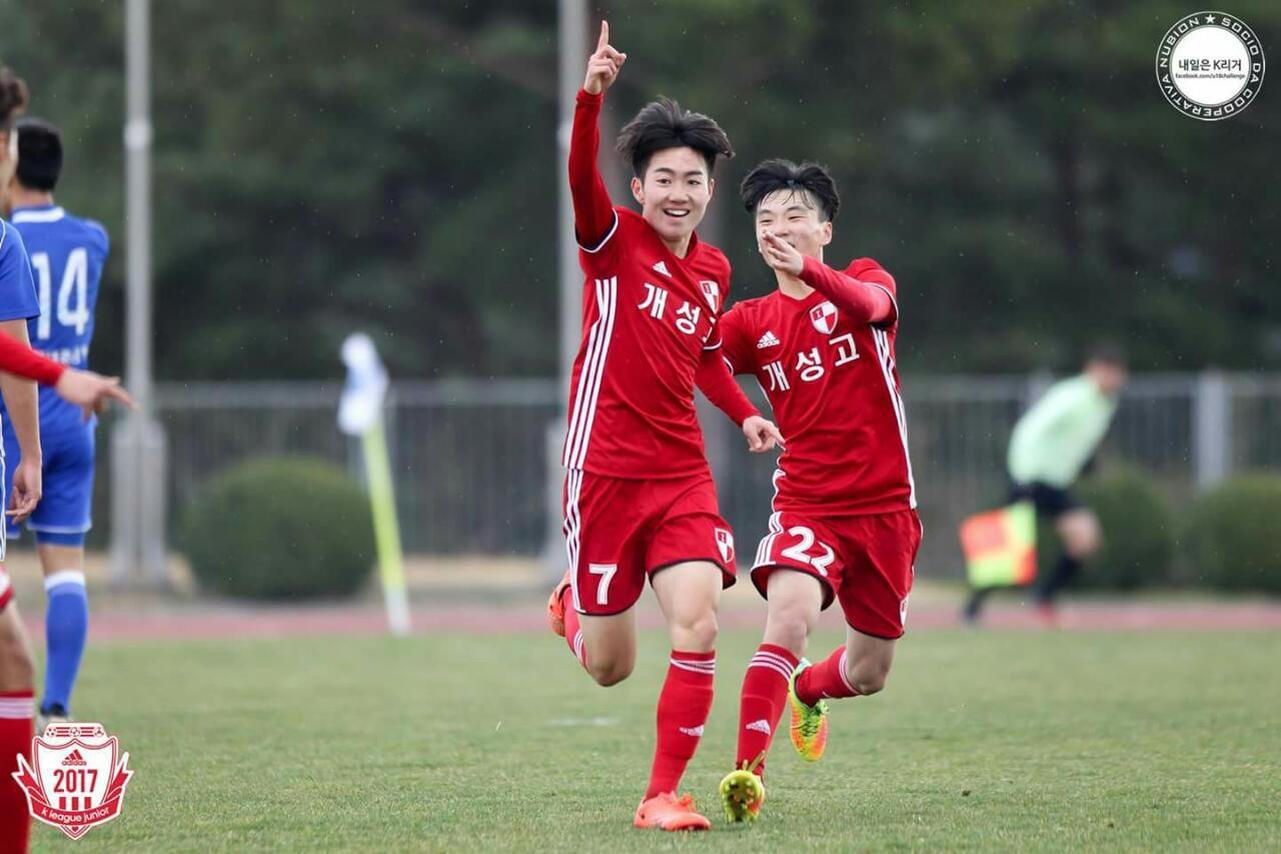
Parallel to his corporate career, Chung developed a deep passion for sports administration, focusing heavily on football. His family had long supported South Korean sports, and Chung continued this legacy. He acquired Busan IPark FC, a professional football club in the K-League, and actively supported domestic football development. In 2011, he was elected as the Commissioner of the K-League, the governing body of Korea's professional football league. During his tenure as league commissioner, he gained praise for establishing a division system (promotion and relegation) and tackling the match-fixing scandals that threatened the credibility of the sport.
Ascension to the Korea Football Association Presidency
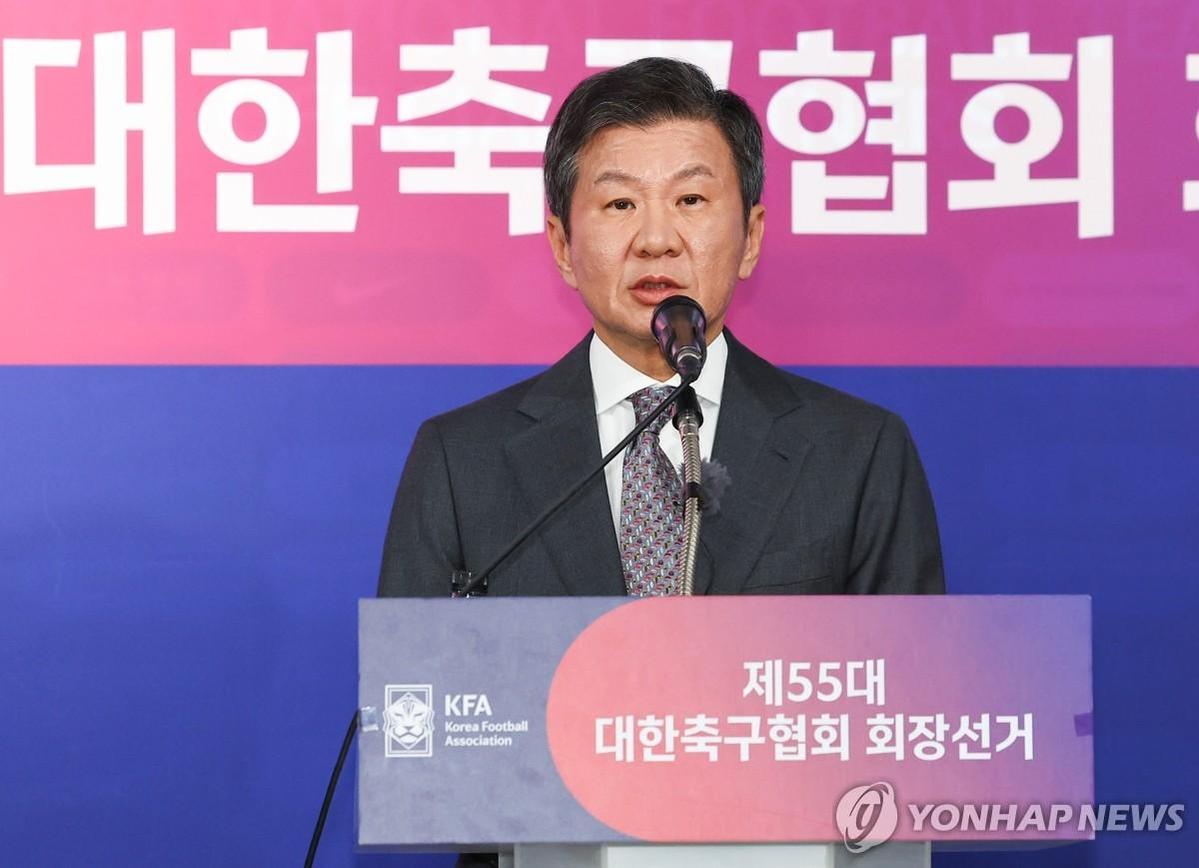
Building on his successes with the K-League, Chung Mong-gyu took the ultimate step in South Korean sports governance in 2013 when he was elected as the 52nd President of the Korea Football Association (KFA). Succeeding Cho Joong-yeon, Chung positioned himself as a reformer who would bring corporate efficiency, global standards, and structural transparency to the national football body. His election was met with high expectations, as the public hoped his extensive business background and passion for the sport would elevate South Korean football to a more competitive level on the world stage.
KFA Reforms and Structural Visions
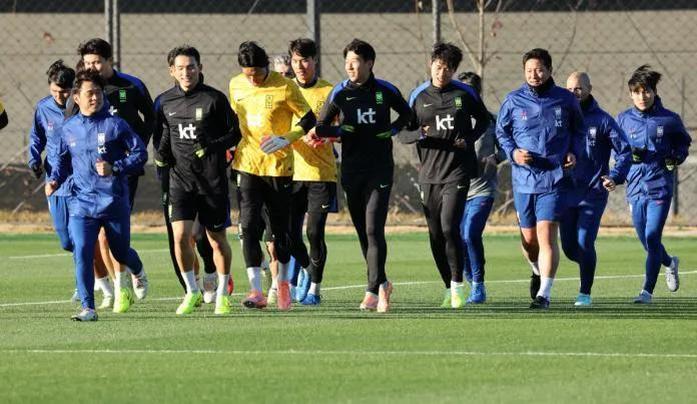
In his early terms as KFA President, Chung pushed forward with several major initiatives aimed at long-term development. He spearheaded the design and planning of the new National Football Center (NFC) in Cheonan, a massive, state-of-the-art training facility designed to replace the aging Paju NFC. He also sought to improve the youth development pipeline, introduce advanced data analytics into coach training, and promote grassroots football programs across the nation. These efforts were designed to ensure that South Korea remained the premier powerhouse of Asian football, producing talent capable of competing in top European leagues.
International Sports Diplomacy and Global Roles
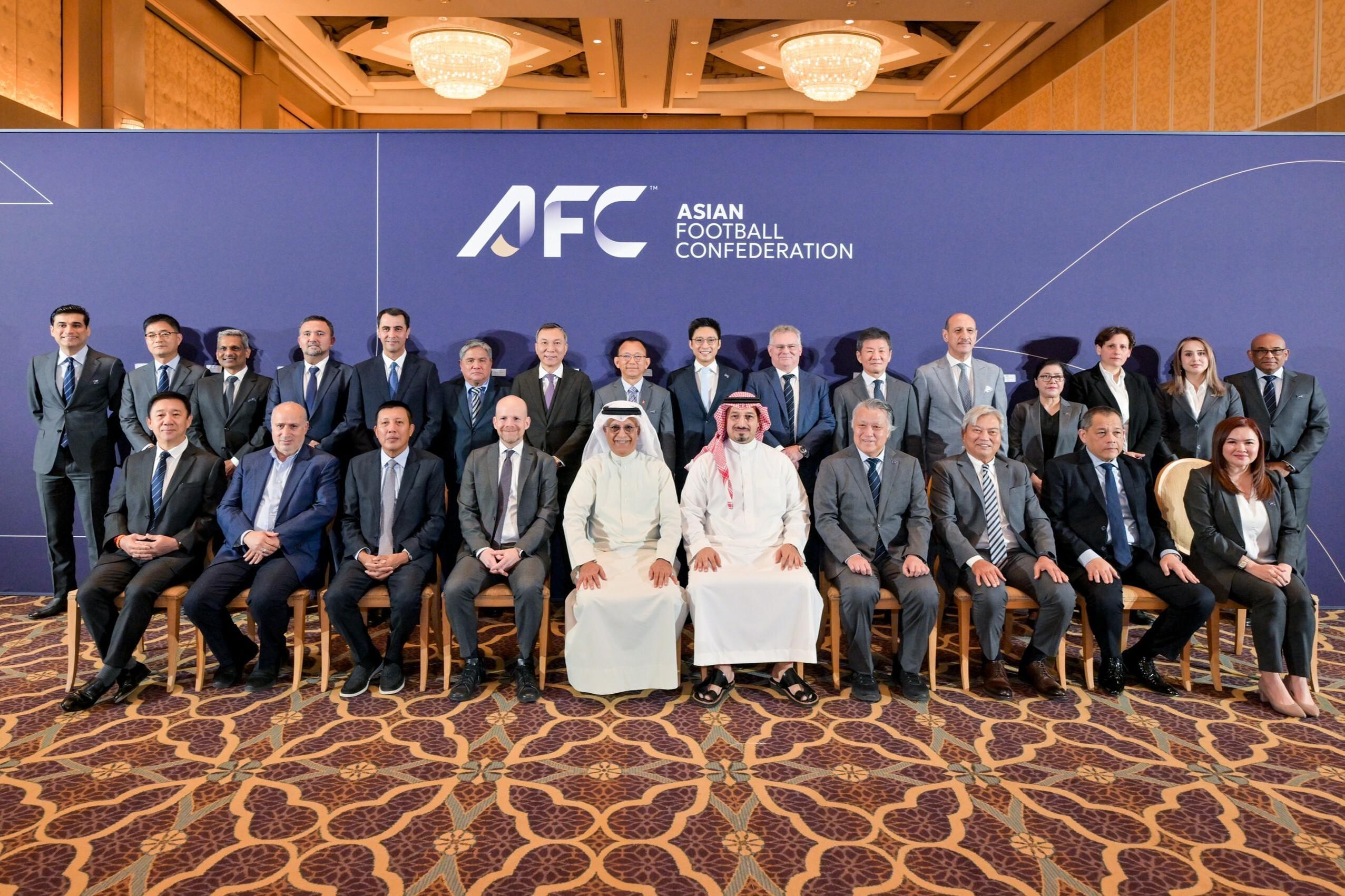
Chung also actively sought to expand South Korea's influence within international football governing bodies. He served as the President of the East Asian Football Federation (EAFF) and pursued high-ranking positions within the Asian Football Confederation (AFC) and FIFA. He was elected as a member of the AFC Executive Committee and actively campaigned for South Korea to host major tournament events, including bidding for the AFC Asian Cup. His international engagements were intended to raise the diplomatic profile of Korean football, though securing long-term influence in FIFA proved to be a complex and highly competitive endeavor.
The Gwangju IPark Collapse: A Corporate Crisis
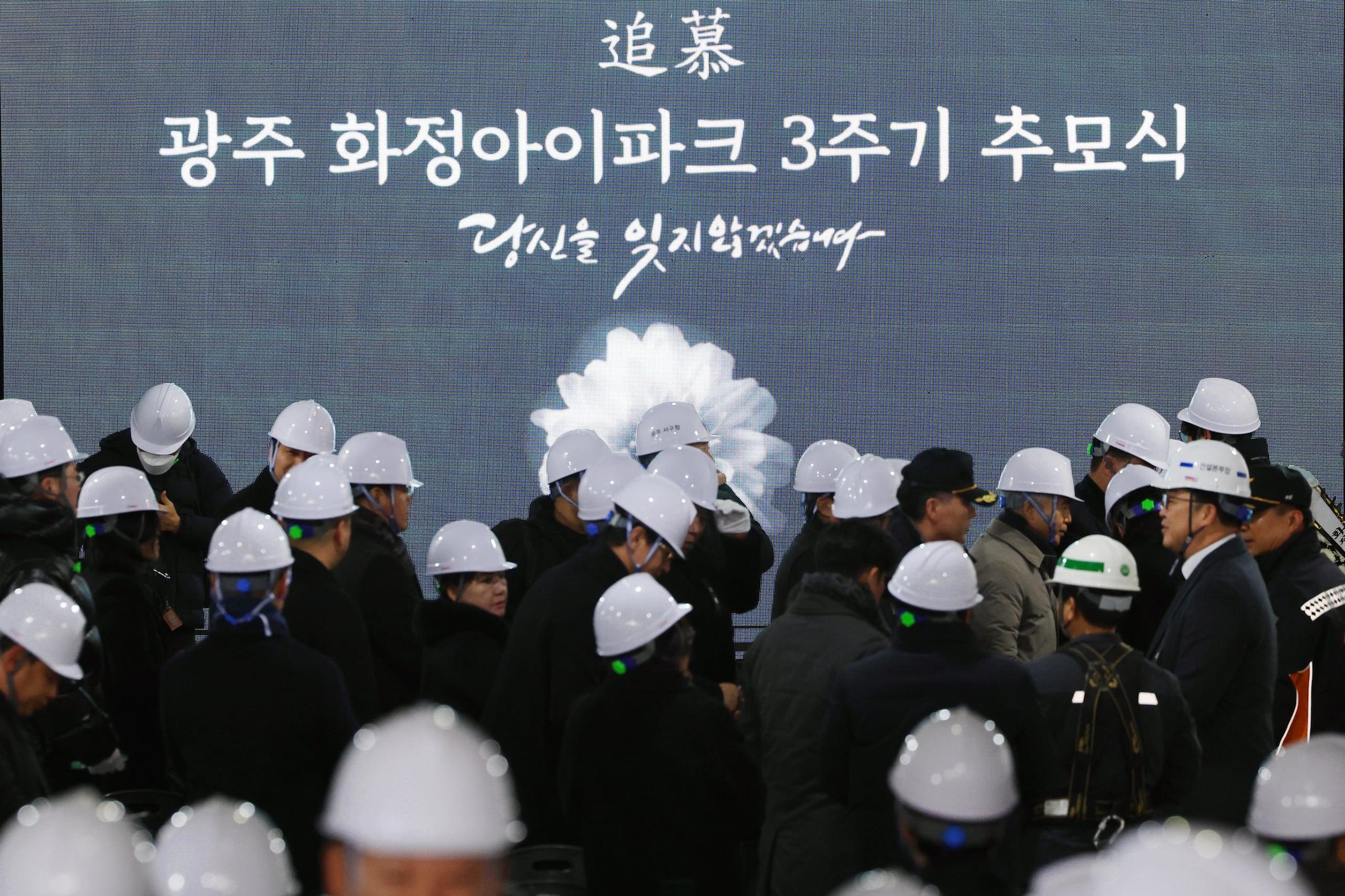
Chung's corporate career faced its most severe crisis in January 2022, when a partial collapse occurred during the construction of the Gwangju Hwajung IPark apartment complex. The tragic incident resulted in the deaths of six construction workers and sparked nationwide outrage. Investigation reports pointed to systemic issues in safety management, unauthorized structural changes, and hasty construction schedules. This was the second fatal accident involving an HDC construction site in Gwangju within a year, leading to a catastrophic blow to the company's brand image, stock value, and public trust.
Fallout and Corporate Accountability Measures
Following the Gwangju tragedy, public anger reached a boiling point, with demands for severe penalties against HDC. In response to the crisis, Chung Mong-gyu held a public press conference in which he issued a formal apology to the victims' families and the nation. He announced his resignation from his post as Chairman of HDC Hyundai Development Company to take responsibility for the safety failures. However, he retained his position as Chairman of the parent holding company, HDC Holdings. He pledged to rebuild the collapsed structures from scratch and implement unprecedented safety standards across all active construction sites.
Backlash in Sports: Accumulating KFA Criticisms
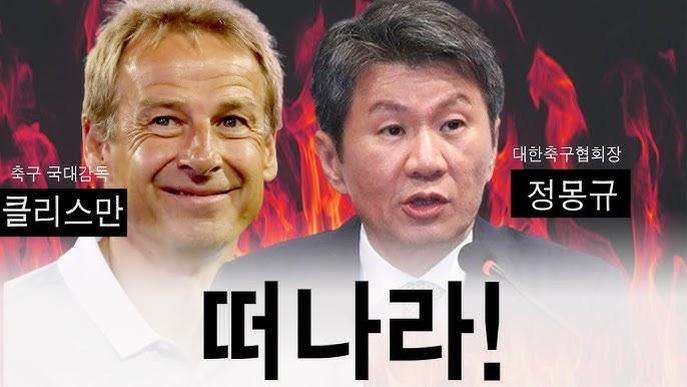
As Chung navigated the corporate fallout of the Gwangju disaster, parallel controversies began to mount regarding his leadership of the KFA. Critics accused him of managing the national football association like a personal fiefdom, sidelining professional administrators, and making unilateral decisions. Public dissatisfaction grew over the national team's performance, coaching selection processes, and what many perceived as a lack of strategic vision. The football community argued that the governance style of a corporate tycoon was ill-suited for the democratic and transparent needs of national sports administration.
The Jurgen Klinsmann Appointment Controversy
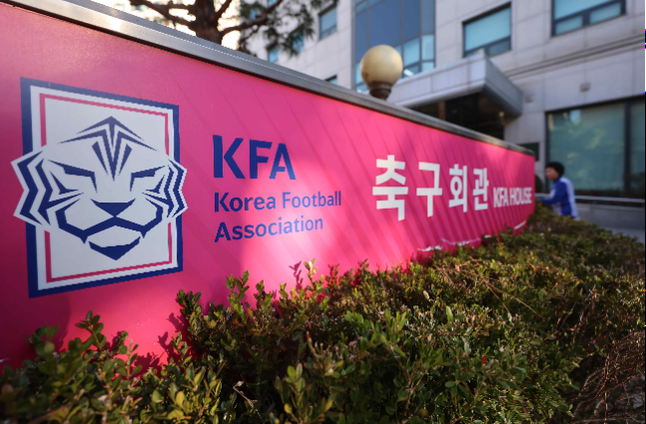
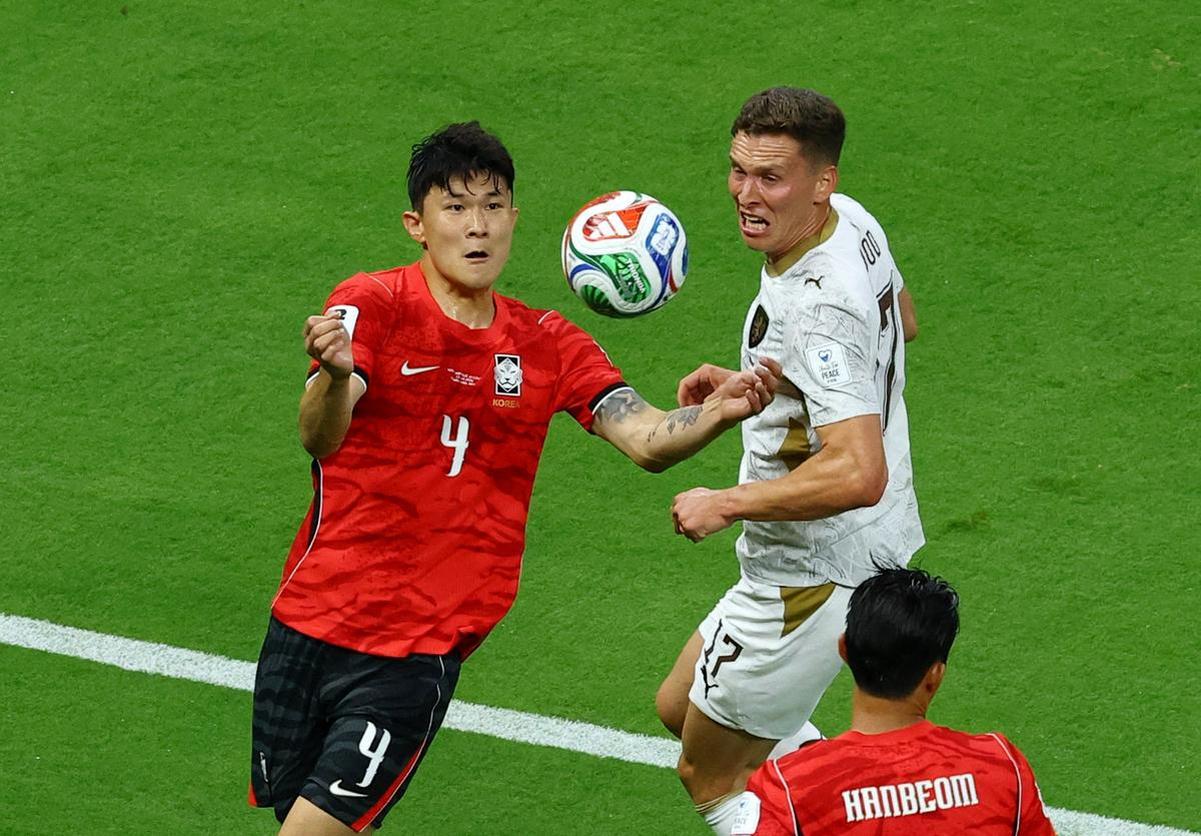
The tension between Chung and the public peaked following the appointment of Jurgen Klinsmann as the head coach of the South Korean national football team in early 2023. Reports emerged suggesting that Chung had bypassed the established National Team Committee's screening processes to personally select the German coach. Klinsmann's subsequent tenure was plagued by poor tactical performances, a refusal to reside in South Korea, and a lack of preparation, culminating in a disappointing exit from the 2023 AFC Asian Cup. The public blamed Chung's unilateral decision-making for the costly and ineffective appointment.
The Unilateral Pardon Scandal of 2023
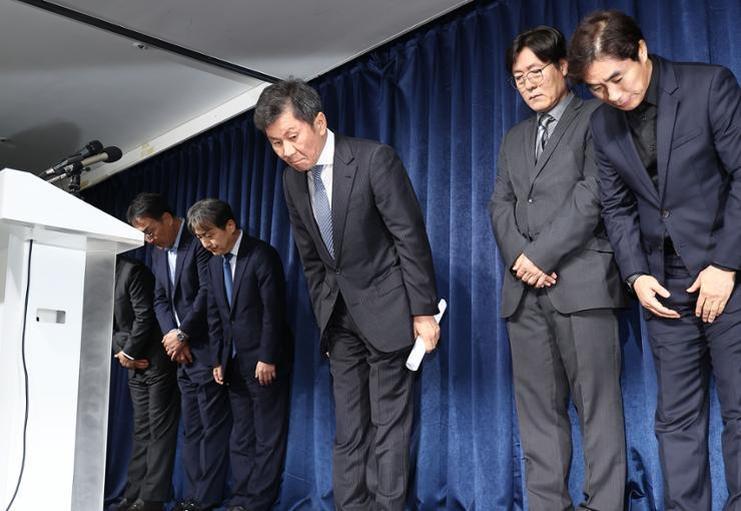
Another major blow to Chung's administrative credibility occurred in March 2023, when the KFA abruptly announced a mass pardon for 100 former football players and officials, including those banned for match-fixing during the 2011 K-League scandal. The decision was made just hours before a national team friendly match, leading to accusations that the KFA was trying to sneak the unpopular measure past the public. The backlash from fans, media, and sponsor corporations was immense, forcing the KFA to reverse the decision within days and leading to the collective resignation of the association's board members, though Chung himself remained in power.
Olympic Qualification Failure and Public Backlash
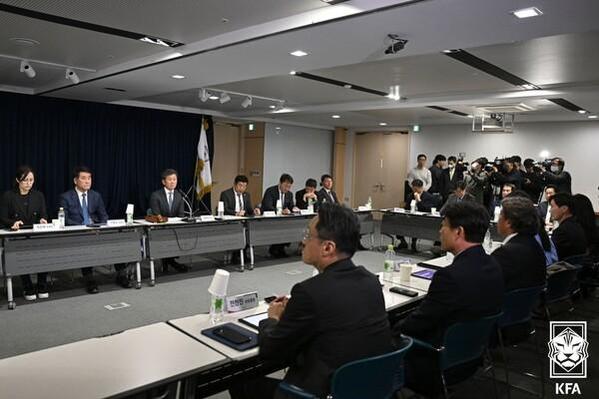
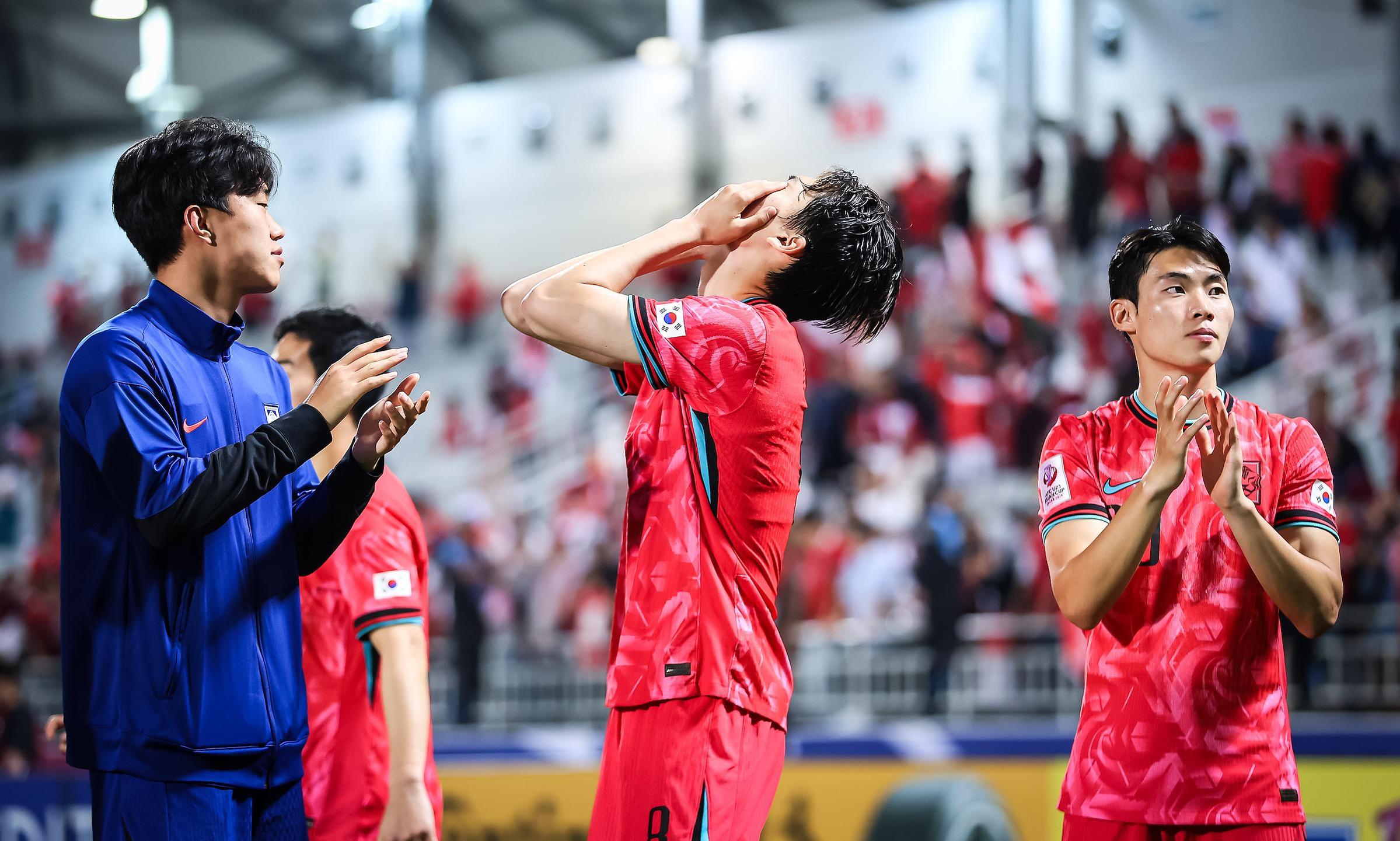
The sporting crisis deepened in April 2024, when the South Korean U-23 national football team failed to qualify for the Paris Olympics after losing to Indonesia in the quarterfinals of the AFC U-23 Asian Cup. This marked the first time in 40 years that the South Korean men's football team had failed to qualify for the Olympic Games. Football fans and critics pointed to systemic failures in the coaching selection process and poor administrative planning by the KFA as the root causes, sparking intense protests outside the KFA headquarters demanding Chung's immediate resignation.
Government Audits and Parliamentary Interrogations
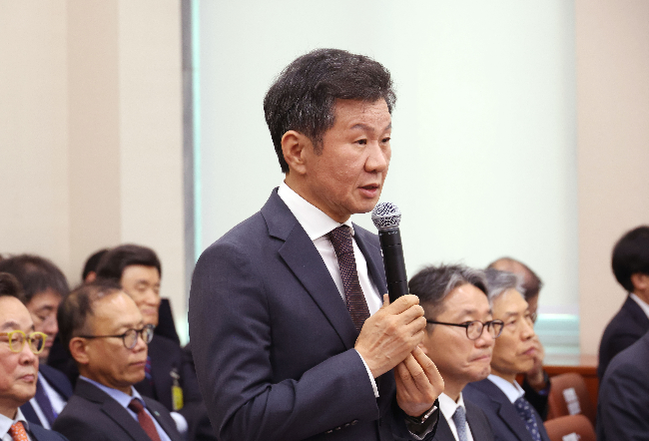
By late 2024, the public outcry over the KFA's governance reached the halls of the South Korean government. The Ministry of Culture, Sports and Tourism launched a formal audit into the KFA, investigating allegations of unfair hiring practices for national team coaches, financial mismanagement, and systemic corruption. Chung Mong-gyu was summoned to testify before the National Assembly's sports committee, where lawmakers rigorously questioned his leadership, financial transparency, and whether he intended to seek an unprecedented fourth term as KFA President despite widespread public disapproval.
Public Assessment and Legacy as a Dual Leader
Chung Mong-gyu's legacy remains highly polarizing. In the corporate sector, he is credited with successfully steering HDC Group through a post-chaebol restructuring, building a powerful residential brand, and expanding into hospitality and retail. However, his business record is deeply tarnished by the Gwangju construction disasters. In the sports world, while his financial investments and infrastructure initiatives are acknowledged, his tenure as KFA President is widely viewed by fans as an era of declining transparency, questionable coaching appointments, and damaged international standing. His career serves as a case study in the challenges of corporate-style leadership in modern sports administration.
Future Outlook for HDC and Korean Football
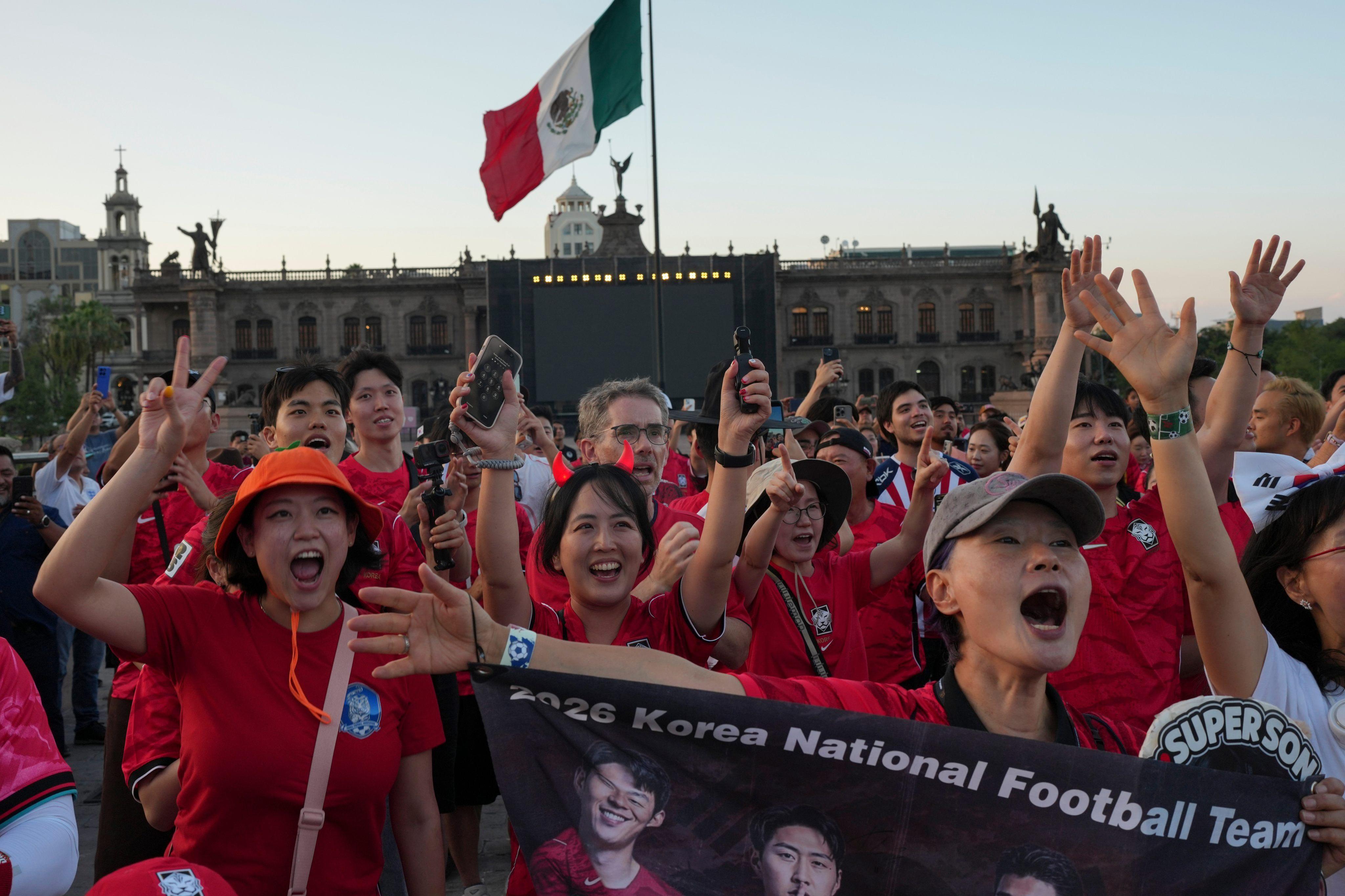
Looking forward, both HDC Group and the Korea Football Association stand at a critical crossroads under Chung's continued influence. For HDC, the primary challenge remains restoring public trust, completing the reconstruction of affected sites, and ensuring rigorous safety compliance to stabilize its position in the construction market. For the KFA, the future hinges on whether the organization will undergo genuine governance reforms, adopt more transparent decision-making processes, and reconcile with an increasingly vocal and organized fanbase that demands democratic leadership. The coming years will determine whether Chung can salvage his legacy or if a new generation of leadership will take his place.
#Chung Mong-gyu#HDC Group#Korea Football Association#KFA President#Hyundai Dynasty#Korean Corporate Leadership#Gwangju IPark Collapse#South Korean Football
Comments(0)
No comments yet. Be the first to share your thoughts!
Recommended Reads
 Kbeauty
Sep 22, 2026, 10:03 PM
Target Beauty Studio: How K-Beauty is Conquering the American Mass Market
On September 10, 2026, retail giant Target officially launched Target Beauty Stu...
 Skincare
Sep 21, 2026, 10:03 PM
How K-Beauty is Powering Global Ingredient Literacy and Redefining Skincare
In a major move for the global beauty industry, Korean-American cosmetics brand ...
 JayPark
Sep 20, 2026, 10:06 PM
Edmonds-Born K-Pop Pioneer Jay Park Set for Major Seattle Homecoming Concert
Edmonds-born K-pop and hip-hop pioneer Jay Park is returning to his roots for a ...
 BTS
BTSSep 19, 2026, 10:04 PM
The Triumph and Autonomy of BTS: Inside Their Historic 2026 Comeback and Bold Grammy Boycott
After a scheduled hiatus that began in late 2022, the global supergroup BTS has ...
 Fitness Gaming
Sep 3, 2026, 03:35 AM
VXROOM: Transforming Daily Workouts into Engaging Web-Based Motion Games
VXROOM (vxroom.com) is an innovative web-based int...
 Survival Show
Sep 1, 2026, 09:07 AM
Game of Blood X: The Evolution of Korea’s Fiercest Survival Reality Franchise
Wavve's hit original series Game of Blood ...