
미와 아키히로Jun 28, 2026, 04:13 PM• 90584 views
Akihiro Miwa: The Avant-Garde Pioneer of Japanese Culture, Art, and Activism
Introduction to a Living Legend
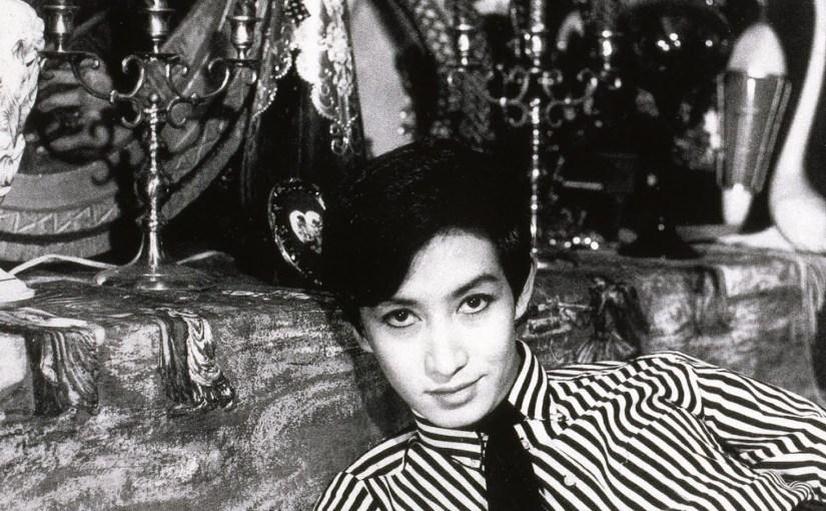
Akihiro Miwa is a towering figure in modern Japanese cultural history, celebrated as a pioneering singer, actor, director, composer, and author. Born in 1935, Miwa defied the highly conservative social norms of post-World War II Japan to emerge as an openly queer icon and an avant-garde artist. Renowned for a distinctively theatrical persona, fluid gender expression, and an unmistakable voice, Miwa bridged the gap between traditional Japanese aesthetics and Western theatricality. Over a career spanning more than seven decades, Miwa has remained a beloved yet provocative figure, capturing the public imagination with an blend of spiritual wisdom, artistic brilliance, and political courage.
Early Life and Nagasaki Roots
Born as Akihiro Maruyama in Nagasaki, Japan, Miwa grew up in a lively entertainment district where family businesses included cafes and bathhouses. This vibrant, early environment exposed Miwa to various forms of music, theater, and diverse clientele, fostering an early appreciation for the performing arts. However, this colorful childhood was abruptly shattered by the realities of World War II, a period of hardship that would deeply carve itself into Miwa's consciousness and heavily influence later artistic works and personal philosophies regarding humanity and peace.

Surviving the Nagasaki Atomic Bombing
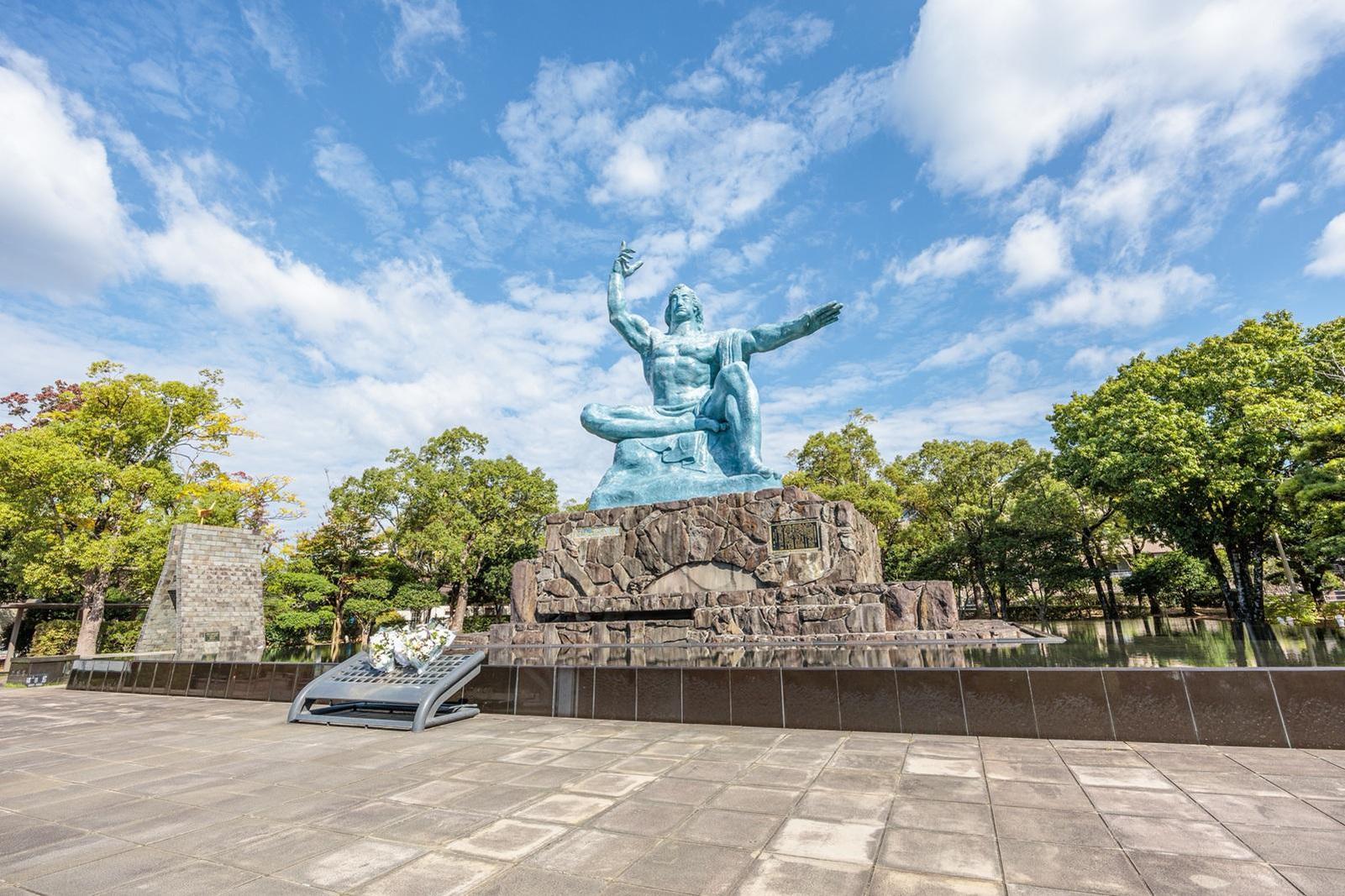
At just ten years old, Miwa survived the atomic bombing of Nagasaki on August 9, 1945. Located only a few kilometers from the hypocenter, Miwa witnessed the unimaginable devastation and tragic loss of life firsthand, suffering from the lingering effects of radiation sickness. This traumatic event instilled a lifelong, fervent commitment to pacifism and anti-war activism. The horrors of that day became a core motivation for Miwa's artistic endeavors, driving a persistent message that art must serve as a force for healing, peace, and human dignity.
Journey to Tokyo and Chanson Beginnings
Driven by a passion for music and a desire to escape provincial constraints, Miwa moved to Tokyo at the age of fifteen to attend the Kunitachi College of Music. Financial difficulties soon forced Miwa to leave school, leading to a period of homelessness and struggle. Undeterred, Miwa began singing in cabaret clubs and cafes, eventually finding a home at 'Ginzaka,' a famous chanson coffee house in the Ginza district. Performing French chansons with a dramatic, emotional intensity, the young singer quickly built a reputation as a mesmerizing live performer.

The Rise of Akihiro Maruyama
Performing under the stage name Akihiro Maruyama, the artist captivated Tokyo's intellectual and bohemian circles. Dressed in striking, gender-fluid outfits and wearing long, beautiful hair, Maruyama challenged the rigid gender expectations of the 1950s. The breakthrough came with a Japanese cover of the French song 'Me Qué Me Qué,' which became a massive hit. Maruyama's exquisite vocal delivery, combined with a glamorous, androgenous aesthetic, challenged traditional media boundaries and established the performer as a highly sought-after star.
The Creative Alliance with Yukio Mishima
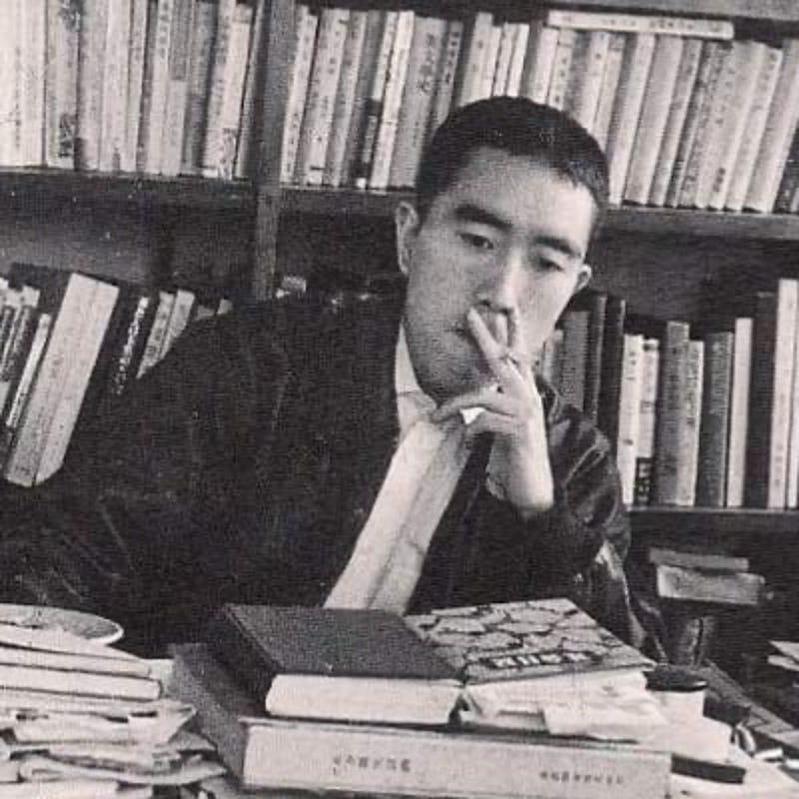
Among Maruyama's most ardent admirers was the legendary and controversial novelist Yukio Mishima. The two developed a deep, complex relationship that was both personal and professional. Mishima was captivated by Maruyama's beauty, intellect, and artistic courage, famously calling the performer 'a monster of beauty.' This creative alliance led to significant collaborations, most notably in theater, where Mishima wrote and adapted plays specifically to showcase Maruyama's unique gender-fluid theatrical presence.
Stardom in 'The Black Lizard'
The pinnacle of the Mishima-Maruyama collaboration was the 1968 stage adaptation and subsequent film version of Edogawa Ranpo's detective novel, 'The Black Lizard' (Kurotokage). Directed by Kinji Fukasaku and adapted by Mishima, the film starred Maruyama as the titular criminal mastermind, a female jewel thief of peerless elegance and intellect. Maruyama's performance was a tour de force of camp, tragedy, and magnetic charisma, solidifying a status as a cult icon both in Japan and internationally.

Defying Social Norms and Coming Out
Long before LGBTQ+ rights became a mainstream topic of discussion in Japan, Miwa lived openly and authentically. In an era when homosexuality was heavily stigmatized and largely hidden from public view, Miwa refused to hide his identity or conform to expectations of masculinity. This radical openness was met with significant public backlash, media sensationalism, and professional hurdles, but Miwa remained steadfast, demonstrating an extraordinary level of personal courage that paved the way for future generations of queer artists.

The Dark Age and Commercial Decline
The public's initial fascination with Maruyama's gender-fluid persona eventually gave way to conservative pushback. During the late 1960s, bookings declined, and the mainstream media increasingly marginalized the artist. Despite the drop in popularity and financial hardship, Maruyama refused to compromise on artistic vision or return to a socially acceptable, heteronormative presentation. This period of professional exile was difficult but crucial, allowing the artist to refine a creative philosophy and prepare for an ultimate comeback.

Artistic Rebirth as Akihiro Miwa
In 1971, seeking a complete artistic and spiritual rebirth, the performer officially changed his stage name from Akihiro Maruyama to Akihiro Miwa. This name change signaled a shift away from being viewed merely as a glamorous cabaret star toward being recognized as a serious, multi-dimensional cultural figure. As Miwa, the artist expanded creative horizons, composing original music, directing avant-garde plays, and writing essays that addressed the socio-cultural issues of contemporary Japanese society.

Championing 'The Song of the Laborer'
One of Miwa's most significant musical achievements is the composition and performance of 'Yoishobushi' and 'The Song of the Laborer' (Yatosebushi). Moving away from glamorous French chanson, Miwa wrote powerful, raw, and socially conscious songs that gave voice to the marginalized working class, coal miners, and struggling everyday citizens of postwar Japan. Performing these songs in simple, unadorned attire, Miwa demonstrated a profound empathy for human suffering, showing that art could champion the oppressed and challenge societal inequality.

A Master of Theater and Directing
Beyond singing, Miwa established himself as an accomplished stage director and theatrical actor. Producing and starring in works by literary giants such as Yukio Mishima, Shuji Terayama, and Oscar Wilde, Miwa's stage productions were famous for their lavish set designs, meticulous attention to costuming, and profound philosophical themes. These theatrical works explored the complex nature of beauty, love, morality, and the human condition, earning critical acclaim and a dedicated, cross-generational theater audience.

Voice Acting Icon for Studio Ghibli
To younger and international audiences, Akihiro Miwa is perhaps best known for voice acting collaborations with the legendary animation director Hayao Miyazaki of Studio Ghibli. Miwa voiced two of the most iconic, complex characters in anime history: Moro, the giant, wise wolf god in 'Princess Mononoke' (1997), and the Witch of the Waste in 'Howl's Moving Castle' (2004). Miwa's deep, authoritative, yet strangely comforting voice added incredible depth and nuance to these characters, earning international praise.

The Iconic Golden Hair and Aura of Wisdom
In the later stages of a storied career, Miwa adopted an unmistakable physical signature: vibrant, glowing golden-yellow hair, paired with colorful, elegant dresses. This visual transformation coincided with Miwa's rising popularity as a spiritual advisor and cultural commentator. The bold hair color was not merely a fashion statement, but a deliberate decision to project positive energy, light, and happiness to a Japanese public navigating economic stagnation and social anxiety, making Miwa instantly recognizable across generations.

Spiritualism and the 'Miwa-Sama' Phenomenon
During the 2000s, Miwa experienced a massive resurgence in mainstream popularity, appearing regularly on television variety shows as a spiritual counselor and cultural guru. Revered affectionately by the public as 'Miwa-sama' (using the highly respectful honorific), the artist's calm, witty, and compassionate advice on relationships, life struggles, and self-acceptance resonated deeply with viewers. A popular urban legend even emerged claiming that setting an image of Akihiro Miwa as a smartphone wallpaper would bring good luck, wealth, and health.

Literary Contributions and Lifestyle Guides
Miwa's intellectual influence is further demonstrated by a vast collection of published books, including autobiographies, philosophical essays, and lifestyle guides. These writings advocate for spiritual independence, self-love, and the cultivation of personal elegance, regardless of economic circumstances. Miwa's books became bestsellers, highly valued by readers of all ages for offering practical, compassionate advice on how to navigate life's challenges with grace, dignity, and a strong sense of personal identity.

A Lifelong Advocate for Pacifism
Having personally experienced the horrors of the atomic bomb, Miwa has remained a vocal critic of war and militarism throughout life. Utilizing the public platform to advocate for peace, the preservation of Japan's pacifist constitution, and environmental protection, Miwa has consistently spoken out against nationalism. These public efforts serve as a reminder that the true measure of a nation's greatness lies in its commitment to peace, human rights, and the preservation of cultural heritage, rather than military power.

Resilience in the Face of Health Challenges
In 2019, Miwa suffered a mild stroke, causing concern among millions of fans across Japan. Demonstrating the same resilience that defined a long, storied life, Miwa made a remarkable recovery, returning to work and public life with characteristic wit and grace. This health scare only heightened the public's appreciation for Miwa's presence, highlighting a determination to continue creating, performing, and inspiring others, proving that age is no barrier to artistic expression and active social engagement.

Global Impact and Cross-Cultural Appeal
While primarily a household name in Japan, Miwa's influence extends far beyond domestic borders. International artists, filmmakers, and LGBTQ+ historians have long recognized Miwa's pioneering contributions to gender expression, performance art, and queer visibility. By fusing Japanese traditionalism with global artistic movements, Miwa created a unique visual and performative language that transcends national and cultural boundaries, earning respect and admiration from creative minds worldwide.

The Lasting Legacy of a Trailblazing Icon
Today, Akihiro Miwa stands as a monument to artistic freedom, social courage, and spiritual resilience. By living authentically in a time when it was highly dangerous to do so, Miwa expanded the boundaries of what is possible for Japanese performers and LGBTQ+ individuals alike. As an activist, artist, and cultural guide, Miwa's life is a testament to the power of art to heal, challenge, and elevate the human spirit. The golden hair, the unforgettable voice, and the brilliant mind of Akihiro Miwa will forever remain etched in global cultural history.

#Akihiro Miwa#Japanese Chanson#Studio Ghibli Voice Actor#Yukio Mishima#LGBTQ Japan#Nagasaki Survivor#Black Lizard#Japanese Pop Culture
Comments(0)
No comments yet. Be the first to share your thoughts!
Recommended Reads
 Kbeauty
Sep 22, 2026, 10:03 PM
Target Beauty Studio: How K-Beauty is Conquering the American Mass Market
On September 10, 2026, retail giant Target officially launched Target Beauty Stu...
 Skincare
Sep 21, 2026, 10:03 PM
How K-Beauty is Powering Global Ingredient Literacy and Redefining Skincare
In a major move for the global beauty industry, Korean-American cosmetics brand ...
 JayPark
Sep 20, 2026, 10:06 PM
Edmonds-Born K-Pop Pioneer Jay Park Set for Major Seattle Homecoming Concert
Edmonds-born K-pop and hip-hop pioneer Jay Park is returning to his roots for a ...
 BTS
BTSSep 19, 2026, 10:04 PM
The Triumph and Autonomy of BTS: Inside Their Historic 2026 Comeback and Bold Grammy Boycott
After a scheduled hiatus that began in late 2022, the global supergroup BTS has ...
 Fitness Gaming
Sep 3, 2026, 03:35 AM
VXROOM: Transforming Daily Workouts into Engaging Web-Based Motion Games
VXROOM (vxroom.com) is an innovative web-based int...
 Survival Show
Sep 1, 2026, 09:07 AM
Game of Blood X: The Evolution of Korea’s Fiercest Survival Reality Franchise
Wavve's hit original series Game of Blood ...