
최인호Jun 28, 2026, 03:24 AM• 90473 views
Choi In-ho: The Literary Icon of Modernization, Youth Culture, and Spiritual Search in South Korea
Introduction to a Literary Titan
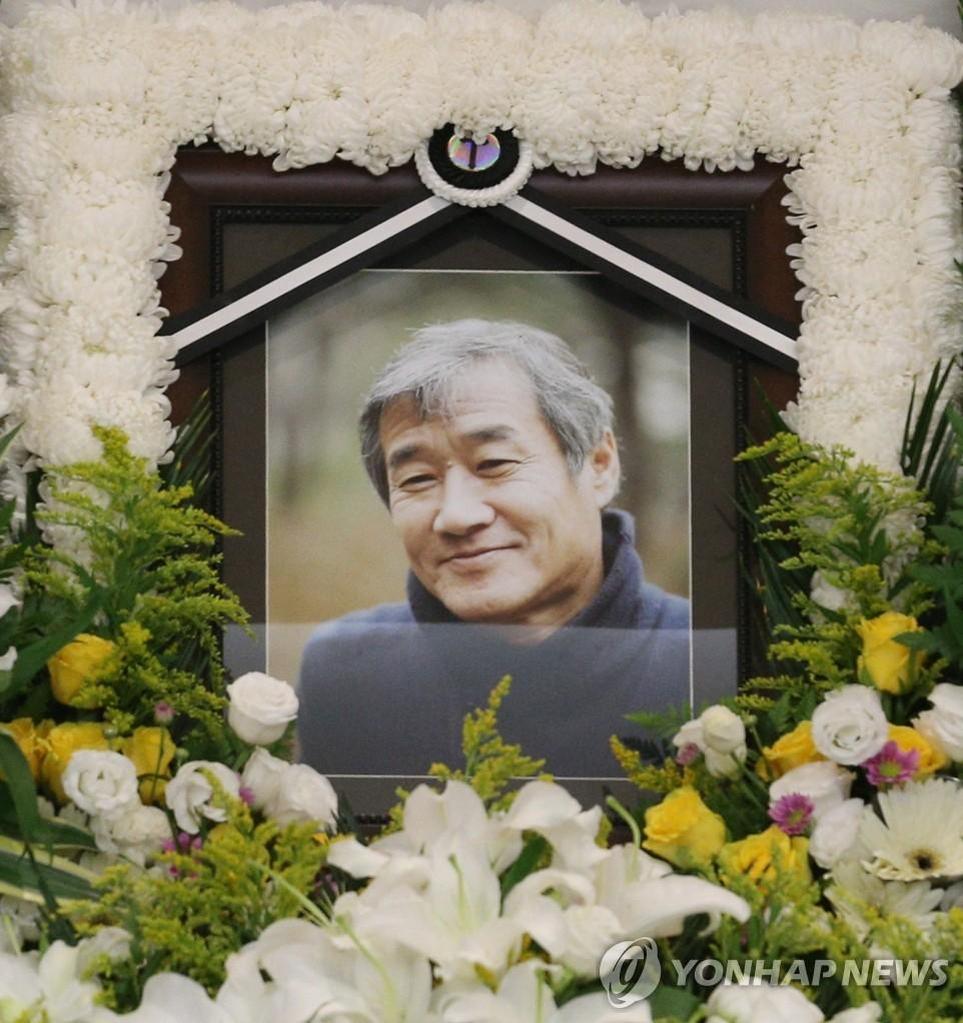
Choi In-ho remains one of the most celebrated and commercially successful novelists in modern South Korean history. Born in 1945, his career spanned over four decades, during which he served as a defining voice for the changing socio-political landscape of South Korea. His literature brilliantly captured the transition of the nation from a war-torn, impoverished agrarian society to a hyper-modernized, urbanized economic powerhouse. By seamlessly bridging the gap between high-brow literature and popular fiction, Choi redefined the role of the modern Korean author, making reading a deeply personal yet socially reflective experience for millions.
Early Life and the Spark of Writing
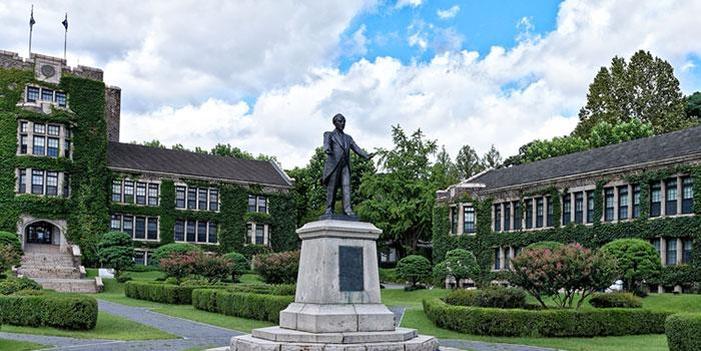
Born in Seoul just as Korea was liberated from Japanese colonial rule, Choi In-ho experienced the turbulent years of the Korean War during his childhood. These early experiences of dislocation, survival, and societal rebuilding deeply influenced his worldview. He pursued his higher education at Yonsei University, majoring in English Literature. It was during his college years that his innate talent for storytelling began to emerge, driven by an urgent desire to document the psychological shifts occurring among his peers in a rapidly changing capital city.
A Spectacular Literary Debut
Choi's official entry into the literary world occurred in 1963 while he was still a high school student, when his short story 'Boam' won a prize in the Hankook Ilbo spring literary contest. He solidified his status as a rising star of the literary establishment in 1967 when his short story 'The Apprentice' was published in the prestigious Chosun Ilbo. This early success was highly unusual for a writer of his age, signaling the arrival of a fresh, unconventional voice that departed from the traditional, heavy realist styles of older generations.
The Voice of the 1970s Youth Culture
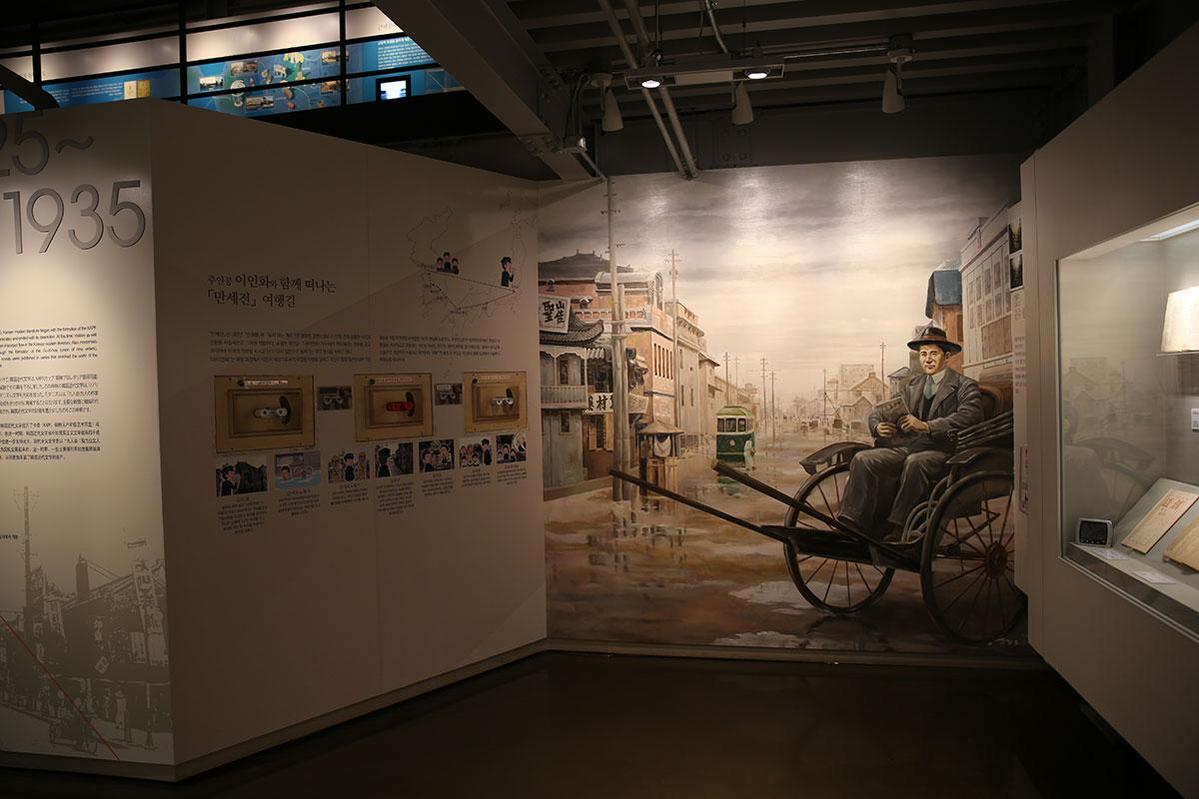
In the 1970s, South Korea experienced a massive surge in youth culture, characterized by acoustic guitar music, blue jeans, draft beer, and a yearning for personal freedom amidst a harsh military dictatorship. Choi In-ho became the undisputed spokesperson for this generation. His works captured the anxieties, romantic ideals, and quiet rebellions of the youth, who felt alienated by the government's obsessive focus on economic development at the expense of individual liberties and cultural expression.
Analyzing Urban Alienation in the Metropolis
As Seoul underwent explosive urbanization, Choi focused his narrative lens on the psychological toll of this rapid transformation. His characters were often urban drifters, lonely white-collar workers, and young lovers struggling to find meaning in a concrete jungle. He portrayed the city not just as a geographic location, but as a cold, indifferent machine that alienated individuals from their families, their traditions, and themselves, sparking a nationwide conversation about the human cost of progress.
The Breakthrough of 'The Heavenly Homecoming of Stars'
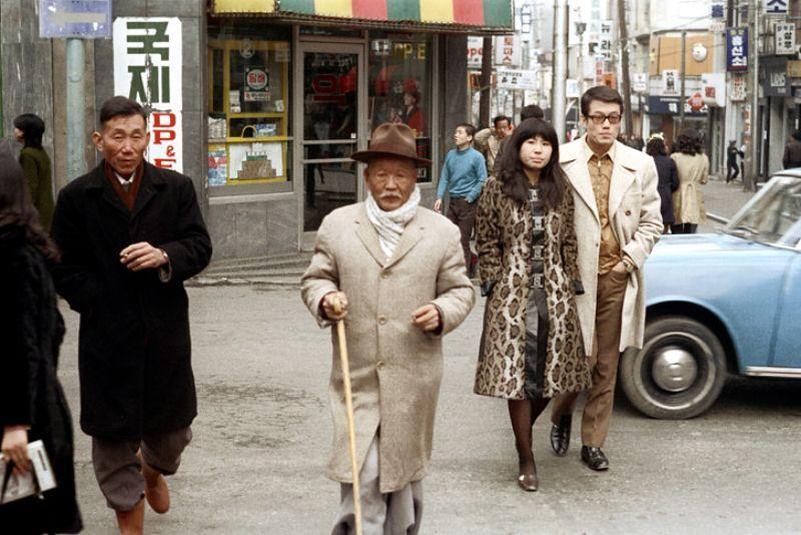
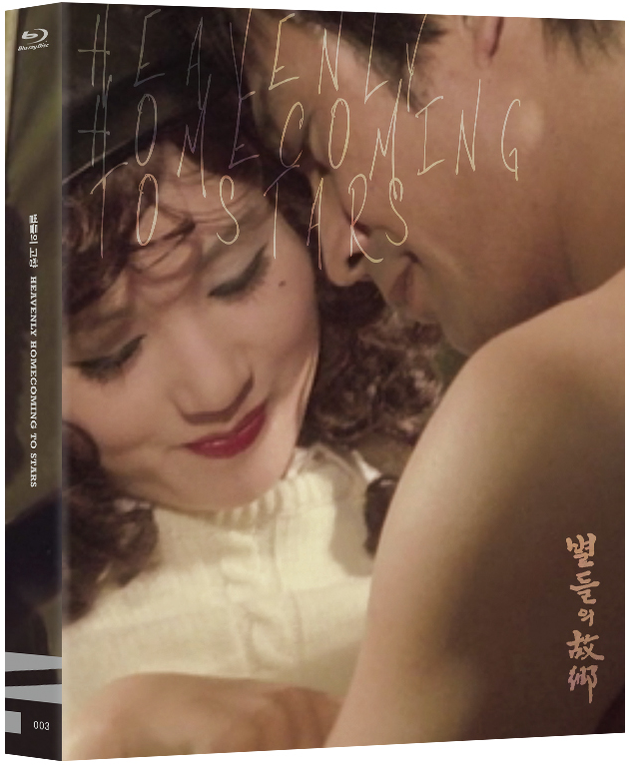
In 1973, Choi serialized 'The Heavenly Homecoming of Stars' (Byeoldeul-ui Gohyang) in the Chosun Ilbo. The novel, which tells the tragic story of a young woman named Gyeong-ah navigating the harsh realities of urban life, betrayal, and downfall, became an unprecedented cultural phenomenon. It sold over one million copies, a staggering figure for the Korean publishing industry at the time, and firmly established Choi as a household name capable of moving the hearts of the entire nation.
Navigating Censorship and the Yushin Regime
Writing under the authoritarian Yushin Constitution of President Park Chung-hee was a perilous endeavor. The regime heavily censored literature, music, and films that were deemed too pessimistic, decadent, or critical of the state. Choi In-ho had to navigate these treacherous waters with immense skill. While some critics argued his focus on popular romance and urban melancholy was a form of escapism, others recognized that his depiction of damaged, unfulfilled lives was itself a subtle, powerful critique of the oppressive social order.
The Golden Era of Cinematic Adaptations
Choi In-ho's cinematic sensibility made his novels prime material for the silver screen. 'The Heavenly Homecoming of Stars' was adapted into a blockbuster film in 1974 by director Lee Jang-ho, shattering box office records. This success initiated a golden era where almost every major work by Choi was adapted into film or television, including 'Our Sweet Days of Youth' and 'Deep Blue Night'. His dynamic storytelling structure and vivid dialogue translated naturally to the visual medium, shaping the golden age of modern Korean cinema.
Transitioning to Historical Epics
As the turbulent 1970s gave way to the 1980s and 1990s, Choi's literary interests underwent a significant evolution. He began moving away from contemporary urban angst to explore Korea's rich historical past. He believed that by understanding the historical roots and the philosophical underpinnings of ancestors, modern Koreans could find solutions to their current spiritual vacuum. This transition marked his growth from a generational chronicler into a mature historical novelist.
'Sangdo' and the Philosophy of Commerce
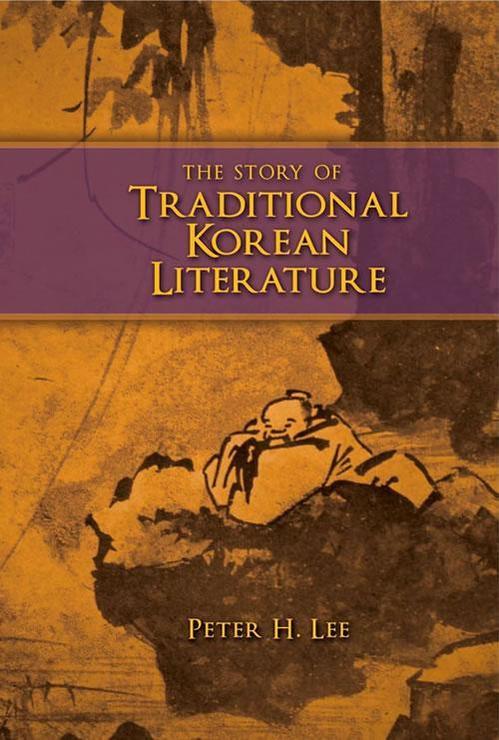
One of Choi's greatest masterworks of his later career is 'Sangdo' (The Merchant of Joseon), published in 2000. The novel dramatizes the life of Im Sang-ok, a legendary real-life merchant from the Joseon Dynasty. Rather than focusing merely on the accumulation of wealth, the novel explores the ethical, moral, and philosophical responsibilities of business. Through Im Sang-ok, Choi delivered a powerful message to a contemporary Korea recovering from the 1997 Asian Financial Crisis: 'Business is not about gaining profit, but about winning people.'
The Television Phenomenon of 'Sangdo'
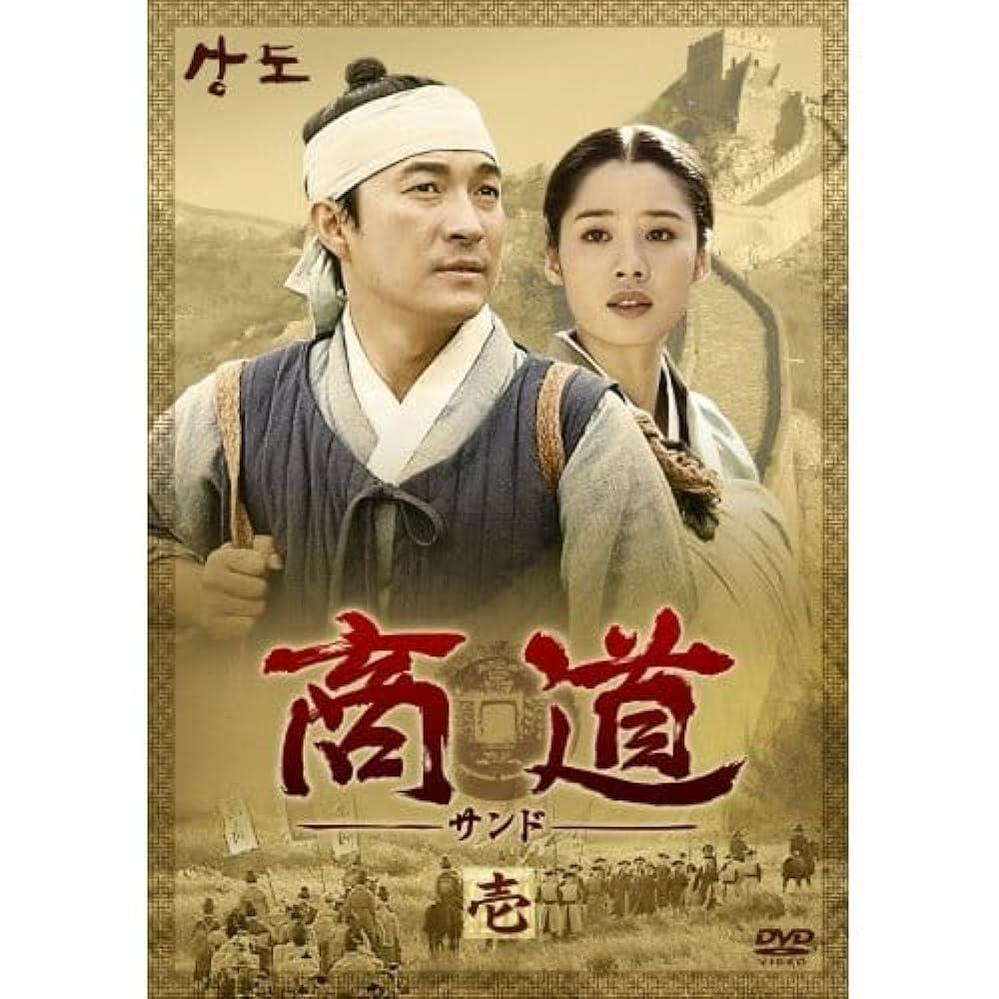
The massive success of the novel 'Sangdo' led to its adaptation into a highly acclaimed historical television drama in 2001, directed by the legendary Lee Byung-hoon. The drama captivated the nation, popularizing the philosophical teachings of the novel. It introduced younger generations to the concept of 'Gye-young-bae' (a warning cup that empties itself if filled too high), symbolizing the virtue of moderation and the dangers of human greed in both business and personal life.

Spiritual Awakening and Catholic Faith
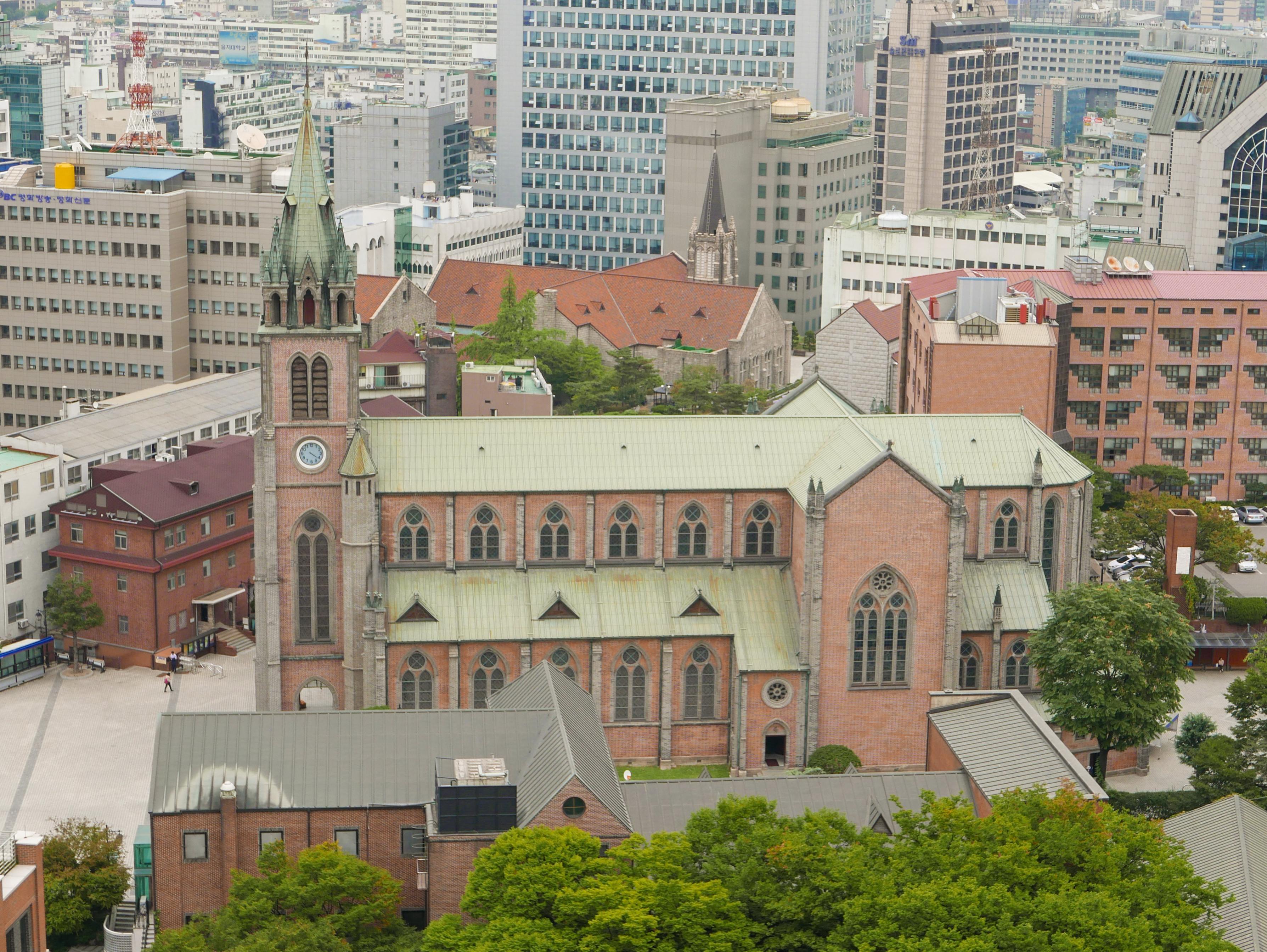
Later in his life, Choi In-ho experienced a profound spiritual awakening, which led him to embrace Roman Catholicism. This conversion deeply influenced the thematic direction of his final decades of writing. His novels began to incorporate deep reflections on Christian theology, Buddhist philosophy, and existential search. He sought to find a universal human truth that transcended religious boundaries, viewing writing as a form of sacred prayer and spiritual duty.
Exploring Buddhist Philosophy in 'The Road'
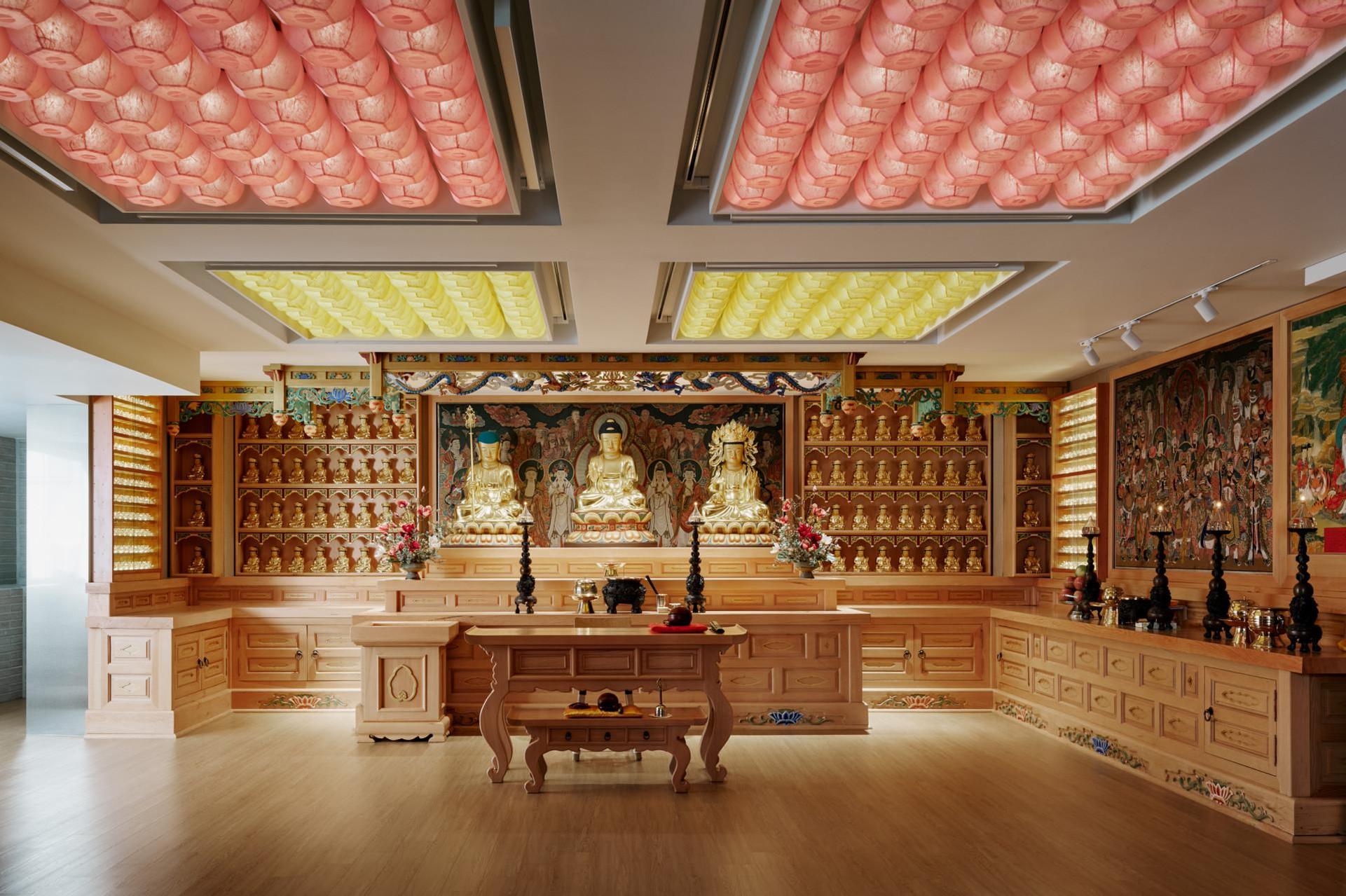
In addition to his Christian faith, Choi maintained a deep respect and intellectual curiosity for Buddhism. His novel 'The Road' (Gil) is a testament to this syncretic spiritual search. The book explores the life of master monk Gyeongheo, tracing his path to enlightenment. Through this work, Choi examined the nature of suffering, impermanence, and liberation, demonstrating his unique ability to write with profound authority on diverse religious landscapes.
A Master of Cinematic Collaborations
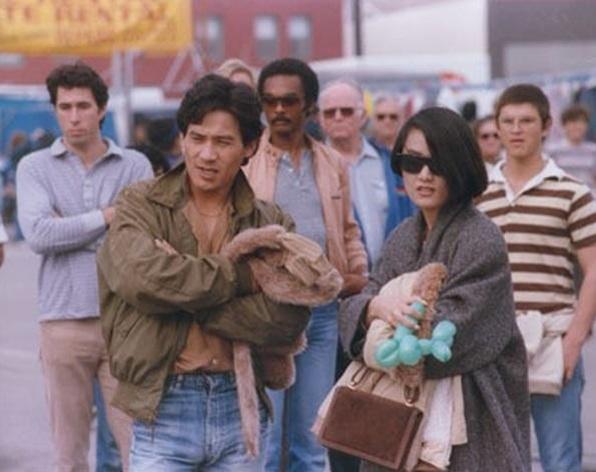
Choi was not just a source of material for movies; he was an active participant in the filmmaking process. He frequently wrote screenplays and collaborated closely with visionary directors like Bae Chang-ho. Films like 'Deep Blue Night' (1985), which explored the disillusioned lives of Korean immigrants in the United States, showcased his versatility and his keen understanding of global human migration, displacement, and the elusive nature of the American Dream.
Unique Writing Style and Literary Craft
What set Choi apart from many of his contemporaries was his incredibly fluid, fast-paced, and highly readable writing style. He discarded the overly complex, archaic grammar that dominated early 20th-century Korean literature. Instead, he favored crisp dialogue, vivid sensory descriptions, and cinematic pacing. This accessible style did not diminish the intellectual depth of his work; rather, it democratized literature, making profound philosophical and social questions accessible to the general public.

The Courageous Battle with Cancer
In 2008, Choi In-ho was diagnosed with salivary gland cancer. For many, such a diagnosis would mean retirement, but for Choi, it became a catalyst for an extraordinarily productive final chapter. Despite undergoing painful chemotherapy and radiation treatments that degraded his physical strength, he refused to stop writing. He famously held his pen by wrapping leather straps around his swollen, blistered fingers when his nails began to fall out, embodying a heroic dedication to his craft.

The Final Masterpiece: 'Life'
In 2013, knowing his time was limited, Choi published his final novel, 'Life' (Insaeng). The book was a poignant reflection on what it means to live, suffer, and face death with grace. Written with the raw honesty of a dying man, 'Life' served as his spiritual testament to his readers. It was a message of hope, love, and gratitude, encouraging people to appreciate the beauty of existence despite the inevitability of suffering and loss.
An Entire Nation Mourns a Legend
On September 25, 2013, Choi In-ho passed away at the age of 68. His death triggered a nationwide wave of grief, with tributes pouring in from politicians, actors, fellow writers, and generations of readers. His funeral was attended by countless citizens who felt they had lost a close friend who had guided them through the turbulent decades of Korea’s modernization. Posthumously, the South Korean government awarded him the Eun-gwan (Silver Crown) Order of Cultural Merit for his monumental contributions to the nation’s culture.
Debates on Pure vs. Popular Literature
Throughout his career, Choi was sometimes a polarizing figure within the rigid hierarchy of Korean literary critics. Traditionalists often viewed his immense commercial success with skepticism, labeling his works as 'popular fiction' rather than 'pure literature' (Sunsu Munhak). However, over time, this distinction has blurred. Contemporary scholars now recognize Choi as a pioneer who proved that literature does not need to be obscure to be profound, successfully dismantling the artificial barriers between popular appeal and artistic integrity.
The Enduring Legacy of Choi In-ho
Today, Choi In-ho’s legacy is more vibrant than ever. His novels continue to be reprinted, read by new generations, and adapted into modern formats. He remains a model of resilience, intellectual curiosity, and artistic passion. By documenting the soul of modern South Korea—its rapid rise, its youth culture, its corporate ethics, and its spiritual yearnings—Choi did not just write stories; he wrote the emotional history of a nation, securing his place as an immortal giant of world literature.
#Choi In-ho#Korean Literature#Modern Korean Novelists#Sangdo the Merchant#The Heavenly Homecoming of Stars#Korean Cinema Adaptations#Post-War Korean Writers
Comments(0)
No comments yet. Be the first to share your thoughts!
Recommended Reads
 Kbeauty
Sep 22, 2026, 10:03 PM
Target Beauty Studio: How K-Beauty is Conquering the American Mass Market
On September 10, 2026, retail giant Target officially launched Target Beauty Stu...
 Skincare
Sep 21, 2026, 10:03 PM
How K-Beauty is Powering Global Ingredient Literacy and Redefining Skincare
In a major move for the global beauty industry, Korean-American cosmetics brand ...
 JayPark
Sep 20, 2026, 10:06 PM
Edmonds-Born K-Pop Pioneer Jay Park Set for Major Seattle Homecoming Concert
Edmonds-born K-pop and hip-hop pioneer Jay Park is returning to his roots for a ...
 BTS
BTSSep 19, 2026, 10:04 PM
The Triumph and Autonomy of BTS: Inside Their Historic 2026 Comeback and Bold Grammy Boycott
After a scheduled hiatus that began in late 2022, the global supergroup BTS has ...
 Fitness Gaming
Sep 3, 2026, 03:35 AM
VXROOM: Transforming Daily Workouts into Engaging Web-Based Motion Games
VXROOM (vxroom.com) is an innovative web-based int...
 Survival Show
Sep 1, 2026, 09:07 AM
Game of Blood X: The Evolution of Korea’s Fiercest Survival Reality Franchise
Wavve's hit original series Game of Blood ...