
카보베르데Jun 27, 2026, 02:35 PM• 90758 views
Cabo Verde: The Island Archipelago of Resilience, Culture, and Democracy
Introduction to the Archipelago
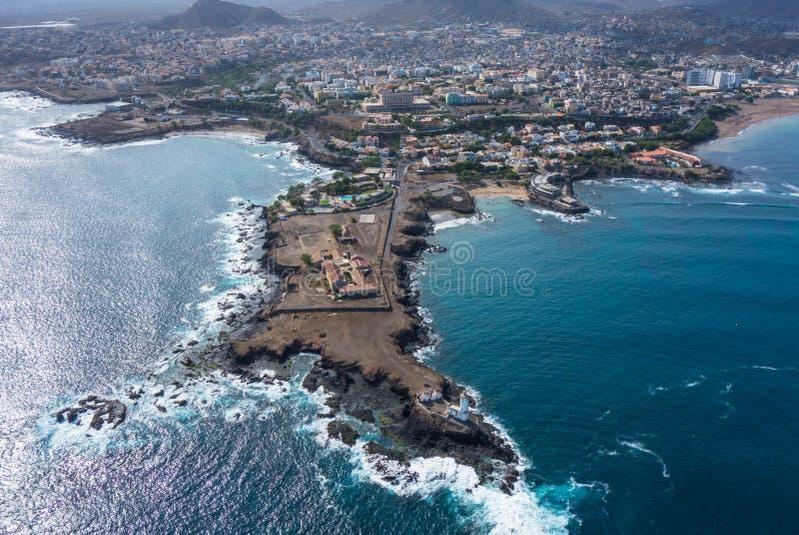
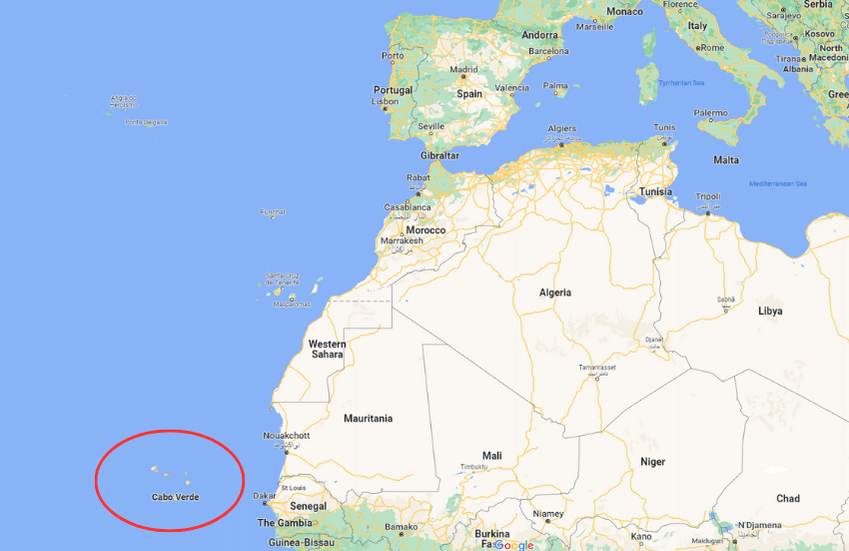
Cabo Verde, officially known as the Republic of Cabo Verde, is a fascinating island nation spanning an archipelago of ten volcanic islands located in the central Atlantic Ocean. Situated approximately 570 kilometers off the coast of Western Africa, this unique nation serves as a critical bridge between Africa, Europe, and the Americas. Celebrated for its stable democracy, distinct Creole culture, and striking volcanic landscapes, Cabo Verde stands out as a beacon of political stability and social development on the African continent, despite its lack of abundant natural resources.
The Geographical Divide: Barlavento and Sotavento
Geographically, the islands of Cabo Verde are divided into two distinct groups based on their prevailing wind directions: the Barlavento (Windward) islands and the Sotavento (Leeward) islands. The northern Barlavento group includes Santo Antão, São Vicente, Santa Luzia, São Nicolau, Sal, and Boa Vista. In contrast, the southern Sotavento group comprises Maio, Santiago, Fogo, and Brava. Santiago is the largest and most populous island, home to the nation's capital, Praia, which serves as the political and administrative hub of the country.
Geological Origins and Volcanic Majesty
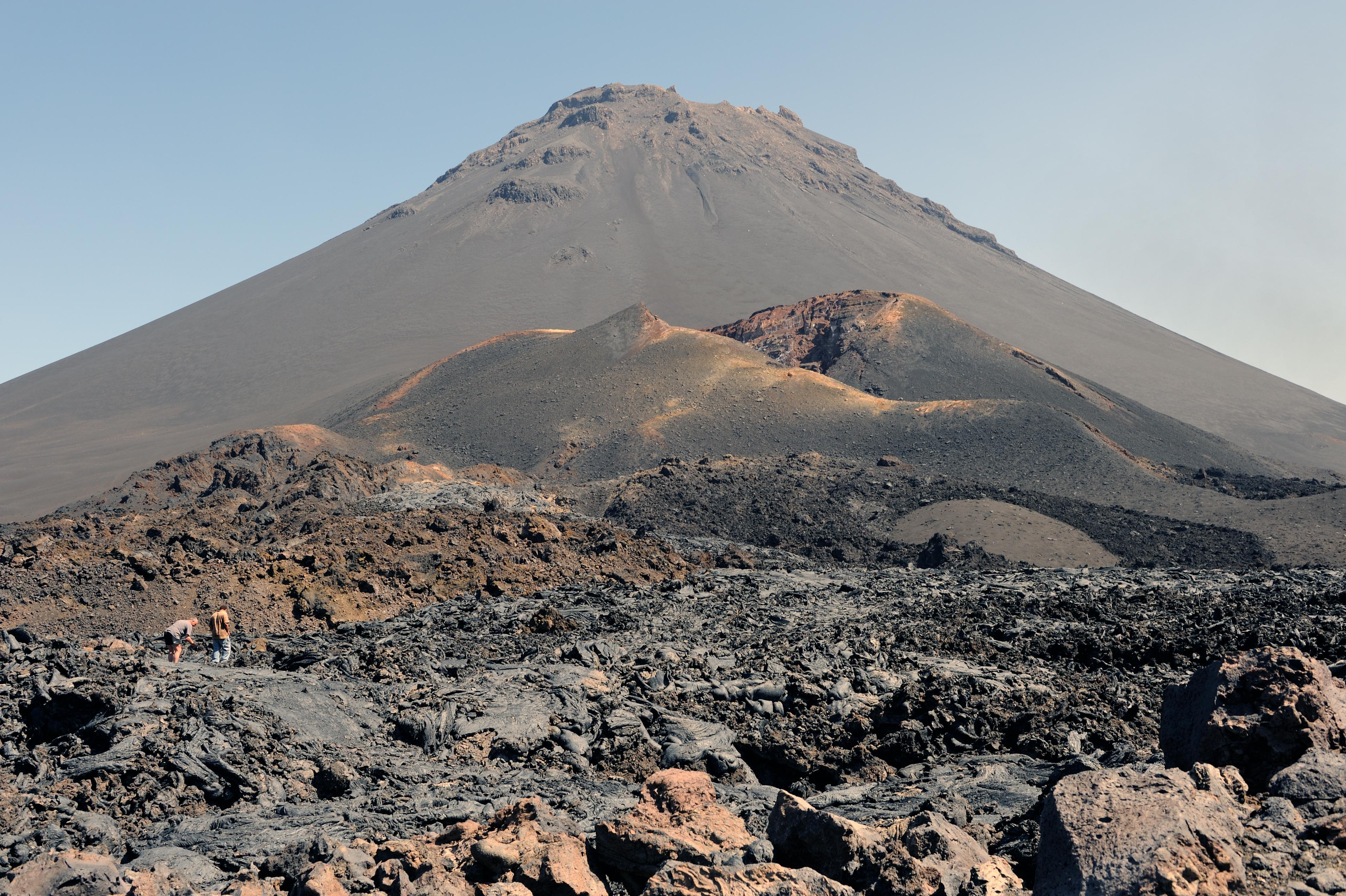
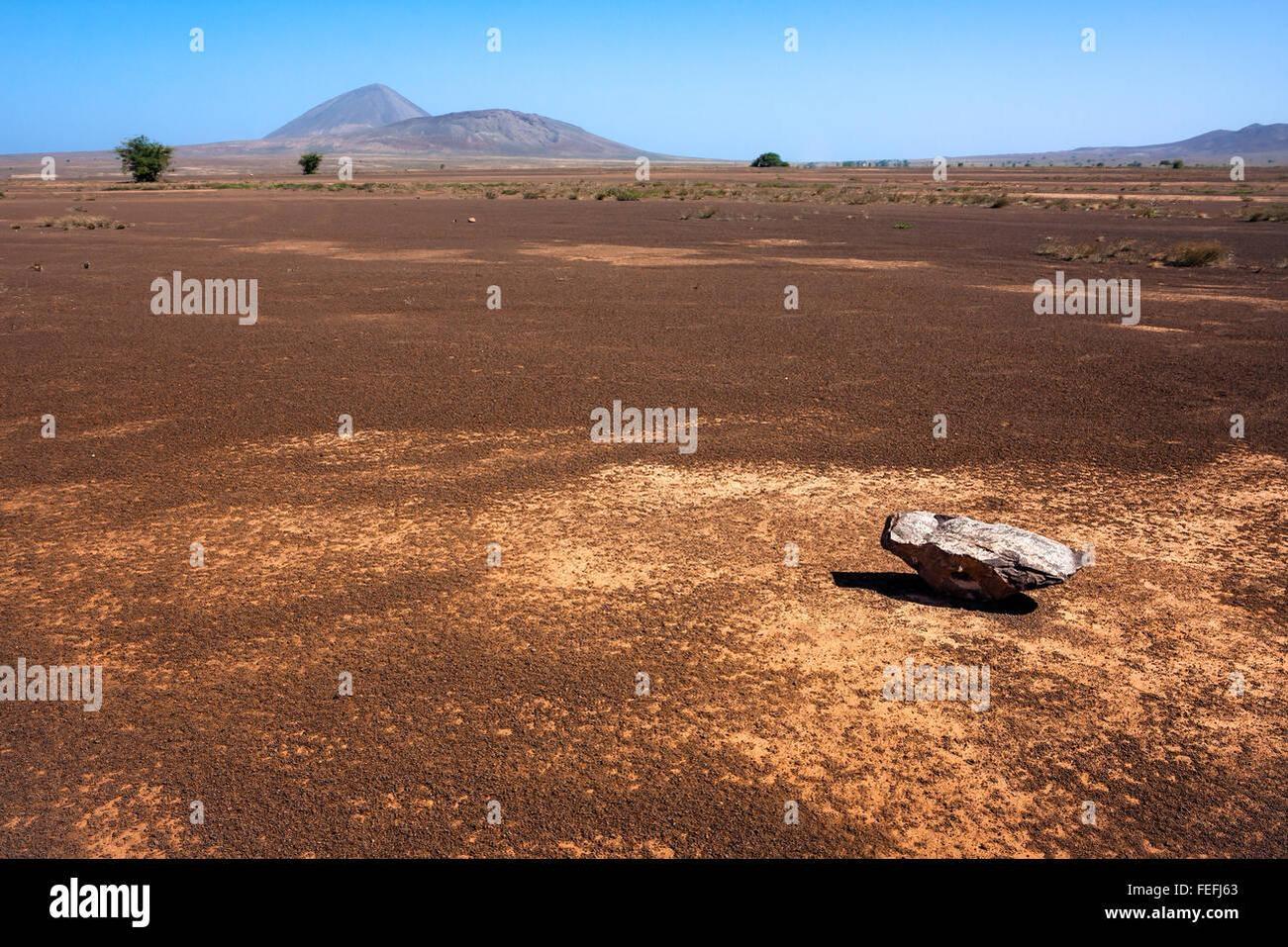
Formed by volcanic hotspot activity millions of years ago, the islands feature dramatic topography ranging from flat, sandy deserts to jagged, towering peaks. The most prominent geological feature is Pico do Fogo, an active stratovolcano on the island of Fogo. Rising to 2,829 meters above sea level, it is the highest point in Cabo Verde. Fogo's dark volcanic soil is remarkably fertile, contrasting sharply with the arid, wind-swept plains of eastern islands like Sal and Boa Vista, which resemble Sahara landscapes transported into the sea.
Uninhabited Discoveries: The Pre-Colonial Era
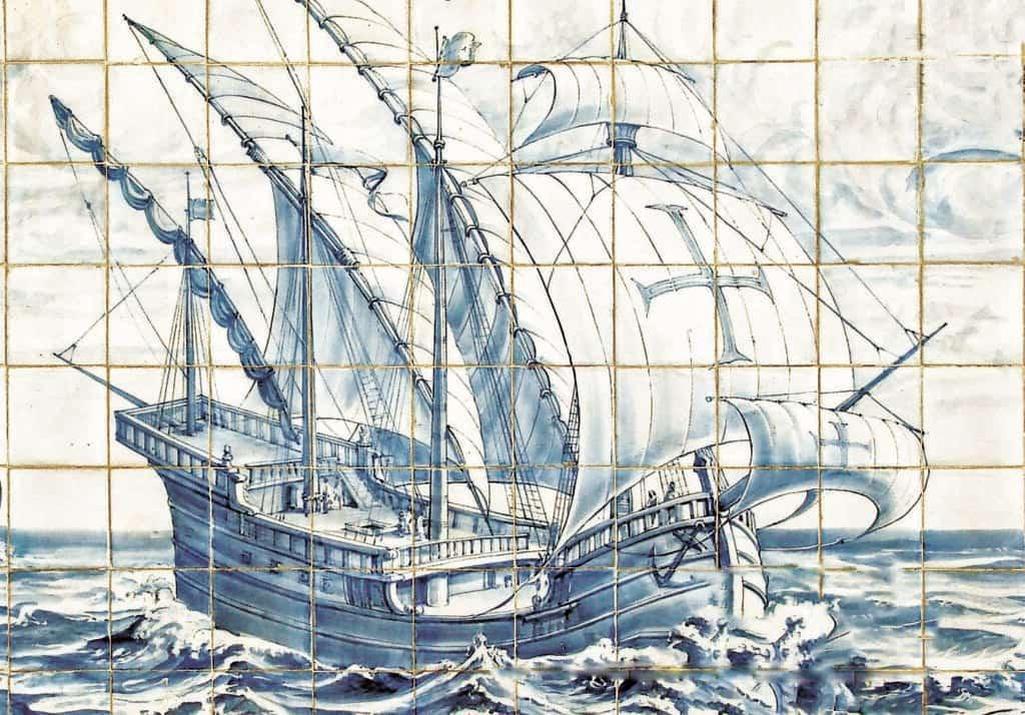
Unlike much of mainland West Africa, the islands of Cabo Verde were entirely uninhabited by humans prior to the arrival of Europeans. Scholars believe that while Phoenician, Moorish, or Wolof sailors may have spotted or briefly visited the islands in earlier centuries, no permanent settlements were ever established. The historical record begins in 1460, when Portuguese explorers, sailing under the auspices of Prince Henry the Navigator, charted the islands and claimed them for the Portuguese Crown, initiating a new chapter in Atlantic history.
The Rise of Ribeira Grande and the Slave Trade
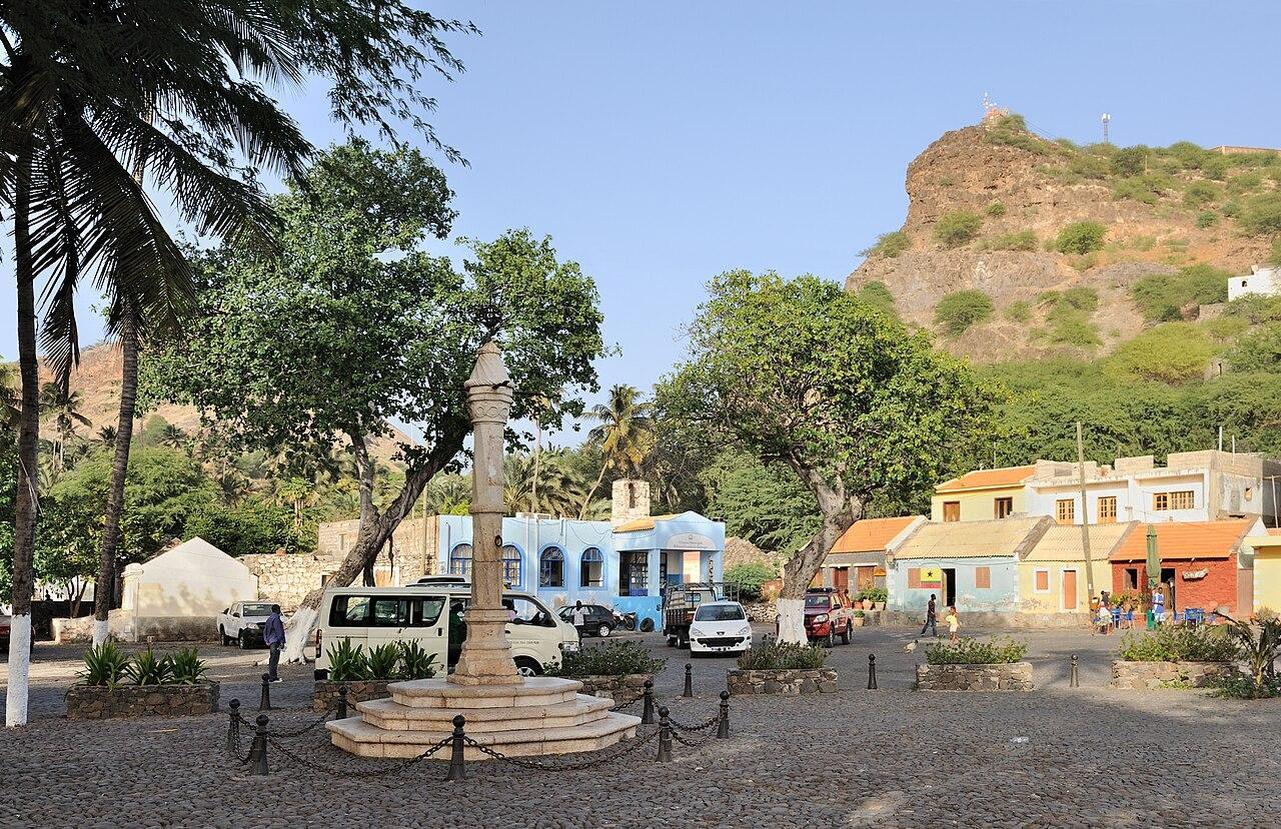
To secure their newly discovered territory, the Portuguese established the settlement of Ribeira Grande (now known as Cidade Velha) on Santiago Island in 1462. It became the first permanent European settlement in the tropics. Due to its strategic location, Ribeira Grande quickly grew into a critical maritime hub. It served as a primary station for the Transatlantic slave trade, where captured Africans were brought, seasoned, and sold to European traders before being transported to plantations in the Americas and the Caribbean.
The Genesis of Creole Culture
The mixing of Portuguese settlers, sailors, and exiled citizens with enslaved West Africans from various ethnic groups gave birth to a unique, synthesized society. Over generations, this intense cultural contact produced the Cabo Verdean Creole (Kriolu) language, a Portuguese-based creole that became the primary vehicle of local expression. This creolization process deeply influenced every facet of life, merging European administrative and religious systems with West African spiritual, culinary, and musical traditions.

Colonial Stagnation and the Era of Famine
As the Transatlantic slave trade declined in the 18th and 19th centuries, Cabo Verde lost much of its economic significance to the Portuguese Empire. The archipelago suffered from severe neglect by the metropole, exacerbated by the islands' fragile ecology. Recurrent, devastating droughts struck the region, leading to massive crop failures and catastrophic famines. Without adequate relief or infrastructure from Portugal, these famines claimed the lives of tens of thousands of Cabo Verdeans, deeply scarring the national collective memory.
The Push for Independence and Amílcar Cabral
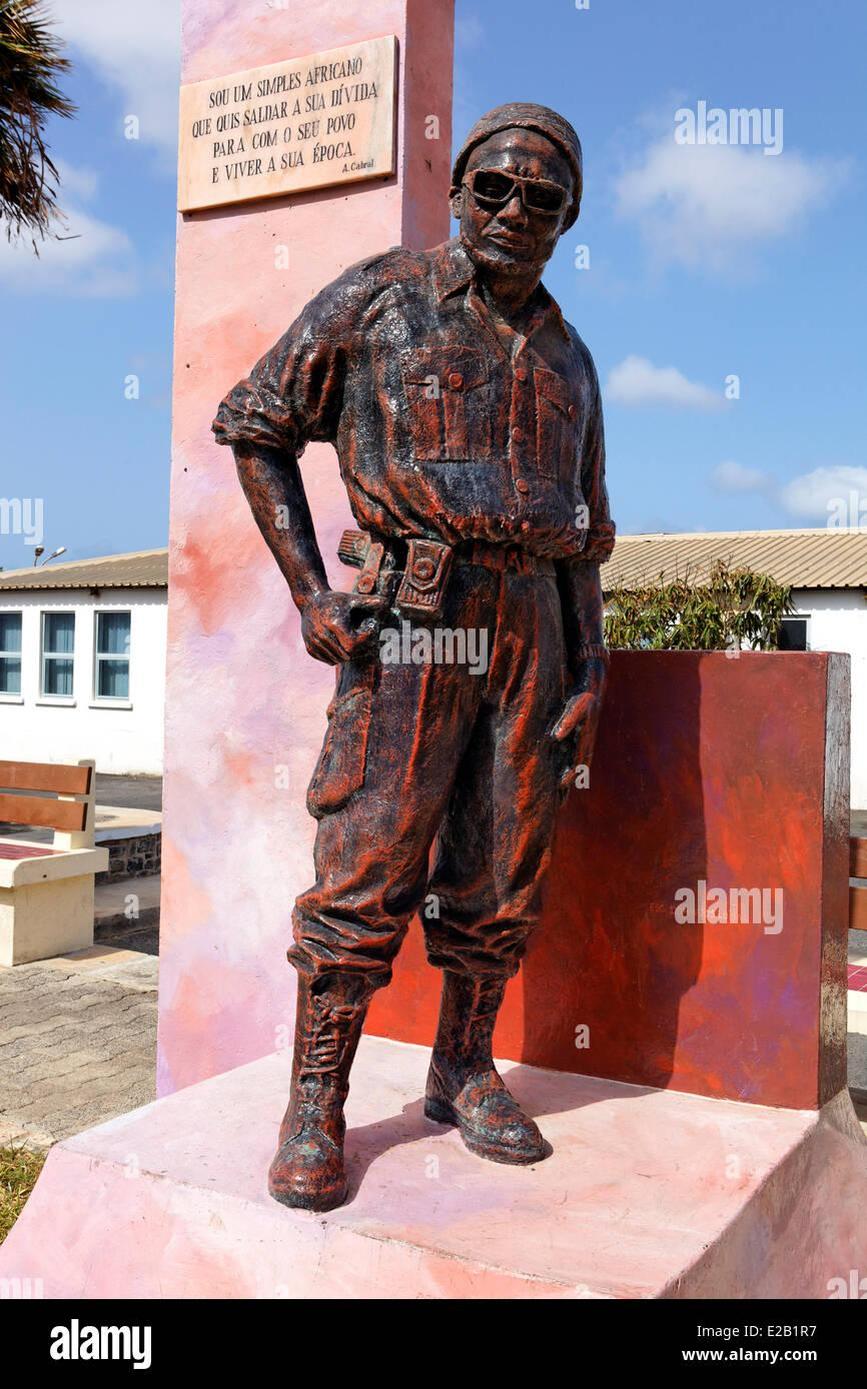
The mid-20th century witnessed a powerful awakening of nationalist sentiment across Portuguese colonies. In Cabo Verde and Guinea-Bissau, this resistance was spearheaded by Amílcar Cabral, an intellectual, agricultural engineer, and revolutionary leader. In 1956, Cabral co-founded the African Party for the Independence of Guinea and Cape Verde (PAIGC). Cabral advocated for joint liberation, organizing a coordinated political and armed struggle against Portuguese colonial rule that laid the ideological foundation for national sovereignty.
Sovereignty Achieved: July 5, 1975
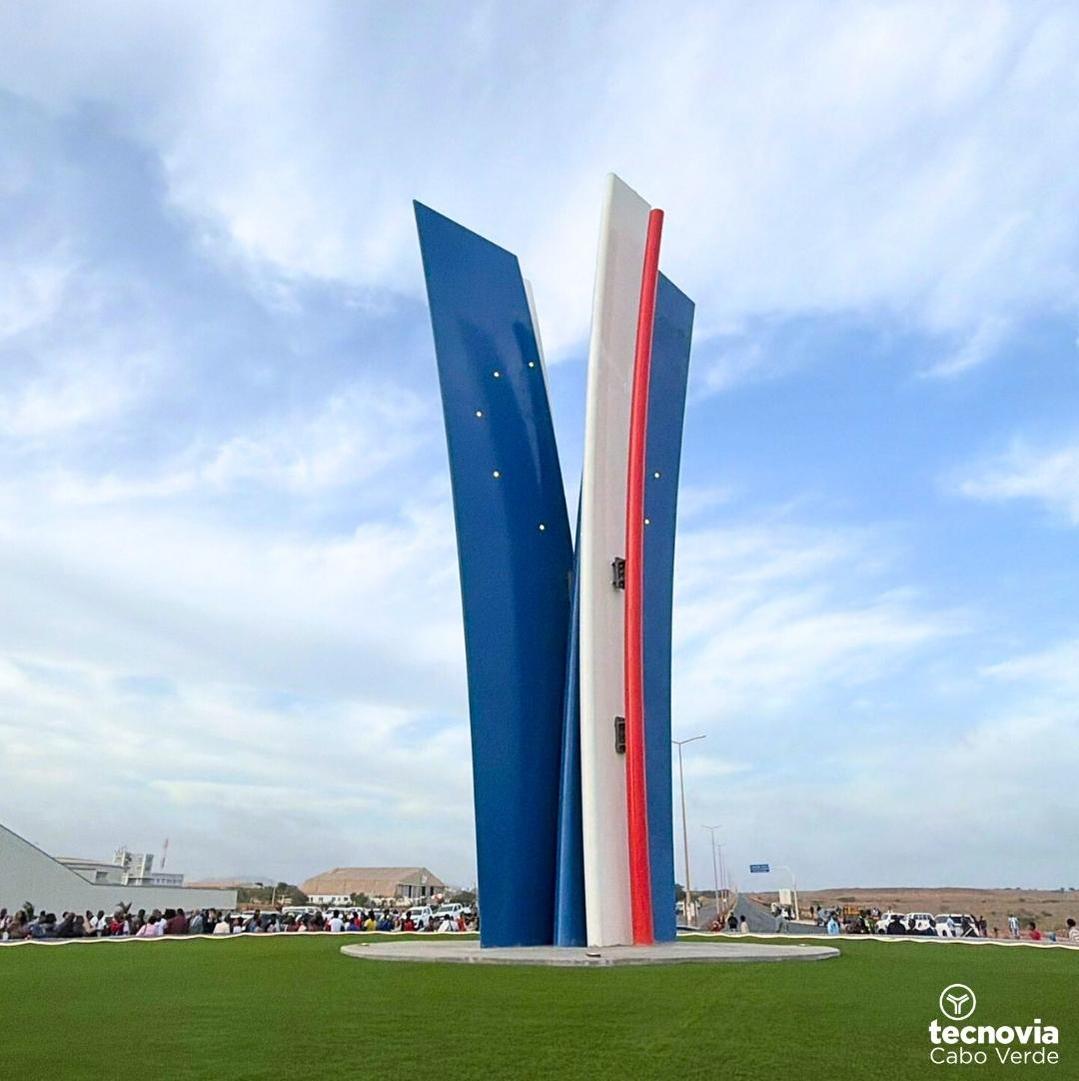
Following the Carnation Revolution of 1974 in Lisbon, which overthrew the authoritarian Estado Novo regime, the path to decolonization was rapidly opened. On July 5, 1975, Cabo Verde officially declared its national independence, ending over five centuries of Portuguese rule. Aristides Pereira was inaugurated as the nation's first president. Initially, the PAIGC aimed for a political union between Guinea-Bissau and Cabo Verde, but this plan was permanently abandoned in 1980 following a military coup in Guinea-Bissau.
The Democratic Transition of 1991
For its first fifteen years, Cabo Verde was governed as a single-party socialist state under the PAICV (rebranded from PAIGC). However, recognizing shifting global dynamics and rising domestic demands for political pluralism, the ruling party initiated a peaceful transition to democracy in 1990. The nation's first multi-party legislative elections were held in January 1991, resulting in a sweeping victory for the opposition Movement for Democracy (MpD). This peaceful, exemplary transfer of power cemented Cabo Verde's reputation as a mature and resilient democracy.
Governance, Human Rights, and Stability
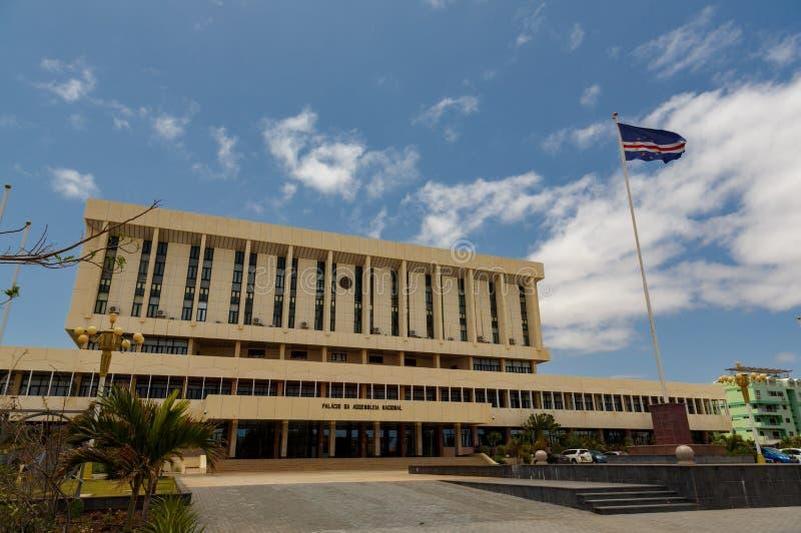
Today, Cabo Verde ranks consistently high on international indices for press freedom, governance, corruption perception, and civil liberties, often placing near the top of African nations. The country operates a semi-presidential system characterized by peaceful transitions of power between its two major political parties, the MpD and the PAICV. This political stability has fostered a secure environment that encourages foreign investment and international partnerships, separating it from regional vulnerabilities.
The Service-Oriented Economy
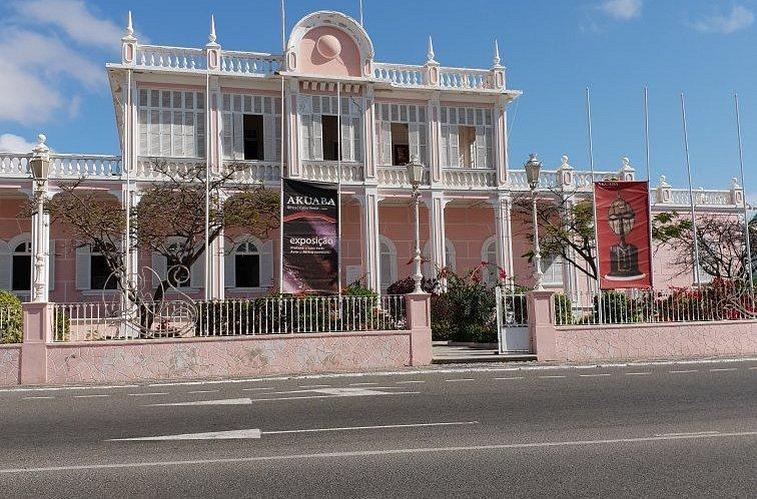
Lacking significant mineral reserves or heavy industrial bases, Cabo Verde has built an economy oriented toward services, which account for over 70% of its Gross Domestic Product (GDP). Key economic drivers include tourism, transport, commerce, and public services. In 2007, the United Nations officially elevated Cabo Verde from 'Least Developed Country' to 'Lower-Middle Income Country' status, a testament to its successful economic management and structural development.
The Lifeline of Diaspora Remittances
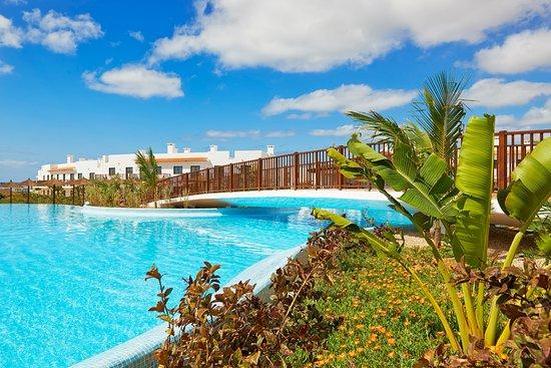
One of the most remarkable features of Cabo Verdean society is its vast global diaspora. Driven historically by famines and limited domestic employment, millions of Cabo Verdeans emigrated abroad. Today, more people of Cabo Verdean descent live in overseas communities—predominantly in the United States, Portugal, France, and the Netherlands—than in the archipelago itself. Financial remittances sent home by this active diaspora constitute a vital lifeline for the domestic economy, funding education, housing, and small businesses.

The Challenge of Freshwater Scarcity
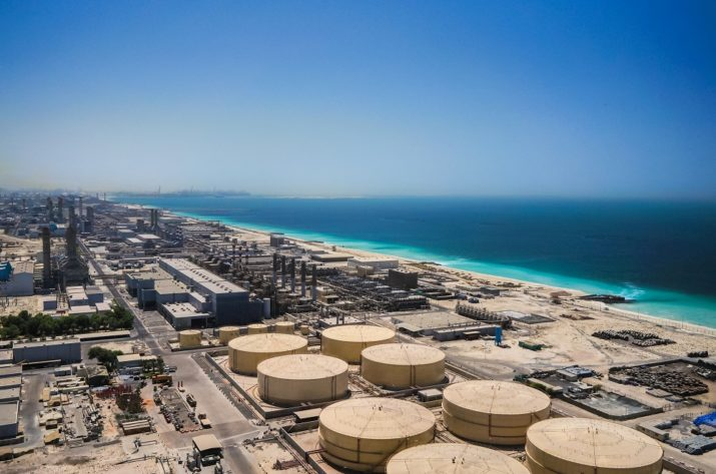
Environmental vulnerability remains Cabo Verde's most pressing structural challenge. The arid climate and irregular rainfall patterns make freshwater exceptionally scarce across the archipelago. Traditionally dependent on groundwater, which is prone to salinization, the country has had to innovate rapidly. Today, Cabo Verde relies heavily on energy-intensive desalination plants to supply potable water to its urban populations, highlighting the continuous struggle to secure basic natural resources.
Pioneering Renewable Energy
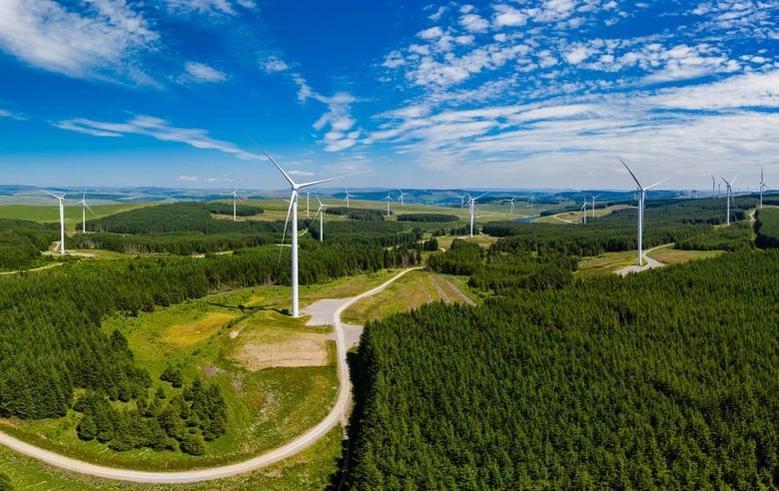
To counter the high costs of importing fossil fuels for electricity and desalination, Cabo Verde has emerged as an ambitious pioneer in renewable energy. Blessed with constant, strong Atlantic winds and abundant sunshine, the nation has invested heavily in wind farms and solar installations. The government has set ambitious targets to transition the majority of its national energy grid to renewable sources, aiming to become a regional leader in sustainable development and green technology.
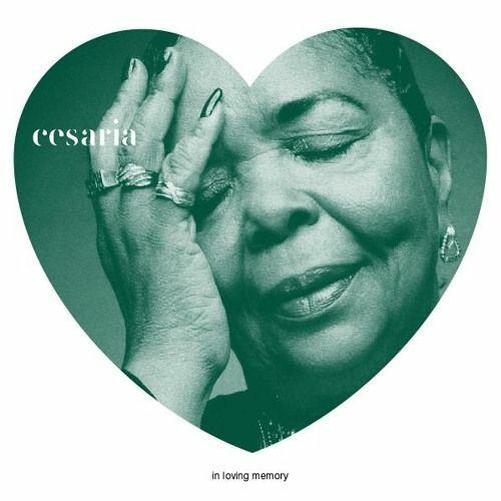
The Soul of Cabo Verde: Morna and Cesária Évora
The cultural soul of Cabo Verde is expressed most profoundly through its music, particularly 'Morna.' Characterized by melancholic melodies, acoustic instruments, and themes of longing, nostalgia, and migration (known as 'sodade'), Morna is the national musical genre. Its most famous ambassador was Cesária Évora, known worldwide as the 'Barefoot Diva.' Her international success brought the haunting beauty of Cabo Verdean music to global stages, earning a Grammy Award and cementing the country's cultural footprint.
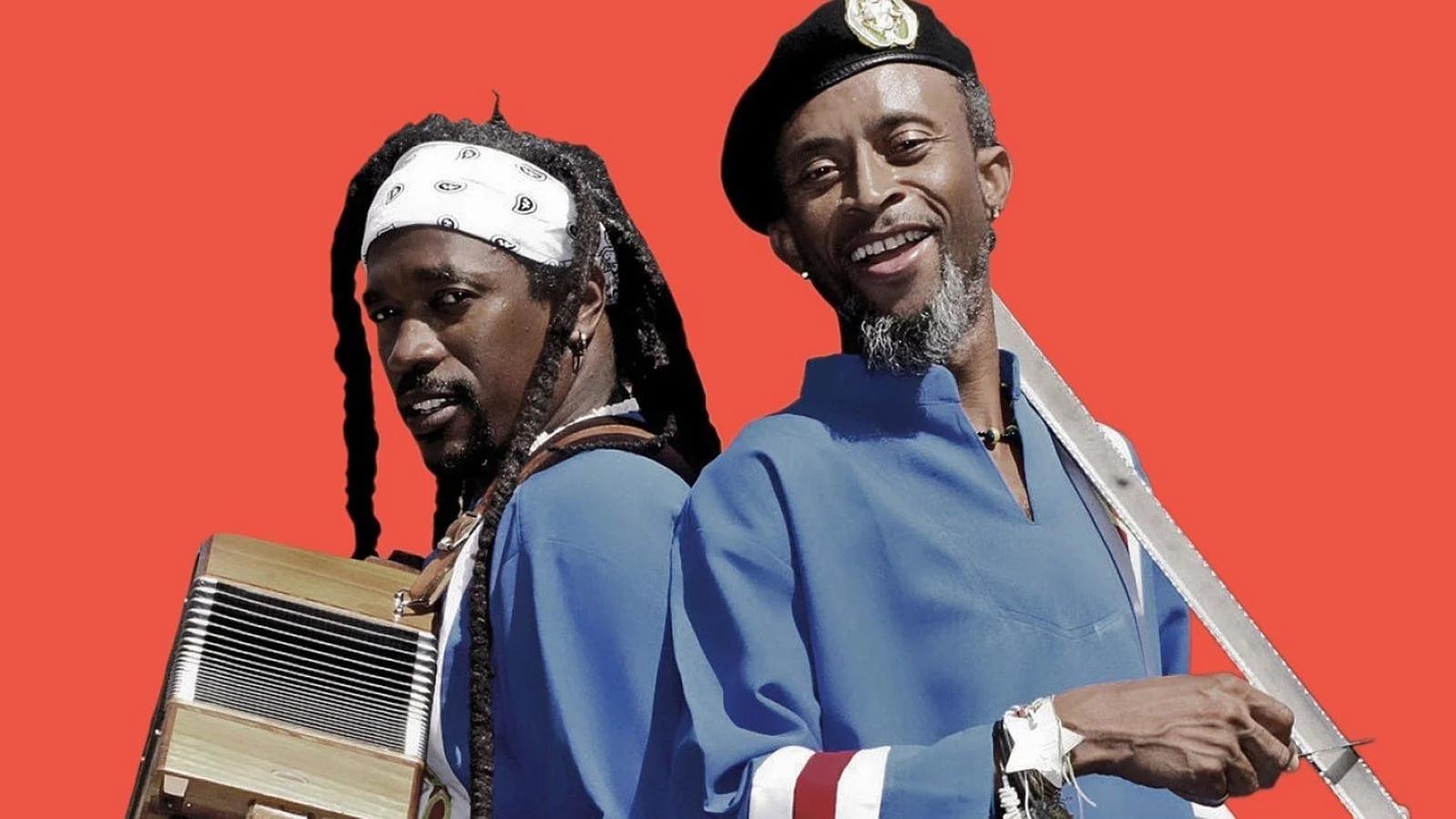
Rich Musical Tapestry: Funaná and Coladeira
Beyond the melancholic Morna, Cabo Verde boasts a rich, upbeat musical spectrum. 'Funaná' is an energetic, highly rhythmic genre originating from the rural areas of Santiago Island. Traditionally played with the gaita (an accordion) and the ferrinho (a notched metal bar rubbed with a knife), Funaná was once suppressed by colonial authorities for its sensuous dance moves and rebellious lyrics. Other popular styles include 'Coladeira,' a faster, rhythmic cousin of Morna, and modern 'Zouk-Love' fusions that dominate local airwaves today.
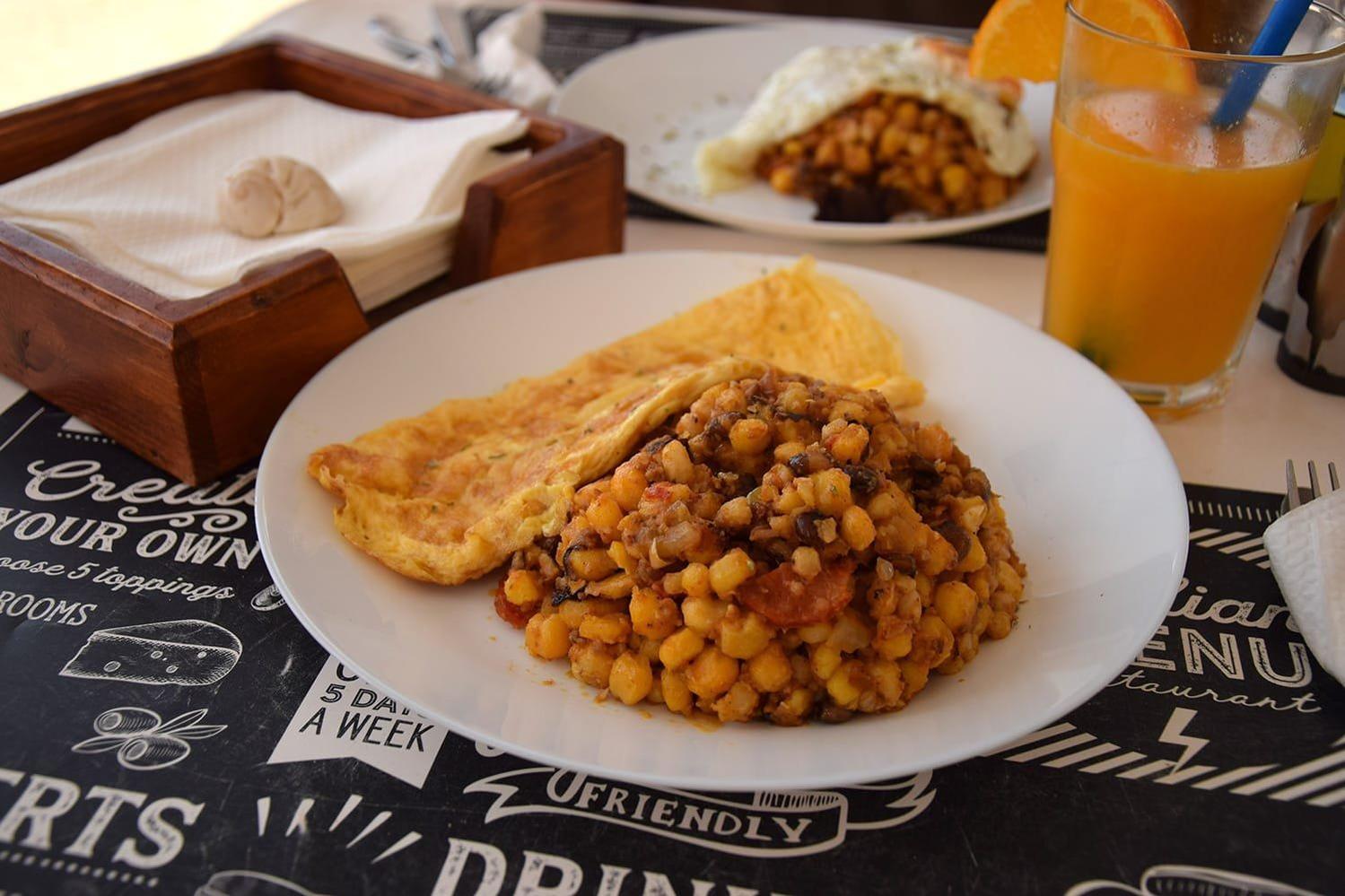
Culinary Heritage and Cachupa
Cabo Verdean cuisine is a delicious testament to its geographic isolation and Creole heritage. The undisputed national dish is 'Cachupa,' a slow-cooked, hearty stew made from hominy corn, beans, cassava, sweet potatoes, and green bananas. Depending on the cook's resources, it is enriched with fish, pork, or local sausage. 'Cachupa Refogada'—the leftover stew fried the next morning and served with a fried egg—is a beloved staple breakfast across the islands, accompanied by strong local Fogo coffee.
Strategic Geopolitics and International Relations
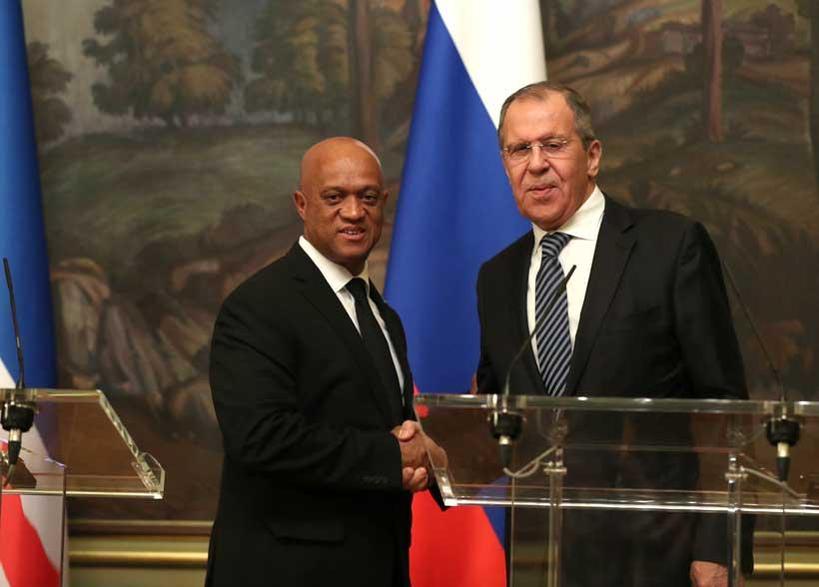
Despite its small size, Cabo Verde maintains a sophisticated foreign policy. It enjoys a 'Special Partnership' status with the European Union, focusing on security, regional integration, and sustainable development. As a member of the Economic Community of West African States (ECOWAS) and the Community of Portuguese Language Countries (CPLP), Cabo Verde leverages its unique position to act as an diplomatic mediator and a secure base for international maritime security operations in the mid-Atlantic.
The Future of Cabo Verde: The Blue Economy
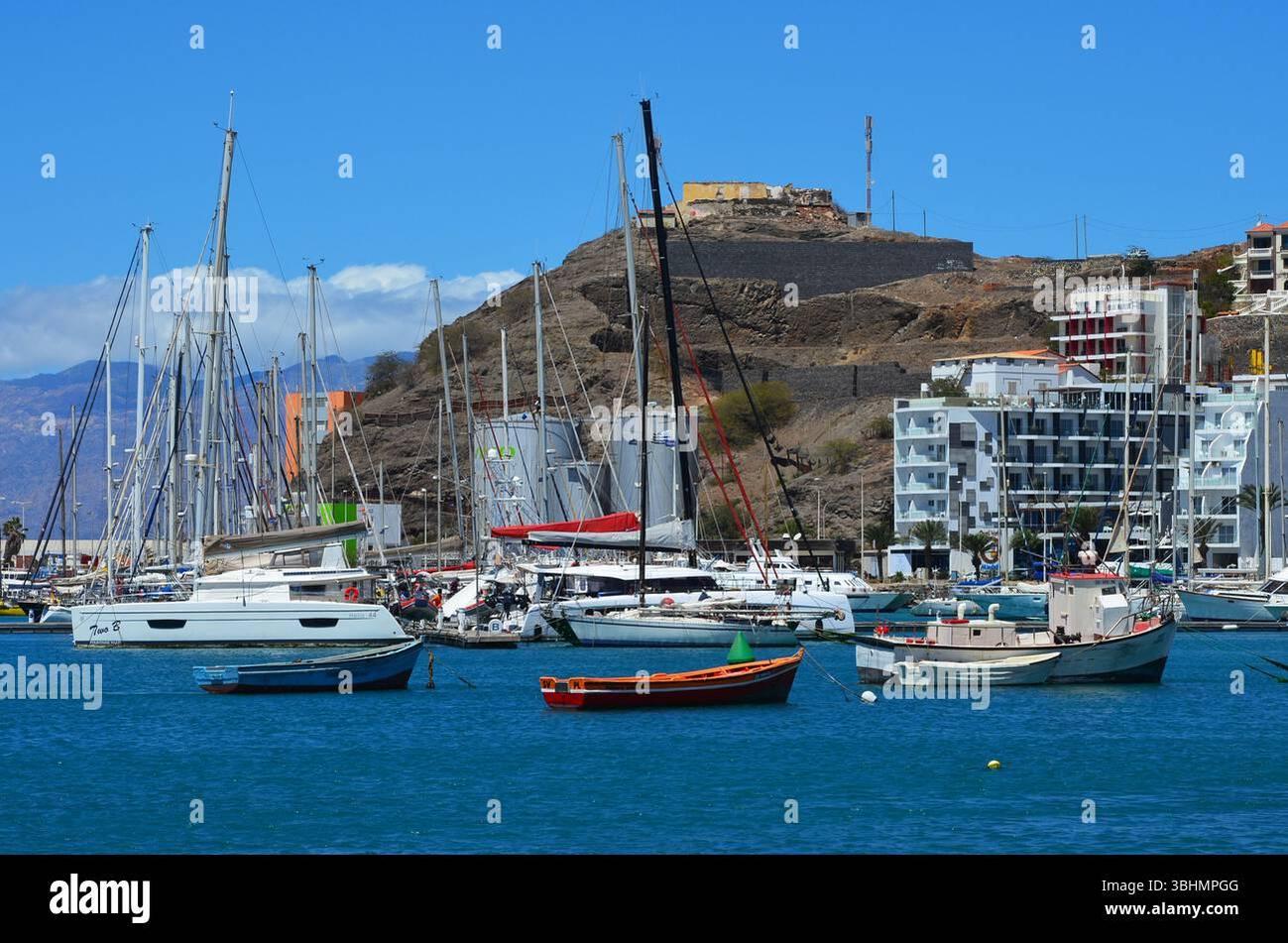
Looking forward, Cabo Verde is focusing its national strategy on the development of the 'Blue Economy'—maximizing the sustainable use of its vast marine territory. With maritime borders encompassing thousands of square kilometers of ocean, the nation aims to transform itself into a major maritime logistics, shipping, and sustainable fishing hub. By combining this maritime focus with ecotourism, digital transformation, and renewable energy, Cabo Verde continues to build a resilient, forward-looking path of self-reliance.
#Cabo Verde#Cape Verde#African History#Cesaria Evora#Macaronesia#Atlantic Islands#Creole Culture
Comments(0)
No comments yet. Be the first to share your thoughts!
Recommended Reads
 Kbeauty
Sep 22, 2026, 10:03 PM
Target Beauty Studio: How K-Beauty is Conquering the American Mass Market
On September 10, 2026, retail giant Target officially launched Target Beauty Stu...
 Skincare
Sep 21, 2026, 10:03 PM
How K-Beauty is Powering Global Ingredient Literacy and Redefining Skincare
In a major move for the global beauty industry, Korean-American cosmetics brand ...
 JayPark
Sep 20, 2026, 10:06 PM
Edmonds-Born K-Pop Pioneer Jay Park Set for Major Seattle Homecoming Concert
Edmonds-born K-pop and hip-hop pioneer Jay Park is returning to his roots for a ...
 BTS
BTSSep 19, 2026, 10:04 PM
The Triumph and Autonomy of BTS: Inside Their Historic 2026 Comeback and Bold Grammy Boycott
After a scheduled hiatus that began in late 2022, the global supergroup BTS has ...
 Fitness Gaming
Sep 3, 2026, 03:35 AM
VXROOM: Transforming Daily Workouts into Engaging Web-Based Motion Games
VXROOM (vxroom.com) is an innovative web-based int...
 Survival Show
Sep 1, 2026, 09:07 AM
Game of Blood X: The Evolution of Korea’s Fiercest Survival Reality Franchise
Wavve's hit original series Game of Blood ...