
맨 끝줄 소년Jun 27, 2026, 03:55 AM• 90826 views
The Boy in the Last Row: Unraveling Juan Mayorga's Masterpiece on Voyeurism, Fiction, and Ethics
Introduction to a Contemporary Masterpiece
The Boy in the Last Row, originally titled El chico de la ultima fila, is a highly acclaimed contemporary play written by the celebrated Spanish playwright Juan Mayorga. First published and performed in the mid-2000s, the play has established itself as a cornerstone of modern European drama. It masterfully explores the intricate boundaries between reality and fiction, the dangerous allure of voyeurism, and the ethical responsibilities of both the creator and the audience. Through its sharp dialogue and minimalist staging, the play invites viewers into a psychological maze where the act of storytelling becomes a subversive and potentially destructive force.
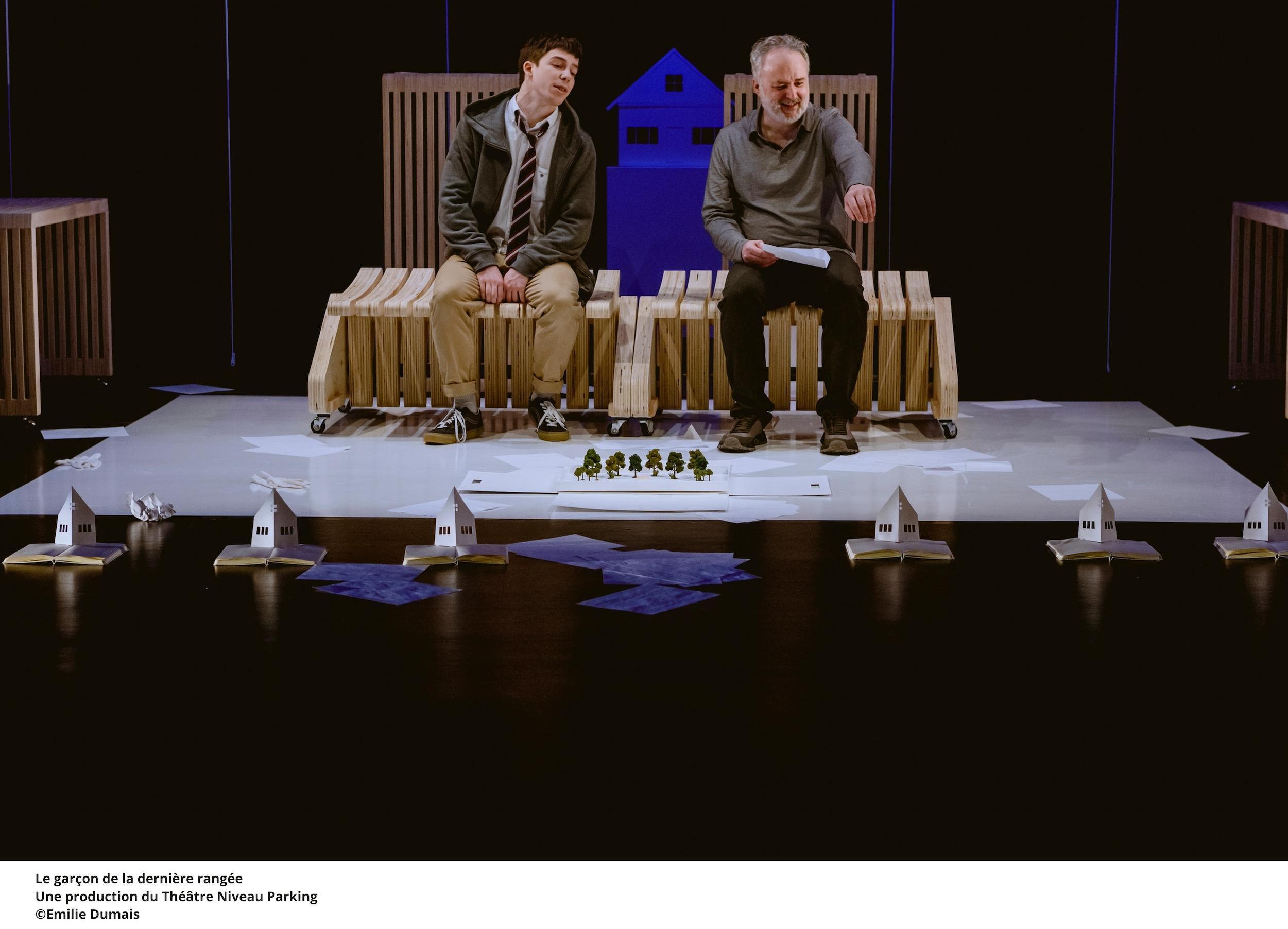
The Genius of Playwright Juan Mayorga
Juan Mayorga is widely regarded as one of Spain's most influential and intellectually rigorous contemporary playwrights. Born in Madrid in 1965, Mayorga holds a doctorate in philosophy, an academic background that profoundly shapes his dramatic works. His plays are characterized by mathematical precision, philosophical inquiry, and a deep skepticism toward historical and social narratives. In The Boy in the Last Row, Mayorga utilizes his philosophical training to dissect the mechanics of creative writing and the psychological dynamics of human curiosity, elevating a simple high school premise into a profound meditation on human nature.
The Catalyst: A High School Essay
The narrative of the play is set in motion by a seemingly mundane event in a high school literature class. The protagonist, Germán, is a disillusioned and cynical high school teacher who laments the lack of imagination and literacy among his modern students. However, his apathy is shattered when he reads an essay submitted by Claudio, a quiet student who sits in the very last row of the classroom. Unlike his peers' boring and poorly written papers, Claudio's essay is a beautifully written, highly observational, and deeply invasive account of his classmate Rafa's middle-class family life, ending with a chilling 'to be continued.'
Claudio: The Silent Observer in the Last Row
Claudio is the enigmatic heart of the play. Sitting in the last row, he occupies a unique vantage point that allows him to observe everyone without being observed himself. He is highly intelligent, perceptive, and socially detached. Claudio targets his classmate Rafa under the guise of helping him with math, but his true motive is to gain entry into Rafa's home—a place he perceives as a laboratory for his literary ambitions. Claudio represents the archetype of the artist as a predator, someone who consumes the private lives of others to fuel his creative output.
Germán: The Frustrated Mentor
Germán is a complex character whose professional frustration blinds him to the ethical boundaries of his mentorship. Having failed to achieve his own literary ambitions, Germán sees in Claudio a rare, raw talent that must be nurtured at all costs. Instead of reprimanding Claudio for his voyeuristic and manipulative behavior toward Rafa's family, Germán becomes an active accomplice. He encourages Claudio to continue his essays, offering writing tips, demanding more narrative tension, and inadvertently pushing the boy to manipulate his subjects further to generate a more exciting plot.

Juana: The Voice of Reason and Art
Juana, Germán's wife, serves as a crucial counterweight to the primary dynamic between teacher and student. She runs a contemporary art gallery that is struggling to survive in a commercialized market. As Germán shares Claudio's essays with her, Juana immediately recognizes the inherent danger and moral bankruptcy of the boy's project. She acts as the voice of ethical reason, repeatedly warning Germán about the psychological manipulation occurring under his watch. Her character also draws a parallel between Claudio's literary intrusion and the provocative nature of modern art.

The Artola Family: The Unwitting Subjects
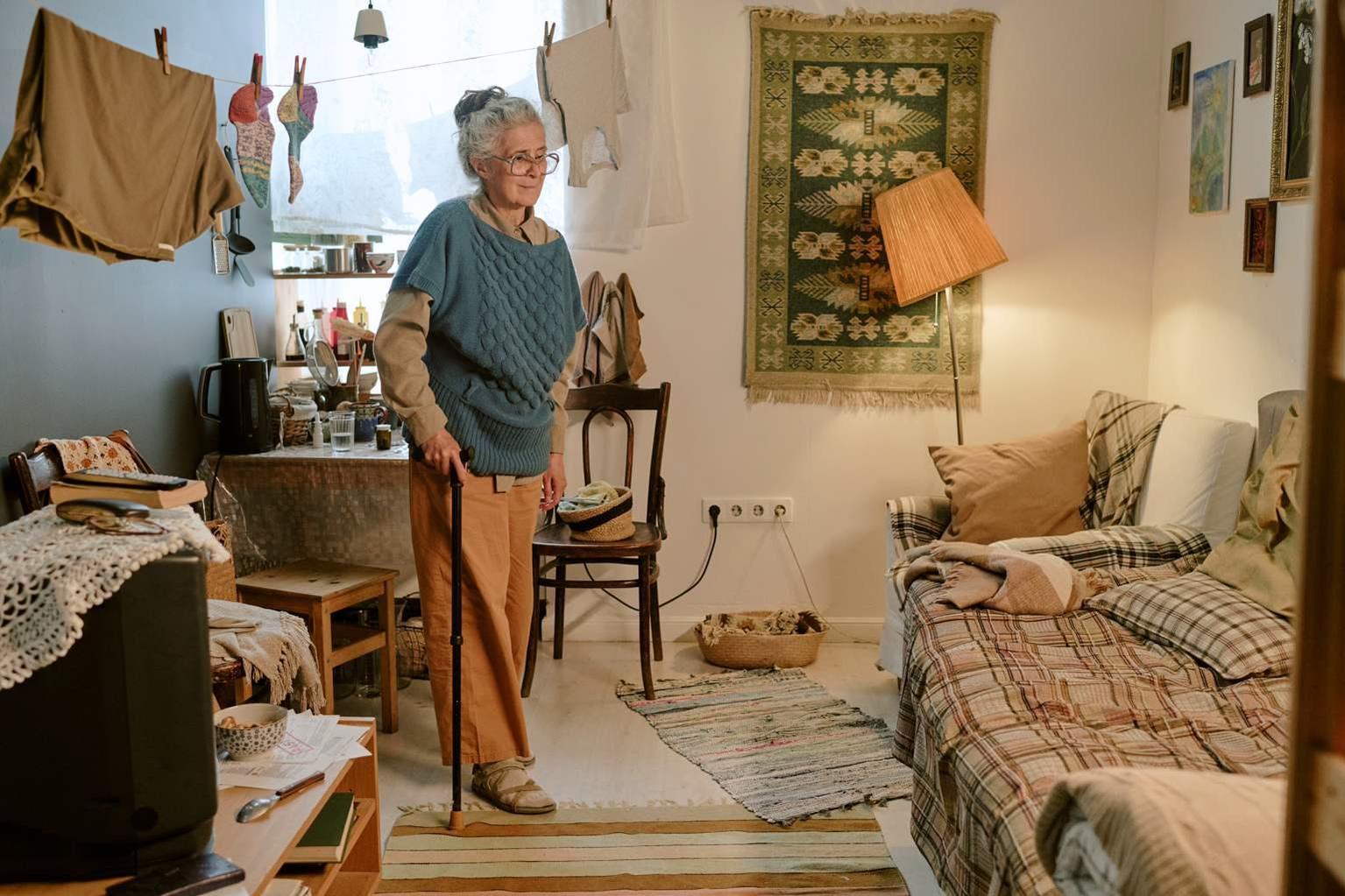
The family of Claudio's classmate, Rafa Artola, represents the stereotypical, middle-class household. Consisting of Rafa, his hardworking father, and his isolated mother, Esther, they are portrayed as normal, mundane, and somewhat predictable. To Claudio, however, they are a blank canvas. He infiltrates their home under the pretense of friendship, using his sharp intellect to exploit their insecurities and desires. The Artola family remains entirely unaware that their private conversations, domestic struggles, and emotional vulnerabilities are being cataloged, critiqued, and transformed into weekly entertainment for their son's teacher.
The Intoxicating Nature of Voyeurism
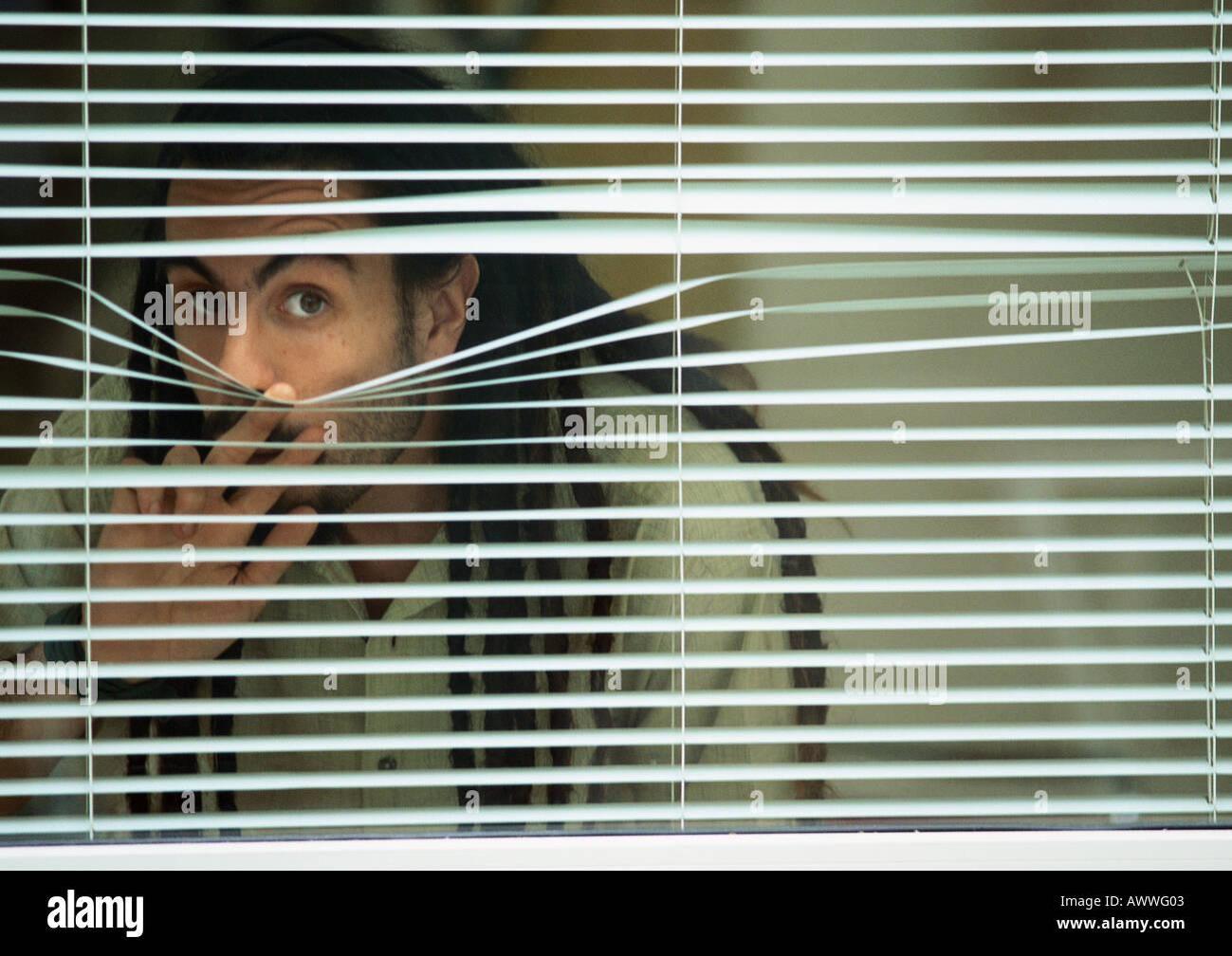
Voyeurism is one of the most prominent themes analyzed in The Boy in the Last Row. Mayorga explores the dark, human instinct to peer into the private lives of others, an urge that has only intensified in the modern digital age. This voyeuristic pleasure is shared not only by Claudio, who physically enters the home, but also by Germán, who eagerly awaits each installment of the essay, and by extension, the audience watching the play. The play effectively turns the theatergoers into co-conspirators, questioning our own desire to consume the intimate details of other people's lives for entertainment.
Blended Realities: Fiction vs. Truth
As the play progresses, the boundaries between what is actually happening in the Artola household and what Claudio is inventing for his story begin to blur. The staging often reflects this confusion, with the characters of the Artola family interacting on stage alongside Germán and Claudio. Germán's corrections to Claudio's essays start to dictate real-life actions, demonstrating the terrifying power of narrative to shape reality. The audience is left constantly questioning the reliability of Claudio's narration, wondering if he is merely recording events or actively manipulating them to fit a desired dramatic arc.

The Teacher-Disciple Power Dynamic
The relationship between Germán and Claudio is a complex, reciprocal power struggle. Initially, it appears that Germán holds the power as the teacher and mentor guiding a young student. However, as the story unfolds, it becomes clear that Claudio is the one pulling the strings. Claudio understands Germán's intellectual frustrations and utilizes his stories to manipulate the older man. Germán's obsession with the narrative makes him vulnerable, and Claudio exploits this to gain validation, guidance, and ultimately, control over his teacher's life and domestic peace.

The Moral Boundaries of Storytelling
At its core, Mayorga's play is a profound examination of the ethics of art. It asks whether a writer has the right to use the real lives of others as raw material for their work, regardless of the emotional damage it may cause. Germán argues that art must transcend conventional morality, while Juana asserts that human beings should never be treated as mere narrative tools. This ethical debate remains unresolved, forcing the audience to grapple with their own moral compass regarding the sacrifices made in the pursuit of great art and literature.

A Metanarrative Structure
The Boy in the Last Row is a textbook example of metatheatre—drama that comments on the nature of drama itself. Throughout the play, Germán and Claudio discuss the mechanics of writing, such as character development, conflict, suspense, and the necessity of a satisfying ending. These discussions occur while the play itself is executing those very narrative devices. By making the process of writing the central plot of the play, Mayorga provides the audience with a fascinating, behind-the-scenes look at how stories are constructed and how they manipulate human emotion.

The Climax and the Dangerous Descent
The tension peaks as Claudio's infiltration of the Artola family deepens, leading to romantic and existential complications. Claudio begins to target Esther, Rafa's mother, exploiting her loneliness and artistic unfulfillment. As the boundaries of the essay are crossed, the real lives of the characters begin to unravel. Germán's domestic life is also pulled into the chaos, resulting in a dramatic confrontation where the consequences of their literary game can no longer be contained. The play moves toward an inevitable collision where both the fictionalized subjects and the creators face ruin.

Minimalist Staging and Fluid Transitions
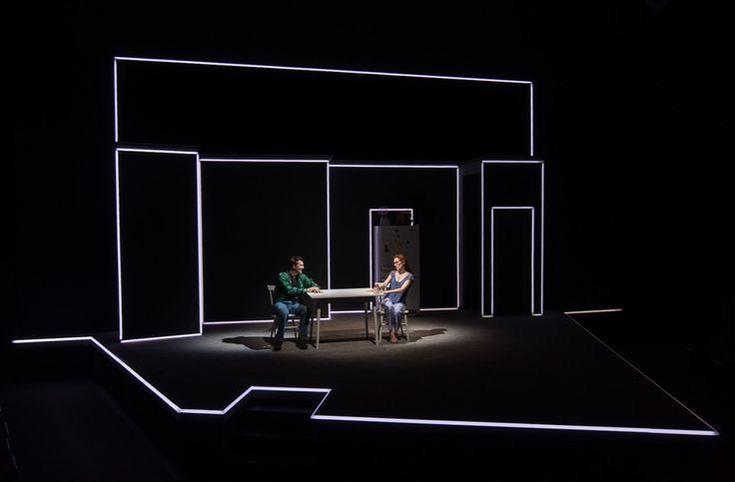
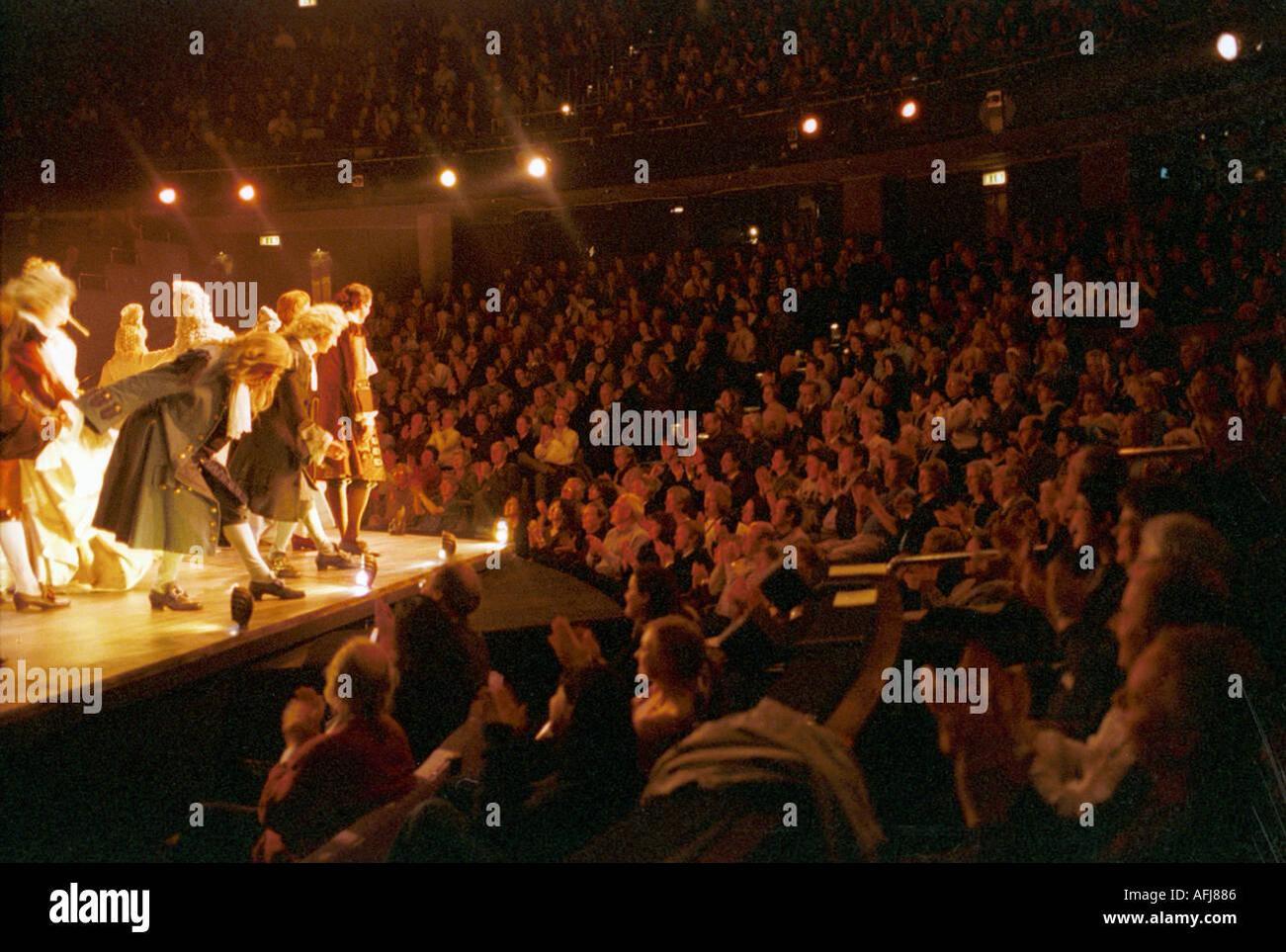
Juan Mayorga's script demands a unique approach to staging that emphasizes fluidity over realism. Rather than using elaborate set changes, the play relies on minimal props and lighting to transition seamlessly between Germán's living room, the school classroom, and the Artola family home. Characters from different physical locations often occupy the stage simultaneously, highlighting how the characters' minds and lives have become hopelessly intertwined. This minimalist aesthetic keeps the focus entirely on the brilliant dialogue and the psychological tension between the characters.
The Korean Adaptation and Cultural Impact
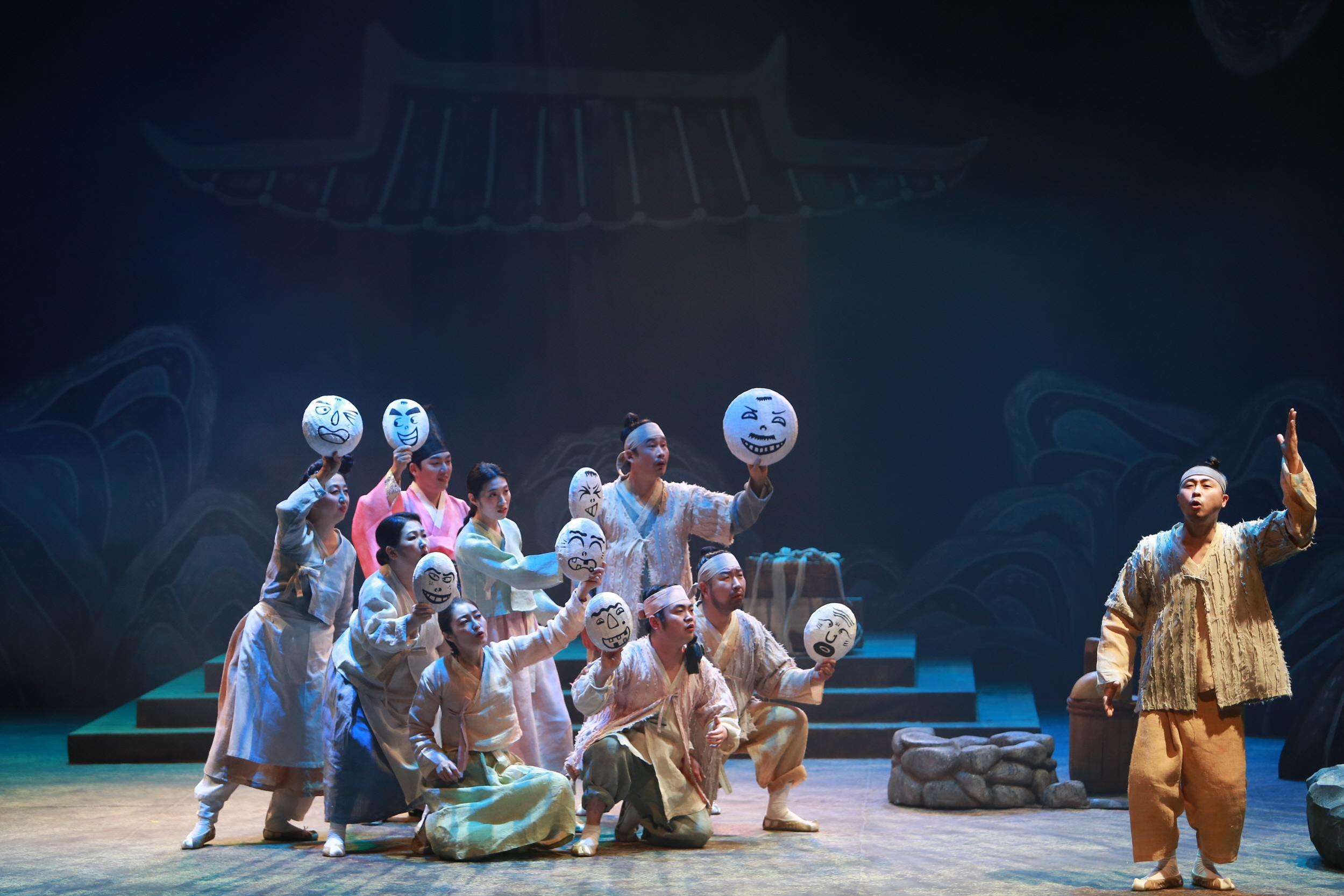
In South Korea, The Boy in the Last Row (translated as 맨 끝줄 소년) has enjoyed significant success and critical acclaim. It has been staged multiple times by prestigious theatre companies, including the National Theater Company of Korea (NTCK). Korean directors and actors have been highly praised for capturing the subtle nuances, intellectual humor, and dark psychological tension of Mayorga's text. The production's success in Korea demonstrates the universal appeal of the play's themes, resonating deeply with a society highly conscious of educational pressure, voyeurism, and class dynamics.
The Film Adaptation: François Ozon's 'In the House'
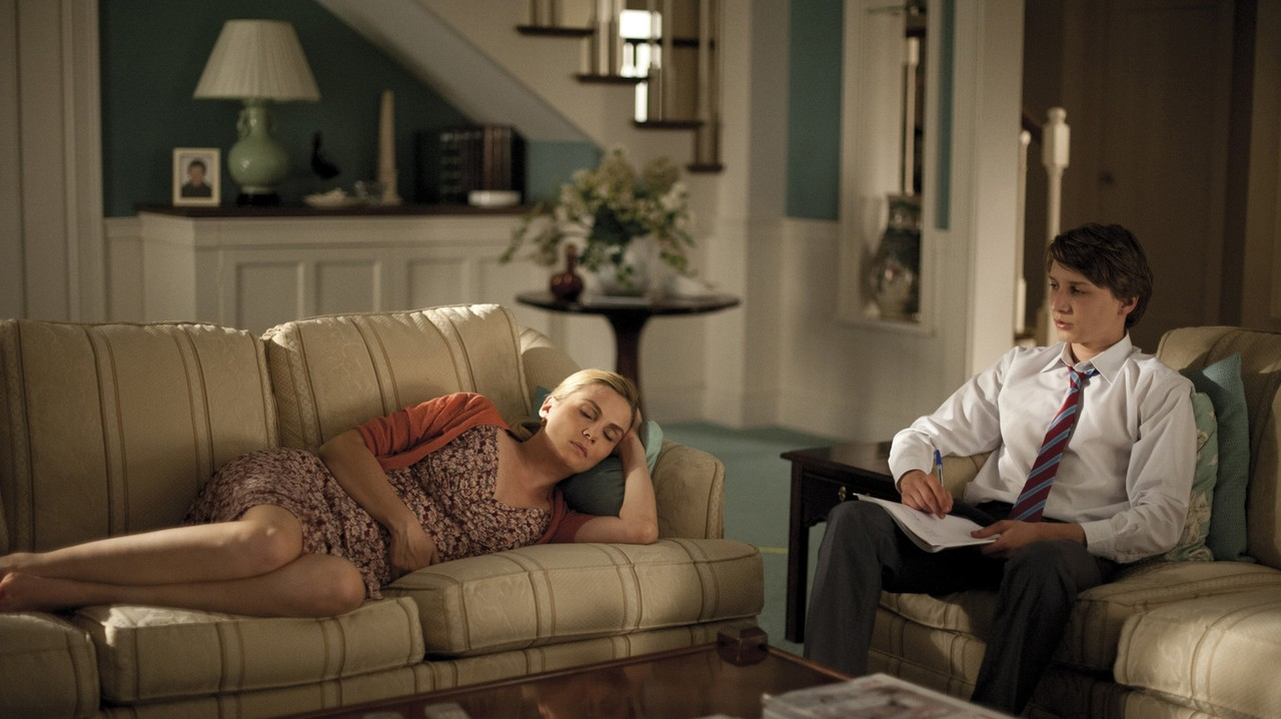
The global reach of Mayorga's play was further amplified by the highly successful 2012 French film adaptation, In the House (Dans la maison), directed by the acclaimed filmmaker François Ozon. Starring Fabrice Luchini and Ernst Umhauer, the film brilliantly translates the play's claustrophobic and cerebral tension into a cinematic medium. Ozon retains the core narrative structure and themes of the play while using cinematic techniques, such as editing and camera angles, to further emphasize the voyeuristic nature of the story, earning wide critical acclaim and prestigious festival awards.
Critical Acclaim and International Awards
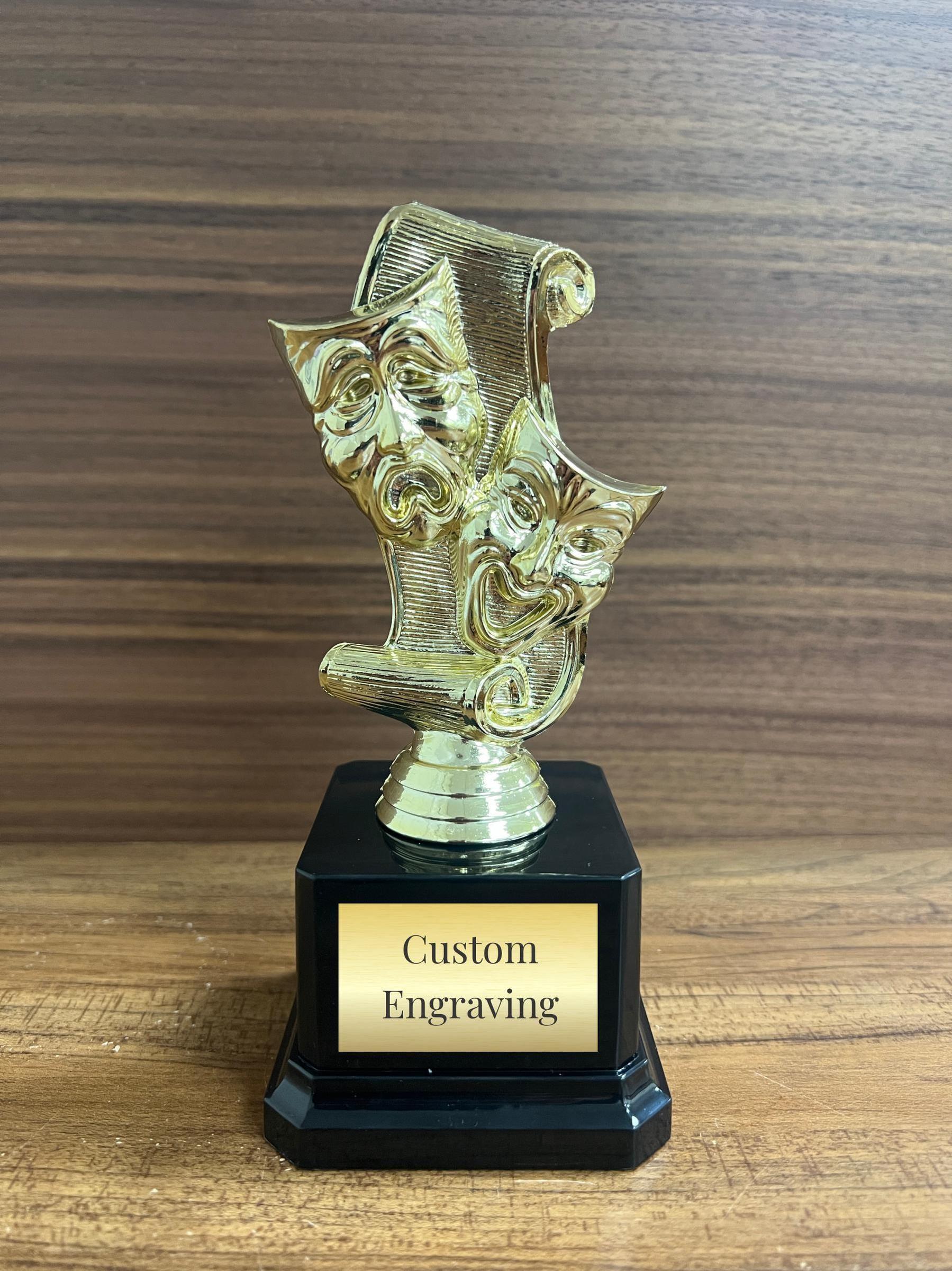
Since its debut, The Boy in the Last Row has received numerous accolades globally. In Spain, it won the prestigious Premio Max for Best Playwright, cementing Juan Mayorga's reputation as a master of contemporary drama. Internationally, the play has been translated into dozens of languages and performed in major theatrical hubs, including London, Paris, New York, and Seoul. Critics consistently praise the play for its tight structure, intellectual depth, sharp humor, and its ability to keep audiences on the edge of their seats without resorting to cheap sensationalism.
Educational and Philosophical Significance
Beyond the theater, The Boy in the Last Row is widely studied in universities and drama schools worldwide. It serves as an excellent case study for classes in creative writing, dramatic structure, and theatrical ethics. The play provides a practical demonstration of how to build dramatic tension, use unreliable narrators, and construct metatheoretical dialogue. Furthermore, its philosophical inquiries into the nature of art, representation, and the relationship between the observer and the observed make it a rich text for philosophical and sociological analysis.

The Play's Philosophical Underpinnings
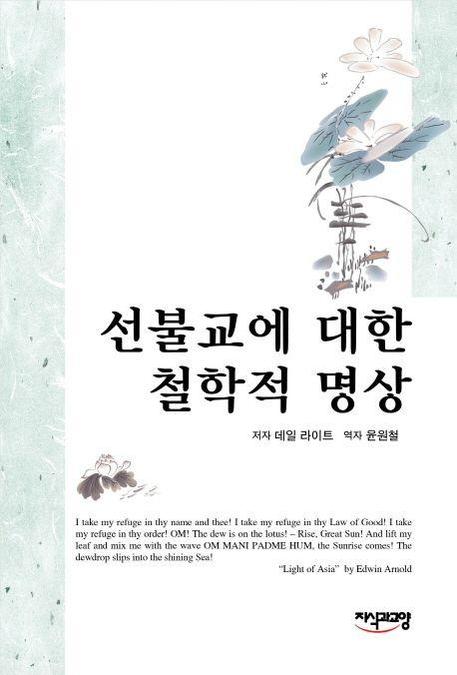
Mayorga's background in philosophy, particularly his studies on the German philosopher Walter Benjamin, heavily influences the thematic depth of the play. The concept of the 'flâneur'—an observer of modern life—and the critique of historical progress are mirrored in Claudio's detached observation of middle-class mediocrity. Mayorga uses the classroom as a microcosm of society, analyzing how educational systems can suppress genuine creativity, and how individuals seek escape from their mundane realities through the consumption of manufactured narratives and artificial drama.
Conclusion: A Timeless Legacy in the Digital Age
In conclusion, The Boy in the Last Row remains a powerful, highly relevant masterpiece that continues to captivate audiences worldwide. In an era dominated by social media, where the boundary between public and private life has almost entirely vanished, Mayorga's critique of voyeurism and the exploitation of personal lives for public consumption is more urgent than ever. The play's brilliant construction, compelling characters, and deep ethical questions guarantee that it will remain a vital and frequently performed work of contemporary international theatre for decades to come.
#Juan Mayorga#The Boy in the Last Row#El chico de la ultima fila#Contemporary Theatre#In the House#Francois Ozon#Spanish Drama#Metatheatre
Comments(0)
No comments yet. Be the first to share your thoughts!
Recommended Reads
 Kbeauty
Sep 22, 2026, 10:03 PM
Target Beauty Studio: How K-Beauty is Conquering the American Mass Market
On September 10, 2026, retail giant Target officially launched Target Beauty Stu...
 Skincare
Sep 21, 2026, 10:03 PM
How K-Beauty is Powering Global Ingredient Literacy and Redefining Skincare
In a major move for the global beauty industry, Korean-American cosmetics brand ...
 JayPark
Sep 20, 2026, 10:06 PM
Edmonds-Born K-Pop Pioneer Jay Park Set for Major Seattle Homecoming Concert
Edmonds-born K-pop and hip-hop pioneer Jay Park is returning to his roots for a ...
 BTS
BTSSep 19, 2026, 10:04 PM
The Triumph and Autonomy of BTS: Inside Their Historic 2026 Comeback and Bold Grammy Boycott
After a scheduled hiatus that began in late 2022, the global supergroup BTS has ...
 Fitness Gaming
Sep 3, 2026, 03:35 AM
VXROOM: Transforming Daily Workouts into Engaging Web-Based Motion Games
VXROOM (vxroom.com) is an innovative web-based int...
 Survival Show
Sep 1, 2026, 09:07 AM
Game of Blood X: The Evolution of Korea’s Fiercest Survival Reality Franchise
Wavve's hit original series Game of Blood ...