
정훈Jun 26, 2026, 07:20 PM• 90653 views
Understanding Jeong-hun: The History, Role, and Evolution of Troop Information and Education in the South Korean Military
Introduction to Jeong-hun
In the Republic of Korea Armed Forces, the term 'Jeong-hun' refers to the Troop Information and Education (TI&E) branch, a specialized military sector responsible for the mental strength training, historical education, and public relations of service members. Officially tasked with fostering patriotism, maintaining high morale, and defining the military's ideological stance, Jeong-hun acts as the psychological backbone of the South Korean military. By keeping soldiers informed of national defense policies and domestic security realities, it aims to cultivate a resilient force capable of defending the nation. Over the decades, this institution has evolved alongside South Korea's democratization, shifting its focus from rigid anti-communist indoctrination to open communication and modern civic education.
Historical Origins and US Influence
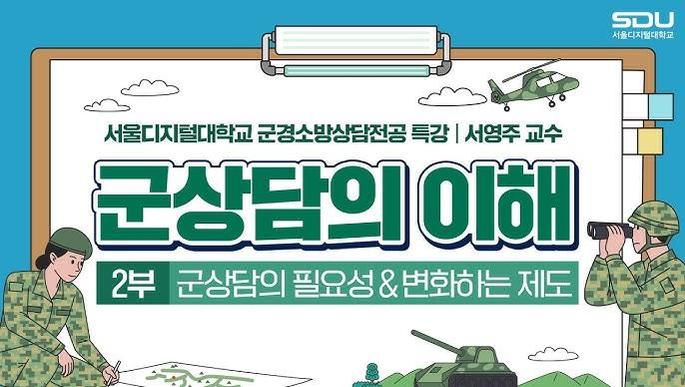
The conceptual framework of Jeong-hun was heavily influenced by the United States Army's Troop Information and Education division during and after World War II. Following the liberation of Korea in 1945 and the subsequent US military government on the peninsula, the nascent South Korean security forces adopted many American organizational structures. The American model emphasized that a democratic soldier must understand 'why' they fight, rather than simply obeying orders blindly. This philosophy was adapted to the Korean context to establish a systematic approach for educating soldiers on democratic values, national identity, and the geopolitical challenges facing the newly formed Republic of Korea.
Establishment during the Korean War
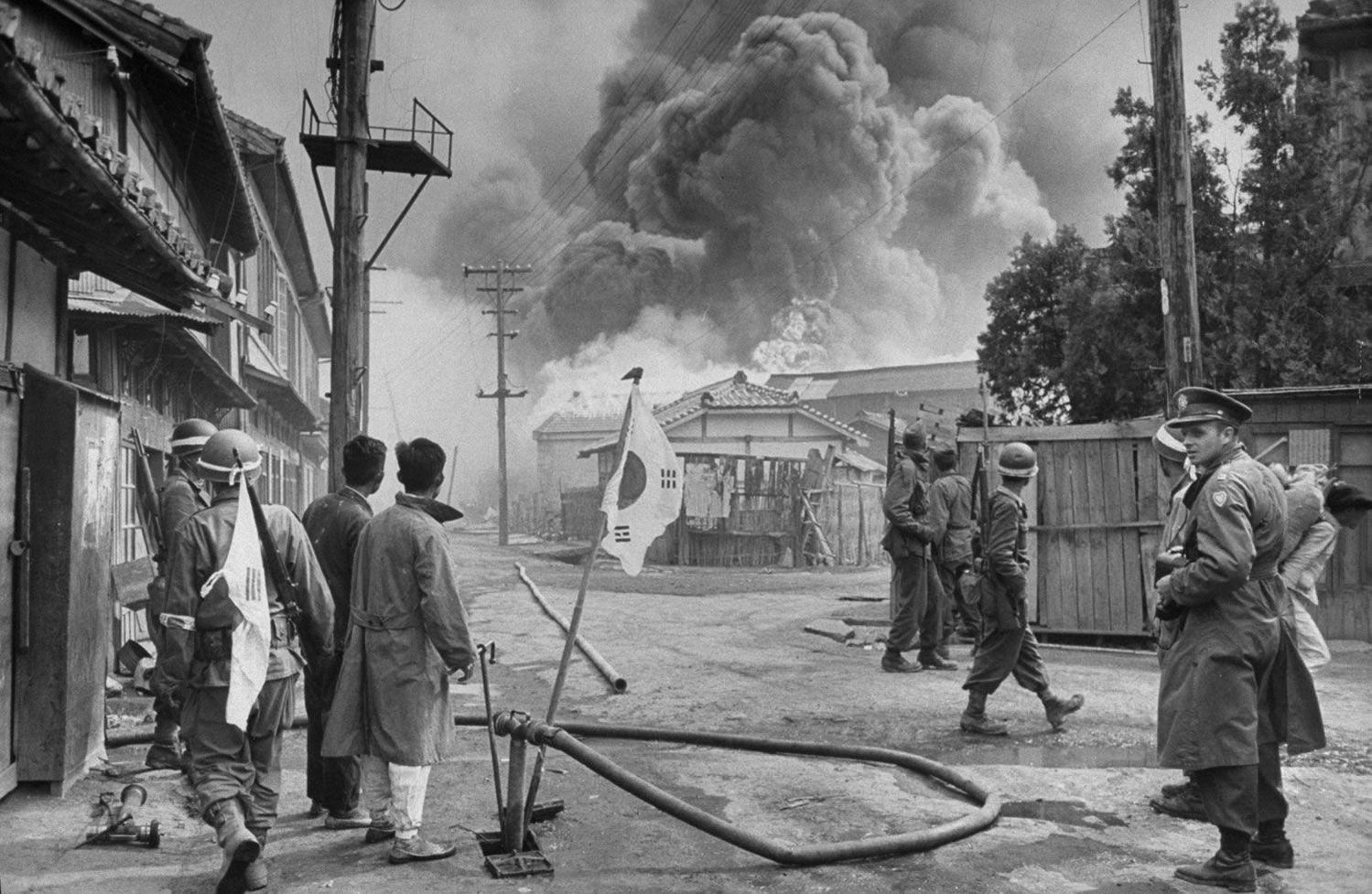
The official establishment of the Jeong-hun branch took place amidst the chaos of the Korean War in the early 1950s. Recognizing that ideological conviction was just as critical as physical weaponry on the battlefield, the military leadership formally organized dedicated education units. These units worked tirelessly on the front lines, publishing battlefield newsletters, conducting radio broadcasts, and organizing theatrical performances to bolster the plunging morale of exhausted troops. By reinforcing the defense of liberal democracy against communist aggression, wartime Jeong-hun played an indispensable role in maintaining the psychological integrity of the ROK Armed Forces during their darkest hours.
Organizational Evolution and Structure
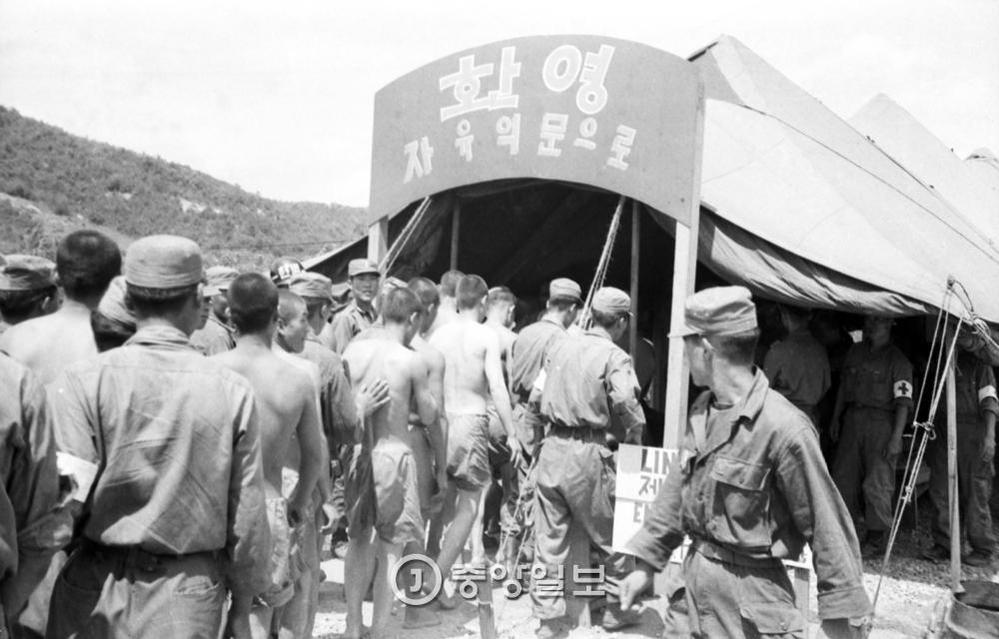
Over the years, the organizational structure of Jeong-hun has undergone multiple systemic restructuring efforts to match changing defense priorities. Operating under the direct supervision of the Ministry of National Defense, Jeong-hun officers are deployed across all branches, including the Army, Navy, Air Force, and Marine Corps. These specialized officers undergo rigorous training in public relations, journalism, history, and political science to prepare them for their multifaceted roles. From division-level headquarters down to local battalions, Jeong-hun personnel manage daily educational curricula, coordinate with local media outlets, and monitor the psychological health of military units.

Core Objectives of Mental Strength Training
At its core, the primary mission of Jeong-hun is 'Spiritual Armament' or mental strength training, which seeks to instill a clear sense of national identity and mission in every soldier. This education covers three main pillars: understanding the national enemy, appreciating the value of liberal democracy, and fostering a sense of duty toward national defense. By providing weekly lectures, discussion groups, and multimedia presentations, the program aims to convert young conscripts into determined defenders of the constitution, ensuring they remain intellectually resilient against psychological warfare tactics deployed by hostile adversaries.
National Security and Ideological Defense
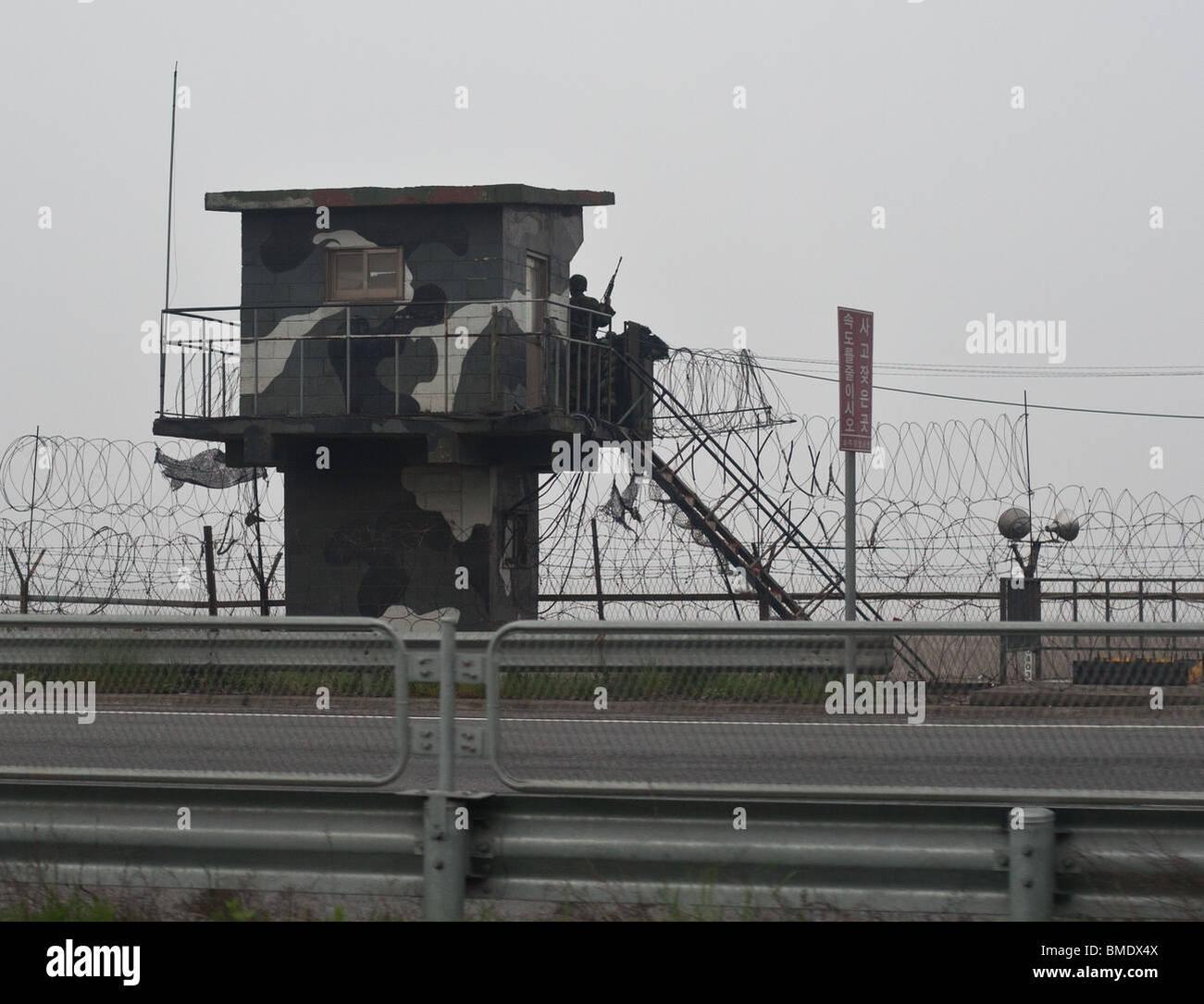
Given the unique geopolitical reality of a divided peninsula, ideological defense occupies a prominent place in the Jeong-hun curriculum. The program provides comprehensive overviews of North Korean military strategies, political doctrines, and human rights issues, helping soldiers comprehend the necessity of a strong defense posture. While the intensity of anti-communist rhetoric has fluctuated depending on the political administration in power, the foundational goal remains consistent: ensuring that service members clearly recognize the immediate threats to their nation's sovereignty and democratic way of life.
Fostering Historical Awareness
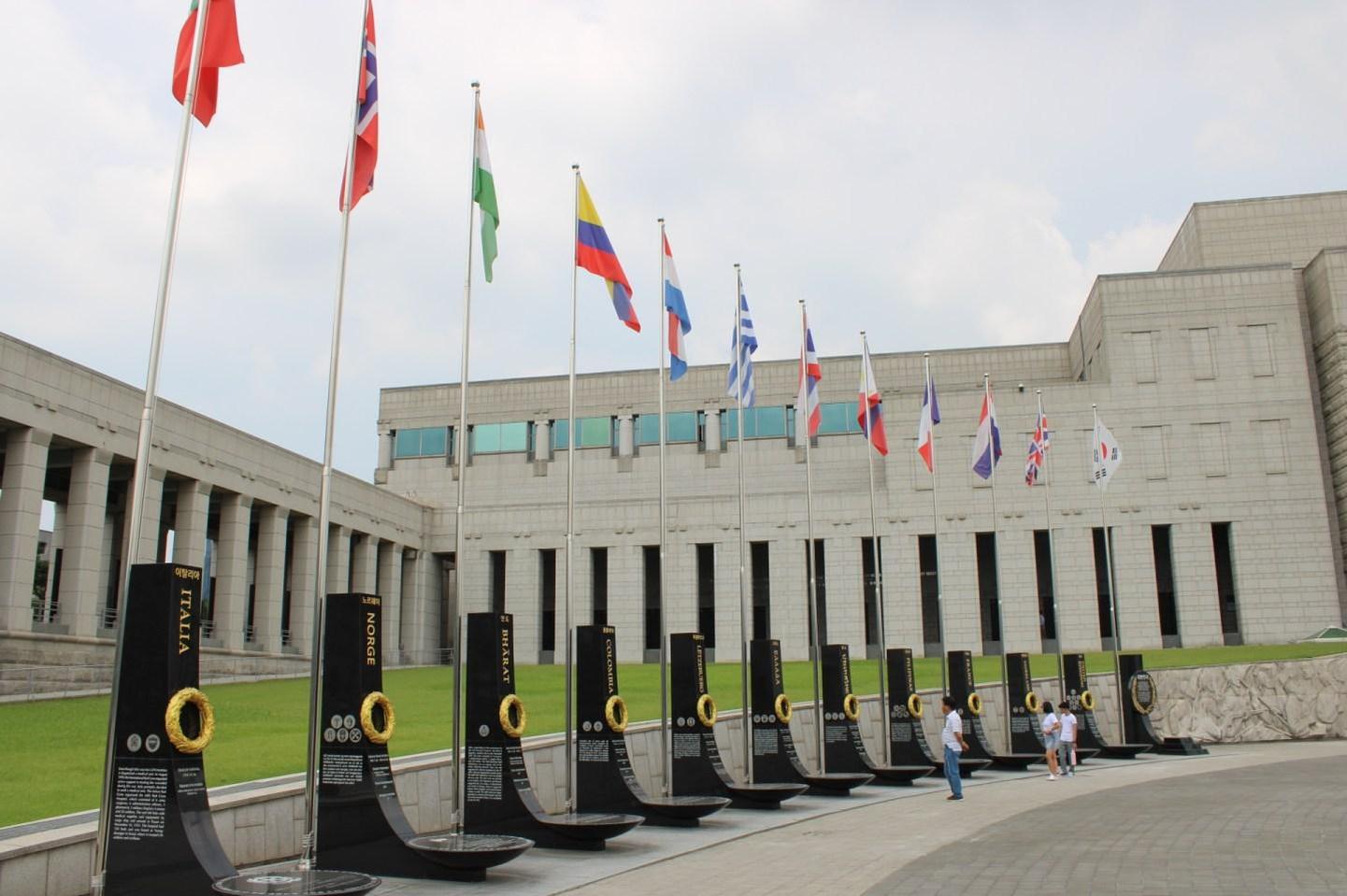
A key element of the Jeong-hun program is the cultivation of historical awareness, which focuses on the modern and contemporary history of South Korea. Lessons often highlight the triumphs and sacrifices of the Korean War, the rapid economic development known as the Miracle on the Han River, and the hard-fought struggle for democratization. By contextualizing the nation's success stories alongside its historical security crises, the curriculum instills a deep sense of pride in young soldiers, showing them that the freedom and prosperity they enjoy today are precious legacies worth fighting for.
Public Relations and Media Engagement
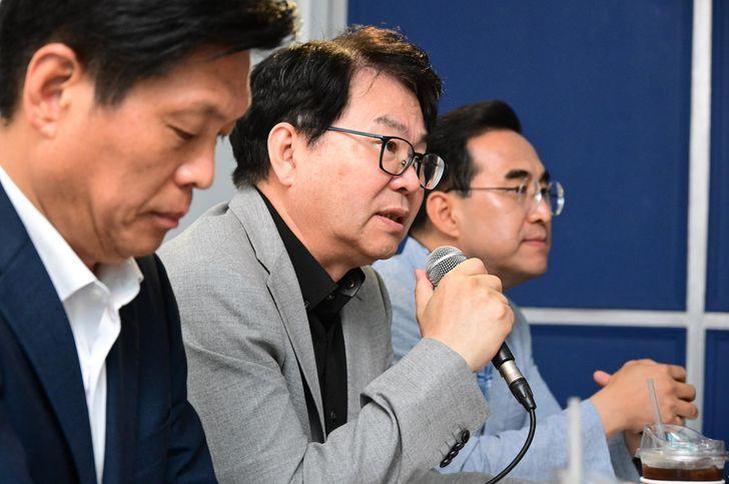
In addition to internal soldier education, the Jeong-hun branch is tasked with managing external relations, making it the primary voice of the military to the public. Public Affairs Officers (PAOs) under the Jeong-hun umbrella draft press releases, coordinate media coverage during military exercises, and manage crisis communications during defense emergencies. By fostering transparent and timely communication with local and international journalists, the branch works to build public trust, dispel rumors, and showcase the military's operational readiness and commitment to national safety.
Combatting Psychological Warfare
Modern conflicts are fought not only on physical battlefields but also in the cognitive domain. Jeong-hun officers are trained to identify, counter, and neutralize hostile psychological operations, disinformation campaigns, and cyber propaganda aimed at undermining military morale. By teaching soldiers critical thinking skills and digital literacy, the program helps build a collective psychological defense barrier. This ensures that rumor mills, online propaganda, and fake news cannot easily fracture the internal cohesion of the military units during peacetime or active conflict.

Promoting Military Culture and Morale
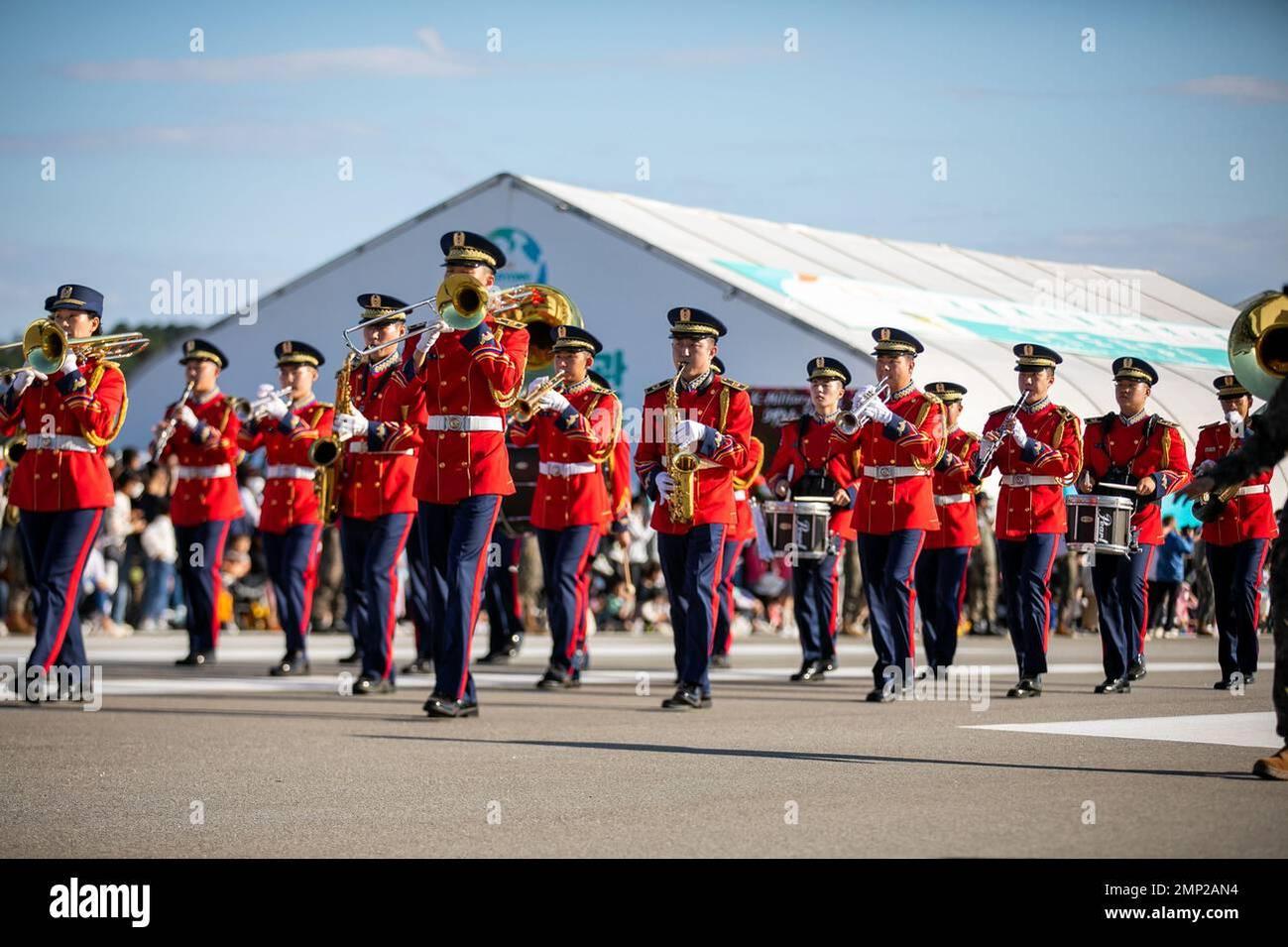
Jeong-hun plays a vital role in planning, organizing, and promoting military cultural events that enhance unit cohesion and soldier welfare. From organizing military band concerts and athletic competitions to hosting cultural festivals inside remote bases, the branch works to combat isolation and monotony. These activities provide essential emotional outlets for conscripts serving under high-stress conditions, helping to reduce depression, build camaraderie, and cultivate a healthy, vibrant, and cohesive military lifestyle across all operational units.
The Authoritarian Era and Political Controversy
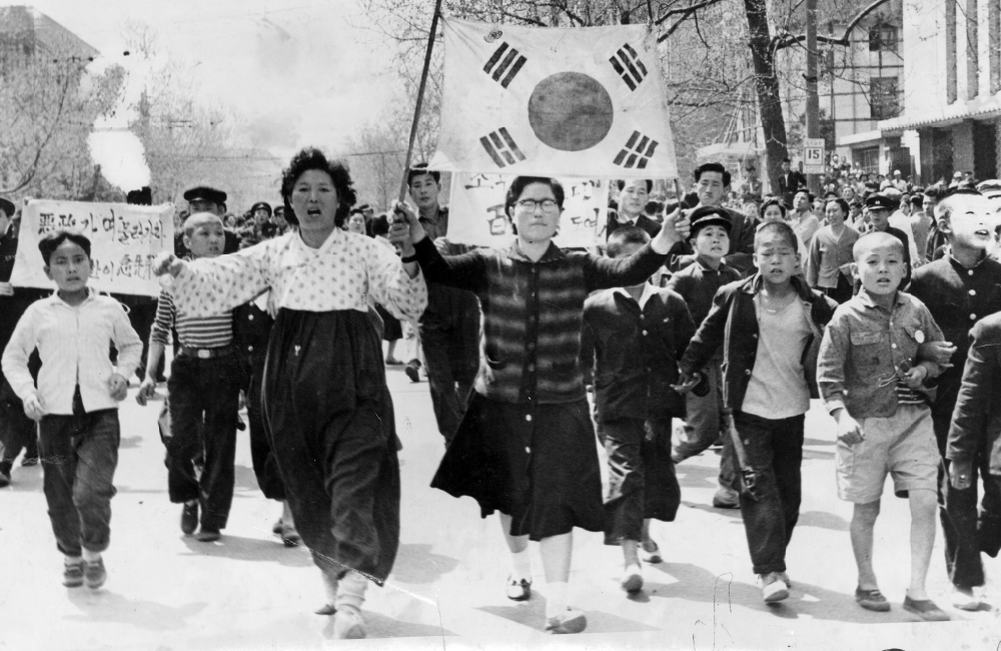
Despite its constructive goals, the history of Jeong-hun contains dark periods, particularly during the military regimes of the late 20th century. During these authoritarian administrations, the branch was sometimes used as an ideological tool to suppress domestic political opposition and justify military rule. Political education of the era frequently conflated legitimate democratic dissent with pro-communist activity, drawing severe criticism from civil society. This historical politicization left a lasting legacy of public skepticism regarding the true neutrality of military education programs, a challenge that reformists have worked diligently to address.
Democratic Reforms and Political Neutrality
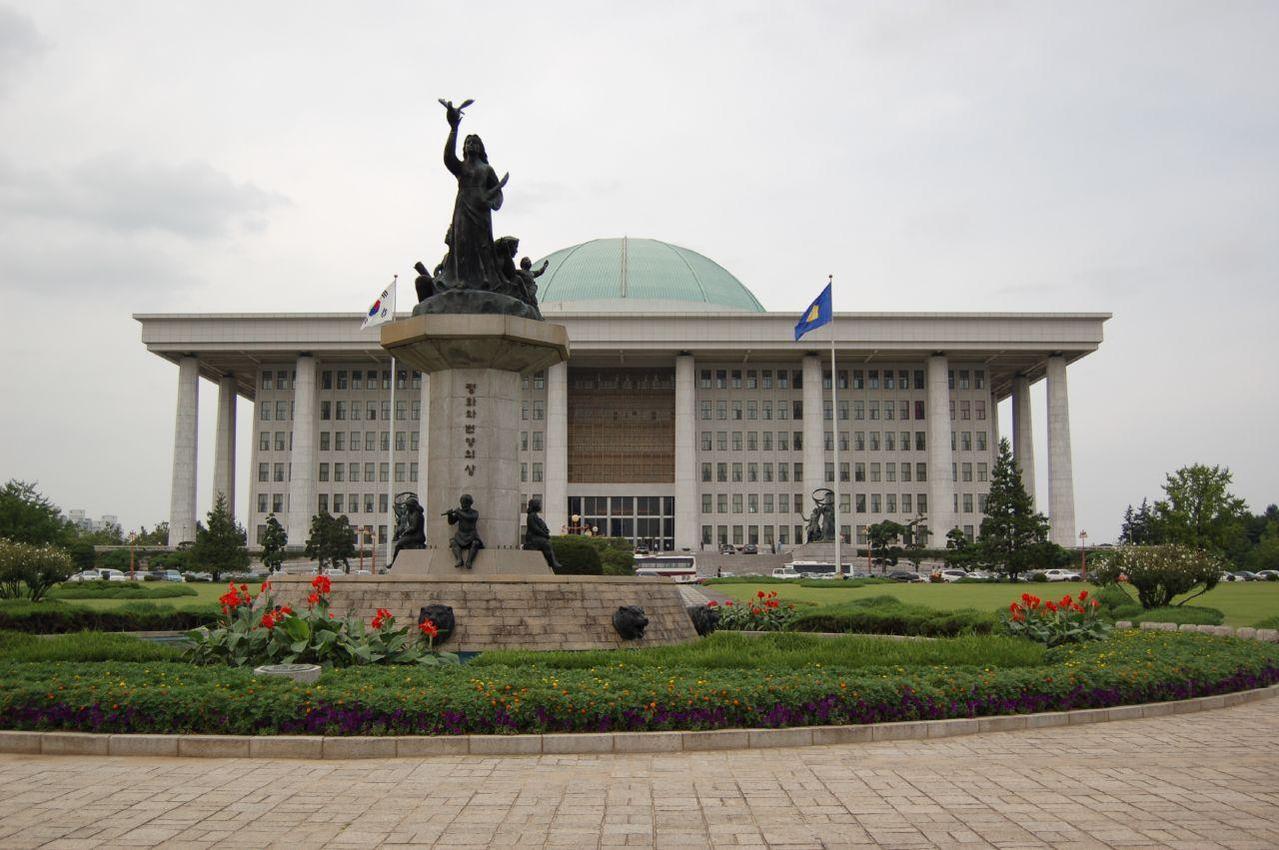
Following South Korea's transition to a stable democracy in the late 1980s and 1990s, the Jeong-hun branch underwent extensive restructuring to institutionalize strict political neutrality. Laws were enacted to explicitly prohibit military personnel, especially those in educational roles, from engaging in partisan politics or endorsing specific political parties. The curriculum was revised to focus purely on national security, constitutional values, and civic duties. This shift helped rebuild public trust, ensuring that the armed forces serve the entire nation rather than any specific political faction or ruling regime.
Renaming to Public Affairs and Troop Information
To distance the branch from its historical association with authoritative political instruction (expressed by the Hanja character 'Jeong' meaning politics), the military initiated a renaming process. In 2019, the Ministry of National Defense changed the official name of the 'Jeong-hun' branch to 'Gongbo Jeong-hun' (Public Affairs and Troop Information/Education). This administrative change underscored a modernized institutional focus that prioritizes open, bilateral communication, objective information sharing, and media transparency, while retaining the essential core of defensive security education.

Modern Educational Methodologies
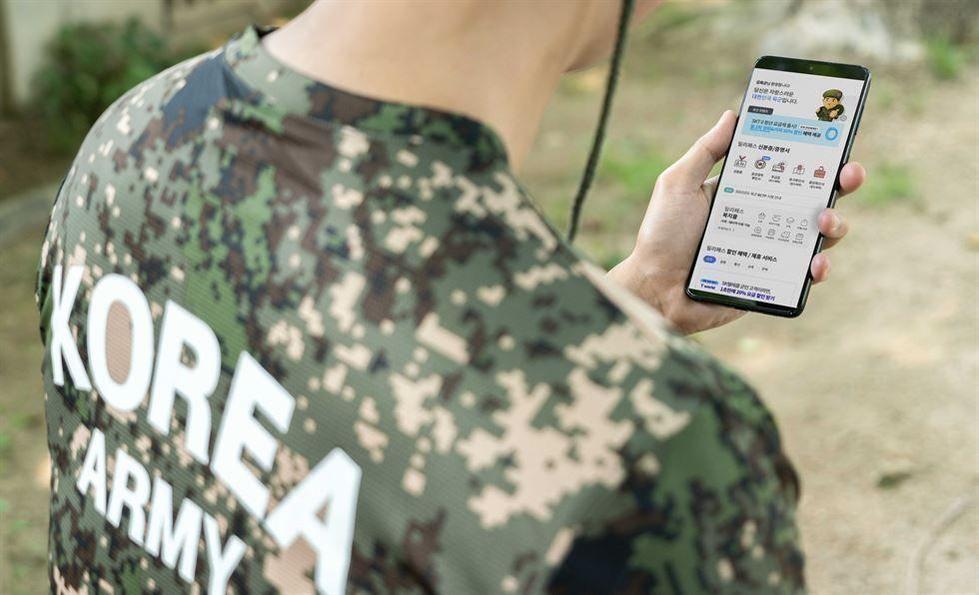
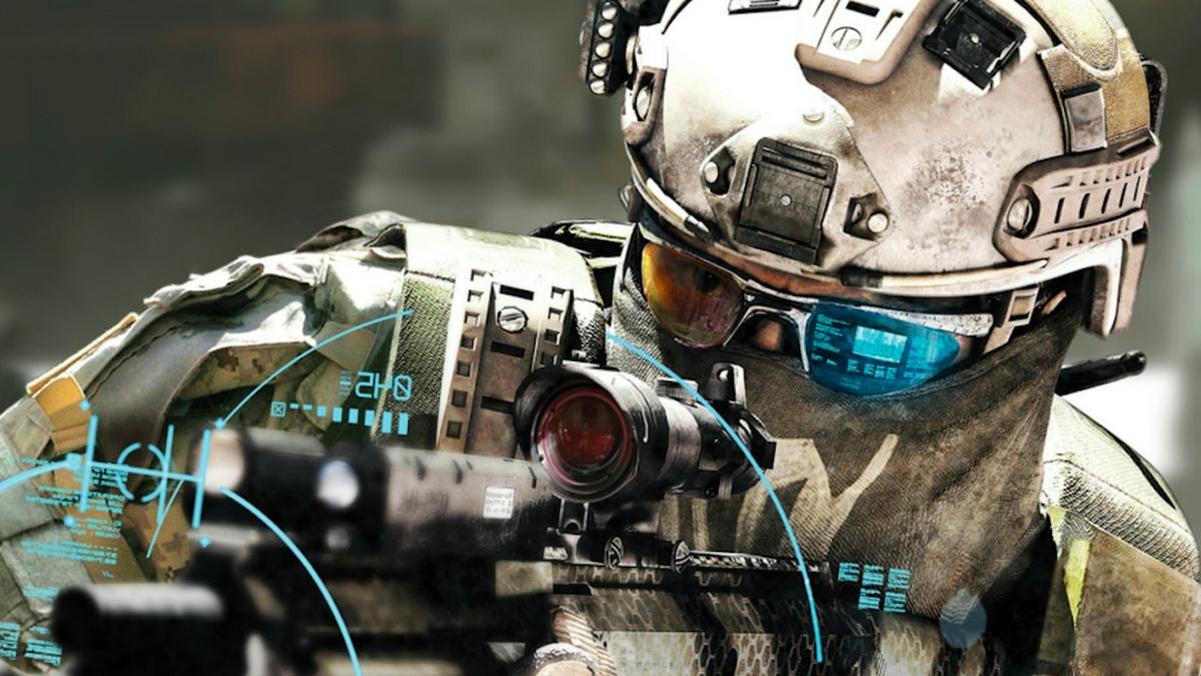
Gone are the days of boring, one-way lectures delivered from dusty manuals. Today, the Gongbo Jeong-hun branch utilizes state-of-the-art educational methodologies, including interactive smartphone apps, virtual reality simulations, and high-quality YouTube content. Soldiers are encouraged to participate in panel discussions, presentation contests, and peer-to-peer debates. By adopting these engaging and modern educational techniques, the military ensures that crucial security messages resonate with a young, tech-savvy generation of conscripts who respond better to interactive learning than traditional instruction.
The Defense Daily (Kookbang Ilbo) and KFN
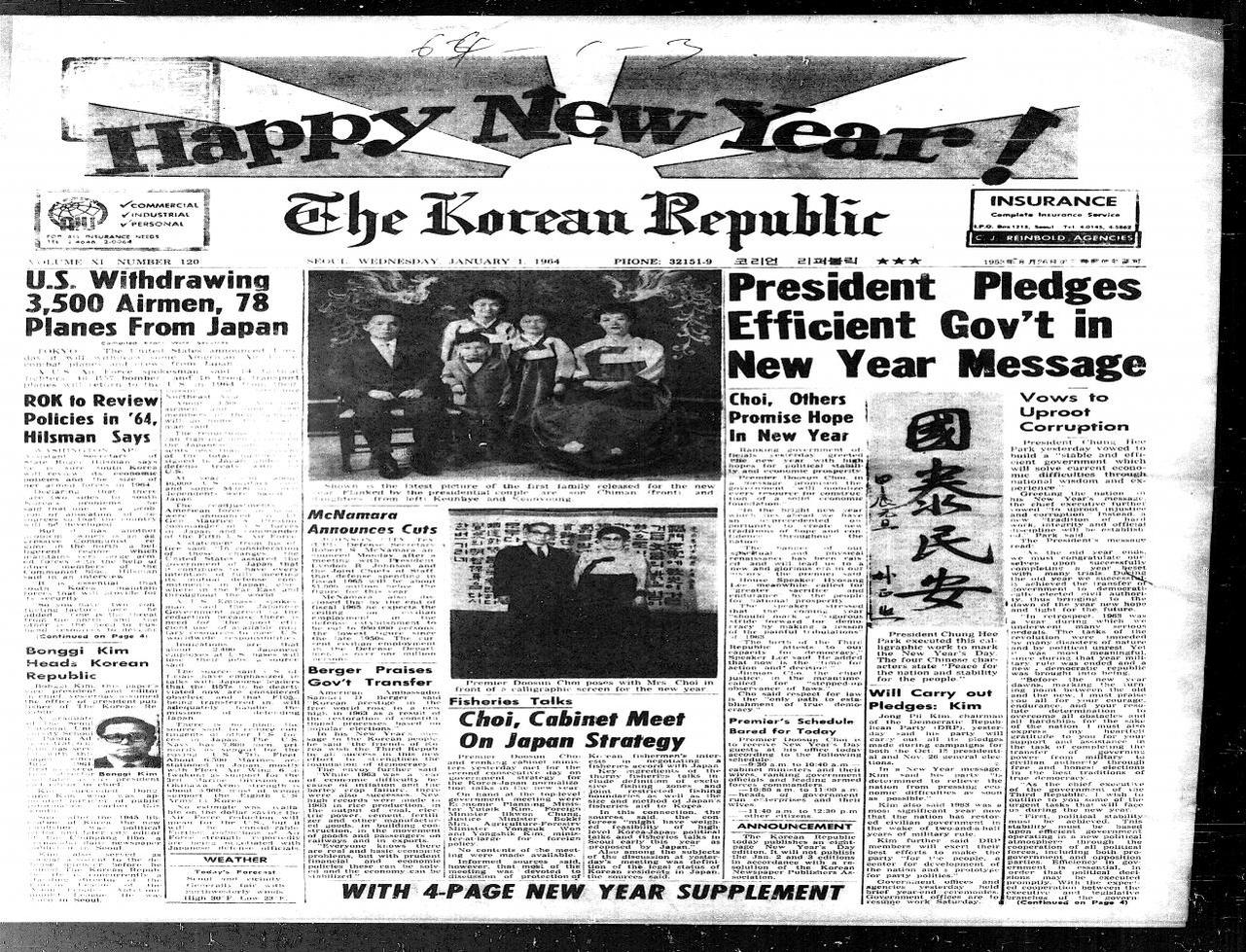
A primary tool of the Gongbo Jeong-hun branch is the Kookbang Ilbo (Defense Daily), the military's official daily newspaper. Distributed to bases nationwide, it covers security news, unit updates, educational columns, and military history. Alongside the paper, the Korea Forces Network (KFN) television and radio channels broadcast educational programming, talk shows, and news directly to barracks. These platforms serve as vital vectors for standardizing education and keeping isolated units connected to the broader military and national community.
Tackling the Challenges of a Digital Generation
With South Korean conscripts now permitted to use personal smartphones during off-duty hours, the information landscape within military barracks has shifted dramatically. This open access presents a double-edged sword for Gongbo Jeong-hun. While it makes communicating through digital channels much easier, it also exposes soldiers to unverified rumors, online toxicity, and polarizing political echo chambers. The branch has adapted by offering robust digital literacy programs that teach soldiers how to critically evaluate online sources, recognize foreign disinformation, and protect operational security on social media.

Focus on Psychological Resilience and Counseling
Recognizing that mental strength goes hand-in-hand with emotional well-being, the modern Gongbo Jeong-hun branch collaborates closely with military clinical psychologists and counselors. Education programs have expanded to include stress management, suicide prevention, and mindfulness techniques. Rather than focusing exclusively on ideological strength, the contemporary curriculum emphasizes building internal resilience. This holistic approach helps soldiers cope with the mental stresses of enlistment, fostering a healthier military environment and directly reducing operational accidents.

International Comparisons
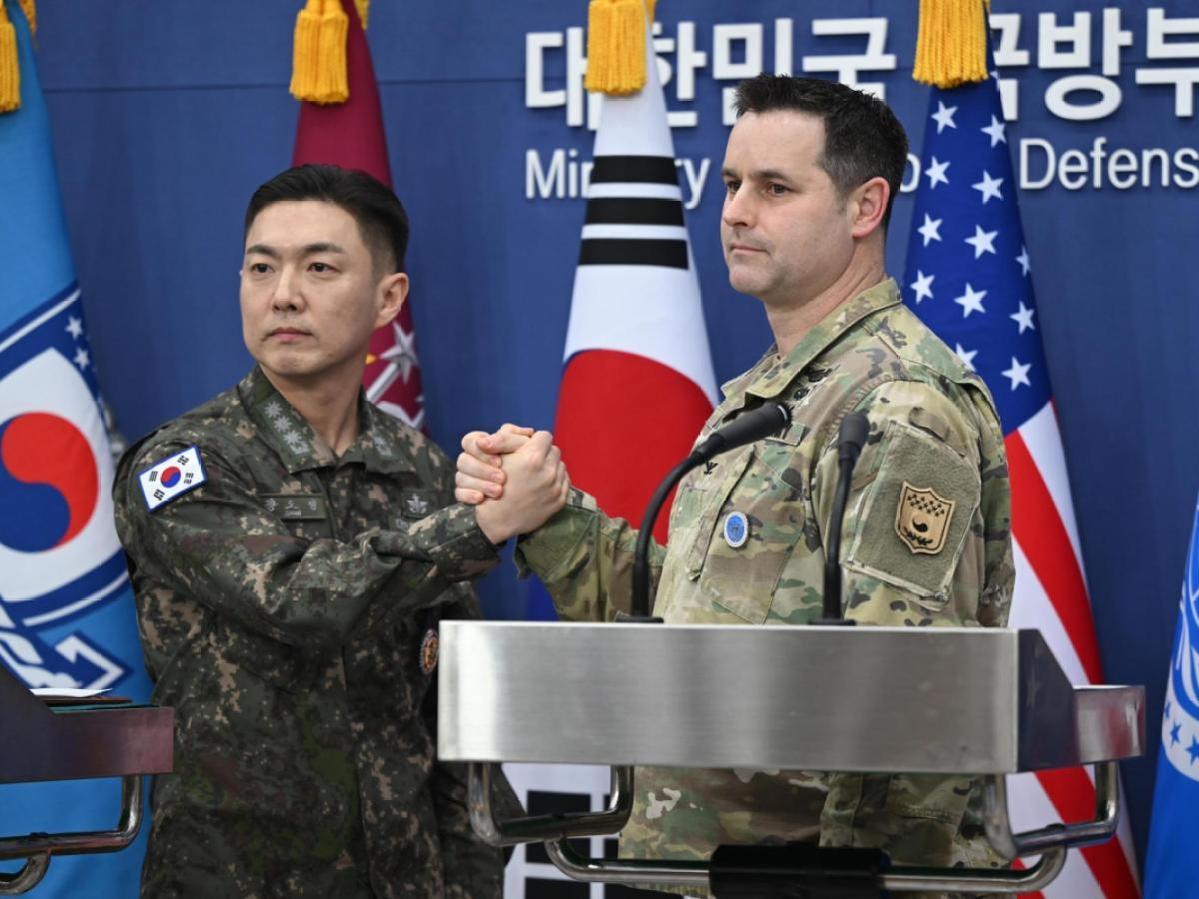
When compared globally, South Korea's Gongbo Jeong-hun system stands out as a unique and highly organized institution. While many Western militaries, such as the US Army, separate Public Affairs (PA) from internal command information programs, South Korea keeps them closely integrated. Furthermore, unlike Taiwan's political warfare system, which historically retained strong security-apparatus characteristics, South Korea's modern system has prioritized democratic civic alignment. This tailored structure reflects South Korea's unique position as a highly developed democracy facing a persistent, near-peer conventional threat just miles from its capital.
Public Perception and Criticisms
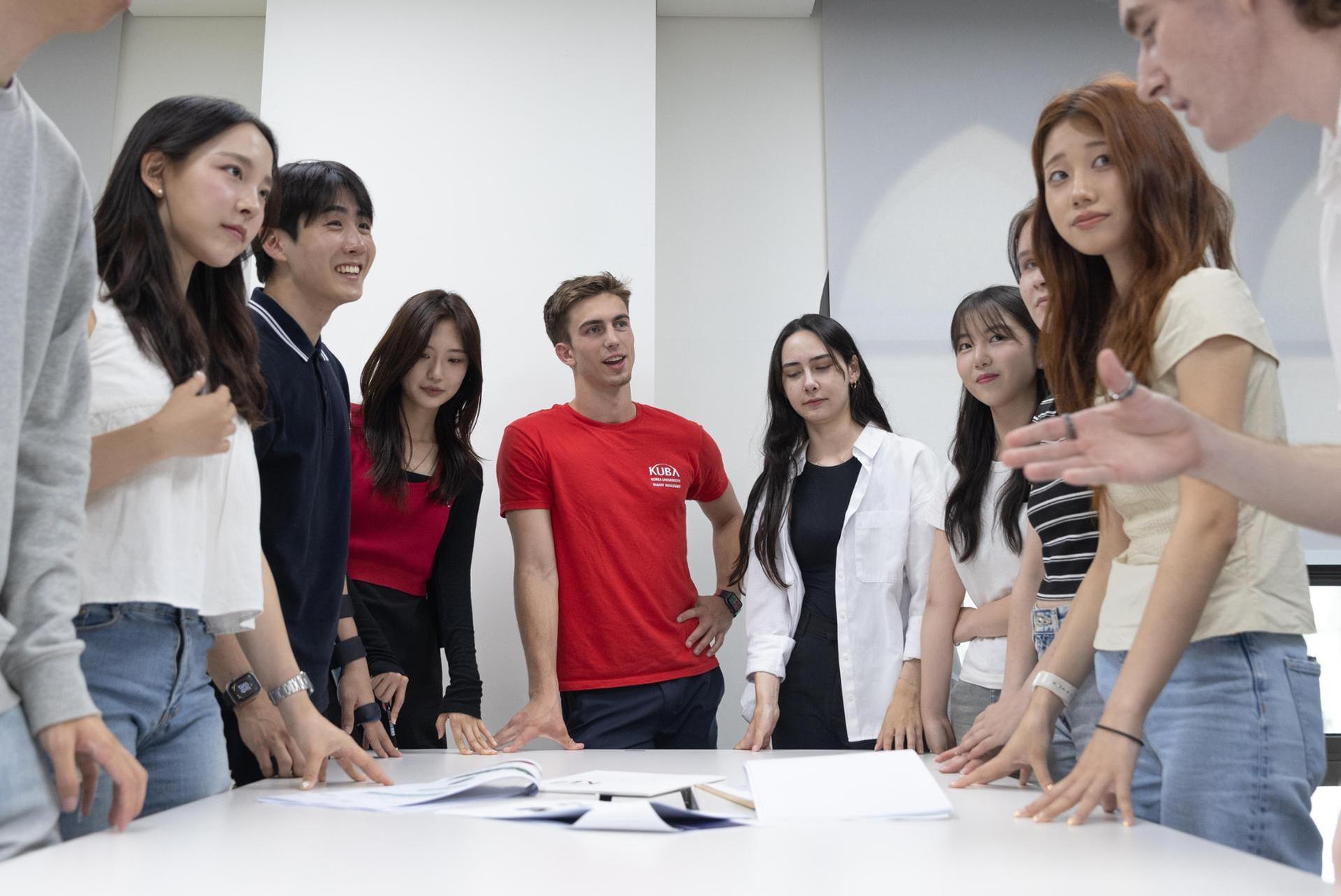
Despite ongoing modernization efforts, public perception of the military's education branch remains a complex issue. Some critics argue that certain educational materials still exhibit subtle ideological biases or outdated views on societal shifts. Others worry that conscripts, who serve for a limited time, may view these sessions as tedious chores rather than meaningful training. Addressing these critiques requires the military to continuously refine its content, ensuring that the materials remain strictly objective, inclusive of modern South Korean societal values, and respectful of diverse perspectives.
The Future Outlook of Gongbo Jeong-hun
As South Korea navigates the complexities of the 21st century—including a shrinking demographic pool due to low birth rates and rapid technological disruption—the future of Gongbo Jeong-hun will depend on adaptability. The branch must continue to transition toward high-tech, customized education while maintaining its core mission of ideological defense. By embracing transparent public affairs, leveraging advanced AI and media tools, and focusing on the mental and emotional resilience of its troops, Gongbo Jeong-hun will remain an indispensable pillar of South Korea's national defense strategy for generations to come.
#South Korean Military#Troop Information and Education#Military History#Public Affairs#National Defense#Mental Preparedness#Korean War#Jeonghun
Comments(0)
No comments yet. Be the first to share your thoughts!
Recommended Reads
 Kbeauty
Sep 22, 2026, 10:03 PM
Target Beauty Studio: How K-Beauty is Conquering the American Mass Market
On September 10, 2026, retail giant Target officially launched Target Beauty Stu...
 Skincare
Sep 21, 2026, 10:03 PM
How K-Beauty is Powering Global Ingredient Literacy and Redefining Skincare
In a major move for the global beauty industry, Korean-American cosmetics brand ...
 JayPark
Sep 20, 2026, 10:06 PM
Edmonds-Born K-Pop Pioneer Jay Park Set for Major Seattle Homecoming Concert
Edmonds-born K-pop and hip-hop pioneer Jay Park is returning to his roots for a ...
 BTS
BTSSep 19, 2026, 10:04 PM
The Triumph and Autonomy of BTS: Inside Their Historic 2026 Comeback and Bold Grammy Boycott
After a scheduled hiatus that began in late 2022, the global supergroup BTS has ...
 Fitness Gaming
Sep 3, 2026, 03:35 AM
VXROOM: Transforming Daily Workouts into Engaging Web-Based Motion Games
VXROOM (vxroom.com) is an innovative web-based int...
 Survival Show
Sep 1, 2026, 09:07 AM
Game of Blood X: The Evolution of Korea’s Fiercest Survival Reality Franchise
Wavve's hit original series Game of Blood ...