
아반떼Jun 26, 2026, 10:47 AM• 90879 views
The Legacy and Evolution of the Hyundai Elantra: A Comprehensive Analysis of the Global Compact Sedan Icon
Introduction to a Global Automotive Icon
The Hyundai Elantra, sold domestically in South Korea as the Hyundai Avante, stands as one of the most successful and enduring compact sedans in automotive history. Since its debut in 1990, the vehicle has evolved from a budget-friendly alternative into a segment-defining competitor that challenges established Japanese and American giants. Over seven distinct generations, the Avante has reflected Hyundai's rapid technological ascent, shifting from a brand reliant on foreign technology to a global leader in design, safety, performance, and alternative powertrains.
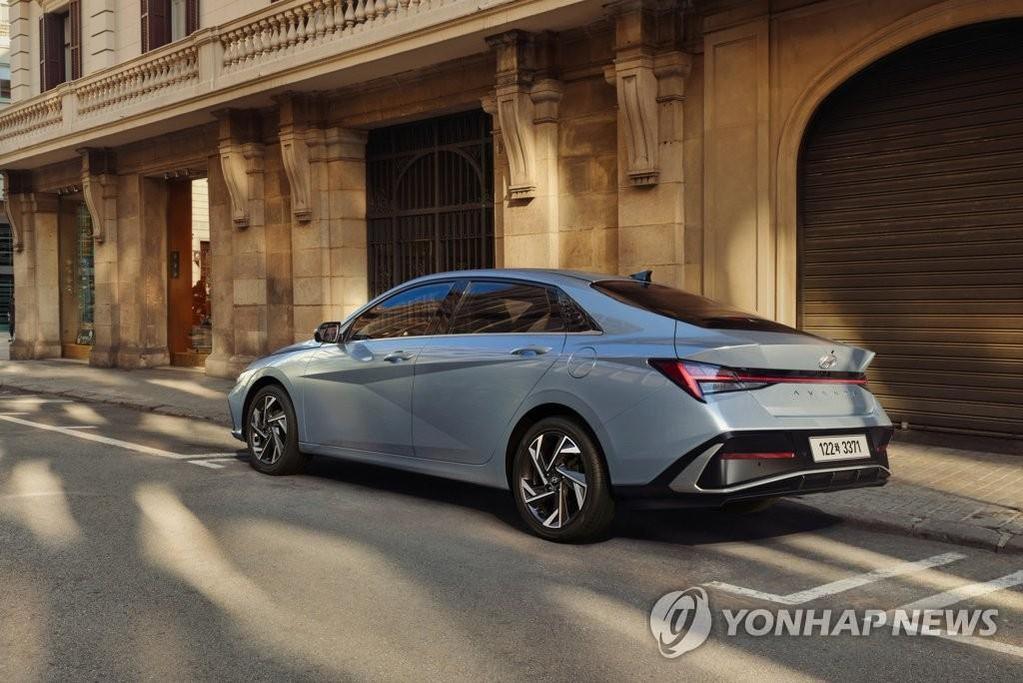
The First Generation (J1): Humble Beginnings
Launched in the autumn of 1990, the first-generation Elantra (code-named J1) was designed to replace the aging Hyundai Stellar and compete directly with established compact cars. At its launch, Hyundai still relied heavily on external partnerships, resulting in the integration of Mitsubishi-sourced engines, specifically the 1.5-liter and 1.6-liter inline-four powerplants. Despite its reliance on foreign technology, the J1 was praised for its comfortable ride and competitive pricing, laying a solid foundation for Hyundai's export ambitions in Europe and North America.
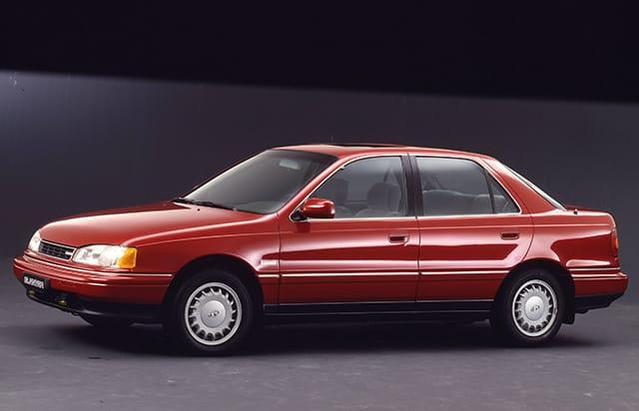
The Second Generation (RD): Independent Engineering
In 1995, Hyundai introduced the second-generation Elantra, known as the RD. This model was a monumental milestone for the automaker because it represented a transition away from Mitsubishi engines to Hyundai's proprietary technology. Powered by the newly developed Beta and Alpha engines, the RD generation featured a highly streamlined, aerodynamic design characterized by rounded edges and a lack of a traditional front grille. A station wagon variant, the Elantra Touring, was also introduced in select markets, showcasing the platform's versatility.
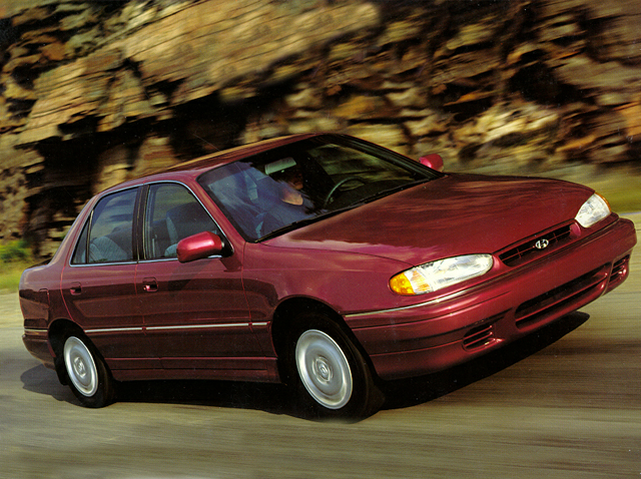
The Third Generation (XD): Global Refinement
Debuting in 2000, the third-generation Elantra (XD) embraced a more conservative, angular aesthetic designed to appeal to global markets, particularly North America. Hyundai focused heavily on improving build quality, interior space, and standard safety features, including side airbags. The XD generation also introduced a five-door hatchback variant alongside the traditional sedan, which appealed to European buyers. This generation established Hyundai's reputation for offering exceptional value, backed by an industry-leading 10-year, 100,000-mile warranty in the United States.
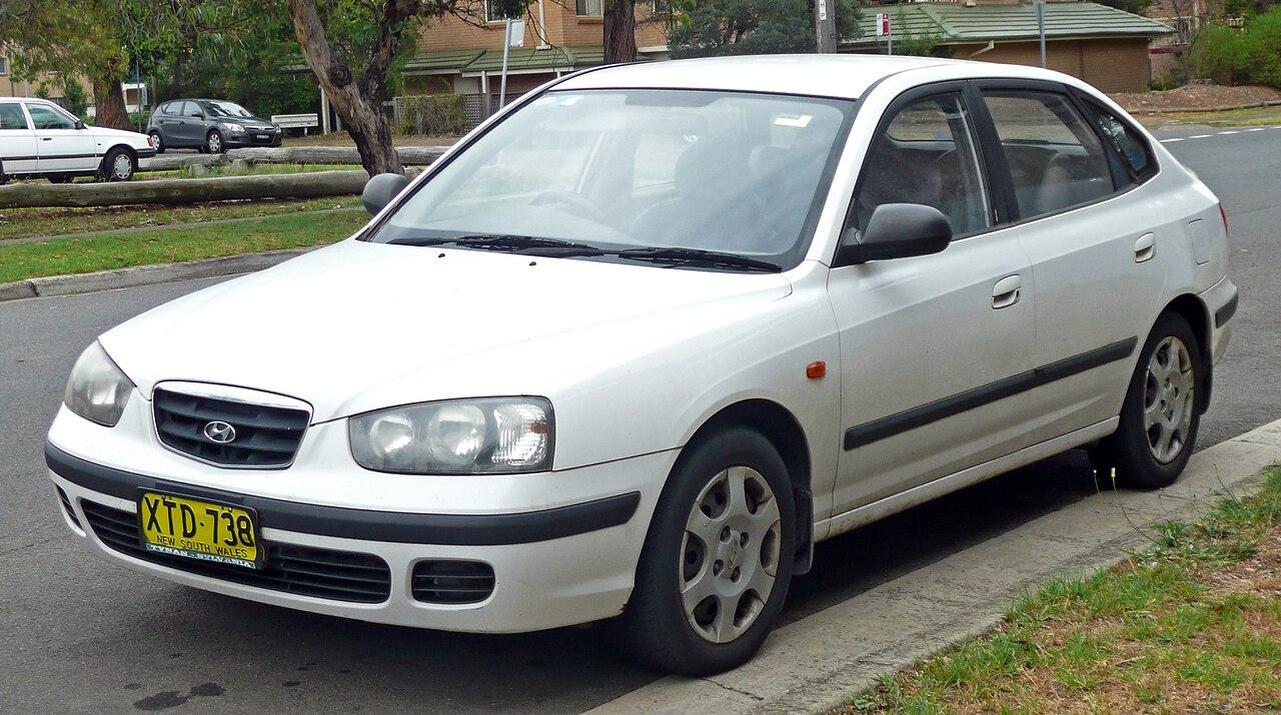
The Fourth Generation (HD): High-Tech and Green Innovations
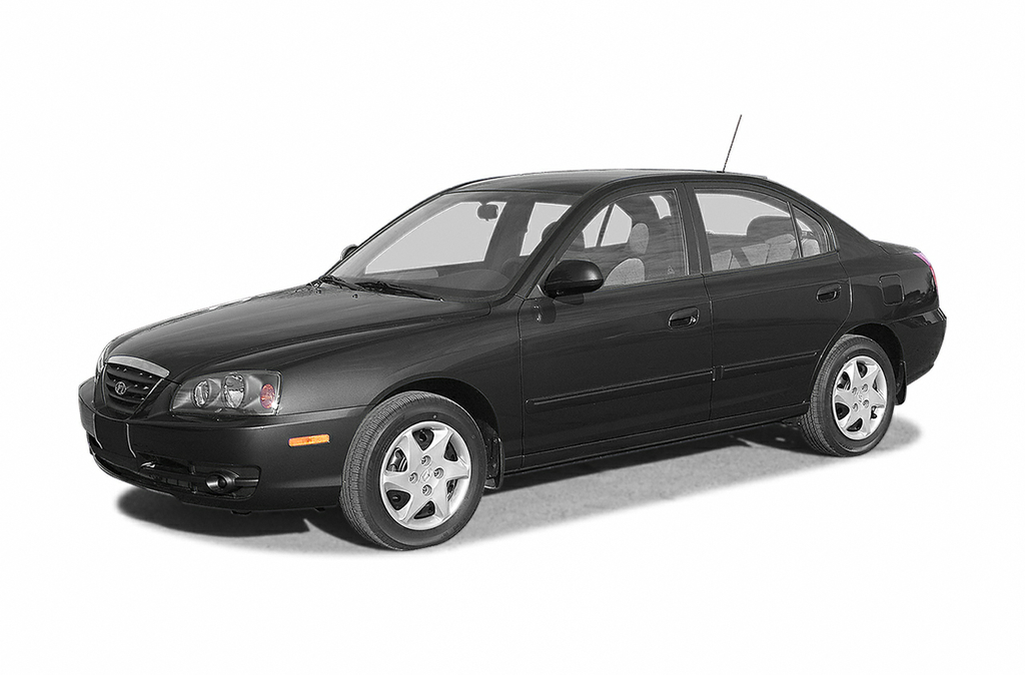
The fourth-generation Elantra (HD), introduced in 2006, featured a softer, more bulbous design reminiscent of European compacts. Underneath the sheet metal, the HD featured a brand-new multi-link rear suspension that dramatically improved ride comfort and handling characteristics. Notably, in 2009, Hyundai used this platform to launch the Elantra LPI Hybrid in the South Korean domestic market. It was the world's first hybrid vehicle to run on Liquefied Petroleum Gas (LPG) and the first production car to utilize advanced lithium-ion polymer batteries.
The Fifth Generation (MD): The Fluidic Sculpture Revolution
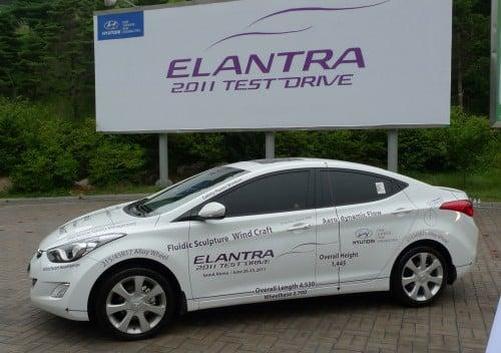
The year 2010 marked a design revolution for Hyundai with the arrival of the fifth-generation Elantra (MD). Embracing the brand's 'Fluidic Sculpture' design philosophy, the MD featured dramatic sweeping lines, a low roofline, and a highly aerodynamic profile that resembled a coupe. Powered by a new 1.8-liter Nu engine and a six-speed automatic transmission, the MD achieved outstanding fuel efficiency without sacrificing performance. This bold design and efficient packaging earned the Elantra the prestigious North American Car of the Year award in 2012.
The Sixth Generation (AD): European Maturity
In late 2015, Hyundai launched the sixth-generation Elantra (AD), stepping away from the aggressive curves of its predecessor in favor of a more refined, European-inspired design. The AD featured Hyundai's signature hexagonal grille, cleaner body lines, and an increased use of advanced high-strength steel to enhance structural rigidity and safety. This generation prioritized cabin quietness, ride comfort, and a host of active safety technologies, such as autonomous emergency braking and lane-keeping assist, which were previously reserved for luxury segments.
The AD Facelift Controversy: A Sharp Turn in Styling
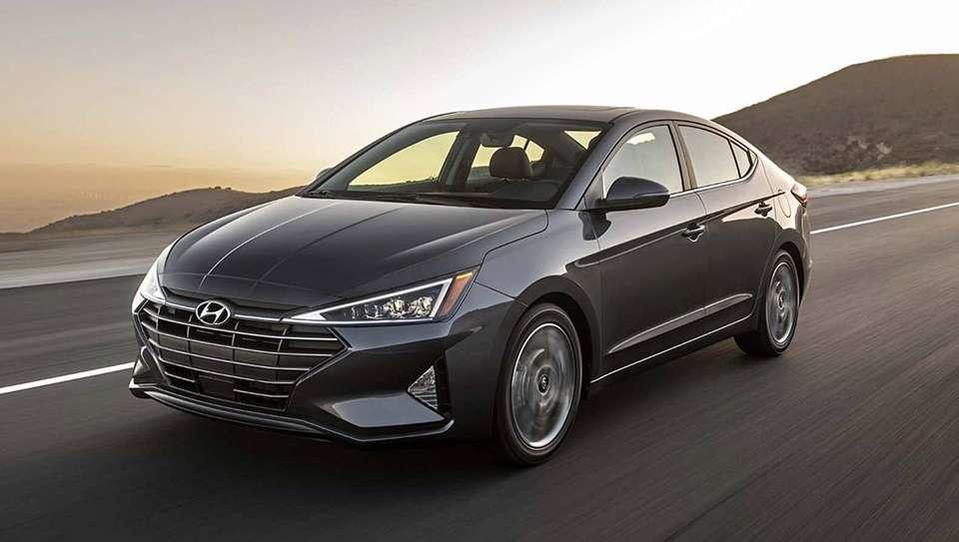
In 2018, Hyundai introduced a mid-cycle facelift for the AD generation that polarized the automotive world. The update replaced the soft, conservative front end with sharp, aggressive triangles in the headlights and grille, earning it nicknames like the 'Triangular Avante' in South Korea. While the interior received welcome technological updates and improved ergonomics, the radical exterior styling received mixed reviews from consumers and critics alike, prompting Hyundai to reconsider its design direction for the subsequent generation.
The Seventh Generation (CN7): Parametric Dynamics
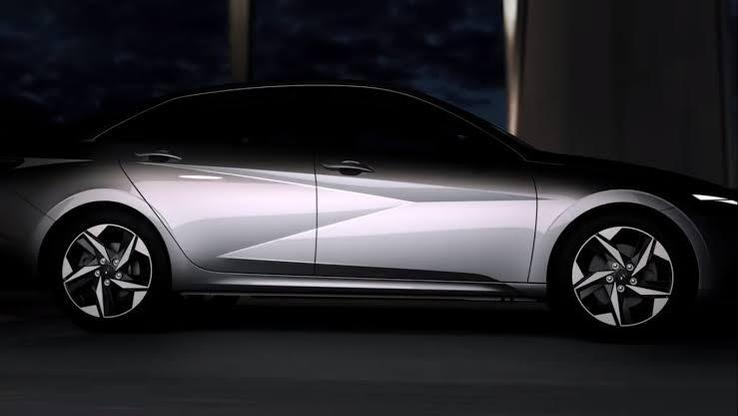
The seventh-generation Elantra (CN7), unveiled in 2020, completely redefined the compact sedan segment with its 'Parametric Dynamics' design language. Utilizing advanced digital design processes, Hyundai covered the sedan's body in geometric patterns, sharp creases, and three-line intersections. Built on the new third-generation K3 vehicle platform, the CN7 was longer, wider, and lower than previous models, offering a sporty, fastback-style silhouette that successfully merged futuristic aesthetics with practical family transport.
The Advent of the Elantra N Line
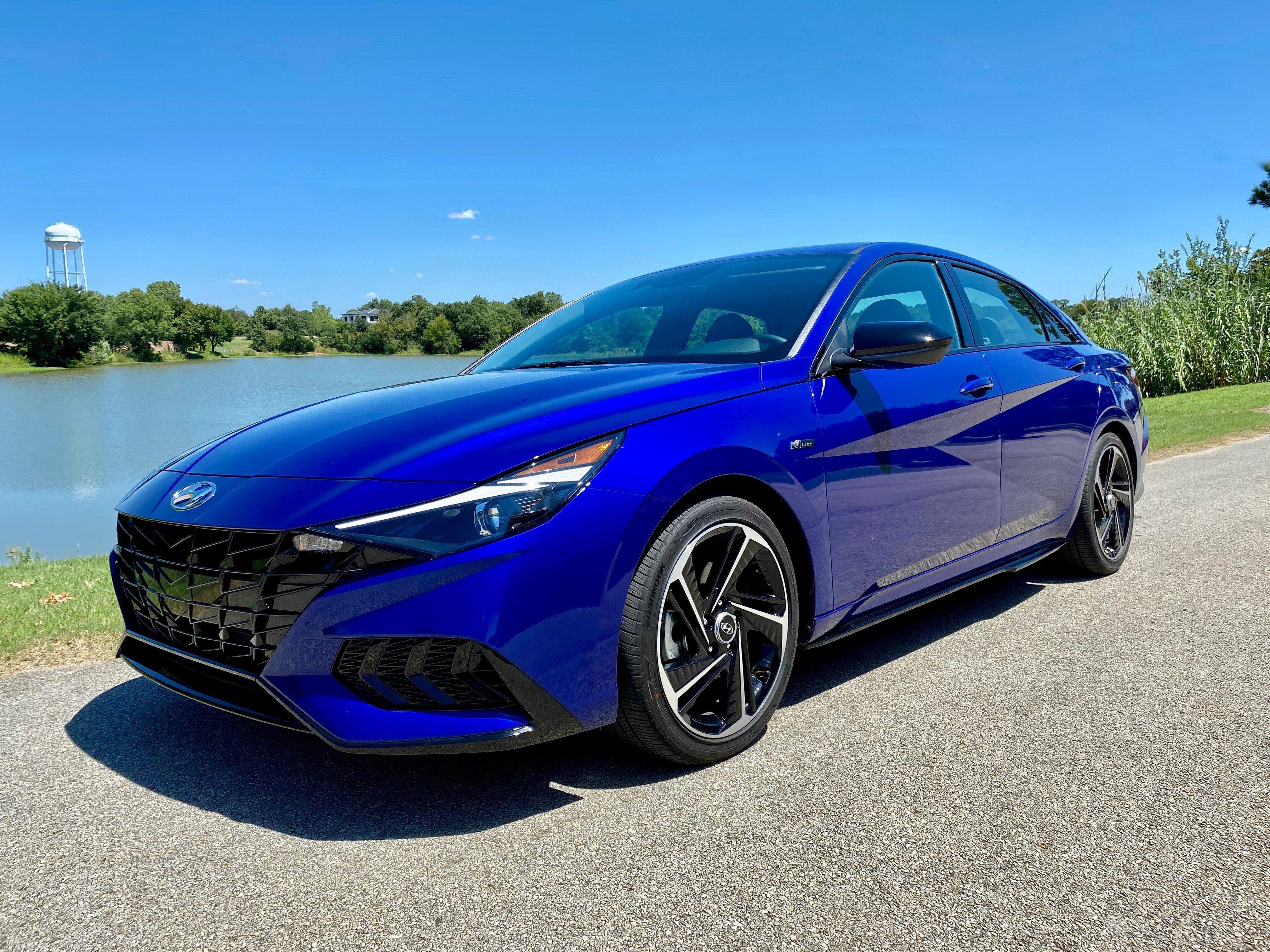
With the seventh generation, Hyundai aimed to satisfy performance enthusiasts by introducing the Elantra N Line. Replacing the older Elantra Sport, the N Line combined everyday driveability with aggressive, sporty accents inspired by Hyundai's high-performance N division. Powered by a 1.6-liter turbocharged GDI engine paired with either a six-speed manual or a seven-speed dual-clutch transmission, the N Line featured sport-tuned suspension, larger brakes, and distinctive exterior styling cues that set it apart from standard commuter models.
The High-Performance Masterpiece: Elantra N
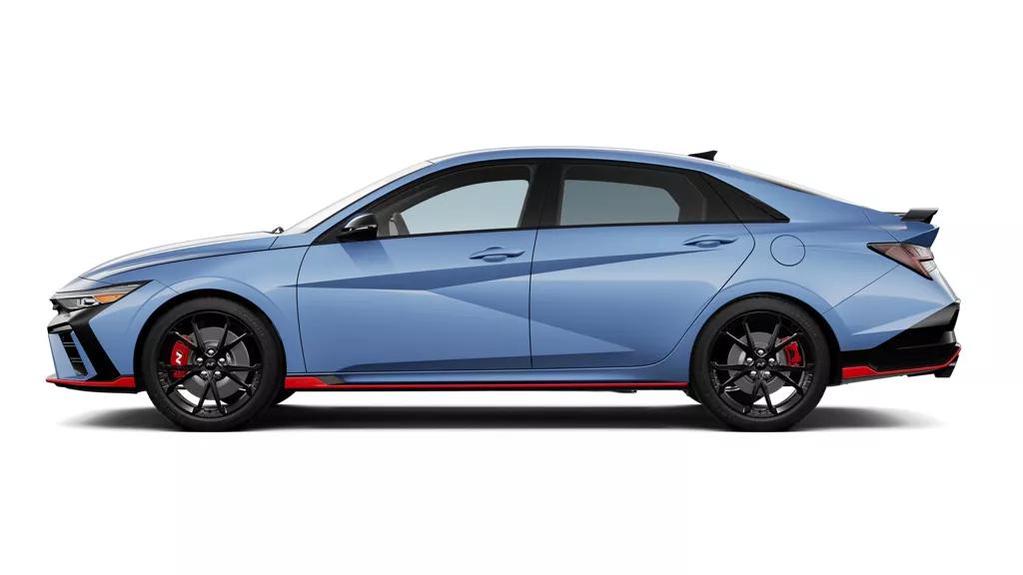
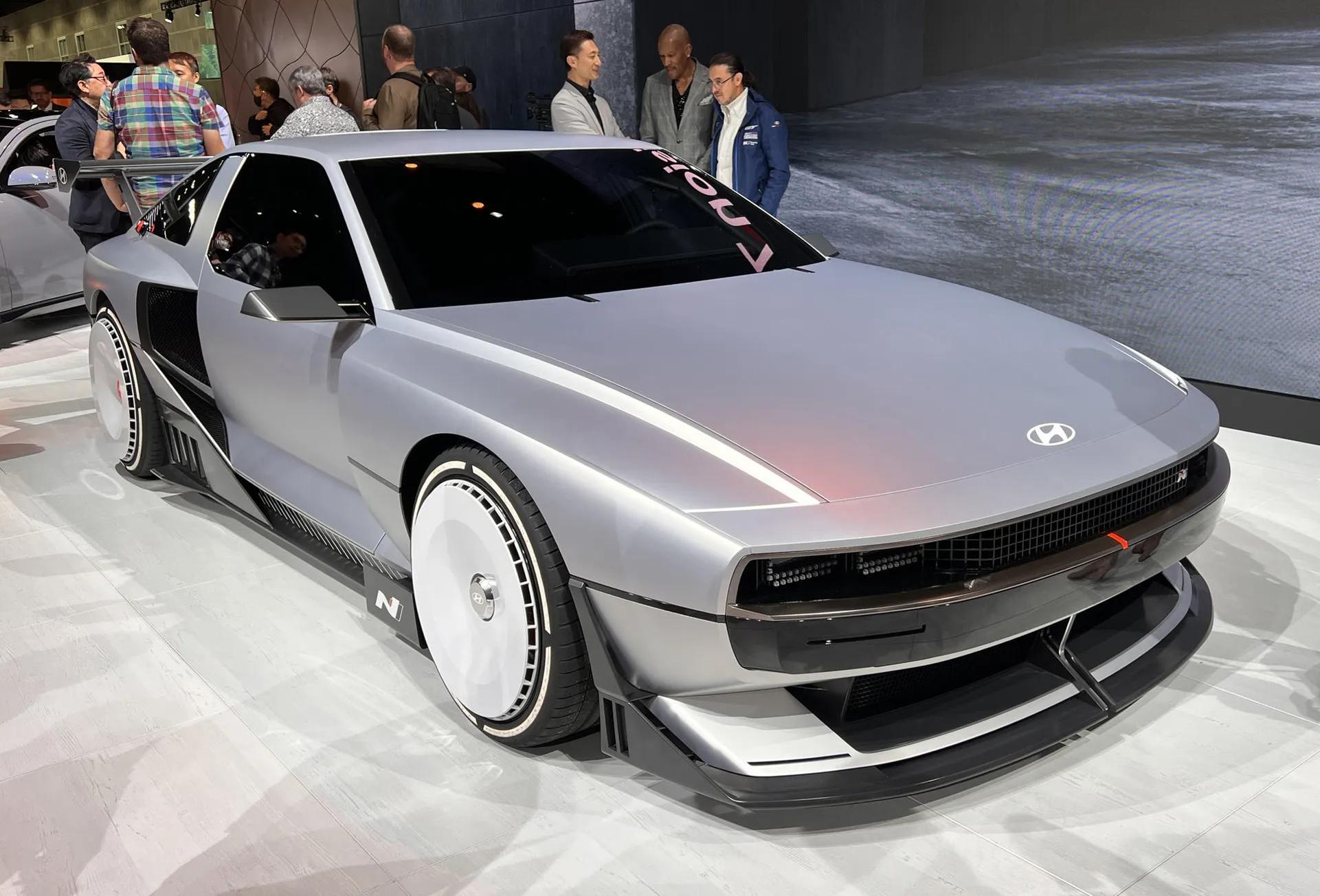
In 2021, Hyundai unleashed the crown jewel of the lineup: the Elantra N (known as the Avante N in South Korea). Developed under the leadership of Hyundai's N high-performance division, this track-ready sedan features a 2.0-liter turbocharged engine producing 276 horsepower, which can overboost to 286 horsepower using the 'N Grin Shift' feature. Equipped with an electronic limited-slip differential (e-LSD), an integrated drive axle derived from WRC rally cars, and aggressive aerodynamic enhancements, the Elantra N received universal critical acclaim for rivaling established hot hatches.
The Shift Toward Modern Hybridization
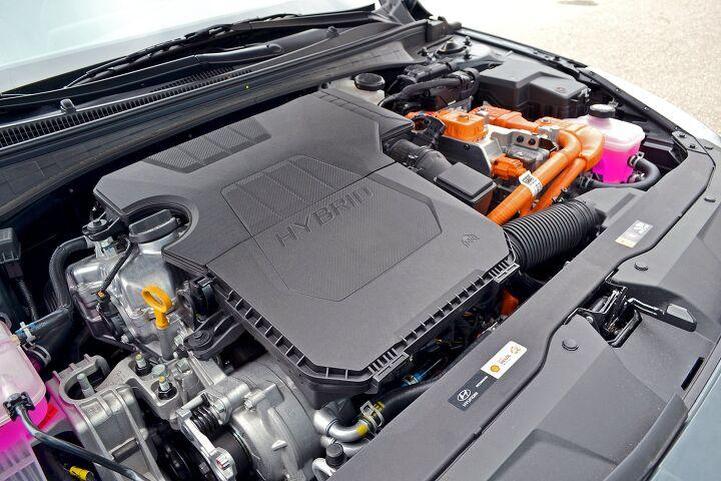
As global emissions standards tightened, Hyundai solidified its eco-friendly credentials by offering a dedicated hybrid variant of the CN7 Elantra. Combining a 1.6-liter Atkinson-cycle four-cylinder engine with a permanent-magnet electric motor and a dual-clutch transmission, the Elantra Hybrid delivers outstanding fuel economy while avoiding the rubber-band feel associated with traditional CVTs. This integration highlights Hyundai's commitment to offering efficient, high-tech options across its primary passenger lineup.
A Global Naming Identity
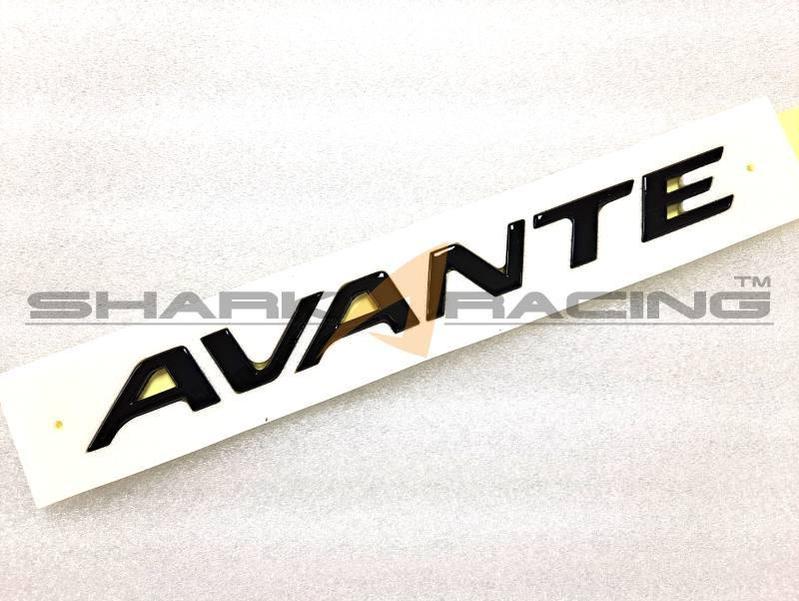
The naming history of the Elantra is a fascinating study in automotive branding. Officially called the 'Avante' in South Korea, the vehicle had to adopt the 'Elantra' moniker globally due to trademark conflicts with Mitsubishi's Elante and Lotus's Elan in several regions. In Europe and Australia, early generations were sold under the 'Lantra' nameplate. By the early 2000s, Hyundai resolved these trademark disputes, streamlining the name globally to 'Elantra' in all markets outside South Korea and Singapore.
The South Korean Cultural Phenom
Within South Korea, the Avante holds a unique place in popular culture. It is widely considered the quintessential 'first car' for young professionals, college students, and new families. Due to its balanced price point, legendary reliability, and relatively inexpensive maintenance, it has consistently remained at the top of South Korea’s domestic sales charts. It acts as a benchmark of social mobility and practical living, deeply embedded in the everyday fabric of South Korean society.

Challenging Giants in the North American Market
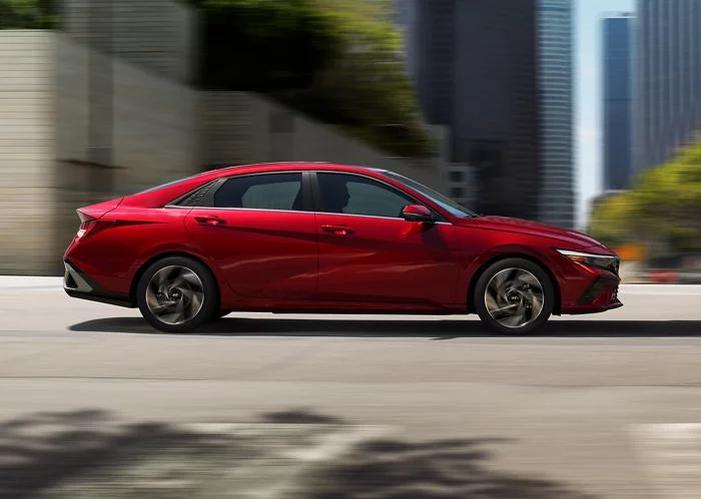
For decades, the North American compact car market was dominated by the Honda Civic and Toyota Corolla. The Elantra successfully disrupted this duopoly by offering a superior value proposition, packing premium features like heated rear seats, Android Auto, and Apple CarPlay into lower trim levels at a more affordable price. Supported by robust safety ratings and Hyundai's aggressive marketing campaigns, the Elantra carved out a massive market share, proving that Korean vehicles could compete directly on quality.
Uncompromising Standards of Safety
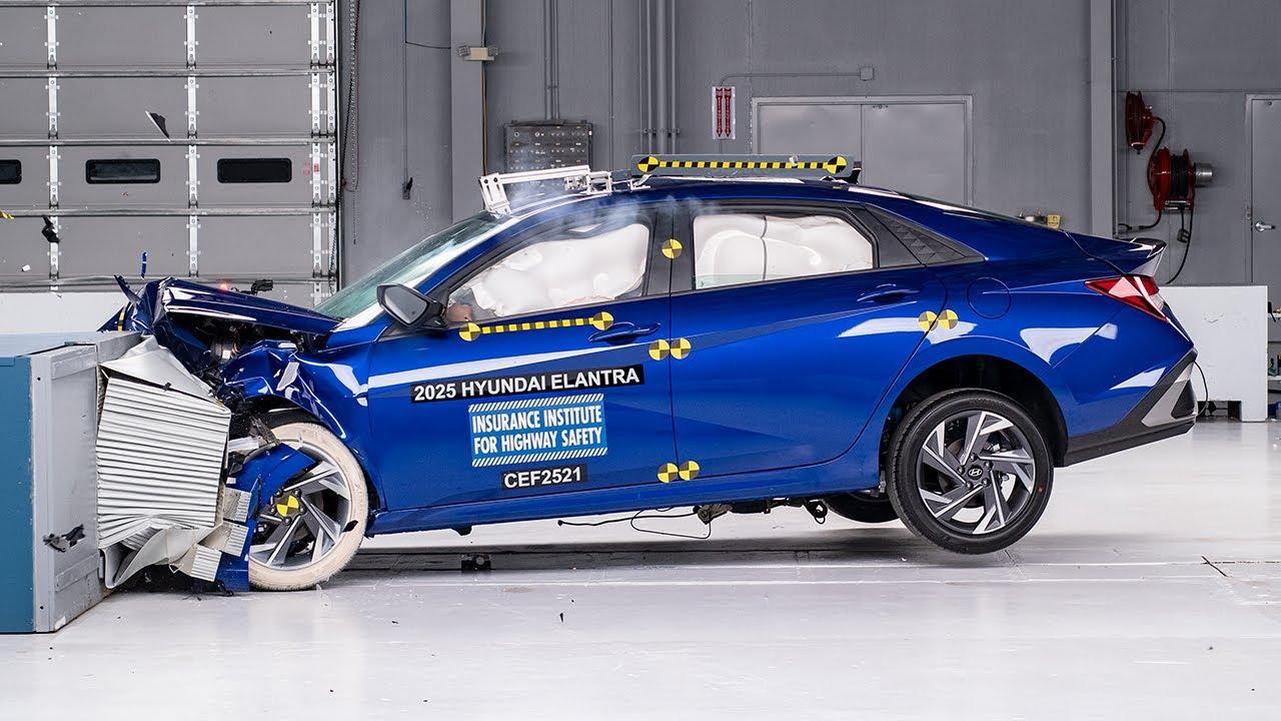
Throughout its evolution, Hyundai has made safety a cornerstone of the Elantra's design. Modern iterations come equipped with the Hyundai SmartSense suite of Advanced Driver Assistance Systems (ADAS). This safety package includes Forward Collision-Avoidance Assist, Blind-Spot Collision-Avoidance Assist, and Rear Cross-Traffic Alert. These continuous improvements have earned the Elantra consistent Top Safety Pick ratings from the Insurance Institute for Highway Safety (IIHS), making it a top choice for families concerned with road safety.
Global Manufacturing and Production Hubs
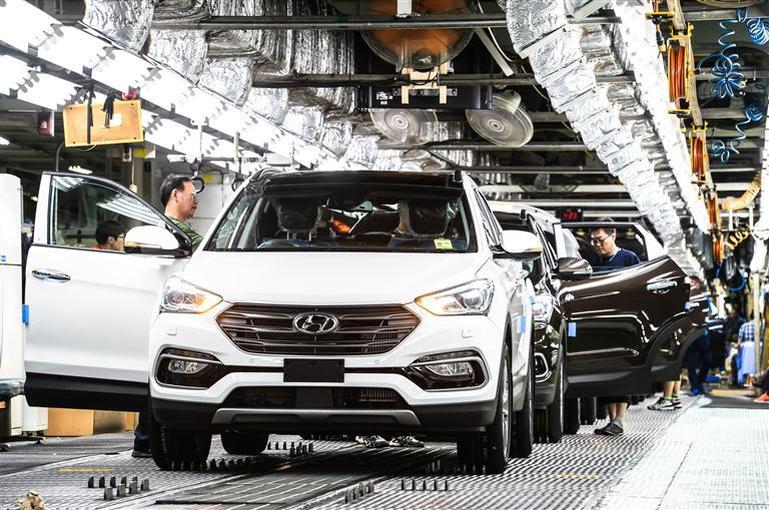
To satisfy massive global demand, Hyundai manufactures the Elantra in multiple locations worldwide. The primary manufacturing hub remains the massive Ulsan plant in South Korea, but significant production also occurs at Hyundai Motor Manufacturing Alabama (HMMA) in the United States. Additionally, joint ventures in China, India, and other emerging markets ensure that local preferences and tax structures are met, making the Elantra a truly international vehicle tailored to regional consumer demands.
Technological Sophistication and the Digital Cabin
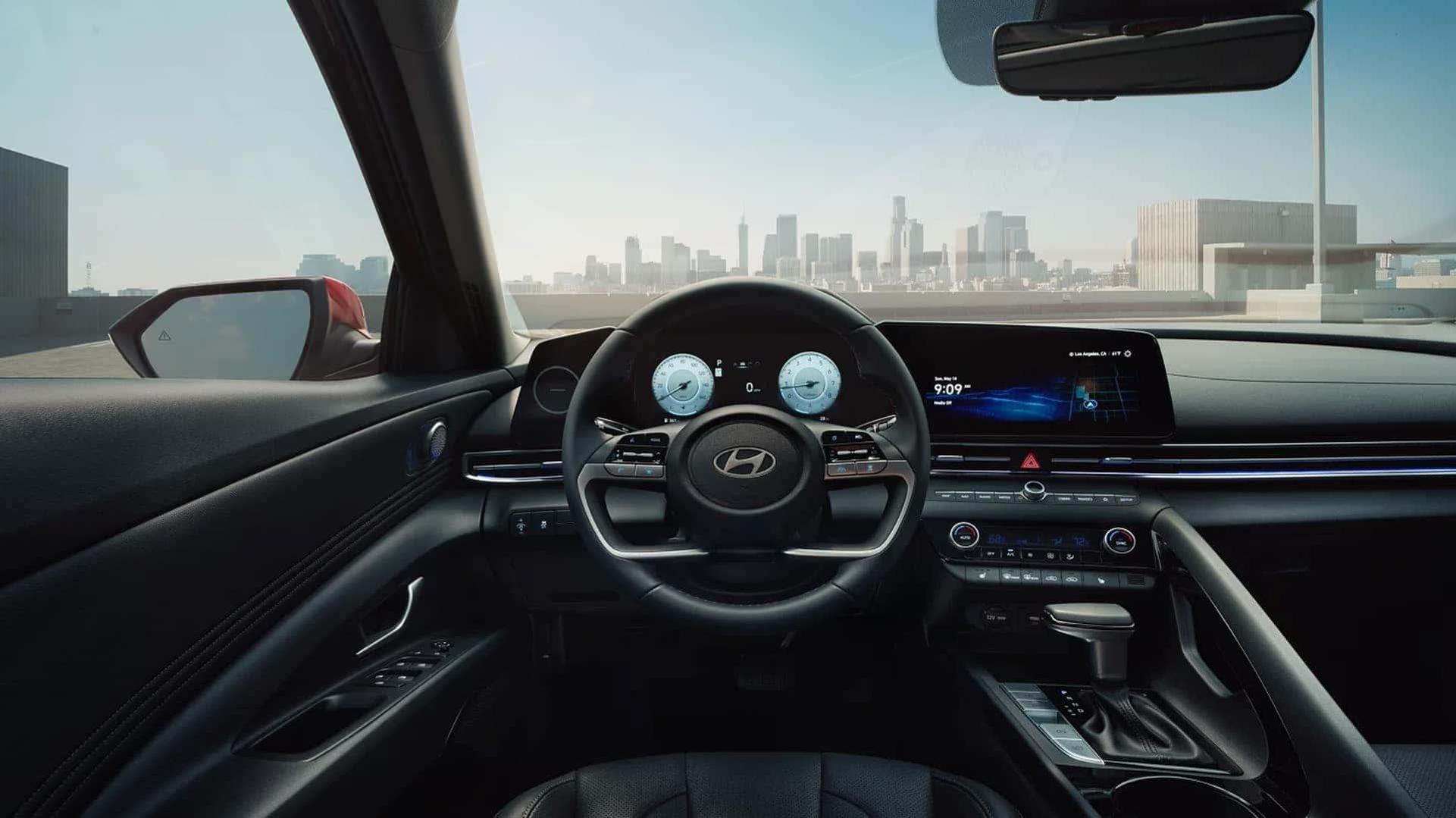
The interior of the modern Elantra highlights Hyundai’s push toward digital integration. Current models feature dual 10.25-inch screens that merge the digital instrument cluster and the central infotainment system into a single, cohesive glass pane. Features like the Hyundai Digital Key, which allows drivers to unlock and start their car using only their smartphone, and over-the-air (OTA) software updates, have brought premium luxury-class conveniences down to an accessible price bracket.
The Refined Facelift (CN7 PE)
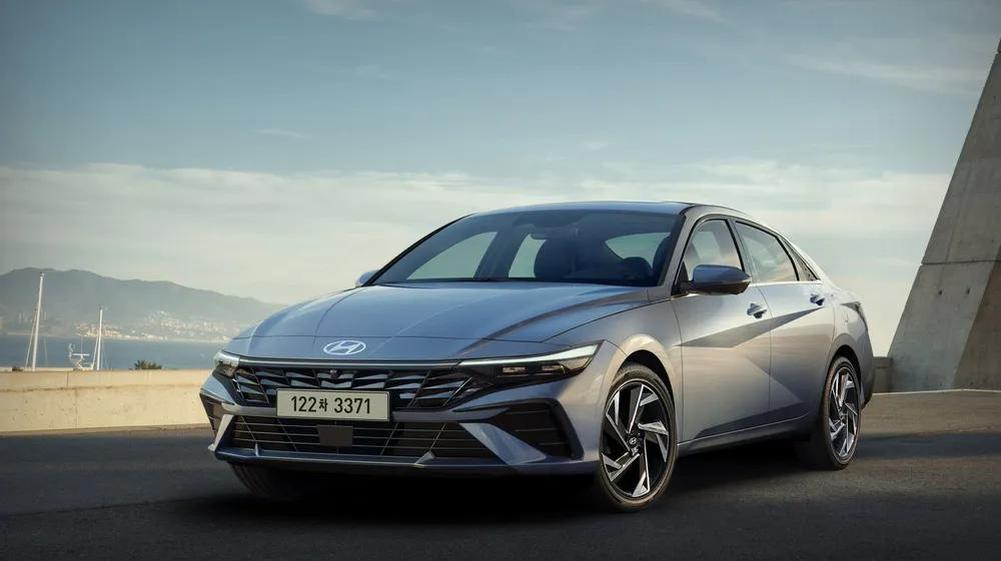
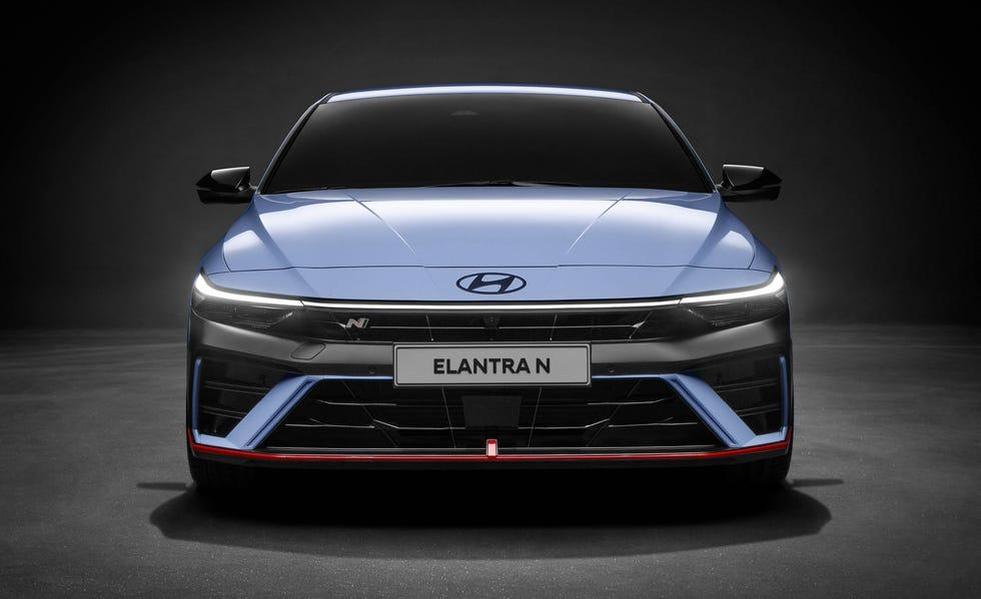
In 2023, Hyundai introduced a mid-cycle update (Product Enhancement) for the seventh-generation CN7. This refresh matured the vehicle's aggressive front fascia, adopting a slimmer grille layout and split headlights that emphasize horizontal width. By softening some of the controversial geometric design lines while adding more standard equipment, Hyundai successfully modernized the Elantra to keep it fresh and competitive against newer rivals in a rapidly changing automotive landscape.
The Future Outlook and Legacy of the Avante
As the automotive industry shifts toward complete electrification and Software-Defined Vehicles (SDVs), the legacy of the Avante/Elantra continues to evolve. While Hyundai heavily invests in its all-electric Ioniq line, the Elantra remains a crucial pillar of the brand's global strategy, serving as a highly efficient bridge vehicle via its hybrid offerings. Whether it ultimately transition into a fully electric compact sedan or coexists with next-generation clean powertrains, the Elantra's legacy of value, innovation, and reliability is firmly secured in the annals of automotive history.
#Hyundai Elantra#Hyundai Avante#Compact Sedan#Automotive History#Korean Cars#Hyundai N Division#Car Review
Comments(0)
No comments yet. Be the first to share your thoughts!
Recommended Reads
 Kbeauty
Sep 22, 2026, 10:03 PM
Target Beauty Studio: How K-Beauty is Conquering the American Mass Market
On September 10, 2026, retail giant Target officially launched Target Beauty Stu...
 Skincare
Sep 21, 2026, 10:03 PM
How K-Beauty is Powering Global Ingredient Literacy and Redefining Skincare
In a major move for the global beauty industry, Korean-American cosmetics brand ...
 JayPark
Sep 20, 2026, 10:06 PM
Edmonds-Born K-Pop Pioneer Jay Park Set for Major Seattle Homecoming Concert
Edmonds-born K-pop and hip-hop pioneer Jay Park is returning to his roots for a ...
 BTS
BTSSep 19, 2026, 10:04 PM
The Triumph and Autonomy of BTS: Inside Their Historic 2026 Comeback and Bold Grammy Boycott
After a scheduled hiatus that began in late 2022, the global supergroup BTS has ...
 Fitness Gaming
Sep 3, 2026, 03:35 AM
VXROOM: Transforming Daily Workouts into Engaging Web-Based Motion Games
VXROOM (vxroom.com) is an innovative web-based int...
 Survival Show
Sep 1, 2026, 09:07 AM
Game of Blood X: The Evolution of Korea’s Fiercest Survival Reality Franchise
Wavve's hit original series Game of Blood ...