
박지성Jun 26, 2026, 08:39 AM• 90957 views
Park Ji-sung: The Legendary Trailblazer of Asian Football
Introduction to a Footballing Icon
Park Ji-sung stands as one of the most influential and celebrated figures in the history of Asian football. Renowned for his exceptional work rate, tactical intelligence, and big-game performances, Park transitioned from an overlooked youth player in South Korea to a vital component of Sir Alex Ferguson’s dominant Manchester United side. His career not only yielded numerous domestic and international trophies but also shattered long-standing stereotypes regarding Asian athletes on the global stage, paving the way for future generations of Asian footballers to excel in Europe's elite leagues.
Early Life and Overcoming Physical Hurdles
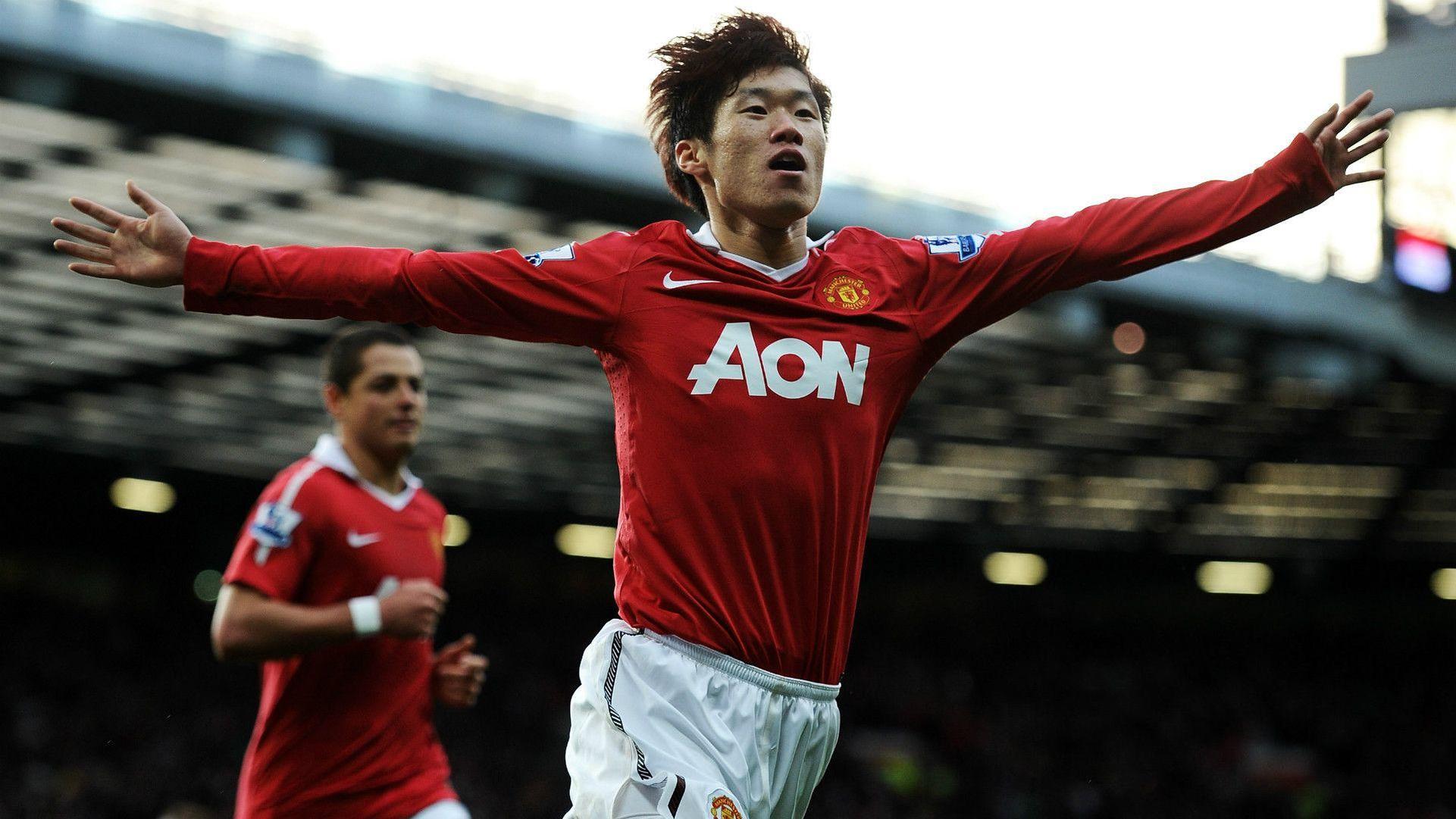
Born in Goheung, Jeollanam-do, and raised in Suwon, Park’s footballing journey began under challenging circumstances. During his youth, he was frequently overlooked by scouts and coaches due to his small, slight physique. Driven by an unyielding determination, his father famously sought out alternative remedies, including frog juice, to help stimulate his physical growth. Despite these early physical limitations, Park’s extraordinary stamina, mental fortitude, and spatial awareness were already beginning to set him apart from his peers on the school pitches.
Collegiate Breakthrough and Kyoto Purple Sanga
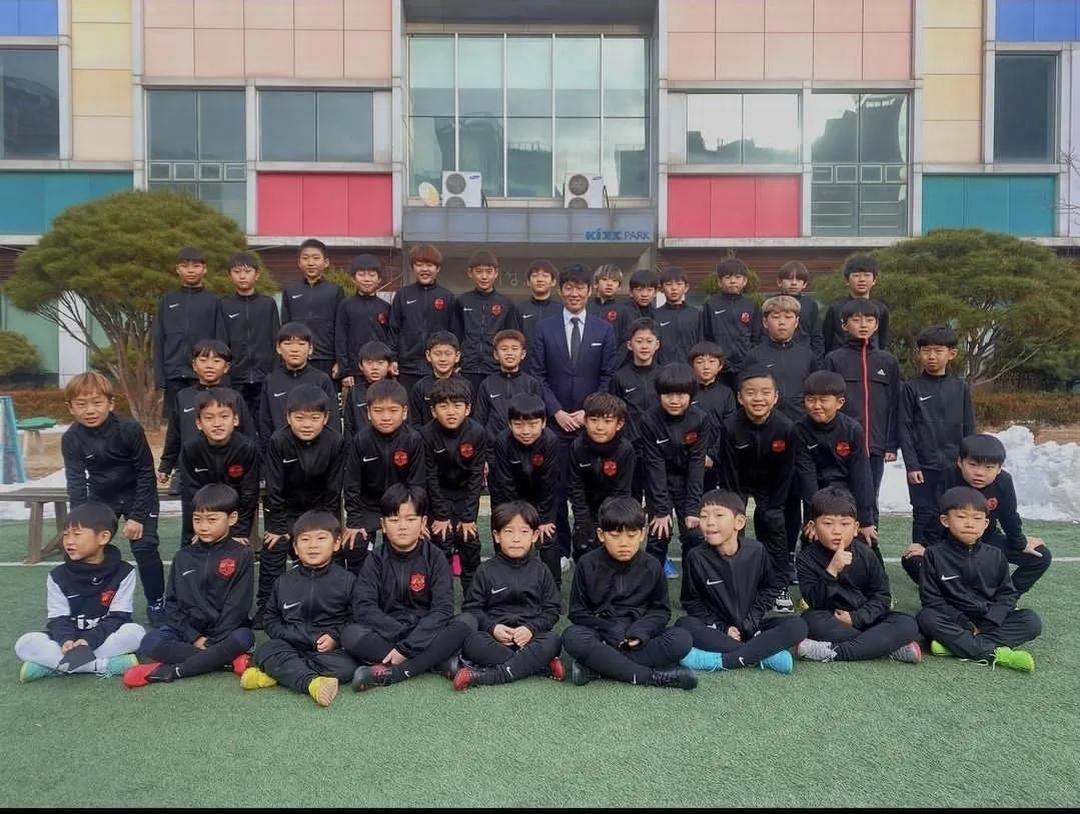
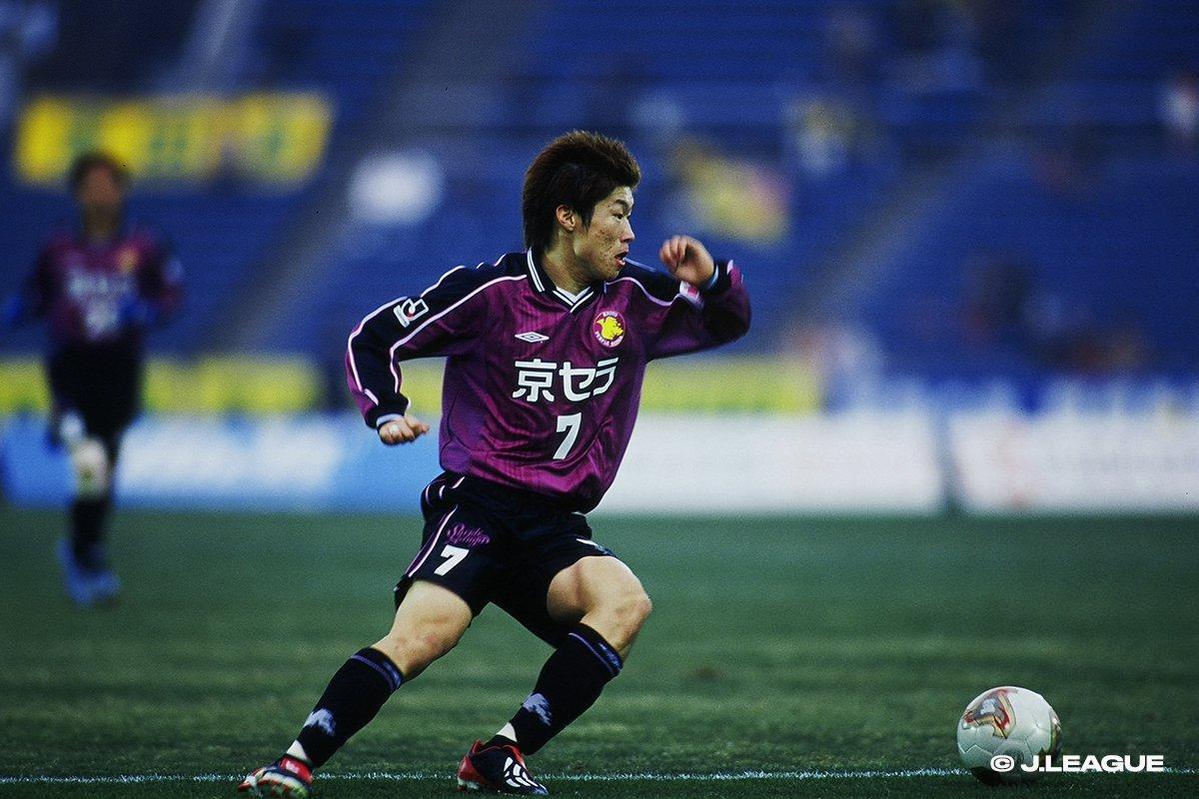
Despite his talent, Park struggled to secure a professional contract or a spot on prestigious university teams in South Korea initially. He was eventually accepted into Myongji University, where his performances caught the eye of Huh Jung-moo, then the manager of the South Korean national team. In 2000, Park made the bold decision to drop out of university and sign with Japanese J2 League side Kyoto Purple Sanga. In Japan, he honed his physical resilience and led the team to promotion to the J1 League and a historic Emperor's Cup victory in 2002.
The Golden Summer of the 2002 FIFA World Cup
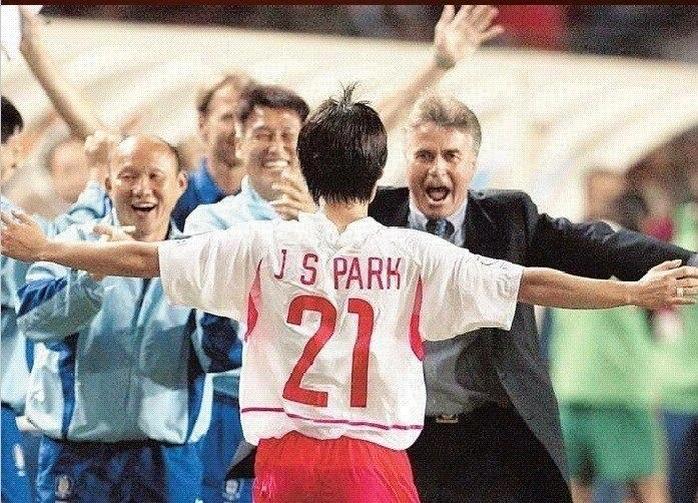
The 2002 FIFA World Cup, co-hosted by South Korea and Japan, served as Park's global coming-out party. Under the guidance of Dutch manager Guus Hiddink, Park became a central figure in South Korea's miraculous run to the semi-finals. His most iconic moment of the tournament came in the final group stage match against Portugal, where he controlled a cross with his chest, flicked it over a defender, and volleyed it through the goalkeeper’s legs to secure a 1-0 win and send South Korea to the knockout stages.
Transition to European Football with PSV Eindhoven
Following the success of the World Cup, Guus Hiddink took over as manager of Dutch club PSV Eindhoven and brought Park along with him. The transition to European football was initially difficult for Park, who struggled with knee injuries and cultural adaptation, leading to boos from home supporters. However, his relentless work ethic eventually won over the Eredivisie crowds. He became a crucial player for PSV, adapting seamlessly to the tactical demands of Dutch football and establishing a strong partnership with fellow South Korean teammate Lee Young-pyo.
Stellar Champions League Run of 2004-2005
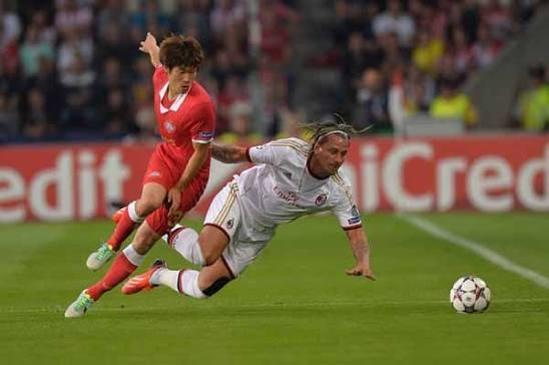
The 2004-2005 UEFA Champions League season showcased Park’s readiness for the highest echelons of European football. He played a pivotal role in PSV Eindhoven's impressive run to the semi-finals. In the second leg of the semi-final against Italian giants AC Milan, Park scored a stunning opening goal, demonstrating his ability to perform under intense pressure. Although PSV were narrowly eliminated on away goals, Park's commanding performances caught the attention of several elite European clubs, most notably Manchester United.
The Transfer to Manchester United
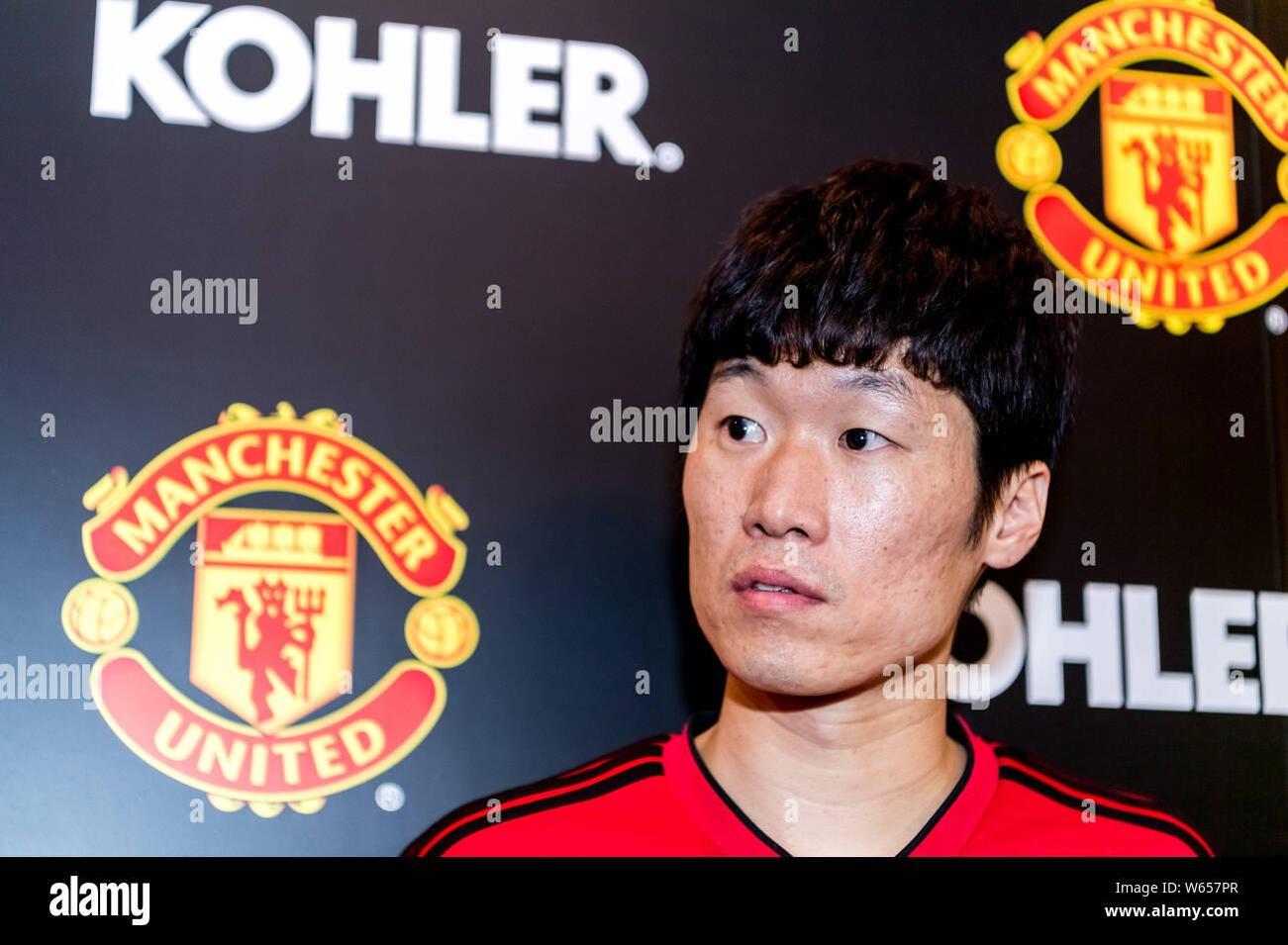
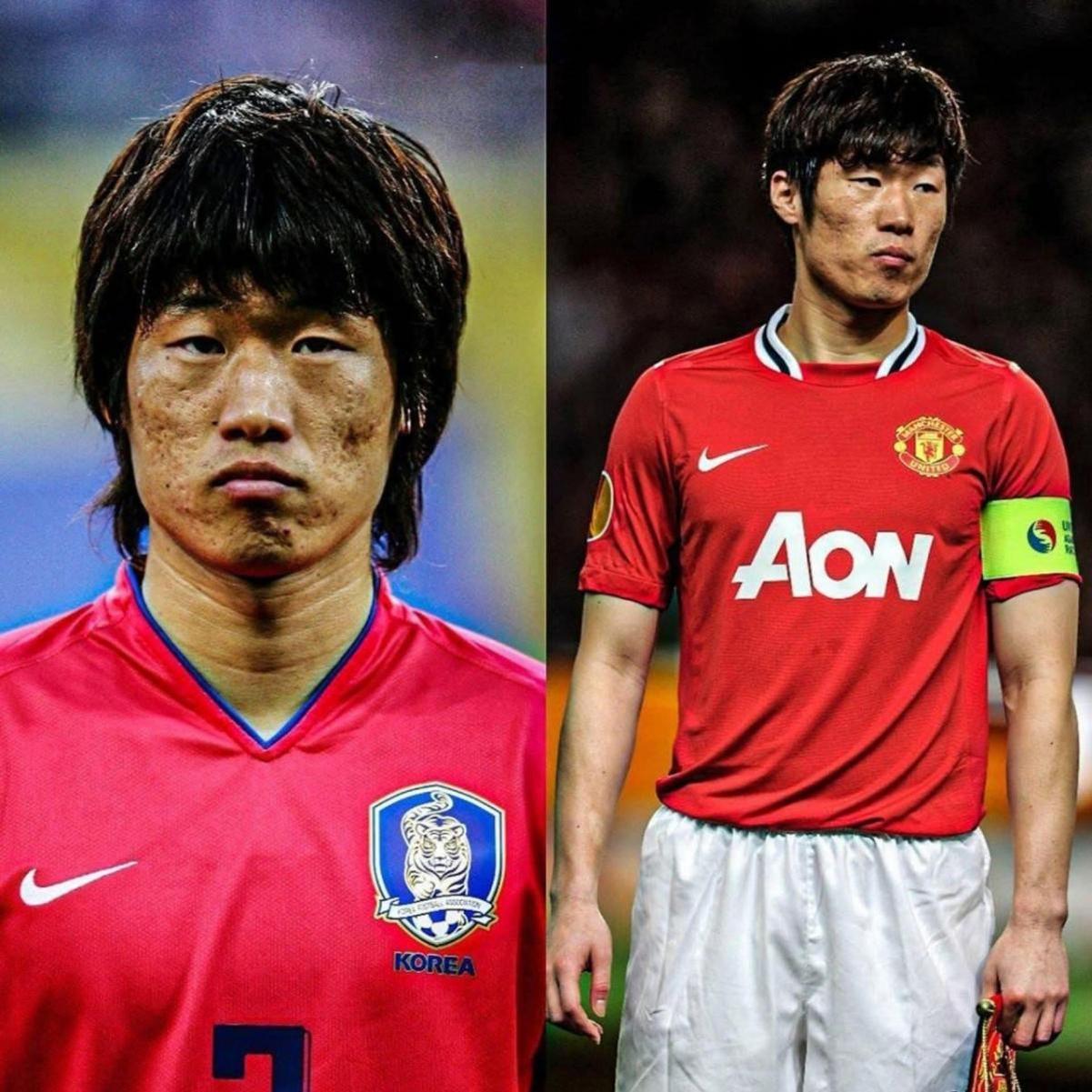
In the summer of 2005, Park signed for Manchester United for a fee of approximately four million pounds. Critics initially dismissed the signing as a commercial marketing gimmick aimed at selling jerseys in East Asia. However, Sir Alex Ferguson quickly dispelled these notions, emphasizing that Park’s signing was based entirely on his work rate, versatility, and tactical discipline. Park's arrival made him the first South Korean player to play in the Premier League, carrying the hopes of an entire nation on his shoulders.
Adapting to the Physicality of the Premier League
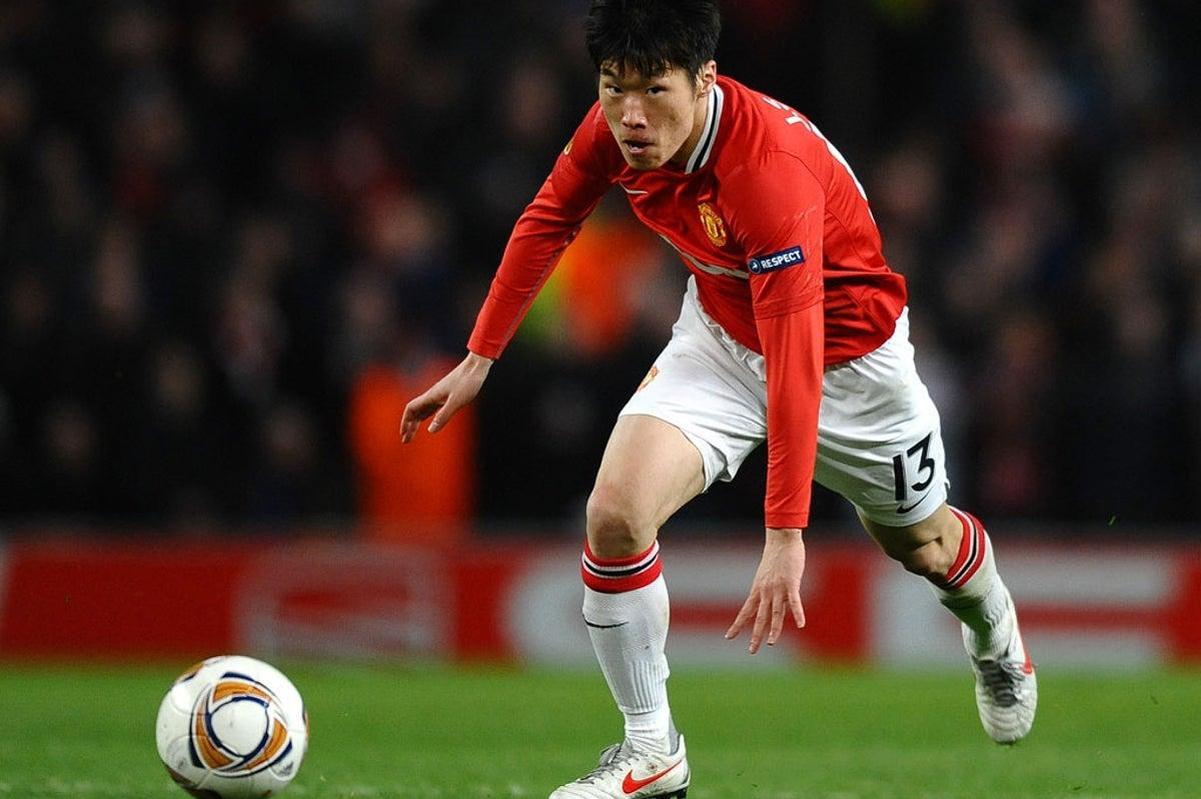
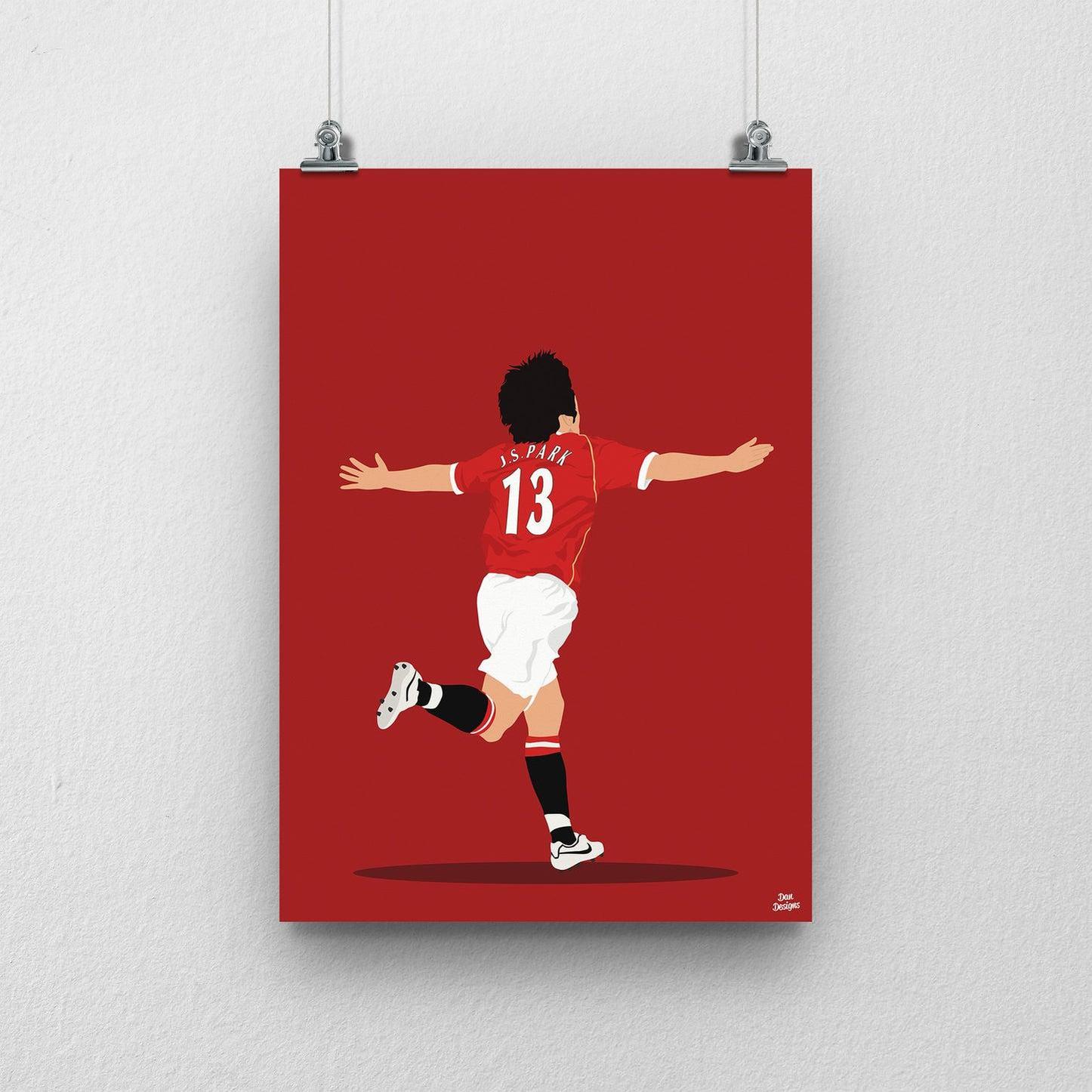
Park quickly silenced his skeptics by adapting to the fast-paced, physical nature of the English Premier League. His selflessness and defensive diligence contrasted with the flamboyant playing styles of teammates like Cristiano Ronaldo and Wayne Rooney. Rather than seeking individual glory, Park specialized in pressing opponents, recovering possession, and creating space for his teammates. This team-first approach endeared him to both the coaching staff and the Old Trafford faithful, who affectionately dubbed him 'Three-Lungs Park' due to his endless stamina.
The Legendary 'Three-Lungs Park' Stamina
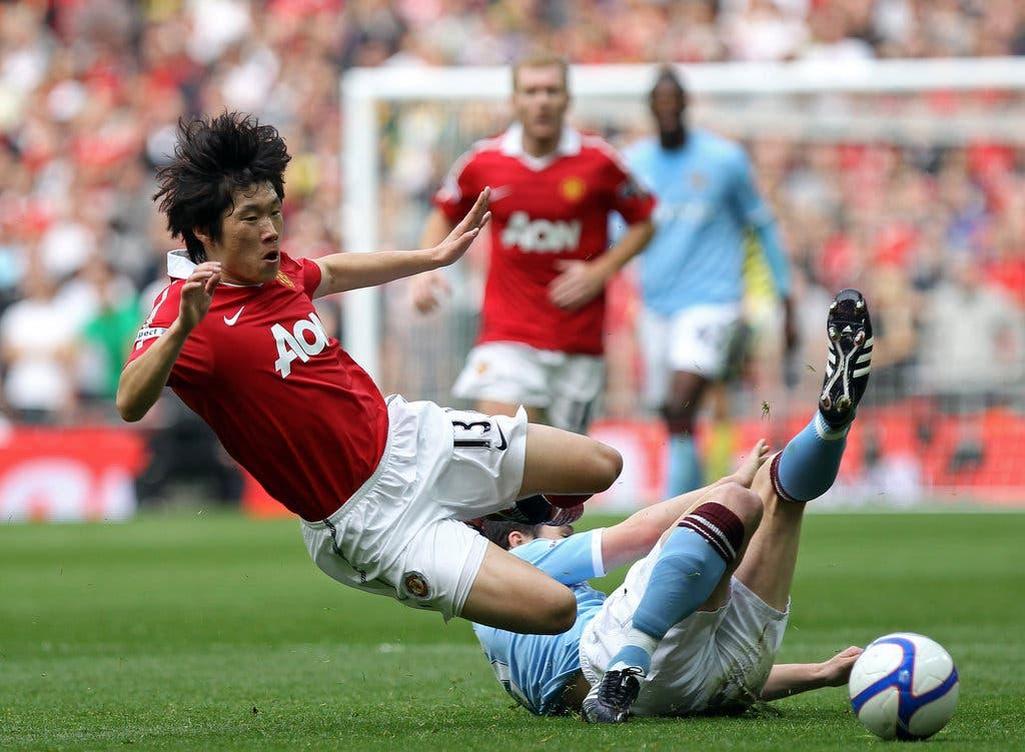
The nickname 'Three-Lungs Park' was not merely hyperbole; it was a testament to his staggering physical statistics. Match data frequently showed Park covering more ground than almost any other player on the pitch, often exceeding 12 kilometers in a single 90-minute match. This immense engine allowed him to perform a high-intensity pressing role, disrupting the opponent's build-up play from the front while still tracking back deep into his own half to assist the defenders. This defensive-winger role became a trademark of United's tactical setup.
A Definitive Big-Game Player
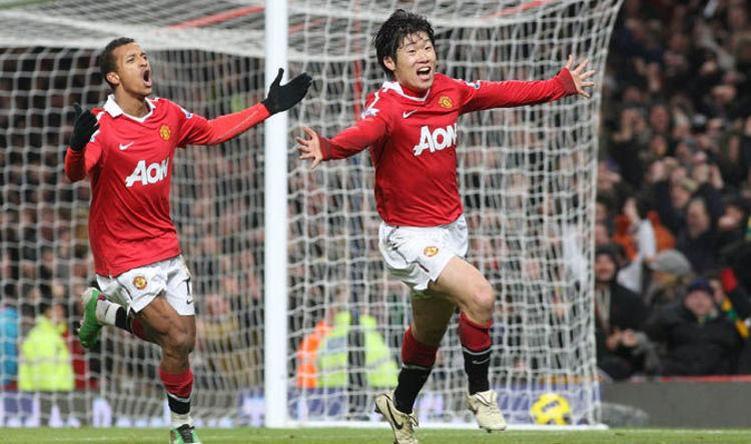
Sir Alex Ferguson trusted Park in the biggest fixtures of the season, often deploying him against high-caliber opposition where tactical discipline was paramount. Whether facing Arsenal, Chelsea, or European giants in the Champions League, Park consistently delivered crucial performances. His ability to neutralize world-class players, combined with a knack for scoring vital goals in high-stakes matches, earned him a reputation as one of the ultimate big-game players in Manchester United’s modern history.
The Tactical Masterclass Against Andrea Pirlo
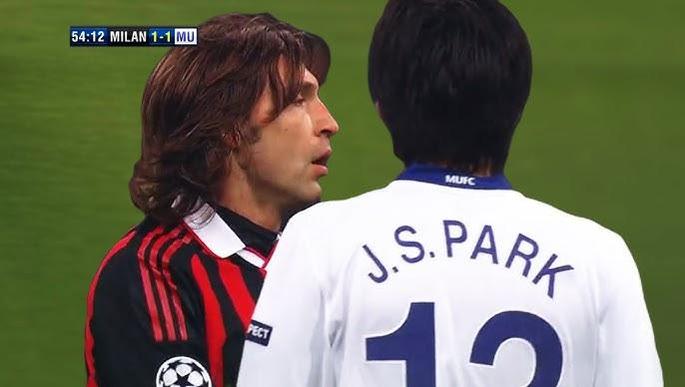
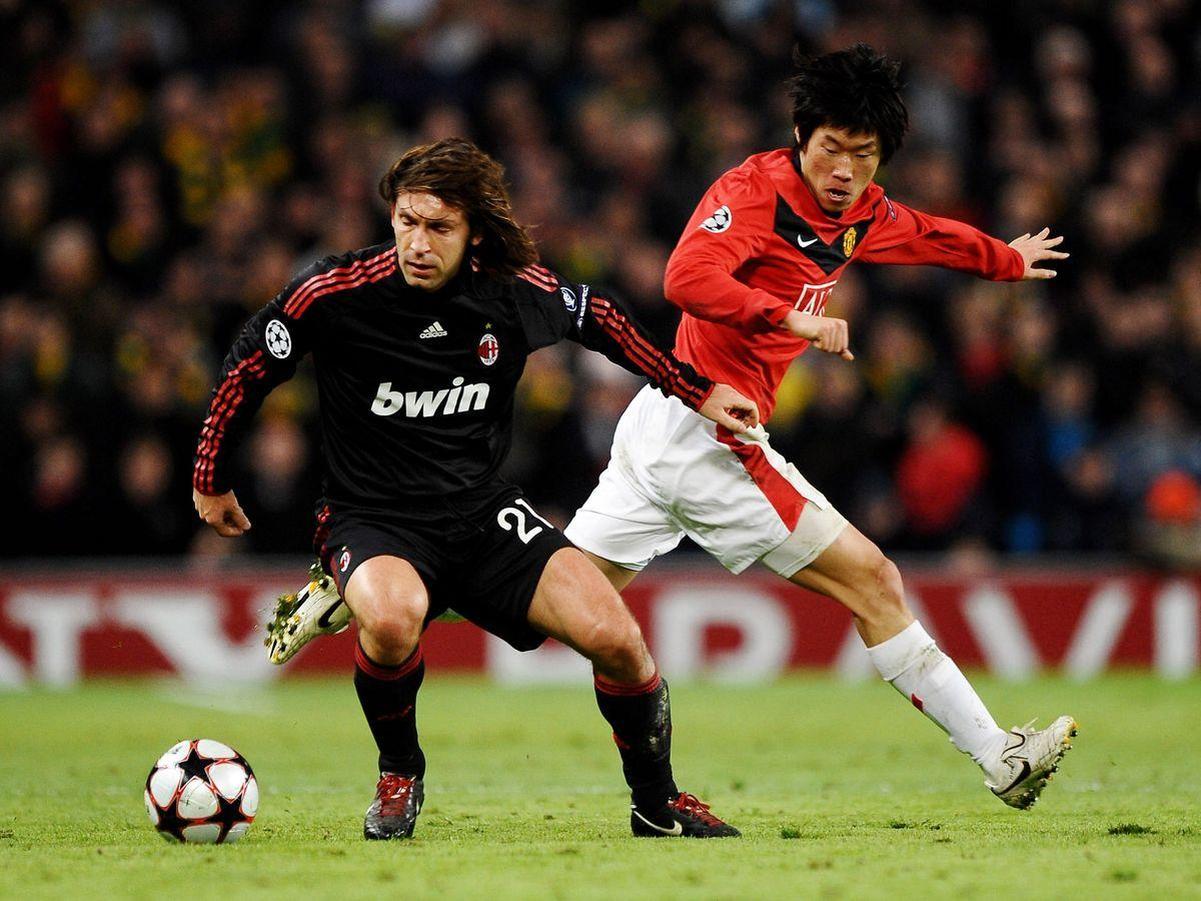
One of the most legendary individual performances of Park’s career occurred during the 2009-2010 Champions League round of 16 against AC Milan. Tasked with man-marking Milan’s legendary playmaker Andrea Pirlo, Park executed the assignment to perfection. He shadowed Pirlo across every blade of grass, completely neutralizing Milan's midfield engine. In his autobiography, Pirlo later praised Park, noting that the South Korean midfielder was the first player he encountered who could not be shaken off, describing him as 'running at the speed of an electron.'
Champions League Triumphs and Heartbreak
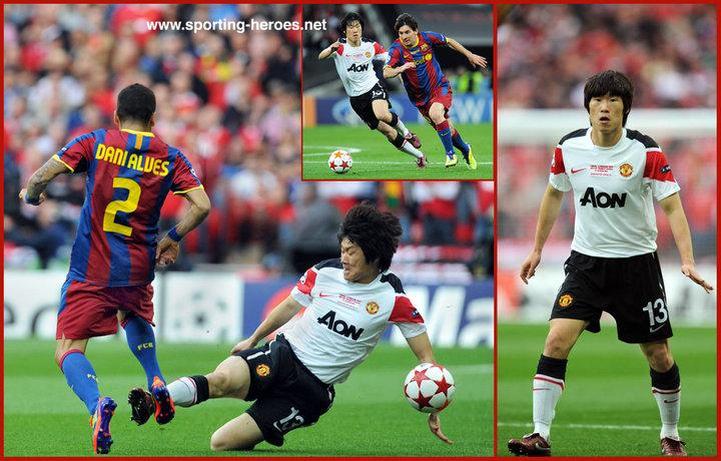
While at Manchester United, Park achieved historic milestones in the UEFA Champions League. He became the first Asian player to win the competition in 2008, although he suffered the heartbreak of being left out of the matchday squad for the final against Chelsea—a decision Sir Alex Ferguson later admitted was one of the hardest of his career. Park vindicated himself by playing in the 2009 and 2011 Champions League finals against Barcelona, becoming the first Asian player to ever feature in a Champions League final match.
Captaincy and International Leadership
On the international stage, Park was the undisputed leader of the South Korean national team. Appointed captain ahead of the 2010 FIFA World Cup, he led by example, demonstrating the same humility and work ethic that defined his club career. Under his leadership, South Korea advanced to the Round of 16 of a World Cup on foreign soil for the first time in South African history. His goal against Greece in the group stage made him the first Asian player to score in three consecutive World Cup tournaments.
The Move to Queens Park Rangers
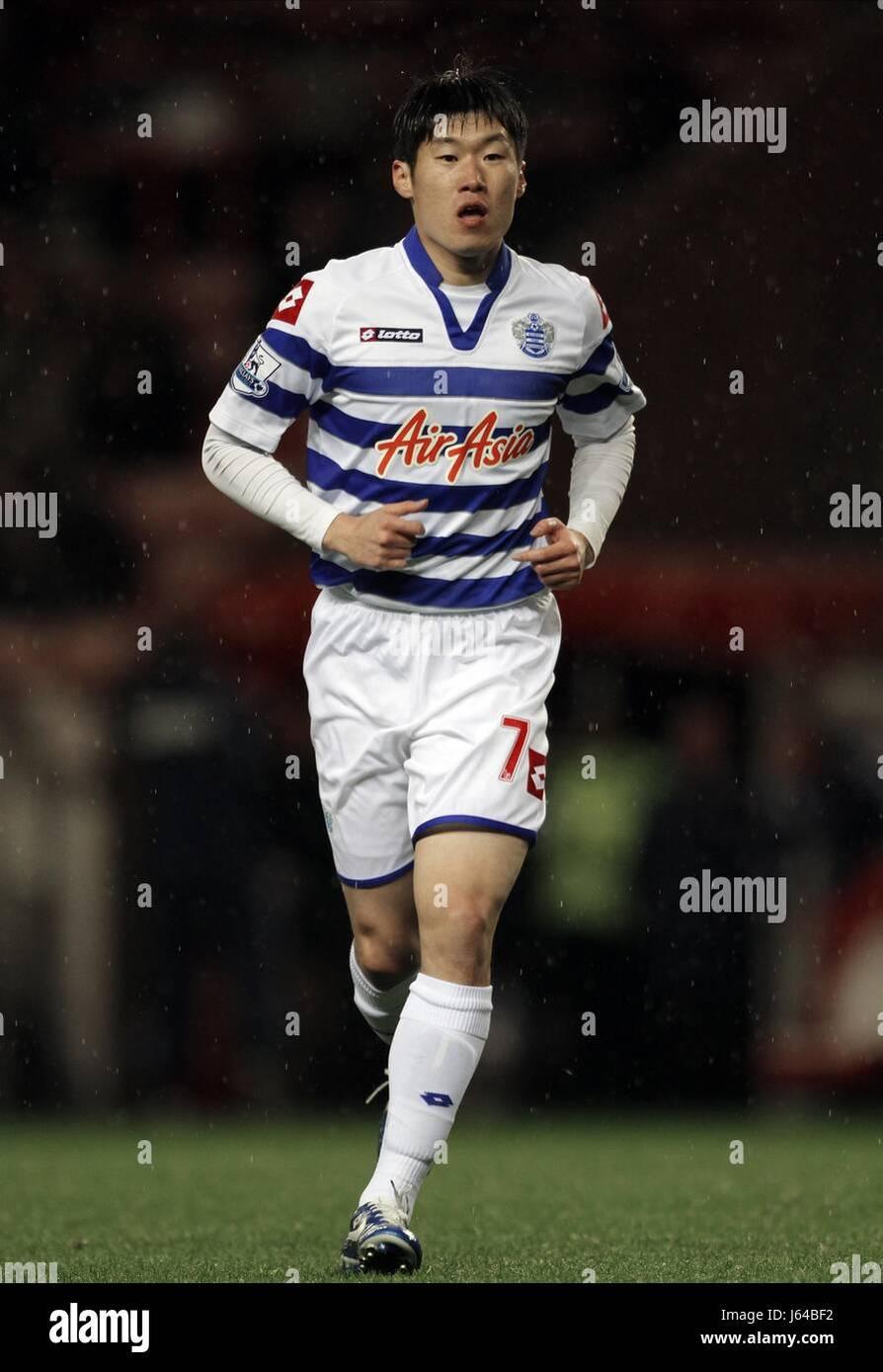
After seven highly successful seasons and over 200 appearances for Manchester United, Park transferred to Queens Park Rangers (QPR) in the summer of 2012. He was immediately named captain of the London-based club, which was attempting to establish itself in the Premier League through heavy investment. However, Park’s time at QPR was marred by persistent knee injuries and the club’s overall tactical struggles, which eventually resulted in their relegation from the top flight at the end of the season.
A Fitting Return to PSV Eindhoven and Retirement
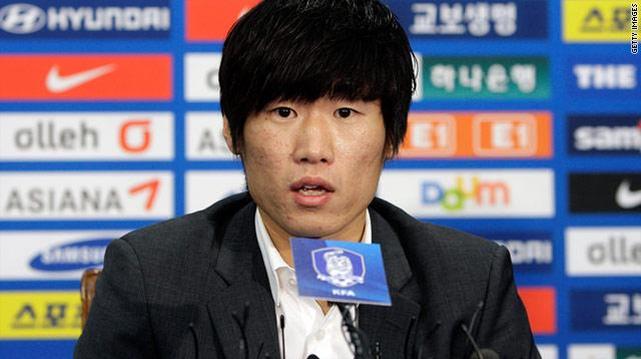
In 2013, Park returned to PSV Eindhoven on a season-long loan, bringing his European career full circle. He provided invaluable veteran leadership and experience to a young PSV squad, helping them secure a place in the Europa League. In May 2014, citing chronic knee issues that had plagued him for years, Park officially announced his retirement from professional football. His retirement marked the end of an illustrious career that redefined the possibilities for Asian athletes in global sports.
Pioneering the Path for Asian Footballers
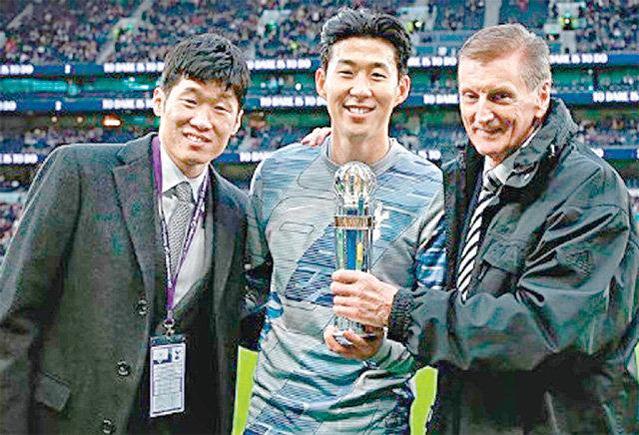
Before Park Ji-sung's breakthrough, Asian footballers were often viewed by European clubs primarily as commercial assets to boost merchandise sales in Eastern markets. Park dismantled this narrative completely by proving that an Asian player could be a core tactical element of one of the world's most successful sports franchises. His success shattered cultural and physical stereotypes, paving the way for the arrival of future superstars such as Son Heung-min, Shinji Kagawa, and Kaoru Mitoma in European football.
Post-Retirement Administration and the FIFA Master
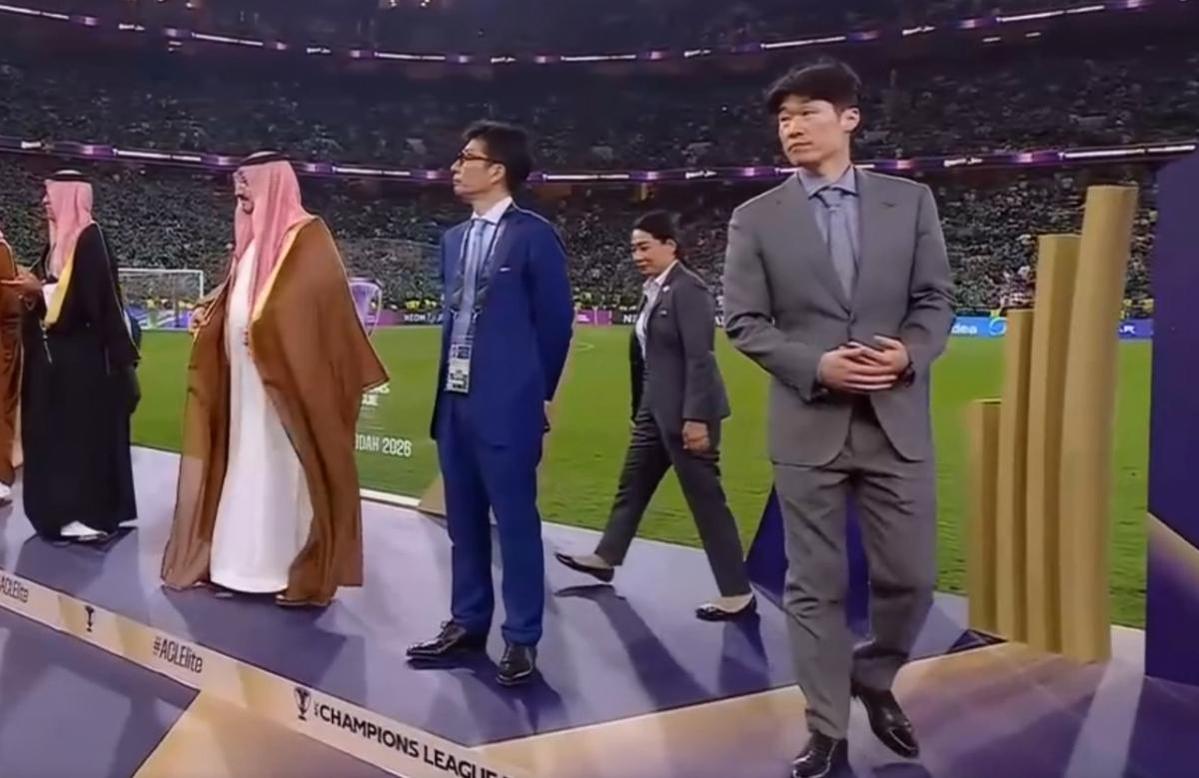
Following his retirement, Park chose to focus on the administrative and developmental sides of football rather than immediate coaching. In 2016, he enrolled in the prestigious FIFA Master program, studying sports humanities, management, and law across academic institutions in the UK, Italy, and Switzerland. This academic pursuit equipped him with the modern theoretical frameworks needed to help reform and develop the sports infrastructure in South Korea and Asia.
Philanthropy and the JS Foundation
Park has long committed himself to philanthropic endeavors through the JS Foundation, which he established to promote youth sports and development. The foundation hosts the annual Asian Dream Cup, a charity football match featuring prominent global stars, aimed at raising funds to improve football infrastructure and support underprivileged youth in Southeast Asia. Through these initiatives, Park continues to utilize his global platform to foster social development and unite communities through sport.
Role as a Club Ambassador and Director
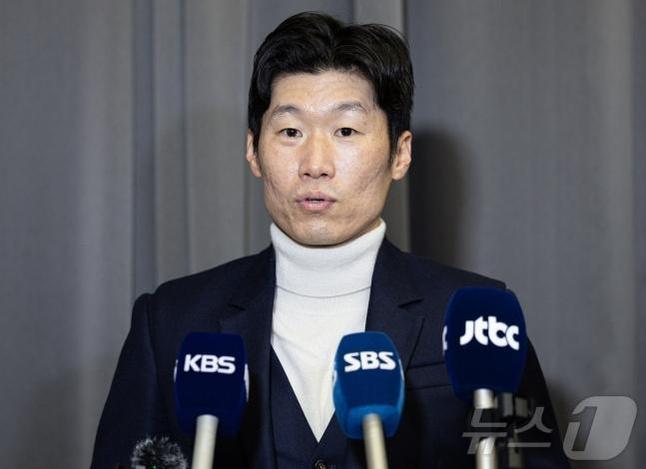
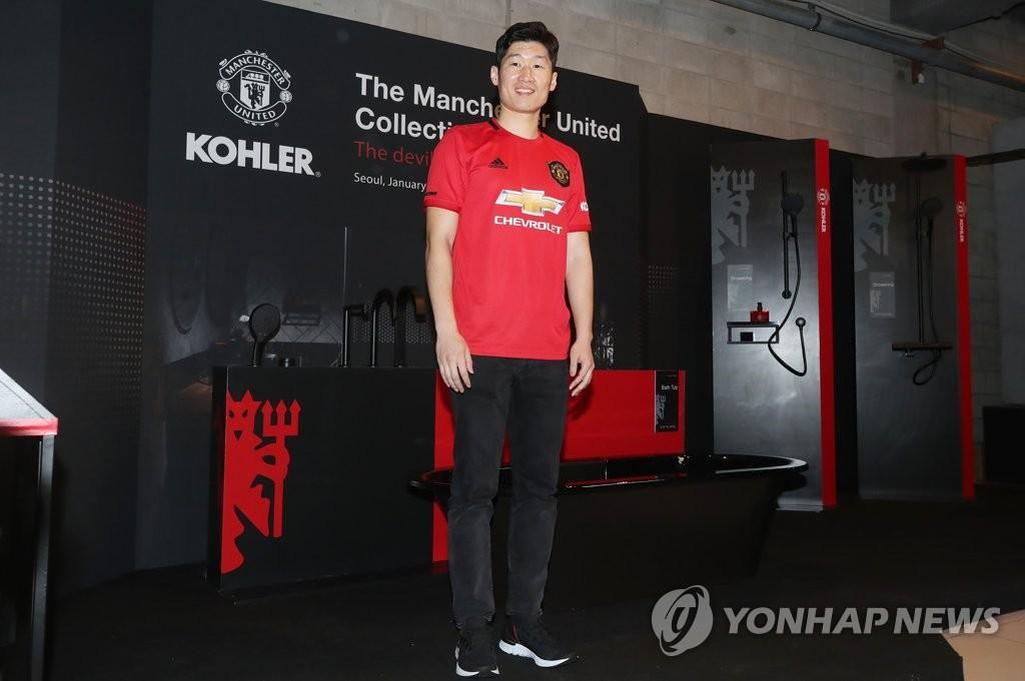
Recognizing his immense contribution to their global brand, Manchester United appointed Park as a club ambassador in 2014, a prestigious role that saw him travel the world representing the club at various promotional and charitable events. Later, Park took on administrative leadership roles in South Korea, serving as the technical director for Jeonbuk Hyundai Motors, where he has worked to modernize youth development systems and improve scouting networks in the K League.
The Lasting Legacy of 'Ji-Sung Park'
Park Ji-sung's legacy is defined not just by the trophies he won, but by his exemplary attitude on and off the pitch. Known for his humility, quiet professionalism, and absolute dedication to the collective, he remains a beloved figure across Manchester, Eindhoven, and his native South Korea. He redefined the expectations of Asian athletes worldwide, ensuring that his name will forever be etched in football history as a true pioneer who opened the floodgates for Asian talent to thrive on the world's grandest stages.
#Park Ji-sung#Manchester United#South Korea National Team#Premier League#Asian Football Legend#PSV Eindhoven#Three-Lungs Park
Comments(0)
No comments yet. Be the first to share your thoughts!
Recommended Reads
 Kbeauty
Sep 22, 2026, 10:03 PM
Target Beauty Studio: How K-Beauty is Conquering the American Mass Market
On September 10, 2026, retail giant Target officially launched Target Beauty Stu...
 Skincare
Sep 21, 2026, 10:03 PM
How K-Beauty is Powering Global Ingredient Literacy and Redefining Skincare
In a major move for the global beauty industry, Korean-American cosmetics brand ...
 JayPark
Sep 20, 2026, 10:06 PM
Edmonds-Born K-Pop Pioneer Jay Park Set for Major Seattle Homecoming Concert
Edmonds-born K-pop and hip-hop pioneer Jay Park is returning to his roots for a ...
 BTS
BTSSep 19, 2026, 10:04 PM
The Triumph and Autonomy of BTS: Inside Their Historic 2026 Comeback and Bold Grammy Boycott
After a scheduled hiatus that began in late 2022, the global supergroup BTS has ...
 Fitness Gaming
Sep 3, 2026, 03:35 AM
VXROOM: Transforming Daily Workouts into Engaging Web-Based Motion Games
VXROOM (vxroom.com) is an innovative web-based int...
 Survival Show
Sep 1, 2026, 09:07 AM
Game of Blood X: The Evolution of Korea’s Fiercest Survival Reality Franchise
Wavve's hit original series Game of Blood ...