
델타룬Jun 26, 2026, 06:31 AM• 90622 views
Unveiling Deltarune: The Mythos, Mechanics, and Cultural Impact of Toby Fox's Epic Masterpiece
Introduction to the World of Deltarune
Deltarune is an episodic role-playing video game developed by independent creator Toby Fox. Serving as a spiritual successor, parallel universe, and thematic sibling to the critically acclaimed 2015 game Undertale, Deltarune captured the global gaming community's attention with its sudden, unannounced release of Chapter 1 in October 2018. The game transports players into a richly detailed universe that blends nostalgic 16-bit aesthetic style with modern, subverted role-playing mechanics. Through its compelling narrative, deep character growth, and philosophical inquiries into player agency, Deltarune has established itself not merely as a sequel, but as a standalone masterpiece in modern indie gaming history.
The Anagrammatic Connection to Undertale
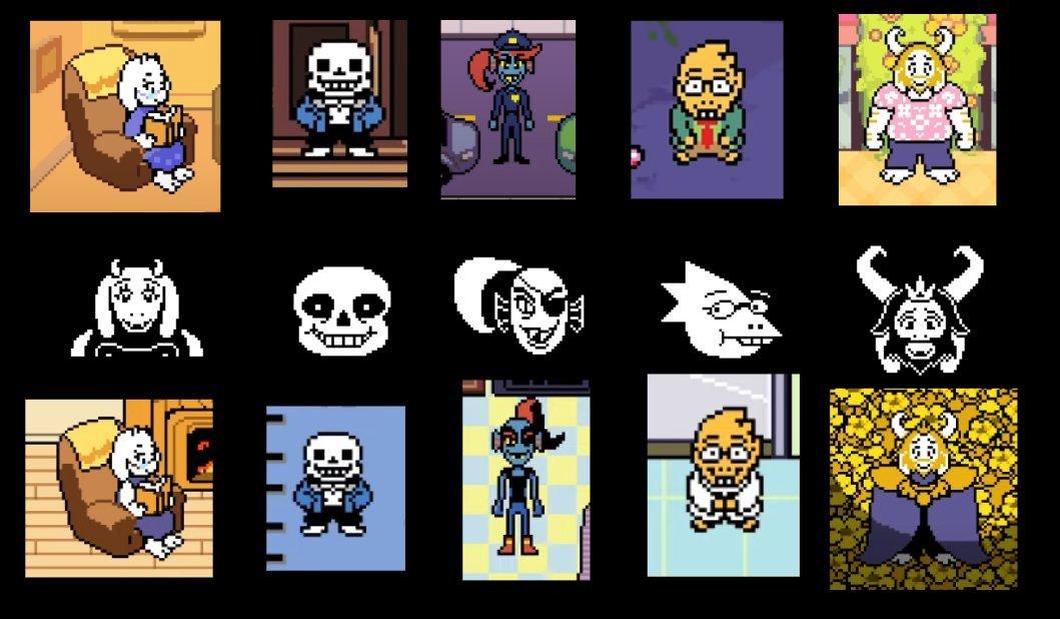
The very name of the game, 'Deltarune', is an anagram of 'Undertale', hinting at the deep, tangled relationship between the two intellectual properties. While Undertale explored the journey of a human trapped in an underground world of monsters, Deltarune shifts the paradigm to a surface town populated by monsters, where humans are a rarity. Despite sharing several familiar characters, such as Toriel, Sans, and Undyne, Toby Fox has repeatedly clarified that Deltarune takes place in a different world with a completely separate continuity. This clever narrative device allows returning fans to experience a sense of cozy familiarity while remaining entirely off-balance regarding the plot's ultimate direction.
The Mastermind Behind the Magic: Toby Fox's Evolution
Following the monumental success of Undertale, developer Toby Fox faced immense pressure to deliver a follow-up that could live up to public expectations. Deltarune represents a significant step forward in his maturity as a designer, writer, and composer. While Undertale was largely a solo project, Deltarune's increased scale and visual complexity necessitated the formation of a small, dedicated development team. This collaborative effort has allowed Fox to realize a grander visual scope and implement highly complex gameplay mechanics without compromising his signature quirky humor, emotional vulnerability, and poignant philosophical storytelling.
The Narrative Framework of the Dark World
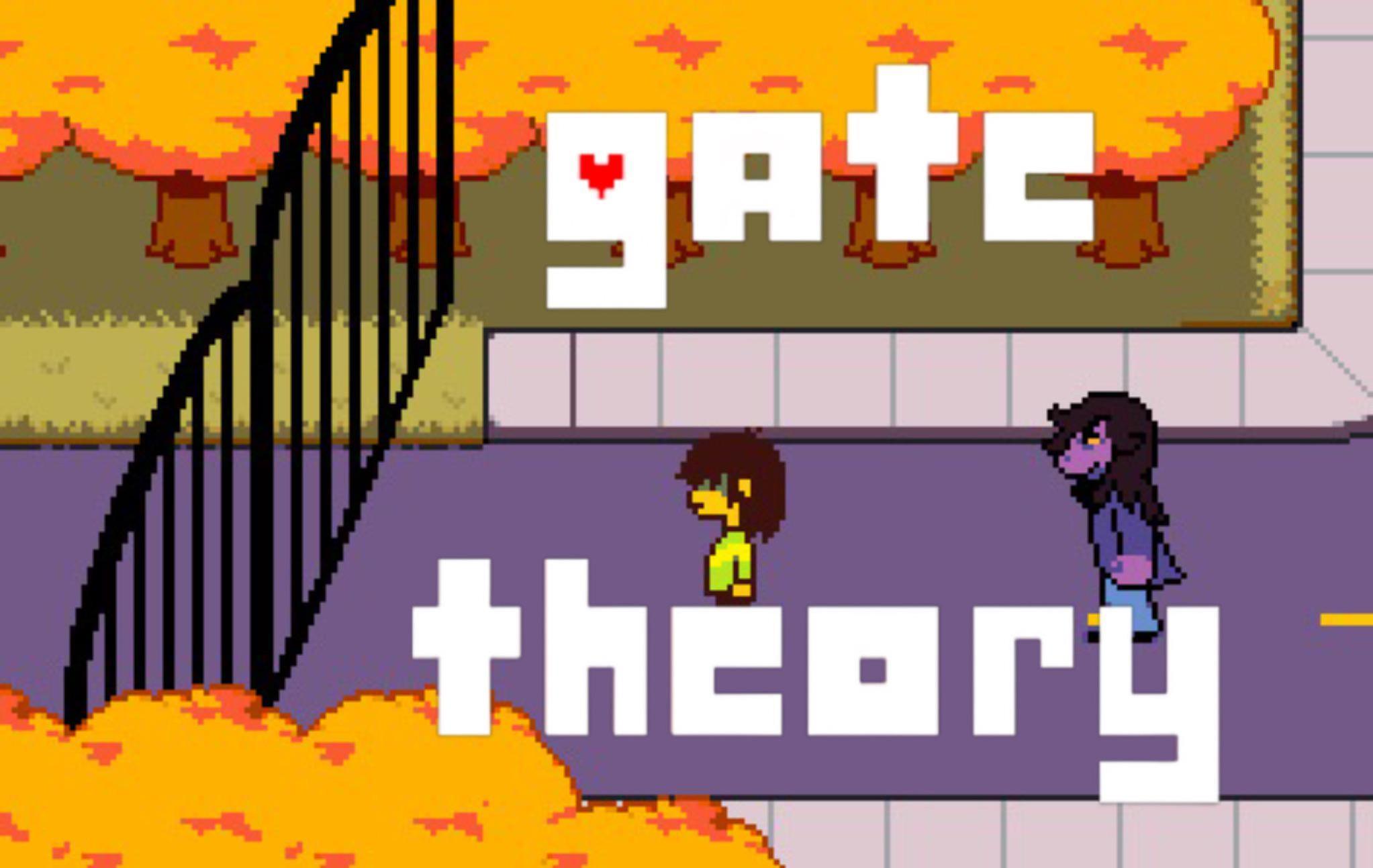
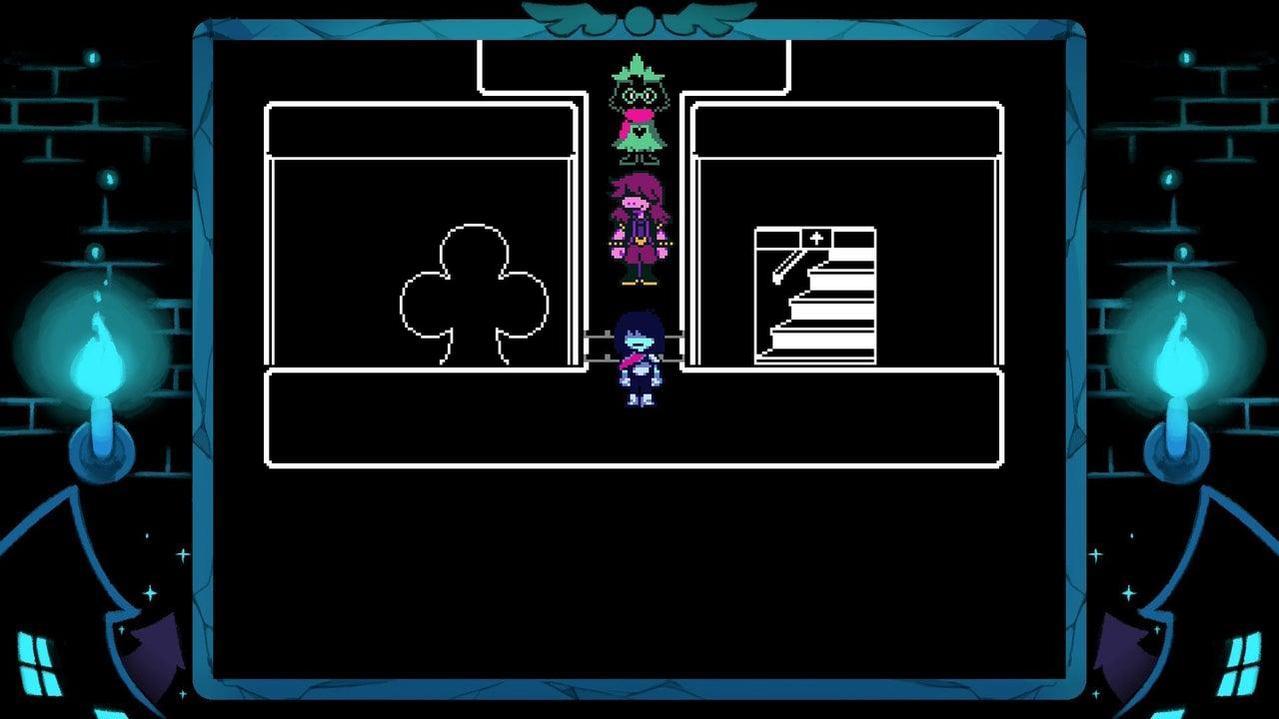
The core plot of Deltarune begins when Kris, a quiet human teenager, and Susie, the school’s notorious monster bully, are sent to fetch chalk from a school supply closet. Instead of a mundane storage room, they fall into the 'Dark World'—a fantastical, surreal dimension existing parallel to their own. This realm is inhabited by 'Darkners', physical manifestations of everyday classroom objects like playing cards, toys, and computer programs. The contrast between the mundane, peaceful surface town and the high-fantasy, dreamlike Dark World forms the structural backbone of the game's setting and thematic progression.
The Ancient Prophecy of Light and Dark
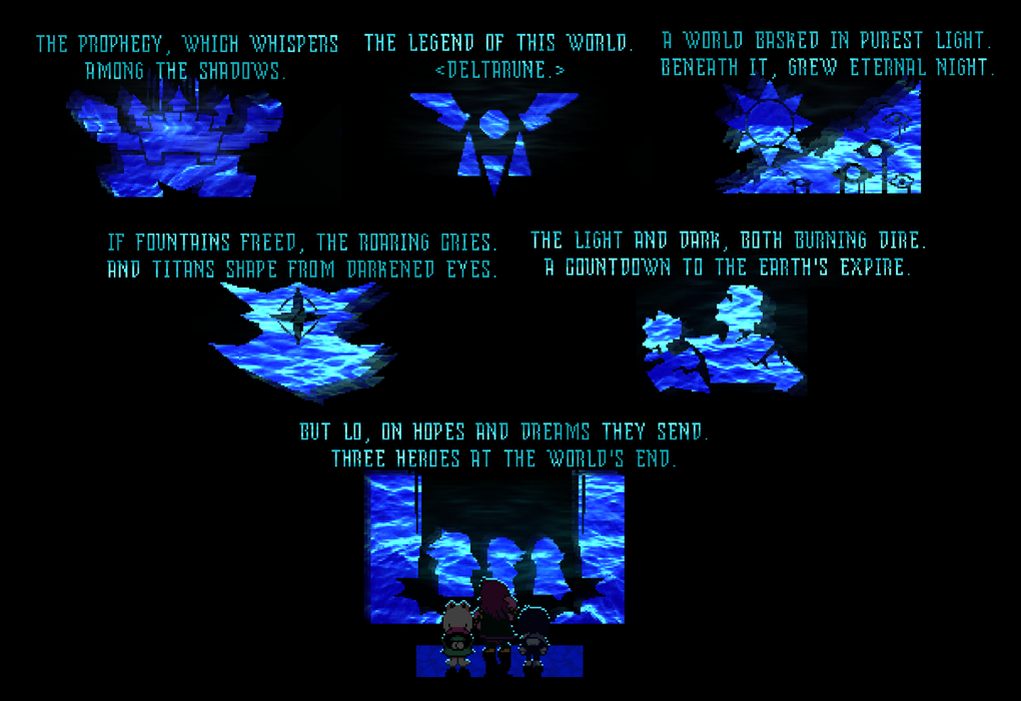
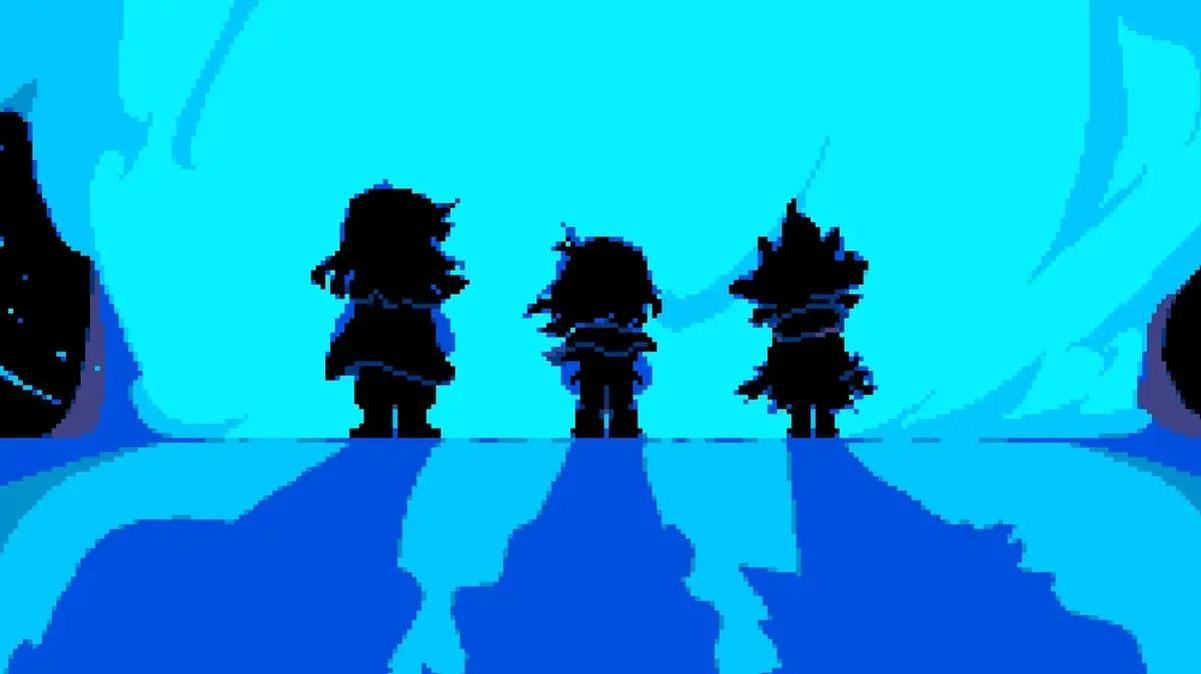
Upon entering the Dark World, Kris and Susie are met by Ralsei, a gentle, cloaked prince who reveals an ancient prophecy. According to legend, three heroes—a Human, a Monster, and a Prince from the Dark—must emerge to seal the overabundant 'Dark Fountains' that threaten to tip the balance of light and dark, which would plunge the entire world into eternal chaos. This prophecy sets a structured, classic fantasy objective for the party, though players quickly begin to suspect that there are deeper, more manipulative layers hidden beneath this simplistic narrative framework.
Analyzing Kris: The Silent, Complex Protagonist
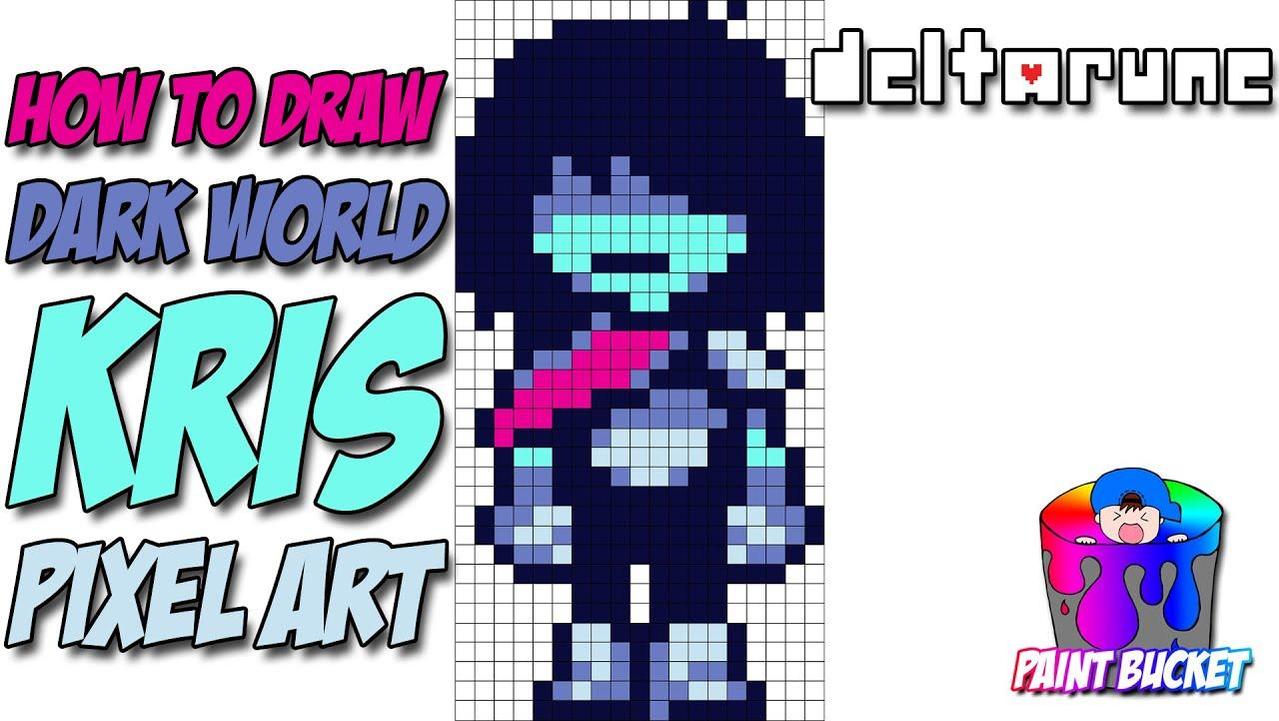
Kris serves as the primary player character and the sole human living in Hometown. Unlike typical silent RPG protagonists who act as blank slates for the player’s self-insertion, Deltarune continually emphasizes the disconnect between Kris's personal identity and the player's controlling will. Kris has a pre-existing history, likes, dislikes, and established relationships with town residents. The underlying tension of who is truly in control of Kris's actions is a central, unsettling narrative mystery that manifests in dramatic, shocking ways at the end of each game chapter.
Susie's Journey: From Bully to Loyal Friend
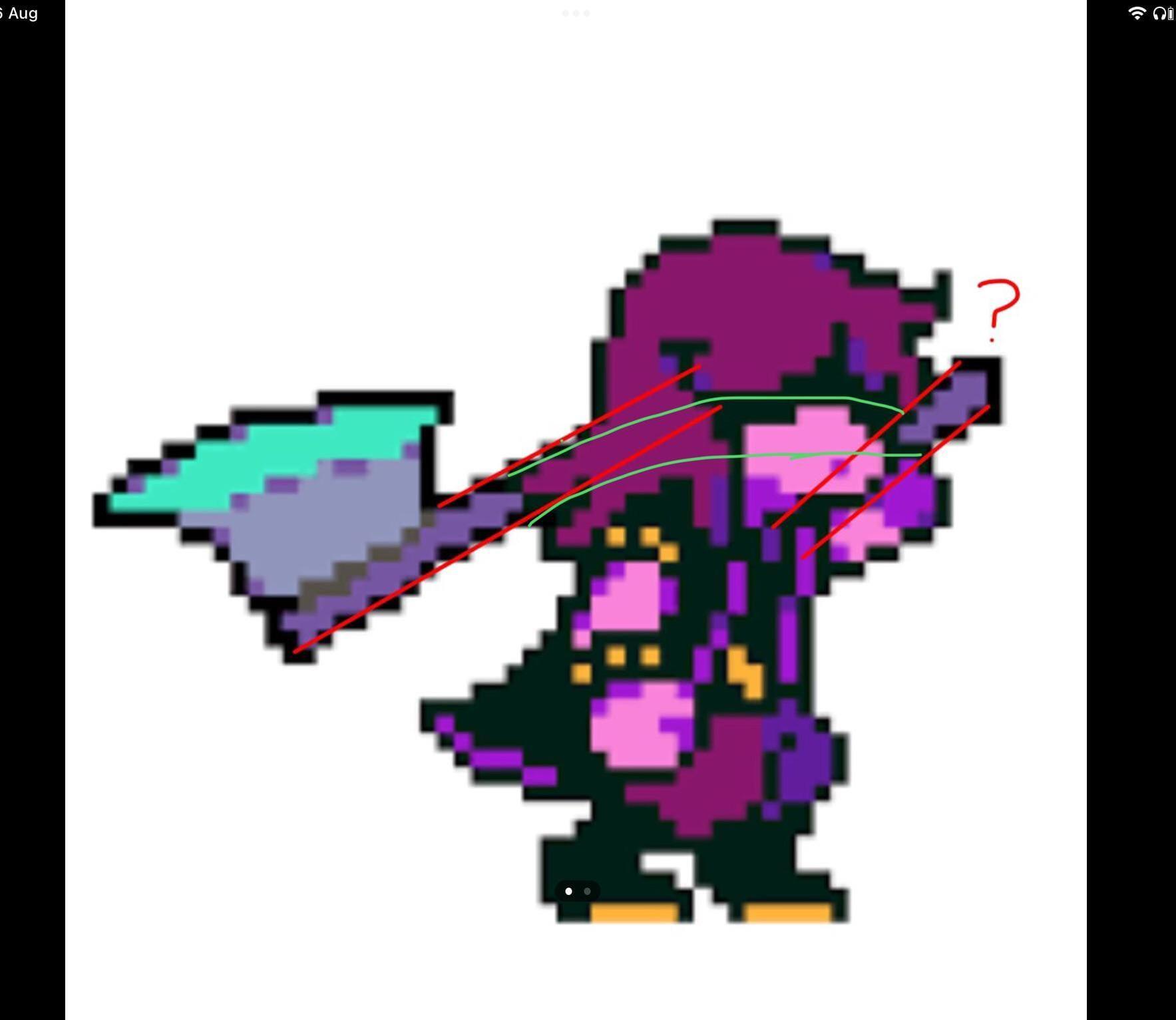
Susie's character arc is widely regarded as one of Deltarune’s strongest narrative achievements. She begins Chapter 1 as an aggressive outcast who uses physical intimidation to keep others at bay. However, her experiences in the Dark World, particularly her unlikely friendship with the naive prince Lancer, force her to drop her defensive walls. Susie’s growth from a destructive force of chaos into a fiercely protective, loyal companion is depicted with immense heart and humor, making her an absolute fan favorite among the community.
Ralsei: The Compassionate Voice of Reason
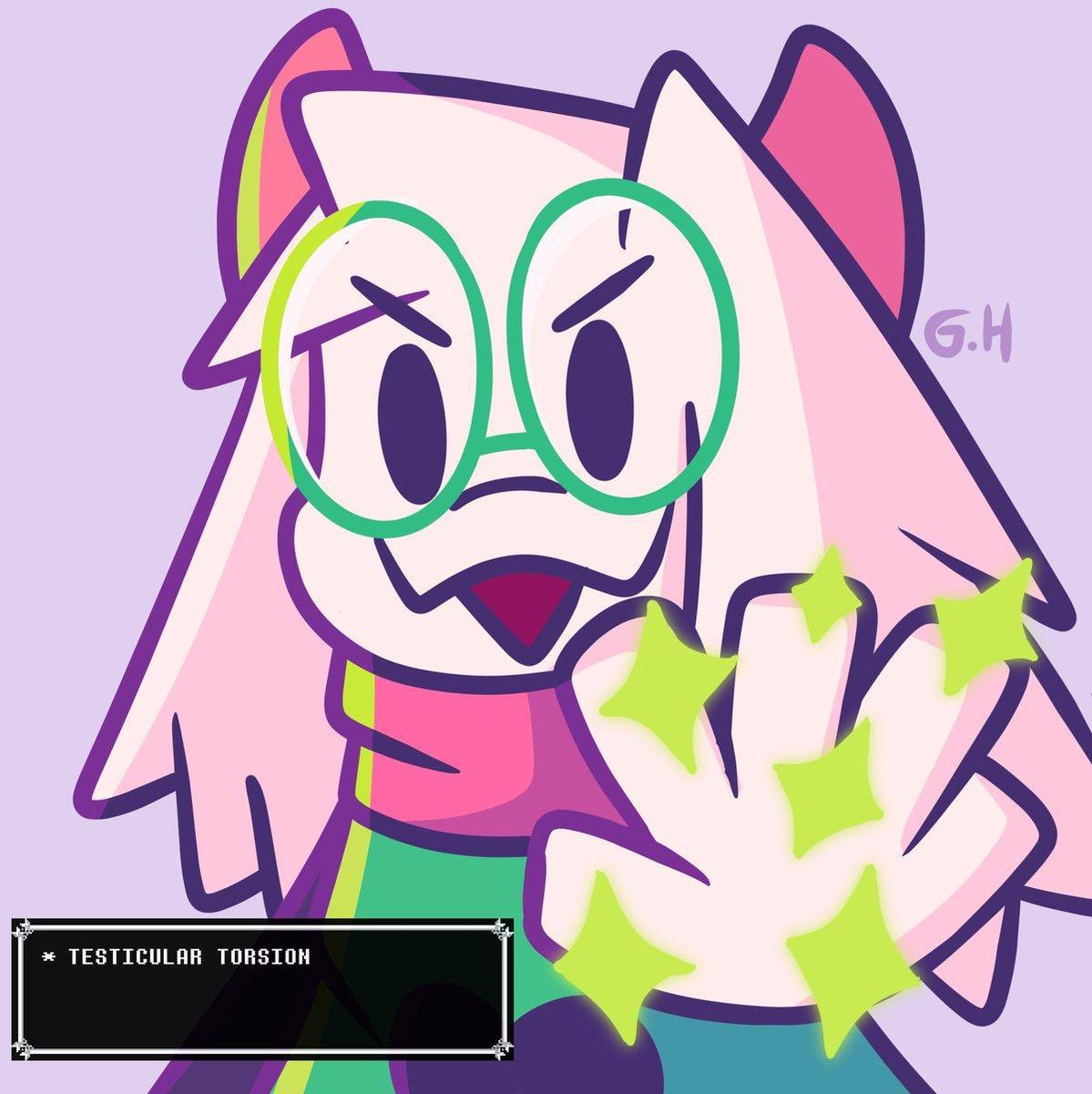
Ralsei, the self-proclaimed Prince of the Dark, represents the moral compass of the player's party. He is a devoted advocate for pacifism, constantly encouraging Kris and Susie to resolve encounters through kindness, conversation, and non-violent means rather than raw physical strength. With a design that directly mirrors Undertale's beloved Boss Monsters, Ralsei evokes a strong sense of comfort and nostalgia. However, his deep, seemingly omniscient knowledge of the game's mechanics and the world's structure has led many players to question his ultimate motives.
Chapter 1: A Surprise Masterpiece of World-Building
The release of Chapter 1 in 2018 acted as a proof of concept that blew away public expectations. It established the core loop of exploring Hometown, interacting with quirky residents, plunging into the Dark World, and conquering a card-themed kingdom ruled by a tyrannical king. Chapter 1 successfully laid down the groundwork for Deltarune's distinct combat flow, gorgeous pixel art, and philosophical themes. By offering the chapter entirely for free, Toby Fox fostered immense goodwill and built a massive, eager audience waiting for the next steps in the saga.
Chapter 2: A Digital Leap into the Cyber World
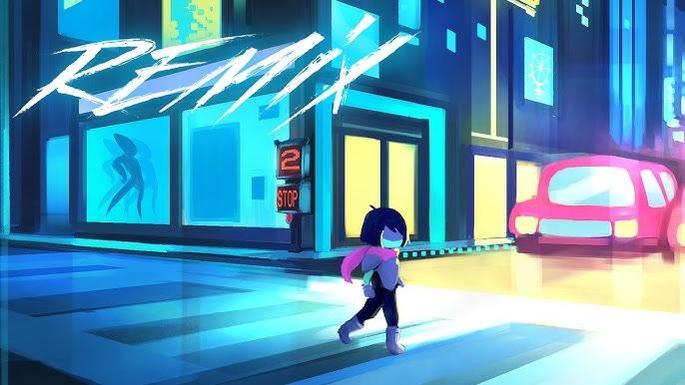
Released in September 2021, Chapter 2 took the foundation of the first chapter and elevated it to dazzling new heights. The setting shifted from a tabletop-game-inspired landscape to the 'Cyber World', a dazzling neon city created from a library computer lab. This setting allowed for brilliant parodies of internet culture, social media, and digital life. Introducing charismatic new characters like the eccentric Queen and the tragic Spamton G. Spamton, Chapter 2 cemented Deltarune's ability to maintain a brilliant balance of humor, horror, and emotional depth.
The Evolution of Turn-Based Combat
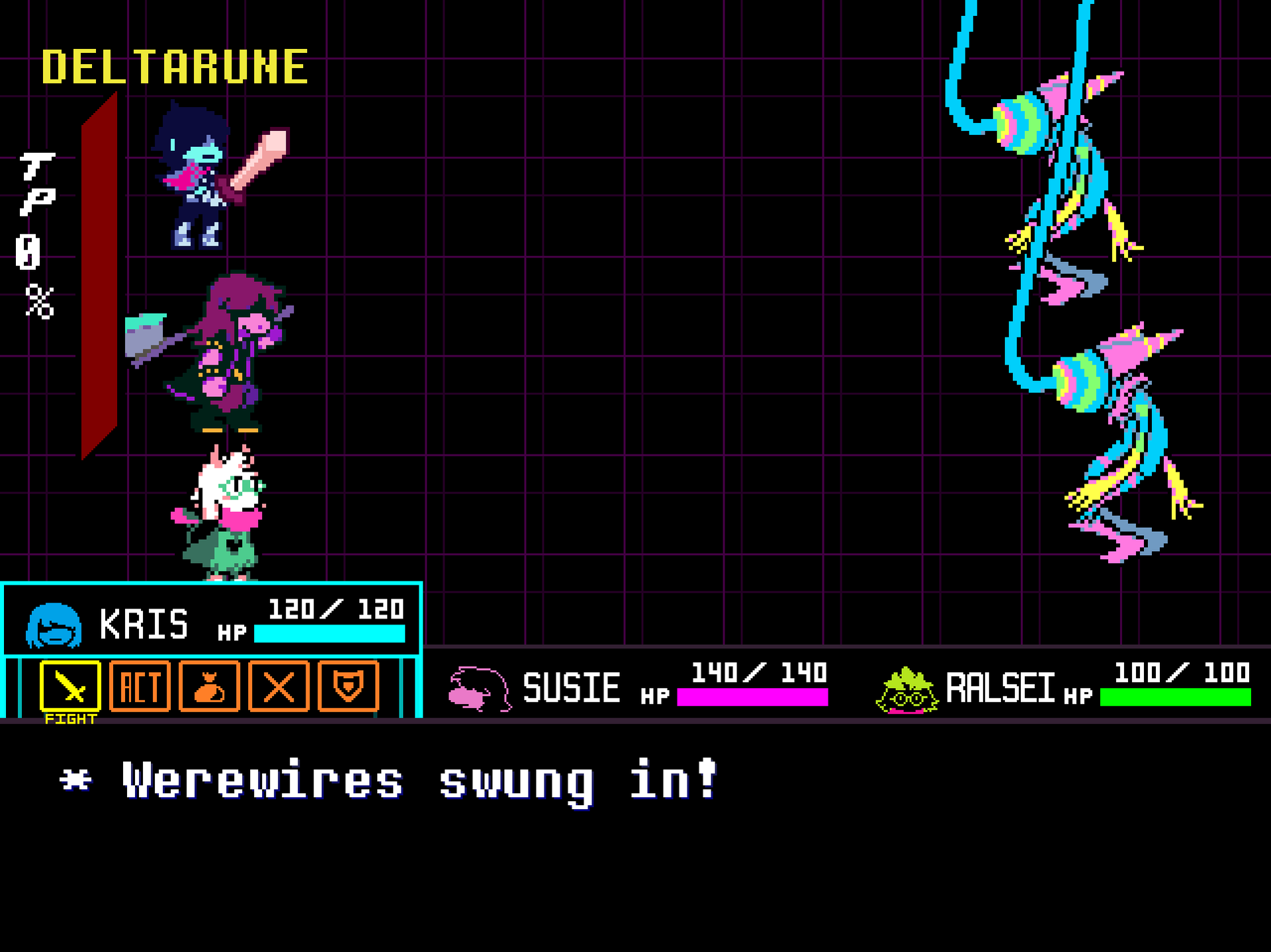
Deltarune completely refines Undertale's unique battle system. While retaining the signature 'bullet hell' evasion mechanics where players dodge enemy attacks inside a small box, Deltarune introduces a multi-character party system. Players must manage the actions of Kris, Susie, and Ralsei simultaneously. The game also introduces the Tension Points (TP) bar, which is charged by grazing enemy projectiles. TP can then be spent on casting powerful magic spells or executing specialized acts, making combat a dynamic dance of high-risk, high-reward positioning.
The Illusion of Choice: 'Your Choices Don't Matter'
One of the most intriguing and debated aspects of Deltarune is its direct subversion of Undertale's core thesis. While Undertale proudly declared that every choice mattered and could drastically alter the world, Deltarune's opening sequence bluntly informs the player that 'your choices don't matter' in this world. This creates a haunting meta-narrative layer. Throughout both chapters, players find themselves constantly fighting against a predetermined destiny, wondering if they can truly alter the course of the story or if they are simply passengers on a doomed train.
The Dark Turn: Uncovering the Snowgrave Route
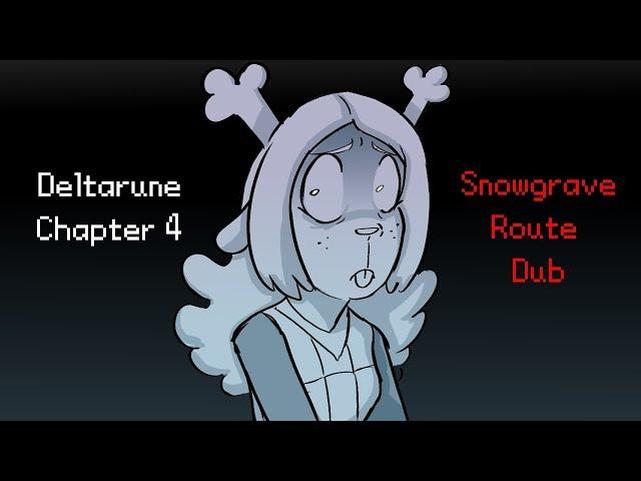
Despite the claim that choices do not matter, Chapter 2 shocked players by containing a hidden, highly disturbing alternate path known as the 'Snowgrave' or 'Weird' Route. By systematically manipulating classmate Noelle Holiday into using lethal ice magic against enemies, players can bypass the game's lighthearted atmosphere to unleash a chilling tragedy. This route shifts the game’s tone into psychological horror, illustrating the corruptive influence the player's external will can exert on the characters, proving that while the destination may remain the same, the journey can become horrifyingly dark.
Sonic Excellence: The Musical Genius of Toby Fox
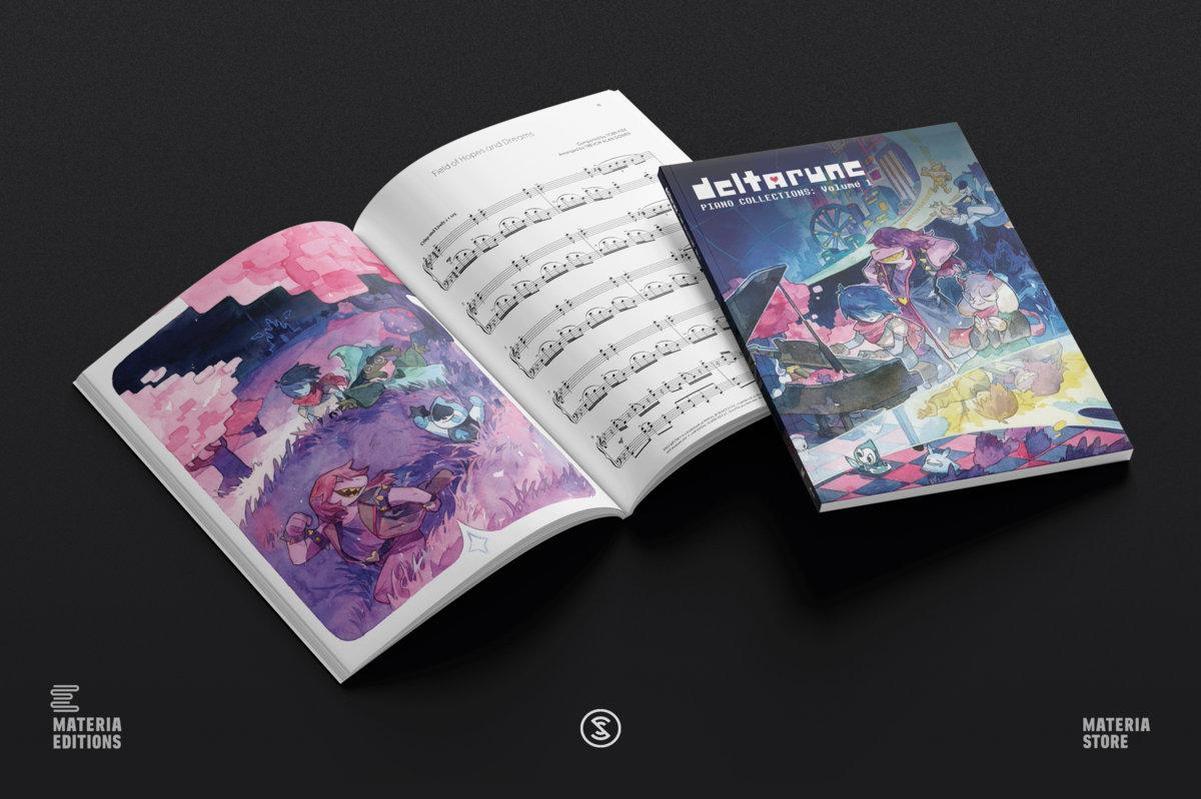
A massive portion of Deltarune’s popularity stems from its incredible soundtrack, composed almost entirely by Toby Fox. Combining chiptune limitations with modern orchestral elements, jazz fusion, and rock, the soundtrack is a masterclass in video game leitmotif. Tracks like 'Don't Forget', 'Field of Hopes and Dreams', and 'BIG SHOT' are not just catchy background music; they are narrative tools that define character identities, build intense atmospheric tension, and trigger profound emotional responses from the listener.
The Visual Transformation: Pixel Artistry by Temmie Chang
Visually, Deltarune is a stunning leap forward from its predecessor. Working alongside lead artist Temmie Chang, Toby Fox created a much more vibrant, fluidly animated world. The character sprites in Deltarune boast expressive facial reactions, complex movement animations, and highly creative character designs. The environment designs, particularly in the Cyber World, utilize a rich color palette and dynamic lighting effects that push the boundaries of classic 16-bit-style pixel art, making every area a joy to explore.
Humor, Satire, and Playful Metaphors
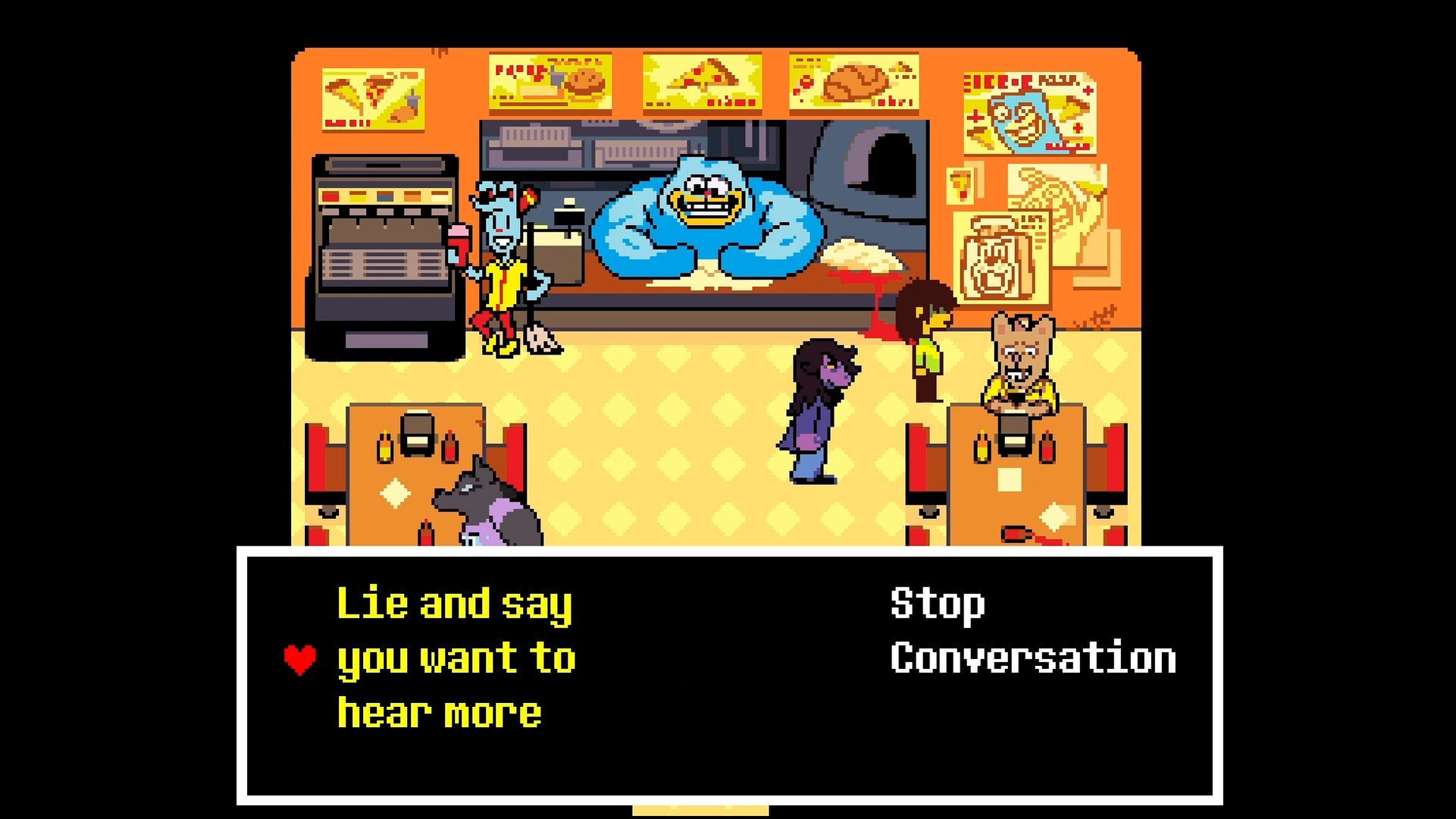
Toby Fox's signature brand of humor is on full display throughout Deltarune. The game masterfully parodies old-school RPG tropes, internet culture, and teenage awkwardness. From Queen's hilariously erratic text-speak to the absurdly dramatic antics of Lancer, the script is packed with witty dialogue and visual gags. This lighthearted comedy is not just filler; it makes the characters deeply endearing, ensuring that when the story occasionally dips into heavy or terrifying territory, the emotional impact hits the player with maximum strength.
The Phenomenon of Spamton G. Spamton
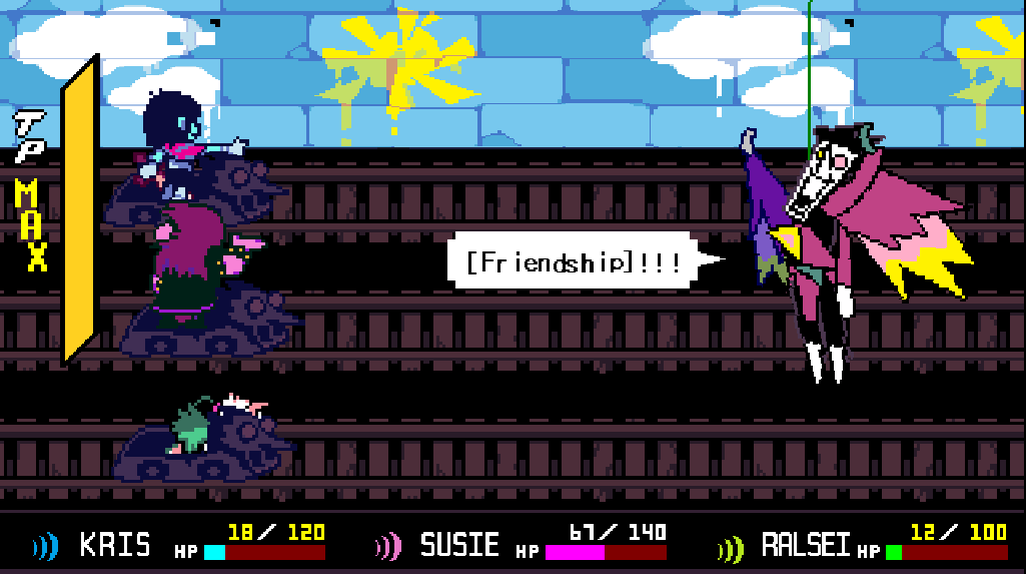
No discussion of Deltarune is complete without mentioning the viral sensation of Chapter 2: Spamton G. Spamton. A discarded, glitchy email spambot living in the trash, Spamton speaks in fragmented, high-energy marketing jargon and capslock demands. He serves as both a hilarious parody of capitalistic desperation and a tragic figure trapped by strings he cannot see. His character design, intense boss fight, and chaotic themes resonated so strongly with the public that he became an overnight cultural icon, inspiring countless memes, fan art, and critical essays.
A Community Driven by Passion and Theory
The release model of Deltarune has fostered an incredibly active and analytical fan community. With years passing between chapter releases, fans have combed through every line of dialogue, background sprite, and sound file to build complex theories. Topics like the identity of the mysterious 'Knight', the meaning behind the dark fountains, and the connection to Undertale’s mysterious character W.D. Gaster are debated endlessly. This high level of engagement keeps the fandom vibrant, turning the game into a shared, collaborative puzzle-solving experience.
Distribution Strategy and the Episodic Model
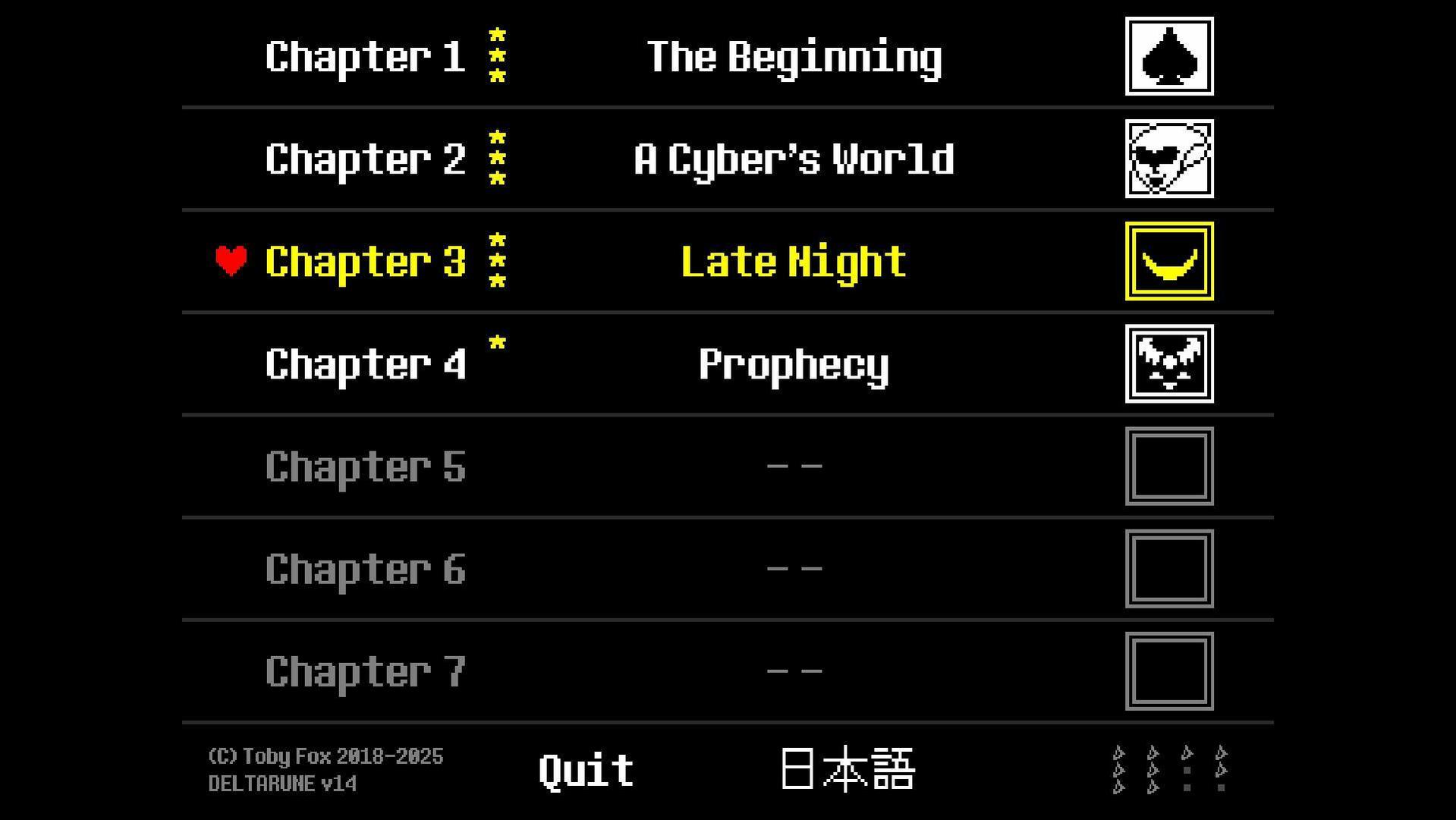
Toby Fox's approach to publishing Deltarune has been highly unconventional. Rather than keeping fans waiting for a massive, complete game, he chose to release chapters in episodic batches. Chapter 1 was a surprise free drop, and Chapter 2 was also released for free as a gift of comfort to fans during the COVID-19 pandemic. The upcoming plan involves releasing Chapters 3, 4, and 5 together as a single paid package. This unique strategy has kept the game in the public consciousness for years, creating recurring waves of hype and cultural relevance.
The Legacy and Future of Deltarune
As the development of future chapters continues, Deltarune’s legacy as a monument of modern indie game design is already secure. It stands as a brilliant testament to how video games can subvert traditional genre conventions, bridge the gap between comedy and deep emotional resonance, and respect the intelligence of their players. Whether Deltarune ultimately ends in tragedy or triumph, its revolutionary approach to narrative agency and memorable character work will continue to influence game developers and capture the hearts of players for generations to come.
#Deltarune#Toby Fox#Undertale spin off#Indie Games#RPG gameplay#Video Game Analysis#Dark World#Video Game Soundtracks
Comments(0)
No comments yet. Be the first to share your thoughts!
Recommended Reads
 Kbeauty
Sep 22, 2026, 10:03 PM
Target Beauty Studio: How K-Beauty is Conquering the American Mass Market
On September 10, 2026, retail giant Target officially launched Target Beauty Stu...
 Skincare
Sep 21, 2026, 10:03 PM
How K-Beauty is Powering Global Ingredient Literacy and Redefining Skincare
In a major move for the global beauty industry, Korean-American cosmetics brand ...
 JayPark
Sep 20, 2026, 10:06 PM
Edmonds-Born K-Pop Pioneer Jay Park Set for Major Seattle Homecoming Concert
Edmonds-born K-pop and hip-hop pioneer Jay Park is returning to his roots for a ...
 BTS
BTSSep 19, 2026, 10:04 PM
The Triumph and Autonomy of BTS: Inside Their Historic 2026 Comeback and Bold Grammy Boycott
After a scheduled hiatus that began in late 2022, the global supergroup BTS has ...
 Fitness Gaming
Sep 3, 2026, 03:35 AM
VXROOM: Transforming Daily Workouts into Engaging Web-Based Motion Games
VXROOM (vxroom.com) is an innovative web-based int...
 Survival Show
Sep 1, 2026, 09:07 AM
Game of Blood X: The Evolution of Korea’s Fiercest Survival Reality Franchise
Wavve's hit original series Game of Blood ...