
이임생Jun 26, 2026, 12:06 AM• 90473 views
The Legacy of Lee Lim-saeng: From the Iconic Bandaged Defender to Controversial KFA Administrator
Introduction
Lee Lim-saeng is a highly recognized and complex figure in South Korean football history, having navigated a decades-long career as a fierce national team defender, a silverware-winning club manager, and a highly scrutinized administrative executive. Known for his uncompromising physical play and legendary fighting spirit during his peak playing days in the late 1990s, Lee transitioned into coaching across various Asian leagues before returning to South Korea to manage one of the nation's most historic clubs, Suwon Samsung Bluewings. In recent years, his role has shifted toward administrative governance within the Korea Football Association (KFA), where his decisions have placed him at the center of intense public and media debates regarding the future direction of South Korean football.
Early Life and Youth Career
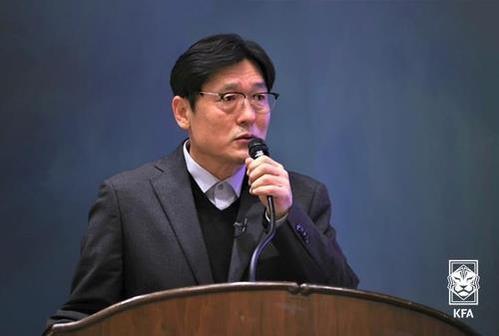
Born on November 18, 1971, Lee Lim-saeng developed a passion for football during his formative years in South Korea, a period when the nation's domestic league was beginning to find its professional footing. Standing out for his height, physical robustness, and natural leadership qualities on the pitch, he quickly rose through the ranks of the highly competitive school football system. He attended Korea University, one of the country's premier institutions for athletic development, where he refined his defensive positioning and aggressive tackling, catching the attention of national youth team scouts and professional clubs alike.
Professional Debut with Bucheon SK
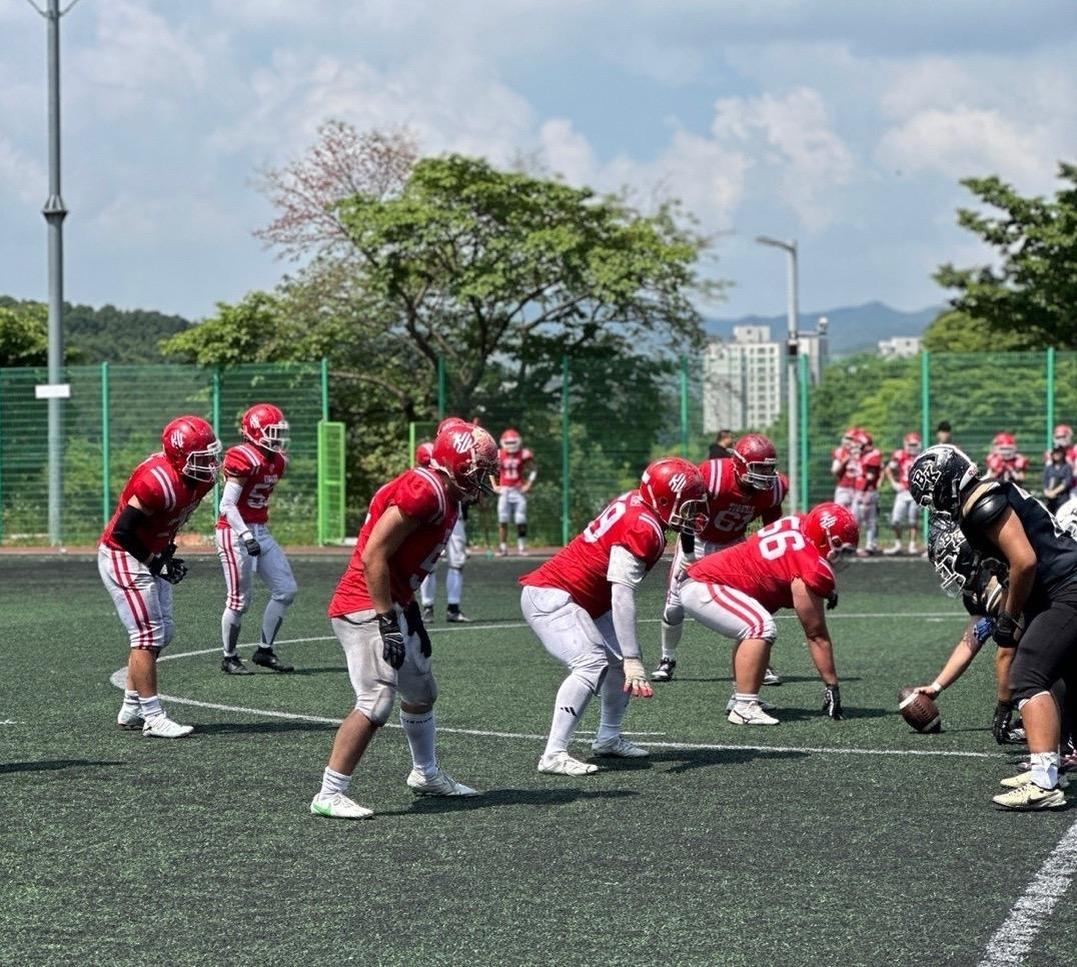
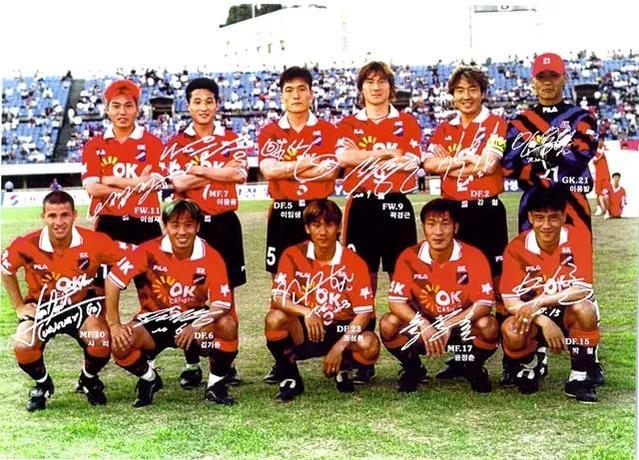
Lee entered the professional ranks in 1994 when he joined Bucheon SK, known today as Jeju United. In the K League, he immediately established himself as a reliable center-back who refused to back down from physical confrontations with domestic and foreign strikers. His debut season demonstrated his readiness for the professional stage, as he combined raw athleticism with a disciplined work ethic, making him an indispensable asset to the club's defensive line during a transformative decade for South Korean club football.
The Nepomnyashchy Influence
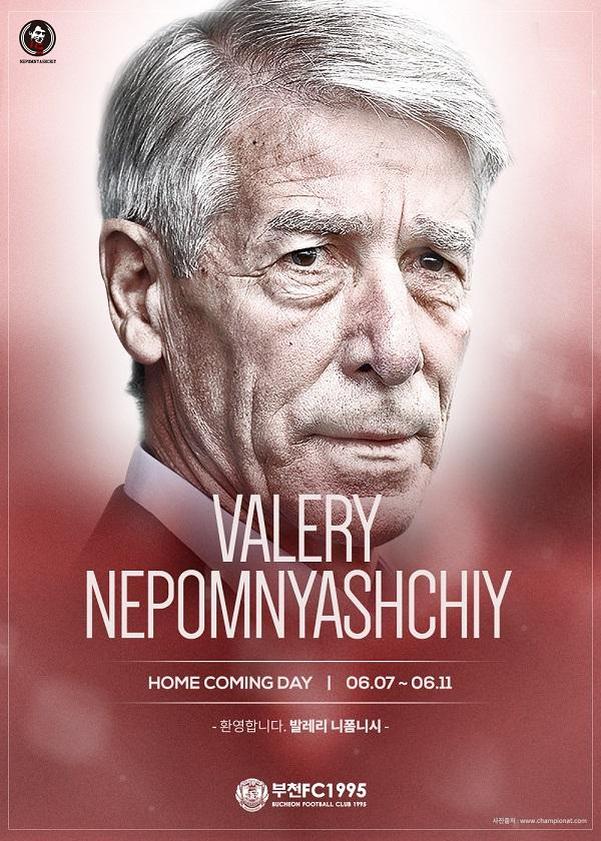
During his tenure at Bucheon SK, Lee's tactical understanding of the game was profoundly shaped by the legendary Russian manager Valeriy Nepomnyashchy. Under Nepomnyashchy's guidance, Bucheon adopted a sophisticated, short-passing possession style of football that was revolutionary for the K League at the time. Lee was tasked not just with destroying opponent attacks, but also with initiating offensive plays from the back. This tactical education broadened his perspective on football, proving invaluable for his later coaching and administrative career.
Defensive Style and On-Pitch Characteristics
As a player, Lee was characterized by his imposing aerial ability, tight man-marking, and vocal leadership. He was a commanding presence who organized the defensive line with authority and was never afraid to put his body on the line to block shots or win challenges. His aggressive style occasionally drew yellow cards, but it also earned him the deep respect of his teammates and fans who appreciated his dedication and protective attitude toward the goalkeeper.
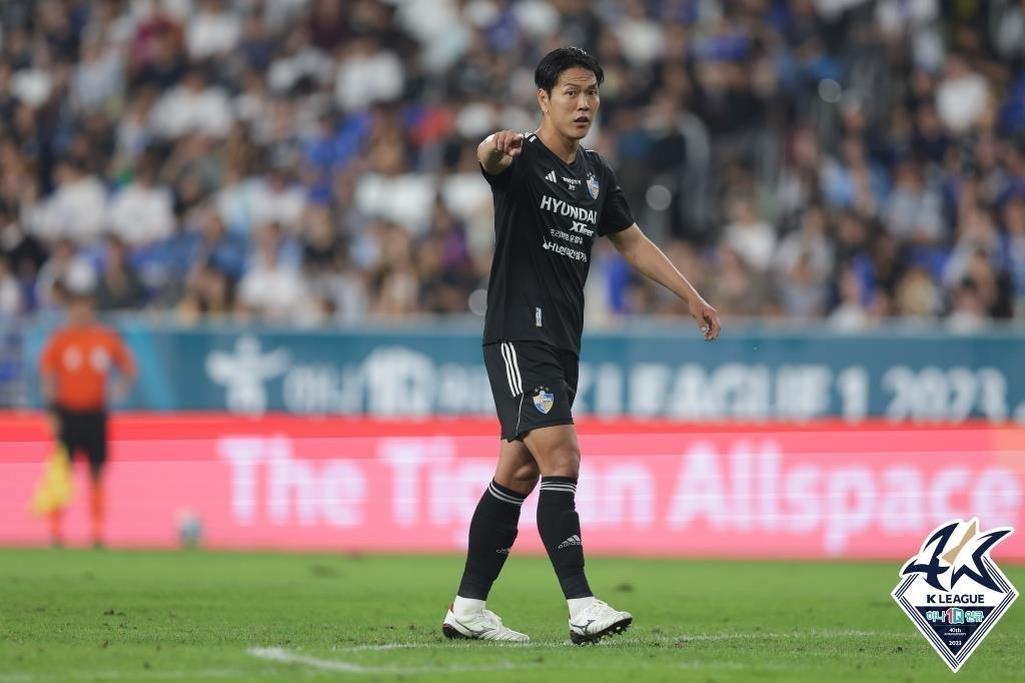
The 1998 World Cup and the Iconic Bandage Spirit
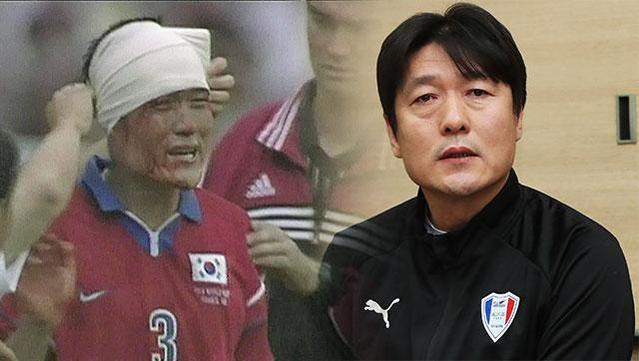
The defining moment of Lee's playing career occurred on the world's grandest stage during the 1998 FIFA World Cup in France. In a grueling group stage match against Belgium, Lee suffered a severe head laceration that bled profusely. Refusing to be substituted, he had his head tightly wrapped in thick bandages and returned to the pitch to continue fighting for his country. His blood-soaked bandage became an overnight symbol of South Korean 'tujeon' (fighting spirit) and remains one of the most iconic images in the nation's World Cup history.
Transition to Busan I'Cons and Retirement
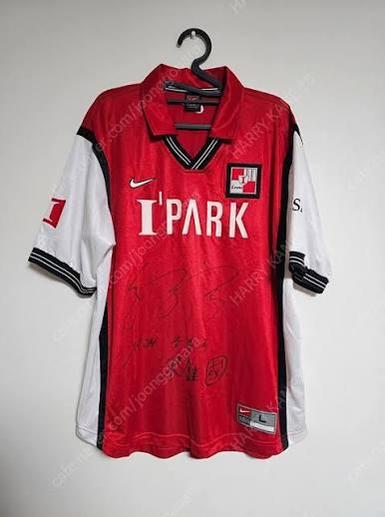
After nearly a decade of dedicated service to Bucheon SK, Lee transferred to the Busan I'Cons (now Busan IPark) in 2003 for the final chapter of his playing career. Though his physical pace had naturally declined, his veteran experience and leadership were highly valued in the dressing room. He helped guide younger defenders and provided stability to the team before officially hanging up his boots, concluding a highly respected domestic playing career that spanned over 200 professional club appearances.
Early Coaching Career and Apprenticeship
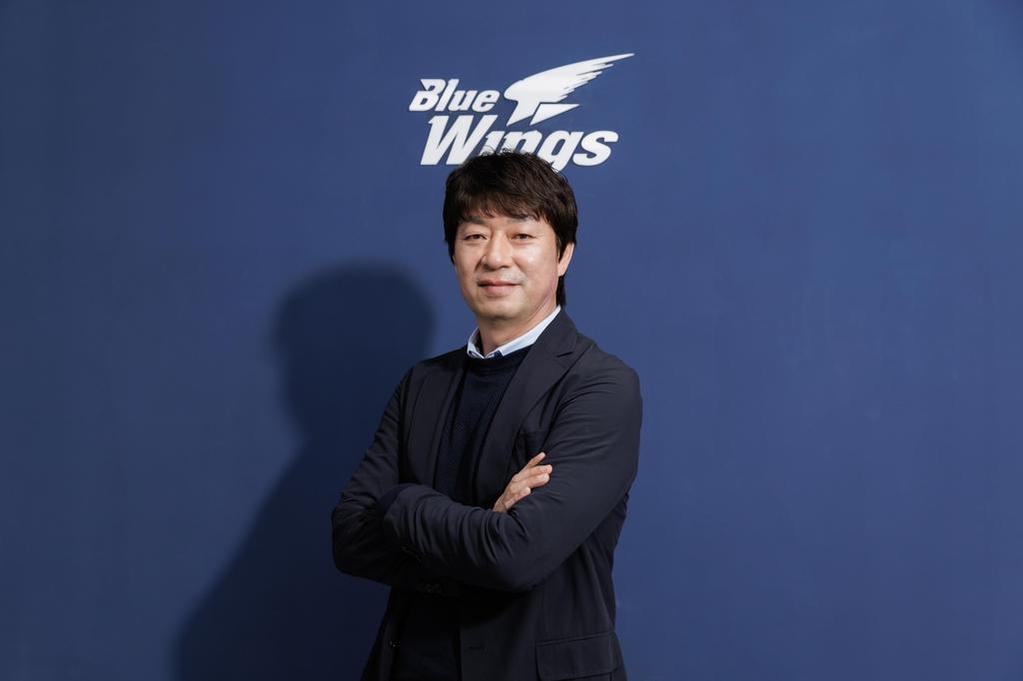
Immediately following his retirement, Lee committed himself to the coaching path. He began his apprenticeship as an assistant coach for the Suwon Samsung Bluewings, working under legendary manager Cha Bum-kun. During this period, Lee studied the nuances of squad rotation, player psychology, and match preparation within a high-pressure club environment. Learning from Cha, one of Asia's greatest football icons, allowed Lee to transition seamlessly from a player's mindset to that of a tactician and educator.
Taking the Reins at Home United
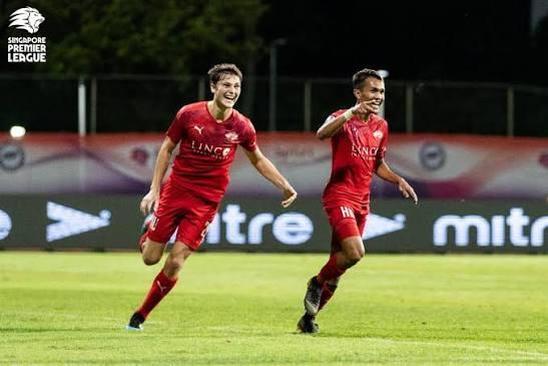
Seeking a head coaching role to implement his own tactical vision, Lee made the bold decision to move abroad, taking charge of Home United (now Lion City Sailors) in Singapore's S.League in 2010. His tenure in Singapore was highly successful, as he introduced a high level of tactical discipline and physical conditioning to the squad. Under his leadership, Home United became a dominant force, consistently finishing near the top of the league table and capturing multiple Singapore Cup titles.
Tactical Philosophy as a Manager
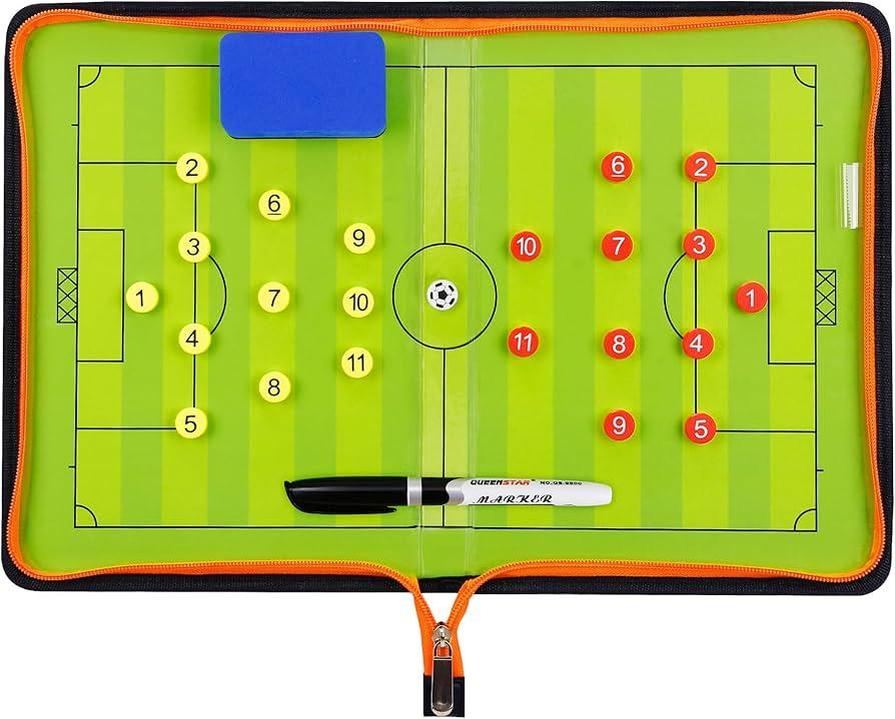
As a manager, Lee championed a balanced approach that emphasized strong defensive solidarity as the foundation for offensive transitions. Drawing from his playing days, he demanded high work rates, tactical discipline, and mental resilience from his players. While some critics occasionally labeled his style as overly pragmatic, his supporters pointed to his teams' organizational structure and their ability to secure crucial results in high-pressure cup finals and knockout tournaments.
Stints in Chinese Football
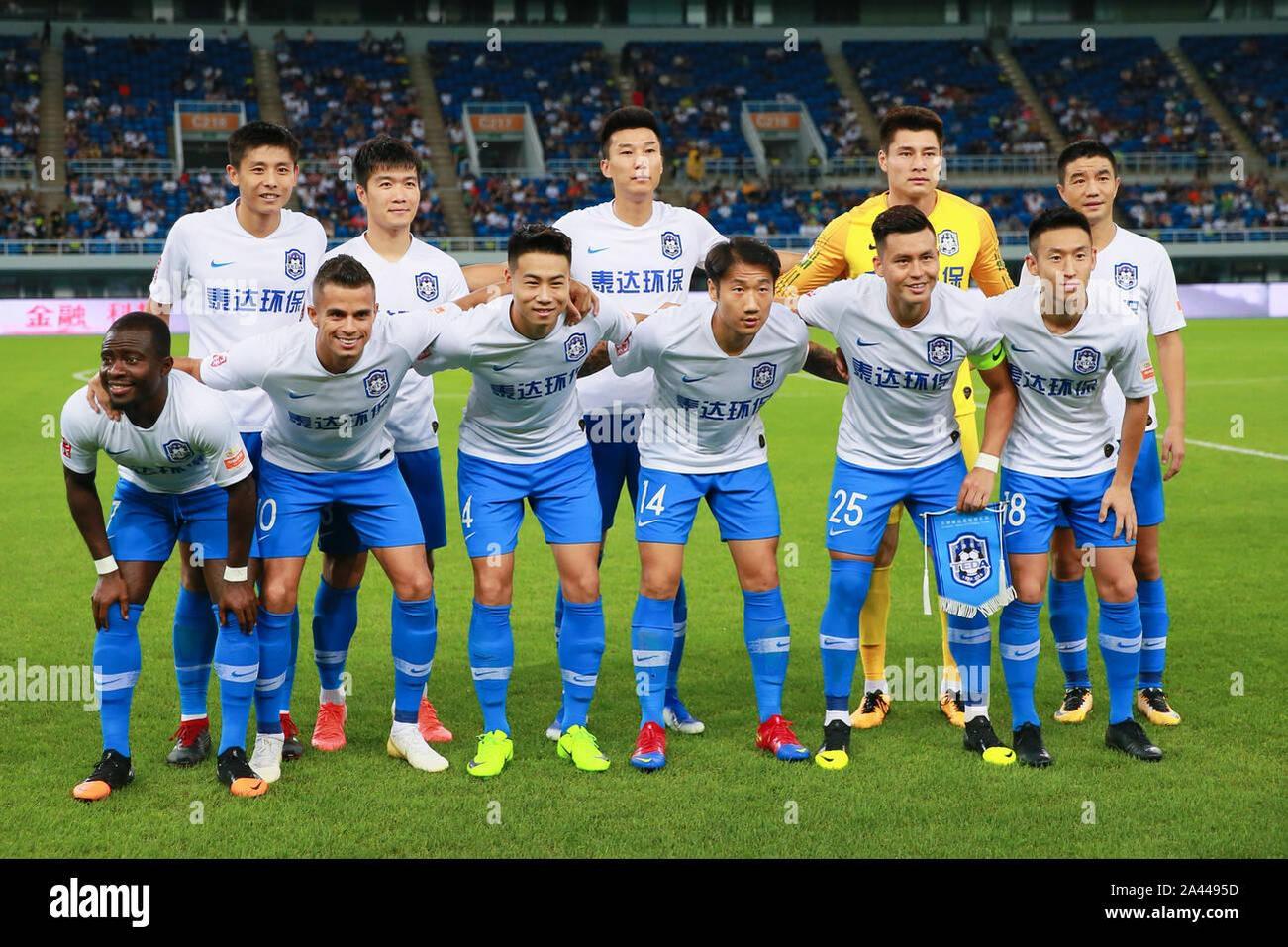
Following his successful spell in Singapore, Lee sought new challenges in the rapidly growing Chinese football market. He took coaching positions at clubs such as Shenzhen Ledman and Tianjin TEDA. Navigating the volatile and highly demanding Chinese football landscape, Lee adapted to different cultural dynamics and high-pressure expectations from corporate owners. While his time in China was marked by mixed results, it further expanded his international resume and deepened his understanding of football development across East Asia.
Return to Suwon Samsung Bluewings
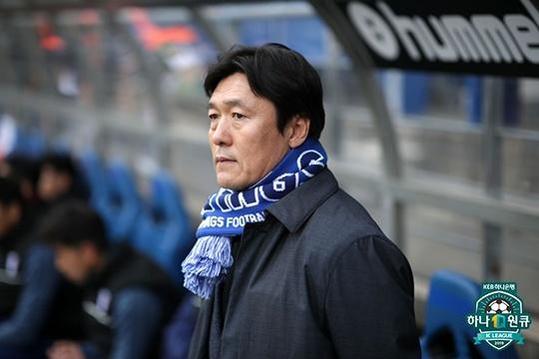
In late 2018, Lee made a highly anticipated return to South Korea when he was appointed head coach of his former club, Suwon Samsung Bluewings. Taking over one of the most supported yet financially strained clubs in the K League presented a massive challenge. Fans expected the team to compete for titles, but budget cuts meant Lee had to rely heavily on academy graduates and tactical ingenuity rather than expensive superstar signings.
The 2019 Korean FA Cup Triumph
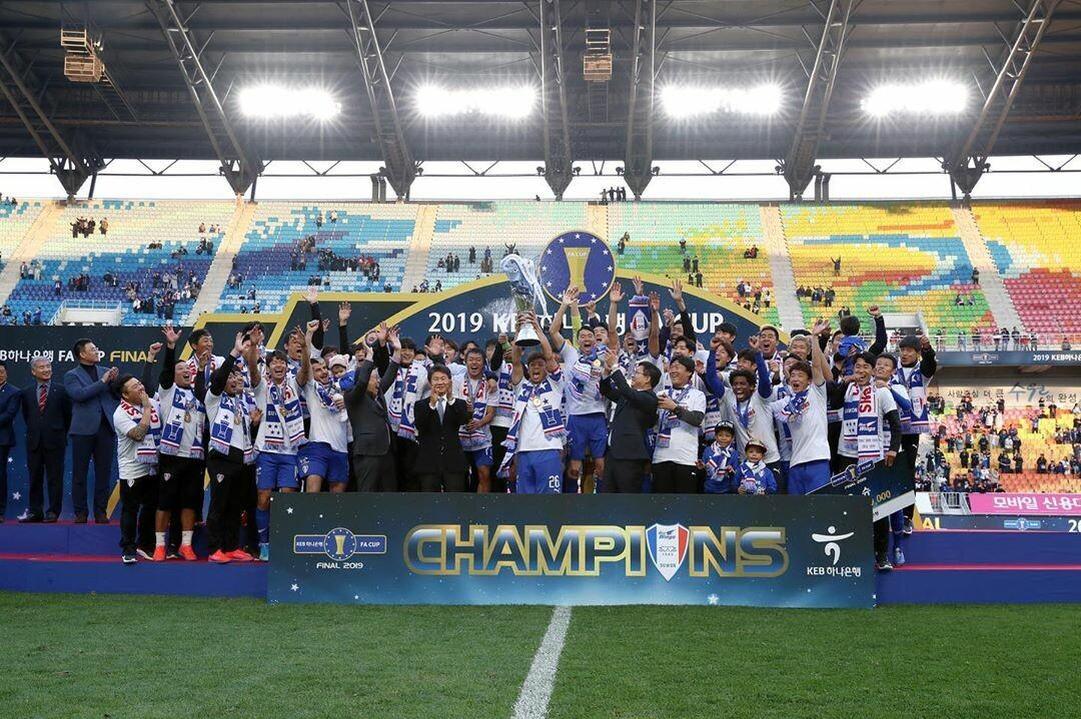
Despite struggles in the domestic league, Lee secured a major milestone by guiding Suwon Samsung Bluewings to victory in the 2019 Korean FA Cup. In a thrilling final against third-tier miracle side Daejeon Korail, Suwon delivered a dominant performance to claim the trophy. This victory not only brought silverware back to the club but also secured Suwon's qualification for the prestigious AFC Champions League, proving to be the absolute highlight of Lee's managerial tenure in Korea.
Tactical Criticisms and Resignation from Suwon
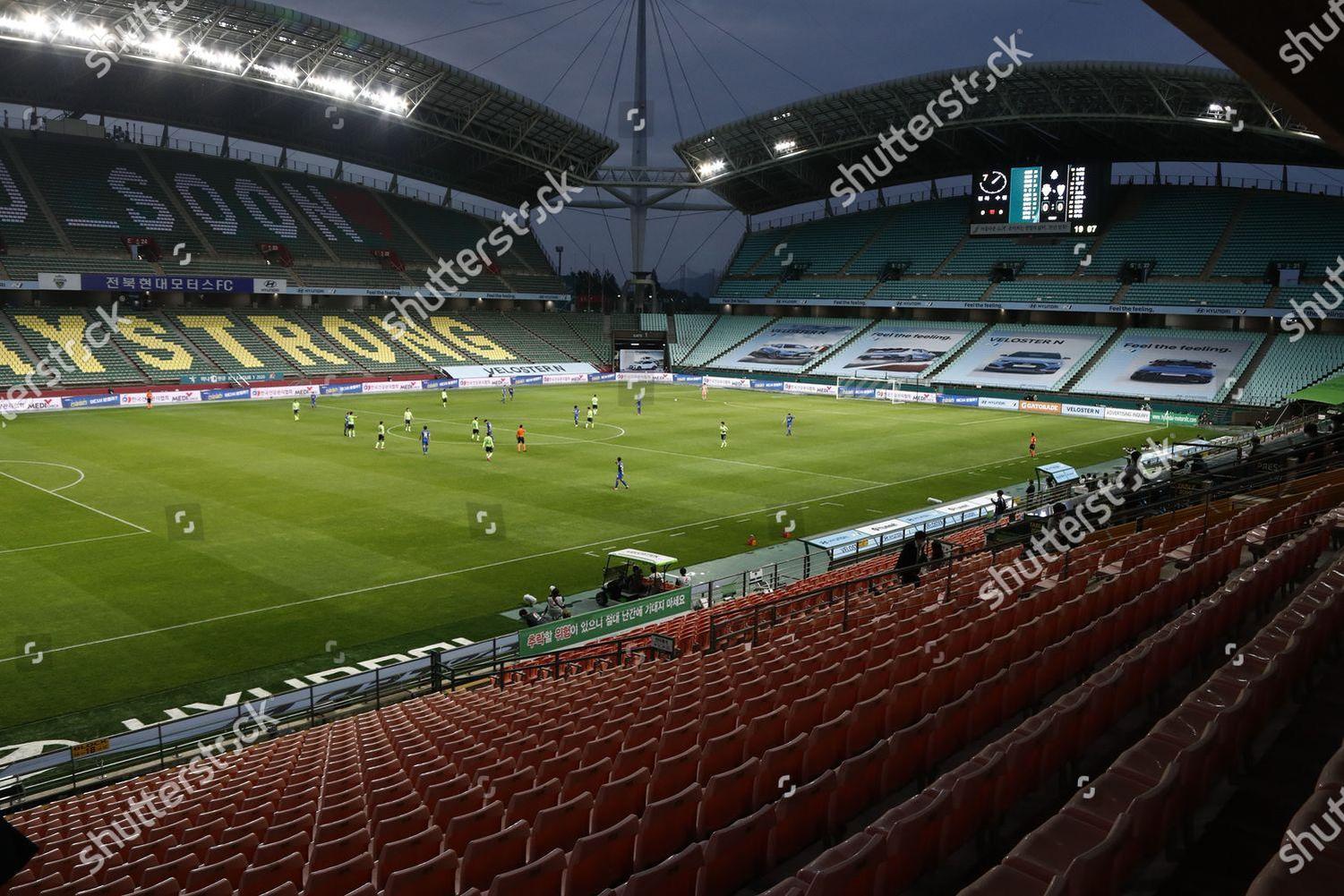
Despite the FA Cup success, the 2020 season brought severe challenges for Lee. Suwon struggled to find consistency in the K League, and fans grew increasingly frustrated with what they perceived as rigid tactics and a lack of clear offensive identity. As pressure mounted and results continued to decline, Lee made the difficult decision to resign from his post in July 2020, prioritizing the stability of the club and allowing a new coaching staff to step in to steer the team away from relegation danger.
Transition to Football Administration
After stepping away from club management, Lee transitioned into football administration, a move that would ultimately place him in some of the most powerful decision-making positions in South Korean sports. Recognizing his vast on-pitch experience and international coaching background, the Korea Football Association (KFA) appointed Lee to various technical roles, where he was tasked with overseeing tactical standards, coach education, and youth development pathways.
Contributions to Youth Development
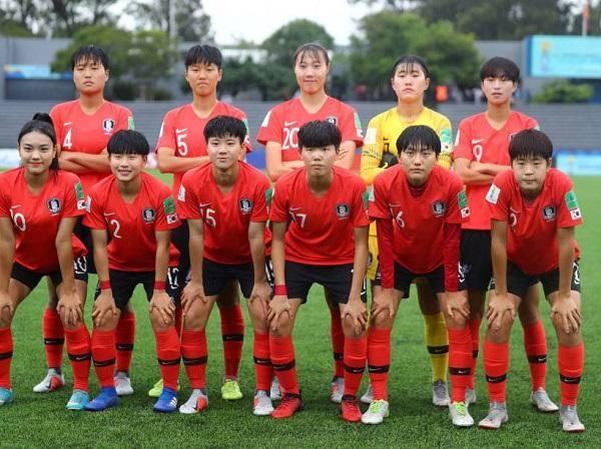
As an administrator, Lee focused extensively on modernizing the KFA's youth development curriculum. He advocated for a standardized tactical foundation across youth national teams, emphasizing technical proficiency and decision-making over pure physical dominance. His efforts aimed to bridge the gap between South Korean youth prospects and elite international standards, ensuring a continuous pipeline of talent for the senior national teams in the decades to come.
The 2024 National Team Manager Controversy
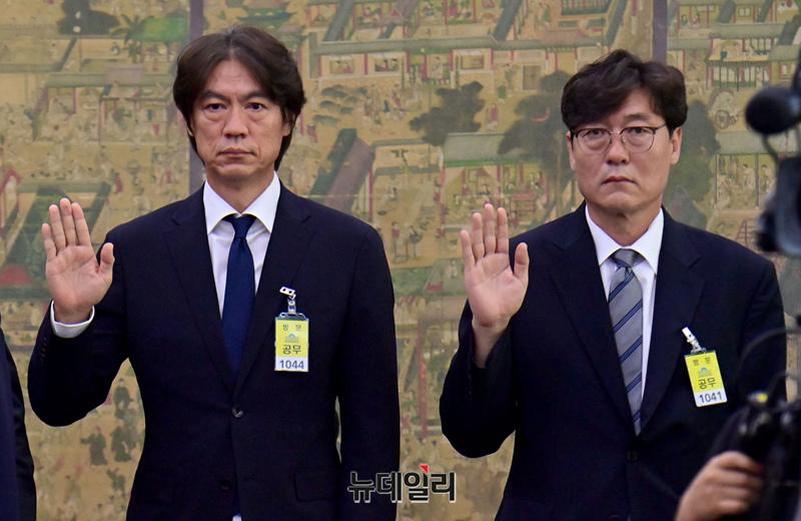
In 2024, Lee found himself at the epicenter of a massive national controversy in his role as the KFA's Technical Director. Following the dismissal of Jurgen Klinsmann, Lee was tasked with leading the search and selection committee for the new South Korean national team head coach. The process, which ultimately culminated in the appointment of domestic manager Hong Myung-bo, drew intense public backlash over allegations of a lack of transparency, procedural shortcuts, and a systemic bias against highly qualified foreign candidates.
Public Backlash and National Assembly Hearings
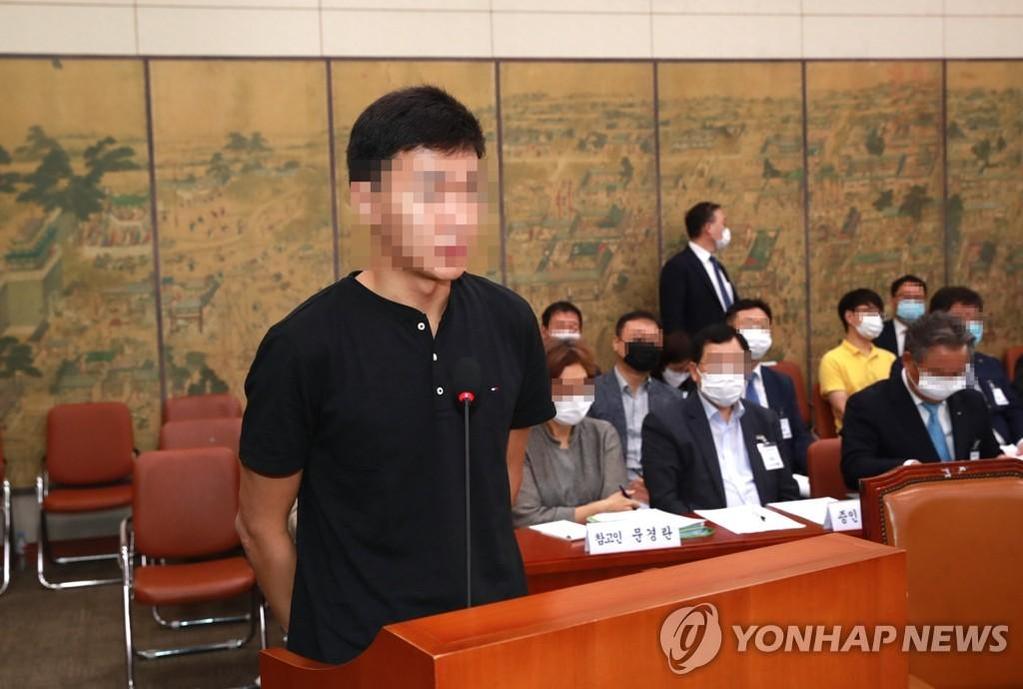
The controversy escalated to the point where the South Korean National Assembly intervened, launching official inquiries into the KFA's hiring practices. Lee, along with KFA President Chung Mong-gyu and manager Hong Myung-bo, was summoned to testify before a government committee. Under intense questioning from lawmakers and facing severe criticism from the football community and fan groups, a visibly emotional Lee defended the integrity of the selection process while acknowledging the immense pain and division the situation had caused among the public.
Dual Legacy: Hero vs. Bureaucrat
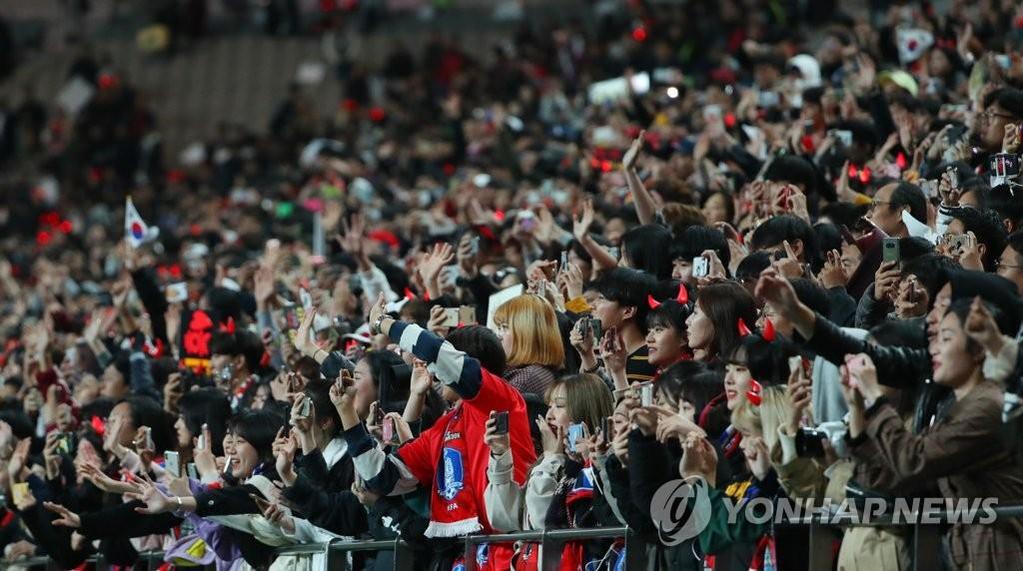
The events of 2024 have created a stark divide in how Lee Lim-saeng is viewed by the public. To older generations of fans, he remains the heroic, blood-tied defender who symbolized the ultimate patriotism and grit during the 1998 World Cup. To younger fans and modern critics, however, he has become a symbol of administrative opacity and the perceived institutional failures of the KFA. This dual legacy highlights the complex, high-stakes nature of sports leadership in South Korea.
Conclusion
Whether remembered for his legendary 'bandage spirit' on the pitch, his tactical achievements in Singapore and Suwon, or the administrative storms of his later career, Lee Lim-saeng's impact on South Korean football is undeniable. His journey reflects the rapid growth, professionalization, and subsequent growing pains of the sport in Korea. As the nation's football community continues to demand higher standards of transparency and performance, Lee's career will remain a vital case study in the evolution of athletic heroism and sports governance.
#Lee Lim-saeng#Korean Football#K League#1998 World Cup#Suwon Samsung Bluewings#Korea Football Association#KFA Controversy#Korean National Team Manager
Comments(0)
No comments yet. Be the first to share your thoughts!
Recommended Reads
 Kbeauty
Sep 22, 2026, 10:03 PM
Target Beauty Studio: How K-Beauty is Conquering the American Mass Market
On September 10, 2026, retail giant Target officially launched Target Beauty Stu...
 Skincare
Sep 21, 2026, 10:03 PM
How K-Beauty is Powering Global Ingredient Literacy and Redefining Skincare
In a major move for the global beauty industry, Korean-American cosmetics brand ...
 JayPark
Sep 20, 2026, 10:06 PM
Edmonds-Born K-Pop Pioneer Jay Park Set for Major Seattle Homecoming Concert
Edmonds-born K-pop and hip-hop pioneer Jay Park is returning to his roots for a ...
 BTS
BTSSep 19, 2026, 10:04 PM
The Triumph and Autonomy of BTS: Inside Their Historic 2026 Comeback and Bold Grammy Boycott
After a scheduled hiatus that began in late 2022, the global supergroup BTS has ...
 Fitness Gaming
Sep 3, 2026, 03:35 AM
VXROOM: Transforming Daily Workouts into Engaging Web-Based Motion Games
VXROOM (vxroom.com) is an innovative web-based int...
 Survival Show
Sep 1, 2026, 09:07 AM
Game of Blood X: The Evolution of Korea’s Fiercest Survival Reality Franchise
Wavve's hit original series Game of Blood ...