
로크Jun 25, 2026, 09:56 PM• 90664 views
John Locke: The Architect of Modern Liberalism and Empiricism
Introduction to John Locke
John Locke (1632–1704) stands as one of the most influential thinkers of the European Enlightenment, widely recognized as the 'Father of Liberalism.' His pioneering works in political philosophy and epistemology reshaped the intellectual landscape of the Western world. By challenging the divine right of kings and advocating for the natural rights of individuals, Locke laid the conceptual foundations for modern democratic governance, constitutionalism, and individual liberty. His ideas did not merely exist in the abstract; they actively fueled the flames of major political transformations, most notably the American and French Revolutions.
Early Life and Academic Foundations
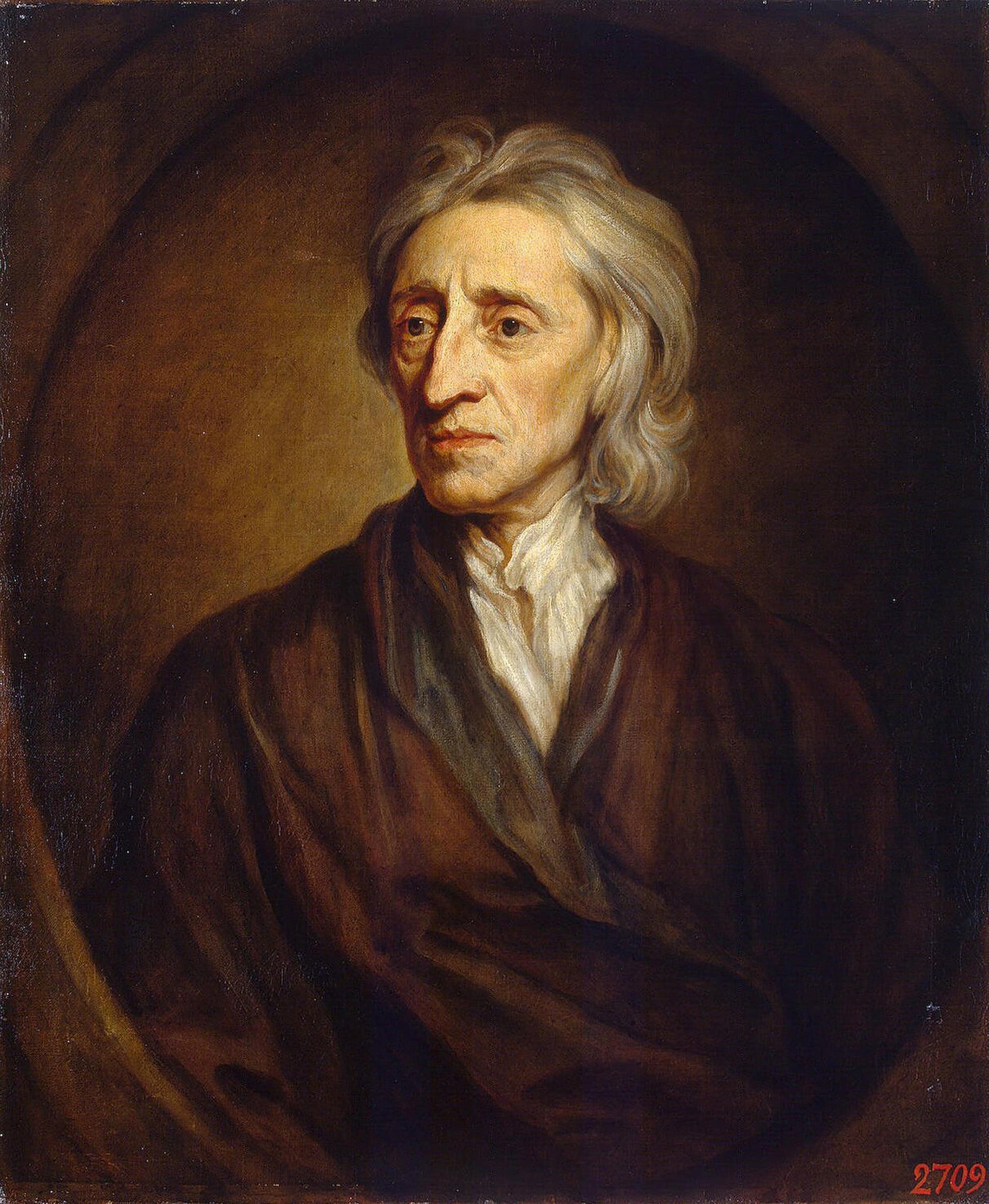
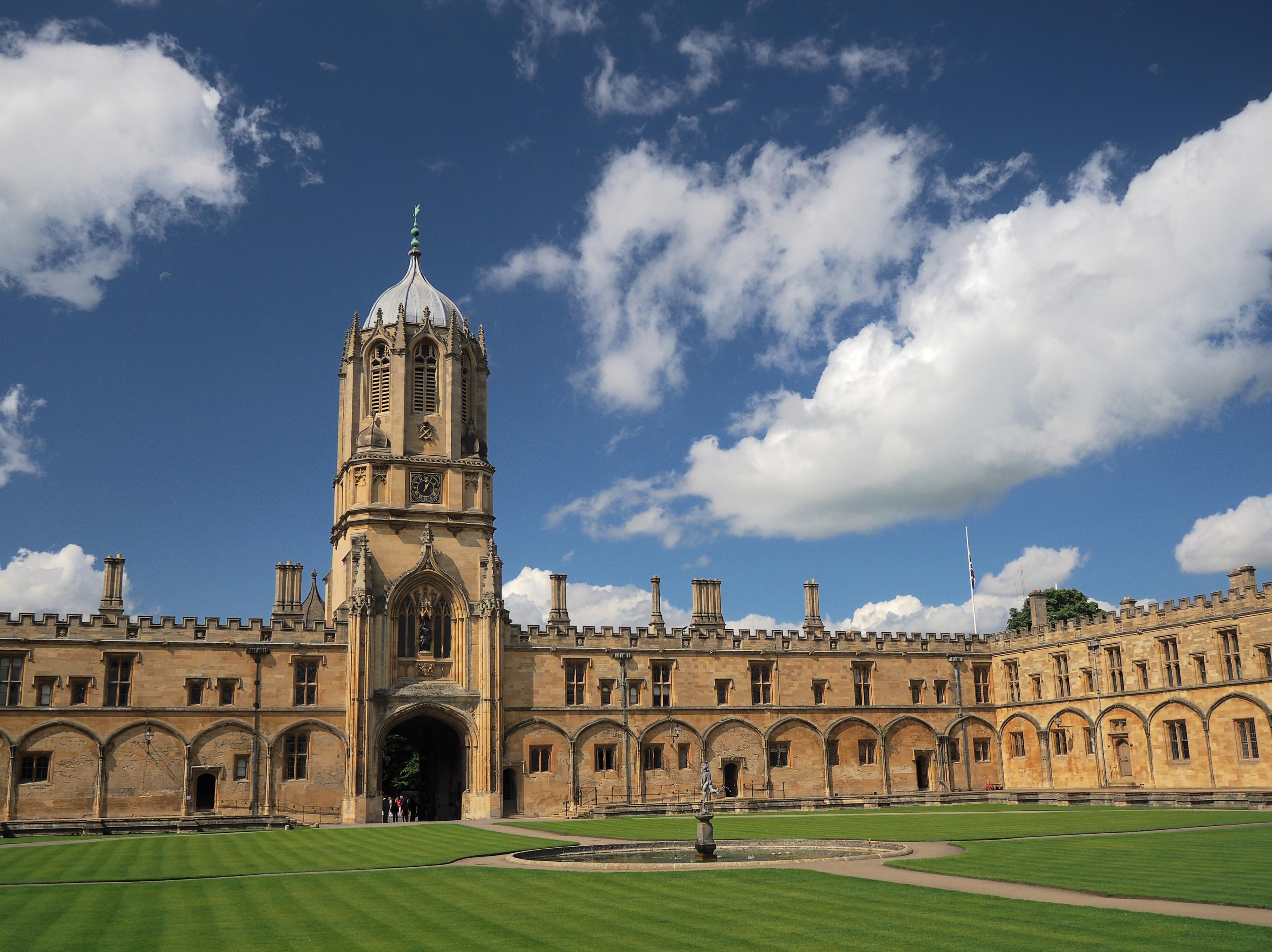
Born in Wrington, Somerset, England, in 1632, Locke grew up in a country fractured by the English Civil War. His father was a country lawyer and a military officer for the Parliamentarian forces, exposing Locke to anti-royalist sentiments from an early age. Locke received a prestigious education at Westminster School in London and later at Christ Church, Oxford. While at Oxford, he studied classical languages, logic, and metaphysics, though he grew increasingly frustrated with the traditional scholastic philosophy of the time, choosing instead to focus on medicine and natural philosophy.
The Influence of Lord Shaftesbury
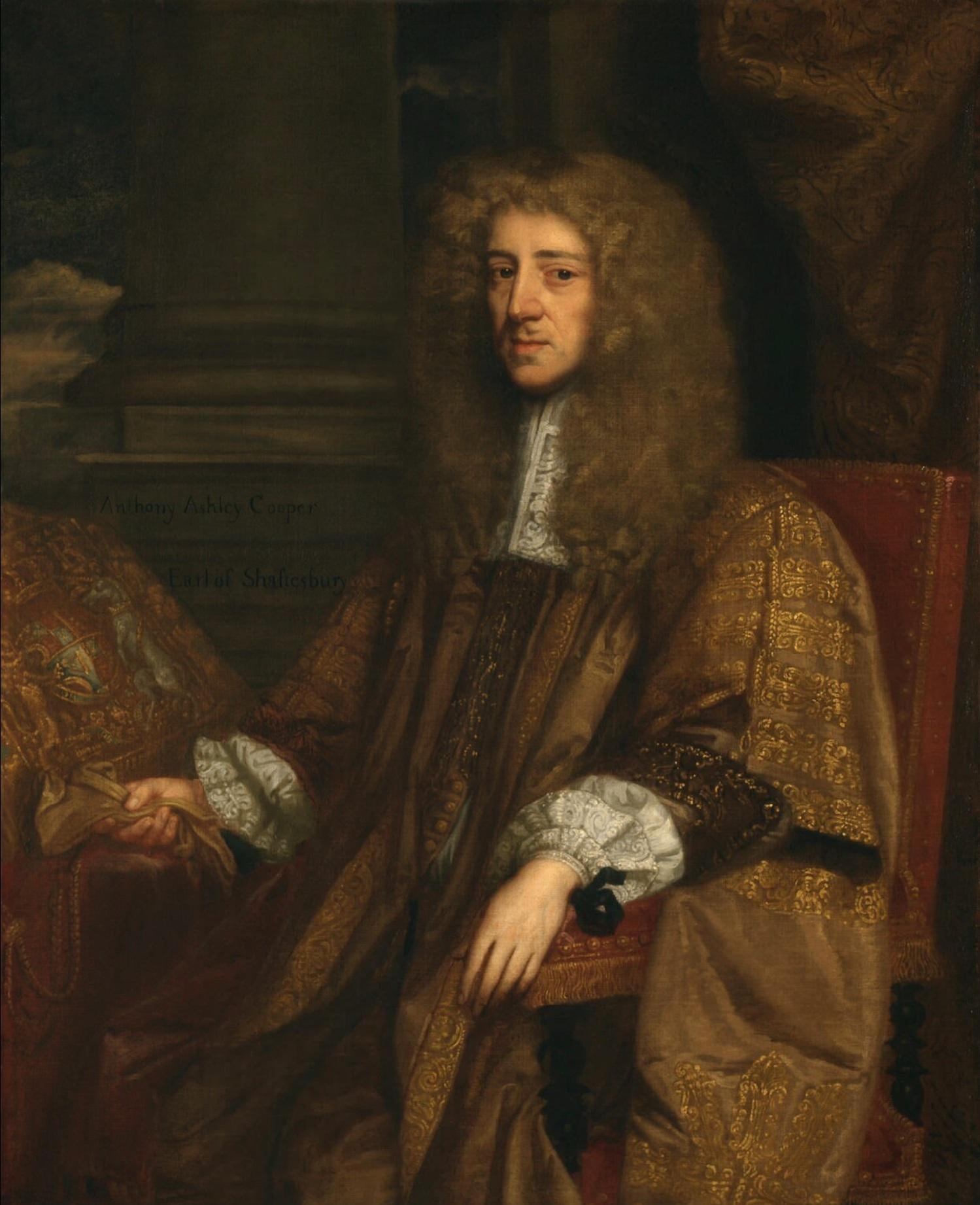
Locke's life changed dramatically in 1666 when he met Anthony Ashley Cooper, who would later become the First Earl of Shaftesbury. Shaftesbury, a prominent Whig politician, was a fierce advocate for constitutional monarchy and religious toleration. Locke became Shaftesbury's personal physician, advisor, and close friend. This relationship immersed Locke in the high-stakes world of English politics, exposing him to radical political discussions regarding the limits of royal authority and the rights of the governed, which profoundly shaped his later political writings.
The State of Nature and Human Equality
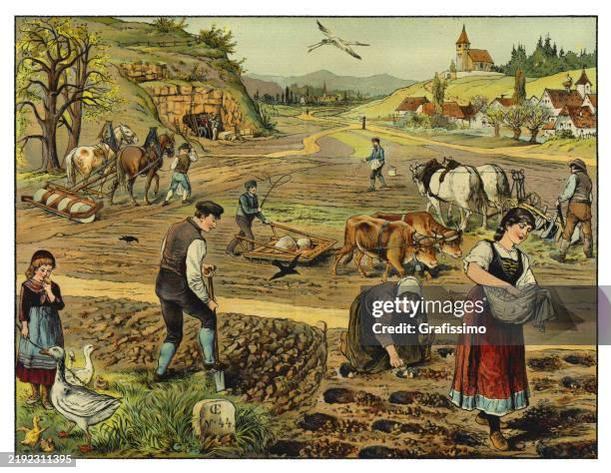
In his political masterpiece, 'Two Treatises of Government,' Locke began his analysis with the concept of the 'state of nature.' Unlike Thomas Hobbes, who viewed the state of nature as a brutal, chaotic war of all against all, Locke envisioned it as a state of relative peace and equality. He argued that in this pre-political state, all human beings are naturally free and equal, governed by a rational 'Law of Nature' which dictates that no one should harm another person in their life, health, liberty, or possessions.

The Labor Theory of Property
One of Locke's most enduring and debated contributions to political economy is his 'Labor Theory of Property.' He asserted that the earth and its resources were given to humanity in common. However, because each individual has an exclusive right to ownership over their own body and labor, any resource that a person extracts from nature and modifies through their physical effort becomes their private property. This act of mixing one's labor with the raw materials of nature justifies private ownership, provided there is 'enough, and as good, left in common for others.'
The Social Contract and Civil Society
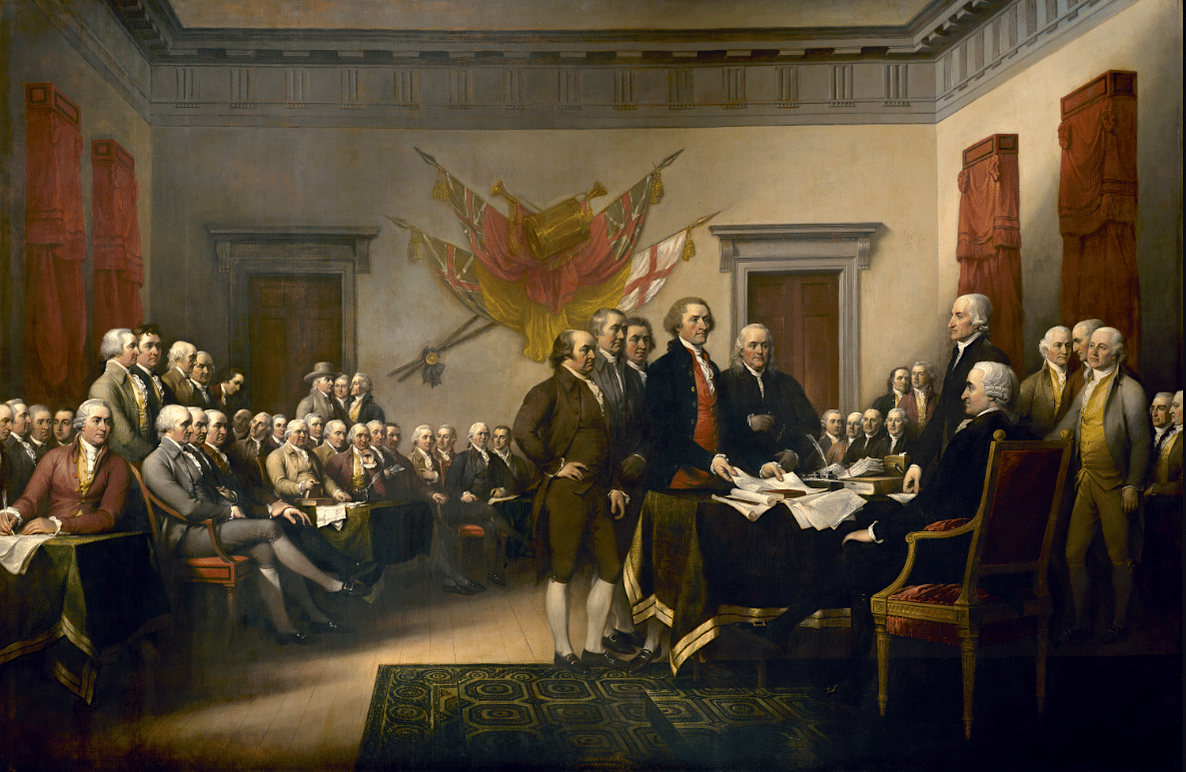
While Locke believed the state of nature was generally peaceful, he acknowledged that it possessed distinct inconveniences, such as the lack of impartial judges to resolve disputes. To escape these uncertainties, individuals collectively agree to enter into a 'social contract.' Through this mutual covenant, people surrender a portion of their natural executive power to a central authority. In exchange, this newly formed civil government assumes the sole responsibility of protecting the natural rights of all citizens—specifically their lives, liberties, and estates.
The Consent of the Governed
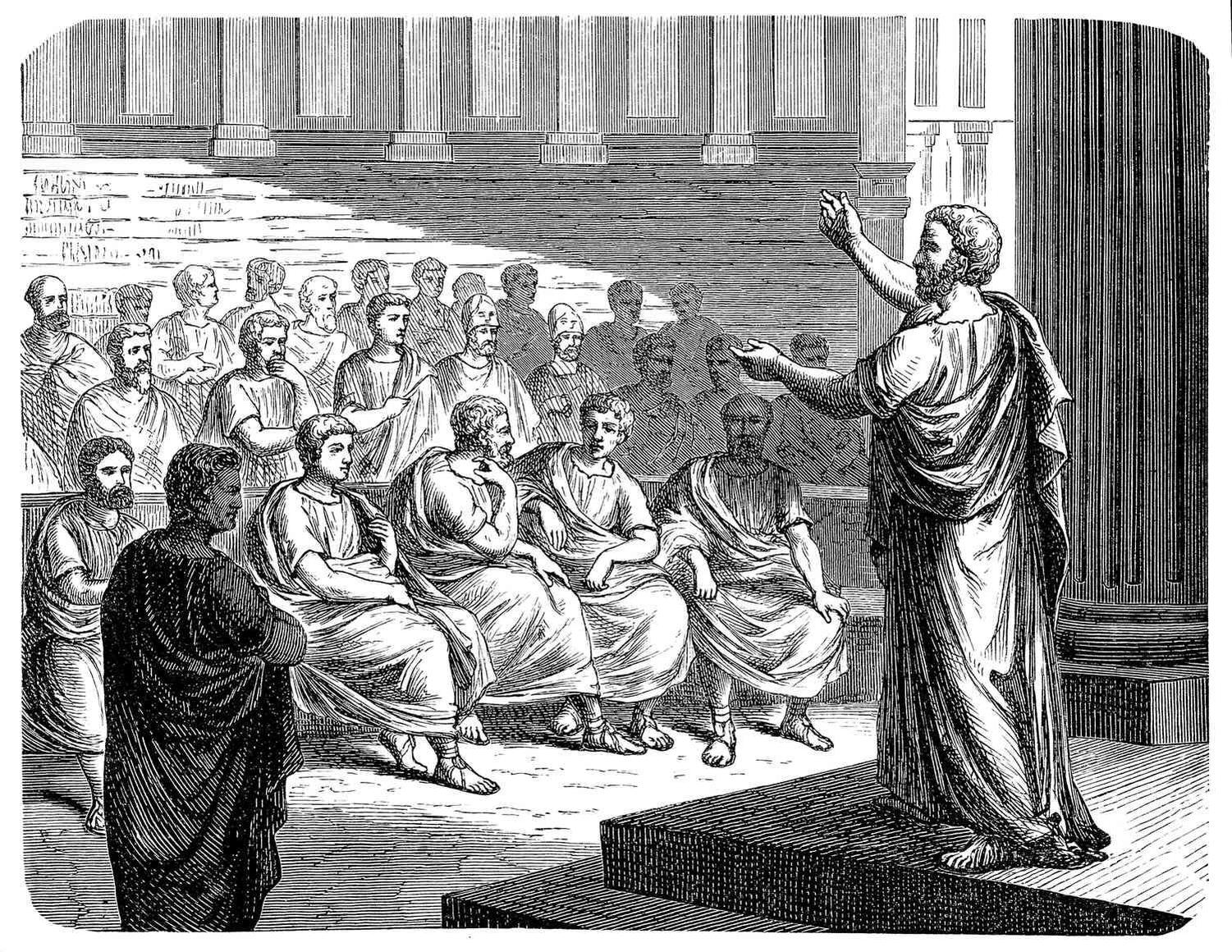
Locke pioneered the principle that a government's legitimacy is derived solely from the 'consent of the governed.' Unlike absolute monarchies that claimed authority through divine right, a Lockean government is a trust created by the people, for the people. If a ruler governs without popular consent, or exercises power arbitrarily, they violate the foundational contract. This concept fundamentally shifted the relationship between rulers and citizens, transforming the latter from passive subjects into active stakeholders in the commonwealth.
The Right to Revolution
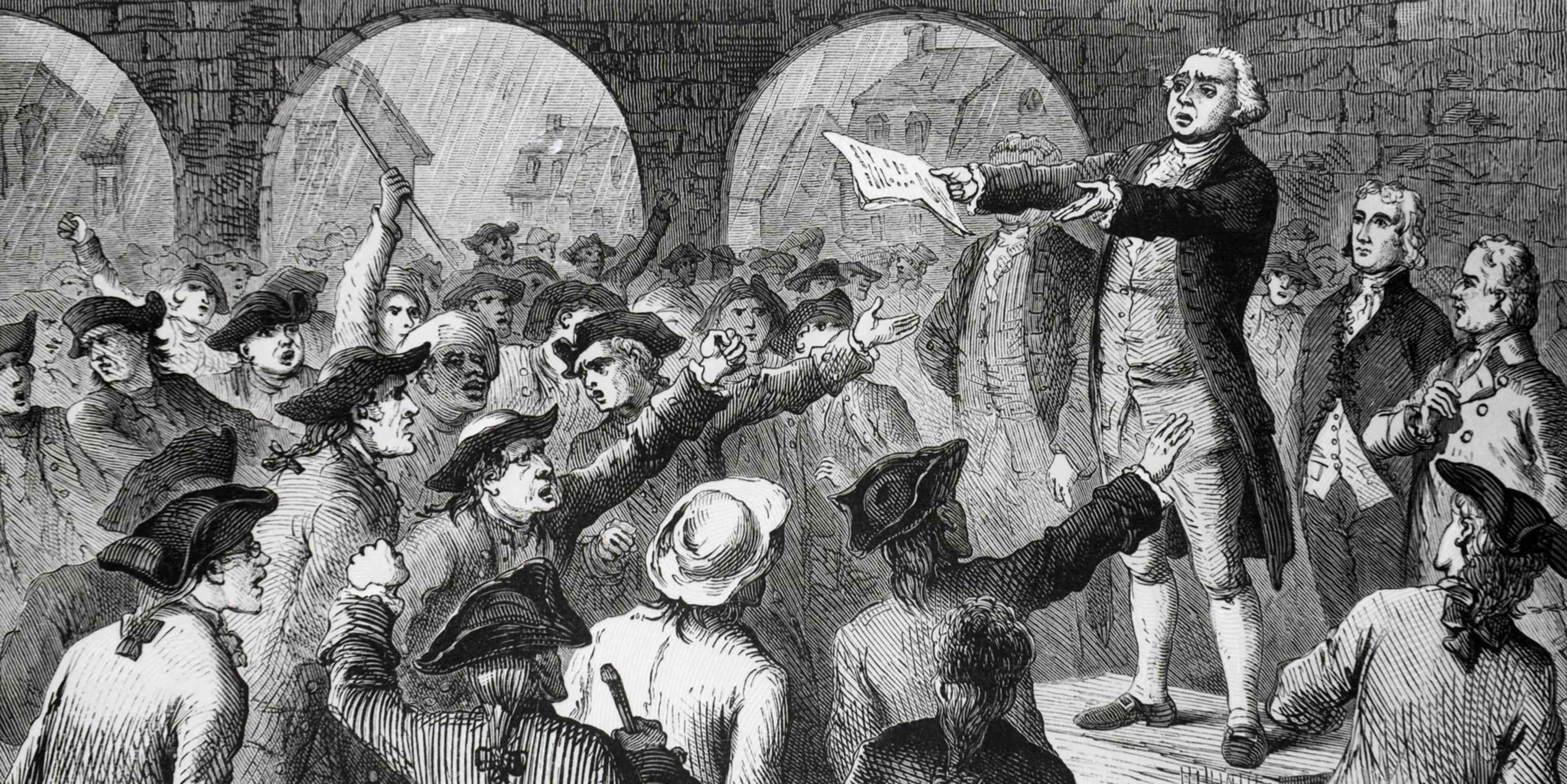
Perhaps the most radical element of Locke's political philosophy was his justification of the 'right to revolution.' He argued that when a government systematically abuses its power, breaches the trust of the social contract, and actively encroaches upon the life, liberty, and property of its citizens, it enters a state of war with the people. Under these tyrannical conditions, the government forfeits its authority, and the citizens retain the moral right and obligation to resist, overthrow the corrupt regime, and establish a new legislative power.
Epistemology: Rejecting Innate Ideas
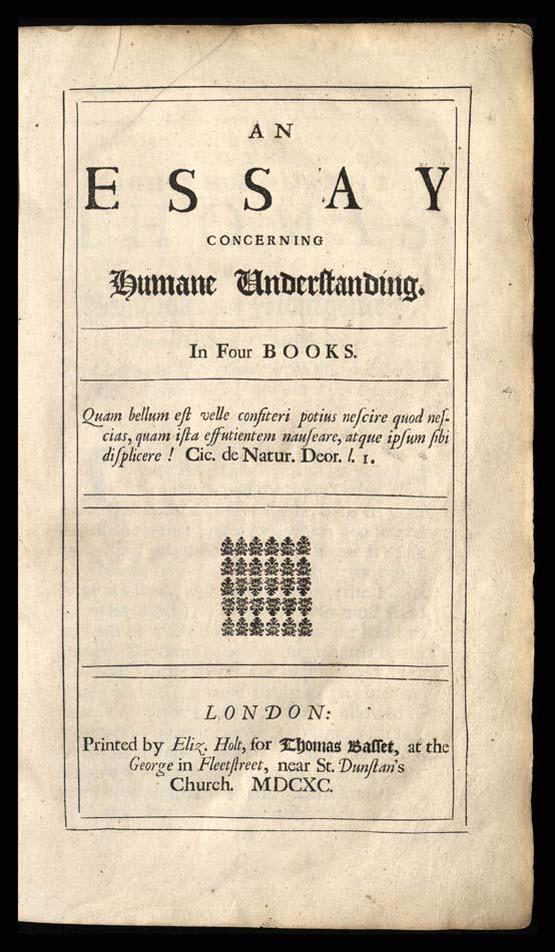
In his ground-breaking epistemological work, 'An Essay Concerning Human Understanding' (1689), Locke turned his attention to the limits of human knowledge. He vigorously attacked the prevailing Cartesian doctrine of 'innate ideas'—the belief that humans are born with pre-existing concepts, such as the idea of God or basic mathematical truths. Locke argued that there is no evidence that infants or intellectually disabled individuals possess these ideas, asserting instead that all of our knowledge is constructed gradually after birth.
The Concept of Tabula Rasa
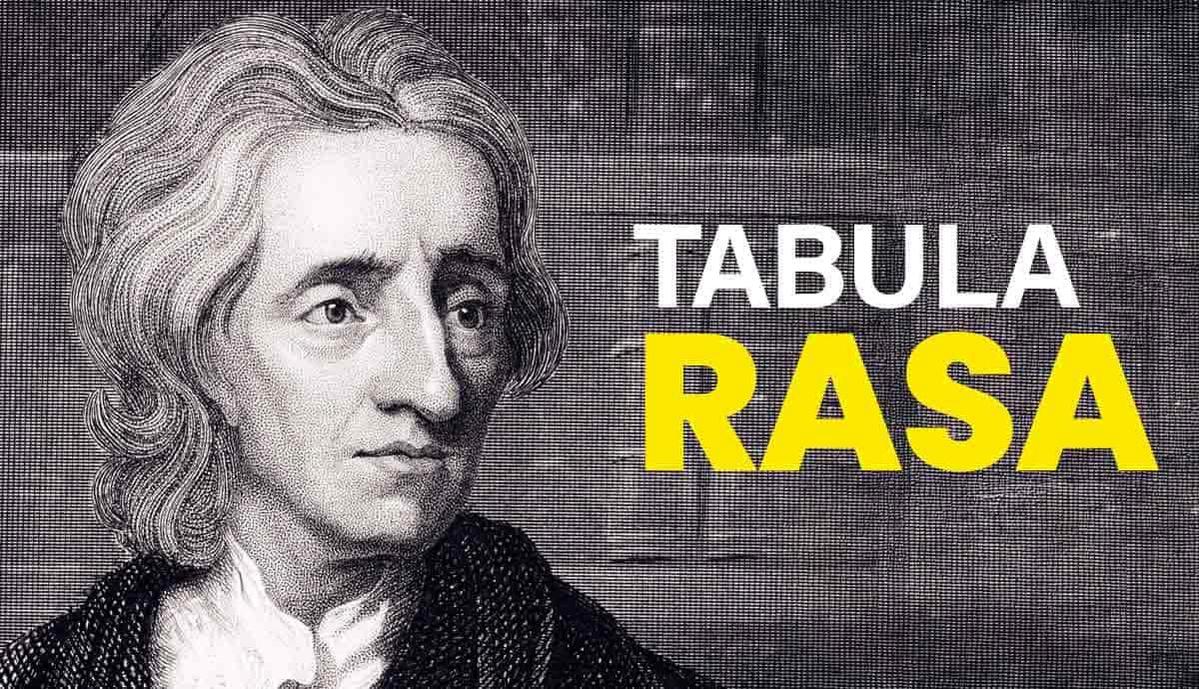
To replace the theory of innate ideas, Locke introduced the famous metaphor of the mind as a 'tabula rasa,' or a blank slate. He argued that at birth, the human mind is completely devoid of characters, ideas, or knowledge. It is only through lived experience, sensory perception, and internal reflection that the mind is gradually populated with ideas. This empiricist view emphasized that human beings are highly malleable and shaped almost entirely by their environments, education, and experiences.
Sensation and Reflection
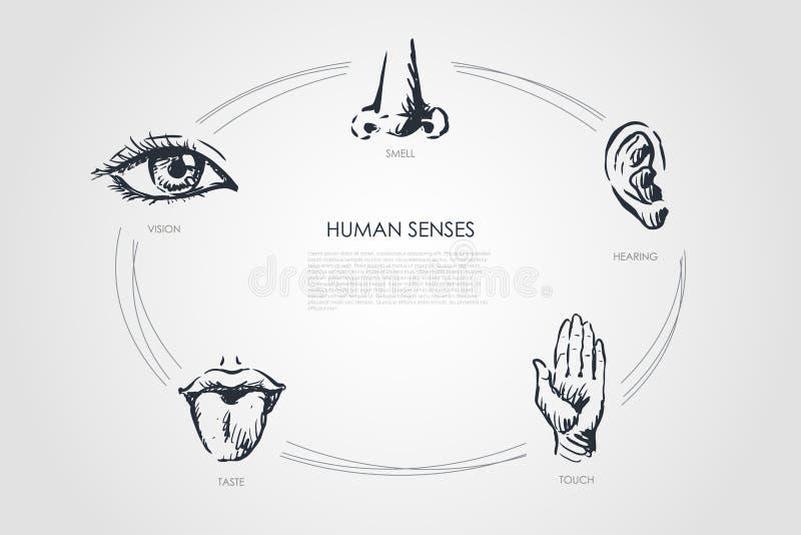
Locke identified two primary sources of all human ideas: sensation and reflection. Sensation occurs when our external sense organs—sight, hearing, touch, taste, and smell—transmit information about the physical world into the mind. Reflection, on the other hand, is the internal operation of the mind, wherein it contemplates, compares, and reasons about the ideas it has already acquired through sensation. Together, sensation and reflection form the raw materials of all human thought.
Primary and Secondary Qualities
Within his empiricist framework, Locke made a crucial distinction between 'primary' and 'secondary' qualities of objects. Primary qualities are inherent to the object itself and exist independently of any observer; these include properties like extension, figure, motion, number, and solidity. Secondary qualities, however, are not actually in the object but are powers within the object to produce sensations in us, such as color, sound, taste, and smell. This distinction was vital to early modern scientific inquiry and the development of physics.

A Letter Concerning Toleration
In the wake of decades of brutal sectarian violence following the Protestant Reformation, Locke penned 'A Letter Concerning Toleration' (1689). He argued passionately that the state should not enforce religious conformity. Locke asserted that belief is an internal conviction that cannot be coerced by physical force or state decree. Attempting to force citizens into outward religious conformity only breeds hypocrisy and civil unrest, rather than genuine faith, which must always remain a matter of individual conscience.
The Separation of Church and State
In 'A Letter Concerning Toleration,' Locke also formulated one of the earliest and most systematic arguments for the separation of church and state. He declared that the civil magistrate's duty is strictly confined to protecting 'civil interests'—such as life, liberty, and material wealth—using secular laws and force when necessary. Conversely, the care of souls is a purely spiritual matter that belongs to religious communities. Because the spheres of government and religion serve entirely different purposes, they must remain separate and distinct.

Philosophy of Education
In 'Some Thoughts Concerning Education' (1693), Locke applied his psychological theories of the blank slate to pedagogy. He argued that early childhood education is of paramount importance because young minds are highly impressionable. Locke rejected the rote memorization and harsh physical punishments characteristic of medieval schooling. Instead, he advocated for a holistic approach that emphasized physical health, character building, practical life skills, and fostering a child's natural curiosity and reason.

The Association of Ideas
In later editions of his 'Essay Concerning Human Understanding,' Locke introduced the concept of the 'association of ideas.' He warned that when ideas are repeatedly coupled together in childhood, whether logically connected or not, they become permanently linked in the human mind. This psychological phenomenon explains why humans often harbor irrational fears, deep-seated superstitions, and cultural prejudices. Locke believed that recognizing these false associations was the first step toward achieving intellectual autonomy and rational thinking.
Impact on the American Revolution
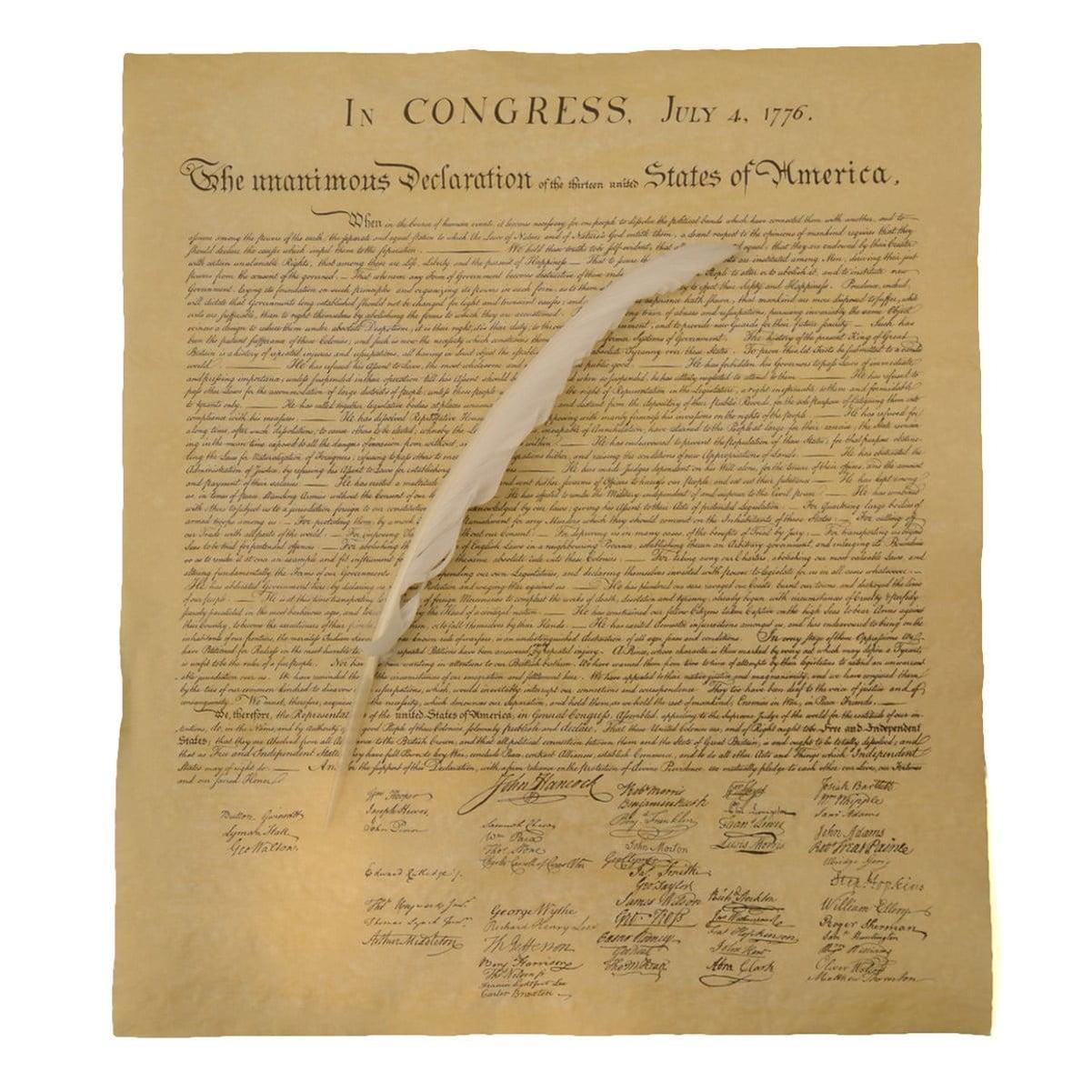
Locke's political philosophy had a profound and direct impact on the American Founding Fathers. When Thomas Jefferson drafted the United States Declaration of Independence in 1776, he borrowed Locke's core concepts of natural rights almost verbatim, famously asserting that all men are endowed with the unalienable rights to 'Life, Liberty and the pursuit of Happiness' (modifying Locke's 'Life, Liberty, and Property'). Locke's arguments for the consent of the governed and the right to overthrow tyrannical rulers served as the intellectual blueprint for the American colonists' break from Great Britain.
Influence on French Enlightenment Thinkers
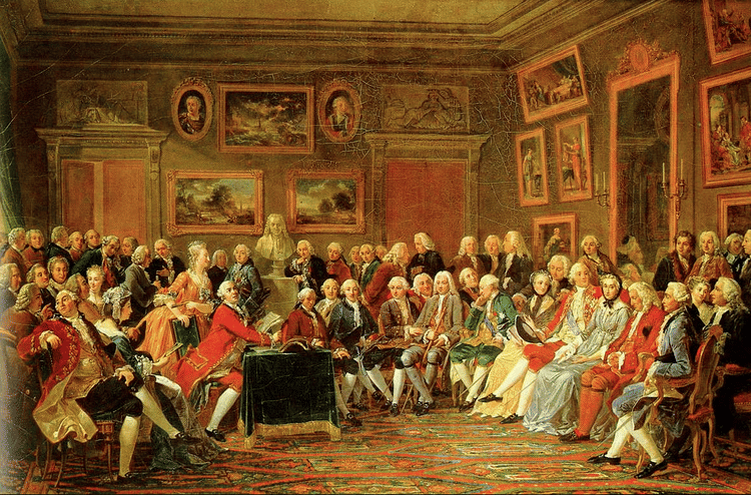
Beyond the English-speaking world, Locke's philosophy crossed the English Channel and profoundly influenced the French Enlightenment. Thinkers like Voltaire popularized Locke's empiricism and religious tolerance in France, contrasting it favorably with French royal absolutism. Montesquieu built upon Locke's ideas to formulate his famous theory of the separation of powers within government, while Jean-Jacques Rousseau expanded the concept of the social contract, cementing Locke's legacy as a foundational pillar of European continental philosophy.
Controversies and Contradictions
While Locke is celebrated for his progressive defense of liberty and equality, modern scholars also point out significant contradictions in his life and work. Despite championing universal natural rights, Locke was a major investor in the Royal African Company, which was deeply involved in the transatlantic slave trade. Furthermore, his labor theory of property was frequently utilized by European colonizers to justify the dispossession of Native American lands, arguing that indigenous peoples had not 'improved' the land through agricultural labor in the European sense.

Conclusion and Enduring Relevance
John Locke's legacy remains vibrantly alive in the modern world. His foundational principles of limited government, individual rights, religious toleration, and the rule of law continue to serve as the bedrock of contemporary liberal democracies. Meanwhile, his empiricist philosophy continues to guide scientific inquiry and cognitive science. By shifting the focus of politics to the welfare of the citizen, and the focus of knowledge to sensory evidence, Locke permanently steered human history toward a path of rationalism, liberty, and progress.
#John Locke#Enlightenment#Social Contract Theory#Tabula Rasa#Empiricism#Father of Liberalism#Political Philosophy#Classical Liberalism#Two Treatises of Government
Comments(0)
No comments yet. Be the first to share your thoughts!
Recommended Reads
 Kbeauty
Sep 22, 2026, 10:03 PM
Target Beauty Studio: How K-Beauty is Conquering the American Mass Market
On September 10, 2026, retail giant Target officially launched Target Beauty Stu...
 Skincare
Sep 21, 2026, 10:03 PM
How K-Beauty is Powering Global Ingredient Literacy and Redefining Skincare
In a major move for the global beauty industry, Korean-American cosmetics brand ...
 JayPark
Sep 20, 2026, 10:06 PM
Edmonds-Born K-Pop Pioneer Jay Park Set for Major Seattle Homecoming Concert
Edmonds-born K-pop and hip-hop pioneer Jay Park is returning to his roots for a ...
 BTS
BTSSep 19, 2026, 10:04 PM
The Triumph and Autonomy of BTS: Inside Their Historic 2026 Comeback and Bold Grammy Boycott
After a scheduled hiatus that began in late 2022, the global supergroup BTS has ...
 Fitness Gaming
Sep 3, 2026, 03:35 AM
VXROOM: Transforming Daily Workouts into Engaging Web-Based Motion Games
VXROOM (vxroom.com) is an innovative web-based int...
 Survival Show
Sep 1, 2026, 09:07 AM
Game of Blood X: The Evolution of Korea’s Fiercest Survival Reality Franchise
Wavve's hit original series Game of Blood ...