
월드컵Jun 25, 2026, 07:48 PM• 90646 views
The FIFA World Cup: A Comprehensive Analysis of Football's Ultimate Global Spectacle
Introduction to the FIFA World Cup
The FIFA World Cup stands as the pinnacle of international association football, captivating billions of viewers every four years. Organized by the Fédération Internationale de Football Association (FIFA), this premier championship determines the world champion of the sport. Since its inception, the tournament has transcended mere athletic competition to become a profound cultural phenomenon, uniting diverse populations under a shared passion for the beautiful game.
Historical Origins and the First Tournament in 1930
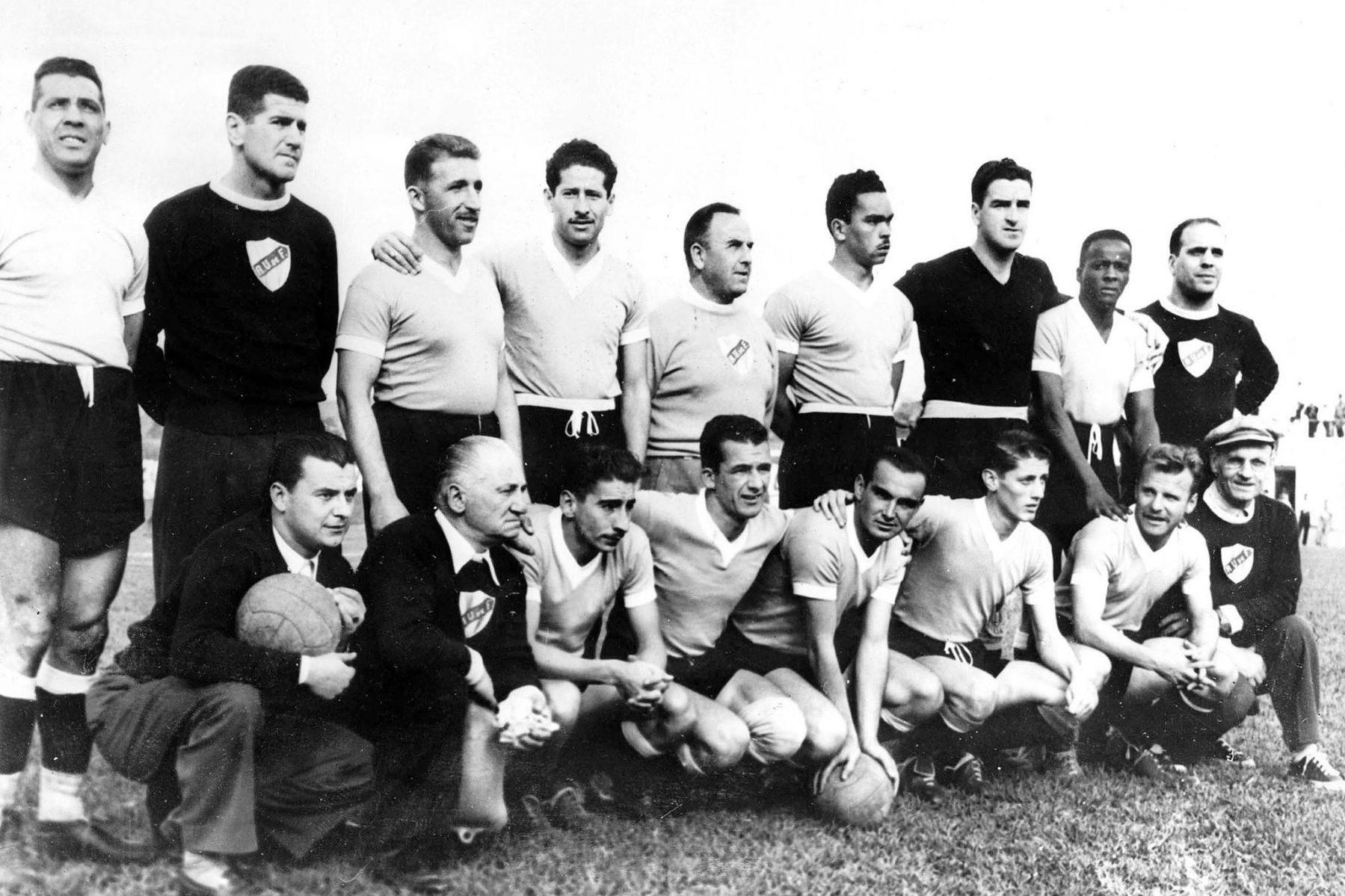
The concept of a global football championship was championed by FIFA's third president, Jules Rimet, during the late 1920s. In 1930, Uruguay was selected as the host country for the inaugural tournament, coinciding with the centenary of its first constitution. Despite travel difficulties for European nations, thirteen teams gathered in Montevideo. Uruguay emerged victorious, defeating Argentina in the final, laying the foundation for a legendary sporting tradition.
The Jules Rimet Trophy Era
The original prize awarded to the tournament winners was named the Jules Rimet Trophy in honor of the FIFA president who helped establish the tournament. Representing Nike, the Greek goddess of victory, this gold-plated sterling silver trophy was contested until 1970. Under FIFA rules, Brazil earned the right to keep the trophy permanently after winning their third championship in 1970, necessitating the creation of a new design.

Post-WWII Resurgence and Global Expansion
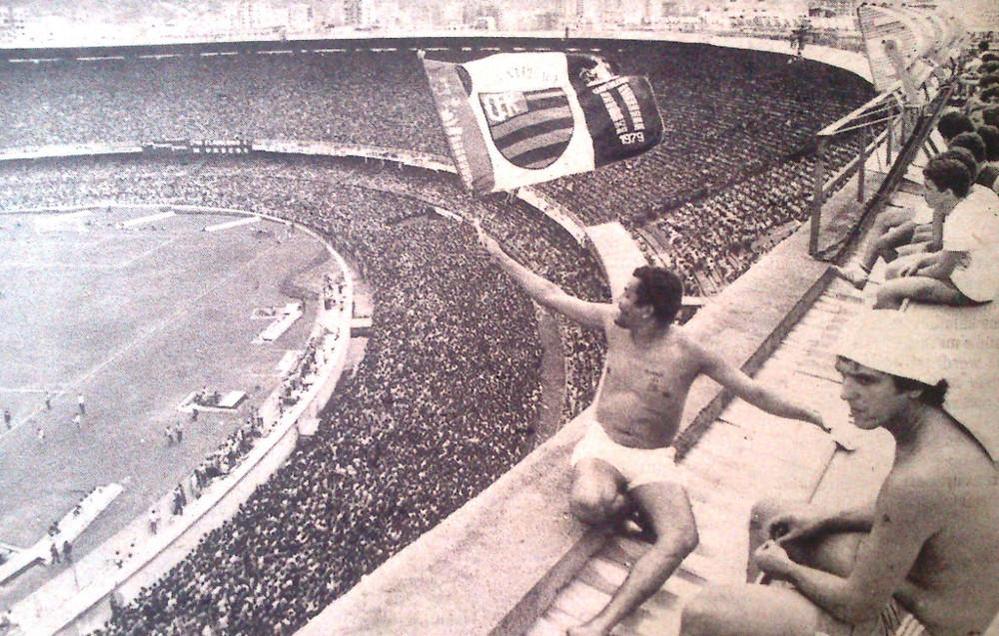
Following a twelve-year hiatus caused by the devastation of World War II, the World Cup returned in 1950, hosted by Brazil. This tournament witnessed the dramatic 'Maracanazo,' where Uruguay shocked the host nation in the final match. The post-war era marked a massive expansion in the tournament's popularity, as transcontinental travel became more accessible, allowing broader participation from nations across Africa, Asia, and North America.
The Rise of Brazil and Pelé's Legacy
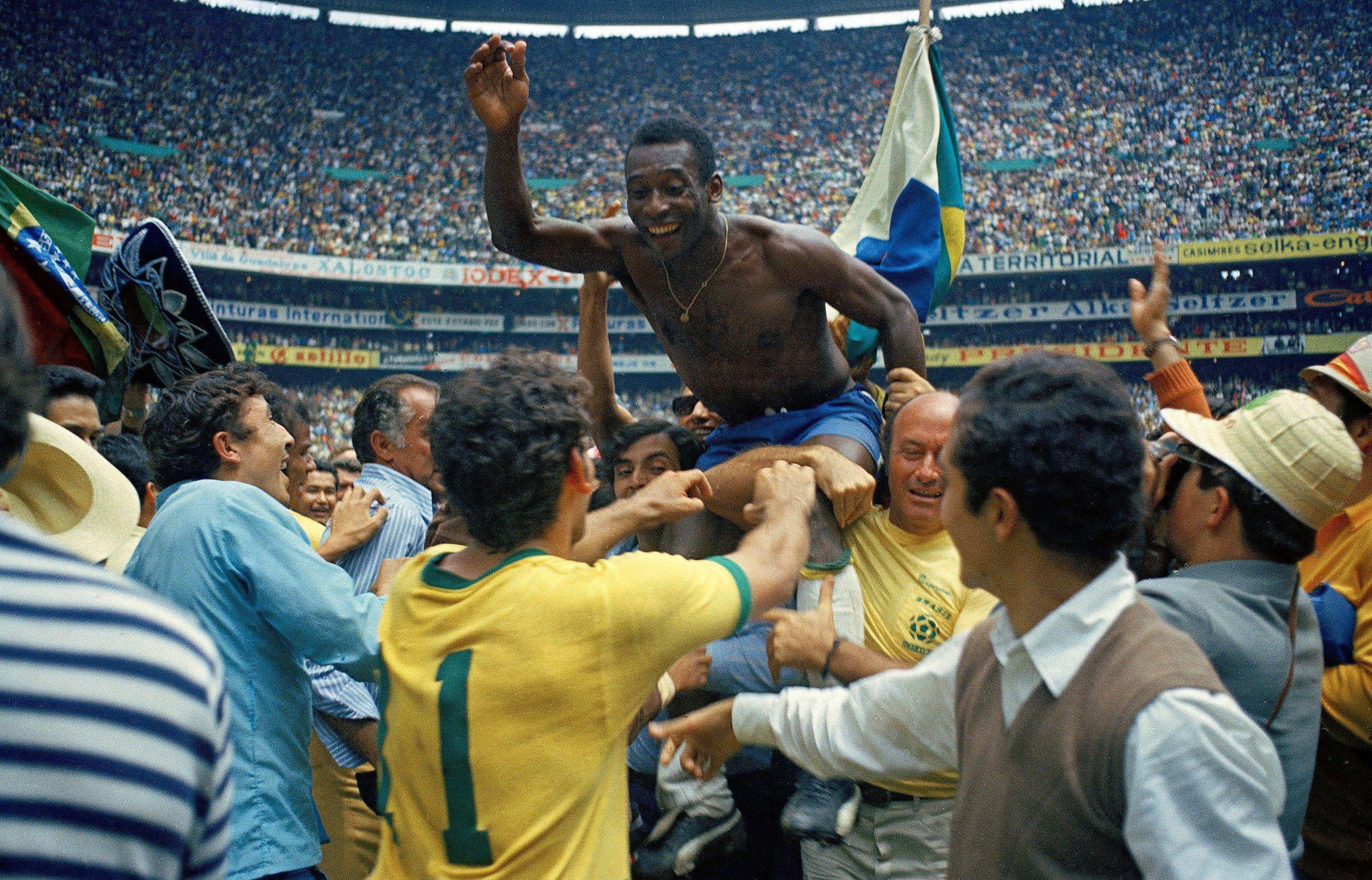
The mid-20th century was dominated by the emergence of Brazil as a football superpower, spearheaded by a teenage prodigy named Pelé. Winning their first title in Sweden in 1958, Brazil showcased a fluid, artistic style of play known as 'Samba Football' or 'O Jogo Bonito' (The Beautiful Game). Pelé went on to win three World Cups, cementing his status as one of the greatest athletes in human history and defining an era of football brilliance.
Iconic Tournaments: Mexico 1970 and the Golden Era
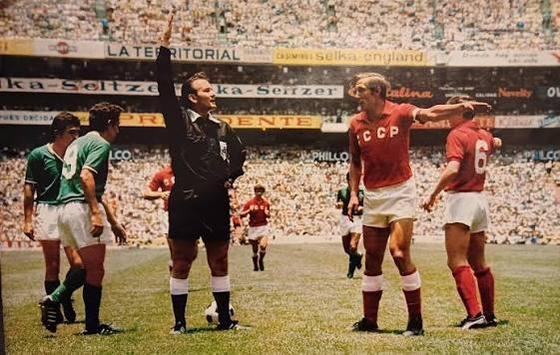
The 1970 FIFA World Cup in Mexico is widely regarded by purists as the greatest tournament ever played. It was the first World Cup broadcast in color, bringing the vibrant yellow shirts of Brazil and the high-altitude Mexican sunshine directly into living rooms worldwide. The tournament featured iconic matches, tactical masterclasses, and concluded with arguably the finest team performance in history by the champion Brazilian squad.
Maradona and the 1986 Drama in Mexico
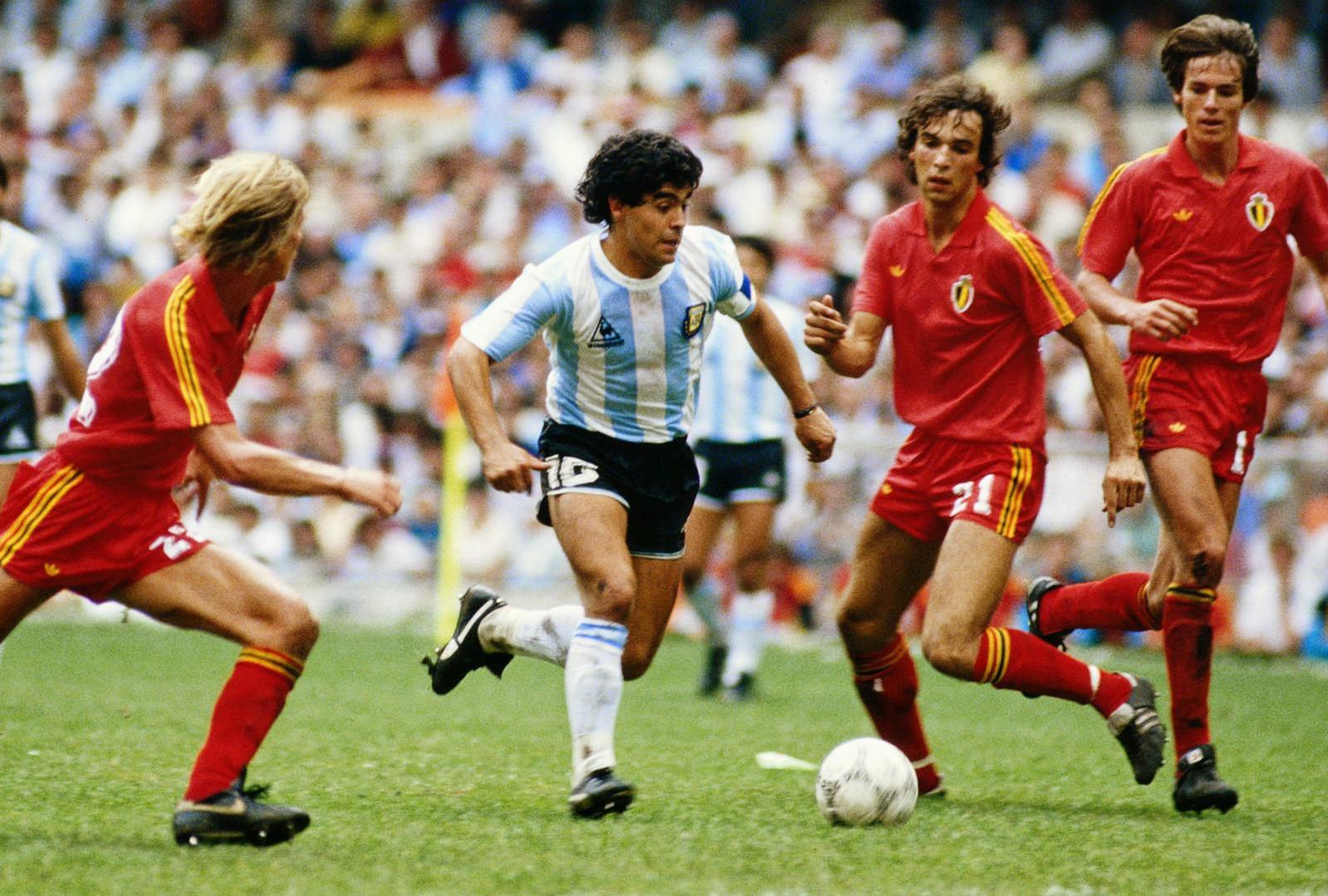
Mexico hosted the tournament again in 1986, which became the definitive stage for Argentina's Diego Maradona. His performance against England in the quarterfinals remains etched in football folklore, featuring both the controversial 'Hand of God' goal and the spectacular 'Goal of the Century,' where he dribbled past five English defenders. Maradona single-handedly carried Argentina to their second title, showcasing the individual genius that the tournament can elevate.
Evolution of the Modern World Cup Trophy
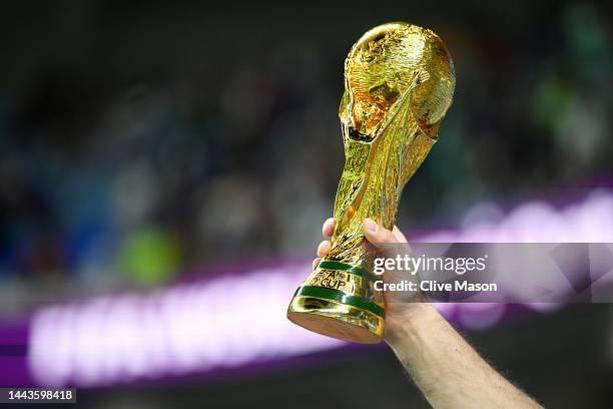
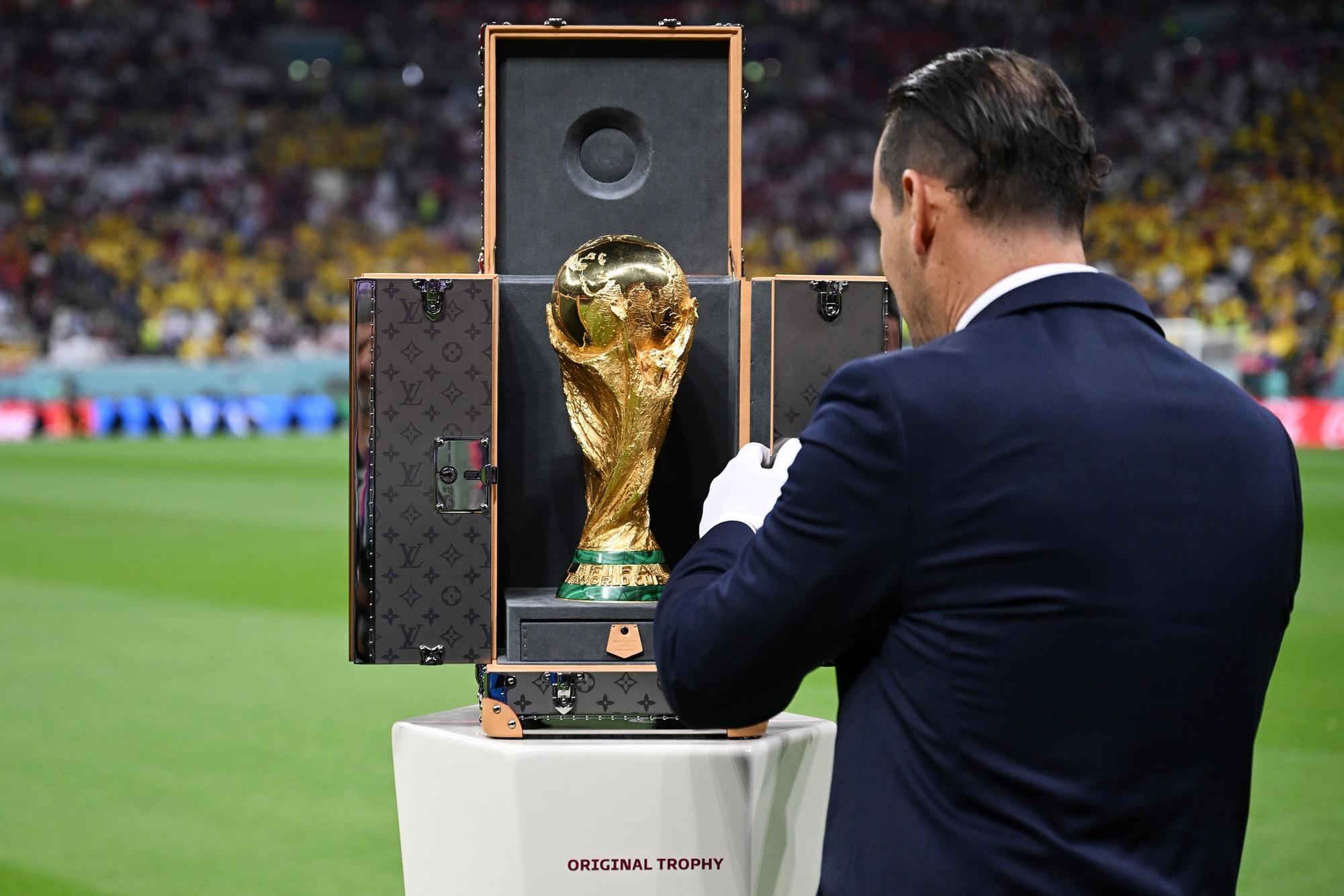
Following the retirement of the Jules Rimet Trophy, FIFA commissioned a new design for the 1974 tournament. Crafted by Italian artist Silvio Gazzaniga, the modern FIFA World Cup Trophy depicts two human figures holding up the Earth. Made of 18-karat solid gold with a malachite base, this trophy is not awarded permanently to winners; instead, champions receive a gold-plated replica, while the original remains in FIFA's custody.
The Modern Era: Commercialization and Global Broadcasts
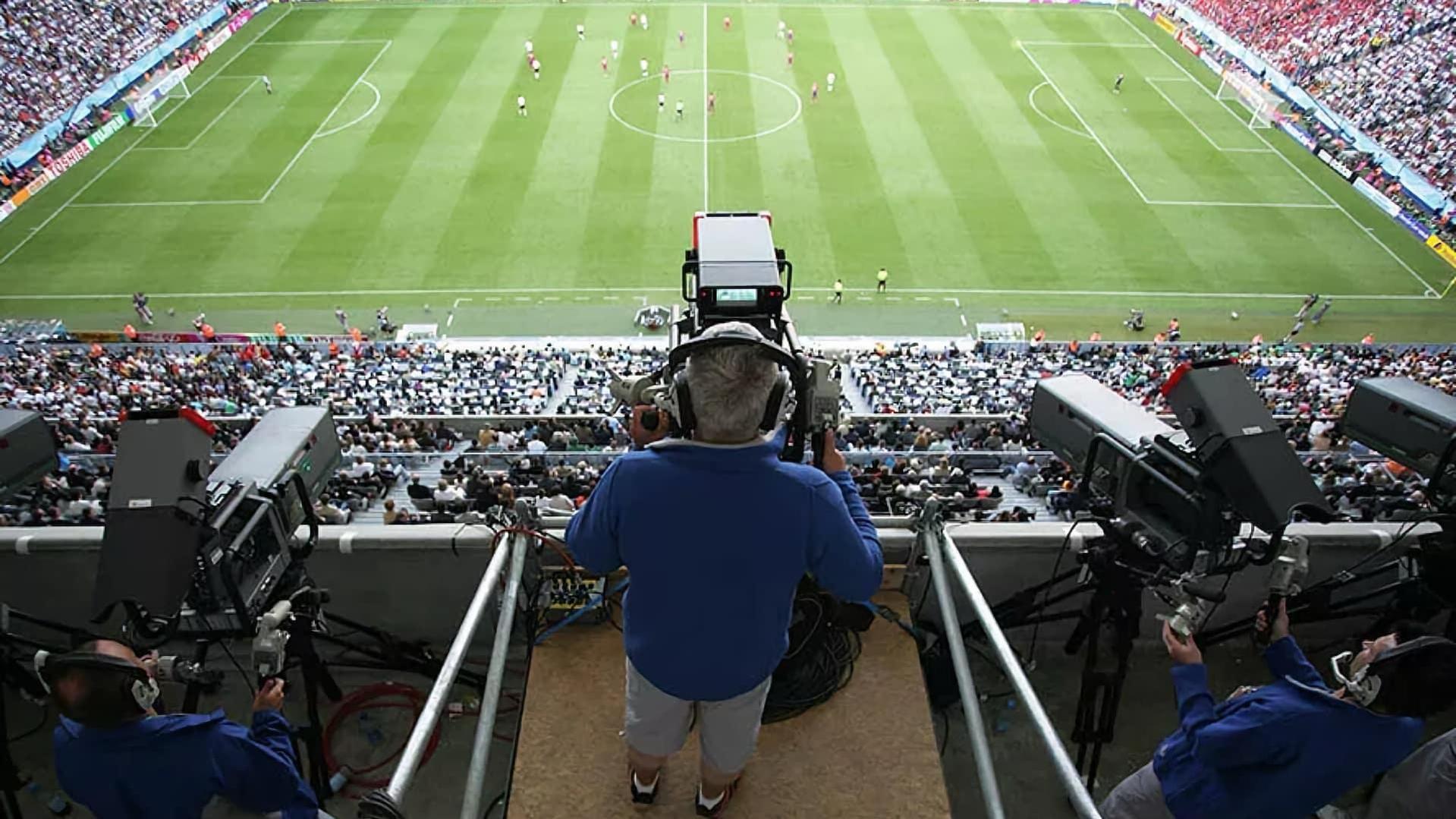
The late 20th and early 21st centuries saw the World Cup transform into a multi-billion-dollar commercial enterprise. Sponsorships, merchandising, and broadcasting rights escalated exponentially. The tournament now reaches a cumulative global television audience of billions, turning players into global icons and transforming host cities into international media hubs, demonstrating the unmatched commercial power of sports entertainment.
The Selection Process and Hosting Controversy
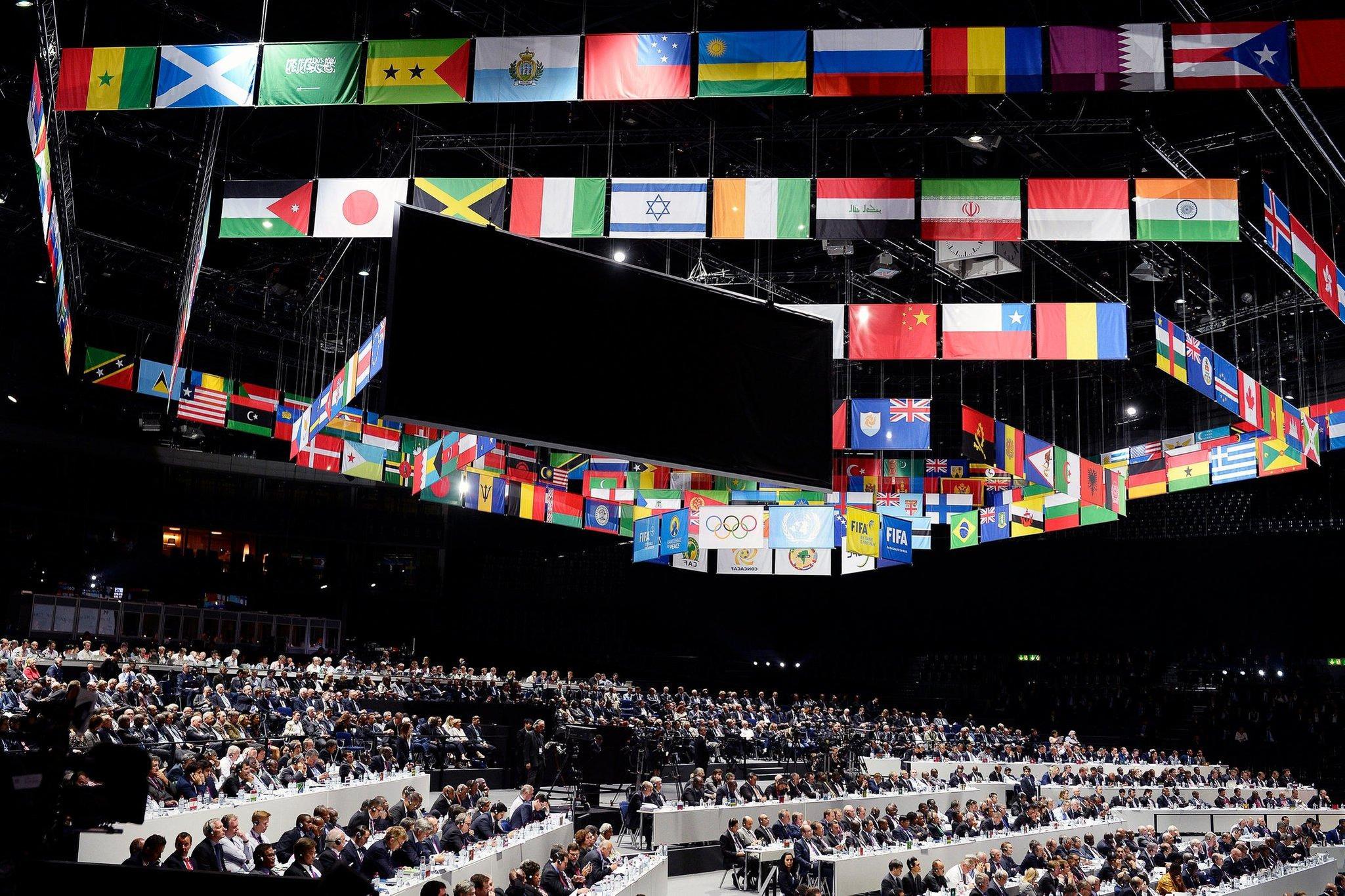
Hosting a World Cup is a matter of immense national pride and strategic soft-power projection. However, the bidding and selection process governed by the FIFA Executive Committee has frequently faced intense scrutiny and allegations of corruption. High-profile controversies surrounding the selection of various host nations have led to significant structural reforms within FIFA, aiming to improve transparency and ethical standards in sports governance.
Qualification Rounds and Continental Representation
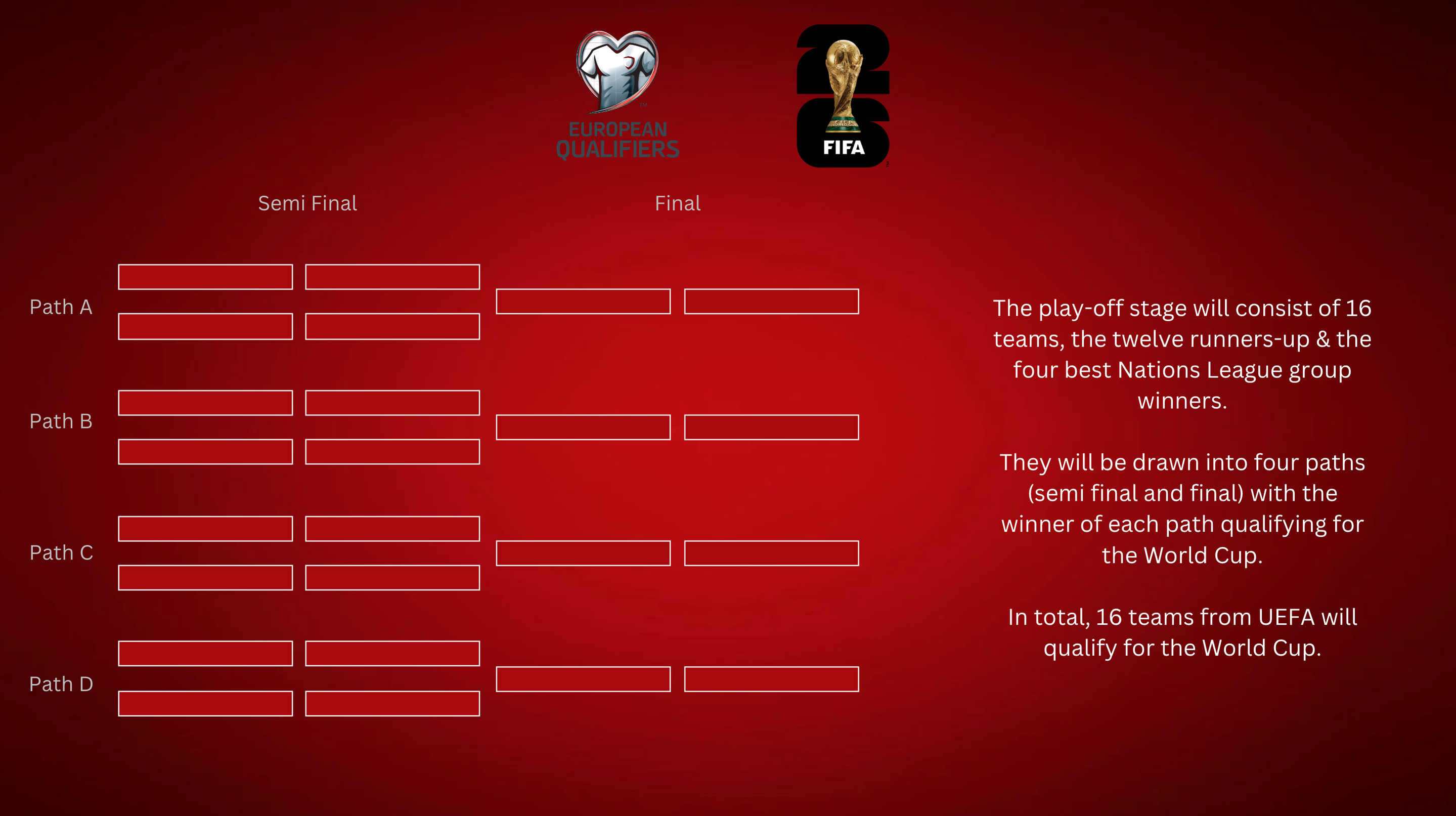
Before the main tournament begins, hundreds of national teams undergo a grueling multi-year qualification process organized by their respective continental confederations (UEFA, CONMEBOL, CONCACAF, CAF, AFC, and OFC). This rigorous process ensures that only the most elite teams secure a spot in the finals, while maintaining a diverse geographical representation that reflects the truly global nature of the sport.
Unforgettable Underdog Stories and Miracles
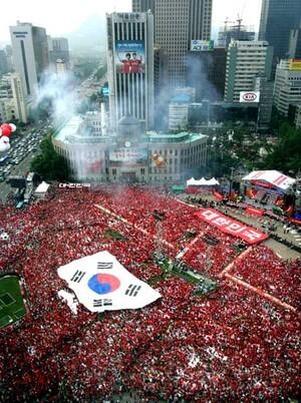
One of the most compelling aspects of the World Cup is the potential for massive upsets. History is rich with underdog triumphs, such as North Korea's victory over Italy in 1966, Cameroon's stunning run in 1990, South Korea's historic semifinal march in 2002, and Morocco's inspiring breakthrough in 2022. These narrative-defying runs capture the hearts of neutral fans worldwide, proving that passion and teamwork can level any playing field.
Tactical Evolution and Football Innovations
The World Cup has historically served as a laboratory for tactical innovations that redefine how football is played globally. From the introduction of Italy's defensive 'Catenaccio' in the mid-20th century to the mesmerizing 'Total Football' popularized by the Netherlands in 1974, and the possession-based 'Tiki-Taka' of Spain in 2010, the tournament showcases the continuous evolution of athletic strategy at its highest level.

The Role of Technology: VAR and Goal-Line Systems
In recent editions, technology has drastically altered the officiating of the World Cup. The introduction of Goal-Line Technology in 2014 and the Video Assistant Referee (VAR) system in 2018 have aimed to minimize human error in critical match-defining decisions. Semi-automated offside technology represents the latest iteration, combining artificial intelligence and sensor data to ensure unprecedented precision in officiating.

Women's World Cup: Growth and Significance
Parallel to the men's tournament, the FIFA Women's World Cup, established in 1991, has experienced monumental growth in popularity, talent, and commercial appeal. Championed by dominant teams like the United States, Germany, and rising European powerhouses, the women's tournament has shattered attendance and viewership records, driving global investment and empowerment in women's sports.

Economic Impact on Host Nations
Hosting a World Cup requires monumental financial investments in infrastructure, including state-of-the-art stadiums, public transport systems, and hospitality services. While the tournament can stimulate tourism, create jobs, and elevate a nation's global profile, it also carries the risk of massive debt and underutilized 'white elephant' stadiums post-event, sparking ongoing academic debate on the long-term economic utility of hosting.
Fan Culture and Global Unity
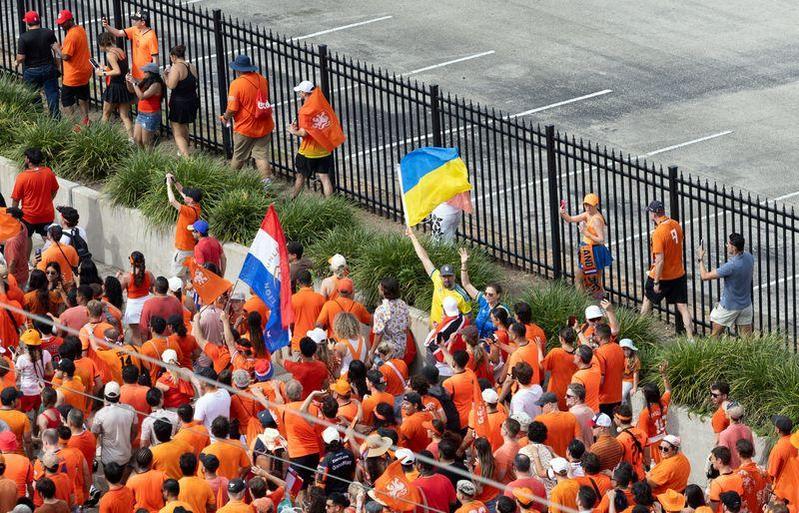
The true essence of the World Cup lies in the passion of the fans. Millions of supporters travel across the globe, bringing unique songs, costumes, and traditions to host nations. Fan zones, public viewing screens, and cultural exchanges foster an environment of camaraderie and mutual respect, proving that football can build cross-cultural bridges and foster global unity like few other events on earth.
Memorable Rivalries and Historic Clashes
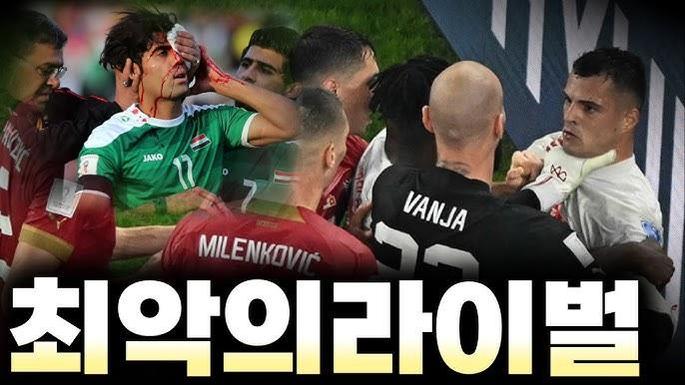
The tournament's rich history has forged deep-seated athletic rivalries that add layer upon layer of drama to each encounter. Classic clashes like Brazil vs. Argentina, Germany vs. England, and France vs. Italy carry historical, regional, and sporting narratives that transcend the field, producing high-tension matches that are talked about for decades by football enthusiasts.
Qatar 2022: A Winter Tournament and Historical Firsts
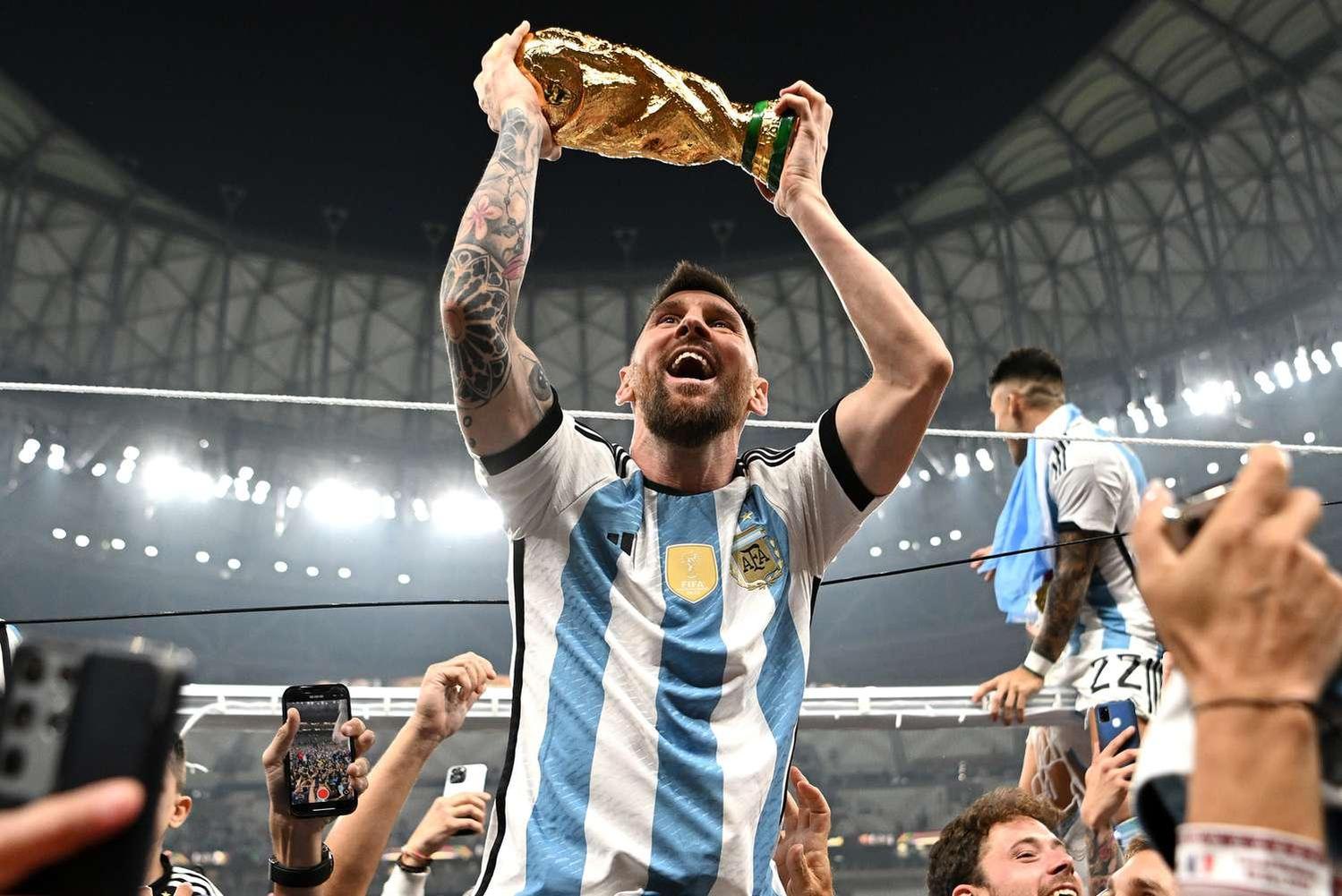
The 2022 FIFA World Cup in Qatar was historic on multiple fronts. It was the first World Cup hosted in the Middle East and the first to be held during the Northern Hemisphere's winter to avoid extreme summer heat. The tournament concluded with a sensational final between Argentina and France, cementing Lionel Messi's legacy as he guided Argentina to victory in a dramatic penalty shootout.
Future Outlook: The Expanded 2026 Format and Beyond
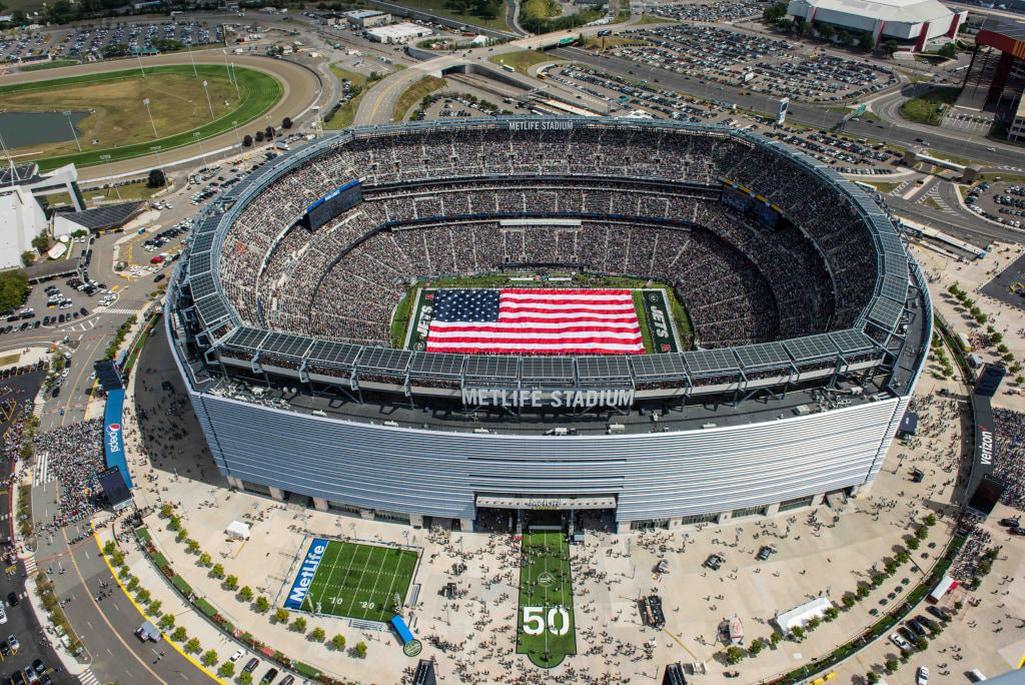
Looking ahead, the FIFA World Cup is set to undergo its most significant structural change yet. The 2026 tournament, co-hosted by Canada, Mexico, and the United States, will expand the field from 32 to 48 teams. This expansion aims to give more nations from developing football regions the opportunity to compete, ensuring that the tournament remains a truly global festival of sport in the decades to come.
#FIFA World Cup#International Football#Soccer History#Sports Culture#Global Sporting Events#World Cup Legacy
Comments(0)
No comments yet. Be the first to share your thoughts!
Recommended Reads
 Kbeauty
Sep 22, 2026, 10:03 PM
Target Beauty Studio: How K-Beauty is Conquering the American Mass Market
On September 10, 2026, retail giant Target officially launched Target Beauty Stu...
 Skincare
Sep 21, 2026, 10:03 PM
How K-Beauty is Powering Global Ingredient Literacy and Redefining Skincare
In a major move for the global beauty industry, Korean-American cosmetics brand ...
 JayPark
Sep 20, 2026, 10:06 PM
Edmonds-Born K-Pop Pioneer Jay Park Set for Major Seattle Homecoming Concert
Edmonds-born K-pop and hip-hop pioneer Jay Park is returning to his roots for a ...
 BTS
BTSSep 19, 2026, 10:04 PM
The Triumph and Autonomy of BTS: Inside Their Historic 2026 Comeback and Bold Grammy Boycott
After a scheduled hiatus that began in late 2022, the global supergroup BTS has ...
 Fitness Gaming
Sep 3, 2026, 03:35 AM
VXROOM: Transforming Daily Workouts into Engaging Web-Based Motion Games
VXROOM (vxroom.com) is an innovative web-based int...
 Survival Show
Sep 1, 2026, 09:07 AM
Game of Blood X: The Evolution of Korea’s Fiercest Survival Reality Franchise
Wavve's hit original series Game of Blood ...