
망고벌레Jul 3, 2026, 05:42 PM• 88262 views
Comprehensive Scientific Analysis of Cordylobia anthropophaga: The Biology, Impact, and Management of the Mango Worm
Introduction to the Mango Worm
The mango worm, scientifically designated as Cordylobia anthropophaga, is the larval stage of a blowfly species native to Sub-Saharan Africa. This parasite is highly notorious for causing cutaneous myiasis, a painful condition characterized by the infestation of living mammalian tissue by fly larvae. While the adult fly does not directly prey on mammals, its larvae are obligate parasites that must exploit a warm-blooded host to complete their biological development. Understanding the life cycle, ecology, and clinical management of this organism is vital for both public health officials and veterinary practitioners working in endemic regions.

Taxonomic Classification and Nomenclature
Belonging to the family Calliphoridae within the order Diptera, Cordylobia anthropophaga is referred to by several regional common names, including the mango fly, putzi fly, skin-maggot fly, or tumba fly. The specific epithet 'anthropophaga' is derived from Greek roots meaning 'human-eater,' a direct reflection of its historical impact on human populations. Taxonomically, it is grouped with other blowflies, yet its highly specialized, parasitic larval stage distinguishes it as a formidable agent of myiasis, necessitating specific ambient temperatures and host availability to successfully propagate.

Geographic Distribution and Habitat
Cordylobia anthropophaga is primarily endemic to the tropical and subtropical regions of Sub-Saharan Africa. It thrives in warm, humid climates where soil moisture is adequate to support egg survival and larval movement. The fly is particularly prevalent in rural and semi-urban areas of East, West, and Central Africa, where domestic animals and human dwellings exist in close proximity. Seasonal weather fluctuations, especially the transition into the rainy season, typically trigger a dramatic surge in fly populations and a corresponding rise in infestation rates.
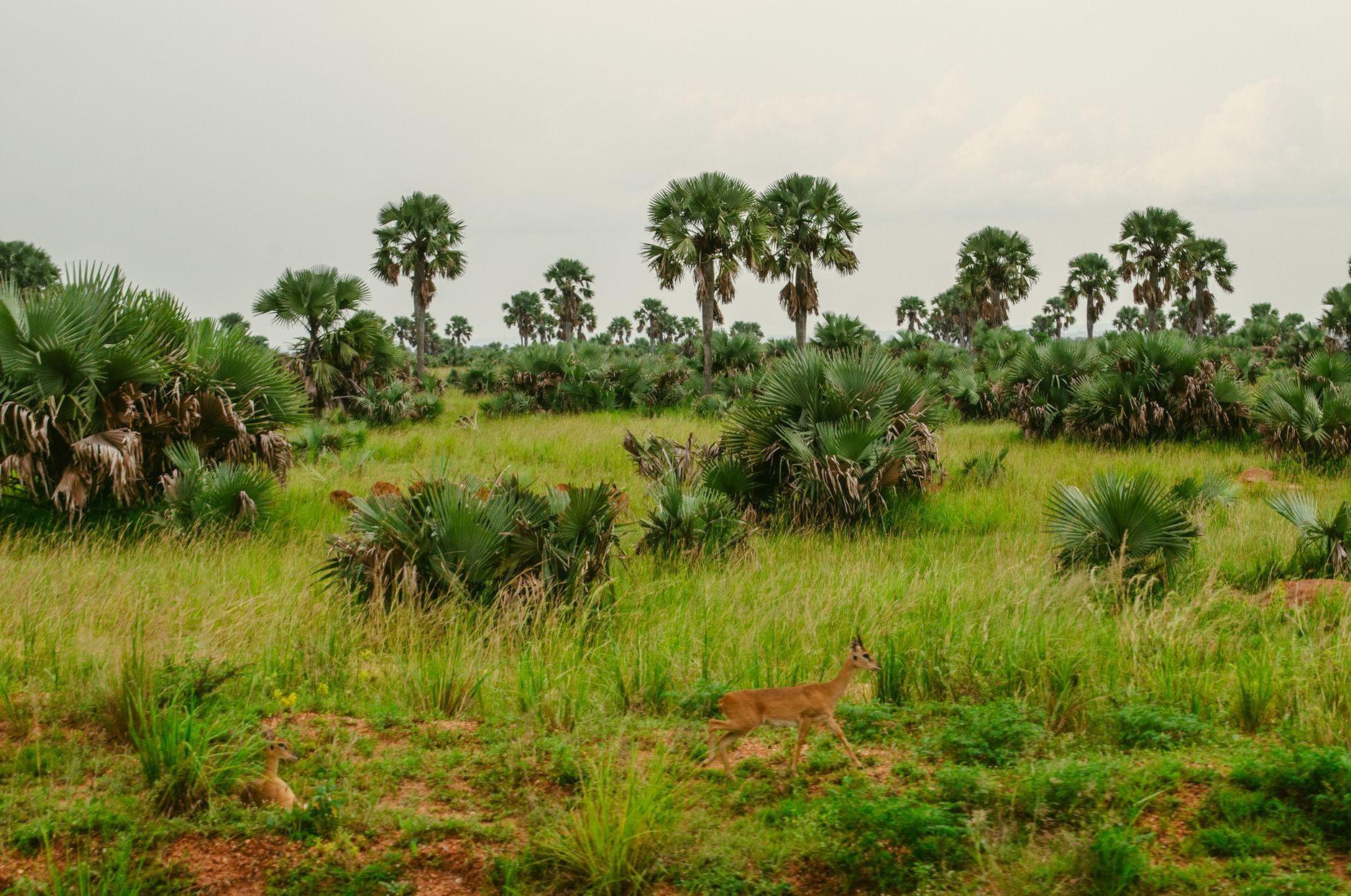
Anatomy and Morphology of the Adult Mango Fly
The adult mango fly is a medium-sized insect, typically measuring between 6 to 12 millimeters in length. It features a distinctive yellowish-brown to straw-colored body with dark, transverse bands across its abdomen, giving it a somewhat stocky and robust appearance. Unlike some other blowfly species that exhibit bright, metallic green or blue coloration, the duller, earthy tones of the mango fly provide superb camouflage against sandy soil and decaying organic matter. Its large compound eyes are reddish-brown, and its mouthparts are specialized for sponging up decaying liquids.
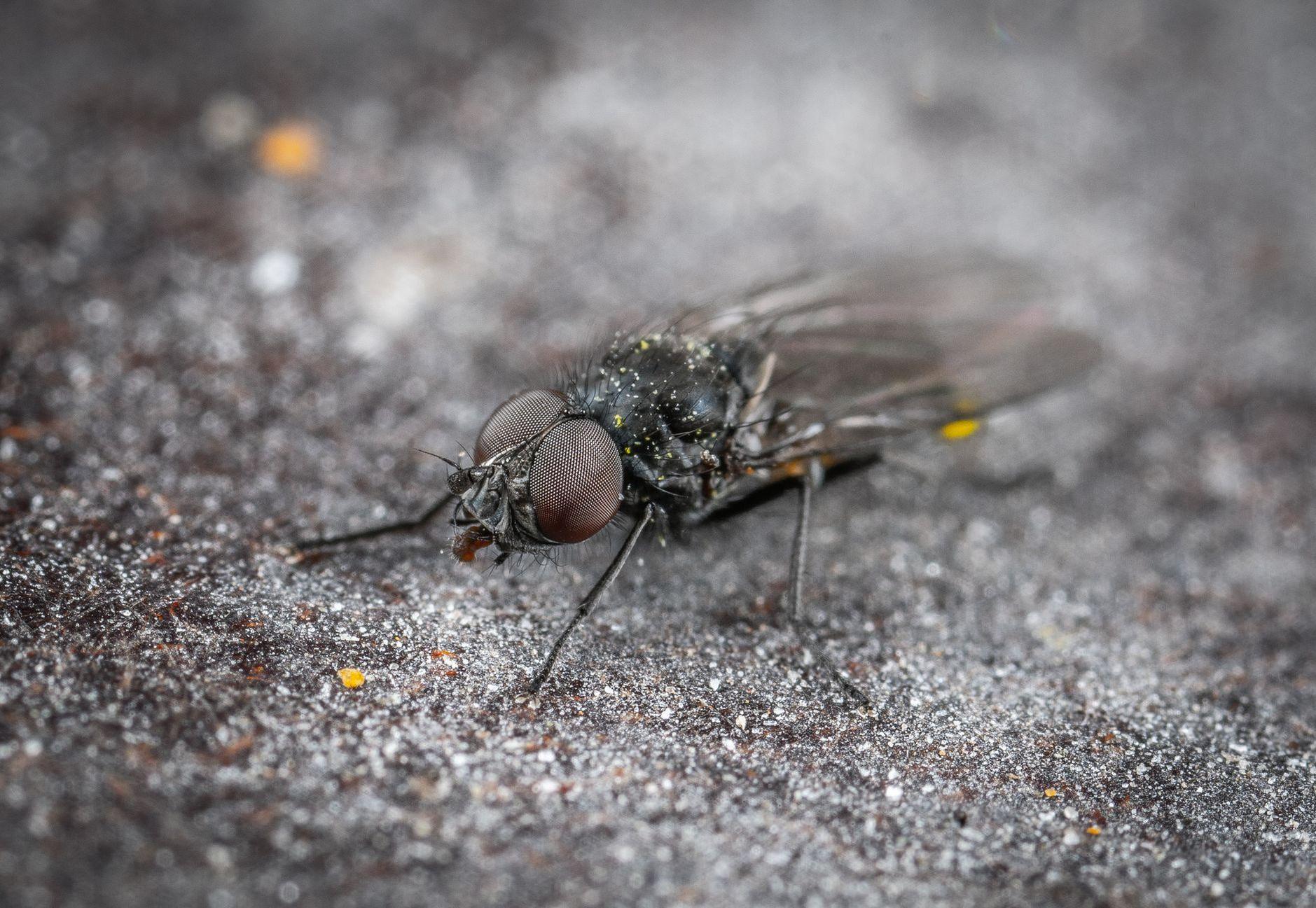
The Lifecycle: From Egg to Larva
The lifecycle of Cordylobia anthropophaga begins when the adult female deposits her eggs. Unlike many other parasitic flies that lay eggs directly onto the host's body, the female mango fly seeks out dry, shaded soil, sand, or clothing that has been left outdoors and contaminated with organic residues such as feces, urine, or sweat. A single female can deposit up to 300 eggs in a single cycle. Under optimal conditions, these eggs hatch within 24 to 48 hours into highly active, microscopic first-instar larvae that remain dormant until a host is detected.
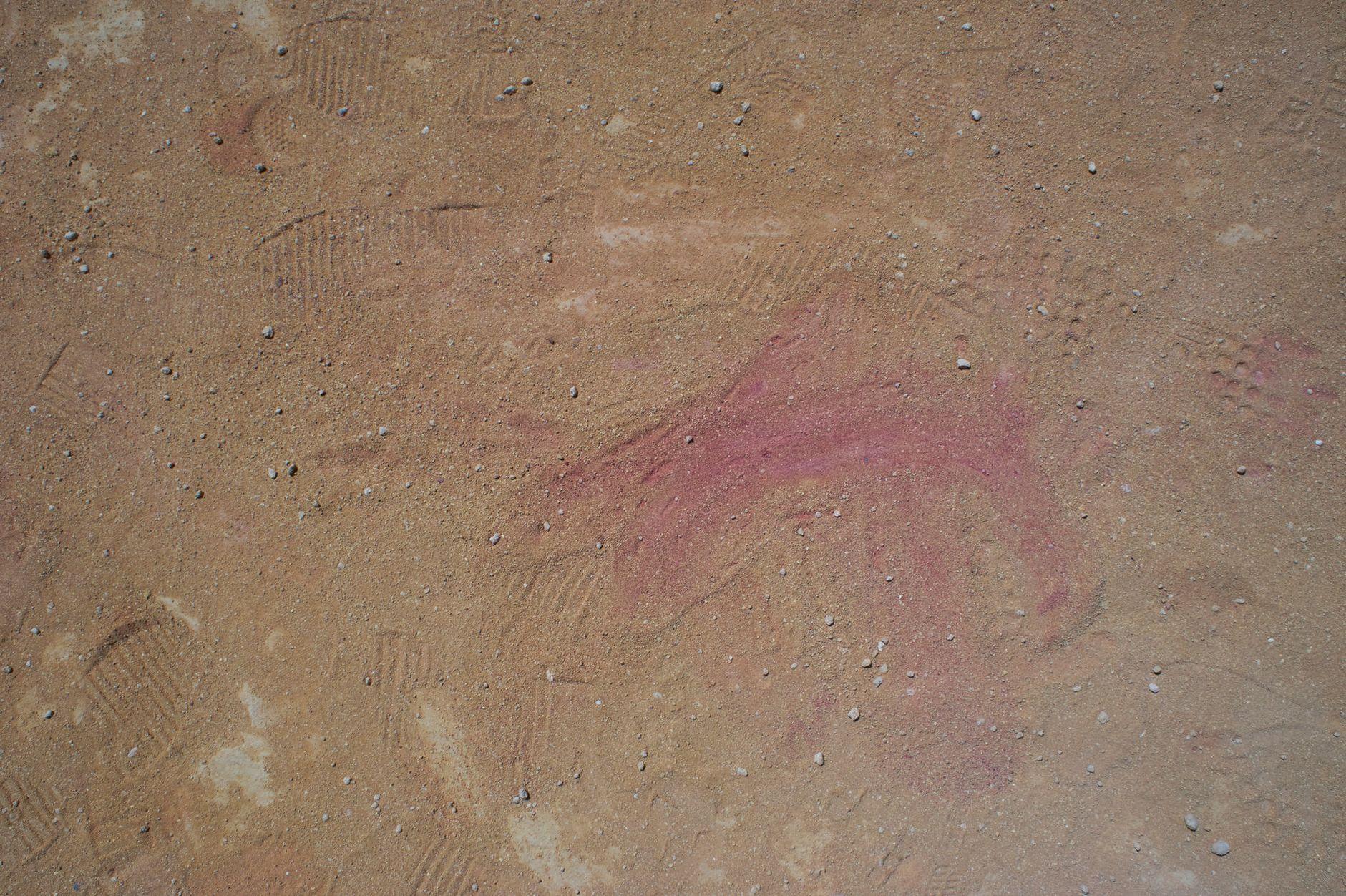
Larval Development and Host Selection
Once hatched, the larvae can survive in soil or dry fabric for up to two weeks while waiting for a suitable mammalian host. Their primary natural hosts are rodents, particularly wild rats, but domestic dogs, cats, livestock, and humans are frequently targeted. The larvae are thermotactic and chemotactic, meaning they are highly sensitive to body heat and carbon dioxide emissions. When a warm-blooded animal makes physical contact with the infested soil or clothing, the larvae immediately activate and prepare to penetrate the skin.
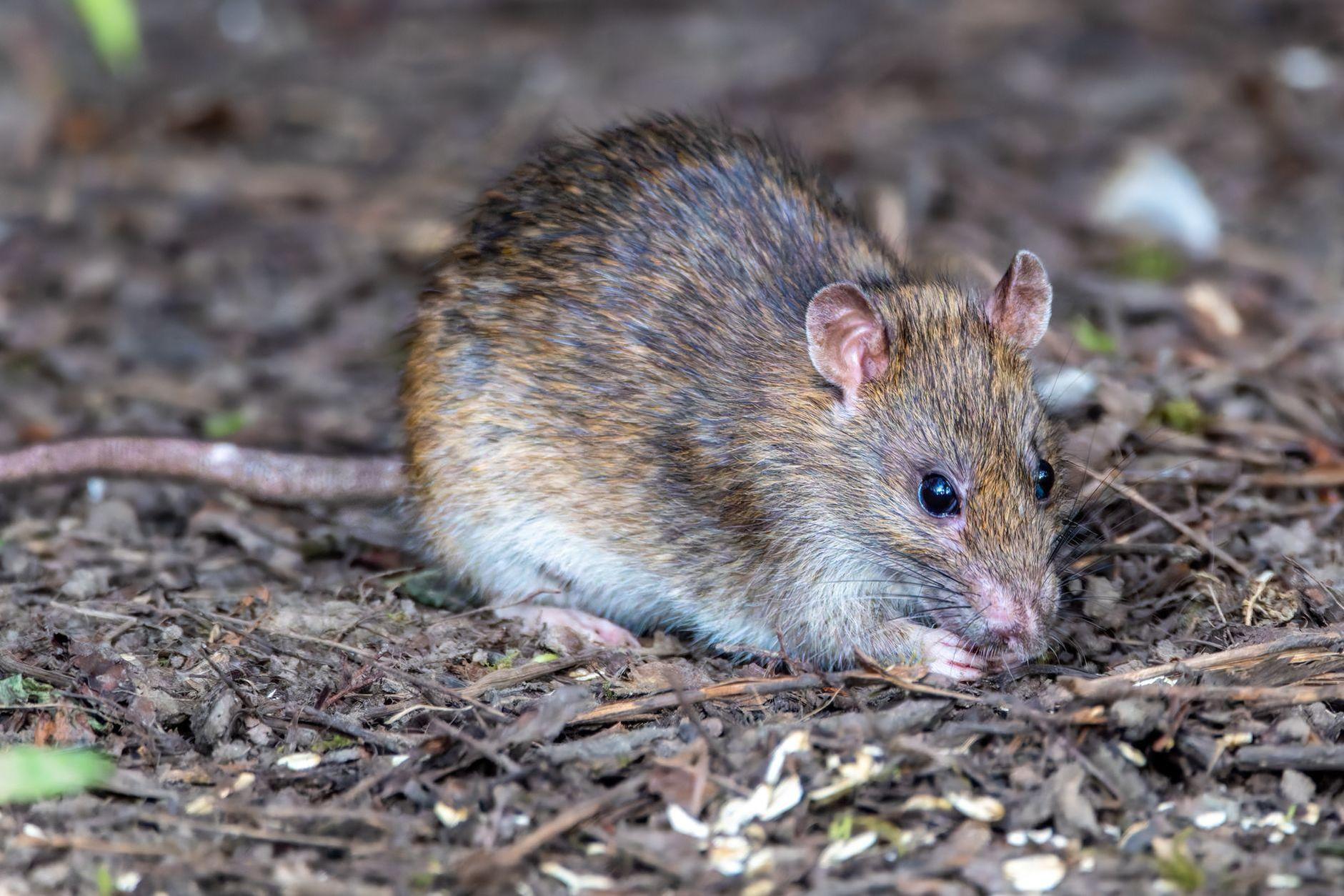
Mechanisms of Host Penetration
The penetration of the host's skin by the first-instar mango worm larva is an incredibly rapid and efficient process, usually completed in under thirty minutes. The larva utilizes specialized oral hooks combined with the secretion of proteolytic enzymes to dissolve and tunnel through the outer layers of the epidermis. This invasion is generally painless for the host, as the larva may secrete localized anesthetic substances. This chemical evasion allows the parasite to fully embed itself in the subcutaneous tissue without triggering an immediate scratch reflex from the host.

Clinical Presentation of Cutaneous Myiasis in Humans
In human hosts, the presence of the developing mango worm manifests as furuncular myiasis. Within a few days of penetration, a small, red, itchy papule emerges at the site of entry, closely mimicking a common boil or an insect bite. As the larva matures and expands inside the dermis, the lesion develops into a painful, inflamed nodule containing a visible central breathing pore. The host frequently reports a distressing crawling sensation beneath the skin, accompanied by localized throbbing, serosanguinous discharge, and intense nocturnal itching.
Clinical Presentation and Impact on Domestic Animals
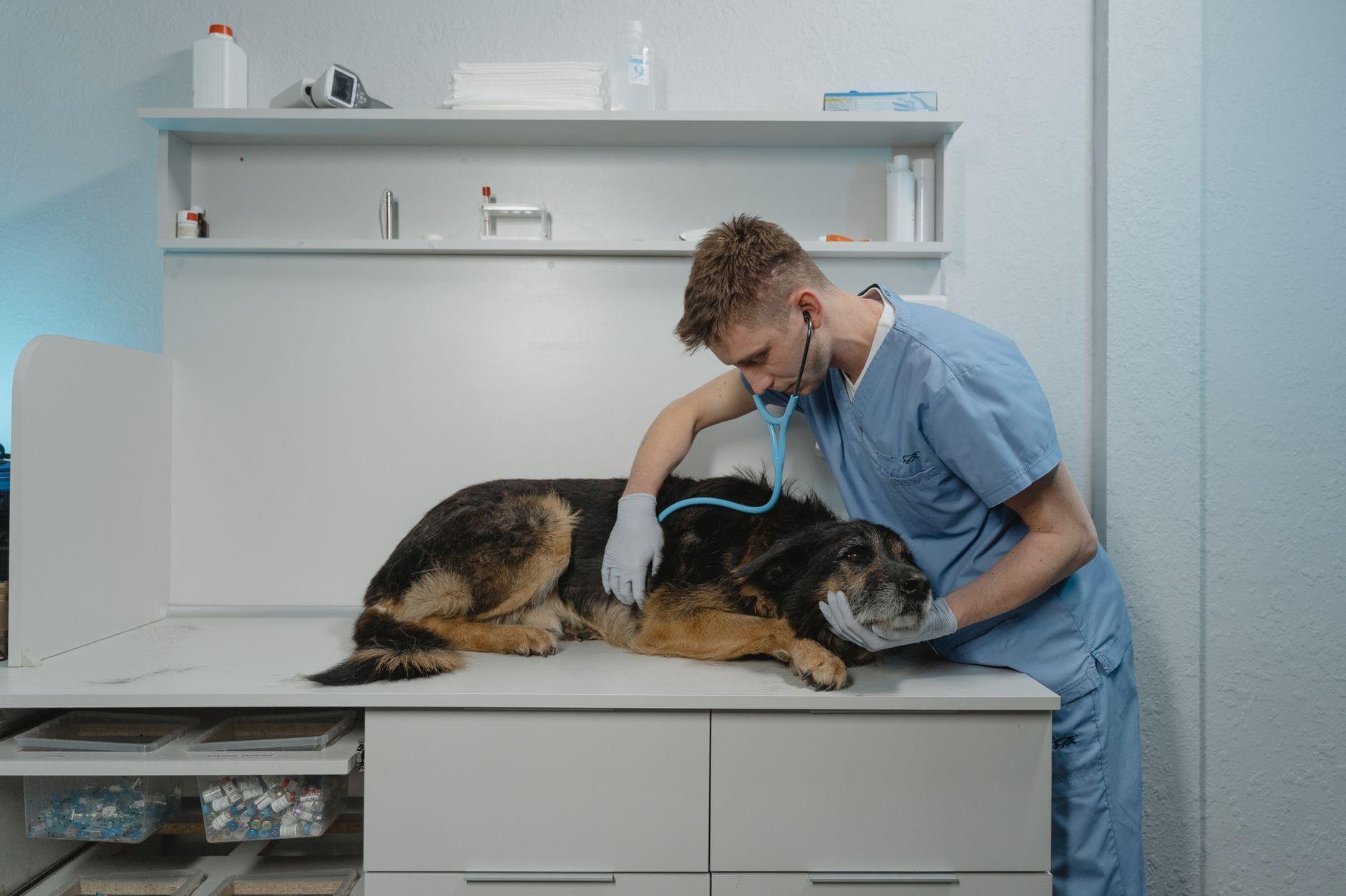
Domestic animals, particularly dogs, suffer heavily from mango worm infestations, often presenting with much higher parasitic loads than humans. Because dogs frequently lie directly on soil where larvae hatch, a single animal can host dozens or even hundreds of larvae simultaneously. Infestations are usually clustered around the paws, chest, and groin. Affected dogs exhibit intense discomfort, lethargy, loss of appetite, and self-mutilation from constant scratching, which frequently leads to severe, secondary bacterial infections.
Pathology and Tissue Reaction to Larval Infestation
The pathological response within the host tissue is characterized by a intense localized inflammatory reaction. As the mango worm feeds on cellular debris and tissue fluids, the host's immune system deploys eosinophils, neutrophils, and macrophages to the site. This cellular infiltration leads to the formation of a dense fibrous capsule around the parasite, isolating it from deeper tissues while keeping its breathing spiracles aligned with the external pore. This host-parasite dynamic keeps the larva secure while maintaining its oxygen supply.

Diagnostic Methods in Clinical and Veterinary Medicine
The diagnosis of a mango worm infestation is primarily clinical, relying on the visual identification of the furuncular lesion and its characteristic central breathing pore. Clinicians can often observe the subtle movement of the larva's posterior spiracles near the opening when pressure is applied or when airflow is restricted. In non-endemic countries, misdiagnosis is highly common; the lesions are frequently mistaken for simple bacterial abscesses or foreign body granulomas until a detailed travel history reveals recent transit through Sub-Saharan Africa.

Treatment and Extraction Techniques for Mango Worms
The definitive cure for a mango worm infestation is the mechanical removal of the intact larva. A widely accepted therapeutic technique involves applying a thick, occlusive substance—such as petroleum jelly, heavy ointment, or liquid paraffin—directly over the breathing pore. This effectively suffocates the larva, forcing it to migrate upward toward the surface of the skin in search of oxygen. Once the larva protrudes, it can be gently squeezed or extracted with sterile forceps. Rupturing the larva inside the skin must be avoided, as it can trigger severe localized allergic reactions or secondary infections.

Potential Complications of Untreated Infestations
If left untreated, or if the extraction is executed improperly, several clinical complications can develop. The most prevalent risk is secondary bacterial infection of the open wound left behind by the larva, which can progress to deep cellulitis, painful abscesses, or systemic septicemia. Furthermore, if a larva dies prematurely within the subdermal pocket and is not retrieved, it can trigger a chronic, severe foreign-body inflammatory reaction, occasionally leading to tissue calcification or permanent localized scarring.

Prevention Strategies: Laundering and Ironing Clothes
Preventing mango worm infestations in endemic regions relies heavily on targeted laundry hygiene. Because the female fly commonly deposits her eggs on damp clothes hung outside to dry, a simple yet highly effective prevention strategy is to thoroughly iron all clothing, bedding, and towels before use. The high heat of a domestic iron immediately destroys any embedded eggs or microscopic larvae clinging to the textile fibers. Alternatively, drying laundry inside screened enclosures or using automatic tumble dryers prevents the flies from accessing the fabrics.

Environmental Control and Vector Management
At the community level, managing the population of Cordylobia anthropophaga requires stringent environmental hygiene and animal population control. Eliminating rodent populations around residential areas, maintaining clean living spaces, and promptly disposing of animal feces or soil contaminated with animal urine can significantly decrease the area's attractiveness to breeding flies. In some instances, targeted larvicides or insecticides are applied to high-risk outdoor spaces, though constant cleanliness remains the most reliable preventative standard.

Public Health Significance in Sub-Saharan Africa
In many parts of Sub-Saharan Africa, mango worm infestation is recognized as a significant, neglected public health issue, particularly within impoverished rural communities. While the infestation is rarely fatal, the persistent physical pain, social stigma, and temporary physical impairment it causes directly impact the quality of life. Public health campaigns that focus on community-wide education regarding laundry hygiene, waste management, and accessible pet care are highly successful in driving down regional infestation rates.

Travel Medicine and Imported Myiasis in Non-Endemic Regions
Due to the growth of international ecotourism and global travel, cases of mango worm infestations are increasingly diagnosed in non-endemic territories like North America, Europe, and East Asia. Unsuspecting tourists returning from safaris, hiking trips, or volunteer missions in Africa often present with mysterious skin lesions. Travel medicine specialists highlight the importance of asking patients about their travel history, as recognizing the signs of imported myiasis prevents unnecessary surgical biopsies or misdiagnoses.

Comparison with Other Myiasis-Causing Species
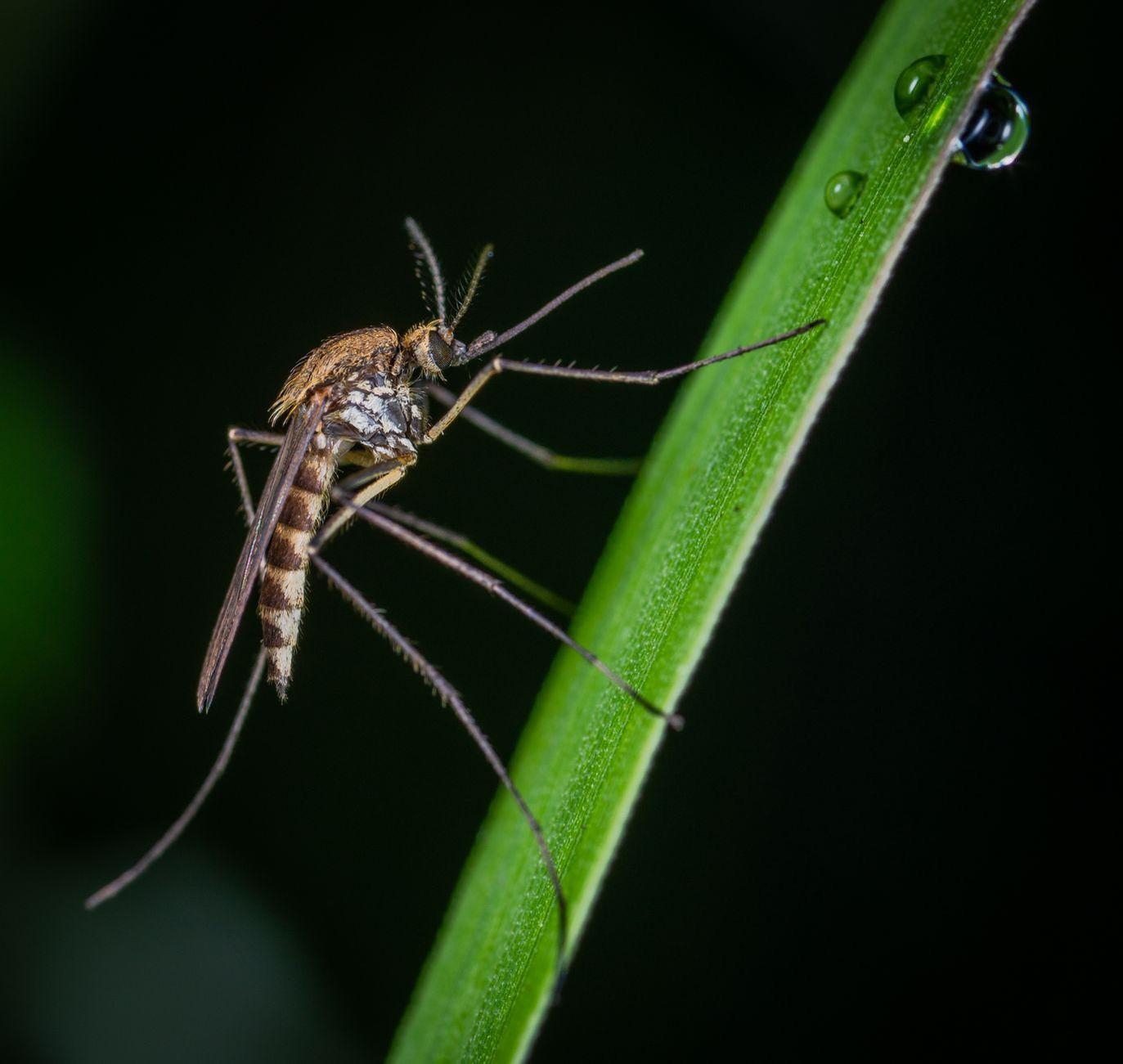
It is scientifically important to distinguish the mango worm from other prevalent myiasis-producing insects, most notably the human botfly (Dermatobia hominis), which is native to Central and South America. While both species induce furuncular lesions, their life cycles differ significantly: the human botfly uses intermediate vectors like mosquitoes to transport its eggs, whereas the mango fly deposits eggs in soil. Furthermore, botfly larvae feature backward-pointing spines that grip tissue tightly, making them much harder to extract than the relatively smooth mango worm.
Public Perception, Social Media Virality, and Awareness
In recent years, the mango worm has garnered substantial viral attention on digital platforms, primarily through educational and clinical veterinary videos showing the extraction process in domestic animals. While these graphic videos often evoke strong reactions of shock or fascination from viewers, they have unexpectedly performed a vital role in raising global awareness about the parasite, its transmission pathways, and the urgent need for basic veterinary support in vulnerable communities.

Future Directions in Myiasis Research and Control
Current scientific research into Cordylobia anthropophaga is focused on developing more sustainable vector control methodologies, investigating host-parasite immunological interactions, and improving regional surveillance tools. Advances in genomic sequencing may soon allow researchers to track and map different genetic lineages of the blowfly, opening the door for targeted biological control interventions. Until then, community-wide hygiene education, proper laundry management, and accessible veterinary care remain the bedrock of managing this endemic tropical parasite.

#mango worm#Cordylobia anthropophaga#cutaneous myiasis#parasitic infestation#veterinary medicine#tropical medicine#blowfly lifecycle#travel medicine
Comments(0)
No comments yet. Be the first to share your thoughts!
Recommended Reads
 Kbeauty
Sep 22, 2026, 10:03 PM
Target Beauty Studio: How K-Beauty is Conquering the American Mass Market
On September 10, 2026, retail giant Target officially launched Target Beauty Stu...
 Skincare
Sep 21, 2026, 10:03 PM
How K-Beauty is Powering Global Ingredient Literacy and Redefining Skincare
In a major move for the global beauty industry, Korean-American cosmetics brand ...
 JayPark
Sep 20, 2026, 10:06 PM
Edmonds-Born K-Pop Pioneer Jay Park Set for Major Seattle Homecoming Concert
Edmonds-born K-pop and hip-hop pioneer Jay Park is returning to his roots for a ...
 BTS
BTSSep 19, 2026, 10:04 PM
The Triumph and Autonomy of BTS: Inside Their Historic 2026 Comeback and Bold Grammy Boycott
After a scheduled hiatus that began in late 2022, the global supergroup BTS has ...
 Fitness Gaming
Sep 3, 2026, 03:35 AM
VXROOM: Transforming Daily Workouts into Engaging Web-Based Motion Games
VXROOM (vxroom.com) is an innovative web-based int...
 Survival Show
Sep 1, 2026, 09:07 AM
Game of Blood X: The Evolution of Korea’s Fiercest Survival Reality Franchise
Wavve's hit original series Game of Blood ...