
봉켓몬Jun 24, 2026, 07:43 PM• 90482 views
Bongketmon: A Case Study in Political Satire and Online Extremism in South Korea
Overview of 'Bongketmon'
The term 'Bongketmon' refers to a highly controversial online phenomenon in South Korea, emerging as a portmanteau of 'Bongha Village' (봉하마을), the resting place of former President Roh Moo-hyun, and 'Pokémon' (포켓몬). This digital trend involved creating and sharing satirical, often disrespectful, images and content that parodied the popular Pokémon Go game, applying its 'collection' mechanism to elements associated with the late president. It swiftly became a flashpoint for intense debate surrounding political satire, freedom of expression, and the boundaries of respect for the deceased in the digital age.
Etymology and Core Concept
The conceptual foundation of Bongketmon drew directly from the location-based augmented reality game, Pokémon Go. Instead of catching fictional creatures, users were notionally encouraged to 'collect' or engage with caricatured depictions of former President Roh Moo-hyun, as well as symbols and events associated with his life and death. These 'collectibles' were often highly offensive, leveraging his tragic suicide and the emotional weight of Bongha Village for a cynical, politically motivated parody. The 'game' existed primarily as shared images and memes rather than a functional application.
Background: Bongha Village and Roh Moo-hyun
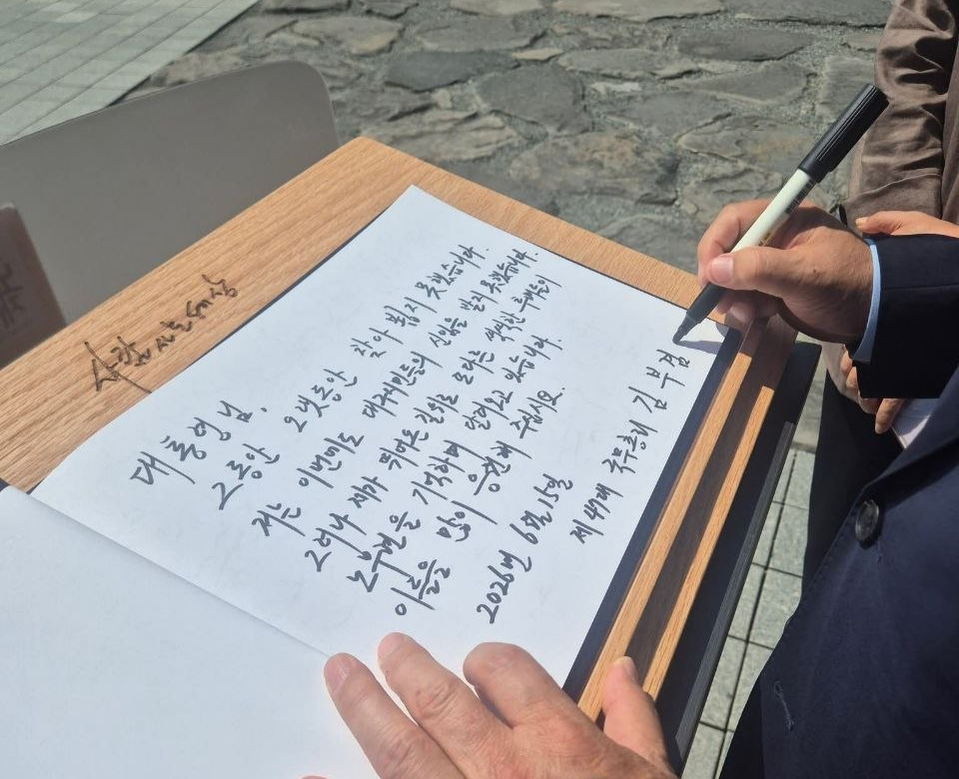
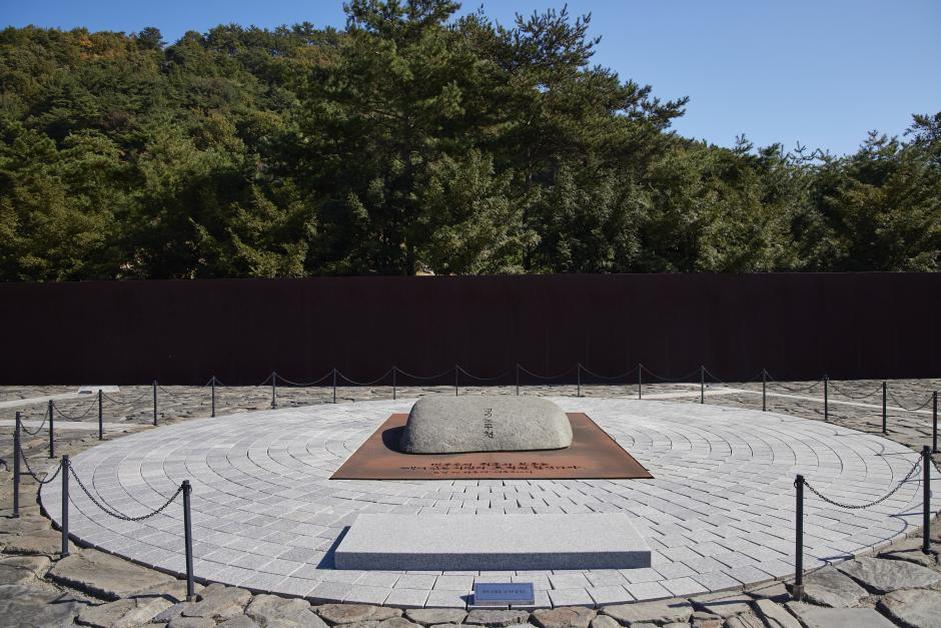
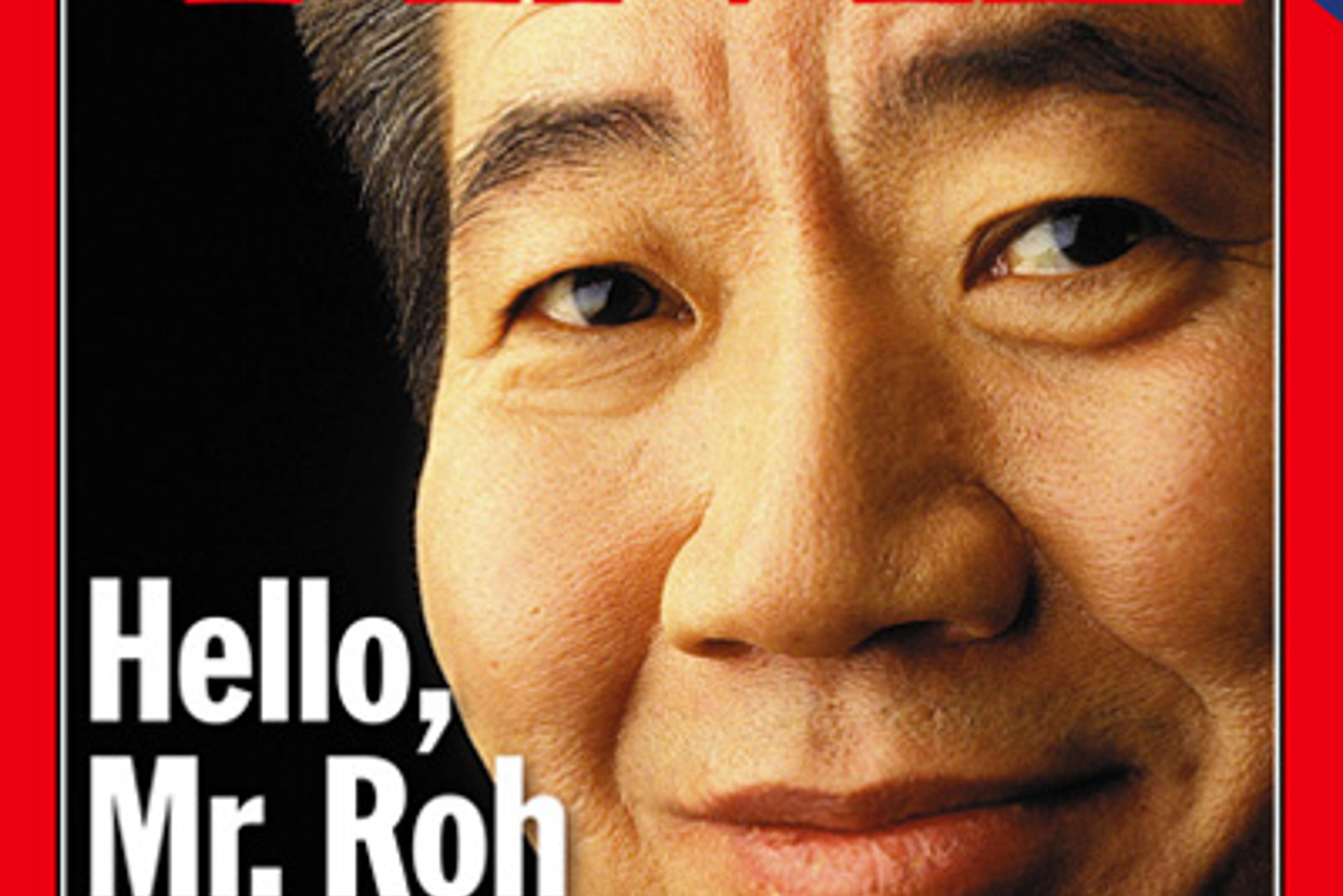
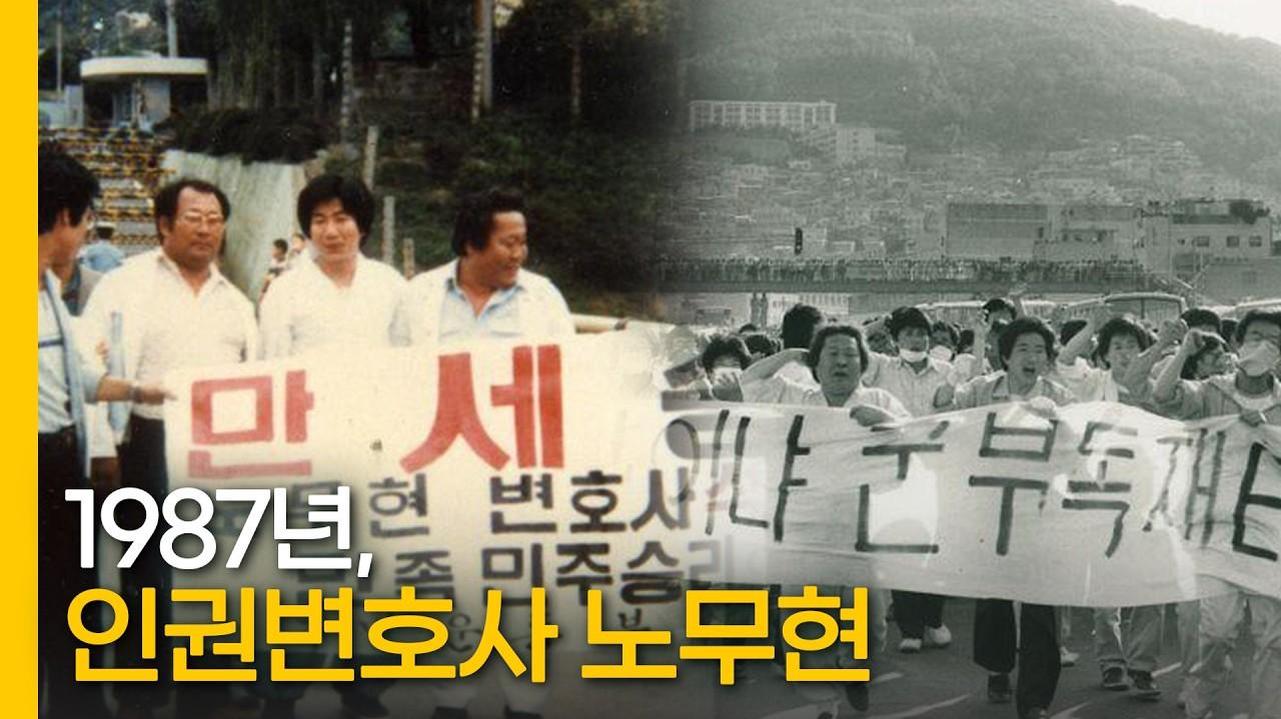
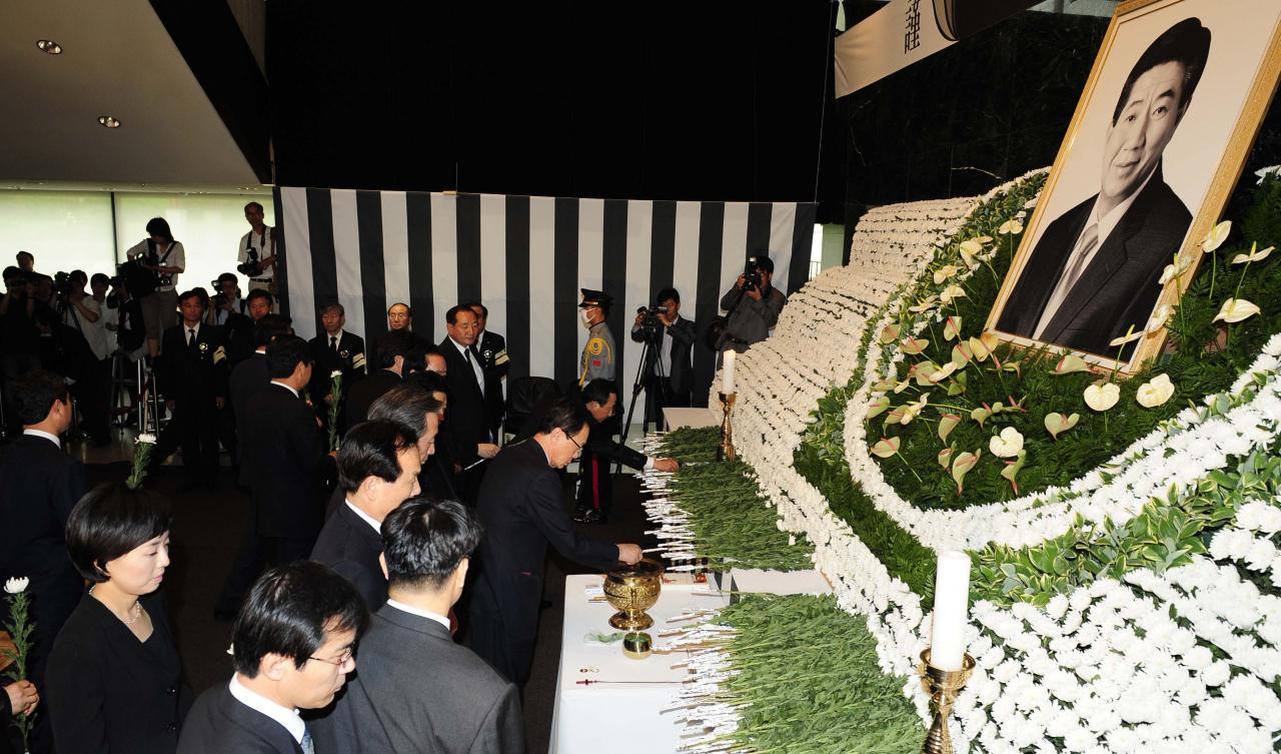
To understand the gravity of the Bongketmon controversy, it is crucial to recognize the profound significance of Bongha Village and former President Roh Moo-hyun (2003-2008). Roh, a former human rights lawyer, was a widely respected and, for many, deeply beloved figure who championed democratic values and social justice. His sudden death by suicide in 2009, following a corruption investigation, sent shockwaves across the nation, making Bongha Village a solemn pilgrimage site and a symbol of grief, reflection, and political memory for millions of South Koreans. Any perceived disrespect towards him or his resting place is met with immense public outrage.
The 'Game' Mechanism and Targets
The 'Bongketmon' parody primarily manifested through photoshopped images and short animations distributed across various online platforms. These creations typically featured former President Roh Moo-hyun's image, often distorted or placed in demeaning contexts, to resemble Pokémon characters, items, or game elements. Common tropes included digitally altering his facial expressions, depicting him in comical or absurd scenarios, or integrating his image into a mock game interface where users would 'capture' or 'evolve' his likeness. The targets extended to other progressive political figures or symbols associated with his administration, all intended to mock and belittle.
Origin and Spread (Focus on Ilbe Storage)
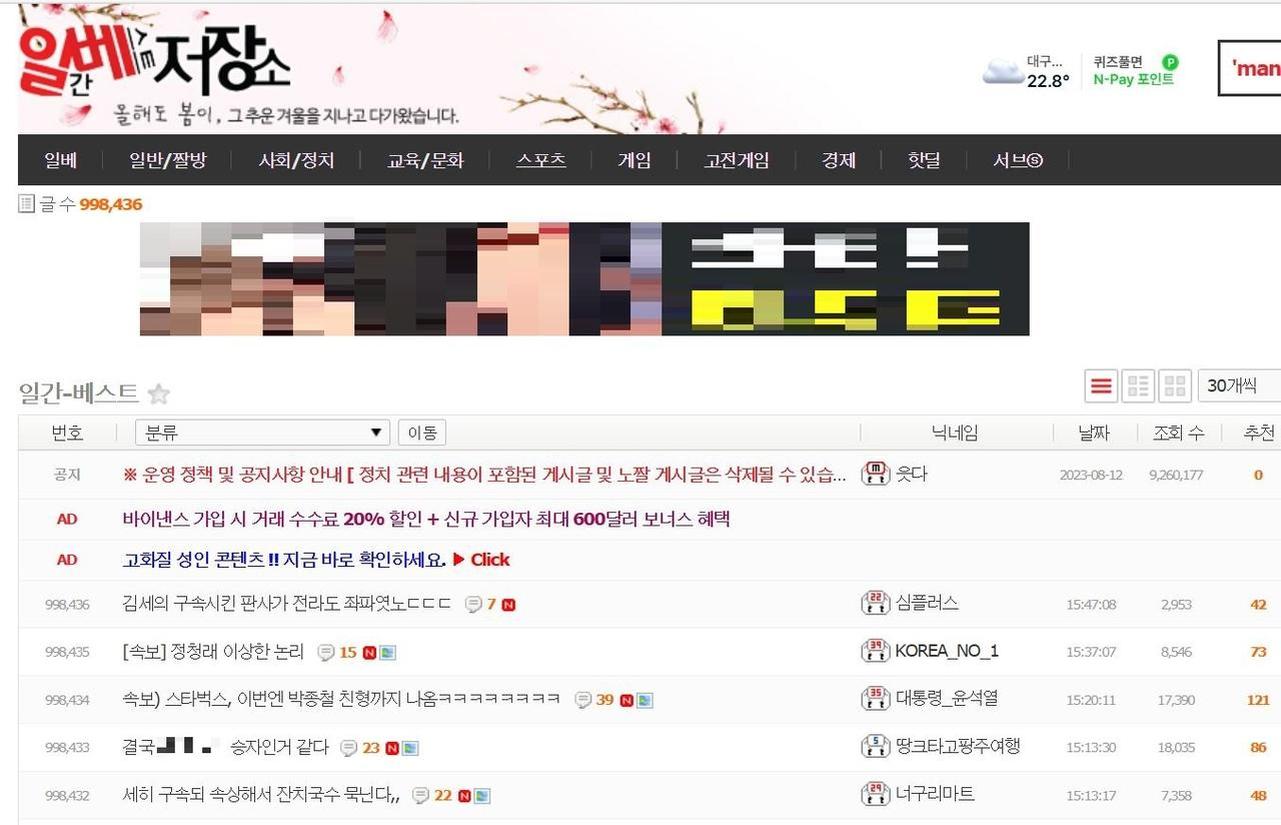
While pinpointing a single origin is challenging, 'Bongketmon' content is widely believed to have originated and gained traction within extremist online communities, particularly Ilbe Storage (일베저장소). Ilbe, known for its far-right political leanings, anti-liberal sentiments, and a history of sharing misogynistic, discriminatory, and historically revisionist content, became a breeding ground for such inflammatory material. Users on Ilbe, often driven by intense political animosity towards Roh Moo-hyun and the liberal faction, actively created, shared, and amplified these disrespectful parodies, extending their reach to other fringe online spaces.
Motivation Behind 'Bongketmon'
The motivations behind the creation and dissemination of 'Bongketmon' were complex but largely rooted in profound political animosity and a desire to provoke. For many creators, it was an expression of extreme anti-Roh Moo-hyun sentiment, aimed at delegitimizing his legacy and mocking his supporters. Beyond pure political spite, it also reflected a nihilistic or trolling culture prevalent in certain online communities, where pushing boundaries, shocking mainstream society, and eliciting strong emotional reactions are considered achievements. This often involved a deliberate attempt to 'trigger' liberals and progressives, reveling in their outrage.
Initial Public Reaction and Outcry
The emergence of 'Bongketmon' triggered an immediate and widespread wave of public condemnation across South Korea. Supporters of Roh Moo-hyun, as well as a large segment of the general public, expressed profound shock and anger. Many viewed the content as an extreme form of desecration, utterly devoid of human decency and respect for the deceased, particularly a former head of state. Online forums, social media, and news comment sections were flooded with calls for the content to be removed and for legal action to be taken against its creators, highlighting the deep emotional impact it had on the nation.
Controversy: Disrespect for the Deceased
The central controversy surrounding 'Bongketmon' revolved around its blatant disrespect for the deceased. Korean culture places a strong emphasis on honoring ancestors and the dead, and public figures, especially former presidents, are afforded a degree of reverence even after their passing. To satirize, mock, and debase the image of a deceased president, particularly one who died tragically, was seen as a profound violation of deeply ingrained cultural norms and ethical standards. Critics argued that such actions not only hurt the feelings of his family and supporters but also undermined the dignity of the nation itself.
Controversy: Politicization and Extremism
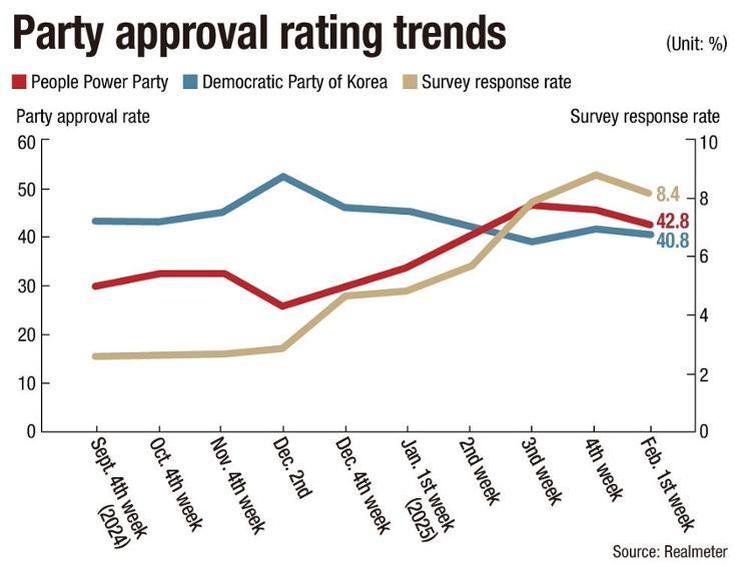
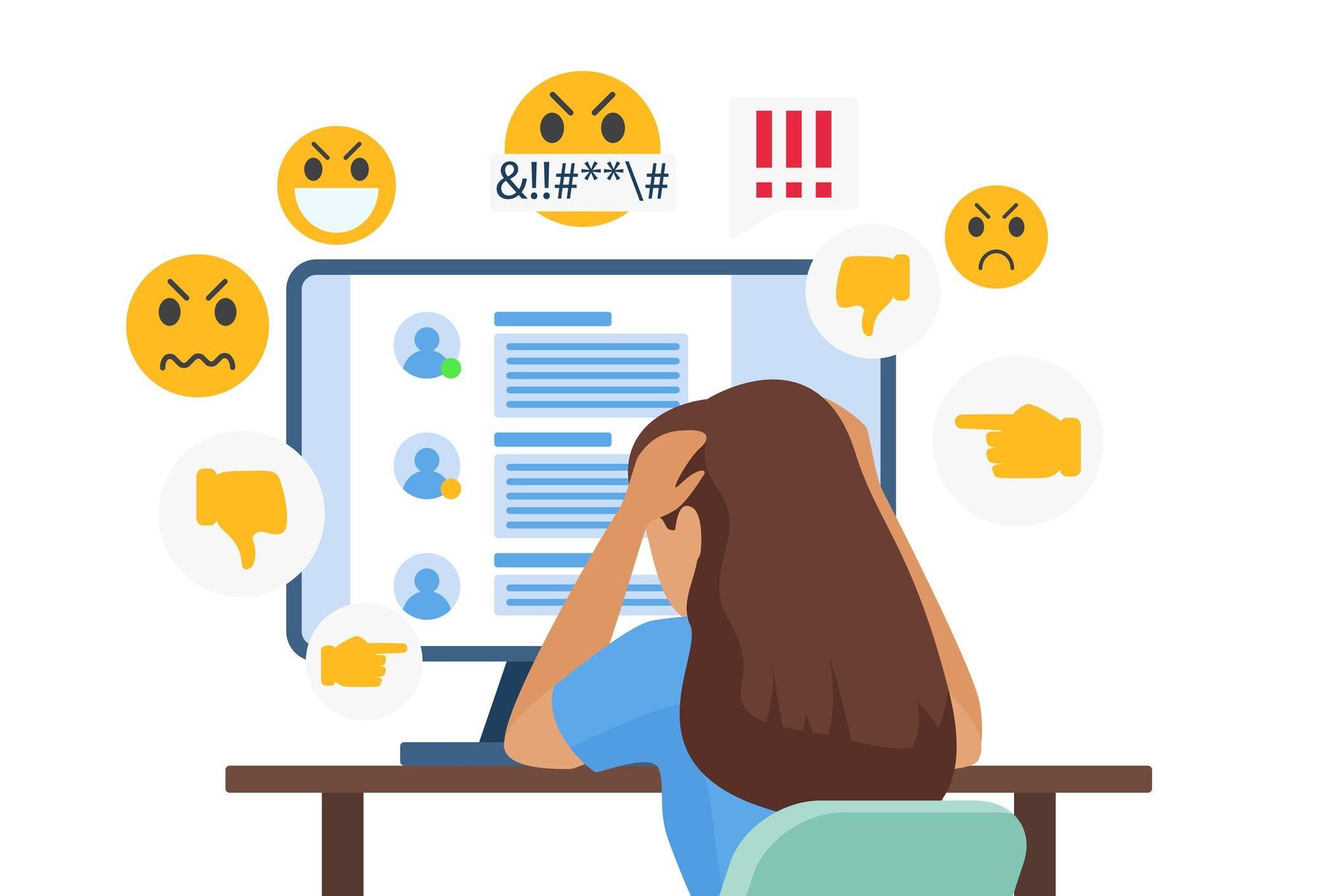
'Bongketmon' also amplified concerns about the extreme politicization of online spaces and the rise of digital extremism in South Korea. It was viewed not merely as offensive humor but as a deliberate attempt to weaponize political differences through dehumanizing imagery. The content exposed a deep ideological rift, demonstrating how certain online communities could descend into vitriolic attacks on perceived political opponents, blurring the lines between satire and hate speech. This fueled anxieties about the health of South Korea's online discourse and its potential to exacerbate real-world societal divisions.
Media Coverage and Wider Debate
The controversy quickly transcended niche online forums, attracting significant attention from mainstream media outlets. Major newspapers, television channels, and news portals reported extensively on 'Bongketmon,' often framing it as a symptom of deeper societal issues. This media exposure ignited a nationwide debate about the boundaries of freedom of speech, the responsibilities of online platforms, and the ethical implications of political satire in a democratic society. Intellectuals, legal experts, and cultural critics weighed in, discussing the balance between protecting free expression and preventing the spread of hateful or deeply offensive content.

Legal Considerations and Calls for Action
The widespread outrage led to numerous calls for legal action against the creators and distributors of 'Bongketmon' content. Activists and concerned citizens filed complaints, citing potential violations of laws pertaining to defamation of the deceased (known as '고인 모독' or '명예훼손'), incitement, and the spread of offensive material via information and communication networks. However, prosecuting such cases proved challenging due to issues of anonymity, the transnational nature of the internet, and the legal complexities surrounding the definition of 'defamation' for a deceased person and the scope of free speech protections. Legal experts engaged in debates over strengthening cyber defamation laws.
Defense Arguments (If Any)
While largely overshadowed by condemnation, some individuals and groups offered counter-arguments, primarily invoking the principle of freedom of expression. They argued that even offensive political satire, however distasteful, falls under the umbrella of free speech and that attempts to censor or punish such content could set a dangerous precedent for limiting artistic or political expression. Some also framed it as a form of counter-cultural rebellion against perceived mainstream political correctness or hypocrisy, an argument often employed by communities like Ilbe to justify their controversial output.
Impact on Roh Moo-hyun's Legacy
The 'Bongketmon' phenomenon was a direct assault on the memory and legacy of former President Roh Moo-hyun. It aimed to tarnish his image, discredit his political achievements, and mock the circumstances of his death. For his fervent supporters, it was a painful reminder of the ongoing political animosity and the continuous efforts by certain factions to rewrite history or diminish his contributions. Paradoxically, the widespread public outrage against 'Bongketmon' might have inadvertently solidified his supporters' resolve, reinforcing their commitment to protecting and honoring his legacy in the face of such aggressive attempts at defamation.
Comparison to Other Online Controversies
'Bongketmon' is not an isolated incident but rather fits into a broader pattern of highly contentious online trends and political attacks that have plagued South Korean internet culture. Similar controversies have involved mocking victims of national tragedies (like the Sewol Ferry disaster), spreading hate speech against specific gender groups, or engaging in extreme regional bias. This trend highlights the challenges of managing anonymous online behavior and the potential for certain platforms to foster echo chambers where extreme views are normalized and amplified, leading to repeated instances of online harassment and societal discord.
Cultural Sensitivity and Mourning
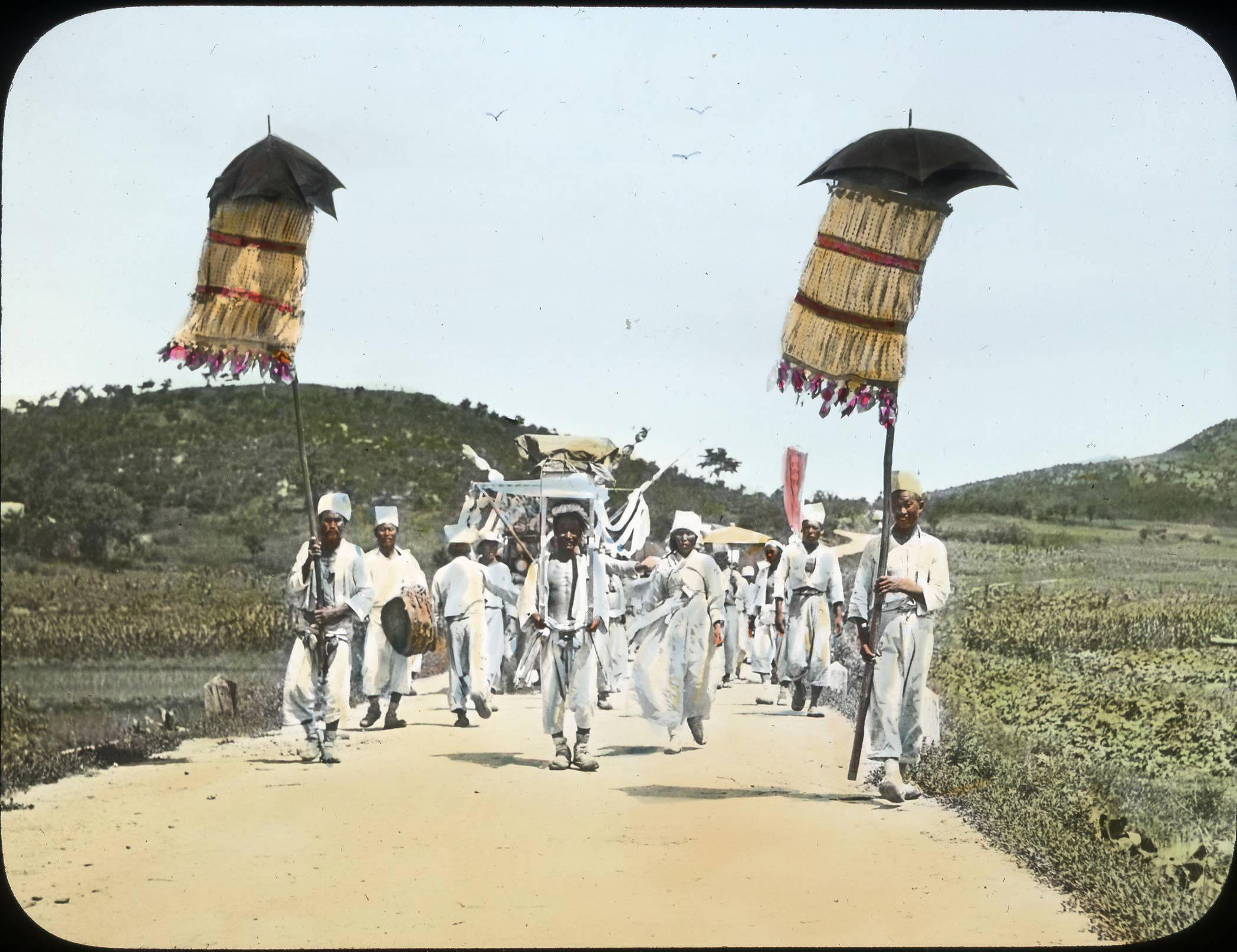
The particular insensitivity of 'Bongketmon' struck a raw nerve due to deeply rooted Korean cultural values concerning death and mourning. In Korean society, showing respect for the deceased, their family, and their memorial sites is paramount. Mocking a dead person, especially one who suffered a tragic end, is considered profoundly disrespectful and goes against fundamental tenets of filial piety and communal empathy. The content was thus perceived not just as political dissent but as a violation of basic human decency and cultural decorum, eliciting a visceral negative reaction from a broad spectrum of society.
Role of Digital Platforms
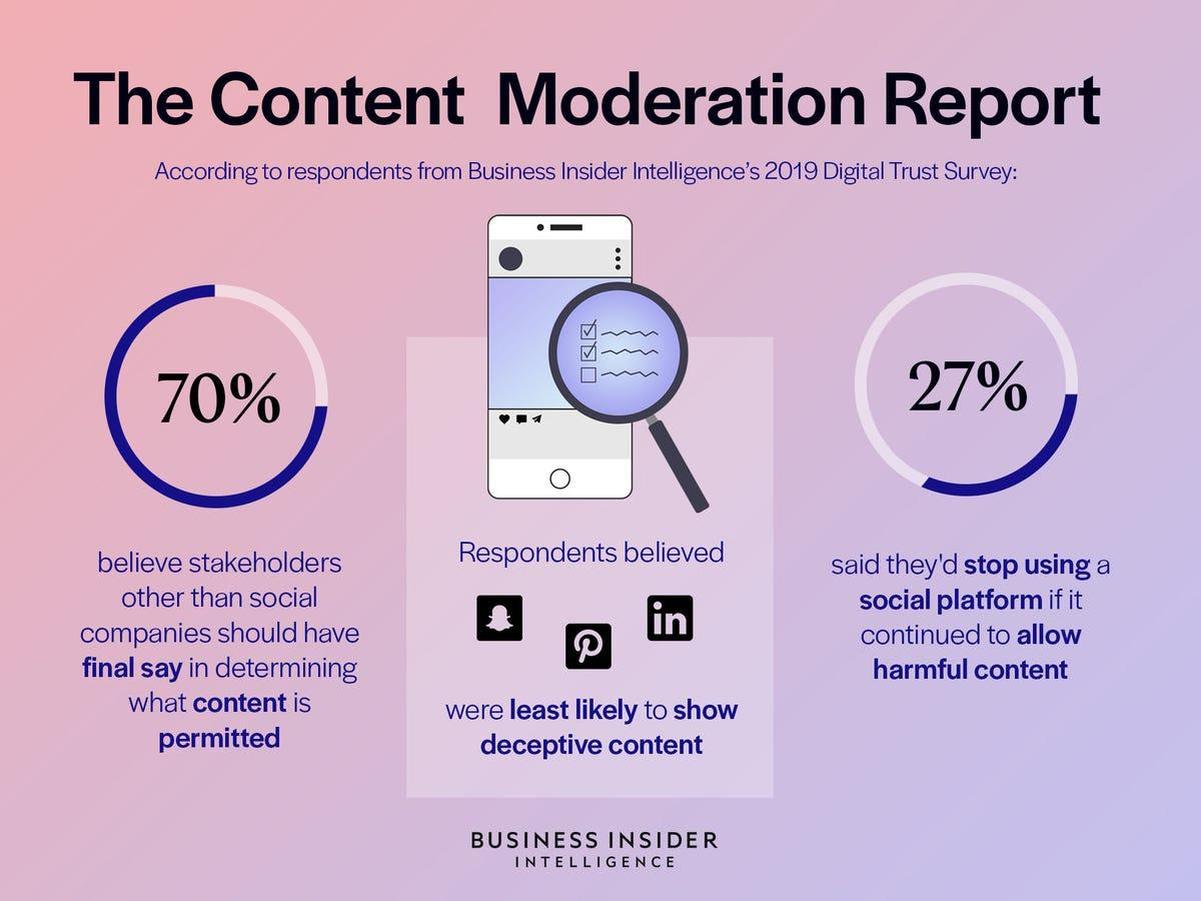
The 'Bongketmon' controversy brought to the forefront the contentious issue of the responsibilities of digital platforms. Critics argued that platforms like Ilbe Storage, by providing a space for such content to thrive, were complicit in its dissemination. Debates ensued regarding whether these platforms should implement stricter content moderation policies, enforce user guidelines more vigorously, or even face legal consequences for failing to curb hate speech. However, the complexities of platform neutrality, algorithmic censorship, and potential implications for free speech rights presented significant challenges to effective regulation.
Evolution of the Phenomenon
While 'Bongketmon' generated intense public outcry and media attention initially, its mainstream visibility eventually waned. However, the phenomenon did not entirely disappear; rather, it continued to persist within the niche, extremist online communities where it originated. Its legacy lived on in various forms of 'Roh Moo-hyun memes' and satirical content, circulating among users who shared similar anti-liberal political sentiments. This indicates how such provocative online trends, even after public condemnation, can retreat into subcultures, evolving and resurfacing periodically, continuing to influence specific segments of the online landscape.
Long-Term Societal Implications
'Bongketmon' served as a stark indicator of deep societal fissures within South Korea, particularly the growing political polarization and the challenges of achieving respectful discourse in the digital age. It highlighted how historical grievances and political animosities could be exploited and amplified through online platforms, leading to dehumanization and extreme forms of expression. The incident continues to be referenced in discussions about cyberbullying, hate speech, and the ongoing struggle for a civil online environment, underscoring the need for greater digital literacy and empathy to bridge ideological divides.
Educational and Awareness Efforts
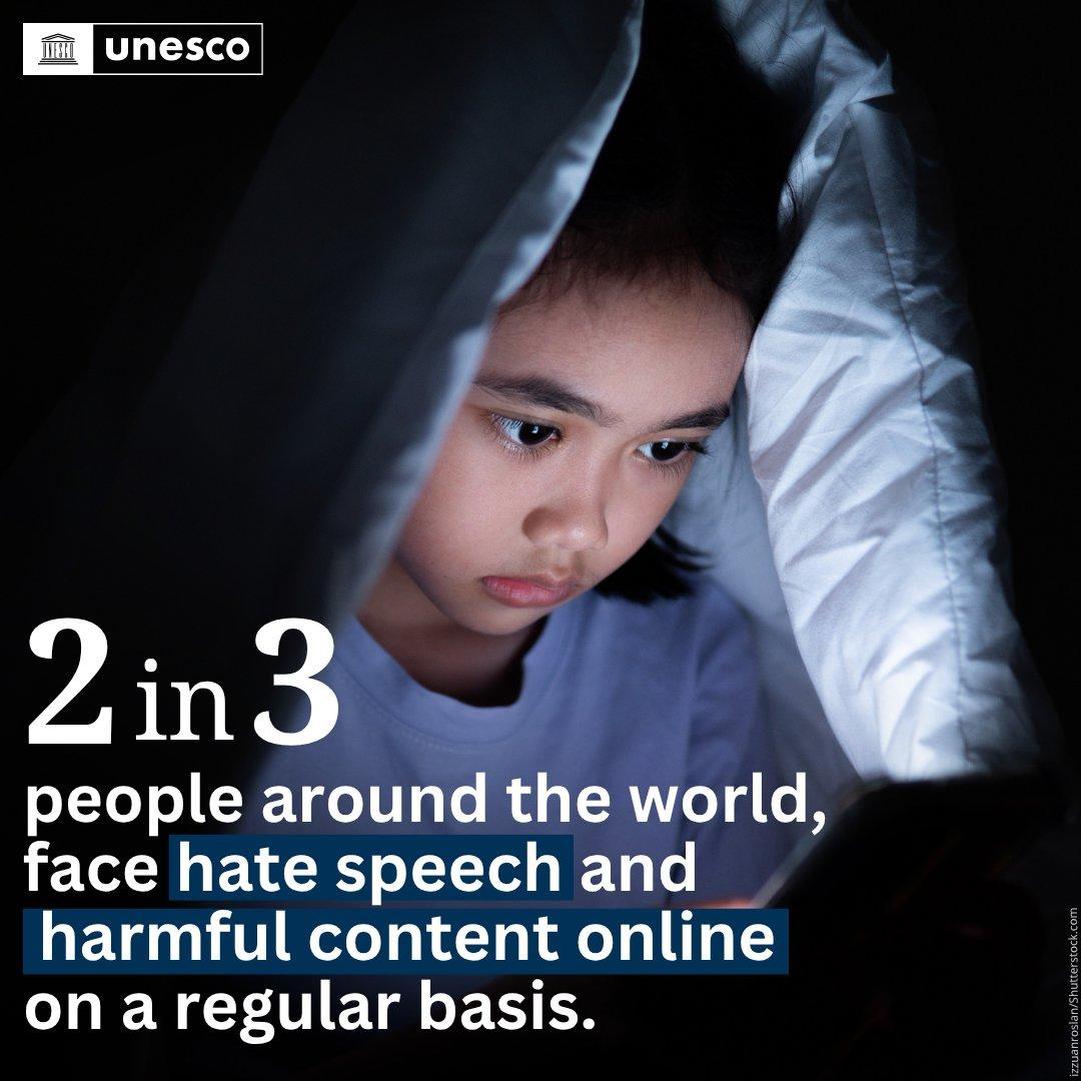
In the aftermath of 'Bongketmon' and similar online controversies, there has been a heightened focus on promoting internet ethics education and fostering awareness about the dangers of hate speech and online extremism. Educational institutions, government agencies, and civic organizations have launched campaigns aimed at cultivating responsible digital citizenship, encouraging critical thinking, and promoting respectful online interactions. These efforts seek to equip younger generations with the tools to navigate complex online environments, recognize harmful content, and contribute positively to the digital public sphere, preventing the recurrence of such divisive phenomena.
Conclusion and Lasting Message
The 'Bongketmon' incident remains a significant, albeit dark, chapter in South Korea's digital history. It serves as a potent case study illustrating the potential for online platforms to be co-opted for extreme political expression and personal attacks, particularly against revered figures. Beyond a mere online fad, it exposed deep-seated political divisions, tested the boundaries of freedom of speech against cultural norms of respect for the deceased, and highlighted the challenges faced by both platforms and society in moderating harmful content. The controversy continues to underscore the ongoing quest for a more respectful, inclusive, and ethical digital public sphere in South Korea and globally.
#Bongketmon#RohMooHyun#NamuWikiSummary#SouthKoreanPolitics#OnlineControversy#PoliticalSatire#IlbeStorage#DigitalEthics#FreedomOfSpeech#KoreanInternetCulture
Comments(0)
No comments yet. Be the first to share your thoughts!
Recommended Reads
 Kbeauty
Sep 22, 2026, 10:03 PM
Target Beauty Studio: How K-Beauty is Conquering the American Mass Market
On September 10, 2026, retail giant Target officially launched Target Beauty Stu...
 Skincare
Sep 21, 2026, 10:03 PM
How K-Beauty is Powering Global Ingredient Literacy and Redefining Skincare
In a major move for the global beauty industry, Korean-American cosmetics brand ...
 JayPark
Sep 20, 2026, 10:06 PM
Edmonds-Born K-Pop Pioneer Jay Park Set for Major Seattle Homecoming Concert
Edmonds-born K-pop and hip-hop pioneer Jay Park is returning to his roots for a ...
 BTS
BTSSep 19, 2026, 10:04 PM
The Triumph and Autonomy of BTS: Inside Their Historic 2026 Comeback and Bold Grammy Boycott
After a scheduled hiatus that began in late 2022, the global supergroup BTS has ...
 Fitness Gaming
Sep 3, 2026, 03:35 AM
VXROOM: Transforming Daily Workouts into Engaging Web-Based Motion Games
VXROOM (vxroom.com) is an innovative web-based int...
 Survival Show
Sep 1, 2026, 09:07 AM
Game of Blood X: The Evolution of Korea’s Fiercest Survival Reality Franchise
Wavve's hit original series Game of Blood ...