
모로코Jul 10, 2026, 06:54 AM• 81541 views
A Comprehensive Study of Morocco: History, Culture, Geopolitics, and Modern Development
Introduction to the Kingdom of Morocco
Morocco, officially known as the Kingdom of Morocco, is a sovereign state located in the Maghreb region of North Africa. Geographically characterized by a rugged mountainous interior, vast expanses of the Sahara Desert, and an extensive coastline along both the Atlantic Ocean and the Mediterranean Sea, Morocco occupies a unique geopolitical and cultural crossroads. Historically bridging Africa, Europe, and the Middle East, it has developed a distinct national identity that merges indigenous Amazigh (Berber), Arabian, Sub-Saharan, and European influences. As one of the oldest monarchies in the Arab-Islamic world, the nation plays a pivotal role in regional stability and international diplomacy.
Ancient Roots and the Amazigh Heritage
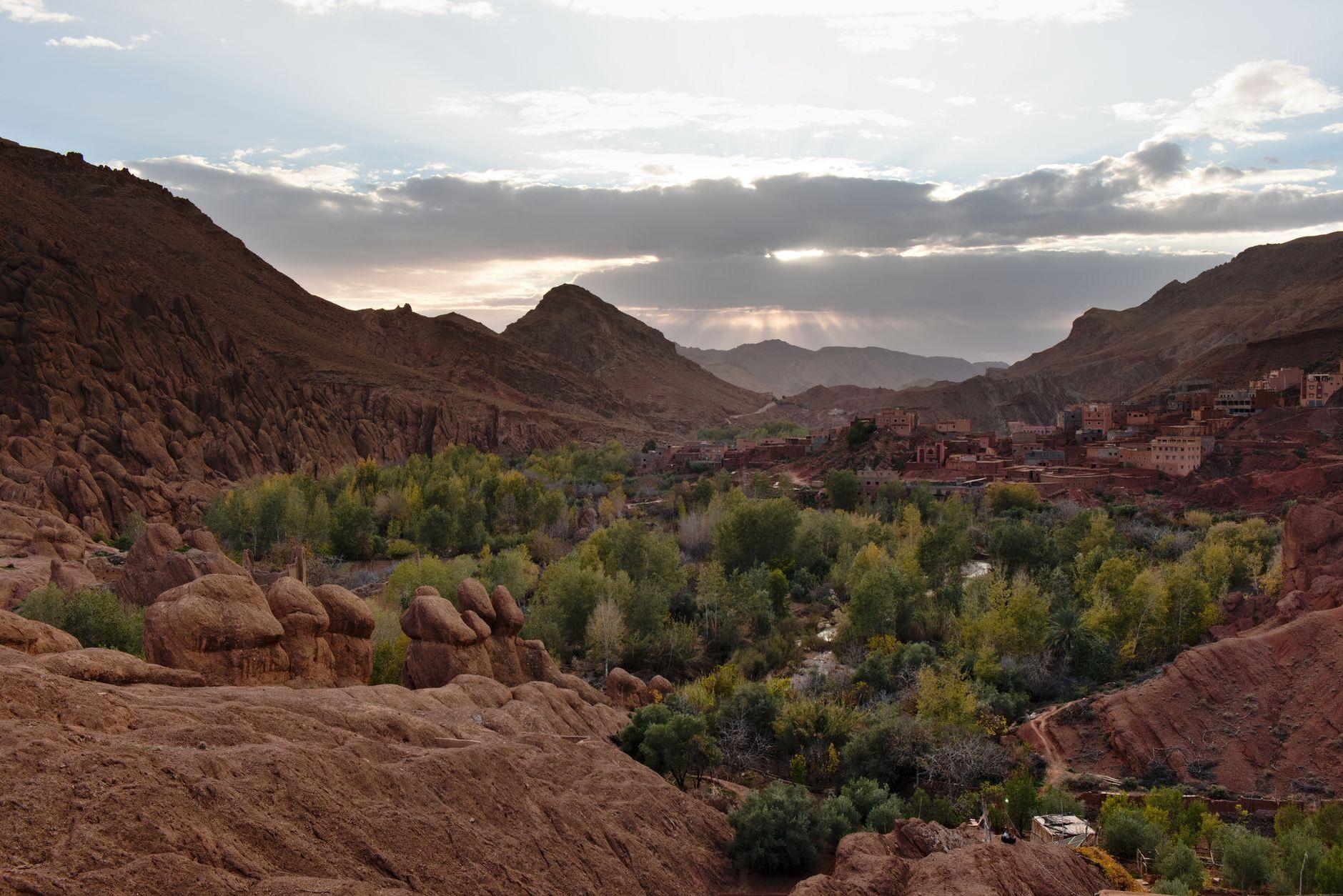
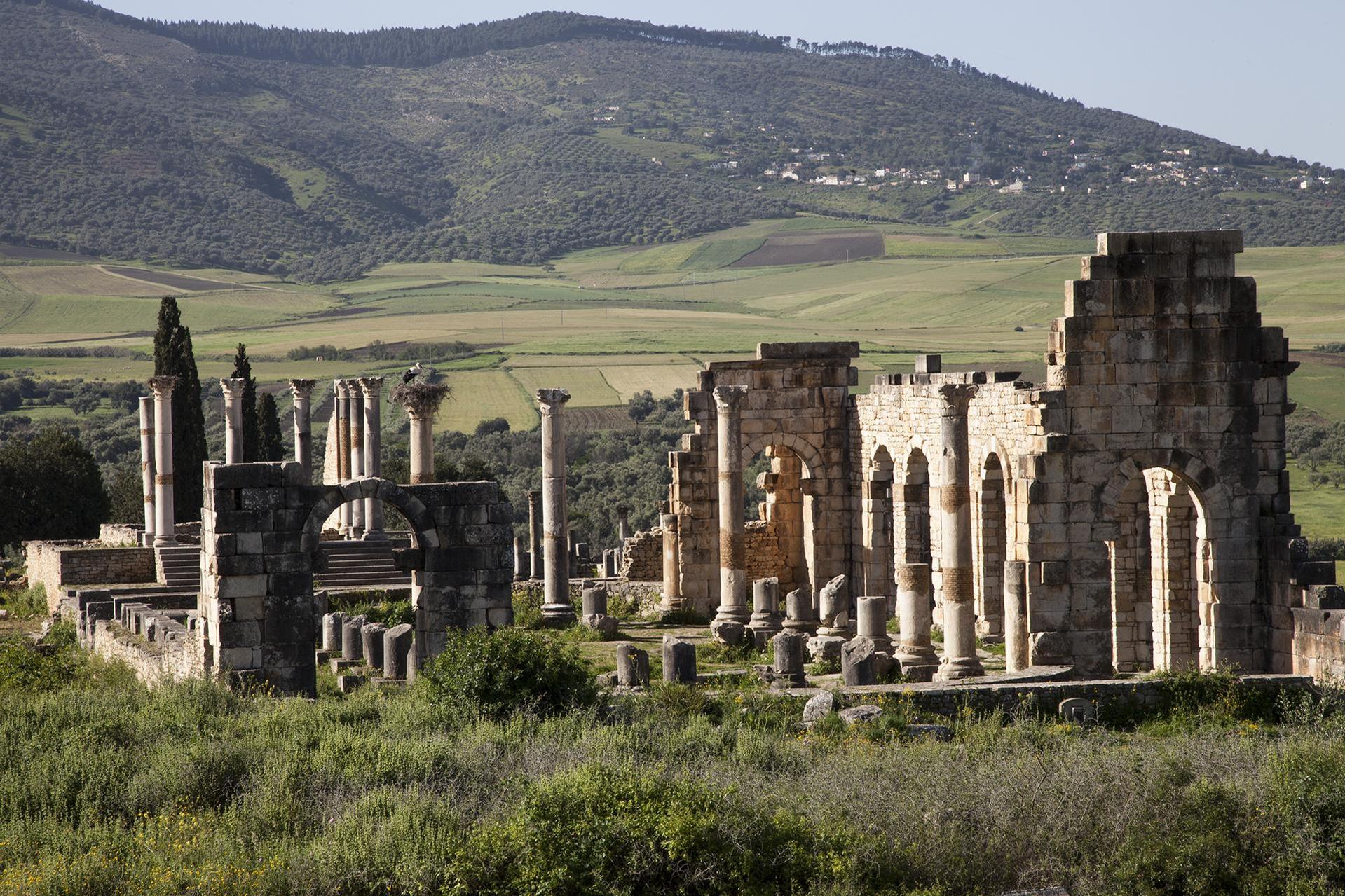
The earliest known history of Morocco is deeply rooted in the Amazigh people, commonly known as Berbers, who have inhabited the region for millennia. Archaeological findings indicate that the area was populated during the Paleolithic era. In antiquity, Phoenician traders established commercial outposts along the coast, which were later absorbed by the Carthaginian Empire. Following the fall of Carthage, the region became part of the Roman Empire as the province of Mauritania Tingitana. Throughout these waves of foreign contact, the indigenous Amazigh maintained a high degree of cultural independence, laying the foundational basis of modern Moroccan society.
Islamic Integration and Medieval Dynasties
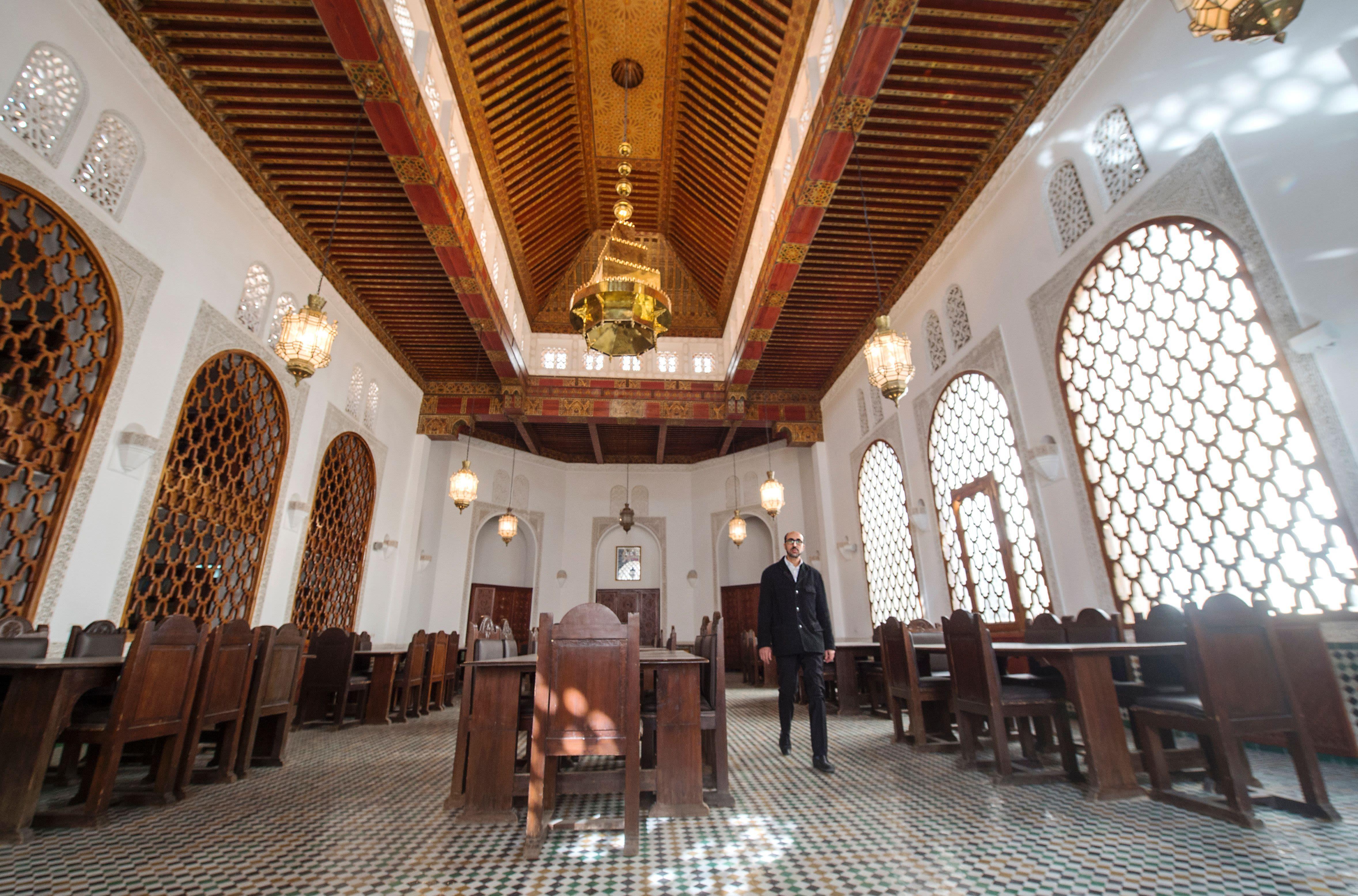
The defining transformation in Moroccan history occurred during the late 7th century with the Arab-Islamic conquests. Under the leadership of Idris I, who founded the Idrisid Dynasty in 788 AD, Morocco became a unified Islamic state independent of the Abbasid Caliphate in Baghdad. This era saw the establishment of Fez as a magnificent intellectual and cultural center. Subsequent powerful Berber-Islamic dynasties, such as the Almoravids and Almohads, expanded their empires across North Africa and deep into Al-Andalus (Islamic Spain), facilitating a rich synthesis of Andalusian and Maghrebi cultures.
Rise of the Alaouite Dynasty
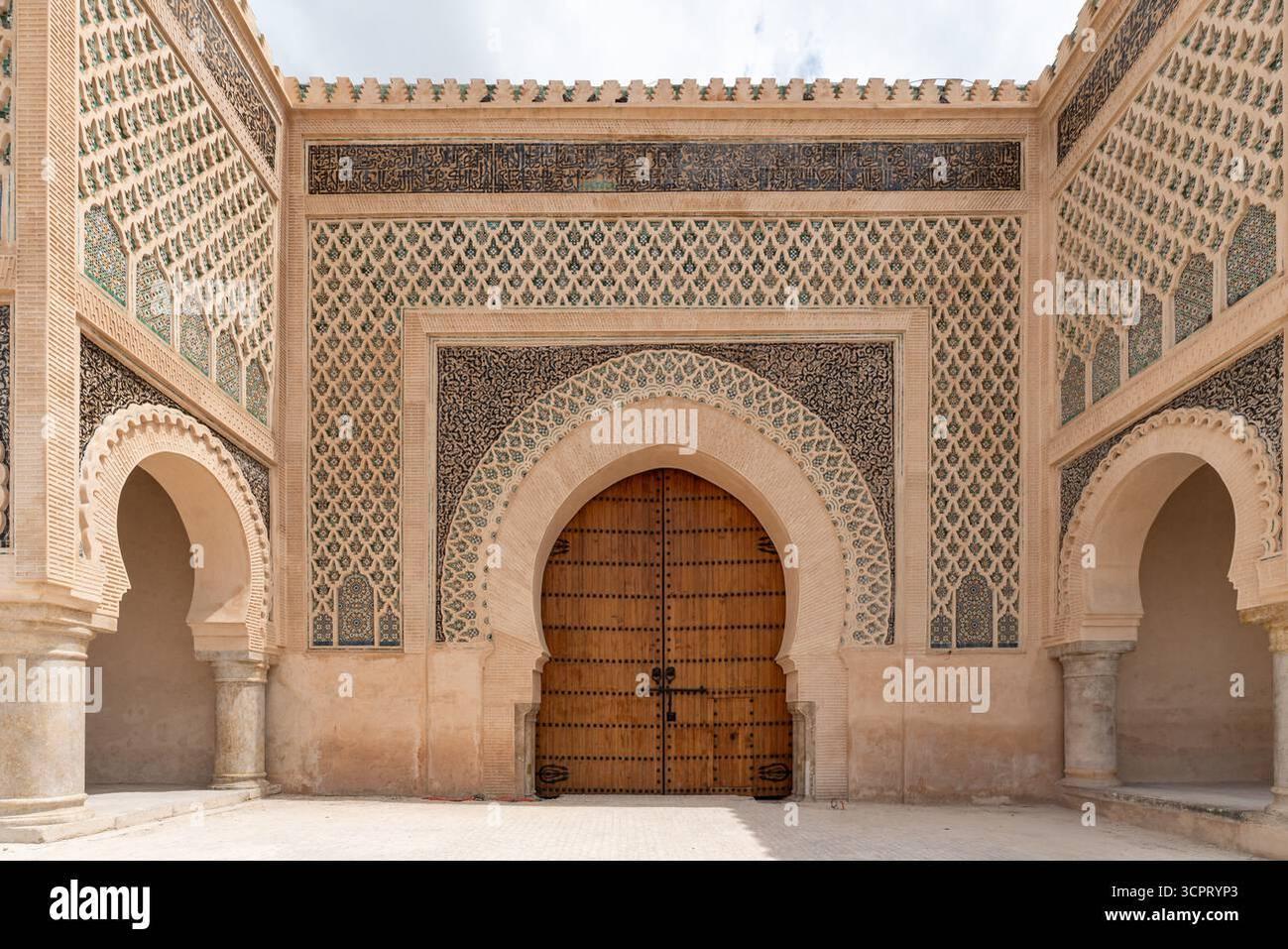
During the 17th century, the Alaouite Dynasty rose to power, claiming direct descent from the Prophet Muhammad. Founded by Moulay Al-Sharif, the dynasty established its supremacy under Moulay Ismail, who consolidated state power, created a centralized army, and built the grand imperial city of Meknes. The Alaouites successfully resisted Ottoman expansion, preserving Moroccan sovereignty while neighboring territories fell under imperial Turkish control. This period of independence allowed Morocco to forge its own distinctive administrative and diplomatic systems, which persist as the core of the contemporary Moroccan state.
European Colonial Intrusion and the Protectorate Era
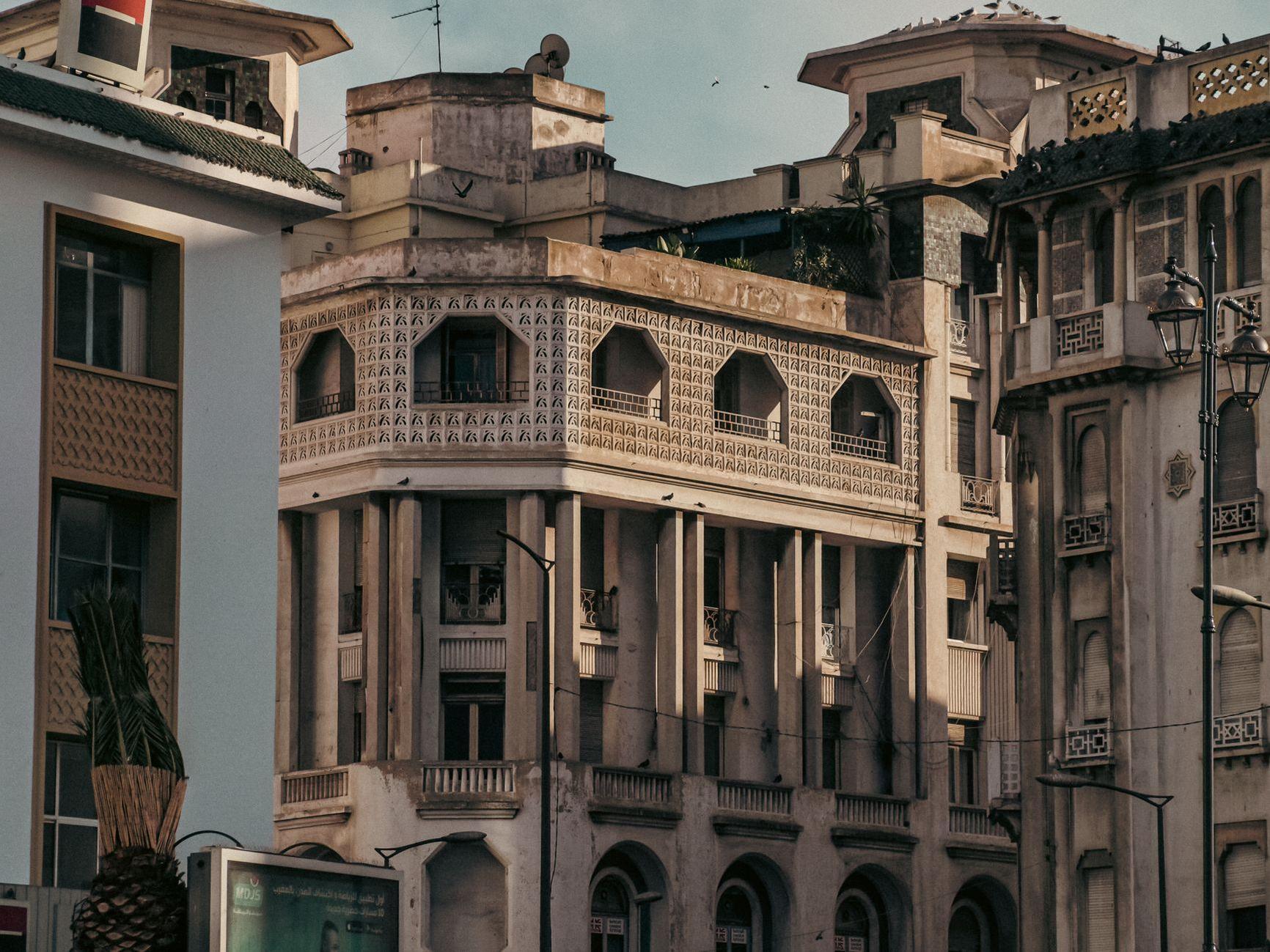
By the late 19th and early 20th centuries, a weakening Moroccan state attracted the imperial ambitions of European powers. The strategic position of Morocco made it a flashpoint for international rivalry, culminating in the Treaty of Fez in 1912. This treaty established the French Protectorate over most of Morocco, while Spain maintained a smaller sphere of influence in the far north and south. Under French Resident-General Hubert Lyautey, the colonial administration implemented modern administrative and infrastructural frameworks while formally preserving the traditional authority of the Moroccan Sultan, a policy of indirect rule that deeply shaped modern Moroccan urban planning and state institutions.
The Struggle for Independence and Sovereign Rebirth
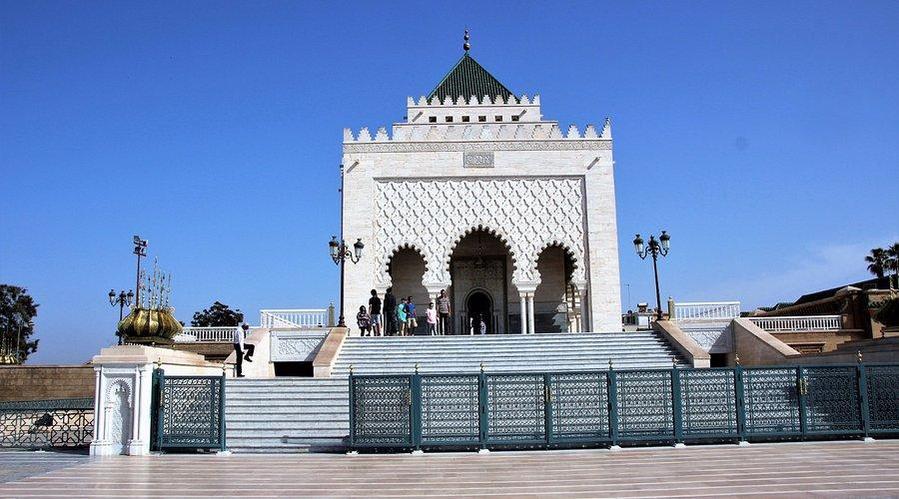
Moroccan resistance to colonial rule intensified throughout the mid-20th century, catalyzed by the creation of the Istiqlal (Independence) Party. A turning point occurred in 1953 when French authorities exiled the popular Sultan Mohammed V, hoping to curb the nationalist movement. This action backfired, igniting widespread civil unrest and armed resistance. Faced with escalating pressure and the outbreak of the Algerian war, France capitulated, allowing Mohammed V to return in triumph. On March 2, 1956, Morocco officially gained its independence, and the Sultan subsequently assumed the title of King, establishing a modern constitutional monarchy.
The Reign of King Hassan II and Internal Consolidation
Following the sudden death of Mohammed V in 1961, his son Hassan II ascended the throne. King Hassan II's 38-year reign was marked by intense political centralization and severe crackdowns on political dissidents, a period historically referred to as the 'Years of Lead'. Despite these domestic struggles, Hassan II was highly praised internationally as a skilled diplomat who navigated the Cold War as a Western ally and played a quiet but key role in early Arab-Israeli peace efforts. He also consolidated national pride by successfully launching the Green March in 1975 to assert sovereignty over Western Sahara.
Modernization and Reforms under King Mohammed VI
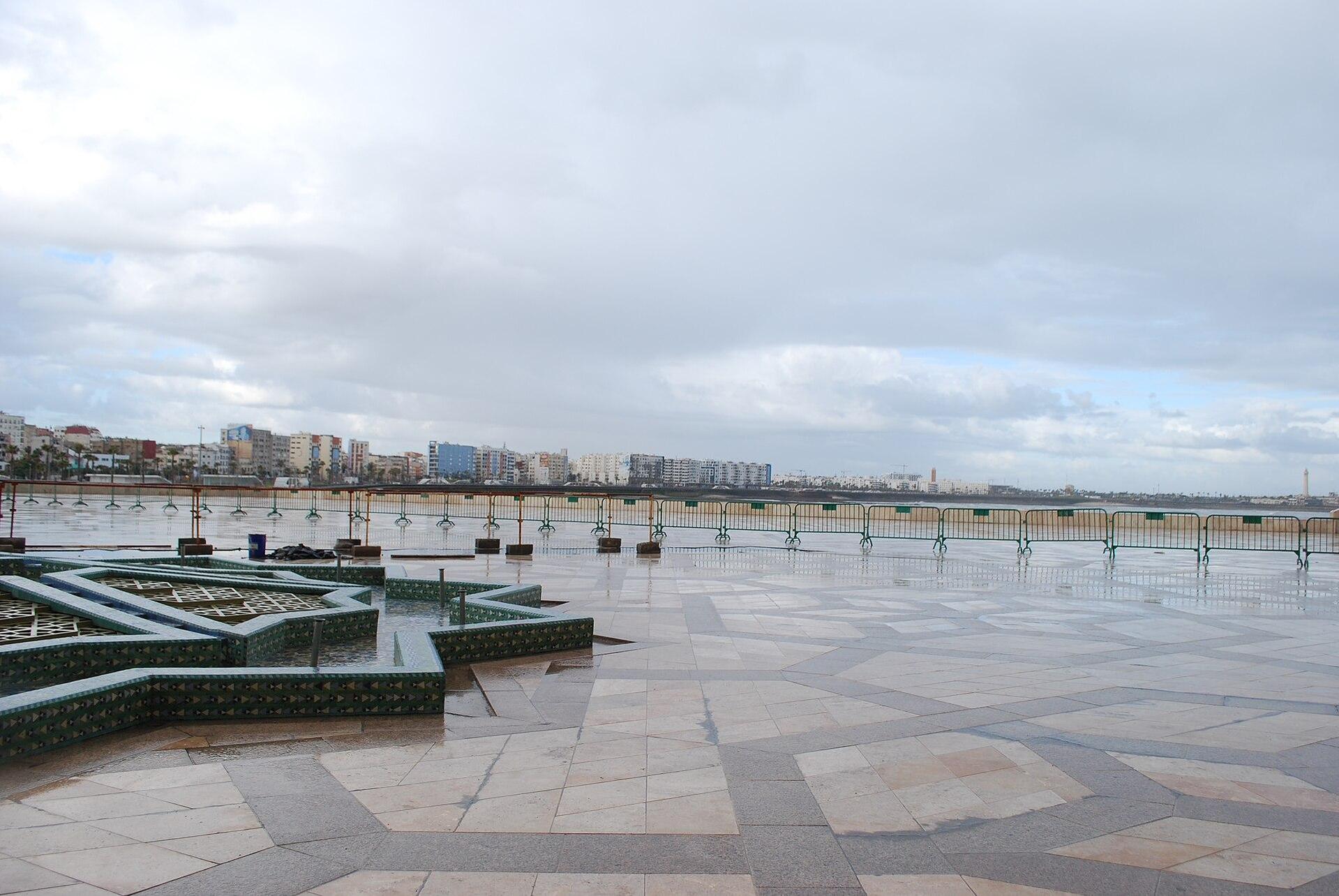
The ascension of King Mohammed VI in 1999 ushered in a new era of socio-political modernization. The young monarch prioritized poverty alleviation, economic liberalization, and human rights. Under his guidance, Morocco enacted the Mudawana in 2004, a progressive family code that significantly enhanced women's rights in matters of marriage, divorce, and child custody. During the regional upheavals of the 2011 Arab Spring, King Mohammed VI proactively introduced constitutional reforms that decentralized authority, expanded the powers of parliament, and recognized Tamazight (the Amazigh language) as an official state language.
The Western Sahara Dispute and National Sovereignty
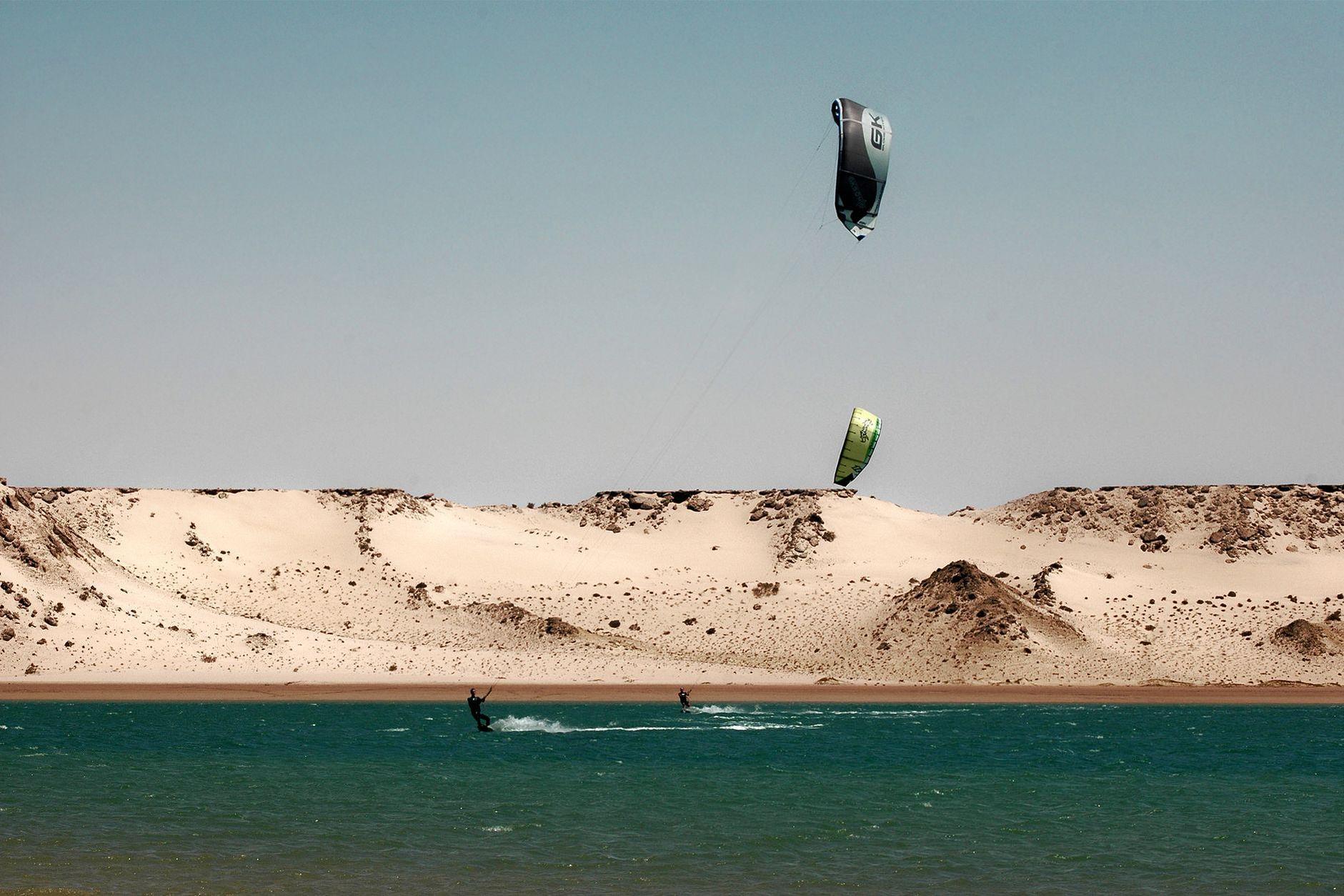
The Western Sahara remains Morocco's most critical foreign policy and national security issue. Following Spain's withdrawal in 1975, Morocco claimed the territory based on historical ties, leading to a guerrilla war with the Algeria-backed Polisario Front seeking independence. A UN-brokered ceasefire was established in 1991, but a final resolution remains elusive. Morocco maintains administrative control over roughly 80 percent of the territory and has proposed a wide-ranging autonomy plan under Moroccan sovereignty. This plan has gained significant international support, notably from major global powers like the United States.
Strategic Foreign Policy and Diplomatic Alliances
Morocco practices a highly strategic and pragmatic foreign policy. Positioned as a major non-NATO ally of the United States, it plays a vital role in counter-terrorism cooperation and regional security. Concurrently, Morocco has deep economic ties with the European Union, serving as a critical partner in managing Mediterranean migration. In 2017, Morocco rejoined the African Union after a 33-year absence, actively pursuing a policy of 'South-South cooperation' by investing heavily in West Africa. In late 2020, Morocco normalized diplomatic relations with Israel under the US-brokered Abraham Accords, further diversifying its strategic alliances.
Economic Foundations: Phosphates, Agriculture, and Manufacturing
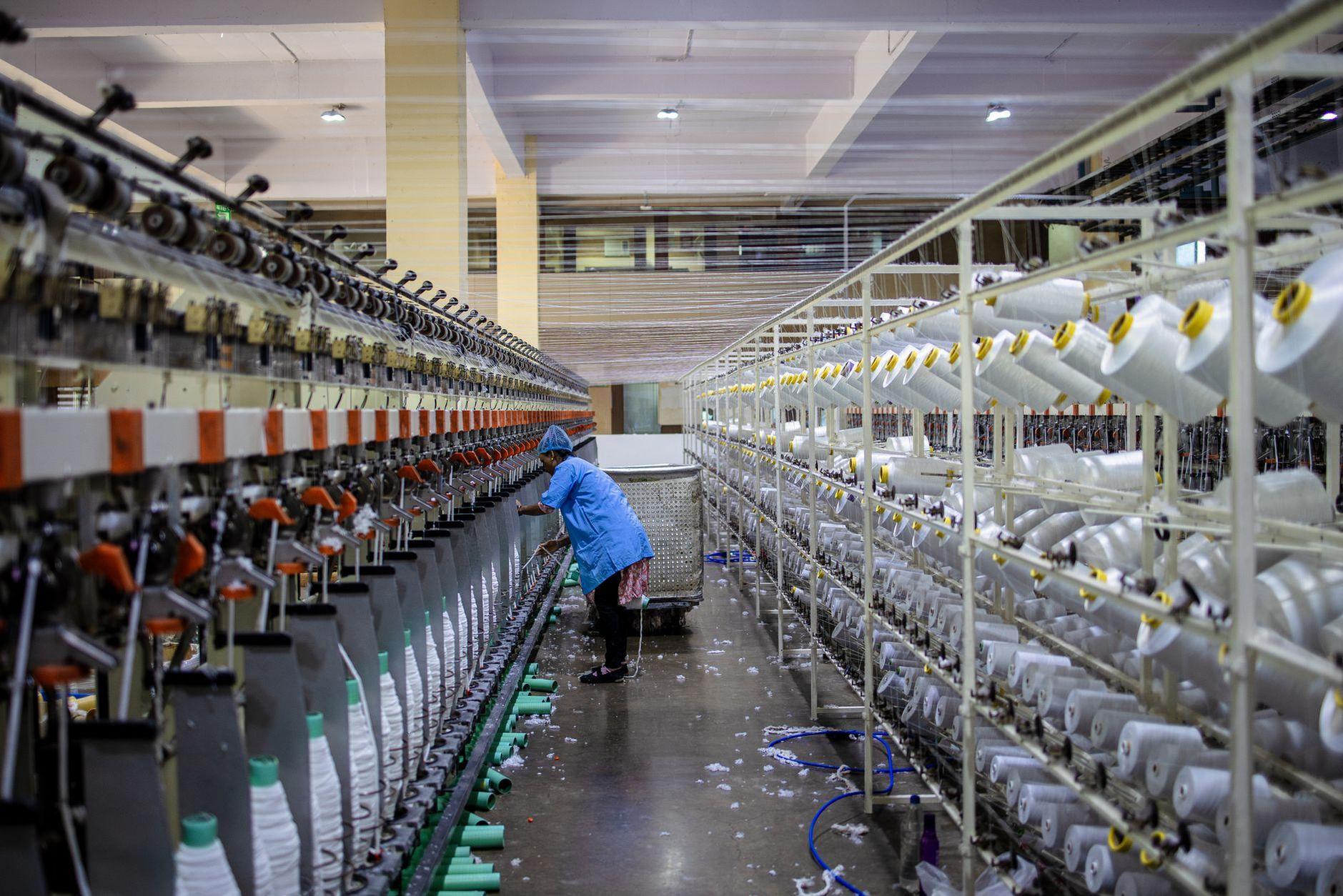
The economy of Morocco is diversified and increasingly integrated into global supply chains. It holds over 70 percent of the world's known phosphate reserves, making the state-owned OCP Group a global leader in fertilizers. Agriculture remains a critical pillar of employment, producing citrus fruits, olives, and vegetables for export. Under the 'Plan Emergence' and 'Industrial Acceleration Plan,' Morocco has successfully positioned itself as a major automotive manufacturing hub in Africa, with French giants Renault and Stellantis operating large plants in Tangier and Kenitra, complemented by an expanding aerospace supplier ecosystem.
Tourism and the Cultural Magnetism of Imperial Cities
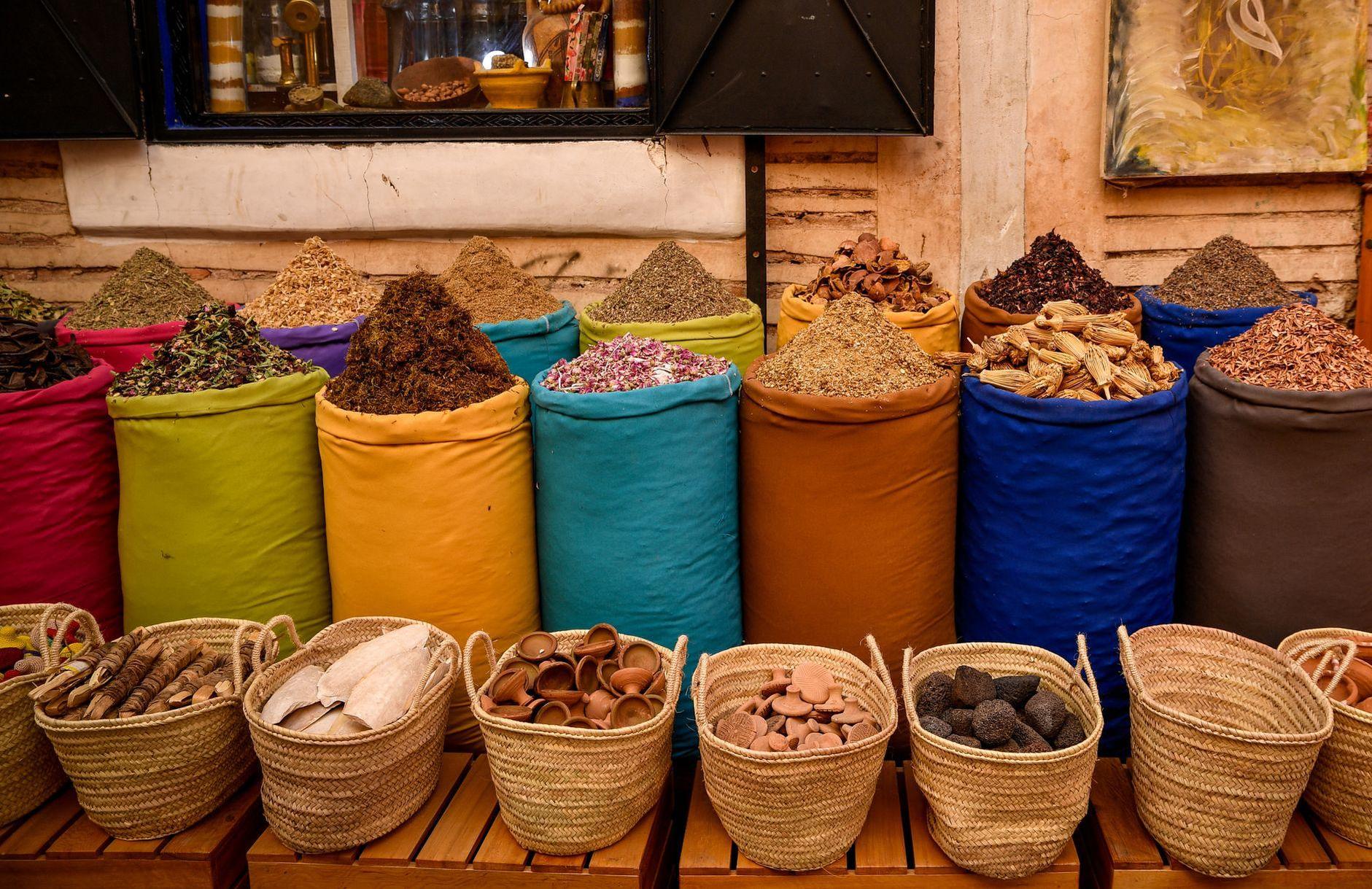
Tourism is a vital source of foreign exchange and employment for Morocco. Millions of international visitors are drawn each year to the country’s four imperial cities: Fez, Marrakech, Meknes, and Rabat. Marrakech, with its iconic Jemaa el-Fnaa square and bustling souks, is a global tourist landmark. Visitors are enchanted by the labyrinthine medieval medinas, sensory spice markets, historic palaces, and the stunning blue-painted town of Chefchaouen. Morocco's unique tourism strategy leverages its rich intangible heritage, from traditional crafts and carpets to historical architectural preservation.
Mega-Infrastructure Projects and Green Energy Leadership
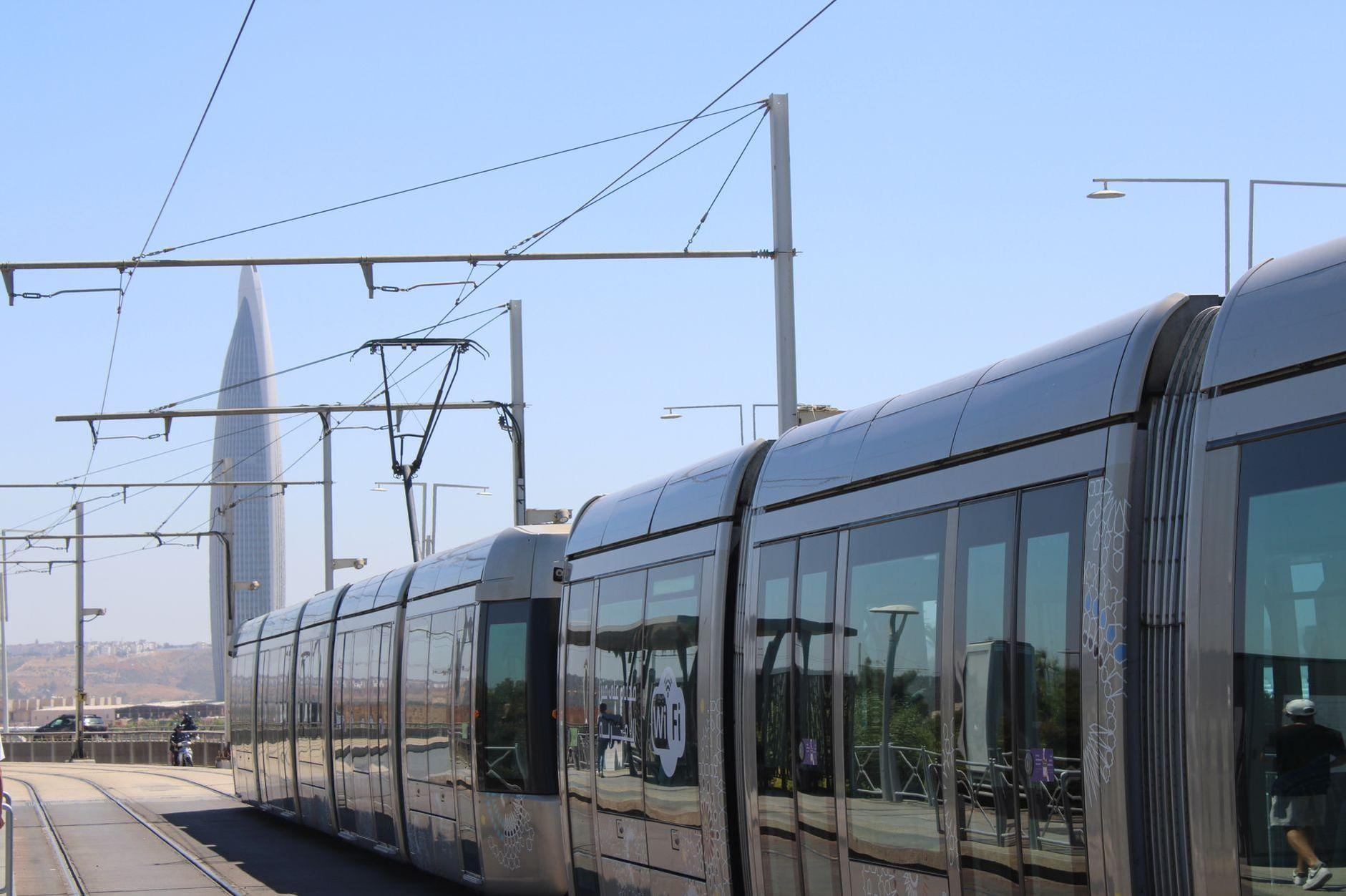
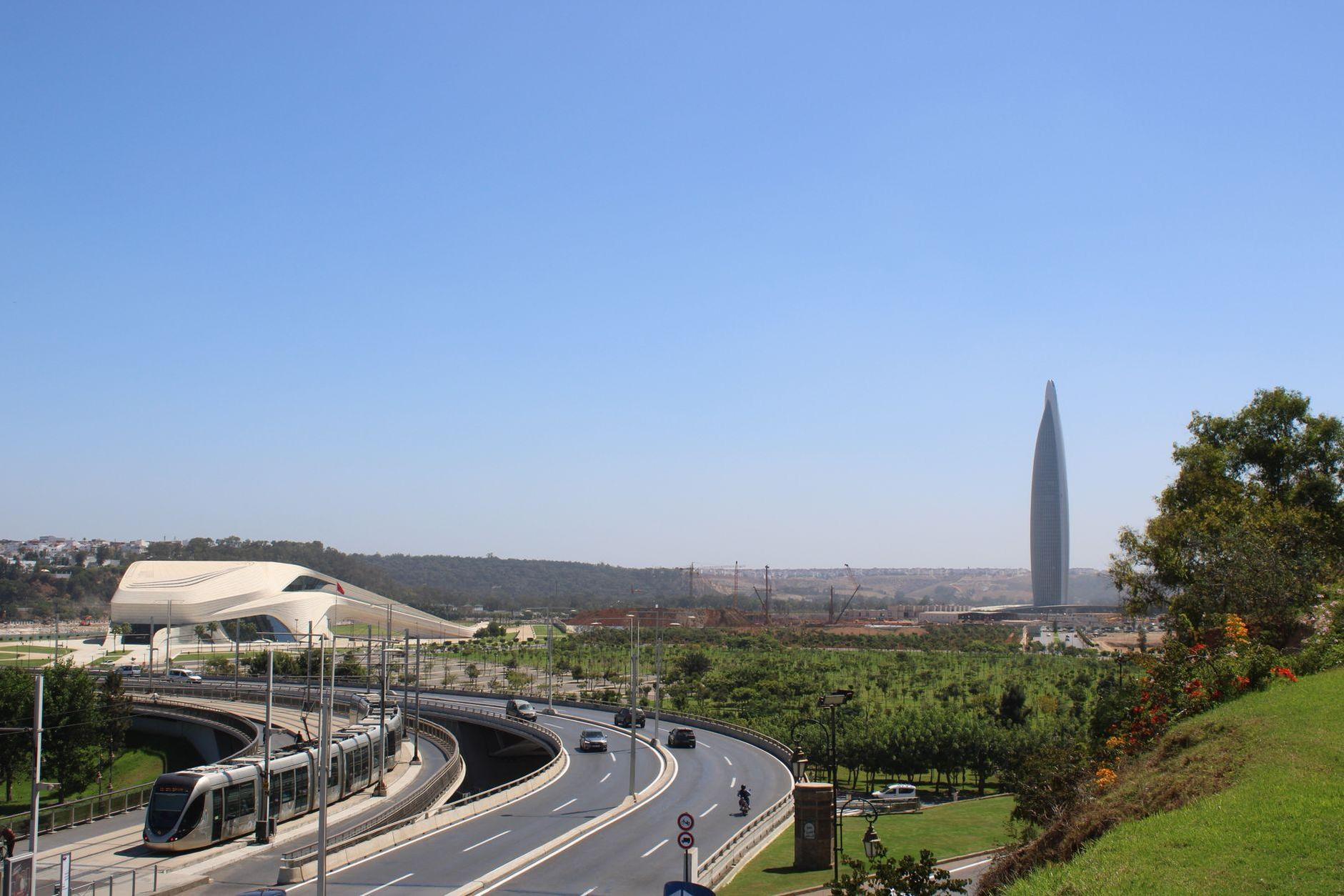
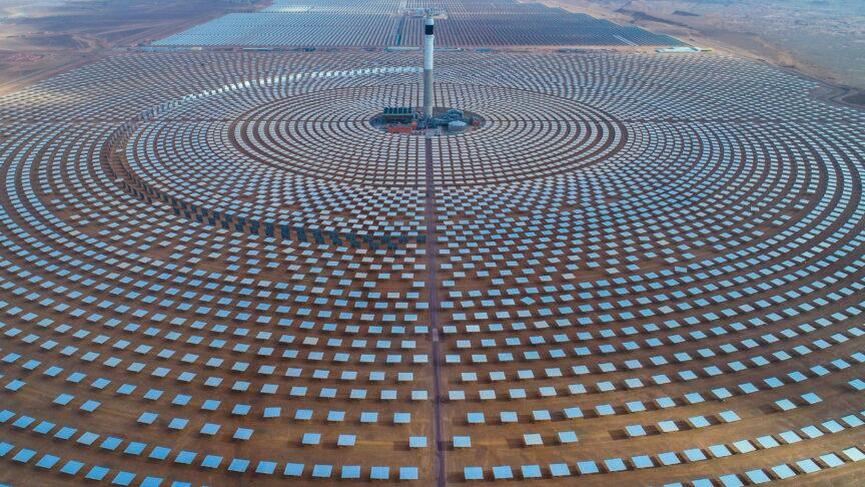
Morocco has invested heavily in world-class infrastructure to position itself as a logistics bridge between Europe and Africa. The Tangier-Med Port is now the largest container port on the Mediterranean and in Africa. Furthermore, Morocco launched the Al Boraq in 2018, Africa's first high-speed rail line connecting Tangier to Casablanca. In parallel, Morocco has become a global leader in renewable energy. The Noor Ouarzazate Solar Power Station, one of the largest concentrated solar power plants in the world, is the crown jewel of Morocco’s ambitious strategy to generate over 52 percent of its electricity from renewable sources by 2030.
Traditional Moroccan Architecture and Urban Design
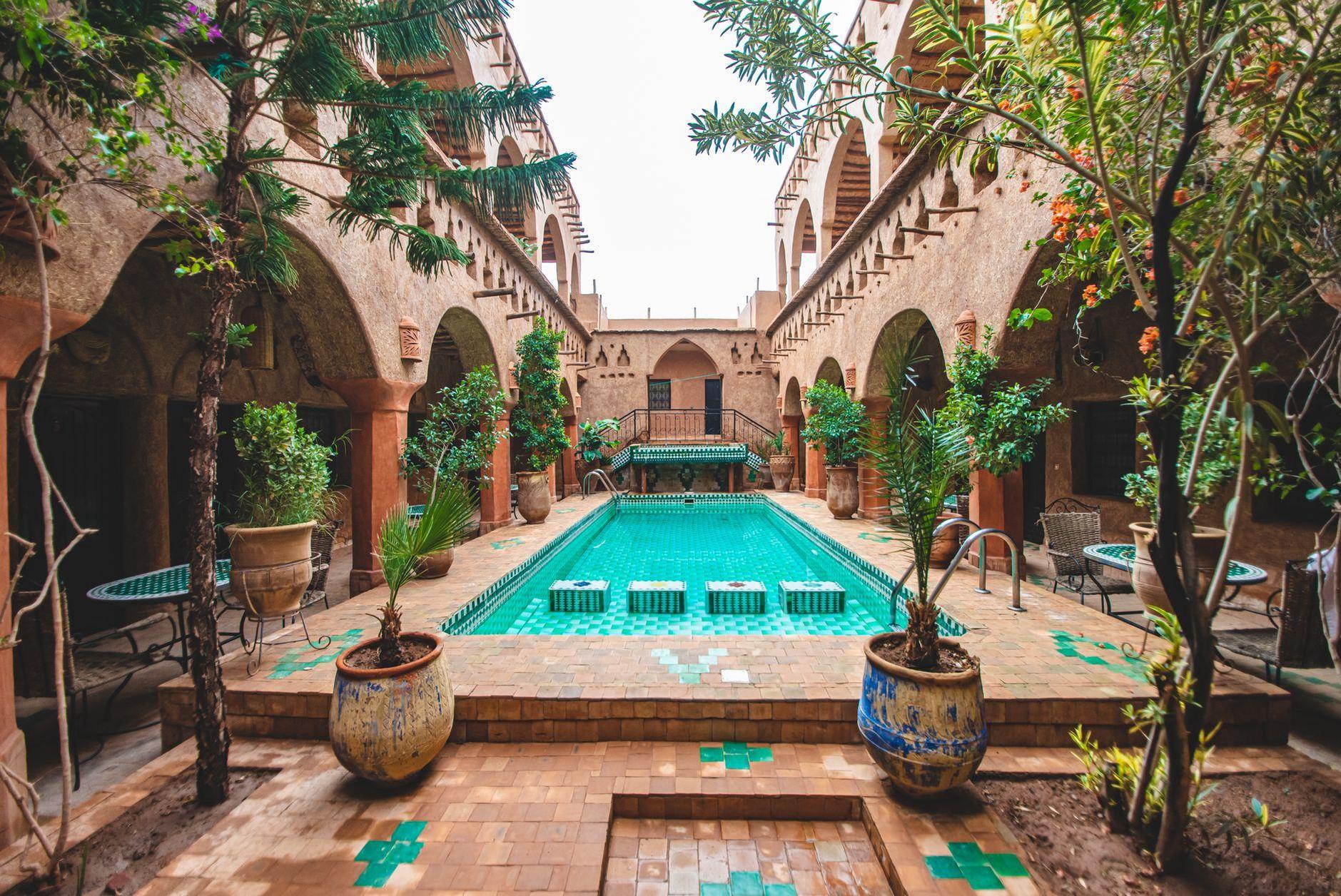
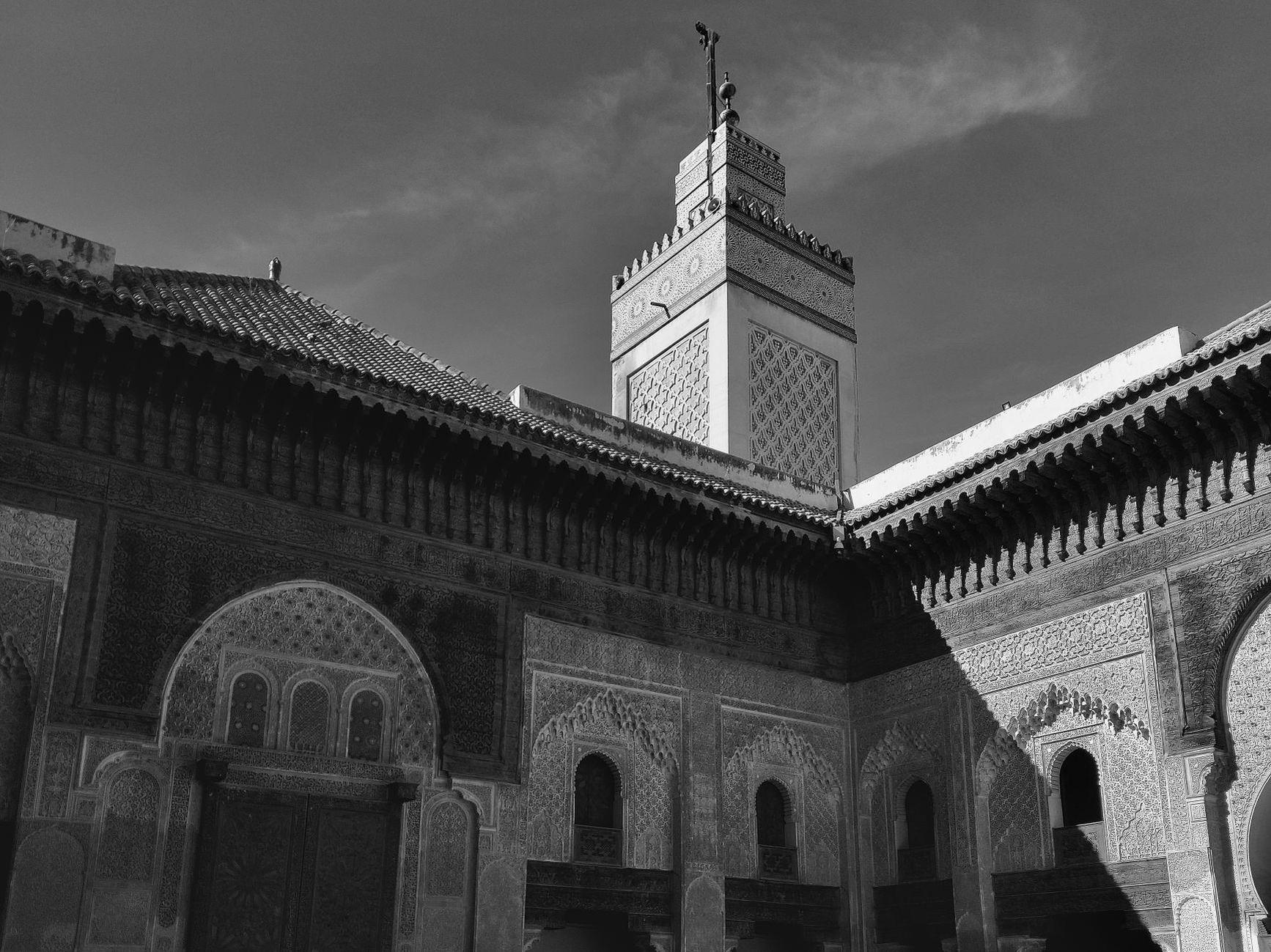
Moroccan architecture is globally celebrated for its beauty, balance, and intricate handcraft. Traditional residential architecture is defined by the 'riad'—a home built around a central, tranquil courtyard garden that emphasizes family privacy and provides relief from the North African heat. Public monuments, mosques, and madrasas display elaborate 'zellij' (hand-cut geometric terra-cotta tilework), carved plaster (stucco), and ornate cedarwood ceilings. These structural aesthetics highlight a deep spiritual and mathematical sophistication, preserving artistic traditions passed down through generations of master craftsmen.
The Cultural Mosaic: Amazigh, Arab, and Jewish Heritage
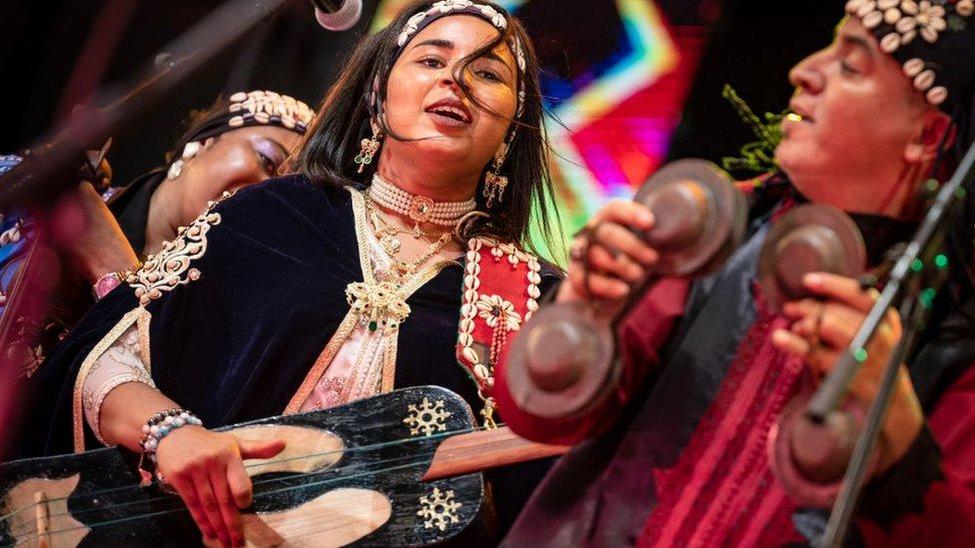
The preamble of the 2011 Constitution of Morocco formally recognizes that the nation’s unity is forged by the convergence of its Arab-Islamic, Amazigh, Saharan-Hassani, Hebraic, and Mediterranean components. This constitutional acknowledgment is unique in the Arab world. The Jewish heritage of Morocco is particularly profound; Morocco was once home to the largest Jewish community in the Arab world, and the state continues to actively preserve Jewish heritage sites, synagogues, and cemeteries. Meanwhile, Amazigh culture is celebrated through national music festivals, literature, and the resurgence of the ancient Tifinagh script in official public signage.
Culinary Heritage: A Symphony of Spices and Flavors
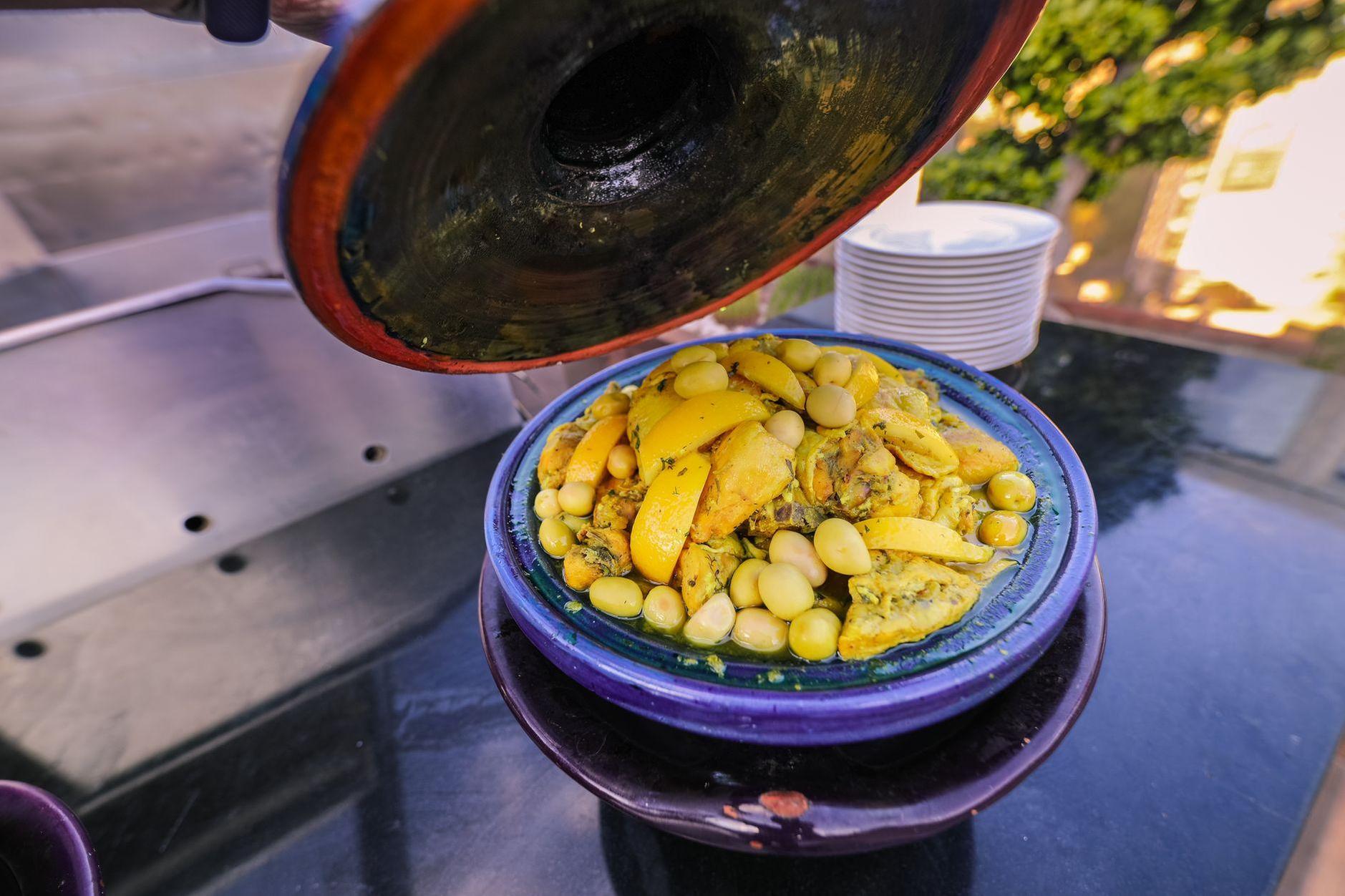
Moroccan cuisine is widely regarded as one of the most sophisticated in the world, defined by a subtle balance of sweet and savory elements. The country’s signature dish is the Tagine, a slow-cooked stew of meat, poultry, or fish named after the conical earthenware vessel in which it is prepared. Couscous, traditionally served on Fridays, is another staple, typically steamed over a boiling broth and topped with seven vegetables. Moroccan mint tea, affectionately dubbed 'Berber whiskey,' is the universal drink of hospitality, served sweet and poured from a height to create a frothy crown on each glass.
Religion, Tolerance, and Religious Governance
Islam is the official state religion, and the vast majority of Moroccans are Sunni Muslims adhering to the Maliki school of jurisprudence. The King of Morocco holds the sacred constitutional title of 'Commander of the Faithful' (Amir al-Mu'minin), giving him spiritual as well as political legitimacy. This dual authority has allowed the state to promote a highly moderate and tolerant interpretation of Islam. Morocco has actively trained both domestic and international imams (including women, known as Mourchidates) in theological moderation, countering radicalization and serving as an anchor of religious tolerance in the Sahel and North African regions.
Linguistic Diversity and the Educational Landscape
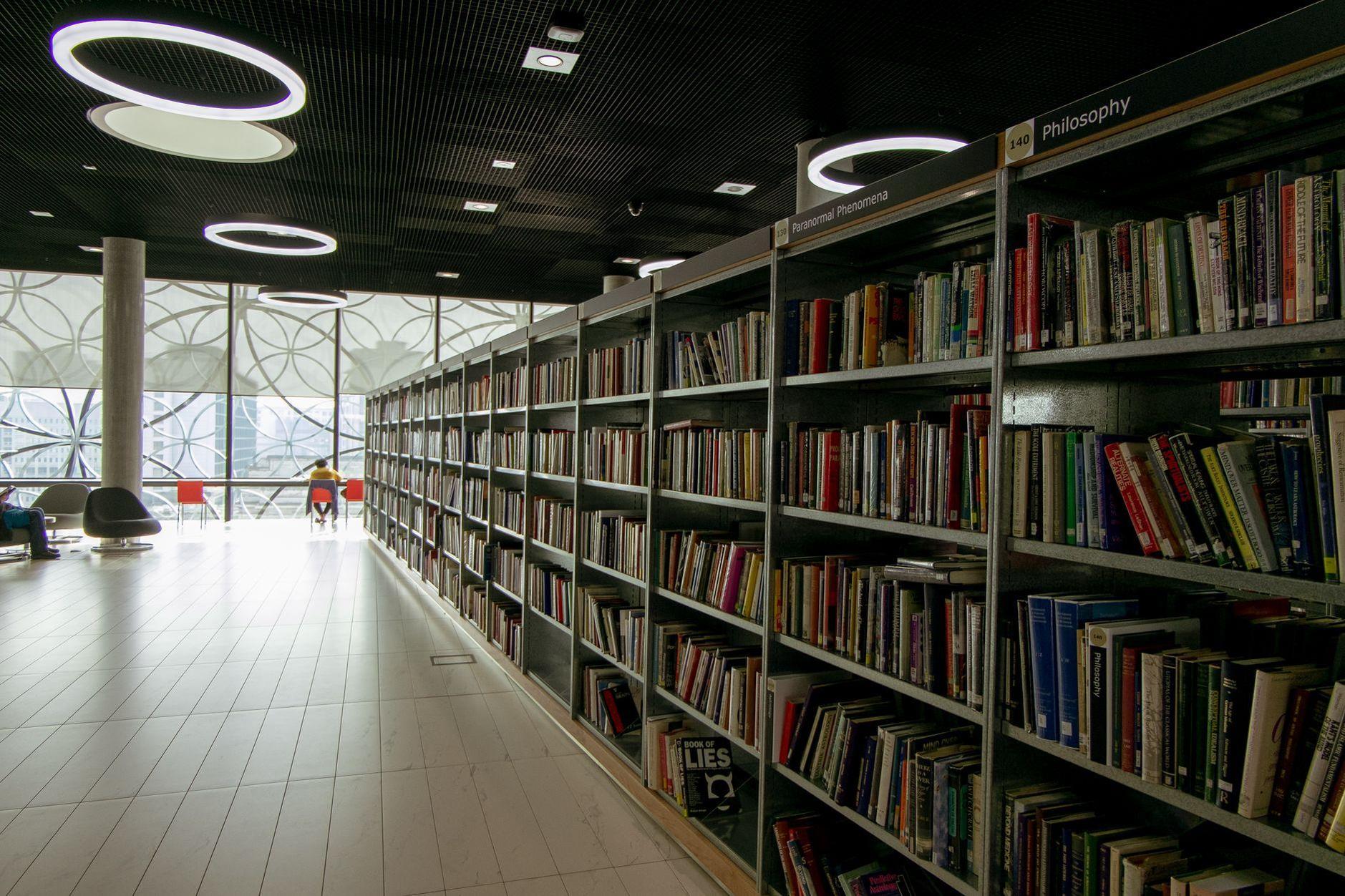
Morocco’s linguistic landscape is complex and highly reflective of its historical development. While Modern Standard Arabic and Tamazight are the official languages, Moroccan Arabic (Darija) is the spoken vernacular used in daily life. French remains the dominant language of business, science, and higher education, reflecting the country's colonial legacy. In recent years, the Moroccan government has launched major initiatives to reform the education system, emphasizing digital literacy and introducing English earlier in primary curricula to prepare younger generations for a highly competitive, globalized job market.
Environmental Challenges and Climate Adaptability
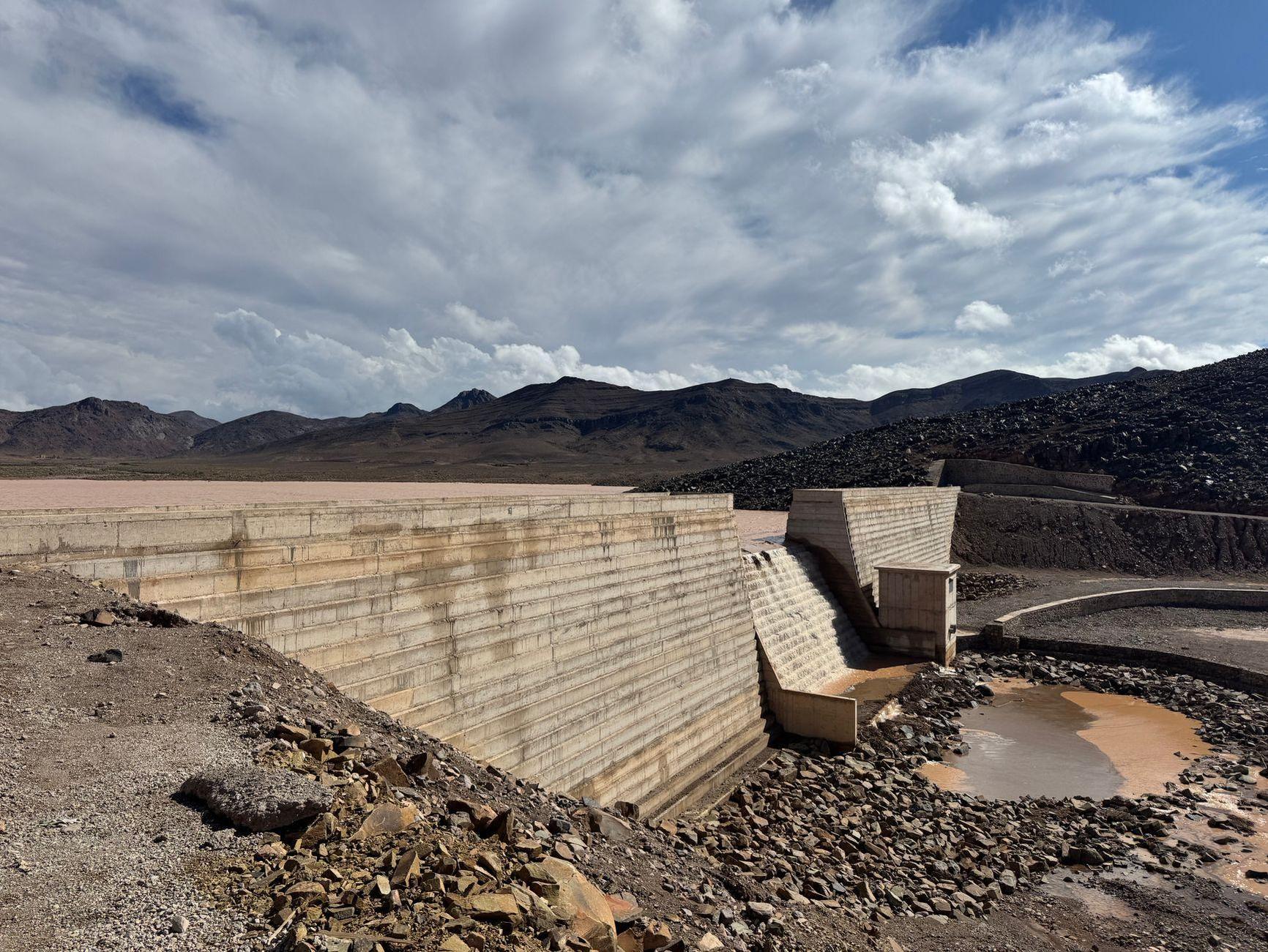
As a semi-arid country, Morocco faces severe environmental challenges aggravated by climate change. Water scarcity, prolonged droughts, and desertification pose major threats to agricultural stability and rural livelihoods. In response, Morocco has prioritized water security through an aggressive dam-building program, seawater desalination plants, and advanced wastewater recycling systems. The national 'Génération Green' agricultural plan seeks to optimize water-use efficiency in farming, demonstrating the nation’s proactive commitment to sustainable development and environmental resilience in a rapidly warming world.
Future Outlook: Opportunities and Regional Integration
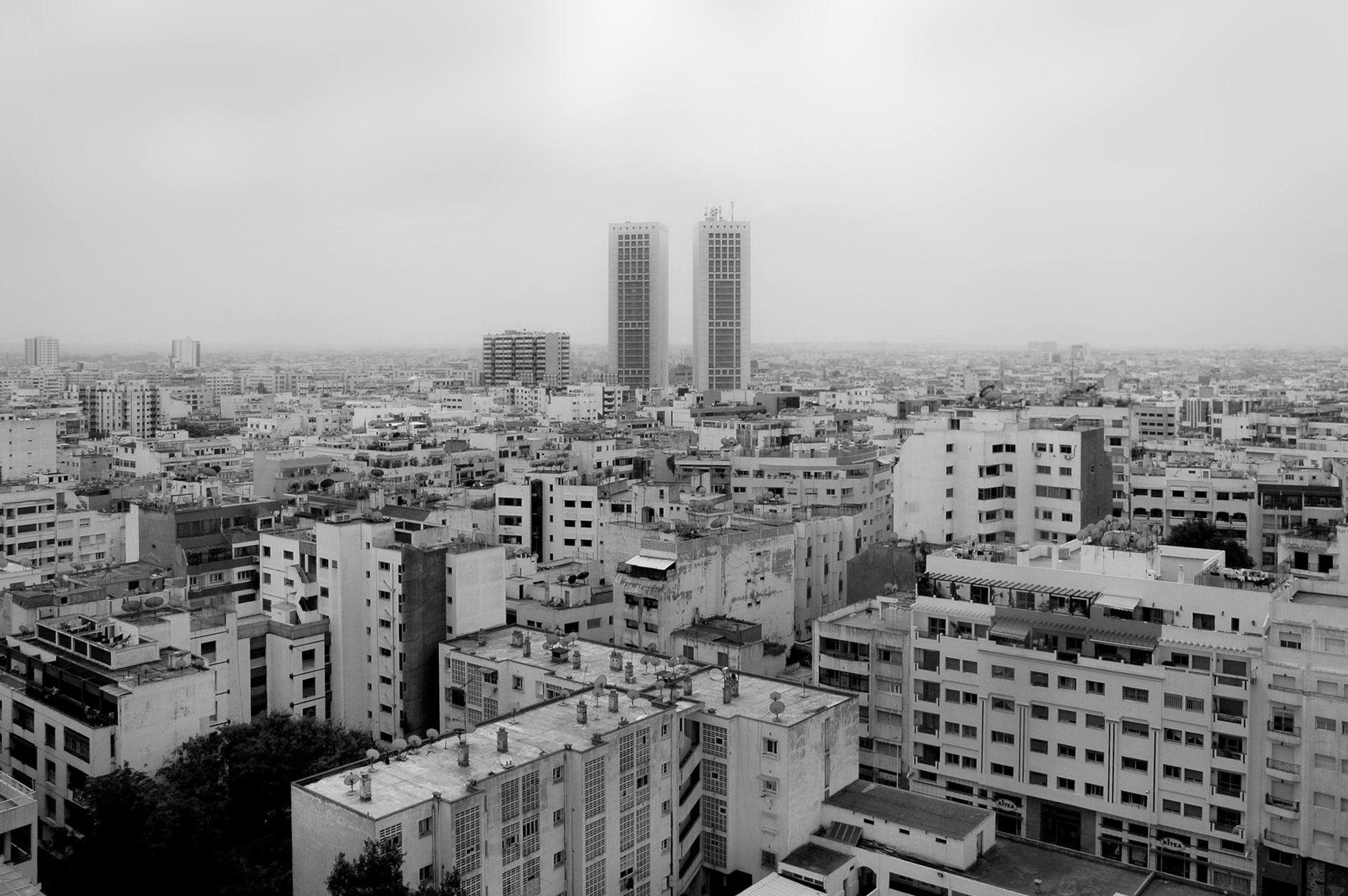
The future of Morocco is shaped by ambitious development goals and rising regional leadership. The country has positioned itself as an essential economic gateway between Europe and the African continent. Preparations are underway for Morocco to co-host the 2030 FIFA World Cup alongside Spain and Portugal, a historic event expected to catalyze massive infrastructure, tourism, and real estate investments. By balancing its rich historical heritage with a modern, reform-oriented vision, Morocco seeks to enhance the prosperity of its citizens while expanding its strategic influence on the global stage.
#Morocco#North Africa#Maghreb#Moroccan History#Rabat#Marrakech#Al-Andalus#Amazigh#Middle Eastern Studies
Comments(0)
No comments yet. Be the first to share your thoughts!
Recommended Reads
 Kbeauty
Sep 22, 2026, 10:03 PM
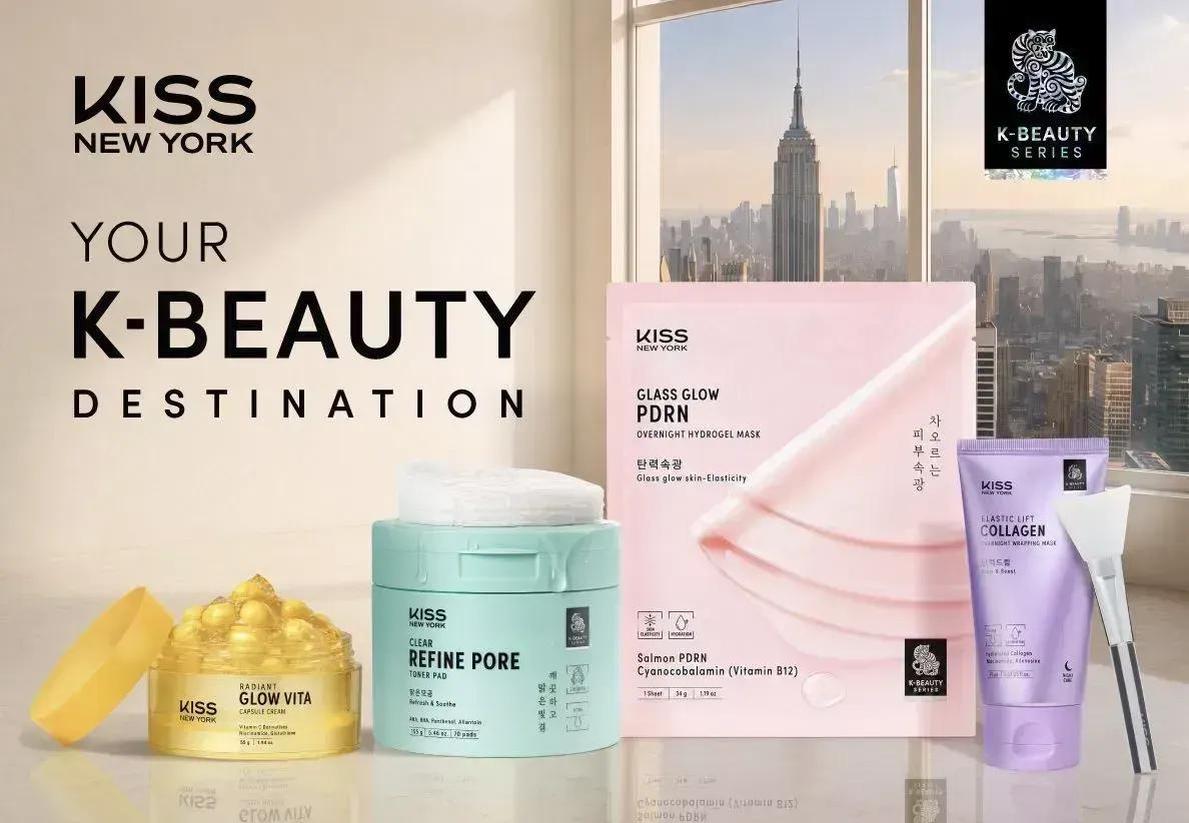
Target Beauty Studio: How K-Beauty is Conquering the American Mass Market
On September 10, 2026, retail giant Target officially launched Target Beauty Stu...
 Skincare
Sep 21, 2026, 10:03 PM
How K-Beauty is Powering Global Ingredient Literacy and Redefining Skincare
In a major move for the global beauty industry, Korean-American cosmetics brand ...
 JayPark
Sep 20, 2026, 10:06 PM
Edmonds-Born K-Pop Pioneer Jay Park Set for Major Seattle Homecoming Concert
Edmonds-born K-pop and hip-hop pioneer Jay Park is returning to his roots for a ...
 BTS
BTSSep 19, 2026, 10:04 PM
The Triumph and Autonomy of BTS: Inside Their Historic 2026 Comeback and Bold Grammy Boycott
After a scheduled hiatus that began in late 2022, the global supergroup BTS has ...
 Fitness Gaming
Sep 3, 2026, 03:35 AM
VXROOM: Transforming Daily Workouts into Engaging Web-Based Motion Games
VXROOM (vxroom.com) is an innovative web-based int...
 Survival Show
Sep 1, 2026, 09:07 AM
Game of Blood X: The Evolution of Korea’s Fiercest Survival Reality Franchise
Wavve's hit original series Game of Blood ...