
메니에르병Jul 10, 2026, 01:49 AM• 81693 views
Understanding Meniere's Disease: A Comprehensive Guide to Symptoms, Diagnosis, and Management
Introduction to Meniere's Disease
Meniere's disease is a chronic and debilitating disorder of the inner ear that primarily affects hearing and balance. Characterized by a distinct triad of symptoms—vertigo, tinnitus, and fluctuating sensorineural hearing loss—the condition poses significant challenges to those diagnosed. It typically manifests in one ear initially, though a small percentage of patients may experience bilateral progression over time. The unpredictable nature of Meniere's disease attacks can cause severe emotional distress, as episodes of extreme dizziness can occur without warning, drastically altering a person's quality of life.
Historical Background and Discovery
The disease is named after the French physician Prosper Meniere, who first identified the inner ear as the source of vertigo in 1861. Prior to his landmark discovery, physicians generally believed that vertigo and sudden dizzy spells were forms of cerebral congestion or brain-centered apoplexy, often treated with aggressive bloodletting. Dr. Meniere presented clinical evidence showing that localized inner ear pathology, rather than brain disease, was the true culprit behind these distressing symptoms. His work revolutionized the fields of otology and neurology, establishing a new framework for understanding vestibulocochlear dysfunctions.
Anatomy of the Inner Ear
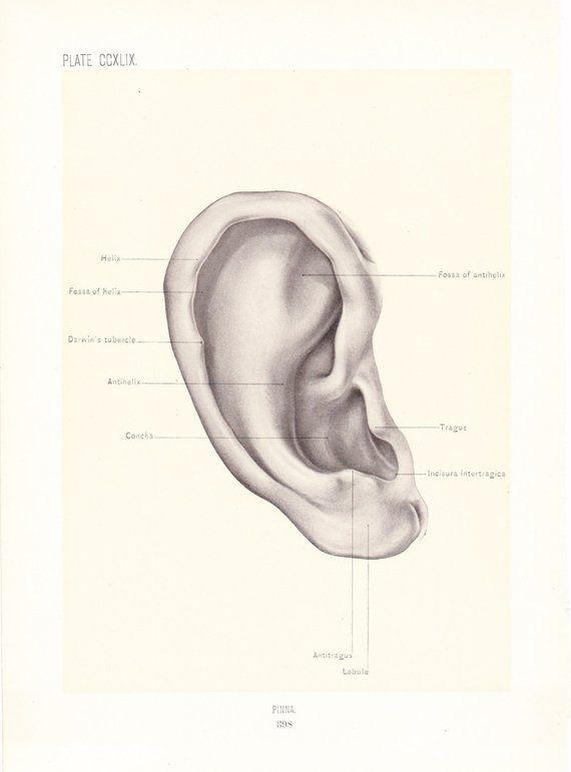
To comprehend Meniere's disease, one must first understand the complex structures of the inner ear, known collectively as the labyrinth. This intricate system consists of two main components: the bony labyrinth and the membranous labyrinth. Within the membranous labyrinth flows endolymph, a potassium-rich fluid essential for transmitting sound vibrations and motion signals to the brain. Surrounding this membrane is perilymph, a sodium-rich fluid. The delicate balance between these fluids, maintained by continuous secretion and reabsorption, is crucial for normal auditory and balance functions.

Pathophysiology: Endolymphatic Hydrops
The primary physiological hallmark of Meniere's disease is endolymphatic hydrops, which refers to an abnormal buildup of endolymph fluid within the inner ear's membranous labyrinth. This excessive accumulation causes the fluid pathways to swell, stretching the delicate membranes that separate the endolymph from the perilymph. When the pressure peaks, these membranes can rupture, allowing the potassium-rich endolymph to mix with the sodium-rich perilymph. This chemical mixing temporarily paralyzes the sensory hair cells, triggering acute vestibular and cochlear symptoms.
Primary Symptom: Acute Vertigo
Vertigo is arguably the most disruptive symptom associated with Meniere's disease. Unlike mild lightheadedness, vertigo involves a distinct sensation of spinning, rocking, or tilting, where patients feel as though they or their surroundings are violently moving. These episodes occur spontaneously, often accompanied by severe nausea, vomiting, sweating, and rapid involuntary eye movements known as nystagmus. A single vertigo attack can last anywhere from twenty minutes to several hours, leaving the patient completely incapacitated and exhausted long after the spinning subsides.

Primary Symptom: Fluctuating Hearing Loss
Hearing loss in Meniere's disease is unique because of its fluctuating and progressive nature. During the early stages, the hearing impairment typically affects only low-frequency sounds, making deep voices or rumbling noises difficult to discern. Hearing levels often decline sharply before or during a vertigo attack, only to recover partially or completely once the attack passes. However, as the disease progresses over years, the fluctuating pattern diminishes, leaving behind a permanent, irreversible sensorineural hearing loss that can eventually affect all frequencies.
Primary Symptom: Tinnitus
Tinnitus is the perception of sound in the absence of an external acoustic source. In Meniere's disease, this symptom is often described as a low-pitched roaring, buzzing, rushing, or whistling sound, rather than the high-pitched ringing common in noise-induced hearing loss. The intensity of the tinnitus frequently changes in tandem with the hearing loss and vertigo; it typically grows louder, deeper, and more distracting right before an acute attack begins, serving as a warning sign for many patients.

Primary Symptom: Aural Fullness
Aural fullness is a sensation of pressure, stuffing, or blockage inside the affected ear, similar to the feeling one gets when changing altitudes in an airplane. This persistent discomfort is directly tied to the endolymphatic hydrops, which stretches the internal tissues of the ear canal. Patients often report trying to clear their ears by swallowing or yawning, but to no avail. Like tinnitus, a noticeable increase in aural fullness is highly correlated with the onset of an impending acute vertigo attack.

The Episodic Nature and Triggers
Meniere's disease is defined by its unpredictability, with symptom-free periods (remissions) lasting from days to several years. When attacks do strike, they are often precipitated by specific environmental or physiological triggers. Common triggers include high sodium intake, which causes fluid retention throughout the body; stress and anxiety, which release hormones that affect blood flow; caffeine and alcohol, which constrict or dilate blood vessels; and fatigue, which reduces the brain's ability to compensate for balance discrepancies.

Diagnostic Criteria
Diagnosing Meniere's disease relies heavily on a thorough clinical history and standardized medical guidelines, primarily established by the American Academy of Otolaryngology-Head and Neck Surgery (AAO-HNS). A diagnosis of 'Definite Meniere's Disease' requires at least two spontaneous episodes of vertigo lasting between 20 minutes and 12 hours, audiometrically documented low-to-mid frequency sensorineural hearing loss in the affected ear, fluctuating hearing, tinnitus, or fullness, and the exclusion of other vestibular diagnoses.
Diagnostic Testing and Audiometry
Audiometric testing is crucial for tracking the sensorineural hearing loss characteristic of Meniere's disease. In addition to standard hearing tests, advanced diagnostic tests are performed to evaluate inner ear function. Electrocochleography (ECoG) measures electrical potentials generated in the cochlea in response to sound, often showing abnormal ratios in ears with endolymphatic hydrops. Vestibular evoked myogenic potentials (VEMP) and videonystagmography (VNG) are also used to assess the integrity of the vestibular nerve and balance sensors.
Differential Diagnosis
Because dizziness is a broad symptom, doctors must rule out several other conditions before confirming Meniere's disease. Differential diagnoses include Benign Paroxysmal Positional Vertigo (BPPV), which is triggered by head movements and lasts only seconds; vestibular migraine, which can cause vertigo but features classic migraine headaches and light sensitivity; acoustic neuroma, a benign tumor on the vestibular nerve; and multiple sclerosis or transient ischemic attacks, which affect central nervous pathways.
Dietary Management: The Low-Sodium Regimen
The cornerstone of conservative management for Meniere's disease is a strict low-sodium diet. Consuming too much salt leads to fluctuating sodium levels in the blood, which directly impacts the fluid volume and pressure within the inner ear. Patients are generally advised to limit their daily sodium intake to between 1,500 and 2,000 milligrams. Furthermore, this intake must be distributed evenly throughout the day, avoiding large spikes at any single meal to help keep the inner ear fluid volume as stable as possible.

Pharmacological Treatment: Acute Attacks
During acute vertigo attacks, the primary therapeutic goal is to suppress symptoms of motion sickness, dizziness, and nausea. Vestibular suppressants, such as meclizine or benzodiazepines (e.g., diazepam), are frequently prescribed to temporarily calm the active neural firing of the balance system. Additionally, antiemetics such as promethazine are utilized to control severe vomiting. Because these medications cause significant drowsiness, they are only intended for short-term use during active flare-ups.
Pharmacological Treatment: Long-Term Prevention
For long-term preventative management, physicians often prescribe diuretics, commonly known as 'water pills' (such as dyazide or hydrochlorothiazide). Diuretics help the body flush out excess fluids and sodium, indirectly lowering the fluid volume inside the inner ear to prevent hydrops from reforming. In some countries, betahistine (Serc) is widely used as a maintenance drug; it is believed to improve microcirculation within the inner ear's capillaries, helping to reduce the overall frequency and intensity of attacks.

Intratympanic Steroid Injections
When lifestyle modifications and oral medications fail to control vertigo symptoms, minimally invasive intratympanic therapies may be considered. In this procedure, a specialist injects medication directly through the eardrum (tympanic membrane) into the middle ear space, where it is absorbed into the inner ear through the round window. Intratympanic dexamethasone (a powerful steroid) is a popular option, as it reduces localized inflammation and improves ear fluid regulation without the systemic side effects of oral steroids.

Intratympanic Gentamicin Therapy
For refractory cases of severe vertigo, chemical labyrinthectomy using intratympanic gentamicin is an option. Gentamicin is an aminoglycoside antibiotic known to be highly ototoxic, meaning it can damage inner ear tissue. In controlled, low doses, it is injected into the ear to selectively destroy the vestibular hair cells responsible for sending erratic balance signals to the brain. While highly effective at eliminating vertigo attacks, this procedure carries a significant risk of worsening existing hearing loss.

Surgical Interventions
When conservative and chemical approaches fail, surgery becomes a viable path. Endolymphatic sac decompression is a conservative surgery that removes a small portion of bone surrounding the endolymphatic sac, allowing it to expand and drain excess fluid more easily. For absolute control of severe vertigo where hearing is already lost, destructive surgeries like vestibular neurectomy (cutting the balance nerve) or labyrinthectomy (complete surgical removal of the inner ear balance organs) are highly successful.
Vestibular Rehabilitation Therapy (VRT)
Following destructive procedures, or during chronic, stable phases of Meniere's disease, patients often experience lingering imbalance. Vestibular Rehabilitation Therapy (VRT) is a specialized form of physical therapy designed to retrain the brain to process balance signals differently. Through customized exercises involving head, eye, and body movements, VRT helps the central nervous system compensate for the loss of function in the affected inner ear, greatly improving daily stability and confidence.

Psychological and Quality of Life Impact
The psychological toll of living with Meniere's disease is immense and frequently overlooked. The unpredictable nature of vertigo attacks often breeds anticipatory anxiety, panic disorders, and depression. Many patients withdraw socially, fearing an episode might strike in public or while driving. Support networks, cognitive behavioral therapy (CBT), and peer support groups play a critical role in helping patients develop effective coping mechanisms, adapt to lifestyle modifications, and regain a sense of control over their lives.

#Menieres Disease#Vertigo#Tinnitus#Hearing Loss#Endolymphatic Hydrops#Inner Ear Disorders#Vestibular Health#Audiology
Comments(0)
No comments yet. Be the first to share your thoughts!
Recommended Reads
 Kbeauty
Sep 22, 2026, 10:03 PM
Target Beauty Studio: How K-Beauty is Conquering the American Mass Market
On September 10, 2026, retail giant Target officially launched Target Beauty Stu...
 Skincare
Sep 21, 2026, 10:03 PM
How K-Beauty is Powering Global Ingredient Literacy and Redefining Skincare
In a major move for the global beauty industry, Korean-American cosmetics brand ...
 JayPark
Sep 20, 2026, 10:06 PM
Edmonds-Born K-Pop Pioneer Jay Park Set for Major Seattle Homecoming Concert
Edmonds-born K-pop and hip-hop pioneer Jay Park is returning to his roots for a ...
 BTS
BTSSep 19, 2026, 10:04 PM
The Triumph and Autonomy of BTS: Inside Their Historic 2026 Comeback and Bold Grammy Boycott
After a scheduled hiatus that began in late 2022, the global supergroup BTS has ...
 Fitness Gaming
Sep 3, 2026, 03:35 AM
VXROOM: Transforming Daily Workouts into Engaging Web-Based Motion Games
VXROOM (vxroom.com) is an innovative web-based int...
 Survival Show
Sep 1, 2026, 09:07 AM
Game of Blood X: The Evolution of Korea’s Fiercest Survival Reality Franchise
Wavve's hit original series Game of Blood ...