
홈플러스Jul 3, 2026, 12:39 PM• 88647 views
The Evolution of Homeplus: Navigating the Dynamics of South Korea's Retail Market
Introduction to Homeplus
Homeplus stands as one of the premier hypermarket and retail chains in South Korea, deeply integrated into the daily shopping habits of millions of consumers. Alongside major competitors like E-Mart and Lotte Mart, Homeplus has historically shaped the modern retail landscape of the country. Offering a vast assortment of groceries, household goods, electronics, and apparel, the brand operates multiple formats including traditional hypermarkets, neighborhood supermarkets, and a robust online shopping mall. Over the decades, it has evolved from a local conglomerate's venture into a global partnership, and eventually into a private equity-managed enterprise navigating a highly digitalized domestic market.
The Samsung Era and Initial Foundation
The origin of Homeplus dates back to 1997 when Samsung C&T Corporation, the trading and investment arm of the Samsung Group, opened its first retail store in Daegu. This launch marked Samsung's strategic entry into the rapidly expanding discount store industry, which was beginning to transform South Korea's traditional retail sector. The initial store focused on providing competitive prices and a modern layout designed to appeal to middle-class suburban families. However, the onset of the Asian Financial Crisis in the late 1990s forced many Korean conglomerates to restructure, prompting Samsung to seek external partnerships to sustain and scale its retail operations.
The Strategic Alliance with Tesco
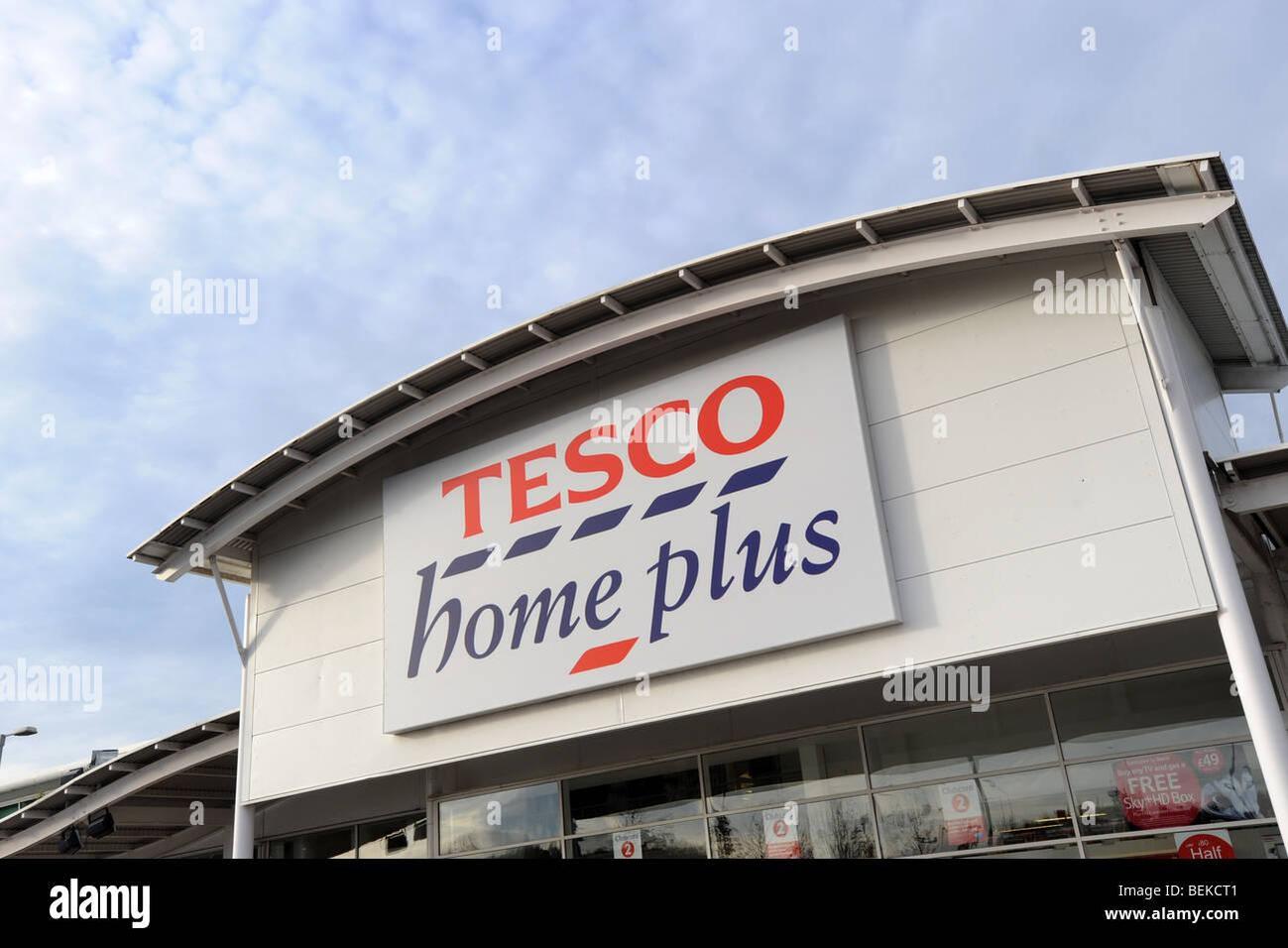
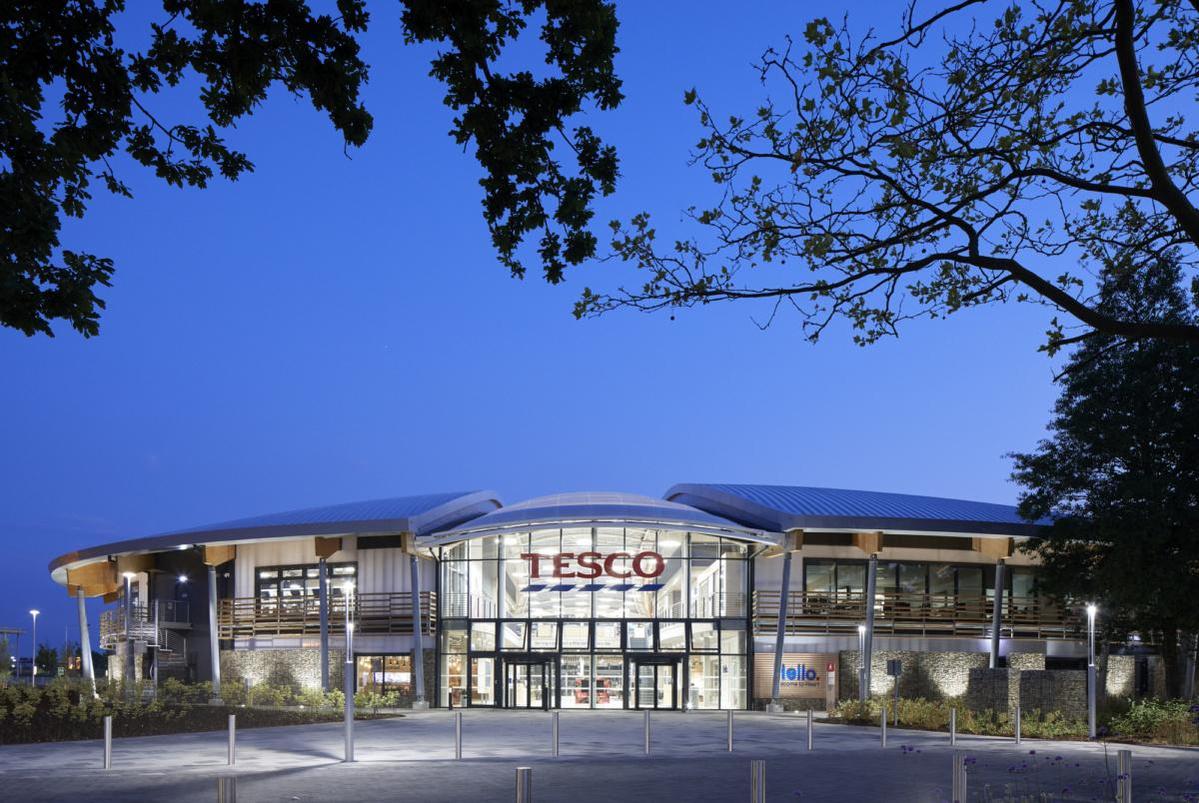
In 1999, Samsung C&T Corporation formed a historic joint venture with the British multinational retailer Tesco, establishing Samsung-Tesco Co., Ltd. Tesco initially acquired a majority stake in the venture, injecting valuable foreign capital, advanced global supply chain management practices, and modern retail technologies into the fledgling business. This partnership combined Samsung's local brand reputation and real estate acquisition power with Tesco's operational expertise. Under this alliance, Homeplus embarked on an aggressive expansion campaign, quickly positioning itself as a formidable rival to the market leader, E-Mart, and establishing a distinct identity known for Western-style hypermarket efficiency adapted to Korean customer preferences.
Aggressive Expansion and Nationwide Growth
Throughout the 2000s, Homeplus experienced exponential growth, opening dozens of new hypermarket locations across South Korea. The company leveraged high-density residential developments, placing stores near major apartment complexes to maximize foot traffic. To differentiate itself from competitors, Homeplus introduced innovative store layouts that combined shopping with cultural centers, food courts, and community spaces, making the hypermarket a lifestyle destination rather than just a place to buy groceries. This customer-centric approach successfully built strong brand loyalty and solidified its position as the second-largest retailer in the nation.
Strategic Consolidation through Acquisitions
In a bid to rapidly scale its operations and bridge the gap with its competitors, Homeplus pursued aggressive inorganic growth strategies. A major milestone occurred when the company integrated the assets of Homever, the brand created after South Korea's E-Land Group acquired the domestic operations of French retail giant Carrefour. This acquisition allowed Homeplus to convert underperforming stores into its own highly profitable format, drastically increasing its retail footprint overnight. The successful integration of these properties demonstrated Homeplus's operational flexibility and solidified its presence in key metropolitan areas.

The Virtual Subway Store Innovation
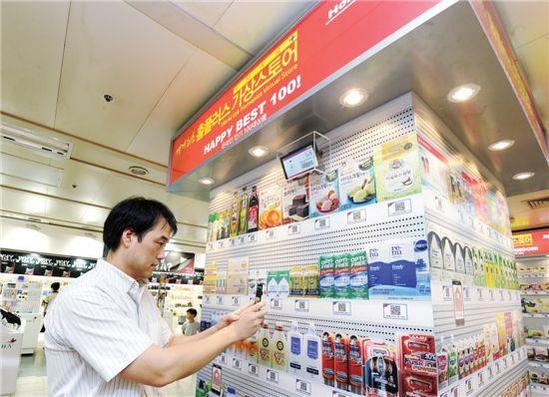
In 2011, Homeplus garnered international acclaim by pioneering the world's first virtual store in a Seoul subway station. Recognizing that busy South Korean commuters had limited time for physical grocery shopping, the company installed life-sized virtual displays on subway platform walls featuring pictures and QR codes of popular products. Commuters could scan the codes using a smartphone application, purchase items on the spot, and have them delivered to their doorsteps by the time they arrived home. This highly innovative integration of digital technology and physical infrastructure won prestigious awards, including the Grand Prix at the Cannes Lions International Festival of Creativity.
Tesco's Consolidation and Global Challenges
Over time, Tesco gradually increased its share in the joint venture, eventually acquiring full ownership of Homeplus. Under full British management, the retailer continued to generate significant revenue, representing one of Tesco's most profitable overseas operations. However, by the mid-2010s, Tesco faced severe financial difficulties in its domestic UK market, along with accounting scandals and shifts in global retail dynamics. These external pressures forced Tesco to reevaluate its international portfolio, ultimately leading to the decision to sell its highly valuable South Korean asset to generate liquidity and pay down corporate debt.
The Multi-Billion Dollar Private Equity Buyout
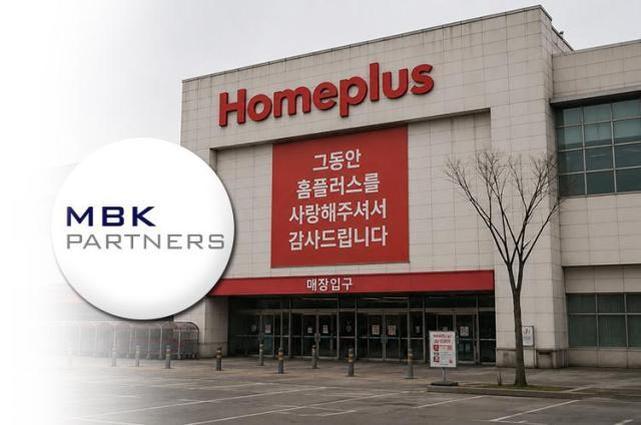
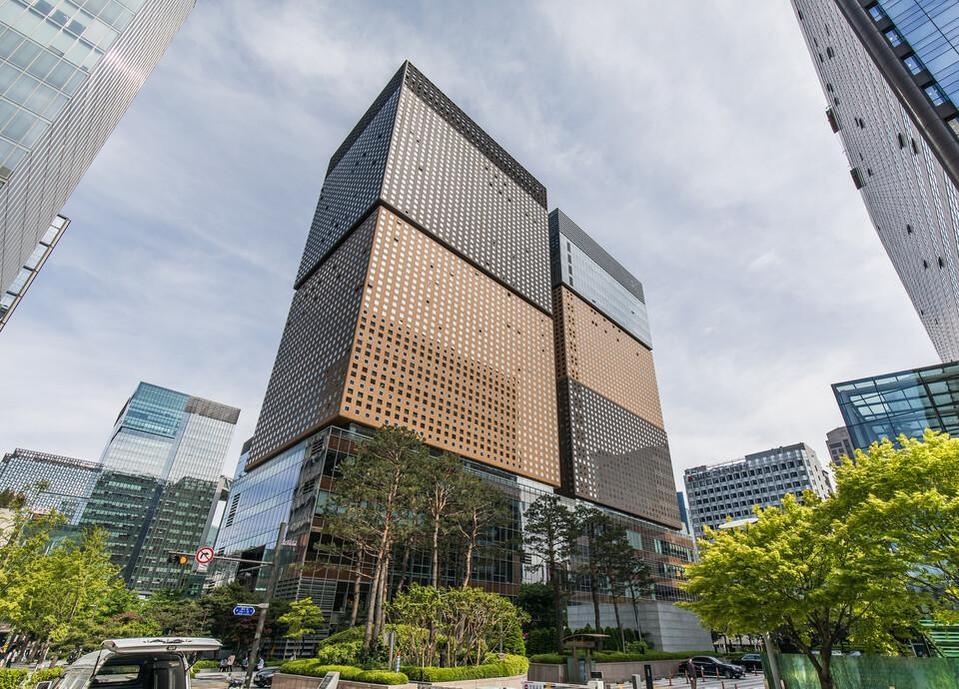
In 2015, Tesco finalized the sale of Homeplus to a consortium led by MBK Partners, one of the largest independent private equity firms in North Asia, for approximately 7.2 trillion Korean Won (around $6 billion USD). At the time, this transaction represented the largest private equity buyout in South Korean history. The transition from a strategic multinational retailer to a private equity firm marked a significant turning point for Homeplus. MBK Partners took control with the objective of streamlining operations, optimizing asset utilization, and preparing the company for future profitability in a rapidly shifting retail landscape.
Asset Light Strategy and Real Estate Management
Following the acquisition, MBK Partners implemented an 'asset-light' strategy to reduce the heavy debt burden incurred during the leveraged buyout. This strategy involved selling the valuable real estate of prime Homeplus store locations and immediately leasing them back to continue retail operations. While these sale-and-leaseback transactions successfully raised billions of dollars in cash to pay down debt and fund corporate restructuring, they also drew criticism from labor groups and industry analysts who expressed concerns over rising long-term rental expenses and the potential erosion of the company's asset base.

Developing Neighborhood Supermarkets
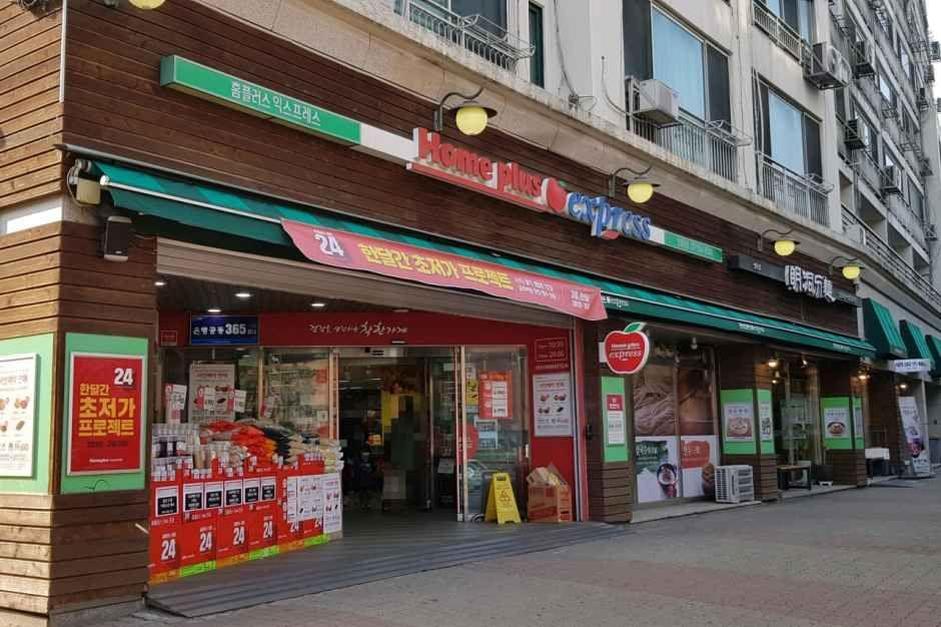
To counter the leveling off of hypermarket growth and adapt to shifting consumer demographics, Homeplus expanded its supermarket format, known as Homeplus Express. These corporate-owned and franchised SSMs (Super Supermarkets) are strategically located in dense residential neighborhoods, offering convenience and fresh food closer to consumers' homes. Homeplus Express successfully captured the demand from single- and two-person households who preferred quick, frequent shopping trips over weekly large-scale hypermarket visits. This segment became a crucial pillar of the company's defensive retail strategy.
Navigating the Digital Commerce Era
The rapid ascent of specialized e-commerce platforms like Coupang and Market Kurly presented an existential threat to traditional South Korean brick-and-mortar retailers. In response, Homeplus invested heavily in transforming its physical stores into online fulfillment hubs. By utilizing its existing nationwide hypermarket network as localized distribution centers, the company established a robust 'all-line' delivery system. This omni-channel approach allowed Homeplus to offer fast, same-day delivery services directly from local stores, leveraging its physical infrastructure to compete with the massive warehouse-reliant systems of pure-play e-commerce companies.

Introducing the Hybrid Warehouse Concept
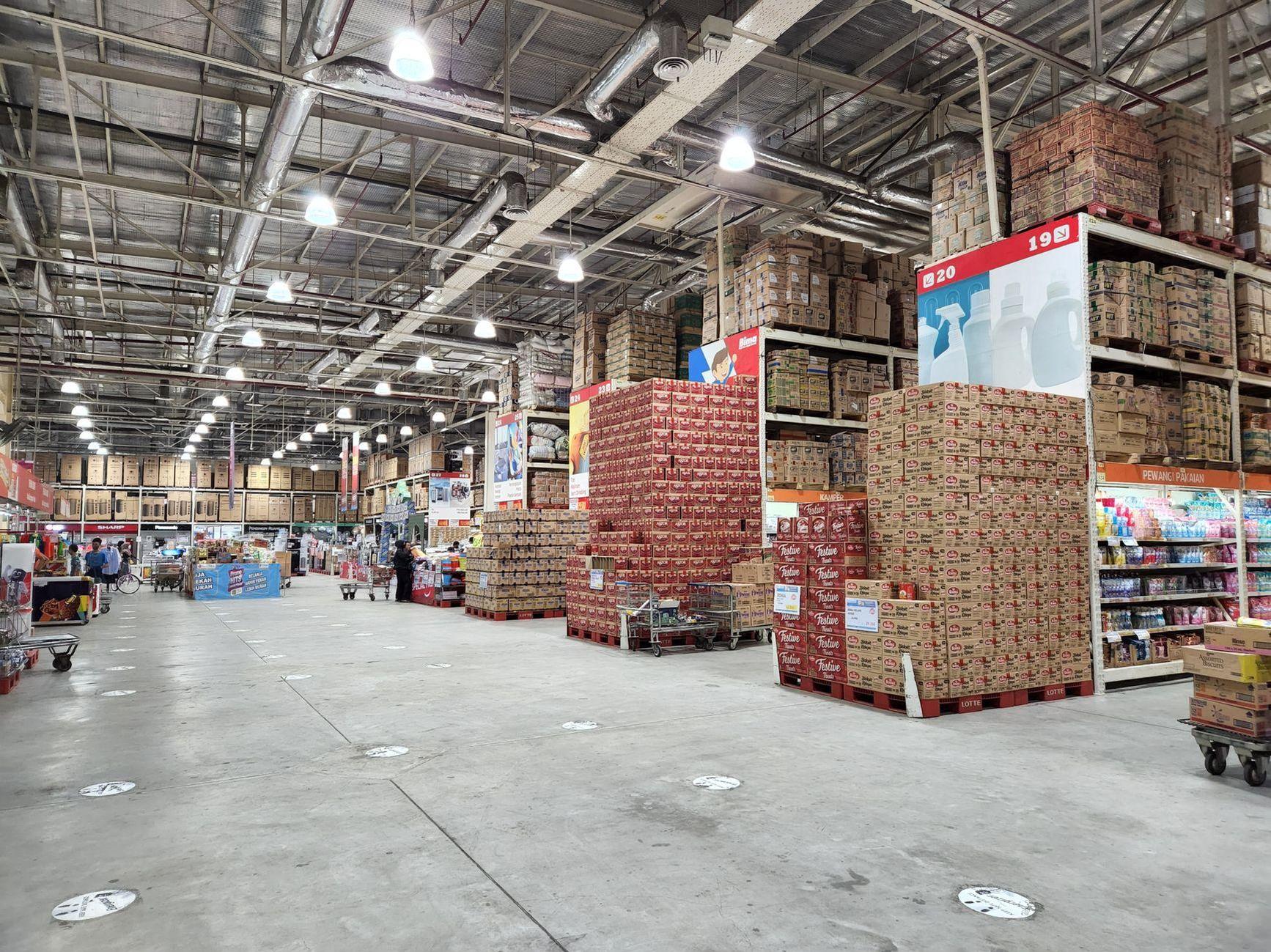
To directly compete with wholesale warehouse clubs like Costco and E-Mart Traders, Homeplus introduced a hybrid store format called 'Homeplus Special.' These stores combined the characteristics of a traditional discount hypermarket with those of a warehouse club, catering to both individual consumers looking for single-pack items and small business owners seeking bulk purchases. By optimizing shelving, simplifying product selections, and offering bulk discounts, Homeplus Special aimed to increase average transaction values and improve operational efficiency across selected underperforming locations.
The Mega Food Market Transformation
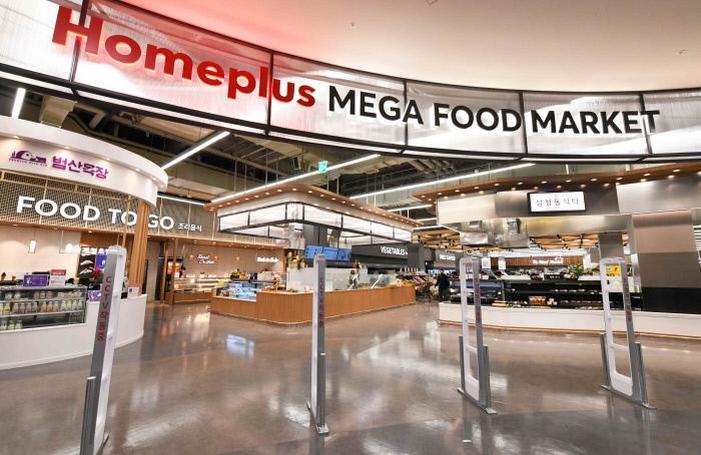
In the early 2020s, under new executive leadership, Homeplus launched an aggressive remodeling initiative centered on the 'Homeplus Mega Food Market' concept. Recognizing that fresh food remains a category where physical stores maintain a competitive advantage over online retailers, the company drastically increased the floor space dedicated to high-quality groceries, fresh produce, premium meat, and ready-to-eat meals. Conversely, non-food sections were minimized. This strategic pivot to food-centric experiential spaces successfully revitalized foot traffic, attracting younger, food-conscious consumers back to physical stores.
Expanding Private Brands for Value-Conscious Shoppers
Private brands have played a vital role in Homeplus's strategy to improve profit margins and offer differentiated products. The company consolidated its private label offerings under brands like 'Homeplus Signature' and 'Simplus,' focusing on high quality at affordable prices. These products span various categories, including processed foods, household essentials, and home appliances. By developing high-performing PB products, Homeplus has successfully built unique product lines that consumers cannot find at competing chains, helping to drive customer retention during times of high inflation.

Labor Struggles and Corporate Restructuring
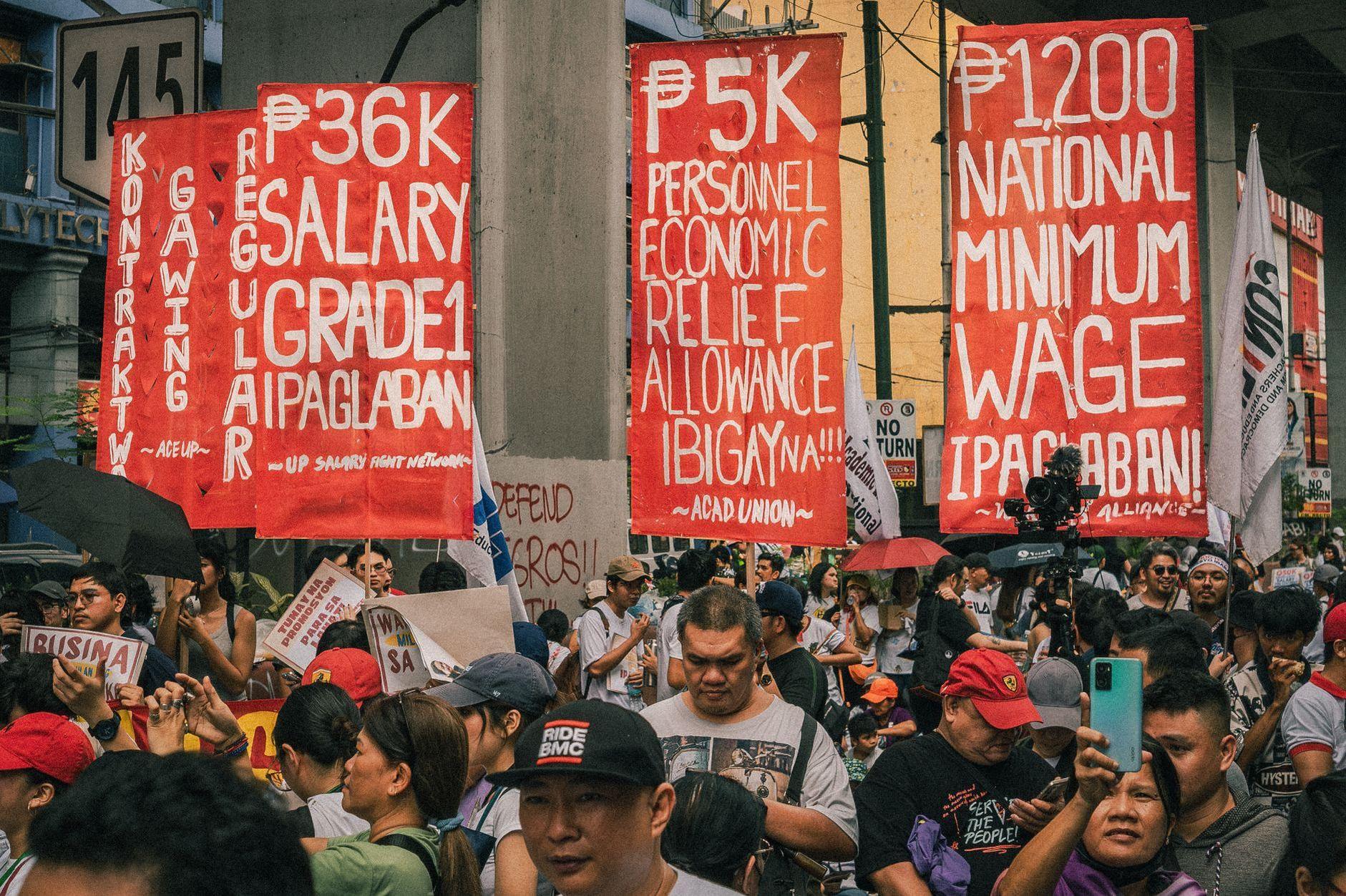
The transition to private equity ownership and the subsequent financial restructuring of Homeplus led to prolonged tension between corporate management and labor unions. Employees represented by the Korean Mart Union frequently organized protests against the sale-and-leaseback of profitable store locations, fearing potential store closures and subsequent job losses. The debate over job security, working conditions, and the automation of checkout counters highlighted the social complexities of managing a large-scale workforce during a period of intense industry contraction and digital transition.
Adapting to Regulatory Restrictions
Like all major hypermarkets in South Korea, Homeplus has operated under stringent government regulations designed to protect traditional mom-and-pop shops and small local markets. The Distribution Industry Development Act mandates that hypermarkets must close two Sundays a month and restricts their operating hours during late-night periods. These mandatory closures have significantly impacted sales and limited the flexibility of online fulfillment operations during weekends. Homeplus has continuously lobbied for regulatory relaxation, particularly regarding online deliveries from physical stores during mandatory closure hours.

Commitment to Sustainability and ESG
As corporate social responsibility became a core expectation for global consumers, Homeplus integrated ESG principles into its daily operations. The company launched multiple green initiatives, such as eliminating single-use plastic packaging on private-brand products, introducing eco-friendly delivery vehicles, and establishing recycling stations within its stores. Additionally, Homeplus engages in social outreach programs by supporting local farmers through direct-sourcing agreements and funding cultural education classes for underprivileged children through its non-profit cultural foundation.

Competitive Landscape: E-Mart, Lotte Mart, and Homeplus
The South Korean hypermarket market is characterized by intense rivalry among the 'Big Three' chains. While Shinsegae's E-Mart leads in terms of total market share and digital integration with its SSG.COM ecosystem, and Lotte Mart leverages its parent group's massive distribution network, Homeplus has carved out a niche as a highly localized, food-focused retailer. Homeplus's distinct advantages lie in its high-density urban store locations and its agility in implementing rapid, store-level format changes, such as the Mega Food Market concept, to respond to hyper-local demographic shifts.

Modernizing Customer Loyalty Programs
Transitioning from traditional plastic loyalty cards to a unified mobile application, Homeplus has modernized its customer engagement strategies. The 'My Homeplus' membership app integrates personalized coupons, digital receipts, and targeted promotions driven by big data analytics. By analyzing the purchasing patterns of millions of active members, the retailer delivers customized product recommendations and discount alerts directly to users' smartphones, successfully increasing shopping frequency and fostering long-term brand affinity in an era of abundant consumer choices.

The Future of Homeplus under Private Equity
The long-term future of Homeplus remains closely tied to the investment cycle of MBK Partners. As a private equity fund, MBK's ultimate goal is to successfully exit its investment through a resale or public offering. To make Homeplus an attractive acquisition target for potential buyers, the company must continue to demonstrate sustainable profit growth, successfully navigate the fierce competition from online giants, and stabilize labor relations. The ongoing revitalization of brick-and-mortar stores combined with optimized omni-channel capabilities will determine whether Homeplus can maintain its prestigious standing in South Korea's highly evolved retail market.
#Homeplus#South Korea Retail#Tesco#MBK Partners#Hypermarkets#Korean Economy#Supermarkets#Retail Strategy
Comments(0)
No comments yet. Be the first to share your thoughts!
Recommended Reads
 Kbeauty
Sep 22, 2026, 10:03 PM
Target Beauty Studio: How K-Beauty is Conquering the American Mass Market
On September 10, 2026, retail giant Target officially launched Target Beauty Stu...
 Skincare
Sep 21, 2026, 10:03 PM
How K-Beauty is Powering Global Ingredient Literacy and Redefining Skincare
In a major move for the global beauty industry, Korean-American cosmetics brand ...
 JayPark
Sep 20, 2026, 10:06 PM
Edmonds-Born K-Pop Pioneer Jay Park Set for Major Seattle Homecoming Concert
Edmonds-born K-pop and hip-hop pioneer Jay Park is returning to his roots for a ...
 BTS
BTSSep 19, 2026, 10:04 PM
The Triumph and Autonomy of BTS: Inside Their Historic 2026 Comeback and Bold Grammy Boycott
After a scheduled hiatus that began in late 2022, the global supergroup BTS has ...
 Fitness Gaming
Sep 3, 2026, 03:35 AM
VXROOM: Transforming Daily Workouts into Engaging Web-Based Motion Games
VXROOM (vxroom.com) is an innovative web-based int...
 Survival Show
Sep 1, 2026, 09:07 AM
Game of Blood X: The Evolution of Korea’s Fiercest Survival Reality Franchise
Wavve's hit original series Game of Blood ...