
서킷브레이커Jun 26, 2026, 12:56 PM• 90682 views
The Mechanics and History of Financial Circuit Breakers: Safeguarding Global Markets from Systemic Collapse
Introduction to Market Circuit Breakers
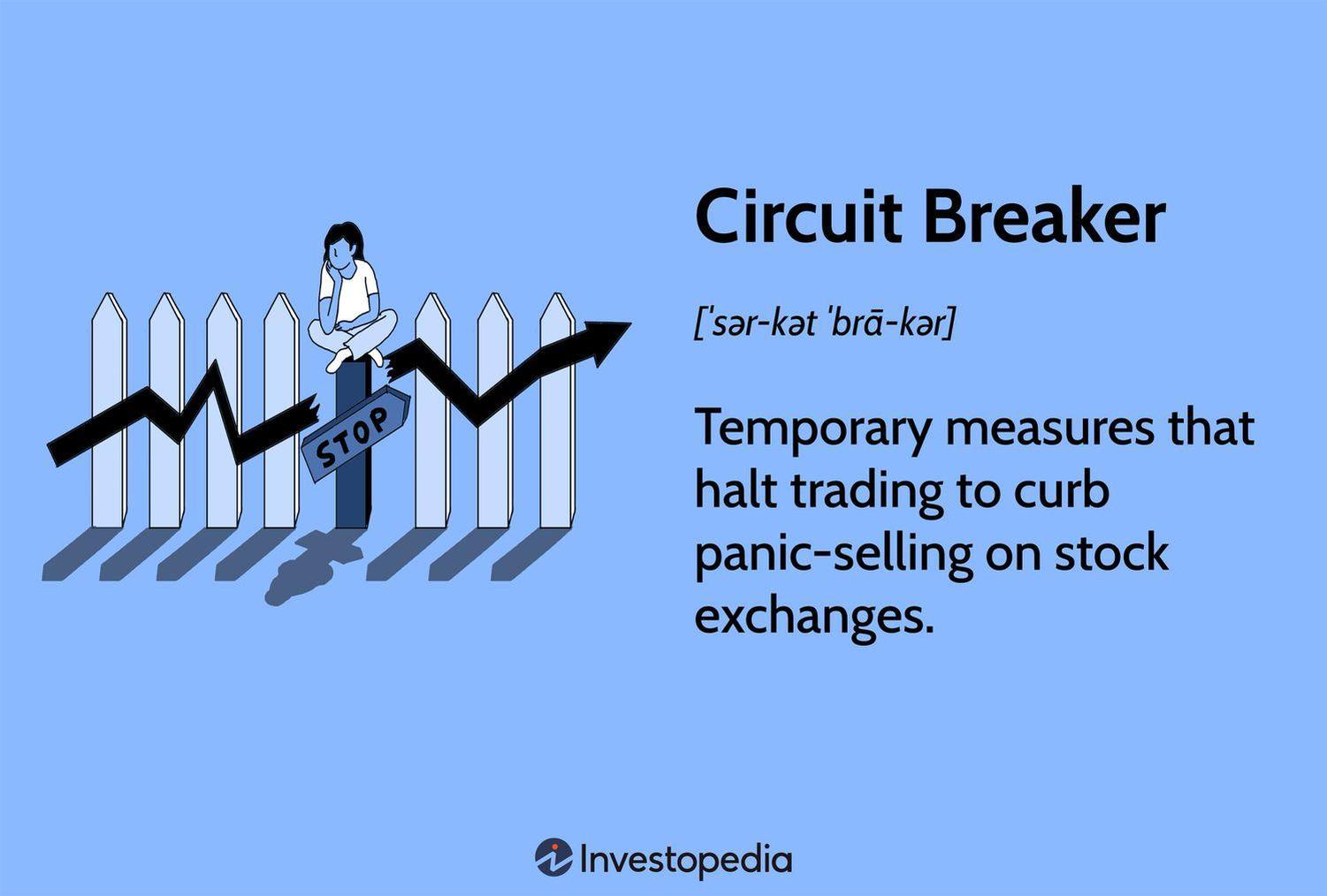
In the complex ecosystem of global financial markets, extreme volatility can trigger cascading panic selling, threatening systemic stability. To mitigate this risk, regulatory bodies employ a crucial emergency mechanism known as a market-wide circuit breaker. Much like their electrical counterparts that shut down power during an overload to prevent fires, financial circuit breakers temporarily halt trading across an entire exchange or country when stock indices plunge past predefined thresholds. This cooling-off period is designed to restore orderly trading conditions and prevent emotional, algorithmic, or speculative freefalls.
Historical Origins: The 1987 Black Monday Crash
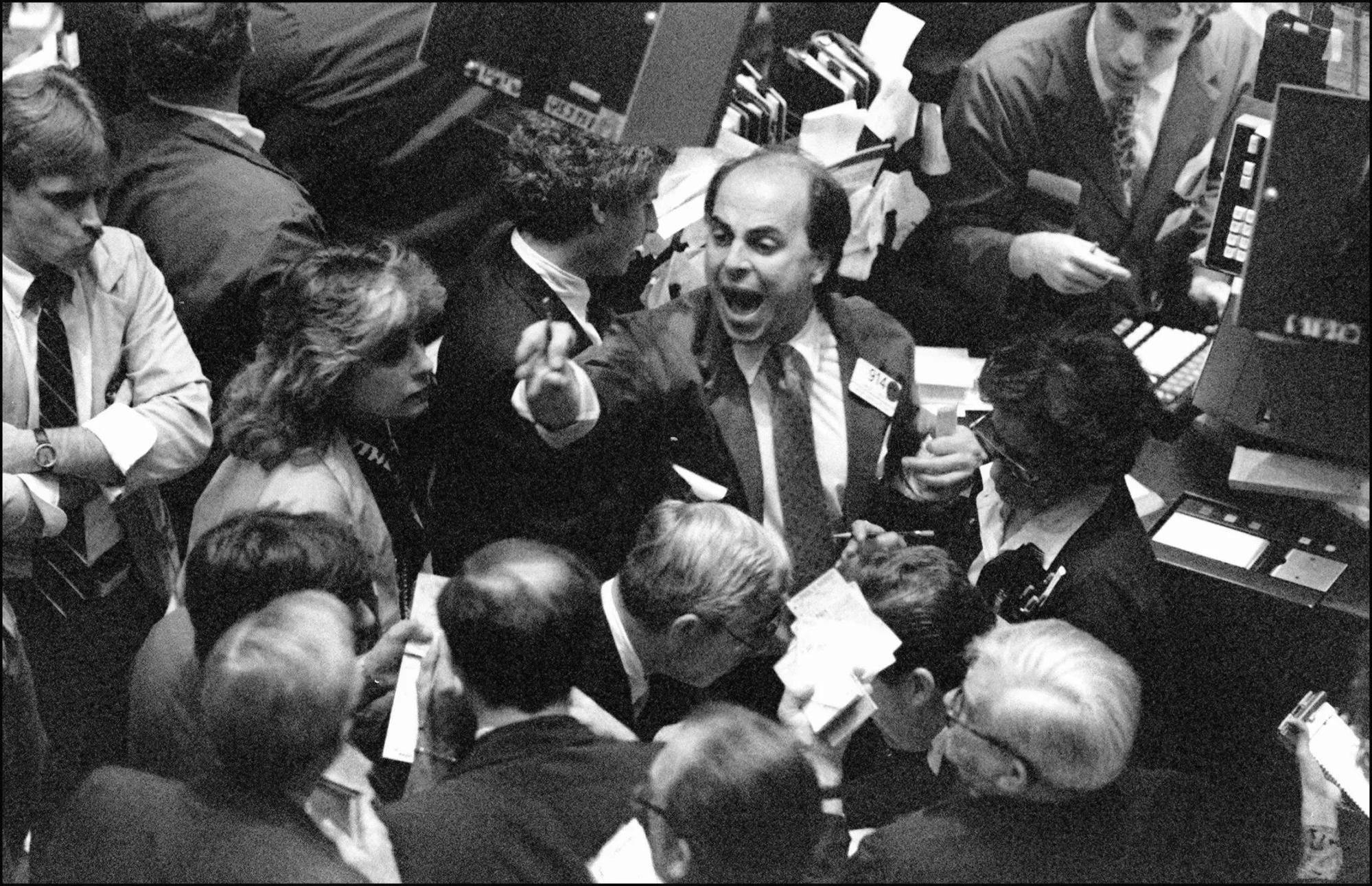
The conceptual origin of the modern financial circuit breaker dates back to October 19, 1987, a day infamously known as Black Monday. On this day, the Dow Jones Industrial Average plummeted by over 22% in a single trading session, exposing severe structural vulnerabilities in computerized trading and market-making capacity. In the aftermath of this unprecedented collapse, the Brady Commission recommended the implementation of coordinated trading halts across stock, options, and futures markets to give market participants time to evaluate information and stabilize their positions during periods of extreme stress.
The Mechanism of Action
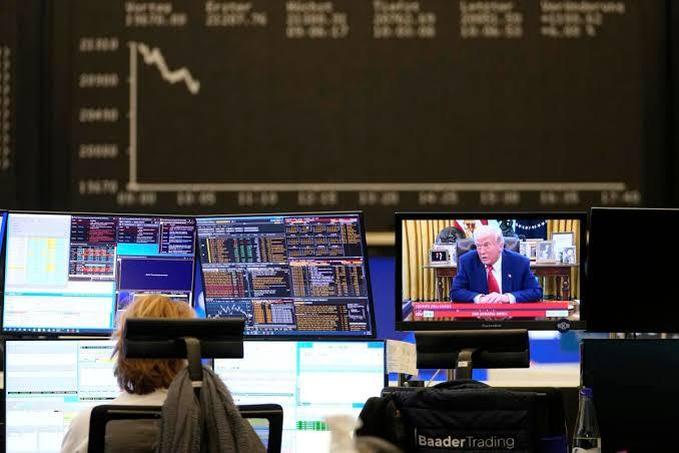
When a circuit breaker is triggered, all trading on the affected exchange is instantaneously paused. Orders cannot be matched, and new orders may either be queued or canceled depending on the exchange's specific rules. During this pause, clearinghouses, brokers, and institutional investors reassess their margin requirements, resolve technical glitches, and disseminate crucial corporate or macroeconomic news. By forcing a temporary timeout, the mechanism aims to interrupt feedback loops where falling prices automatically trigger stop-loss orders and margin calls, which in turn drive prices even lower.
The US Three-Tiered System
In the United States, the Securities and Exchange Commission (SEC) mandates a three-tiered circuit breaker system based on the S&P 500 Index's decline from the previous day's close. Level 1 is triggered by a 7% drop, halting trading for 15 minutes if it occurs before 3:25 PM Eastern Time. Level 2 is triggered by a 14% drop, which also halts trading for 15 minutes under the same time constraints. Level 3 is triggered by a massive 20% drop at any time during the trading day, which immediately suspends all trading for the remainder of the day, allowing the market to reset overnight.
The South Korean Context and the KRX
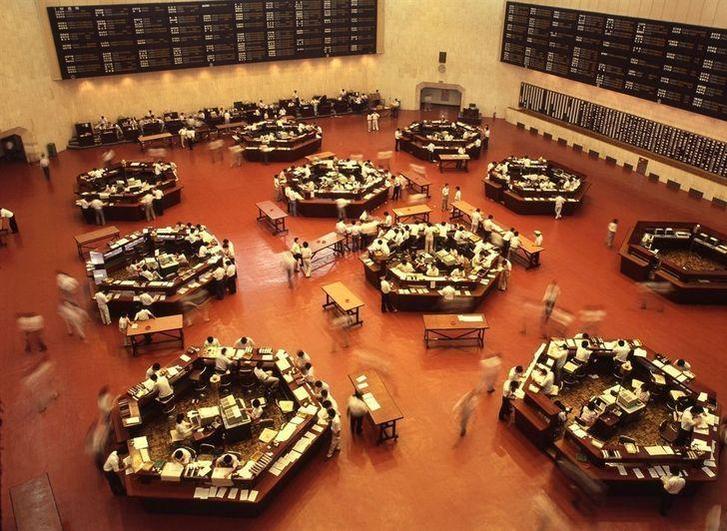
South Korea's financial market operates its own robust circuit breaker system managed by the Korea Exchange (KRX). Introduced in the late 1990s following the Asian Financial Crisis, the Korean system applies to both the KOSPI and KOSDAQ markets. Similar to the US model, the KRX utilizes a three-tiered trigger system based on an 8%, 15%, and 20% drop from the previous day's closing price. Each level triggers a 20-minute halt followed by a 10-minute order matching period, with Level 3 shutting down trading for the day to protect retail and institutional investors alike.
The Psychological Philosophy of Trading Halts
At its core, the circuit breaker is a psychological intervention. In times of panic, the human brain transitions into a fight-or-flight state, leading to herd behavior where investors sell assets regardless of their fundamental value simply because others are doing so. By imposing a mandatory pause, regulators force market participants to step back from the emotional chaos. This interval allows rational assessment, giving investors time to realize if a sell-off has overshot realistic valuations and facilitating the entry of bargain hunters who can stabilize prices.

The Magnet Effect: A Common Criticism
Despite their widespread adoption, circuit breakers are not without controversy. One of the most prominent academic criticisms is the 'magnet effect' or 'gravitational pull' theory. Critics argue that as a market index approaches a circuit breaker threshold (e.g., a 6.5% drop, just short of the 7% Level 1 trigger), panic actually accelerates. Investors rush to execute their sell orders before the market freezes and liquidity vanishes, effectively pulling the market down toward the trigger faster than it would have fallen naturally.

Liquidity Evaporation Concerns
Another criticism of circuit breakers centers on the sudden disappearance of liquidity. When trading is halted, buyers and sellers are unable to adjust their portfolios, which can be particularly damaging to leveraged traders, hedge funds, and market makers who rely on continuous trading to hedge risks. The sudden lack of an exit door can lead to severe liquidity traps, forcing institutions to liquidate assets in other, non-halted markets, thereby spreading financial contagion across asset classes and international borders.

Milestone Event: The 1997 Asian Financial Crisis
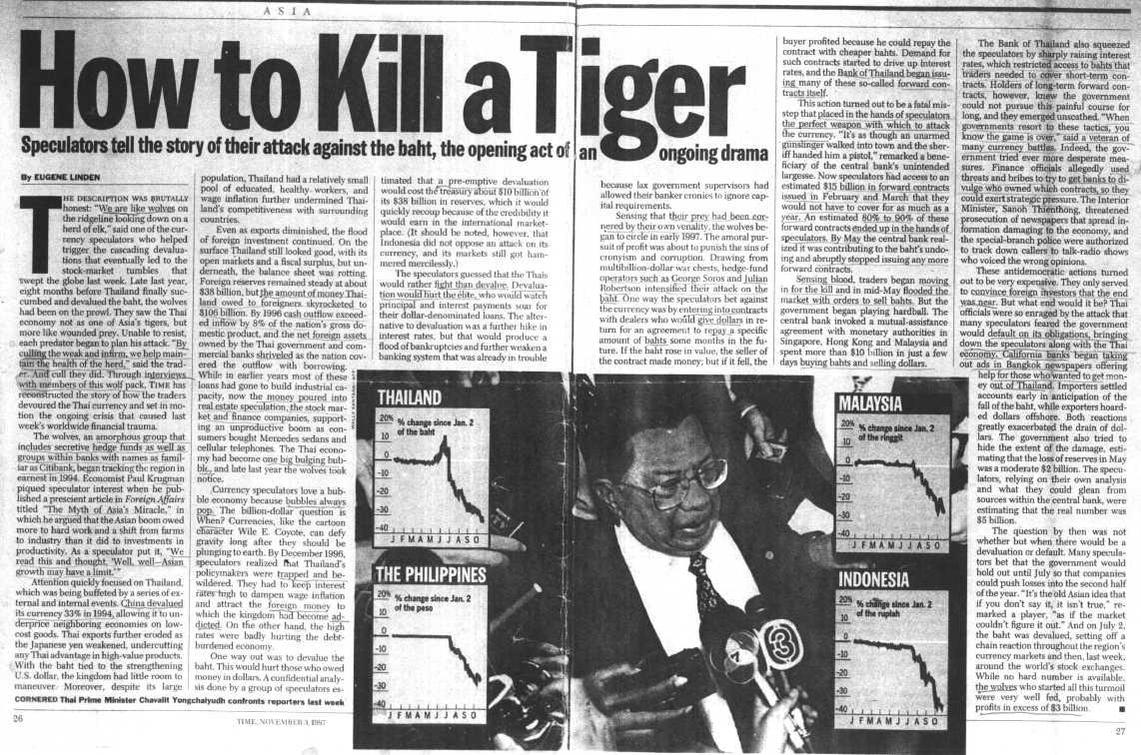
The late 1990s witnessed massive capital flights from emerging markets, highlighting the need for localized circuit breakers. During the 1997 Asian Financial Crisis, several Asian nations experienced unprecedented currency and stock market collapses. The extreme volatility of this era prompted regulators in developing economies, including South Korea, to formalize and refine their trading halt mechanisms to prevent speculative attacks by foreign hedge funds and stabilize domestic investor sentiment during systemic macroeconomic shocks.
The 2010 Flash Crash: An Algorithmic Awakening
On May 6, 2010, the US stock market experienced the 'Flash Crash,' during which the Dow Jones Industrial Average dropped nearly 1,000 points in minutes before rapidly recovering. This event was largely driven by high-frequency trading (HFT) algorithms reacting to a large sell order. The existing market-wide circuit breakers were not triggered because the drop, while incredibly rapid, did not reach the daily 10% threshold required at the time. This highlighted the vulnerability of markets to localized algorithmic anomalies and led to the creation of individual stock circuit breakers.
Individual Stock Halts: Limit Up-Limit Down (LULD)
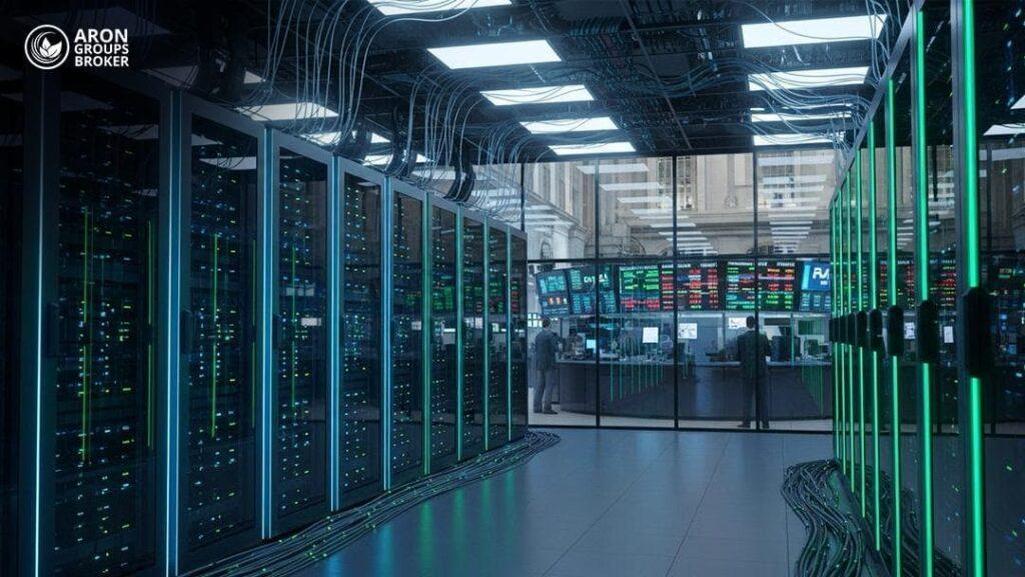
To address localized volatility like that seen in the Flash Crash, regulators introduced the Limit Up-Limit Down (LULD) mechanism. Unlike market-wide circuit breakers, LULD prevents extraordinary price volatility in individual securities. It establishes a band of acceptable trading prices around a rolling five-minute average. If a stock's price moves outside this band, a limit state is declared, and if the price does not return within the band within 15 seconds, a five-minute trading halt is triggered for that specific stock.
The Unprecedented March 2020 COVID-19 Crises
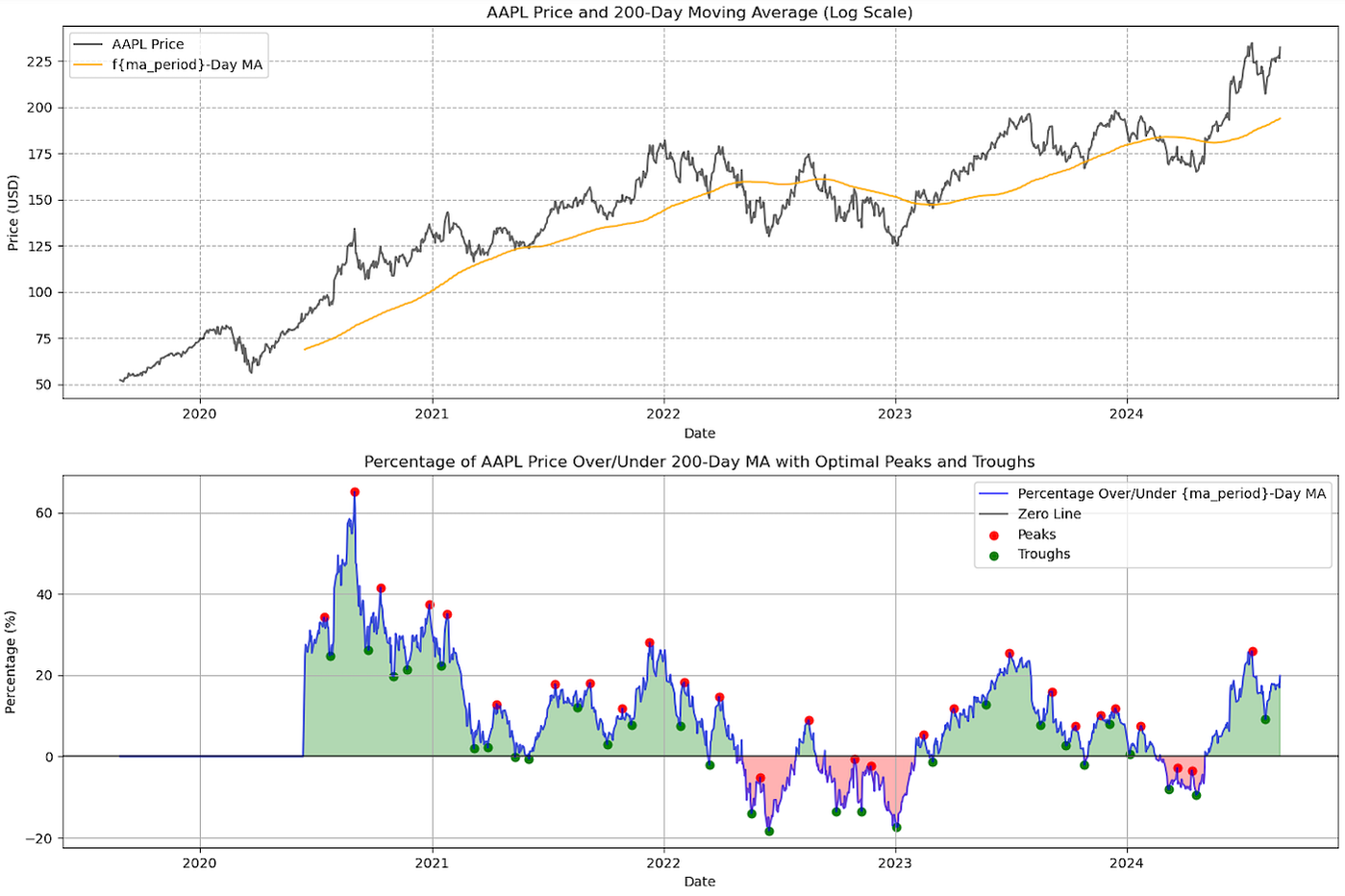
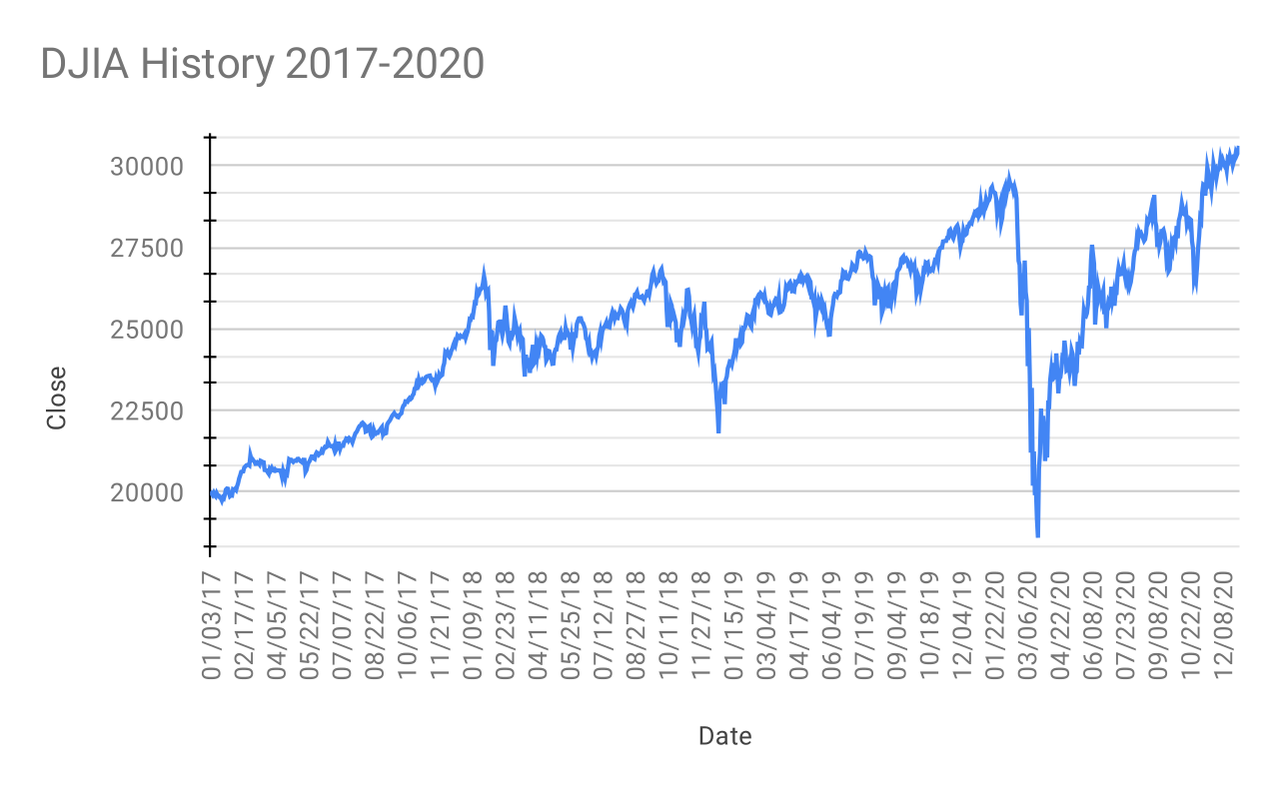
The true test of modern market-wide circuit breakers occurred in March 2020, during the onset of the global COVID-19 pandemic. As fears of global lockdowns and economic paralysis gripped Wall Street, the S&P 500 triggered Level 1 circuit breakers four times within a span of ten days (March 9, 12, 16, and 18). These historic halts froze trading on a scale never seen before, allowing market participants to digest unprecedented public health news and government intervention announcements in a relatively controlled manner.
Analyzing the Effectiveness of the 2020 Halts
Post-crisis analysis of the March 2020 halts yielded mixed conclusions. While many economists credited the circuit breakers with preventing a complete structural collapse of the clearing system, others noted that volatility remained exceptionally high immediately following the resumption of trading. However, consensus holds that without these automated speed bumps, the sheer volume of panic-induced selling from both institutional algorithms and retail investors could have overwhelmed the physical and technological infrastructure of modern clearinghouses.
Comparison with Price Limit Bands
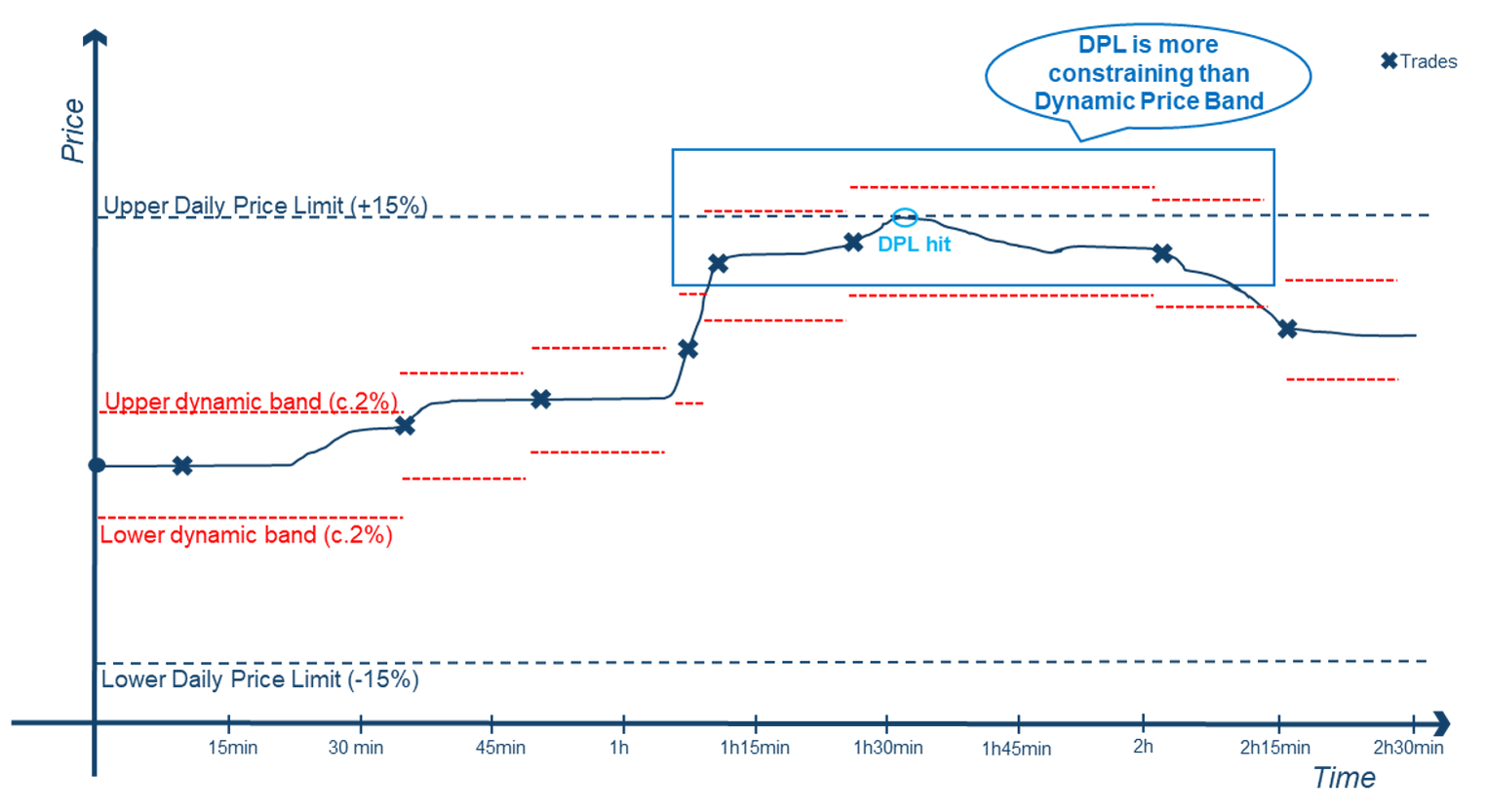
It is important to distinguish circuit breakers from daily price limit bands, which are common in Asian and European exchanges. While a circuit breaker temporarily halts all trading, a price limit band simply prevents a stock from trading outside a certain percentage range (e.g., +/- 30% in South Korea, or +/- 10% in China) for the rest of the day. Under price limits, trading can still continue at the limit price, whereas a circuit breaker completely freezes all transactions for a specified duration.
Institutional Coordination During Halts
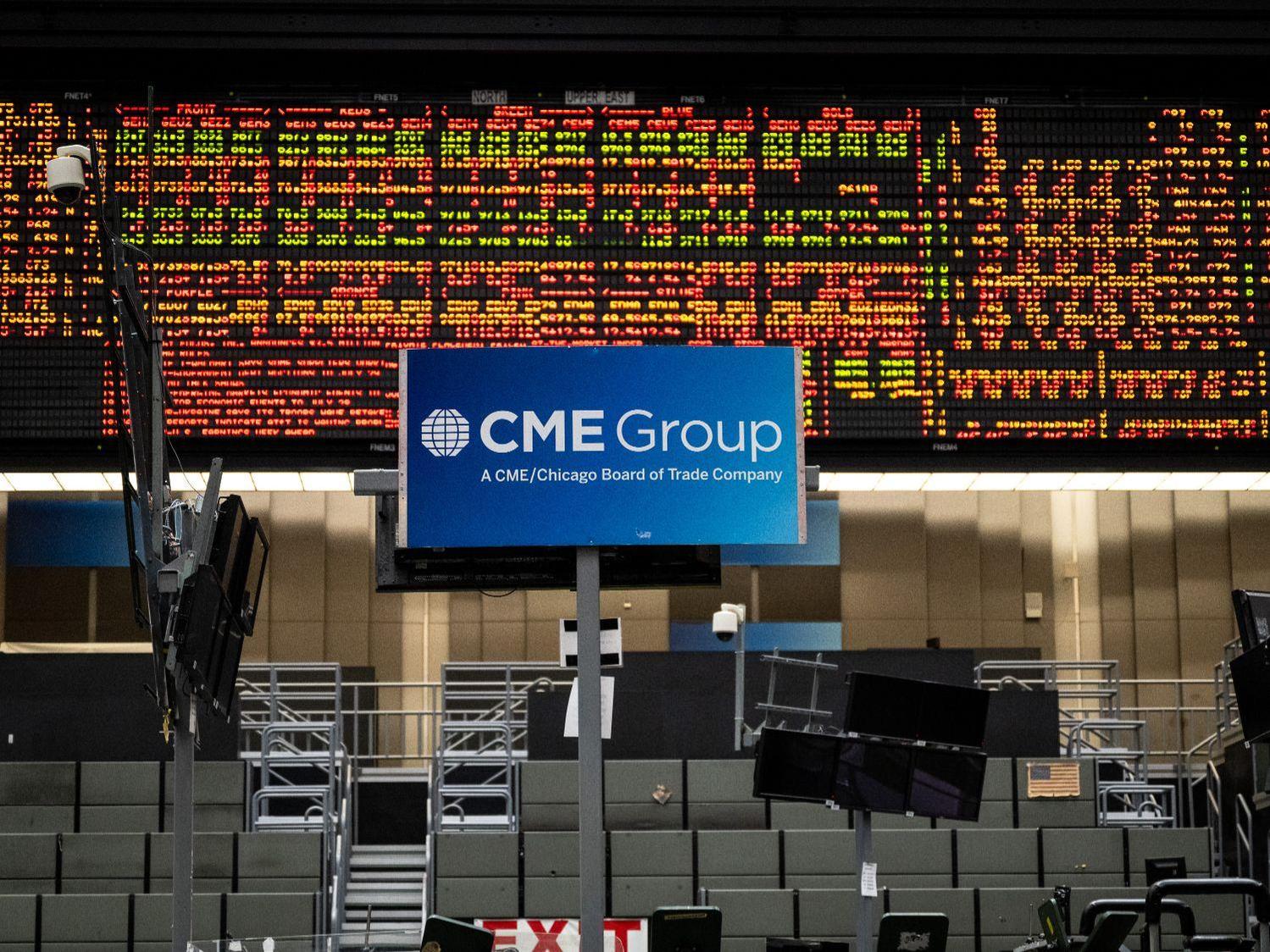
A market-wide halt requires highly synchronized coordination among various financial entities. When the NYSE or NASDAQ halts, futures exchanges like the Chicago Mercantile Exchange (CME) must coordinate their index futures trading to prevent arbitrage opportunities that could distort pricing. This inter-exchange communication is heavily regulated and relies on ultra-low latency telecommunications and automated protocols to ensure that when the cash market freezes, the derivative markets follow suit smoothly.
Global Variations in Regulatory Thresholds
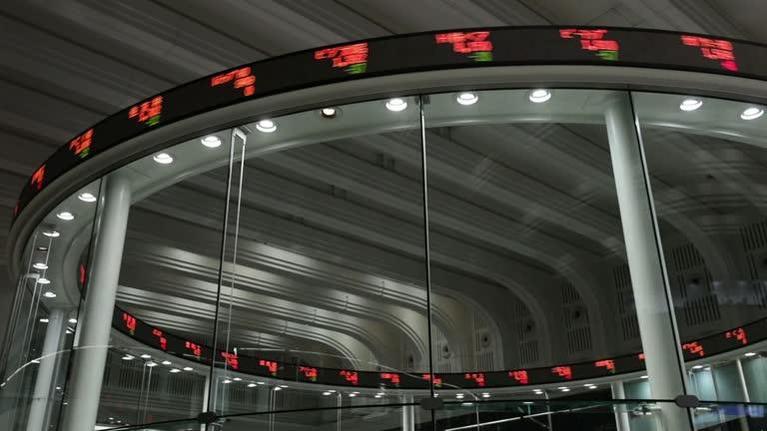
Regulators worldwide have customized their circuit breaker thresholds to match their domestic market characteristics. For instance, the Tokyo Stock Exchange utilizes a system integrated with individual stock limits, while European exchanges often rely on shorter 'volatility interruptions' rather than full-day suspensions. These variations reflect different regulatory philosophies regarding market intervention, with some regions prioritizing continuous price discovery and others prioritizing investor protection during periods of distress.
Academic Debates: Do Halts Solve or Defer Panics?
Financial academics remain divided on whether circuit breakers actually solve underlying panics or merely defer them. Some studies suggest that during a halt, market participants do not change their fundamental outlooks, meaning that once trading resumes, the downward trajectory simply continues. Others argue that halts provide vital time for policy makers to announce emergency monetary or fiscal support, thereby addressing the root cause of the panic rather than just treating the symptom of falling prices.
The Rise of Retail Trading and Social Media Panic
The democratization of investing through mobile apps and social media platforms has introduced a new dynamic to market volatility. Modern panics can spread rapidly via online communities, triggering sudden retail sell-offs. In this digital landscape, circuit breakers serve as a critical check against 'viral' panics, giving retail investors—who may not have access to institutional-grade research—a moment to step back, read verified news, and avoid making impulsive financial decisions.

The Future: AI and the Cryptocurrency Frontier
As financial markets integrate artificial intelligence and machine learning, trading decisions are increasingly made at microsecond speeds without human intervention. This raises questions about whether traditional 15-minute halts are fast enough for the future. Meanwhile, the highly volatile and 24/7 cryptocurrency markets largely operate without centralized circuit breakers, leading to debates about whether decentralized finance (DeFi) protocols should implement automated smart-contract-based halts to prevent catastrophic liquidations.

Conclusion: The Indispensable Safeguard
In conclusion, while market-wide circuit breakers are not a perfect panacea for financial crises, they remain an indispensable tool in modern market design. By balancing the need for continuous price discovery with the necessity of psychological and operational stability, circuit breakers prevent market panics from spiraling into catastrophic systemic collapses. As technology continues to accelerate the speed of trading, these automated safety valves will undoubtedly adapt, ensuring that human-designed markets remain resilient in the face of unpredictable economic storms.

#Circuit Breaker#Stock Market#Financial Regulation#Market Volatility#Trading Halts#Securities and Exchange Commission#Systemic Risk#Wall Street#Korean Exchange
Comments(0)
No comments yet. Be the first to share your thoughts!
Recommended Reads
 Kbeauty
Sep 22, 2026, 10:03 PM
Target Beauty Studio: How K-Beauty is Conquering the American Mass Market
On September 10, 2026, retail giant Target officially launched Target Beauty Stu...
 Skincare
Sep 21, 2026, 10:03 PM
How K-Beauty is Powering Global Ingredient Literacy and Redefining Skincare
In a major move for the global beauty industry, Korean-American cosmetics brand ...
 JayPark
Sep 20, 2026, 10:06 PM
Edmonds-Born K-Pop Pioneer Jay Park Set for Major Seattle Homecoming Concert
Edmonds-born K-pop and hip-hop pioneer Jay Park is returning to his roots for a ...
 BTS
BTSSep 19, 2026, 10:04 PM
The Triumph and Autonomy of BTS: Inside Their Historic 2026 Comeback and Bold Grammy Boycott
After a scheduled hiatus that began in late 2022, the global supergroup BTS has ...
 Fitness Gaming
Sep 3, 2026, 03:35 AM
VXROOM: Transforming Daily Workouts into Engaging Web-Based Motion Games
VXROOM (vxroom.com) is an innovative web-based int...
 Survival Show
Sep 1, 2026, 09:07 AM
Game of Blood X: The Evolution of Korea’s Fiercest Survival Reality Franchise
Wavve's hit original series Game of Blood ...